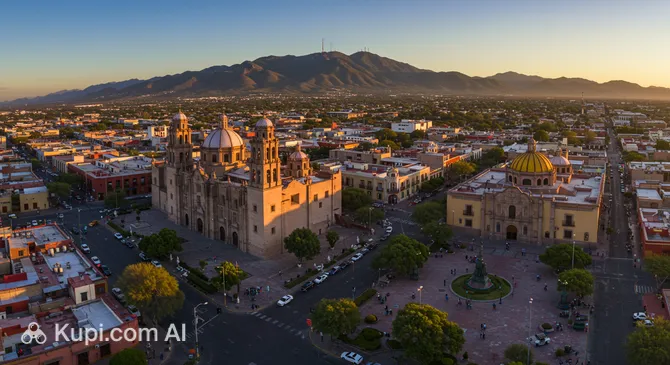
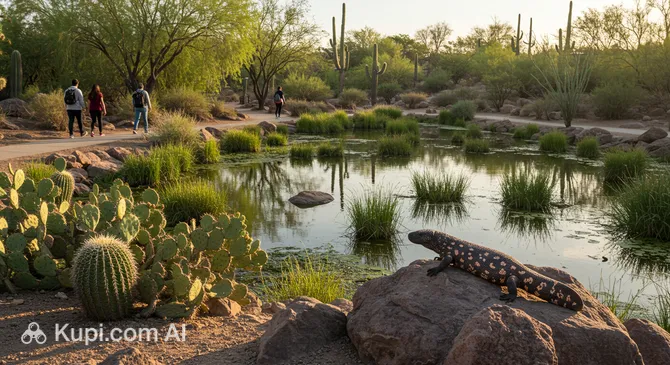
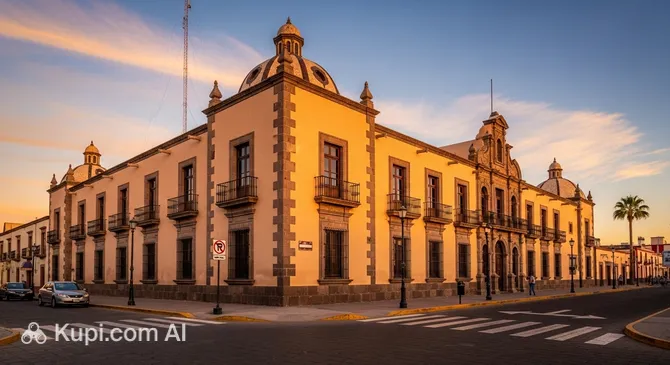
Hermosillo, affectionately known as the "City of the Sun" (La Ciudad del Sol), is a vibrant destination that perfectly blends modernity with traditional charm. As the capital of the state of Sonora, it serves as a major industrial and commercial center while offering a warm welcome to travelers seeking authentic experiences.
Situated in the heart of the Sonoran Desert, the city is characterized by its unique arid landscape and sunny weather year-round. With a population of over 850,000 residents, it is one of the most important and dynamic cities in northwestern Mexico, acting as a strategic gateway between the coast and the inland mountains.
Hermosillo. Illustration.
Source: Kupi.com AI
The city boasts a rich heritage that shapes its current identity. Visitors interested in the history of Hermosillo will find that its evolution from an early settlement to a thriving metropolis is deeply reflected in its architecture and cultural institutions. The downtown area preserves much of this legacy, inviting guests to stroll through its historic streets.
Among the top attractions is the iconic Cerro de la Campana, a rocky hill in the city center that offers spectacular panoramic views, particularly at sunset. The heart of social life is often found at Plaza Zaragoza, a picturesque square flanked by the impressive Cathedral of the Assumption and the Government Palace, which houses magnificent murals depicting local legends.
Whether you are visiting to taste the world-renowned local carne asada, explore the surrounding desert nature, or simply enjoy the city's lively atmosphere, Hermosillo promises a memorable and engaging stay for every tourist.
Weather Overview
True to its nickname as the "City of the Sun," Hermosillo experiences a hot semi-arid climate with distinct seasonal variations. Travelers planning a trip should check the weather in Hermosillo to pack appropriately, as the city transitions from mild winters to intensely hot summers.
The summer months are defined by high heat, with June seeing average temperatures of 31.5°C and daily maximums frequently peaking around 39.3°C. While early summer is dry, July and August bring a change in the pattern with approximately 11 wet days each, offering some variation to the scorching days where averages remain above 32.5°C.
In contrast, the winter period from December to February is widely considered the most pleasant time to explore. During these months, precipitation is rare, and average temperatures sit comfortably between 16.6°C and 17.4°C, with cooler nights dropping to around 8.9°C. Generally, you can expect sweltering summers with occasional rainfall and mild, dry winters perfect for outdoor activities.
Average monthly temperature
Average monthly precipitation
Interesting Facts
Beyond the main avenues and government buildings, Hermosillo holds fascinating secrets and local quirks that surprise many visitors. From auditory geological wonders to record-breaking culinary feats, the city's character goes far deeper than its sunny weather.
Cerro de la Campana. Illustration.
Source: Kupi.com AI
Traveler photos:
The iconic Cerro de la Campana is not just named for its bell-like shape as commonly believed. The hill is composed of phonolites, rare volcanic rocks that actually produce a metallic, ringing sound similar to a bell when struck against one another.
Hermosillo is widely regarded as the "Carne Asada Capital of the World." The city takes its grilling tradition so seriously that it has held the Guinness World Record for the largest number of people roasting meat simultaneously, a testament to the high quality of Sonoran beef.
Unlike most of Mexico where soccer is the undisputed king of sports, Hermosillo is a stronghold for baseball. The local professional team, Naranjeros de Hermosillo, is one of the most successful franchises in the history of the Mexican Pacific League. This passion for sports extends to the university level as well, with facilities like the Miguel Castro Servín Stadium serving as key venues for local athletic events.
The Old Penitentiary of Sonora, located at the foot of the city's famous hill, is a historic building made of local stone that served as a prison for decades. Today, it has been transformed into the Regional Museum of Sonora, preserving the state's history within the very walls that once held its outlaws.
How to Get There
Reaching Hermosillo is relatively straightforward, with air travel being the most convenient option for the majority of visitors. As a key industrial and commercial hub in northwestern Mexico, the city is well-connected to major destinations within the country and abroad. For a comprehensive guide on transportation options, including driving routes and bus services, you can read more about how to get to Hermosillo.
The primary gateway to the city is Gen Pesqueira Garcia Airport (HMO), located directly in Hermosillo. It sits approximately 9.3 km from the city center, making the transfer to downtown quick and convenient. A taxi or ride-share service typically takes between 15 and 20 minutes to reach the heart of the city, ensuring a smooth start to your visit. This is a busy international airport handling a large volume of passengers annually, ensuring frequent flights and good facilities.
Another option for travelers exploring the wider region is Ciudad Obregon Airport (CEN), although it is situated significantly further away. Located in the city of Ciudad Obregon, this airport is about 216 km from Hermosillo. The journey by road from there takes approximately 3 hours via the main highway. While it handles a moderate amount of traffic compared to the capital's hub, it serves as a viable alternative if you are planning a road trip through Sonora.
For clarity, here is a summary of the main airports:
With its blend of historical architecture, vibrant cultural spaces, and relaxing green areas, Hermosillo offers a variety of points of interest for every type of traveler. From the bustling city center to quiet parks, the local attractions reflect the unique spirit of the Sonoran capital.
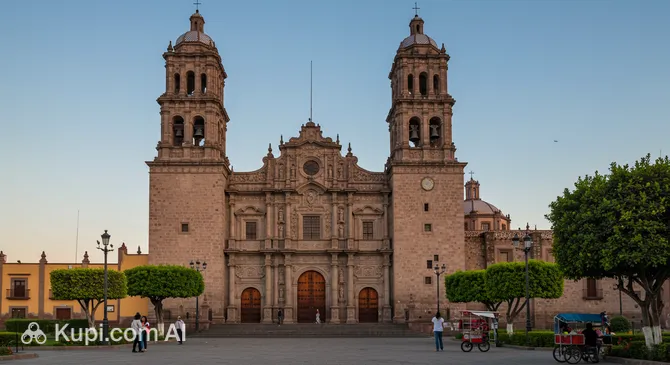
Standing majestically in the heart of the city is the Hermosillo Cathedral, officially known as the Cathedral of the Assumption. This architectural gem is a striking mix of Neoclassical and Baroque styles, dominating the main square with its elegant towers and intricate details. It serves not only as the primary place of worship but also as a central landmark where visitors can admire the craftsmanship and soak in the peaceful atmosphere of the surrounding plaza.
Hermosillo Cathedral. Illustration.
Source: Kupi.com AI
Traveler photos:
For those interested in contemporary culture, the Sonora Museum of Art (MUSAS) is an essential stop. This modern institution is dedicated to promoting artistic expression through a dynamic range of exhibitions, film cycles, and educational workshops. The museum showcases works by regional, national, and international artists, making it a vibrant hub for creativity and dialogue within the city.
Travelers seeking a break from the urban pace will find a welcoming retreat in Madero Park. As one of the city's most traditional green spaces, it offers shaded walkways, fountains, and lush vegetation that provide a cool respite from the desert heat. It is a popular spot for families and locals to enjoy leisurely strolls or picnics in a tranquil setting.
Nature enthusiasts, particularly those traveling with children, should explore The House of the Fish. This attraction focuses on the aquatic biodiversity of the region, offering an educational glimpse into the life of various species found in Sonora's rivers and the nearby Sea of Cortez. It provides an engaging way to learn about the local ecosystem and the importance of conservation.
Local Cuisine
The culinary scene in Hermosillo is legendary throughout Mexico, primarily defined by the exceptional quality of its beef. As the capital of a major cattle-ranching state, the city offers a gastronomic experience centered around the grill. The aroma of roasting meat is a constant companion in the streets, where the food culture is casual, hearty, and deeply rooted in the traditions of the Sonoran Desert.
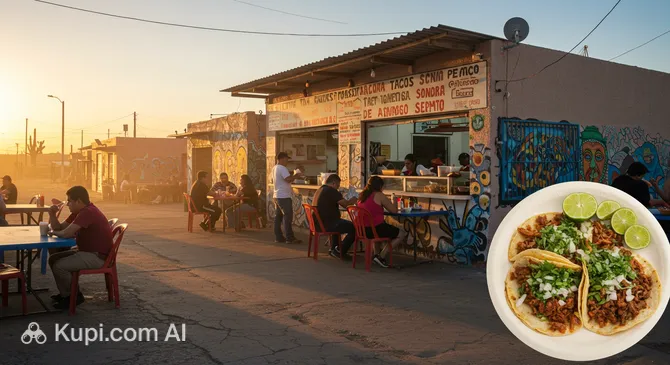
The undisputed king of local cuisine is Carne Asada. This is not just a dish but a social ritual involving high-quality cuts of beef grilled over mesquite wood to add a smoky flavor. It is typically served in tacos using the region's famous flour tortillas, which are distinctively thin and delicious. Some of these tortillas, known as sobaqueras, are so large they can wrap around a person's arm. For an authentic taste of these local specialties, visitors often head to popular spots like Tacos de Armando, where the tradition of Sonoran tacos is kept alive.
Tacos de Armando. Illustration.
Source: Kupi.com AI
Traveler photos:
Another culinary icon you cannot miss is the Sonoran Hot Dog, locally known as a "Dogo." Far from a standard hot dog, this street food delicacy features a frankfurter wrapped in bacon, grilled, and served in a soft, sweet bun. It is then piled high with toppings such as pinto beans, grilled onions, fresh tomatoes, mayonnaise, mustard, and jalapeño sauce. It is a favorite late-night snack for locals and a must-try for any tourist.
For breakfast, Machaca is a staple. This dried, shredded beef is rehydrated and cooked with eggs, onions, and chili peppers, providing a savory start to the day. When it comes to sweets, the city is famous for Coyotas, flat, unleavened pastries filled with piloncillo (unrefined cane sugar), jam, or nuts. They are best enjoyed warm, often accompanied by coffee.
To wash it all down, the signature drink of the region is Bacanora. This artisanal agave spirit, similar to tequila or mezcal but with a distinctive smokier profile, has a Protected Designation of Origin in Sonora. The city also has a growing social scene where you can enjoy these drinks. After a good meal, locals might gather at venues like London Pub or Billarama Hermosillo to relax and enjoy the evening atmosphere.
The dining landscape in Hermosillo ranges from humble street carts (carretas) serving the best hot dogs to upscale establishments. Restaurants like Néctar offer a more refined setting to explore the flavors of the region. Whether you are eating standing up at a street corner or sitting in a comfortable dining room, the food in Hermosillo is sure to be a highlight of your trip.
Travel Tips
To help you make the most of your visit to the "City of the Sun," we have compiled a set of essential guidelines that will ensure your trip is as smooth and enjoyable as possible. These practical insights will help you navigate the local customs, handle the desert climate, and experience Hermosillo like a seasoned traveler.
Clothing and Gear: Given the semi-arid desert climate, lightweight and breathable fabrics like cotton or linen are essential, especially if visiting between May and September. A wide-brimmed hat, high-SPF sunscreen, and sunglasses are non-negotiable accessories to protect against the intense UV radiation. However, if you travel during the winter months (December to February), bring a light jacket or sweater, as temperatures can drop significantly in the evenings.
Transportation: The most convenient and safe way to get around the city is by using ride-hailing apps like Uber or DiDi, which are widely available and affordable. While public buses exist, routes can be confusing for visitors and they often lack air conditioning. If you plan to visit nearby beaches like Bahia de Kino, renting a car is highly recommended for flexibility.
Finances: The local currency is the Mexican Peso (MXN). While major hotels, restaurants, and malls accept credit and debit cards (Visa and Mastercard are standard), it is crucial to carry cash for smaller establishments and street food vendors. ATMs are plentiful in shopping centers and banks. Tipping is customary; leaving 10% to 15% in restaurants is the standard practice.
Health and Safety: Due to the extreme heat, dehydration is a real risk; always carry bottled water and avoid prolonged exposure to the sun during midday hours. Pharmacies like Farmacias Guadalajara or Farmacias del Ahorro are common, and many offer 24-hour service. Hermosillo is generally safe, but standard precautions apply: stick to well-lit, busy areas at night and keep an eye on your belongings in crowded places.
Communication: Spanish is the primary language. While staff in high-end hotels and business centers often speak English, it is less common in local shops and street markets. Learning a few basic phrases like "Buenos días" (Good morning) and "Gracias" (Thank you) goes a long way. For connectivity, you can easily buy a prepaid SIM card at any OXXO convenience store.
Local Etiquette: People in Sonora are known for being warm and direct. It is polite to greet shopkeepers and drivers upon entering. Handshakes are common, and locals appreciate it when you show an interest in their food culture. When dining, meals are often leisurely affairs, so don't feel the need to rush—enjoy the conversation and the atmosphere.
What to Avoid: Never drink tap water; it is not potable and can cause stomach issues—stick strictly to bottled or purified water. Additionally, avoid underestimating the spiciness of salsas; Sonoran chilies can be very hot, so taste a small amount before covering your food.
Additional Tip: Adjust your schedule to the local rhythm. Many locals avoid outdoor activities between 2:00 PM and 5:00 PM when the heat is at its peak. instead, the city comes alive late in the evening. Plan your dinners after 8:00 PM to experience the vibrant nightlife and cooler temperatures.
By keeping these tips in mind, you will be well-prepared to embrace the warmth and hospitality of Hermosillo. Whether you are here for business or to explore the wonders of the Sonoran Desert, a little preparation ensures your adventure is memorable for all the right reasons.
Entertainment & Nightlife
When the sun sets and the intense desert heat subsides, Hermosillo transforms into a lively hub of activity. The nightlife here is vibrant and diverse, driven by a young population and a culture that loves to socialize late into the evening. The atmosphere is generally relaxed but festive, with locals taking full advantage of the cooler night temperatures to gather with friends and family.
The epicenter of the city's nightlife is undoubtedly the "Hotel Zone" along Boulevard Eusebio Kino and the connecting Boulevard Abelardo L. Rodríguez. These wide avenues are lined with a high concentration of trendy bars, nightclubs, and restaurants. On weekends, this area buzzes with energy, hosting everything from live banda music venues to sophisticated lounges playing electronic beats.
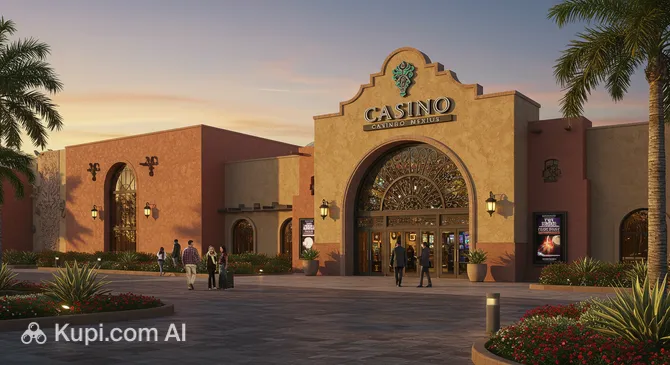
For those seeking excitement, casinos are a major part of the local entertainment scene. They are popular spots not just for gaming, but also for enjoying drinks and live shows in a secure environment. The Imperial Casino is one of the most prominent venues, offering a wide range of machines and tables in an upscale setting. Another favorite among locals and visitors alike is the Orus Casino, known for its modern facilities and attentive service.
Imperial Casino. Illustration.
Source: Kupi.com AI
Traveler photos:
If you prefer a more laid-back evening that combines shopping, dining, and entertainment, the city's modern plazas are the place to be. Grand Kino Hermosillo is a prime example of these mixed-use spaces, featuring stylish architecture and a variety of restaurants where you can enjoy a cocktail or a late dinner on a terrace. These areas are particularly safe and well-lit, making them perfect for a casual night out.
Regarding practicalities, the nightlife in Hermosillo typically starts late. Bars begin to fill up around 9:00 PM, while clubs don't hit their peak until after 11:00 PM. The dress code is generally "smart casual"—jeans and a nice shirt work well for most bars, though some upscale clubs may require dress shoes. Prices are reasonable compared to larger Mexican metropolises; a beer might cost between 50 to 80 MXN, and cocktails around 120 to 180 MXN.
Safety is a priority for nighttime travelers. The main entertainment districts along Boulevard Kino are well-patrolled and safe for walking between venues. However, it is advisable to avoid walking alone in poorly lit residential areas late at night. For transportation, ride-sharing apps like Uber and DiDi are the most reliable and safe way to get back to your accommodation, as they track your journey and avoid the need for cash transactions.
While the nights are for partying, the city offers plenty of daytime entertainment as well. Families can spend a pleasant afternoon at the DIF Sonora Children's Park, which features accessible playgrounds and green spaces. Sports fans should check the schedule for the Miguel Castro Servín Stadium, a key venue for university sports that reflects the city's deep passion for athletics.
Parks & Museums
Hermosillo is not only an industrial hub but also a city that values its history and recreational spaces. For travelers looking to delve deeper than the main squares, the city offers a mix of ecological projects, historical museums housed in impressive buildings, and unique cultural landmarks that tell the story of the region's past and present.
One of the most interesting natural areas to explore is the La Sauceda Wetland. This area serves as an important environmental lung for the city, offering a contrast to the surrounding desert landscape. It is a peaceful spot for nature lovers, ideal for birdwatching and enjoying a quiet walk amidst native vegetation. The project highlights the community's effort to preserve local ecosystems and provides a refreshing escape from the urban heat.
La Sauceda Wetland. Illustration.
Source: Kupi.com AI
Traveler photos:
Another favorite outdoor venue, particularly for the younger crowd and families, is Parque La Ruina. Although it functions more as a cultural and gastronomic park, it is set on the grounds of an old textile factory, blending industrial heritage with modern leisure. It features lush green areas, food trucks, and open-air events, making it a perfect example of how Hermosillo revitalizes its historical spaces for contemporary use.
In terms of museums, the city preserves its dramatic history within the walls of the Old Penitentiary of Sonora. Now functioning as the Regional Museum of Sonora, this building is an attraction in itself. Built with stone from the nearby iconic hill, it served as a prison for decades. Today, visitors can walk through the former cells and courtyards, which now house exhibits detailing the history of the state, from indigenous roots to the revolutionary era. The contrast between the building's grim past and its current educational purpose makes for a compelling visit.
Old Penitentiary of Sonora. Illustration.
Source: Kupi.com AI
Traveler photos:
For a glimpse into the everyday life and local traditions, a visit to Candelaria Plaza is highly recommended. This plaza acts as a charming focal point in its neighborhood, often hosting small community events and offering a more intimate look at the local culture compared to the larger downtown squares. It is surrounded by traditional architecture and provides a lovely setting for a relaxing afternoon stroll.
To round out your cultural tour, consider visiting the Museum of Popular and Indigenous Cultures of Sonora. This venue is dedicated to the diverse indigenous groups of the region, such as the Yaquis and Seris. It offers fascinating displays of traditional crafts, clothing, and ceremonial objects, providing crucial context to the rich ethnic tapestry of Sonora.
For a truly unique and somewhat quirky "insider" experience, you might stumble upon the spot known as Aquí engañaron a Lupita Villalobos. While it may sound like a traditional historical site, it has become a pop-culture landmark referencing a viral local story. It represents the modern, humorous side of Hermosillo's social character and has become a peculiar photo opportunity for those in the know.
Getting Around
Public transportation in Hermosillo is primarily reliant on a bus network, as the city does not have a metro, tram, or light rail system. The bus service, often referred to locally under the umbrella of the UNE system, covers the majority of the metropolitan area, connecting residential neighborhoods with the downtown district, universities, and industrial zones. For tourists, the buses are a cost-effective way to move around, though navigating the routes can sometimes be challenging without local knowledge.
A crucial feature of the bus system in Hermosillo is the distinction between air-conditioned units and those without. Given the city's extreme desert heat, waiting for a bus with climate control is highly recommended and well worth the wait. These modern units are easily identifiable and offer a much more comfortable ride, especially during the sweltering summer months when temperatures soar.
Regarding payment, the system has modernized to include a prepaid card option known as the UNE card, which can be purchased and recharged at specialized centers and authorized convenience stores throughout the city. Using the card is slightly cheaper than paying with cash. If you choose to pay with cash, you must have the exact fare ready in coins, as drivers do not carry change. The fare is very affordable, typically costing just a few pesos, making it one of the cheapest ways to travel.
For practical navigation, visitors are advised to download the official transport app (UNE Sonora), which allows users to view routes, locate bus stops, and track the real-time arrival of buses. Public transport generally operates from early morning, around 5:30 AM, until approximately 10:00 PM. It is important to note that service frequency drops significantly after 9:00 PM, so alternative plans should be made for late-night travel.
For many tourists, the most convenient alternative to buses is the use of ride-hailing apps. Services like Uber and DiDi are extremely popular, safe, and widely available in Hermosillo. They offer the advantage of air-conditioned comfort, door-to-door service, and transparent pricing, which eliminates the language barrier that might arise when negotiating fares with traditional taxis. Traditional street taxis exist but often lack meters, requiring you to agree on a price before starting the journey.
Car rentals are another viable option and are perhaps the best choice if you plan to explore attractions outside the city limits, such as Bahia de Kino. Driving in the city is relatively straightforward due to the grid layout of the streets. However, walking or renting bicycles for commuting is generally not recommended during the day due to the intense heat, although recreational cycling is common in parks during the cooler early mornings or evenings.
Accommodation
Accommodation in Hermosillo is designed to meet the needs of a diverse mix of visitors, ranging from business executives to families exploring the Sonoran Desert. The city offers a broad spectrum of lodging options, including modern high-rise hotels belonging to international chains, comfortable mid-range establishments, and budget-friendly motels.
The most popular area for tourists and business travelers alike is the designated "Hotel Zone" located along Boulevard Eusebio Kino. This district is convenient as it places visitors close to the city's best restaurants and nightlife. Staying here ensures easy access to main roads and a vibrant atmosphere, with many establishments offering swimming pools—a welcome amenity in the desert heat.
Another strategic location is the historic downtown (Centro). Staying here offers immediate access to cultural landmarks such as the Hermosillo Cathedral and local government buildings. This area tends to host more traditional and affordable hotels, perfect for those who want to be within walking distance of the main plazas and museums.
For those seeking modern amenities, the Vado del Río area is a rapidly developing district featuring newer business hotels. This area is situated near major commercial hubs and shopping centers like Metrocentro, making it an excellent choice for travelers who prioritize convenience and shopping.
Metrocentro. Illustration.
Source: Kupi.com AI
Traveler photos:
Booking Tip: Since Hermosillo is a major industrial hub, hotels can fill up quickly during the week with business travelers. It is advisable to book in advance if arriving between Monday and Thursday. Additionally, given the extreme summer temperatures, ensuring your chosen accommodation has reliable air conditioning is absolutely essential for a comfortable stay.
Price Range and Booking: The cost of accommodation is generally moderate compared to Mexico's coastal resort destinations. Budget travelers can find rooms starting from around 600 to 1,000 MXN per night, while mid-range hotels typically range from 1,200 to 2,000 MXN. Luxury options and high-end suites are available from 2,500 MXN upwards. Booking is easily done through major online platforms, though contacting smaller local hotels directly can sometimes yield better rates.
Nearby Cities
For those looking to explore the surroundings, Hermosillo serves as an excellent base for day trips to several interesting nearby locations:
City
Population
Distance
Empalme
38 886
123 km
Guaymas
156 863
129 km
Santa Ana
12 372
163 km
Magdalena de Kino
30 429
172 km
Vicam Pueblo
8 578
176 km
One of the most attractive options for a getaway is Guaymas, located relatively close to the capital. This historic port city is the gateway to the Sea of Cortez and the famous resort area of San Carlos. Visitors flock here to enjoy stunning beaches, fresh seafood, and outdoor activities like diving and kayaking in a landscape where desert mountains meet the sea.
To the north lies Nogales, a bustling city situated directly on the border with the United States. It offers a distinct cultural energy and is a popular destination for those interested in shopping for Mexican handicrafts, leather goods, and experiencing the dynamic atmosphere of a major border crossing. It provides a fascinating contrast to the inland lifestyle of Hermosillo.
Heading south, travelers can visit Ciudad Obregon, the second-largest city in Sonora. Known as the agricultural heart of the Yaqui Valley, it offers a mix of modern amenities and cultural depth. Visitors can enjoy recreational areas like the Laguna del Náinari or learn more about the indigenous Yaqui culture, which is deeply rooted in this fertile region.
These nearby destinations offer a glimpse into the diverse culture and landscapes of the region.
Shopping & Souvenirs
Shopping in Hermosillo reflects the city's dual identity as a modern commercial hub and a guardian of Sonoran traditions. Visitors will find a convenient mix of expansive, air-conditioned malls featuring international brands and bustling downtown streets lined with local vendors. Whether you are looking for high-end fashion or authentic regional handicrafts, the city offers a diverse retail landscape that caters to all tastes and budgets.
For a contemporary shopping experience, the city boasts several sophisticated commercial centers that provide a respite from the desert heat. Grand Kino Hermosillo is a standout destination, known for its modern architecture and upscale atmosphere. It is more than just a place to shop; it is a lifestyle center where visitors can browse exclusive boutiques, enjoy fine dining, and relax in stylish open spaces. Another major destination is Galerías Mall Sonora, the largest shopping center in the city, which houses major department stores, a cinema, and a wide array of fashion retailers.
Grand Kino Hermosillo. Illustration.
Source: Kupi.com AI
Traveler photos:
If you prefer a more traditional atmosphere, the historic downtown area (Centro) is the place to be. The streets surrounding the Mercado Municipal are vibrant and chaotic in the best possible way, packed with shops selling everything from footwear to spices. While the historic market building itself is a landmark, the entire district functions as an open-air bazaar where you can find genuine local products and interact with friendly merchants who have been there for generations.
When it comes to souvenirs, Hermosillo offers unique items that are distinct to the region. The most iconic keepsake is Palo Fierro (ironwood) carvings. These beautiful, heavy wooden sculptures are hand-carved by the indigenous Seri people and depict desert animals like eagles, turtles, and dolphins. Additionally, as the capital of cattle country, the city is an excellent place to buy high-quality leather goods, including cowboy boots, belts, and hats, which are staples of the local attire.
Food items also make for excellent gifts to take home. You cannot leave without buying a few packs of Coyotas, the traditional flat pastries filled with brown sugar or jam. For those who like it hot, a jar of Chiltepin peppers—the "red gold" of Sonora—is a must. This tiny, round chili is wild-harvested and packs a flavorful punch that defines Sonoran cuisine. Bottles of Bacanora, the artisanal agave spirit of the state, are also highly prized by collectors.
Most shopping malls and department stores operate daily from approximately 10:00 AM to 9:00 PM. In contrast, downtown shops and markets tend to open earlier, around 9:00 AM, and may close by 7:00 PM or 8:00 PM, with some smaller vendors taking a break during the hottest part of the afternoon. While credit and debit cards are widely accepted in malls and established restaurants, it is essential to carry cash (Mexican Pesos) when shopping in the downtown markets or buying from artisans.
International tourists shopping in participating stores may be eligible for a tax refund on merchandise purchases through the "Moneyback" program. Look for the "Tax Free" logo in store windows, and be sure to ask for a VAT (IVA) invoice and keep your immigration form handy to process the refund at the airport upon departure.