Support

Nogales

About

Nogales is a vibrant and bustling city that serves as one of the most important gateways to Mexico. Known for its unique "Ambos Nogales" (Both Nogales) spirit, it shares a deep cultural and economic bond with its sister city across the border in Arizona. For many travelers, this energetic destination offers a perfect first taste of Mexican hospitality, blending traditional charm with the dynamic atmosphere of a major commercial hub.

Geographically, the city is situated in the rolling hills of northern Sonora, creating a scenic backdrop of urban life climbing up the valley slopes. The climate here is semi-arid, characterized by hot summers and surprisingly cool winters compared to coastal regions. With a population of approximately 264,000 residents, it is a significant urban center where modern industry meets rich local traditions.

The city has evolved from a simple transit point into a destination with its own identity. You can explore the history of Nogales to understand how it grew from a 19th-century railway stop into a thriving center of trade and culture. Today, it stands as a testament to the resilience and ingenuity of the border region.
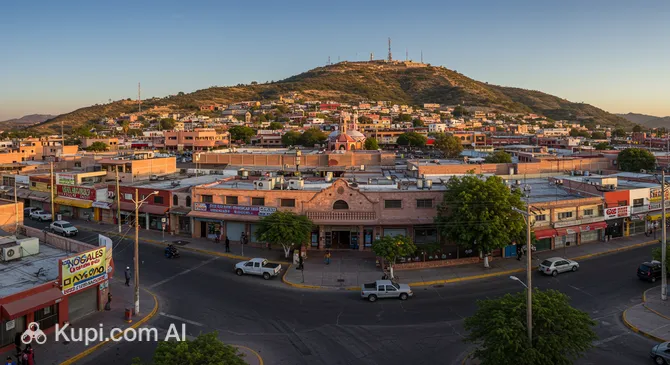
Nogales. Source: Kupi.Binoculars

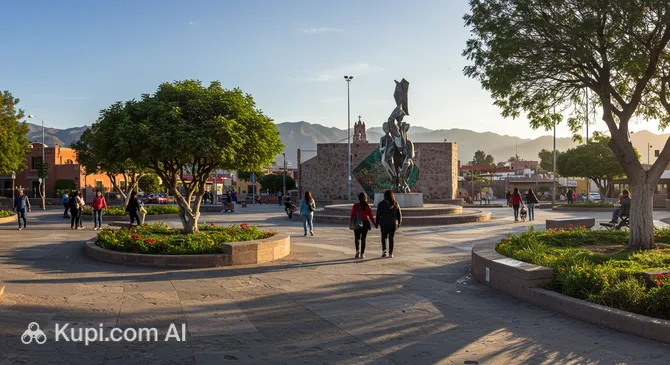
One of the city's most iconic landmarks is the Monumento a la Razón, affectionately known by locals as "El Mono Bichi." This striking statue, depicting a man fighting a winged beast, symbolizes the triumph of reason over ignorance and is a must-see spot for photos. Another highlight for visitors is the downtown area, particularly near Plaza Pesqueira, which is famous for its curios shops. Here, tourists can browse for colorful artesanías, including leather goods, handcrafted glassware, and pottery brought in from central Mexico.

Nogales is also a fantastic destination for food lovers seeking authentic Sonoran cuisine. The city is renowned for its delicious machaca, flour tortillas, and chimichangas. Whether you are visiting for a day of shopping or passing through on a longer journey, Nogales invites you to enjoy its lively streets, warm people, and distinctive borderland culture.

Weather Overview

Travelers planning a trip should be prepared for distinct seasonal variations in this region. The city typically experiences hot summers and cool winters, with a notable increase in rainfall during the late summer months. For a comprehensive guide to packing and seasonal trends, you can consult the detailed weather in Nogales page.

The summer season, particularly from June to August, is the warmest time of year. June sees the highest temperatures, with maximums reaching up to 34.5°C. While June remains dry, the weather shifts in July and August, which are characterized by frequent precipitation, recording up to 18 wet days in July. Conversely, winters are much cooler; in January, average temperatures drop to around 9.9°C, with nighttime lows dipping as low as 3.0°C.

Spring and autumn offer mild and generally dry conditions, making them excellent times for outdoor activities. May is particularly pleasant with an average temperature of 21.3°C and almost no rainfall. Overall, visitors can expect warm summers with occasional rain and cold, dry winters, so checking the forecast before departure is always recommended.

Interesting Facts

Beyond the main attractions, Nogales holds many fascinating secrets that reveal its unique character as a border city. From its unexpected name origin to its quirky local slang, there is much more to this destination than meets the eye.
  • The city's name, Nogales, literally translates to "walnut trees" in Spanish. This moniker dates back to the era before the city was established, when the mountain pass was covered in abundant walnut groves that provided shade and sustenance for early travelers and ranchers.

  • While often simply called Nogales, the city holds the official title of Heroica Nogales. This prestigious distinction was granted by the Mexican Congress in 1961 to honor the bravery of its citizens during historical events, placing it among a select group of "Heroic Cities" in the nation.

  • The beloved Monument to Ignorance (Mono Bichi) has a nickname rooted in regional linguistics. The word "Bichi" is unique Sonoran slang meaning "naked," which is often said to be derived from the local Opata or Yaqui languages, perfectly describing the unclothed figure that has become the city's most famous symbol.

  • Nogales has quietly become one of the world's busiest hubs for dental tourism. The area immediately south of the border is densely packed with clinics and pharmacies, attracting thousands of international visitors annually who combine high-quality medical care with a day of dining and shopping.

  • History buffs might be surprised to learn that this location was the site of the very first permanent fence built between the United States and Mexico. Constructed shortly after 1918, it marked the historical beginning of the physical separation between the two sister cities, which had previously operated as a single open community.

Monument to Ignorance (Mono Bichi). Source: Kupi.Binoculars

How to Get There

Reaching this bustling border city is relatively straightforward, with several convenient options available depending on your point of origin. Whether you are arriving from within Mexico or crossing from the United States, the region is well-connected by road and air. For a detailed breakdown of all transport methods, routes, and tips, you can read more about how to get to Nogales.

The city of Nogales does not have its own commercial airport, so most travelers fly into nearby hubs and complete the journey by ground transport. One of the most common entry points is Tucson International Airport (TUS) in the city of Tucson, USA. Located approximately 90 km north of Nogales, it offers a quick and direct connection via Interstate 19. The drive by taxi or rental car typically takes about 1 hour and 15 minutes, making it the most convenient option for international travelers.

For those traveling domestically within Mexico, the Gen Pesqueira Garcia Airport (HMO) is the primary gateway. Situated in the city of Hermosillo, roughly 245 km to the south, this airport serves as a key regional hub. From here, you can take a bus or drive north on Highway 15, a journey that generally takes around 3 hours. It is a popular choice for visitors coming from Mexico City or other southern states.

Travelers seeking more extensive international flight connections might consider Phoenix Sky Harbor International Airport (PHX) in Phoenix, USA. Although it is further away—about 257 km from Nogales—it is a major large-scale hub with numerous global flights. The drive from Phoenix takes approximately 2.5 to 3 hours, offering a viable alternative for those who cannot find direct flights to Tucson or Hermosillo.

For clarity, here is a summary of the main airports serving the region:

Airport Name City Passenger Traffic Km from City
Phoenix Sky Harbor International Airport Phoenix Very Large 256.8
Tucson International Airport Tucson Medium 90.4
Gen Pesqueira Garcia Airport Hermosillo Medium 244.7
Phoenix-Mesa Gateway Airport Phoenix Medium 232.8

While there is no direct passenger rail service to Nogales, the city is easily accessible by bus and car. The highway infrastructure leading to the border is well-maintained, with frequent bus services operating from both Tucson in the north and Hermosillo in the south, providing reliable and affordable transit for visitors.

Main Attractions

While the famous Monument to Ignorance (Mono Bichi) is a central landmark, the city offers many other venues that capture the essence of local life. For a modern shopping experience, Nogales Mall is a premier destination. This large complex serves as a community hub, featuring a wide range of department stores, boutiques, and leisure facilities. A visit to this shopping center is perfect for travelers looking to escape the heat and browse for everything from fashion to electronics in comfort.

Nogales Mall. Source: Kupi.Binoculars

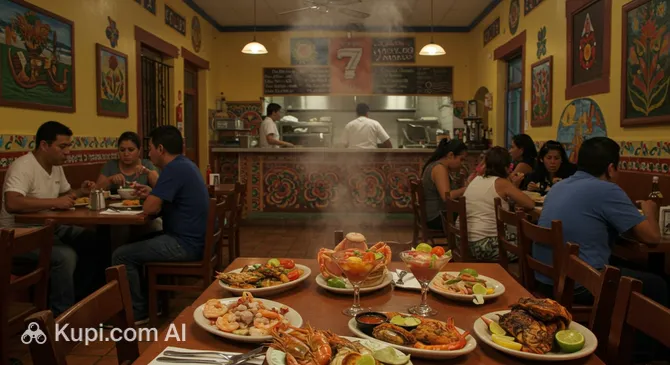
The culinary landscape in Nogales is rich and varied, catering to diverse tastes. Seafood enthusiasts should not miss Mariscos 7 Mares, a highly regarded spot known for its fresh ingredients and authentic coastal recipes. It provides a delightful setting to enjoy the flavors of the sea in the heart of the desert. For those seeking traditional Sonoran dishes, El Marcos Restaurant is a classic choice. Famous for its generous portions and grilled meats, these establishments allow you to savor the region's gastronomic heritage.

El Marcos Restaurant. Source: Kupi.Binoculars

When the sun goes down, the city offers several vibrant spots to experience the local nightlife. Trocadero is a standout venue, often buzzing with energy and music, making it an excellent place to immerse yourself in the social scene. Alternatively, La Granja offers a distinct atmosphere where visitors can relax with a drink and mingle with residents. Spending an evening at these locations is a great way to cap off a day of exploration.

Local Cuisine

The culinary scene in Nogales is a proud reflection of its Sonoran heritage, offering a gastronomic experience that is distinct from the flavors found in central or southern Mexico. The region is famous for its high-quality cattle ranching, making beef the star ingredient of many local dishes. Visitors simply must try the authentic Carne Asada, which is grilled over mesquite wood to impart a smoky flavor and typically served in the region's signature large, paper-thin flour tortillas, known locally as sobaqueras.

Another staple of the local diet is Machaca, dried and spiced beef that is rehydrated and often scrambled with eggs and peppers for a hearty breakfast. For a satisfying lunch, look for Chimichangas—deep-fried burritos that are crispy on the outside and packed with flavorful fillings. Street food culture is also vibrant here, with the legendary Sonoran Hot Dog (or "Dogo") taking center stage. These are bacon-wrapped frankfurters topped with beans, onions, tomatoes, mayonnaise, and a variety of salsas, creating a unique borderland delicacy that has gained international fame.

Despite being located in a semi-arid region, the city has a surprising affinity for fresh seafood, brought in daily from the nearby Sea of Cortez. Restaurants like Mariscos 7 Mares are popular among locals for their ceviches, fish tacos, and spicy shrimp cocktails, offering a refreshing contrast to the heavier meat dishes.

Mariscos 7 Mares. Source: Kupi.Binoculars

When it comes to drinks, the traditional choice is Bacanora, an agave spirit native to Sonora that is similar to mezcal but with a distinctive, smoother profile. It is a protected designation of origin product and a source of regional pride. For a more casual evening, visitors often gather at local bars such as La Granja or the lively Trocadero to enjoy cold Mexican lagers and micheladas in a relaxed, friendly atmosphere.

Travel Tips

Visiting Nogales offers a fascinating glimpse into life on the border, where cultures merge to create a unique atmosphere. To help you navigate this bustling city with confidence and ease, we have compiled a set of practical tips designed to make your experience as smooth and enjoyable as possible.

  1. Clothing and Gear: Since the weather in Nogales can be surprisingly variable, packing layers is essential. Winters here are cooler than in coastal Mexico, with temperatures dropping significantly at night, so bring a warm jacket if visiting between November and February. For the hot summer months, light, breathable fabrics and sun protection are must-haves. Comfortable walking shoes are highly recommended, as the city's terrain features rolling hills and uneven sidewalks, especially in the shopping districts.

  2. Transportation: The most convenient way to explore the downtown tourist area, particularly around Plaza Pesqueira, is on foot. For longer distances, local taxis are the primary mode of transport. They are plentiful and reasonably priced, but it is always wise to confirm the fare with the driver before starting your journey. While ride-hailing apps are present in the region, availability can vary, so having cash for a standard taxi is a reliable backup.

  3. Finances: The official currency is the Mexican Peso (MXN), but due to its location on the border, US Dollars are widely accepted in many shops, pharmacies, and restaurants. However, you will often get a better exchange rate if you pay in pesos. It is best to carry cash for small purchases, street food, or taxis, though major establishments accept credit cards. ATMs are easily found near the border crossing and in shopping centers.

  4. Health and Safety: Nogales is a major hub for medical tourism, so you will find an abundance of pharmacies and dental clinics, many of which are open late and staffed by English-speaking professionals. In terms of safety, stick to the main commercial streets like Avenida Obregón during daylight hours and avoid wandering into unlit or residential neighborhoods at night. Always drink bottled water to avoid stomach issues.

  5. Communication: English is very commonly spoken in Nogales, especially by merchants, waiters, and medical staff catering to cross-border visitors. However, learning a few basic Spanish phrases like "Buenos días" (Good morning) and "Gracias" (Thank you) is appreciated and shows respect. For mobile data, you can buy a prepaid SIM card at OXXO convenience stores or Telcel shops if your current plan does not include roaming.

  6. Local Etiquette: People in Sonora are known for their frankness and warmth. A firm handshake and a friendly greeting are standard when meeting someone. In shops and markets, it is polite to greet the vendor upon entering. Tipping is customary in restaurants; leaving 10% to 15% of the bill is the standard practice for good service.

  7. What to Avoid: Do not take photographs of government buildings, border enforcement infrastructure, or security personnel, as this is strictly prohibited and can lead to questioning. Additionally, avoid displaying expensive jewelry or large amounts of cash in public to keep a low profile.

  8. Border Crossing Tip: If you plan to cross back into the United States on foot or by car, be prepared for potential wait times at the port of entry, especially on weekends and holidays. Locals often check the "Garita" wait times online or via dedicated apps to choose the best time to cross.

By keeping these practical suggestions in mind, you will be well-prepared to embrace the dynamic energy of Nogales. Whether you are there for the shopping, the cuisine, or the culture, a little preparation ensures that your focus remains on making great memories in this welcoming border city.

Entertainment & Nightlife

To experience the true pulse of Nogales, visitors should explore its entertainment offerings, which range from lively nightlife venues to modern leisure centers. The city’s energy shifts noticeably after sunset, but there are plenty of activities to enjoy throughout the day, catering to both families and solo travelers looking to immerse themselves in the local culture.

Nightlife in the city is vibrant and distinctively Sonoran, often centered around music, socializing, and dancing. A cornerstone of this scene is Trocadero, an establishment that has been part of the local fabric for decades. It is the perfect place to experience the authentic border-town atmosphere, where residents and visitors alike gather to enjoy live music and a festive environment that lasts well into the night.

[IMAGE attraction id=176097]

For a more laid-back evening, La Granja offers a rustic and welcoming setting. It is a popular spot for those who prefer a casual drink and conversation, providing a glimpse into the everyday social life of the community. These venues are not just bars; they are social institutions where the hospitality of Northern Mexico is on full display.

During the day, the entertainment focus often shifts to commercial and family-friendly activities. Nogales Mall serves as a primary entertainment hub for the city. Beyond its retail stores, the complex is a go-to destination for moviegoers, featuring a modern cinema that screens the latest international and Mexican films. It is a common meeting point for locals seeking a break from the heat, offering a comfortable space for dining and recreation.

Visitors interested in local traditions might also coincide their trip with the "Fiestas de Mayo" (May Festivals), a celebrated annual event in Nogales. This festival transforms the city with parades, concerts, and cultural exhibitions that showcase the region's history and artistic talent. Additionally, for those feeling lucky, the city hosts several casinos and gaming halls, which are popular recreational stops for tourists crossing the border.

Parks & Museums

While Nogales is primarily known as a bustling commercial gateway, the city possesses a growing cultural scene and several outdoor spaces that offer a respite from the urban energy. Visitors willing to explore beyond the main shopping districts will find institutions dedicated to the arts and natural landmarks that define the local landscape, providing a deeper understanding of life in this border region.

For art enthusiasts, the Museo de Arte de Nogales is a key cultural destination. Strategically located near the border crossing, this museum is housed in a modern, architecturally distinct building that stands out against the cityscape. It serves as a platform for contemporary visual arts, frequently hosting rotating exhibitions by talented regional and international artists. The museum plays a vital role in the community by fostering dialogue through art, making it an insightful stop for tourists interested in the creative pulse of Northern Mexico.

Another important hub for local culture is Imfoculta (Instituto Municipal de Fomento a la Cultura y las Artes). This cultural center is the heart of the city's artistic development, offering a variety of workshops, theater performances, and galleries. It is a vibrant space where visitors can often witness the dedication of local youth and artists preserving Sonoran traditions while exploring modern expressions. Attending an event here offers a genuine glimpse into the social fabric of the city.

When it comes to outdoor activities and green spaces, La Pirinola is the city's most iconic natural landmark. This distinctive, cone-shaped hill is not just a scenic backdrop but a popular recreational area for residents. It features trails for hiking and mountain biking, attracting outdoor lovers seeking fresh air and exercise. Reaching the higher vantage points offers panoramic views of the sprawling city and the surrounding desert hills, providing a perfect perspective on the unique geography of the area.

In the heart of the city, Plaza Miguel Hidalgo offers a more traditional urban park experience. As a central gathering spot, it features shaded areas and benches where locals meet to socialize and relax. It is an excellent place for people-watching and soaking in the daily rhythm of Nogales, often surrounded by small vendors selling snacks and refreshments.

Architecturally, the Parroquia de la Purísima Concepción stands as a significant historical site. This emblem of the city's spiritual heritage features an elegant stone façade and a history that dates back to the late 19th century. Its enduring presence amidst the changing city makes it a noteworthy stop for those appreciating historic structures and religious art.

For a truly authentic experience, try to visit the art museum during an exhibition opening or a cultural fair. These events are often free and provide a warm, welcoming atmosphere where you can mingle with local artists and residents, offering a side of Nogales that many transient visitors miss.

Getting Around

Public transport in Nogales is straightforward and relies primarily on a network of buses and taxis, as the city does not have a metro, tram, or light rail system. For most visitors, the system is easy to navigate, though it operates with a level of informality common in many northern border cities. The backbone of local transit consists of urban buses, often referred to as camiones, which connect the downtown border area with outlying residential neighborhoods and commercial districts.

The bus fleet is varied, ranging from modern units to older, colorful vehicles. Routes are typically displayed on the windshield, indicating major streets or landmarks passed. While there are designated bus stops in the city center, in residential areas, drivers may stop upon signal. It is a cost-effective way to get around, though routes can sometimes be circuitous as they navigate the city's hilly terrain.

Payment for public transport is almost exclusively cash-based. There are no electronic travel cards, smart passes, or mobile ticketing apps for the bus system. Passengers pay the driver directly upon boarding. The fare is affordable, generally hovering around a small fixed amount in the local currency. It is essential to carry exact change or small coins, as drivers often do not have change for large bills.

For those seeking more comfort or direct routes, taxis are a widely available alternative. You will see them frequently, often painted yellow or white. Unlike in some larger capitals, taxis here may not always use meters, so it is highly advisable to agree on the fare with the driver before starting your journey. Ride-hailing apps have also established a presence in the region, offering a convenient option for tourists who prefer booking rides via their smartphones with upfront pricing.

The public transport system typically operates from early morning, around 6:00 AM, until approximately 10:00 PM. Service frequency drops significantly later in the evening. For tourists, walking is often the best option for exploring the immediate border zone and the main shopping streets like Avenida Obregón, but for reaching malls or restaurants further south, a taxi or ride-share is generally the most efficient choice.

Accommodation

Where to Stay:

Accommodation in Nogales is designed primarily to serve practical needs, catering largely to business travelers, medical tourists, and those passing through the border region. Instead of sprawling luxury resorts, the city offers a reliable selection of functional and comfortable lodgings. Visitors can expect to find a mix of well-known international chain hotels, mid-range business establishments, and budget-friendly motels that provide good value for money.

When choosing where to stay, location is a key factor depending on the purpose of your visit. The Downtown area (Centro), particularly near the border crossing, is ideal for those traveling on foot or visiting for medical and dental appointments. Staying here places you within walking distance of the main commercial streets, pharmacies, and curios shops. Alternatively, the southern part of the city, often near the major highways and industrial parks, features more modern hotels with ample parking. This area is generally quieter and better suited for travelers arriving by car or those conducting business in the manufacturing sectors.

Since the city is a major hub for medical tourism, hotels near the border can fill up quickly, especially during the winter months when visitors from the north seek warmer weather and healthcare services. It is a good travel tip to book your room in advance if you plan to stay in the downtown district. Many establishments in this area are accustomed to international guests and often offer amenities like shuttle services to the border crossing.

In terms of pricing, Nogales is generally quite affordable compared to accommodation rates on the US side of the border. Prices typically range from budget to mid-range. While walk-ins are common at smaller, locally-run motels, the larger chain hotels and business-class properties are best booked via major online platforms to secure the best rates and guarantee availability.

Nearby Cities

For those looking to explore the surroundings, Nogales serves as an excellent base for day trips to several interesting nearby locations. The region of Sonora offers a mix of charming colonial towns, historical border cities, and vibrant urban centers, all within reach for travelers willing to venture a bit further.

One of the most popular destinations for a quick getaway is Magdalena de Kino, located approximately an hour south of the city. As a designated "Pueblo Mágico," it is renowned for its picturesque plaza, the historic Mission of San Francisco Javier, and the crypt of Father Eusebio Kino, making it a culturally enriching experience. To the east, Agua Prieta offers a glimpse into the region's revolutionary history and serves as another unique border community worth visiting.

For a more bustling urban atmosphere, the state capital, Hermosillo, is a significant hub located further south. While it requires a longer drive, it rewards visitors with impressive landmarks like the Cathedral of the Assumption, diverse museums, and some of the best cuisine in the state.

City Population Distance (km)
Agua Prieta 91029 132
Hermosillo 855563 247
San Felipe 89122 373
Guaymas 156863 376
San Luis Río Colorado 176685 384

These nearby destinations offer a glimpse into the diverse culture and landscapes of the region, allowing visitors to extend their journey beyond the immediate border area.

Shopping & Souvenirs

Shopping:

Shopping in Nogales is a quintessential border experience, blending the charm of traditional Mexican markets with the convenience of modern retail. For decades, the city has been a popular destination for visitors from the north crossing the border to find unique handicrafts, affordable leather goods, and authentic regional products. Whether you are looking for a colorful souvenir or stocking up on household essentials, the city offers a diverse commercial landscape that caters to all tastes and budgets.

The heartbeat of the city's shopping district is undoubtedly Avenida Obregón. This bustling thoroughfare runs directly south from the border crossing and is lined with countless shops, pharmacies, and "curios" stores. It is the primary zone for tourists, where you can walk comfortably and browse through displays of handcrafted items. Another key area is the district surrounding Plaza Pesqueira, located just steps from the port of entry. Here, the atmosphere is vibrant and energetic, with vendors selling everything from silver jewelry to embroidered clothing in a concentrated, easy-to-navigate area.

For those seeking a more contemporary shopping environment, the city features modern centers that host national and international brands. The most prominent of these is Nogales Mall, a large complex that serves as a major commercial hub. It offers a wide selection of clothing boutiques, department stores, and electronics retailers in a climate-controlled setting, making it a perfect escape from the midday sun for those looking for familiar labels and a relaxed browsing experience.

While there isn't one single central "grand market," the entire downtown border zone functions as an open-air bazaar. The Pasajes (shopping arcades) off the main streets are treasure troves where you can haggle for prices and find hidden gems. These areas are particularly famous for their vibrant displays of Mexican folk art, rustic furniture, and ironwood carvings, providing a sensory-rich experience that defines shopping in this region.

When it comes to souvenirs, Nogales is famous for its high-quality leather goods. You can find exceptional deals on handmade boots, belts, jackets, and saddles. Other popular items to bring back include Talavera pottery, colorful blankets (sarapes), and pure Mexican vanilla. The city is also a prime spot for purchasing spirits; travelers often stock up on Tequila, Kahlúa, and the local specialty, Bacanora, at duty-free prices compared to across the border.

Most shops in the tourist districts open around 9:00 AM or 10:00 AM and stay open until 7:00 PM or 8:00 PM. On Sundays, hours may be shorter, with some smaller vendors closing earlier. In terms of payment, the US Dollar is widely accepted and often preferred in the tourist zones, though you will likely receive change in Mexican Pesos. Credit cards are generally accepted in larger stores, pharmacies, and the mall, but carrying cash is recommended for street vendors and smaller stalls.

International tourists shopping in Mexico may be eligible for a tax refund on certain purchases through the "Moneyback" program. This applies to goods bought at participating stores that display the specific logo. To claim this, you typically need to present your passport and immigration form during the purchase and process the refund electronically, though the infrastructure for this is more common in airports than at land border crossings.

Reached the end of the page?

That means the route is fully explored