Support

Tucson

About

Welcome to Tucson, a captivating destination where the spirit of the Old West meets a vibrant modern culture. Often referred to as "The Old Pueblo," this city offers a unique blend of Native American, Spanish, Mexican, and Anglo influences that is deeply reflected in its architecture, arts, and daily life. It is a place where rugged desert beauty coexists with a sophisticated urban atmosphere.

Situated in the heart of the Sonoran Desert in the state of Arizona, the city is surrounded by five majestic mountain ranges, creating a stunning backdrop for every view. As a major hub in the southwestern United States, Tucson is home to a population of approximately 875,000 people. Visitors flock here to enjoy its famous climate, which boasts over 350 days of sunshine a year, making it an ideal year-round destination for outdoor enthusiasts.
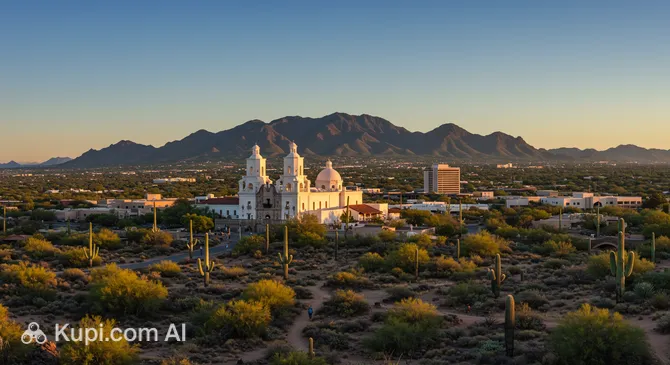
Tucson. Source: Kupi.Binoculars

The region has been inhabited for thousands of years, creating a rich cultural tapestry. You can explore the fascinating history of Tucson by visiting its historic districts and museums. From its roots as a Spanish presidio to its development into a modern metropolis, the city preserves its heritage with pride, evident in the well-maintained adobe structures and the enduring traditions of its diverse communities.

Tucson is packed with incredible sights and experiences. Nature lovers should not miss Saguaro National Park, home to the nation's largest cacti, while the Arizona-Sonora Desert Museum offers a world-renowned fusion of a zoo, botanical garden, and natural history museum. The city is also celebrated as the first UNESCO City of Gastronomy in the country, inviting travelers to savor its exceptional culinary scene.

Whether you are here to admire the stunning architecture of Mission San Xavier del Bac, hike the scenic desert trails, or enjoy the starry night skies, Tucson promises an unforgettable adventure. We invite you to discover the warmth and charm of this unique desert oasis.
Weather Overview

Tucson experiences a desert climate characterized by hot summers and mild winters, making it a popular destination for sun-seekers. Before packing your bags, it is helpful to review the weather in Tucson to ensure you are prepared for the specific conditions during your visit. Generally, the city enjoys abundant sunshine, but there are distinct seasonal variations to consider.

Summers can be intense, particularly from June to August, when average temperatures hover around 30°C to 31°C and daily highs frequently reach up to 37°C. While June is typically very dry, July and August mark the arrival of the monsoon season, bringing frequent afternoon thunderstorms; during these months, you might encounter rain on 11 to 12 days. In contrast, spring and autumn offer delightful weather, with April seeing highs of around 28°C and very little rainfall.

Winters are significantly cooler and generally pleasant, providing a comfortable escape from colder climates. In January and December, average temperatures sit near 11°C to 12°C, with nighttime lows dipping to approximately 4°C to 5°C. Expect scorching summers with occasional monsoon rains and mild, comfortable winters perfect for outdoor exploration.

Interesting Facts

Beyond the main attractions, Tucson holds many fascinating secrets that surprise even seasoned travelers. From its celestial reputation to its quirky collections, the city offers a layer of depth that goes well beyond the typical desert experience.
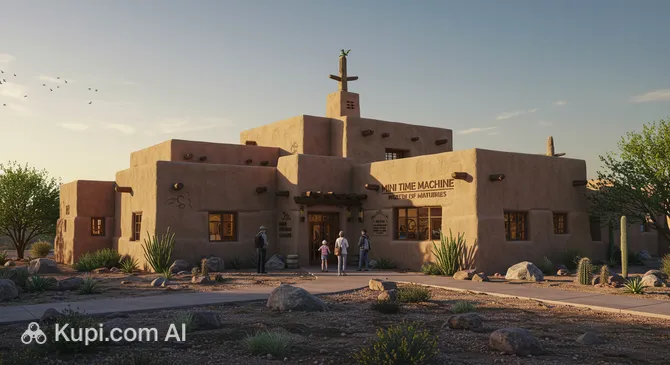
The Mini Time Machine Museum of Miniatures. Source: Kupi.Binoculars
  • Tucson is widely regarded as the "Astronomy Capital of the World." To support the cutting-edge research at nearby observatories, the city has enforced strict "Dark Sky" lighting codes since 1972, ensuring that the stars remain brilliantly visible even from urban areas.

  • The city is home to the largest aircraft storage and preservation facility on the planet. Located at Davis-Monthan Air Force Base, "The Boneyard" contains thousands of retired military aircraft kept in pristine condition by the low humidity and hard caliche soil of the Sonoran Desert.

  • For a truly unique perspective, visitors can explore The Mini Time Machine Museum of Miniatures. This whimsical attraction features over 500 antique and contemporary dollhouses and roomboxes, transporting guests to different eras and lands through tiny, intricate details.

  • While often celebrated for its food, few know that Tucson has the longest known history of continuous agriculture in the United States. Archaeological evidence suggests that the Santa Cruz River valley has been farmed for over 4,000 years, a legacy that earned it the title of the first UNESCO City of Gastronomy in the country.

  • The iconic Tumamoc Hill serves as more than just a popular hiking trail; it is an active research laboratory and an archaeological site. Humans have utilized this landmark for over two millennia, leaving behind petroglyphs and remnants of ancient structures that can still be seen today.

How to Get There

Reaching the heart of the Sonoran Desert is straightforward, with several convenient options available for travelers. Whether you prefer flying directly into the city or landing at a larger regional hub and enjoying a scenic drive, you can find more about how to get to Tucson to help plan your journey. The city is well-connected, making it an accessible destination for visitors from around the world.

The most direct way to arrive is via Tucson International Airport (TUS), located just 15.6 km from the city center. This airport is the most convenient option, offering a relaxed atmosphere compared to larger hubs. Getting to downtown Tucson from here is quick and easy; a taxi ride typically takes about 15 to 20 minutes. Shuttle services are also available, though they generally take longer depending on the route and number of stops.

Alternatively, many visitors opt for Phoenix Sky Harbor International Airport (PHX), which offers a wider array of international connections. It is important to note that this airport is not in Tucson but in Phoenix, situated about 162.3 km away. Despite the distance, it is a popular choice due to its status as a major international gateway. The drive to Tucson via the interstate generally takes about 2 hours.

For clarity, here is a summary of the main airports:

Airport Name City Passenger Traffic Km from City
Phoenix Sky Harbor International Airport Phoenix Large 162.3
Tucson International Airport Tucson Medium 15.6
Phoenix-Mesa Gateway Airport Phoenix Medium 133.6
Grant County Airport Silver City Small 268.3
Sedona Sedona 297.6

Main Attractions

Tucson offers a diverse array of sights that beautifully blend its rich cultural heritage with the natural splendor of the Sonoran Desert. While the surrounding wilderness is a major draw, the city itself is home to remarkable institutions and historic landmarks that provide deep insight into the region's art, history, and biodiversity. Visitors can easily spend days exploring the lush gardens, vibrant museums, and architectural gems scattered throughout the area.

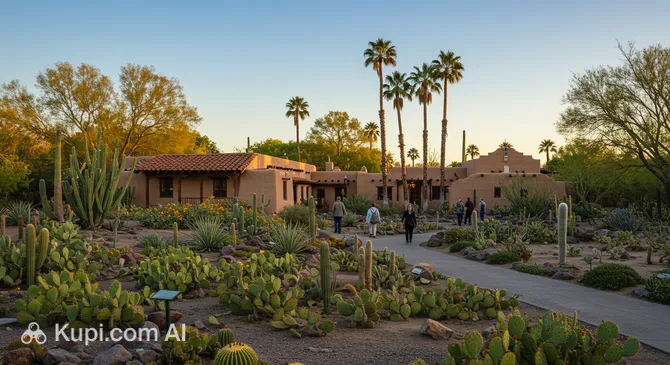
For a peaceful escape into nature right within the city limits, the Tucson Botanical Gardens is a must-visit destination. Recognized as one of the best intimate gardens in North America, this urban oasis connects people with plants through a collection of distinct garden areas. You can wander through the Cactus & Succulent Garden, admire the Barrio Garden, or relax in the shade of mature trees. It serves as a living museum where the unique flora of the desert is celebrated alongside tropical butterflies and rotating art exhibits.

Tucson Botanical Gardens. Source: Kupi.Binoculars

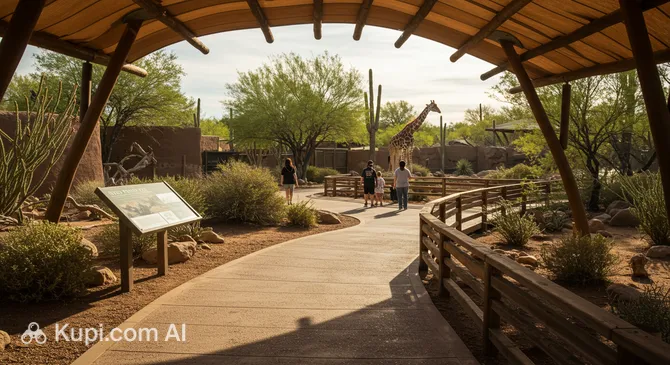
Families and wildlife enthusiasts will find plenty to discover at the Reid Park Zoo. This manageable yet impressive zoo allows you to travel the world in a single afternoon, from the grassy plains of the African savanna to the rainforests of South America. It is dedicated to conservation and education, offering close encounters with animals such as elephants, giraffes, and grizzly bears. The zoo's layout encourages leisurely exploration, making it a perfect spot for a morning outing.

Reid Park Zoo. Source: Kupi.Binoculars

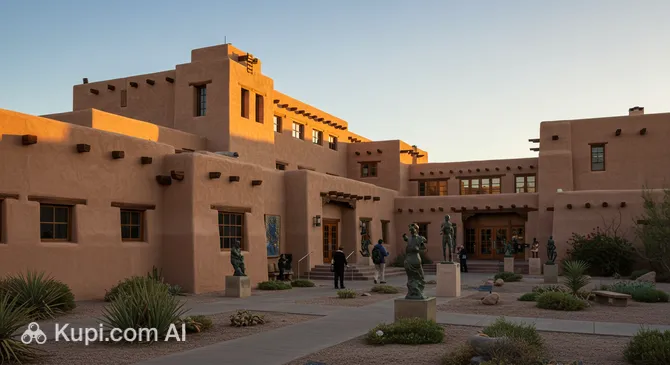
Art lovers should head downtown to explore the Tucson Museum of Art and Historic Block. Encompassing an entire city block, this institution features a sophisticated collection that highlights Art of the American West, Latin American art, and Modern and Contemporary works. The museum is unique because it integrates historic adobe homes into its campus, allowing visitors to experience the city's architectural past while viewing world-class art. It is a vibrant cultural hub that frequently hosts engaging exhibitions and community events.

Tucson Museum of Art. Source: Kupi.Binoculars

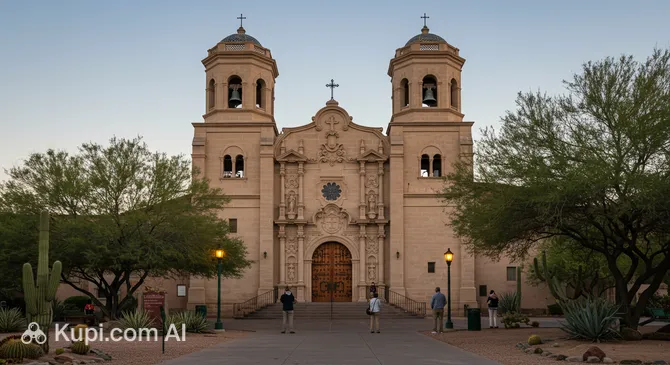
Another architectural and spiritual landmark that defines the city's skyline is the St. Augustine Cathedral. Located in the downtown area, this stunning structure is known for its elaborate Mexican baroque facade, featuring intricate stone carvings of indigenous plants like yucca and saguaro. The cathedral's history dates back to the 19th century, and its interior is equally breathtaking, with vibrant murals and stained glass that tell the story of the local faith and culture. It stands as a testament to the enduring Spanish and Mexican influence in the region.

St. Augustine Cathedral. Source: Kupi.Binoculars

Finally, to understand the agricultural roots of the region, a visit to Mission Garden offers a unique perspective. This living agricultural museum recreates the traditional walled gardens that were once common in Tucson. It showcases heritage fruit trees, local crops, and ancient farming techniques that have been used in the Santa Cruz River valley for over 4,000 years. Walking through the garden provides a tangible connection to the diverse cultures—including Hohokam, O'odham, Spanish, and Mexican—that have cultivated this land for millennia.

Local Cuisine

Tucson is a paradise for food lovers, celebrated globally as the first UNESCO City of Gastronomy in the United States. Its culinary identity is deeply rooted in the Sonoran Desert, blending Native American and Mexican traditions with a history of agriculture that spans over 4,000 years. The local food scene is not just about eating; it is an exploration of heritage ingredients like tepary beans, cholla buds, and mesquite flour, which local chefs creatively incorporate into modern dishes.

The most iconic street food you must try is the Sonoran Hot Dog. This is no ordinary hot dog; the frankfurter is wrapped in bacon, grilled until crispy, and nestled into a soft, slightly sweet bolillo bun. It is then piled high with pinto beans, onions, tomatoes, mayonnaise, mustard, and jalapeño salsa. Another signature dish is carne seca, delicious sun-dried beef that is rehydrated and shredded, often served in tacos or with eggs. Many locals also claim that the chimichanga—a deep-fried burrito—was invented here, making it a staple on menus across the city.

When it comes to drinks, the vibrant pink prickly pear margarita is the city's unofficial cocktail. Made from the fruit of the local cactus, it is sweet, refreshing, and visually stunning. For beer enthusiasts, the city boasts a thriving craft brewing scene. You can sample some of the best local brews at places like the Tucson Hop Shop, a relaxed beer garden with a great selection. If you prefer non-alcoholic options, refreshing horchata (a cinnamon-spiced rice drink) is widely available, or you can visit the Scented Leaf Tea House for an extensive variety of loose-leaf teas.

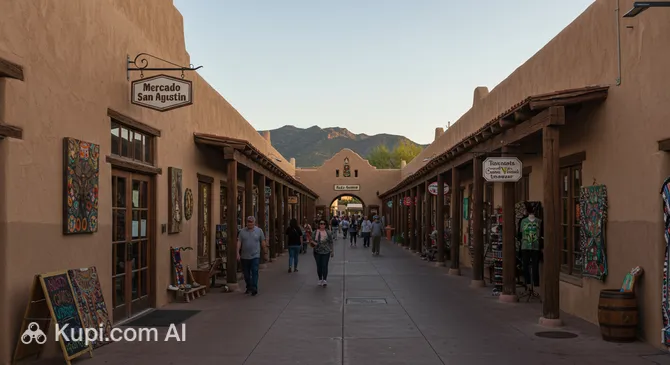
The dining culture in Tucson ranges from casual roadside stands to elegant courtyards. For a comprehensive experience, visit the Mercado San Agustin. This public market features a charming open-air courtyard surrounded by local bakeries, coffee shops, and eateries, making it a perfect spot to soak up the atmosphere.

Mercado San Agustin. Source: Kupi.Binoculars

For those seeking authentic and lively Mexican cuisine, La Chingada Cocina Mexicana is a popular choice known for its bold flavors and vibrant decor. Whether you are grabbing a quick bite from a food truck or sitting down for a multi-course meal, the flavors of the desert are sure to leave a lasting impression.

Travel Tips

To ensure your visit to the "Old Pueblo" is as enjoyable as it is memorable, we have compiled a list of essential travel advice tailored to the unique environment of the Sonoran Desert. These practical tips will help you navigate the climate, culture, and logistics of Tucson with the confidence of a local.

  1. Clothing and Gear: The desert climate dictates your wardrobe here. Bring lightweight, breathable fabrics and light-colored clothing to reflect the sun during the day. A wide-brimmed hat, high-quality sunglasses, and strong sunscreen are absolute necessities year-round. However, desert temperatures can drop dramatically after sunset, so always carry a warm layer, such as a fleece or light jacket, even in summer. If you plan to hike, sturdy, closed-toe shoes are essential to protect your feet from cactus spines and rocky terrain.
  2. Transportation: While downtown Tucson is walkable and serviced by the Sun Link streetcar, the city sprawls across a wide valley. To fully explore attractions like Saguaro National Park or Mount Lemmon, renting a car is highly recommended. Public buses (Sun Tran) are available but may not be the most efficient way to reach outlying nature reserves. Ride-sharing apps like Uber and Lyft are widely available and reliable for shorter trips within the city.
  3. Finances: The local currency is the US Dollar (USD). Credit and debit cards are accepted almost everywhere, from museums to taco trucks. ATMs are plentiful throughout the city. Tipping is a standard part of the service culture; it is customary to leave a tip of 15% to 20% in restaurants, bars, and for taxi services.
  4. Health and Safety: The most critical rule in the desert is to hydrate constantly. The dry air evaporates sweat quickly, so you may not realize you are losing water; drink before you feel thirsty. Be mindful of the local flora and fauna; never put your hands or feet where you cannot see, as rattlesnakes and scorpions may be hiding. Pharmacies like CVS and Walgreens are common, with many 24-hour locations available for minor medical needs.
  5. Communication: English is the primary language, but due to the city's proximity to the border and its rich heritage, Spanish is widely spoken and understood. Knowing a few basic Spanish phrases can be helpful and is appreciated by locals, though not strictly necessary. Wi-Fi is standard in most hotels, cafes, and public spaces, and mobile coverage is generally excellent, though it may become spotty in deep mountain canyons.
  6. Local Etiquette: Tucson has a very laid-back, casual atmosphere. Formal attire is rarely required, even in nice restaurants; "desert casual" is the norm. Locals are generally friendly and willing to help. When visiting tribal lands or historic missions, be respectful of cultural protocols and ask permission before photographing people or religious ceremonies.
  7. What to Avoid: Do not attempt to hike during the hottest part of the day (usually 11:00 AM to 4:00 PM), especially in summer; heat exhaustion can happen rapidly. Also, resist the urge to touch the cacti, particularly the "teddy bear" cholla. despite its fuzzy appearance, its spines are barbed and extremely painful to remove.
  8. Additional Tip: Embrace the "Dark Sky" culture. Tucson has strict lighting ordinances to minimize light pollution for nearby observatories. This means streets can be surprisingly dark at night. It is wise to carry a small flashlight if you are walking in the evening, but the reward is a breathtaking view of the stars right from the city sidewalks.

By keeping these tips in mind, you will be well-prepared to safely enjoy the rugged beauty and warm hospitality that Tucson has to offer. Pack your sunscreen, rent a car, and get ready for an incredible adventure in the heart of the American Southwest!

Entertainment & Nightlife

When the sun sets over the Sonoran Desert, Tucson transforms from a laid-back outdoor destination into a vibrant hub of evening entertainment. The city's nightlife is heavily influenced by its university population and artistic community, creating an atmosphere that is energetic, unpretentious, and diverse. Whether you are looking for a quiet wine bar, a thumping dance floor, or a quirky local pub, the "Old Pueblo" offers plenty of options to keep you entertained well into the night.

The heart of the action is undoubtedly found along Fourth Avenue and the nearby Congress Street in the downtown area. These districts are walkable and packed with an eclectic mix of venues. Fourth Avenue is known for its bohemian spirit, featuring dive bars, breweries, and live music spots, while Congress Street offers a slightly more polished scene with cocktail lounges and historic theaters. The crowd is a friendly mix of college students, locals, and tourists, and the dress code is almost universally "desert casual"—jeans and a nice top will fit in anywhere.

For a truly unique local experience, you should visit the Surly Wench Pub. Located on Fourth Avenue, this venue is a local institution known for its gothic-industrial vibe, delicious food, and frequent burlesque shows. It captures the quirky and alternative spirit of the city perfectly. If you prefer a more relaxed evening with a sophisticated atmosphere, Postino Grant is an excellent choice. Housed in a beautifully restored mid-century building, it is famous for its approachable wine list and bruschetta boards, making it a great spot for conversation.

Surly Wench Pub. Source: Kupi.Binoculars

Live entertainment is a staple of Tucson's culture. Beyond the intimate stages in bars, the city hosts major concerts and events at larger venues like the Tucson Arena. For sports fans, catching a game at the McKale Memorial Center offers an electrifying experience, as the local support for the University of Arizona Wildcats is passionate and loud. Night markets and art walks also frequently pop up downtown, especially on weekends, offering a chance to shop for local crafts under the stars.

Practicality is key to enjoying a night out here. Most bars and clubs stay open until 2:00 AM. While the downtown and Fourth Avenue areas are generally safe for walking at night due to the high foot traffic, it is always wise to stay in well-lit areas and avoid deserted side streets. Public transportation is limited late at night, so using ride-sharing services like Uber or Lyft is the most reliable and safe way to get back to your accommodation. Prices for drinks and cover charges are generally very reasonable compared to larger US cities.

Before the nightlife kicks in, Tucson offers a wealth of daytime entertainment to fill your schedule. The city is home to numerous performing arts theaters and galleries that showcase regional talent. Families can enjoy various amusement centers and parks scattered throughout the metro area. Whether you spend your day exploring museums or your night hopping between bars on Fourth Avenue, the city's welcoming energy ensures a memorable visit.

Parks & Museums

Beyond the saguaros and mountain trails, Tucson boasts an impressive collection of parks and museums that cater to diverse interests, from birdwatching enthusiasts to families traveling with children. The city's commitment to preserving nature and fostering education is evident in its well-maintained green spaces and interactive cultural institutions.

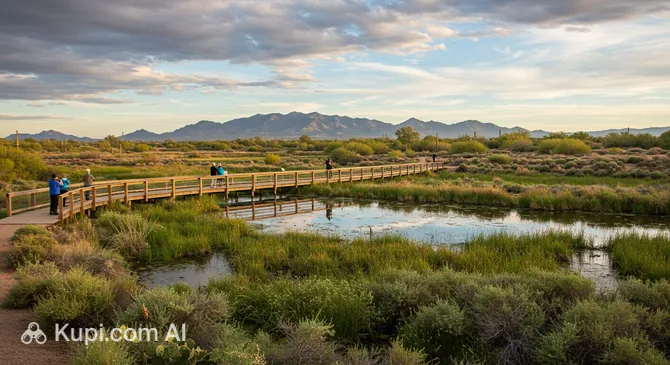
For a unique outdoor experience that contrasts with the typical dry desert landscape, Sweetwater Wetlands Park is a hidden gem. This constructed wetland serves as a water treatment facility but has blossomed into a lush wildlife habitat. It is one of the best spots in the city for birding, with paved paths and viewing decks that allow visitors to spot waterfowl, hawks, and even bobcats hidden among the reeds and cottonwood trees.

Sweetwater Wetlands Park. Source: Kupi.Binoculars

If you are looking for a place to relax or enjoy active recreation, Himmel Park is a beloved historic community hub. It features a distinctive grass amphitheater, a swimming pool, and the local library, making it a perfect spot for a leisurely afternoon. Another excellent option for families is the Brandi Fenton Memorial Park, which offers equestrian facilities, splash pads, and a beautiful butterfly garden situated along the Rillito River.

For younger travelers, the Children's Museum Tucson is a must-visit destination. Located downtown in the historic Carnegie Library, this museum provides a hands-on learning environment where kids can explore exhibits focused on electricity, public safety, and nature. It is designed to spark curiosity and imagination through play, offering a welcome break from the heat.

Children's Museum Tucson. Source: Kupi.Binoculars

Hobbyists and history buffs will find a delightful treasure in the Gadsden-Pacific Division Toy Train Operating Museum. This specialized museum is dedicated to the preservation of model railroading and features intricate layouts that captivate visitors of all ages. Run by passionate volunteers, it offers a charming glimpse into the romance of the rails and the intricate art of model train operation.

Gadsden-Pacific Division Toy Train Operating Museum. Source: Kupi.Binoculars

Getting Around

Navigating Tucson is made easy by an accessible and integrated public transportation network managed by the city. The system is primarily composed of the Sun Tran bus network and the modern Sun Link streetcar, both of which provide convenient connections between major districts, historic neighborhoods, and the university area. For tourists, the system is straightforward to use and covers many of the central attractions, though reaching the outlying desert landscapes often requires alternative means.

One of the most significant advantages for travelers currently visiting the city is the fare policy. As of late 2025, the entire public transit system—including buses and the streetcar—remains fare-free. This means you do not need to purchase tickets, carry smart cards, or worry about zone prices. You can simply board any vehicle at a designated stop without validating a pass. While the SunGO card and mobile app were previously used for payment and may still be referenced in older guidebooks, they are not currently required for travel.

The Sun Link Streetcar is the highlight of the system for most visitors. This modern electric tram runs on a 3.9-mile loop connecting five key districts: the University of Arizona, Main Gate Square, Fourth Avenue, Downtown, and the Mercado District. It is an excellent way to hop between the city's best restaurants, shops, and nightlife venues. The streetcars are air-conditioned, spacious, and run frequently—typically every 15 to 20 minutes during the day, with extended hours until 2:00 AM on Thursday, Friday, and Saturday nights to accommodate the weekend crowds.

For destinations beyond the streetcar's reach, the Sun Tran bus service offers comprehensive coverage across the metropolitan area. With over 40 routes, the buses can take you to shopping centers, parks, and museums further afield. The fleet is modern, and most buses are equipped with bicycle racks, allowing you to combine cycling with transit. To plan your journey, it is highly recommended to download the Sun Tran app or use general navigation apps, which provide real-time tracking and route planning to help you minimize wait times in the heat.

While public transport is efficient for the city center, exploring the surrounding natural attractions, such as the famous cactus forests or mountain trails, is best done by car. Rental cars are widely available and are the most popular choice for tourists who want the freedom to hike and explore at their own pace. Alternatively, ride-sharing services are abundant and reasonably priced for direct trips where the bus might be too slow.

For short distances within the downtown and university areas, consider using the Tugo Bike Share system. You will find bright yellow bikes at various docking stations throughout the central districts. It is a fun and active alternative for getting around, especially during the cooler morning hours. Whether you choose the free streetcar for a night out or rent a car for a desert adventure, moving around the city is generally stress-free and accommodating.

Accommodation

Where to Stay:

Finding the perfect place to stay in Tucson is an easy task, as the city offers a wide spectrum of accommodation options to suit every preference and budget. Whether you are looking for a wallet-friendly motel, a charming bed and breakfast, a vacation rental, or a luxurious resort, the "Old Pueblo" has something to offer. The hospitality here often reflects the region's history, with many properties featuring adobe architecture, vibrant gardens, and warm Southwestern decor.

For those who want to be in the center of the action, the Downtown and University districts are the most convenient areas. staying here places you within walking distance of the modern streetcar line, museums, and the bustling nightlife of Fourth Avenue. If you prefer sweeping desert views and a more tranquil atmosphere, look towards the Catalina Foothills in the north. This upscale area is home to many of the city's renowned resorts and offers easy access to hiking trails and golf courses.

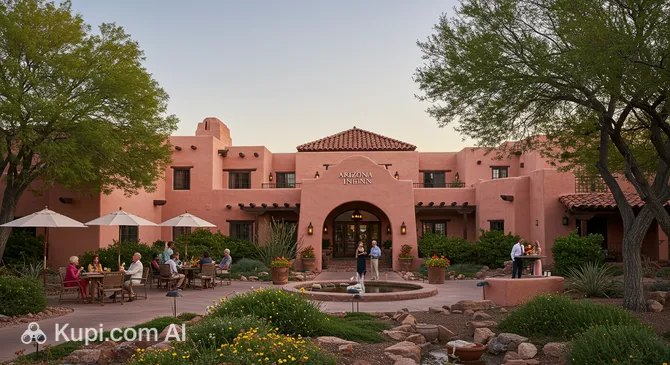
Travelers seeking a historic and luxurious experience should consider the Arizona Inn. This legendary hotel, founded in 1930, is a pink stucco oasis spread over 14 acres of lush gardens. It offers a quiet, elegant retreat with casita-style rooms and timeless charm, having hosted movie stars and presidents over the decades.

Arizona Inn. Source: Kupi.Binoculars

Another exceptional option that captures the spirit of the Sonoran Desert is the Hacienda del Sol Guest Ranch Resort. Originally a prestigious ranch school, this historic property sits at the base of the Santa Catalina Mountains. It blends rustic ranch heritage with modern luxury, offering breathtaking sunset views, botanical gardens, and an award-winning culinary program.

Booking Tips: The price of accommodation varies significantly depending on the season. Winter and early spring are the peak tourist seasons due to the mild weather and major events like the Gem and Mineral Show in February. During these times, prices can be higher, and availability fills up quickly, so it is highly recommended to book your stay several months in advance. Conversely, summer offers significant discounts for those willing to brave the heat.

Generally, you can find budget options starting from around $60-$80 per night, while mid-range hotels typically fall between $120 and $200. Luxury resorts and historic inns can range from $250 to over $500 per night during the high season. Reservations can be easily made through major online booking platforms or directly through hotel websites, which sometimes offer special packages.

Nearby Cities

For those looking to explore the surroundings, Tucson serves as an excellent base for day trips to several interesting nearby locations:

Just a short drive north of the city center lies the Catalina Foothills, an upscale community nestled at the base of the Santa Catalina Mountains. It is a prime destination for nature lovers, offering direct access to the famous Sabino Canyon Recreation Area, where visitors can hike or take a scenic tram ride. The area is also known for its high-end shopping and the historic DeGrazia Gallery in the Sun, an architectural gem built by artist Ted DeGrazia.

Further north, Oro Valley is renowned for its spectacular views and outdoor opportunities. It is home to Catalina State Park, a favorite spot for camping, birding, and hiking amidst towering saguaros. The town maintains a relaxed atmosphere and features extensive bicycle paths, making it a perfect escape for those seeking fresh air and dramatic desert landscapes.

To the south, Sahuarita offers a unique journey into history. It is most famous for housing the Titan Missile Museum, the only remaining Titan II missile site open to the public, providing a fascinating glimpse into the Cold War era. Additionally, the town is surrounded by lush pecan orchards, offering a surprising and pleasant contrast to the typical desert scenery.

City Population Distance (km)
Casas Adobes 70,224 8
Marana 50,834 31
Catalina Foothills 50,096 7
Oro Valley 46,515 15
Sahuarita 33,524 33

These nearby destinations offer a glimpse into the diverse culture and landscapes of the region.

Shopping & Souvenirs

Shopping:

Shopping in Tucson is a delightful exploration of the Southwest's artistic soul. The city is not just about standard retail chains; it is renowned for its vibrant local artisan scene, turquoise jewelry, and authentic Mexican imports. Visitors will find a relaxed browsing experience that ranges from sun-drenched open-air plazas to historic streets lined with quirky independent boutiques.

For a truly local experience, head to Fourth Avenue. This historic district connects the university area to downtown and is the heartbeat of Tucson's bohemian culture. Here, you can wander through over 100 locally owned shops offering vintage clothing, rare books, and handmade art. It is the perfect place to find something one-of-a-kind while enjoying the energetic atmosphere of the city. Downtown Tucson is also seeing a resurgence, with stylish boutiques popping up along Congress Street and Broadway.

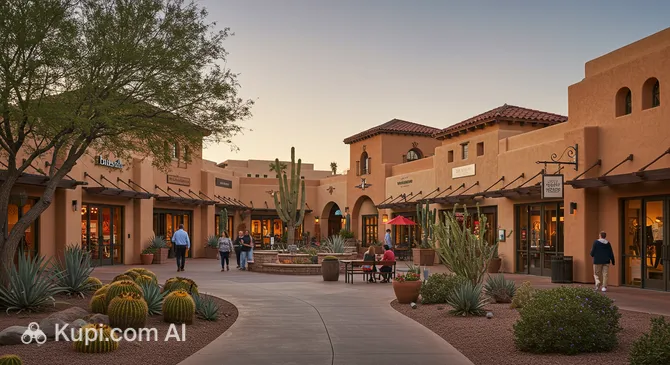
If you prefer a more curated shopping environment, St. Philip's Plaza is a must-visit destination. Located at the foothills of the Catalina Mountains, this landmark combines boutique shopping with fine dining and art galleries. Its charming courtyards and fountains make it a beautiful place to spend an afternoon browsing for fashion, home decor, and unique gifts. For luxury brands and upscale retailers, La Encantada is another popular open-air center that offers spectacular views of the city.

St. Philip's Plaza. Source: Kupi.Binoculars

Markets play a significant role in the local shopping culture. The Mercado San Agustin is a vibrant public market that feels like a step back in time. Housed in a beautiful complex, it features a collection of local merchants selling everything from handmade leather goods to delicious pastries. On weekends, the city also comes alive with various farmers' markets and the famous Tanque Verde Swap Meet, where you can hunt for bargains and eclectic treasures among hundreds of vendors.

When it comes to souvenirs, Tucson offers items that perfectly capture the spirit of the desert. Turquoise jewelry is a classic choice, often crafted by local Native American artists. Food items are also very popular; look for prickly pear cactus candy, syrups, or locally made hot sauces to bring a taste of Arizona home. Colorful Mexican pottery and hand-woven rugs are also widely available and make for striking home decorations.

Most major shopping centers and malls are open from 10:00 AM to 9:00 PM on weekdays and Saturdays, with shorter hours on Sundays. Independent boutiques, especially those on Fourth Avenue or in the downtown area, may have more varied schedules, often closing around 6:00 PM. Credit and debit cards are universally accepted, but it is always handy to have some cash if you plan to visit flea markets or small street vendors.

Travelers should be aware that the United States does not generally offer a Value Added Tax (VAT) refund system for international tourists. The sales tax in Tucson is added at the register, so the price you see on the tag will be slightly lower than the final total. Be prepared to pay this non-refundable tax on all your purchases.

Reached the end of the page?

That means the route is fully explored