Support

Sedona

About

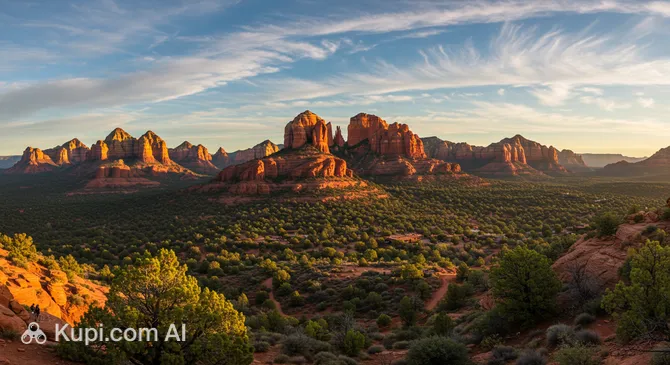
Nestled in the high desert of Arizona, Sedona is a geological wonderland that captivates visitors with its stunning natural beauty and serene atmosphere. Famous for its massive red sandstone formations, the city appears to glow in brilliant shades of orange and red during sunrise and sunset. Located in the southwestern United States, this enchanting destination offers a perfect blend of outdoor adventure, spiritual retreat, and artistic inspiration.
Sedona. Source: Kupi.Binoculars

Geographically, Sedona is situated within the Coconino National Forest, surrounded by steep canyon walls and pine forests. Its mild climate makes it a year-round destination, distinct from the intense heat of the lower deserts. With a permanent population of approximately 9,700 residents, the city maintains a welcoming, small-town feel despite its global popularity. The unique landscape serves as a dramatic backdrop for everything from hiking and biking to jeep tours and stargazing.

Beyond its scenic vistas, the area holds significant cultural importance. The region has been inhabited for centuries, and exploring the history of Sedona reveals a rich tapestry of Native American heritage and pioneer resilience. Today, this legacy blends with a vibrant modern culture, characterized by numerous art galleries, New Age shops, and wellness centers.

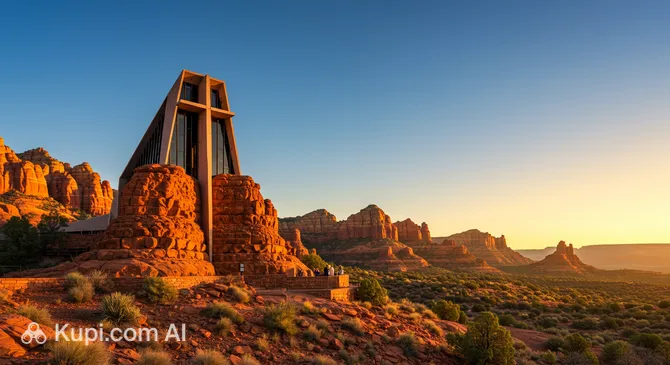
Travelers are drawn to iconic landmarks such as the Chapel of the Holy Cross, an architectural marvel built into the red rocks, and Red Rock State Park, which offers miles of scenic trails. The city is also renowned for its "vortexes"—specific sites believed to radiate spiritual energy conducive to healing and meditation. Whether you are seeking a challenging hike up Cathedral Rock or a relaxing day at a spa, Sedona invites you to experience its magical charm and rejuvenate your spirit.
Weather Overview

Sedona experiences a temperate semi-arid climate that is generally milder than the extreme heat found in Arizona's lower deserts. Visitors can look forward to distinct seasons, where the typical pattern involves warm summers with occasional rain and cold, dry winters. For a more detailed breakdown of conditions throughout the year, you can consult the guide to weather in Sedona to help plan your trip.

Spring is a season of rapid warming, with average temperatures rising from 6.7°C in March to a comfortable 16.9°C by May. While March is one of the wetter months with about 10 days of precipitation, the weather dries out significantly as summer approaches. June is typically the driest month, often seeing zero rainfall and average temperatures of 23.1°C, creating perfect conditions for sun-seekers.

The heat peaks in July, with average highs reaching 32.2°C, coinciding with an increase in rainfall; both July and August experience around 11 wet days each. As autumn arrives, the weather cools down pleasantly, dropping to an average of 15.1°C in October. Winters are chilly, with January seeing average lows of -2.2°C, though the precipitation volume remains low, keeping the days crisp and often clear.

Interesting Facts

Beyond the main attractions, Sedona holds many fascinating secrets that add depth to its stunning landscapes. From unique local laws to ancient geological history, there are plenty of surprising details to discover in this high desert gem.
Chapel of the Holy Cross. Source: Kupi.Binoculars
  • Turquoise Arches: Sedona is the only place in the world where McDonald's has turquoise arches instead of the traditional golden ones. City officials determined that the standard bright yellow logo would clash with the natural beauty of the red rocks, so the company agreed to a teal color scheme to blend in with the environment.

  • A Stargazer's Haven: The city is a designated International Dark Sky Community, enforcing strict lighting codes to preserve the night sky. High vantage points like the Sedona Airport Scenic Lookout offer breathtaking, unpolluted views of the cosmos, making it a premier destination for astronomy enthusiasts.

  • Ancient Origins: Although it is a desert today, the region was once the bottom of a tropical sea. The iconic red strata visible at the Chapel of the Holy Cross and other formations are actually fossilized sand dunes and iron-rich sediment deposited millions of years ago.

  • Little Hollywood: Long before it became a spiritual destination, Sedona was a favorite filming location for Hollywood westerns. Between the 1940s and 1970s, legends like John Wayne and Elvis Presley filmed classic movies against the dramatic backdrop of the red rocks.

  • Spiritual Whirlpools: The area is famous for its "vortexes," locations believed to emit intense earth energy. Sites such as the Boynton Pass Vortex are visited by thousands seeking meditation, healing, and spiritual rejuvenation.

How to Get There

Reaching this high desert paradise is part of the adventure, offering travelers scenic drives through some of Arizona's most captivating landscapes. While the city is tucked away in the red rocks, it is well-connected by road to major transport hubs. For a detailed guide on all available transport options, including driving directions and shuttle services, you can read more about how to get to Sedona.

Most visitors arriving by air choose to fly into Phoenix Sky Harbor International Airport (PHX), located in the city of Phoenix. As a major international hub, it offers the widest range of flight connections and rental car options. The airport is situated approximately 159 km from Sedona. The drive north on Interstate 17 is scenic and typically takes about 2 hours by rental car or shuttle bus, depending on traffic conditions.

For a closer alternative, you can fly into Flagstaff Pulliam Airport (FLG) in the city of Flagstaff. Located just about 33 km from Sedona, this regional airport offers a convenient entry point through the stunning Oak Creek Canyon drive. The travel time from here is significantly shorter, taking approximately 45 minutes by taxi or shuttle. While it handles less traffic than Phoenix, it is an excellent option for those looking to minimize driving time.

Additionally, the city has its own Sedona Airport (SDX), located on a mesa overlooking the town. However, it primarily serves private aircraft, charter flights, and scenic tours rather than commercial airlines.

For clarity, here is a summary of the main airports:

Airport Name City Passenger Traffic Km from City
Phoenix Sky Harbor International Airport Phoenix Large 159.2
Flagstaff Pulliam Airport Flagstaff Medium 33.2
Grand Canyon National Park Airport Flagstaff Small 124.6
Prescott Airport Prescott Small 60.3
Sedona Sedona Local/Private 2.7

The city of Sedona does not have a railway station, but train travel is still a viable option for those who enjoy the rails. You can arrive at the Amtrak station in the city of Flagstaff, which is approximately 40 km from Sedona. This station serves the Southwest Chief route, connecting Los Angeles and Chicago. From the Flagstaff station, you can take a shuttle bus or taxi to Sedona, a journey that takes roughly 45 to 50 minutes through the picturesque canyon roads.

Main Attractions

Sedona is a destination defined by its dramatic landscapes and spiritual energy, offering a wide array of activities for every type of traveler. From challenging hikes up towering red rock formations to serene moments in artistic enclaves, the city's main attractions highlight the unique character of the high desert.

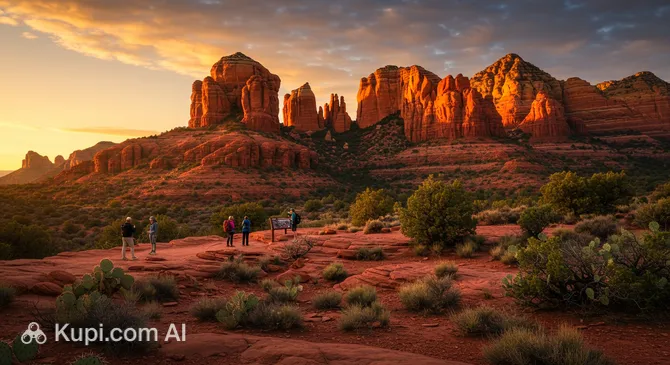
One of the most celebrated landmarks is the Cathedral Rock Trailhead. Famous for its towering spires and stunning reflection in the nearby Oak Creek, this site is a magnet for photographers and hikers alike. The trail offers a steep but rewarding climb to the saddle points, where visitors can enjoy panoramic views and experience one of Sedona's most renowned energy vortexes.

Cathedral Rock Trailhead. Source: Kupi.Binoculars

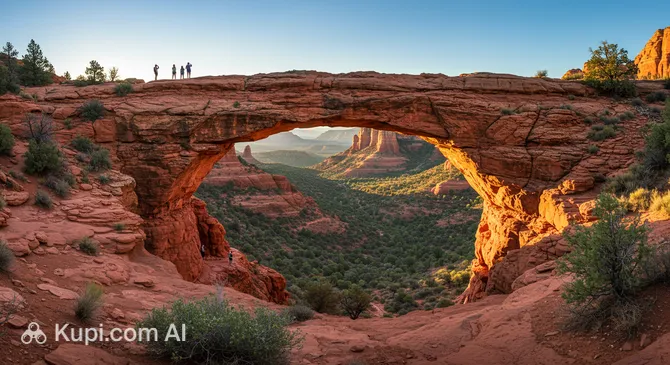
For those seeking a thrilling outdoor adventure, Devil's Bridge is an essential stop. As the largest natural sandstone arch in the Sedona area, it provides a spectacular setting for photos and sightseeing. The hike to the bridge leads through beautiful high desert scenery, culminating in a walk across the rocky arch that offers breathtaking vistas of the surrounding canyon wilderness.

Devil's Bridge. Source: Kupi.Binoculars

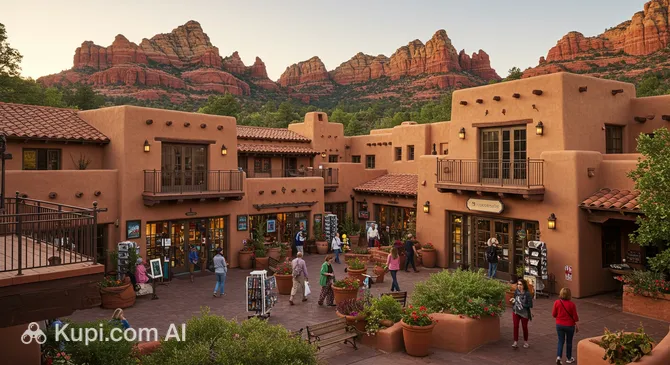
If you prefer a cultural excursion, the Tlaquepaque Arts & Shopping Village transports you to a traditional Mexican hamlet. With its vine-covered stucco walls, cobble-stoned pathways, and magnificent arched entryways, this landmark is the heart of Sedona's art scene. Visitors can explore high-end galleries, browse unique boutique shops, and dine in picturesque courtyards under the shade of giant sycamore trees.

Tlaquepaque Arts & Shopping Village. Source: Kupi.Binoculars

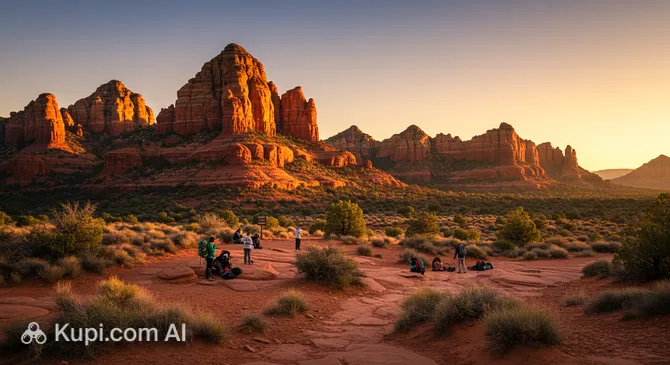
Another geological icon is the Bell Rock Trailhead, instantly recognizable by its distinct bell-shaped silhouette. Located conveniently along the Red Rock Scenic Byway, it is accessible to hikers of all abilities. The trails around the base offer gentle, scenic walks, while the ascent provides a fun challenge for those looking to climb higher and take in the sweeping views of the valley.

Bell Rock Trailhead. Source: Kupi.Binoculars

For a moment of tranquility, the Amitabha Stupa and Peace Park offers a spiritual retreat at the base of Thunder Mountain. This sacred space is open to all faiths and features a traditional Buddhist stupa believed to bring peace and healing. Walking the winding trails or meditating in the presence of the red rocks creates a profound sense of calm and connection with nature.

Local Cuisine

Sedona’s culinary scene is a vibrant reflection of its Southwest heritage, blending traditional Mexican flavors, Native American ingredients, and modern American cuisine. The city is renowned for its farm-to-table philosophy, with many chefs sourcing fresh ingredients from the nearby Verde Valley. Dining here is often an immersive experience where the bold flavors on the plate compete with the spectacular red rock views for your attention.

Elote Cafe. Source: Kupi.Binoculars

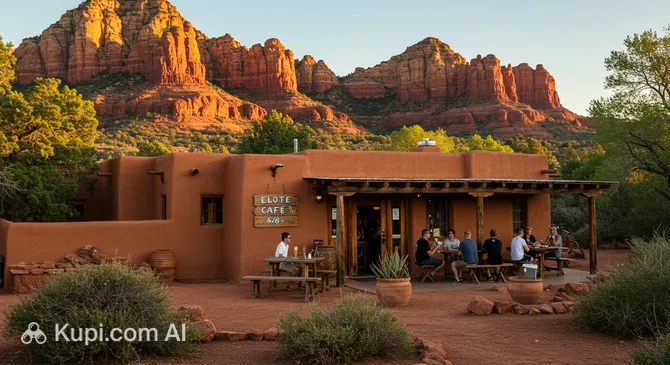
One of the most iconic dishes you must try is elote, a Mexican street corn appetizer that has achieved legendary status in the area. This savory treat typically features fire-roasted corn smothered in spicy mayonnaise, lime, and cotija cheese. It is the signature dish of the celebrated Elote Cafe, a local favorite that elevates authentic Mexican recipes with a sophisticated twist. Another unique local ingredient is the prickly pear cactus; you will find its sweet, magenta-colored syrup used in everything from barbecue sauces to desert-style fries.

When it comes to beverages, the Prickly Pear Margarita is undisputed as Sedona's signature drink. Its vivid pink hue and refreshing, slightly sweet taste make it the perfect way to cool down after a day of hiking. For wine enthusiasts, the region is part of a burgeoning wine country. Places like Vino di Sedona offer an excellent opportunity to sample award-winning varietals produced right in Arizona's high desert vineyards.

The Hudson. Source: Kupi.Binoculars

The atmosphere of Sedona's restaurants ranges from casual roadside diners to upscale establishments with panoramic terraces. The Hudson is a prime example of the latter, offering modern American comfort food paired with sweeping vistas of the red rocks. For a mix of craft cocktails and Southwest-inspired plates, SaltRock Kitchen provides a lively setting that captures the essence of the city's festive spirit.

Travel Tips

Welcome to the stunning Red Rock Country! To ensure your journey through Sedona’s majestic landscapes and spiritual sites is as smooth and enjoyable as possible, we have compiled a set of essential practical tips to help you navigate the local nuances.

  1. Clothing and Gear: The high desert climate calls for a strategy of layers. Mornings and evenings can be surprisingly crisp, even in summer, so bring a light jacket or fleece. For hiking, sturdy, broken-in boots are a must, but be warned: the famous red dirt will stain your shoes and socks permanently, so avoid wearing white. A wide-brimmed hat and high-quality sunglasses are essential to protect against the intense Arizona sun.

  2. Transportation: While there is a local bus service called the Sedona Shuttle that connects to specific trailheads to reduce traffic, renting a car remains the most efficient way to explore the area freely. Ride-hailing apps like Uber and Lyft are available but can be unreliable, especially for pick-ups at remote trailheads. Be prepared for numerous roundabouts (traffic circles) within the city limits, which are used to keep traffic flowing without traffic lights.

  3. Finances: The official currency is the United States Dollar (USD). Credit and debit cards are widely accepted at hotels, restaurants, and shops. However, it is wise to carry some cash for small purchases, local craft markets, or tipping valets. The standard tipping culture in the US applies here: aim for 15-20% at restaurants and bars.

  4. Health and Safety: The most critical safety rule in Sedona is to stay hydrated. The dry desert air evaporates sweat quickly, so you may not realize how much water you are losing; carry more water than you think you need on hikes. Pharmacies and urgent care centers are available in West Sedona. Be mindful of your surroundings on trails—keep an eye out for rattlesnakes during warmer months and avoid putting your hands in crevices where scorpions might hide.

  5. Communication: English is the primary language spoken. Cell phone reception is generally good in town but can be spotty or non-existent deep within the canyons and on remote trails. It is highly recommended to download offline maps (like Google Maps or specific hiking apps) before heading out on your adventures to ensure you can navigate without a signal.

  6. Local Etiquette: Sedona residents value the peace and tranquility of their environment. When visiting "vortex" sites or popular viewpoints, maintain a respectful volume to allow others to meditate or enjoy the silence. The principle of Leave No Trace is strictly observed: pack out all your trash, stay on designated trails to protect fragile soil crusts, and respect wildlife.

  7. What to Avoid: Do not build your own rock stacks (cairns). While they may look artistic, unauthorized cairns can confuse hikers relying on official trail markers and disturb the natural habitat. Also, avoid hiking during the hottest part of the day in summer (typically 11 AM to 3 PM) to prevent heat exhaustion.

  8. Parking Tip: Many of the most popular trailheads and vortex sites require a Red Rock Pass for parking. You can purchase daily or weekly passes at visitor centers, local grocery stores, and vending machines at the trailheads. Displaying this pass on your dashboard is mandatory to avoid fines.

By keeping these practical tips in mind, you will be well-prepared to embrace the magic of Sedona. Whether you are scaling the red rocks or relaxing in town, a little preparation goes a long way in ensuring a memorable and hassle-free vacation.

Entertainment & Nightlife

Entertainment and Nightlife:

Sedona is not known for a raucous party scene or thumping nightclubs that stay open until dawn. Instead, the city offers a more refined and relaxed nightlife experience that perfectly complements its "early to rise" hiking culture. As an International Dark Sky Community, one of the primary forms of evening entertainment here involves simply looking up. The lack of streetlights and light pollution makes stargazing a spectacular activity, often accompanied by a quiet drink on a patio or a guided astronomy tour.

For those seeking social vibes and libations, West Sedona is the main hub for locals and visitors alike. Unlike the tourist-heavy Uptown district, which tends to quiet down shortly after sunset, West Sedona keeps the energy going a bit longer with a selection of lively pubs, wine bars, and lounges. The atmosphere across the city is distinctly casual; you will fit in perfectly wearing jeans or even clean hiking gear at almost any establishment.

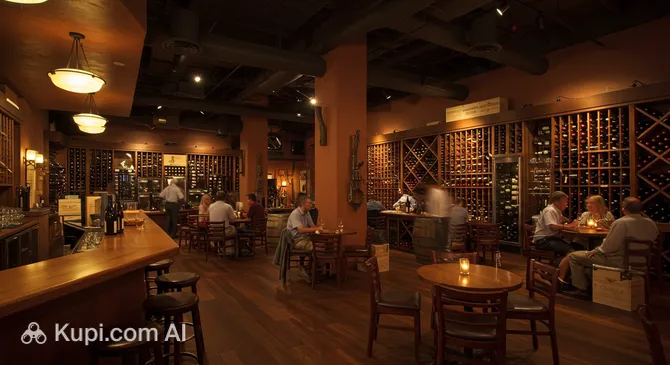
Wine lovers will find their haven at Vino di Sedona. This venue is a favorite for its extensive selection of Arizona wines and craft beers. It acts as a cultural living room for the community, frequently hosting live music performances ranging from flamenco guitar to classic rock. The outdoor patio provides a relaxed setting to enjoy a charcuterie board while soaking in the cool desert evening air.

Vino di Sedona. Source: Kupi.Binoculars

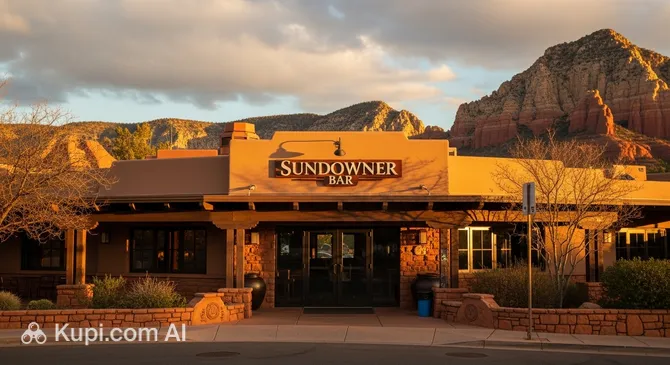
If you are looking for a more traditional "local" experience, head to the Sundowner. Known as one of the city's few true dive bars, it offers a friendly, unpretentious atmosphere where you can play a game of pool, enjoy affordable drinks, and chat with residents. It is an excellent spot to unwind after a long day on the trails without the pretense of an upscale resort.

Sundowner. Source: Kupi.Binoculars

For a mix of spirited dining and creative cocktails, the Rascal Modern American Diner & Bar located inside the Wilde Resort is a popular choice. It captures the quirky spirit of the town with a retro-cool aesthetic and often features live entertainment. Another notable mention is SaltRock Kitchen, where you can sip agave-based margaritas by a fire pit, enjoying the silhouette of the red rocks under the moonlight.

Practical Advice for Night Owls: It is important to know that Sedona shuts down early. Most kitchens close by 9:00 PM or 10:00 PM, and bars rarely stay open past midnight. Transportation can be a challenge late at night; ride-sharing services like Uber and Lyft are often scarce or unavailable after dark. If you plan to drink, it is highly recommended to arrange a designated driver or stay within walking distance of your venue.

Safety: The city is very safe for night walks, with low crime rates. However, due to the strict lighting ordinances, streets can be pitch black. Always carry a flashlight or use your phone's light when walking at night to avoid tripping on uneven sidewalks or encountering nocturnal wildlife like javelinas.

During the daylight hours, entertainment shifts towards culture and history. Visitors can explore the Sedona Heritage Museum to learn about the area's pioneer past and apple-growing history. The city is also packed with art galleries and hosts numerous daytime festivals, ensuring that your itinerary is full from sunrise to the early evening hours.

Parks & Museums

While the towering red rocks often steal the spotlight, Sedona is also home to lush green spaces, historical treasures, and a vibrant artistic community that offers a deeper look into the region's heritage. From serene creekside parks to museums that chronicle the lives of early pioneers, the city provides ample opportunities to explore its culture and natural diversity beyond the major hiking trails.

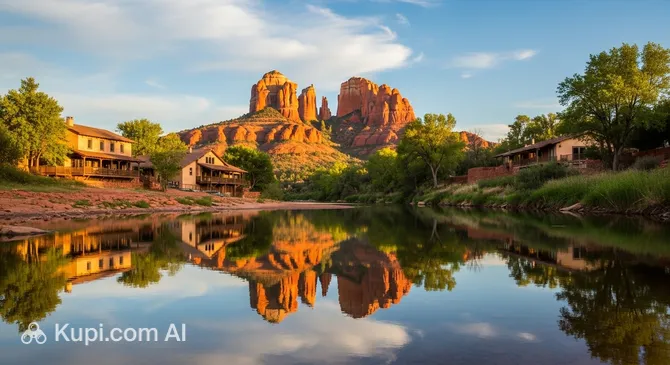
One of the most photogenic natural areas is the Crescent Moon Ranch. Located along the banks of Oak Creek, this historic site is famous for "Red Rock Crossing," a spot that offers one of the most iconic views of Cathedral Rock reflected in the water. It is a perfect destination for a relaxing afternoon, featuring wide open meadows, picnic tables, and plenty of shade provided by towering sycamore trees. The ranch also preserves an old water wheel and homestead, giving visitors a glimpse into the agricultural past of the area.

Crescent Moon Ranch. Source: Kupi.Binoculars

Another essential outdoor stop is Red Rock State Park, a 286-acre nature preserve that focuses on environmental education and conservation. Unlike other recreational areas, this park restricts swimming to protect the riparian habitat, making it a peaceful haven for wildlife viewing and hiking. For those looking to cool off, the nearby Slide Rock State Park offers a completely different experience. Situated on a historic apple farm, it features a natural water slide carved into the creek bed, where visitors can slide down the slippery red sandstone into refreshing pools.

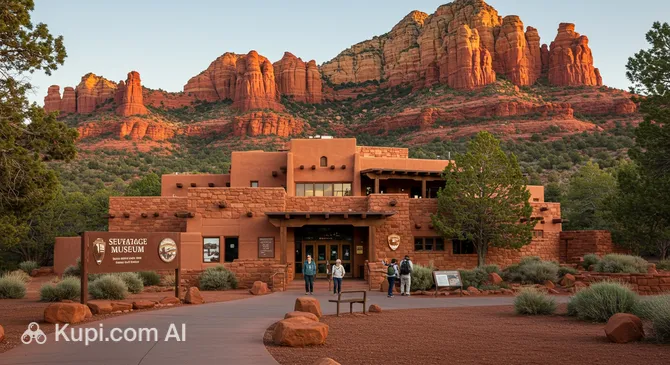
To understand the human history of the region, a visit to the Sedona Heritage Museum is highly recommended. Tucked away in Jordan Historical Park, the museum is housed in the original homestead and apple packing shed of the Jordan family. The exhibits cover everything from the lifestyle of early settlers and the local apple industry to the "Little Hollywood" era, when Sedona served as the backdrop for countless western movies. It provides a charming and intimate look at how a small farming community transformed into a world-class destination.

Sedona Heritage Museum. Source: Kupi.Binoculars

The city is also renowned as a thriving art colony. While Tlaquepaque is the commercial hub, the Sedona Arts Center in Uptown serves as the creative heartbeat of the community. Founded in 1958, it offers rotating exhibitions of local and regional artists, showcasing the profound influence the landscape has on creative expression. The center plays a pivotal role in maintaining Sedona's reputation as a premier destination for fine art.

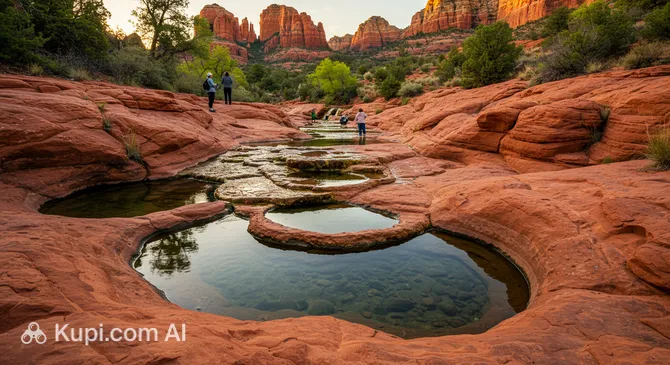
For a mix of natural wonder and ancient history, the Seven Sacred Pools located off the Soldier Pass Trail are a fascinating sight. These natural depressions in the sandstone fill with water during seasonal rains and have served as a vital water source for wildlife and indigenous people for centuries. Nearby, the Palatki Heritage Site offers a more direct connection to the past, featuring well-preserved Sinagua cliff dwellings and pictographs that date back hundreds of years, allowing visitors to witness the architectural ingenuity of the region's ancient inhabitants.

Seven Sacred Pools. Source: Kupi.Binoculars

Insider Tip: If you want to escape the crowds at the main trailheads, try the Fay Canyon Trailhead. It offers a relatively flat and easy hike through a scenic box canyon. Keep an eye out for the "Fay Canyon Arch" located halfway up the canyon wall to the right; it is a hidden gem often missed by casual hikers staying on the main path.

Getting Around

Navigating Sedona is relatively straightforward, though the public transport options are quite different from the extensive networks found in major metropolitan areas. There is no metro, tram, or train system within the city limits. Instead, the local transport infrastructure relies primarily on a strategic network of shuttle buses designed to manage tourist traffic and protect the environment, supplemented by regional bus lines and private transport options.

For visitors, the most important component of the public transport system is the Sedona Shuttle. This service was introduced specifically to alleviate traffic congestion and parking shortages at popular hiking destinations. The shuttles are free of charge and connect designated Park & Ride lots to major trailheads such as Cathedral Rock, Soldier Pass, Dry Creek, and Little Horse. These buses typically operate from Thursday to Sunday, though schedules can expand during peak seasons. Using this service is not only cost-effective but often mandatory, as parking at these trailheads is frequently closed or severely limited during shuttle operating hours.

To travel between Sedona and neighboring communities like Cottonwood, the Verde Shuttle (formerly known as the CAT) provides a reliable bus service. This is a great option for visitors staying outside the city center or those looking to explore the wider Verde Valley. The fare is very affordable, typically costing around $2.00 for a one-way trip. Payment can be made using exact cash upon boarding—drivers cannot give change—or through mobile ticketing apps that allow you to purchase passes in advance. It operates seven days a week, with more frequent service on weekdays.

Regarding alternatives, renting a car remains the most popular choice for tourists who want the freedom to explore remote areas and scenic drives at their own pace. However, ride-sharing services like Uber and Lyft are available, as are local taxi companies. A crucial piece of advice for using these services is to plan ahead: cell phone reception can be non-existent at remote canyons and trailheads, making it difficult to summon a ride back. Pre-arranging a pickup or sticking to areas with known signal strength is highly recommended.

For shorter distances, electric bike rentals have become an increasingly popular and eco-friendly way to get around. The city is becoming more bike-friendly, and e-bikes help conquer the hilly terrain with ease. Additionally, the Uptown district is very walkable, allowing you to easily stroll between shops, galleries, and restaurants once you have parked your vehicle or arrived by shuttle.

Visitors should also be aware of the private trolley tours available in the city. While these are technically sightseeing tours rather than public transit, they offer a convenient way to travel between major landmarks while receiving narrated history of the area. They usually require a separate ticket purchase and operate on specific loops, making them a fun alternative for a relaxed day of sightseeing without the stress of driving.

Accommodation

Where to Stay:

Sedona offers a diverse array of accommodation options that cater to the varying needs of its visitors, ranging from world-class luxury resorts and wellness retreats to charming bed-and-breakfasts and budget-friendly motels. Because the city is a major destination for spiritual healing and outdoor adventure, many lodgings focus on providing a serene atmosphere with spectacular views of the red rocks. Whether you are looking for a full-service spa experience or a simple base camp for your hiking expeditions, you will find a suitable place to rest.

When choosing where to stay, location is a key factor. Uptown Sedona is the most popular area for first-time visitors; it is highly walkable and places you right in the middle of the best shopping, galleries, and tour operators. If you prefer a quieter, more residential feel with easy access to grocery stores and local restaurants, West Sedona is an excellent alternative. For those seeking a rustic escape surrounded by nature, the cabins and lodges in Oak Creek Canyon offer a peaceful retreat along the water, while the Village of Oak Creek (located south of the main city) is perfect for being close to iconic landmarks like Bell Rock.

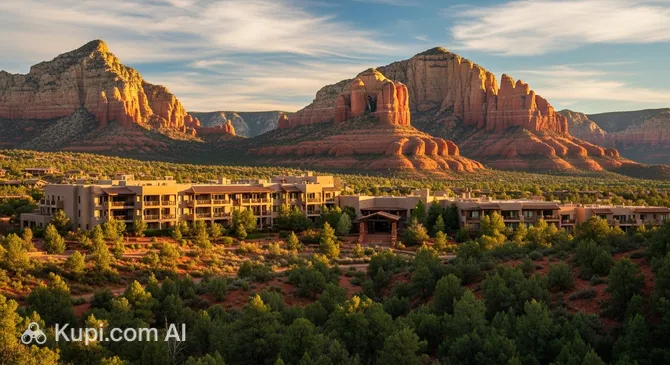
For travelers interested in a resort-style experience near the heart of the action, the Arroyo Roble Resort is a well-known establishment. Located in Uptown, it sits on expansive grounds that border Oak Creek, offering a unique combination of convenient access to the town's amenities and private, scenic views of the surrounding cliffs.

Arroyo Roble Resort. Source: Kupi.Binoculars

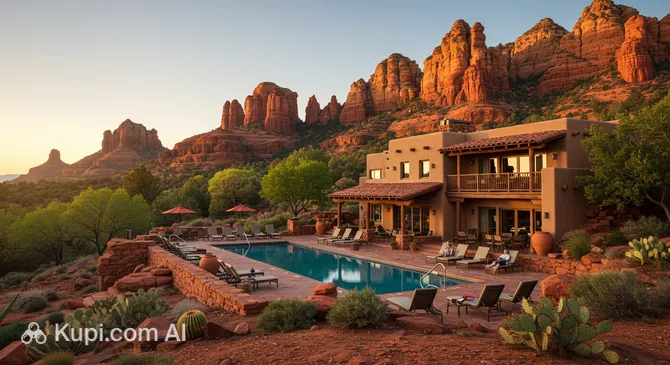
If you are planning a longer vacation or traveling with a family, you might prefer accommodation that offers more living space. The Villas of Sedona provides a condominium-style setting in West Sedona. These units typically feature kitchen facilities and separate living areas, making them a comfortable "home away from home" for those who want to cook their own meals or relax in a spacious environment after a day on the trails.

Villas of Sedona. Source: Kupi.Binoculars

Booking Tip: Sedona is a year-round destination, but it experiences significant peak seasons during the spring (March to May) and autumn (September to November). During these times, occupancy rates soar, and the most desirable hotels can sell out months in advance. It is highly recommended to book your accommodation as early as possible if you plan to visit during these mild-weather windows.

Regarding costs, prices in Sedona tend to be higher than the national average, especially on weekends and during peak seasons. While luxury resorts can command premium rates, mid-range hotels and vacation rentals offer more moderate pricing. Budget travelers can find affordable motels, particularly in West Sedona, though they fill up quickly. Booking is most commonly done through major online travel platforms or directly through hotel websites, which sometimes offer special packages that include spa credits or tour discounts.

Nearby Cities

For those looking to explore the surroundings, Sedona serves as an excellent base for day trips to several interesting nearby locations:

City Population Distance (km)
Surprise 141,875 146
Prescott Valley 97,901 54
Flagstaff 81,682 40
Prescott 45,063 70
Winslow 39,833 104

Among these, Flagstaff is perhaps the most popular excursion. Located just a scenic drive away through Oak Creek Canyon, this mountain town sits at a higher elevation, offering cool pine forests and a distinct change of scenery. It is famous for the Lowell Observatory, where Pluto was discovered, and its historic downtown along Route 66. In winter, it transforms into a snowy playground with the Arizona Snowbowl ski resort.

Another fantastic option is Prescott, known as "Everybody's Hometown." As the former territorial capital of Arizona, it is rich in history, centered around the Courthouse Plaza and the famous "Whiskey Row" of historic saloons. Nature lovers will also appreciate the stunning Watson Lake, renowned for its shimmering blue waters surrounded by massive granite boulders known as the Dells.

For a taste of classic Americana, Winslow is a bit further afield but well worth the drive for Route 66 enthusiasts. Immortalized by the Eagles' song "Take It Easy," the town features the "Standin' on the Corner" Park, a tribute to the golden age of the Mother Road. Visitors can also explore the historic La Posada Hotel, a masterpiece of railway architecture.

These nearby destinations offer a glimpse into the diverse culture and landscapes of the region.

Shopping & Souvenirs

Shopping in Sedona is a unique experience that focuses less on big-box retailers and more on locally crafted treasures, fine art, and spiritual tools. The city is world-renowned for its art scene, boasting dozens of galleries that feature everything from Western bronzes to contemporary glasswork. Visitors will find that browsing here is as much about cultural immersion as it is about purchasing goods, with many shops offering items that reflect the region's rich Native American heritage and geological beauty.

The primary hub for visitors is Uptown Sedona, located along Highway 89A. This walkable district is lined with souvenir shops, clothing boutiques, and jewelry stores, making it the bustling heart of the city's retail activity. It is the best place to find casual gifts, hiking gear, and local curiosities. For a more serene and upscale experience, the stretch of Highway 179 often referred to as "Gallery Row" offers high-end art collections nestled among the stunning red rock formations.

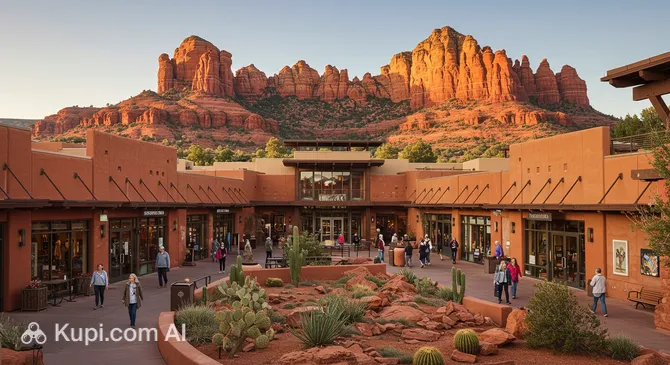
For a shopping experience that feels like a step back in time, the Tlaquepaque Arts & Shopping Village is the crown jewel of the city. Modeled after a traditional Mexican village, it features cobblestone paths, decorative arches, and vine-covered stucco walls. Inside this atmospheric landmark, you will find exclusive galleries, specialty shops selling handmade leather goods, and fine jewelry boutiques, all set within a romantic, old-world environment.

Sinagua Plaza. Source: Kupi.Binoculars

Another notable destination in the Uptown area is Sinagua Plaza. This open-air shopping center is a convenient spot to explore a variety of stores and restaurants while enjoying patio views of the red sandstone cliffs. It offers a mix of Southwestern gifts, apparel, and local crafts, serving as a central point for those exploring the main tourist strip.

While Sedona does not have large traditional flea markets, the Sedona Community Farmers Market is a favorite among locals and visitors. Held on weekends (locations vary by season), it showcases fresh produce from the Verde Valley, local honey, and artisanal food products. It is an excellent place to sample the local flavors and buy organic snacks for your hiking trips.

When it comes to souvenirs, the city offers items that are distinct to its character. Crystals and gemstones are incredibly popular due to Sedona's reputation as a center for metaphysical energy and healing. Authentic Native American jewelry, particularly turquoise and silver pieces created by Navajo, Hopi, and Zuni artists, is another sought-after keepsake. For a fun and inexpensive memento, look for "Red Dirt" shirts, which are dyed using the actual iron-rich soil of the region.

Most shops in Sedona operate from approximately 10:00 AM to 6:00 PM. While some stores in Uptown may stay open slightly later, especially during peak tourist seasons, the city generally winds down early in the evening. Major credit and debit cards are universally accepted. Travelers should be aware that the United States does not typically offer a VAT refund system for tourists; instead, a sales tax is added to the listed price of items at the register.

Reached the end of the page?

That means the route is fully explored