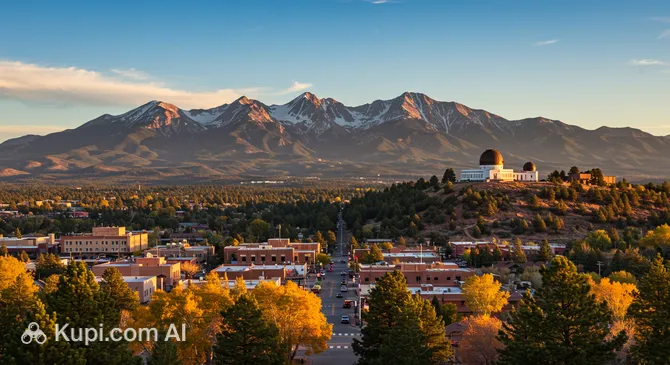
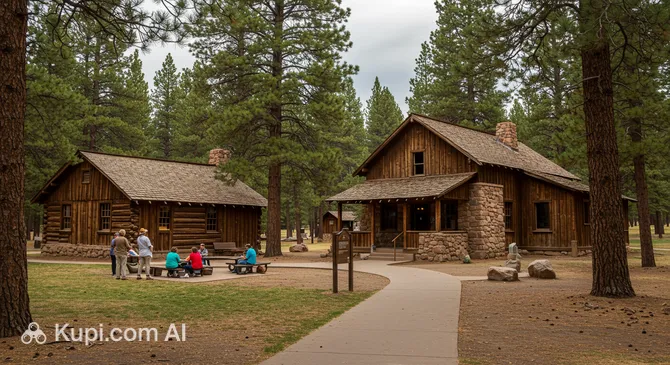
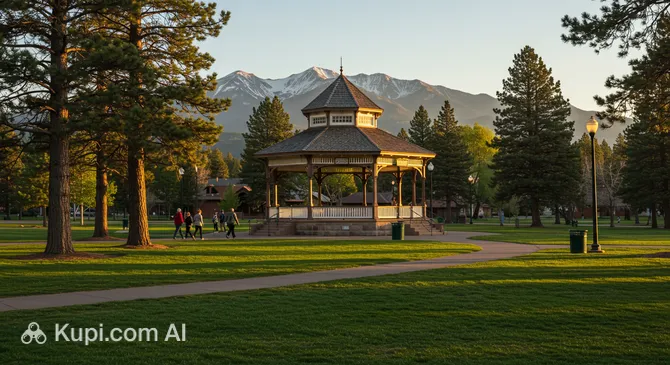
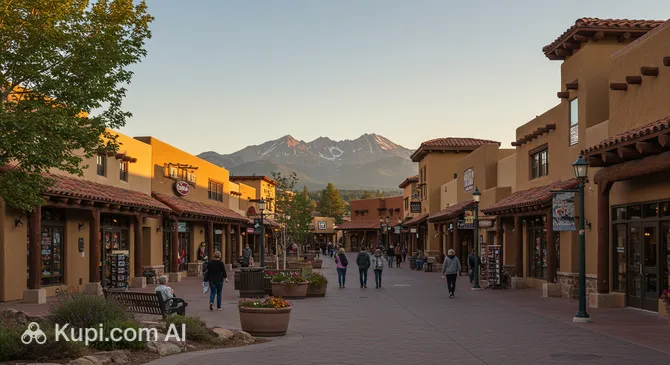
Nestled at the base of the majestic San Francisco Peaks, Flagstaff offers a refreshing contrast to the arid deserts often associated with Arizona. This vibrant city in the United States is surrounded by the world's largest contiguous ponderosa pine forest, creating an alpine atmosphere that delights visitors year-round. With a population of approximately 82,000 residents, it balances small-town charm with the amenities of a bustling hub for adventure and culture.
The city's high elevation of 7,000 feet (2,130 meters) gifts it with four distinct seasons, including snowy winters perfect for skiing and mild summers ideal for hiking. As you wander through the historic downtown, you will find echoes of the past along the iconic Route 66. Those interested in the region's development can dive deeper into the history of Flagstaff, tracing its journey from a railroad and lumber town to a modern center for science and tourism.
Flagstaff. Illustration.
Source: Kupi.com AI
Flagstaff is globally renowned as the world's first International Dark Sky City, making it a premier destination for stargazing, particularly at the famous Lowell Observatory where Pluto was discovered. Nature enthusiasts are also drawn to the area's strategic location, serving as a popular gateway to the Grand Canyon and offering local thrills at the Arizona Snowbowl. Whether you are seeking outdoor escapades or a cozy mountain retreat, Flagstaff invites you to experience its unique highland spirit.
Weather Overview
Due to its high elevation, the city experiences a climate that is distinct from the desert heat often associated with the region. Visitors can enjoy four true seasons here, ranging from crisp, snowy winters to mild and pleasant summers. To help plan your activities, it is helpful to check the current weather in Flagstaff before your trip.
Winter brings cold temperatures, with January seeing an average of 0.6°C and minimums dropping to around -4.5°C. This season is generally chilly, with December and February averaging between 0.9°C and 2.5°C. While precipitation is moderate during these months, with about 5 to 8 wet days, the conditions are perfect for winter sports enthusiasts.
Summer offers a warm contrast, particularly in July, which is the warmest month with an average temperature of 22.3°C and highs reaching 28.7°C. However, travelers should note that late summer is also the wettest period; July and August experience approximately 15 to 16 wet days each. June, conversely, is quite dry with only 3 wet days and comfortable highs of 27.5°C.
In general, expect warm summers with occasional rain during the monsoon season and cold winters ideal for cozy retreats.
Average monthly temperature
Average monthly precipitation
Interesting Facts
Beyond the main attractions, Flagstaff holds many fascinating secrets that range from space exploration history to Hollywood cameos. This high-altitude city is far more than just a gateway to the Grand Canyon; it has played a pivotal role in scientific discoveries and pop culture.
Astronaut Training Ground: Before taking their giant leaps for mankind, every astronaut who walked on the Moon trained in Flagstaff. The area's volcanic landscape at Cinder Lake was intentionally blasted with dynamite to create a replica of the Moon's "Sea of Tranquility," allowing the Apollo crews to practice their lunar missions.
Home of Pluto: The dwarf planet Pluto was discovered right here in 1930. Astronomer Clyde Tombaugh made the historic finding at the Lowell Observatory, cementing the city's status as a major hub for astronomy.
A Literal Name: The city’s unique name originated from a patriotic gesture on July 4, 1876. To celebrate the United States' Centennial, a group of travelers stripped the branches off a tall ponderosa pine tree to use it as a "flag staff" for raising the American flag, a landmark that eventually named the settlement.
Hollywood Moments: Downtown Flagstaff has served as a backdrop for several famous films. Most notably, the scene in Forrest Gump where Tom Hanks' character inspires the "Shit Happens" bumper sticker was filmed on North San Francisco Street.
Not Your Typical Arizona: Contrary to the desert image of the state, Flagstaff sits in the heart of the world's largest contiguous ponderosa pine forest. Its high elevation provides a climate so distinct that it was designated the world's first International Dark Sky City to protect its pristine stargazing conditions.
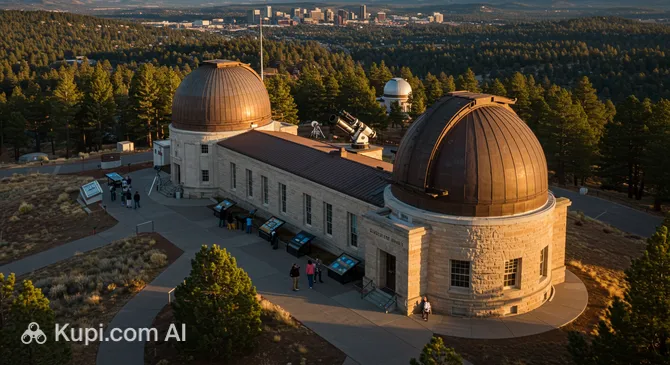
Lowell Observatory. Illustration.
Source: Kupi.com AI
Traveler photos:
How to Get There
Reaching this high-altitude destination in Northern Arizona is straightforward, with options ranging from direct flights to scenic drives. Whether you are arriving from a nearby state or crossing the country, you can find more about how to get to Flagstaff to help plan your journey.
The most convenient option for flying directly into the area is Flagstaff Pulliam Airport (FLG). Located just 6.9 km from the city center, this regional airport offers a quick and easy arrival. A taxi or ride-share from here to downtown typically takes about 30 minutes. While smaller than major hubs, it provides essential connections for travelers wanting to land right at the doorstep of the mountains.
For a wider selection of international and domestic flights, many visitors choose to fly into Phoenix Sky Harbor International Airport (PHX). It is important to note that this airport is not in Flagstaff but in the city of Phoenix, approximately 198 km away. As a large international hub, it welcomes millions of passengers annually. From Phoenix, you can rent a car or take a shuttle bus for a scenic drive north along Interstate 17, which generally takes about 2 to 2.5 hours.
For clarity, here is a summary of the main airports:
Beyond air travel, Flagstaff is well-connected by ground transportation. The city is a popular stop on the historic Route 66 and is served by Amtrak trains and intercity bus lines, making it accessible for those preferring a rail or road adventure through the American Southwest.
Main Attractions
Flagstaff is a city where outdoor adventure meets rich cultural history. The area boasts a variety of sights that cater to nature lovers, history buffs, and science enthusiasts alike, making it a well-rounded destination for any traveler.
One of the most significant landmarks is the Lowell Observatory. Founded in 1894, this active astronomical research center is famous as the site where Pluto was discovered. It is a fascinating stop for tourists, offering the chance to peer through historic telescopes and attend engaging science talks. As part of the world's first International Dark Sky City, the observatory provides an unparalleled stargazing experience in the clear mountain air.
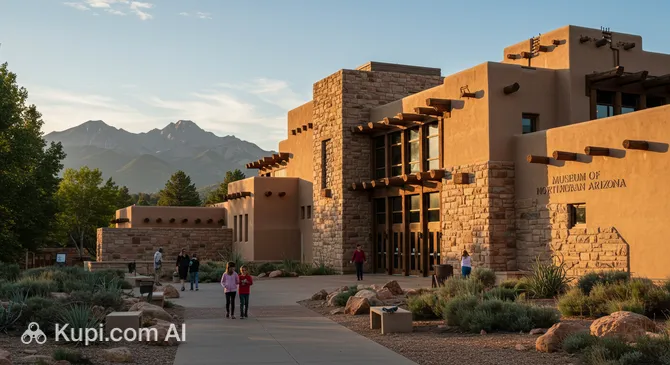
Museum of Northern Arizona. Illustration.
Source: Kupi.com AI
Traveler photos:
To truly understand the region's heritage, a visit to the Museum of Northern Arizona is essential. This institution focuses on the biology, geology, and anthropology of the Colorado Plateau. It houses impressive collections of Native American art and artifacts, serving as a gateway to the diverse cultures and natural history of the Southwest.
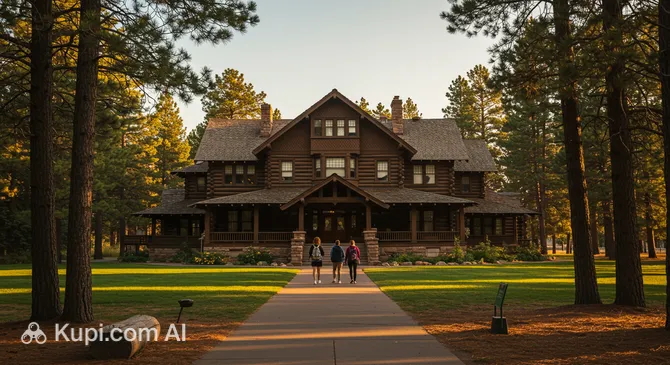
For those who appreciate historic architecture, the Riordan Mansion State Historic Park offers a glimpse into the city's past. Built in 1904 for two prominent brothers involved in the lumber industry, this duplex home is a stunning example of Arts and Crafts style architecture. Tours of the mansion reveal original furnishings and personal items that tell the story of life in territorial Arizona.
Riordan Mansion State Historic Park. Illustration.
Source: Kupi.com AI
Traveler photos:
If you are looking to enjoy the outdoors with ease, Buffalo Park is a local favorite. This expansive urban park features a flat, two-mile loop trail that is perfect for walking, running, or a relaxing picnic. It offers some of the most spectacular, unobstructed views of the San Francisco Peaks, allowing visitors to immerse themselves in nature without leaving the city limits.
For thrill-seekers, the Flagstaff Extreme Adventure Course provides an exciting challenge. Located in the treetops of the ponderosa pine forest, this attraction features suspended obstacle courses that test your balance and agility. It is a unique way to experience the forest from a new perspective and adds a dose of adrenaline to your trip.
Local Cuisine
Flagstaff's culinary scene is a delightful reflection of its location: a blend of rugged mountain heartiness, Southwestern spice, and historic Route 66 Americana. The city has evolved into a foodie destination where locally sourced ingredients and creativity take center stage. The atmosphere is generally relaxed and casual, perfect for fueling up after a day of hiking or skiing.
One cannot visit Northern Arizona without trying the region's signature Navajo Taco. Built upon a base of pillowy, golden-fried frybread—a traditional Native American staple—this dish is piled high with savory toppings like chili beans, ground beef, lettuce, cheese, and salsa. It is a hearty meal that embodies the local heritage. For those seeking a different kind of comfort food, Satchmo's is a local institution known for its barbecue and Cajun flavors, offering a spicy twist that warms you up on chilly mountain evenings.
Satchmo's. Illustration.
Source: Kupi.com AI
Traveler photos:
Another unique gastronomic feature of the city is the popularity of savory pasties. While traditionally British, these filled pastries have found a fervent following here. The Cornish Pasty offers dozens of varieties, from classic steak and potato to inventive vegetarian options, serving as a perfect hearty meal for the high-altitude climate.
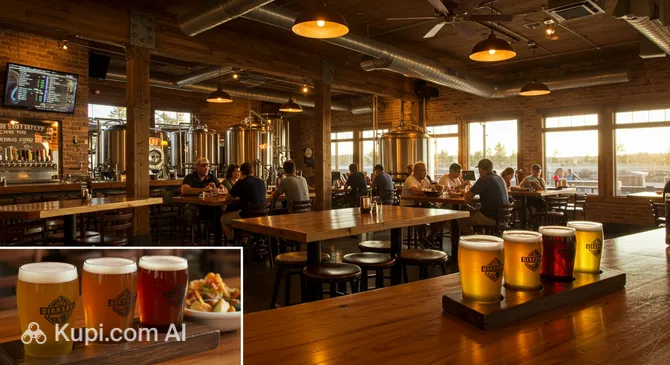
When it comes to beverages, Flagstaff is widely celebrated as Arizona's craft beer capital. The city boasts an impressive density of breweries for its size. A standout is the Mother Road Brewing Company, located right on the original 1926 alignment of Route 66. Their "Tower Station IPA" is practically a local anthem. If beer isn't your preference, look for drinks featuring prickly pear syrup; this bright pink cactus fruit adds a sweet, melon-like flavor to lemonades and margaritas found throughout the city.
Mother Road Brewing Company. Illustration.
Source: Kupi.com AI
Traveler photos:
Dining in Flagstaff often centers around the historic downtown area, where restored brick buildings house an array of eateries. In addition to sit-down restaurants, the city has a vibrant culture of food trucks and patio dining, which is especially enjoyable during the mild summer months. Whether you are craving a classic diner burger in a nod to the Mother Road or sophisticated mountain cuisine, the local food landscape is sure to satisfy.
Travel Tips
Visiting Flagstaff requires a slightly different approach than the typical Arizona vacation, primarily due to its high altitude and unique mountain culture. To ensure your trip to this alpine gem is as enjoyable and comfortable as possible, here are some practical tips to keep in mind while packing and planning.
Dress in Layers and Prioritize Sun Protection: The most important rule for Flagstaff is to prepare for fluctuating temperatures. Even in summer, daytime highs can be warm, but nights drop significantly, often requiring a jacket or fleece. In winter, heavy coats and waterproof boots are essential. Additionally, the sun is much stronger at 7,000 feet (2,130 meters); always wear high-SPF sunscreen, sunglasses, and a hat, regardless of the season.
Transportation Choices: While Downtown Flagstaff is compact and very walkable, renting a car is highly recommended if you plan to explore the surrounding forests, the Arizona Snowbowl, or make day trips to the Grand Canyon. Ride-sharing apps like Uber and Lyft are available in the city, and the Mountain Line bus system offers an eco-friendly way to get around town, though it may not reach remote trailheads.
Managing Your Finances: The currency is the US Dollar (USD). Credit and debit cards are widely accepted at hotels, restaurants, and shops. However, carrying some cash is useful for small purchases or tipping at casual venues. The standard tipping culture applies here: aim for 15-20% at sit-down restaurants and a few dollars for hotel staff or bartenders.
Health and Altitude Awareness: Flagstaff sits at a high elevation, which can cause altitude sickness for visitors coming from sea level. Symptoms include headache and fatigue. The best prevention is to drink significantly more water than usual and limit alcohol consumption during your first few days. Pharmacies like CVS and Walgreens are readily available for any over-the-counter needs.
Communication and Connectivity: English is the primary language spoken. Mobile coverage is generally excellent within the city limits but can become spotty or non-existent once you venture deep into the Coconino National Forest or towards the Grand Canyon. It is smart to download offline maps for navigation and hiking apps before leaving your hotel.
Respecting Local Etiquette: The city has a laid-back, outdoor-focused vibe. It is common to greet passersby on hiking trails with a friendly "hello." Flagstaff takes environmental stewardship seriously; always follow Leave No Trace principles by packing out all trash and respecting wildlife. On narrow trails, remember that hikers going uphill generally have the right of way.
What to Avoid: Do not underestimate the "Dark Sky" regulations. Flagstaff is the world's first International Dark Sky City, meaning streetlights are dim and amber-colored to protect stargazing. Avoid using bright white flashlights or high beams unnecessarily at night, as this can disrupt the local culture of preserving the night sky.
Fire Safety is Paramount: Due to the dry climate and dense forests, fire danger is often high. Always check current fire restrictions before your trip if you plan to camp or use a grill. "Red Flag" warnings are taken very seriously, and ignoring bans on campfires or smoking in the forest can lead to hefty fines and severe safety risks.
By keeping these practicalities in mind, you will be well-prepared to embrace the mountain lifestyle that makes Flagstaff so special. Whether you are stargazing, hiking the peaks, or simply enjoying the historic downtown, a little preparation goes a long way in ensuring a safe and memorable adventure.
Entertainment & Nightlife
Flagstaff's nightlife is a vibrant mix of college town energy, historic charm, and mountain town relaxation. Thanks to the presence of Northern Arizona University, the city pulses with youthful enthusiasm, yet it remains welcoming to visitors of all ages. The atmosphere is distinctively casual; you are more likely to see flannel shirts and hiking boots than high heels and suits. Most of the action is concentrated in the historic Downtown area and the Southside district, located just across the railroad tracks. Here, historic brick buildings house lively pubs, intimate wine bars, and music venues, making it easy to hop from one spot to another on foot.
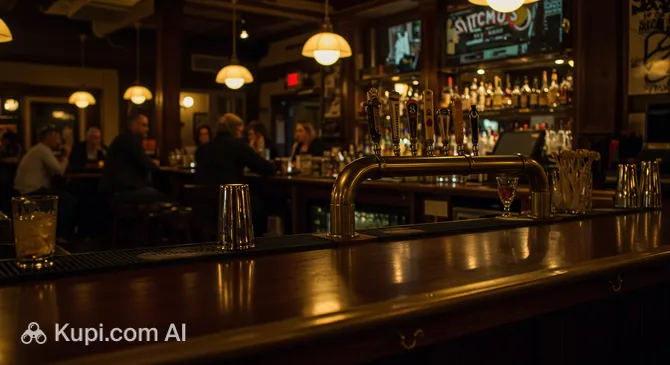
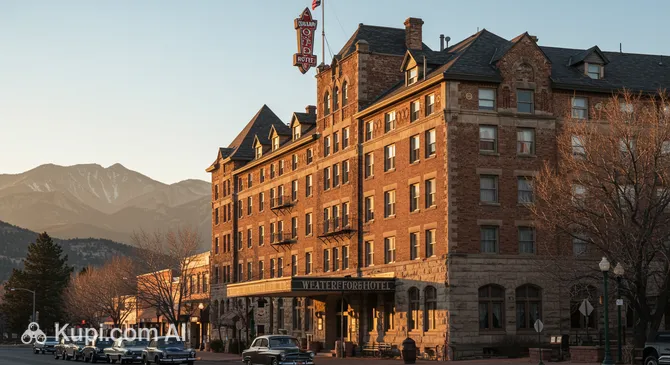
For a taste of the city's storied past, the Weatherford Hotel is an absolute must-visit. This historic landmark offers multiple venues under one roof, including the sophisticated Zane Grey Bar, where you can sip a drink while taking in views from the balcony. It is a cornerstone of local social life and often features live entertainment. Just down the street, the Hotel Monte Vista is another hub of activity. Inside, you will find the Rendezvous, a chic spot that transitions seamlessly from a coffee house in the morning to a craft cocktail lounge at night. It is the perfect place to enjoy a meticulously mixed drink in a vintage setting.
Weatherford Hotel. Illustration.
Source: Kupi.com AI
Traveler photos:
If you are looking for something beyond the typical bar scene, Flagstaff offers unique evening experiences. The city has a reputation for being one of the most haunted in the Southwest. You can explore these spooky legends by joining the Flagstaff Ghost and Haunted History Tours, which guide you through the darkened streets and alleyways, sharing chilling tales of the past. For a more retro night out, head to Starlite Lanes. This bowling alley provides a fun, energetic atmosphere with neon lights and music, making it a great option for groups or families looking for late-night entertainment.
Starlite Lanes. Illustration.
Source: Kupi.com AI
Traveler photos:
Navigating the nightlife here is straightforward. The downtown core is compact and safe for walking, though the streets can be dimly lit to comply with Dark Sky ordinances—so watch your step. Ride-sharing services like Uber and Lyft are readily available if you are staying further out. Prices are generally reasonable compared to major metropolitan areas, with many bars offering "Happy Hour" specials in the early evening. Dress warmly, even in summer; once the sun sets, the high-altitude air cools down rapidly, so bringing a jacket is always a smart move.
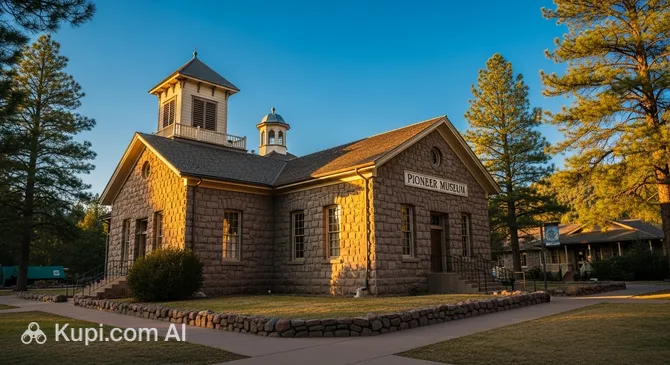
When the sun is up, the entertainment options shift towards culture and nature. History buffs can explore the Pioneer Museum, which showcases the rugged life of early settlers through vintage locomotives and historic buildings. For a peaceful afternoon, The Arboretum at Flagstaff offers beautiful gardens and nature trails that highlight the native flora of the Colorado Plateau. Whether day or night, the city ensures there is never a dull moment.
Pioneer Museum. Illustration.
Source: Kupi.com AI
Traveler photos:
Parks & Museums
Flagstaff’s high-altitude environment and rich heritage are beautifully preserved in its diverse array of parks, natural areas, and cultural institutions. From pine-shaded fairgrounds to historic railway depots, the city offers plenty of spaces where visitors can connect with nature or dive into the local history.
One of the premier outdoor destinations is Fort Tuthill County Park. Located just south of the city amongst the ponderosa pines, this expansive recreation area is a hub for adventure and events. It features multi-use trails, an archery range, and the historic military grounds that give the park its name. In the winter, it transforms into a snow play area, while summers are filled with festivals and concerts at the amphitheater. It is a perfect spot for families looking to spend a full day outdoors.
Fort Tuthill County Park. Illustration.
Source: Kupi.com AI
Traveler photos:
For those who prefer staying closer to the downtown action, Wheeler Park serves as the city's communal "living room." Situated adjacent to City Hall, this green oasis offers a manicured lawn and large shade trees, making it an ideal location for a midday picnic or a break from shopping. Throughout the warmer months, the park hosts numerous art fairs, farmers markets, and community gatherings, providing a lively atmosphere right in the center of town.
Wheeler Park. Illustration.
Source: Kupi.com AI
Traveler photos:
Hikers seeking a scenic but accessible trek should explore Fatman's Loop Trail. This 2.5-mile loop climbs the slopes of Mount Elden, offering hikers fascinating views of ancient lava flows and rock formations. The trail provides panoramic vistas of the eastern side of Flagstaff and is particularly beautiful in the late afternoon when the sun illuminates the rugged landscape.
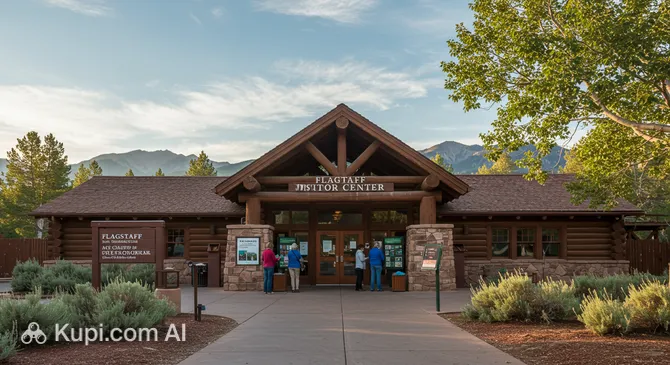
On the cultural front, the Flagstaff Visitor Center is a landmark in its own right. Housed in the historic Santa Fe Depot built in 1926, this Tudor Revival-style station is an architectural gem that harkens back to the golden age of rail travel. Inside, you can find exhibits on the area's history and Route 66 heritage, making it much more than just a place to pick up maps. It stands as a testament to the city's vital connection to the railroad.
Flagstaff Visitor Center. Illustration.
Source: Kupi.com AI
Traveler photos:
Art lovers should also seek out the Coconino Center for the Arts. While not a massive museum, this gallery plays a crucial role in the local creative scene, featuring rotating exhibitions of contemporary art, workshops, and performances that highlight the talent of the Colorado Plateau. It offers a more intimate and modern cultural experience compared to the larger historical museums.
For a quieter, less crowded nature experience, consider visiting the Francis Short Pond. Often overlooked by tourists, this small urban pond is a fantastic spot for birdwatching and enjoying a peaceful sunset with the San Francisco Peaks reflecting on the water.
Getting Around
Navigating Flagstaff is relatively straightforward, offering a mix of reliable public transit, pedestrian-friendly streets, and extensive cycling paths. While having a car is advantageous for reaching remote hiking trails or the Grand Canyon, the city itself is well-connected by the Mountain Line bus system. This service operates a fleet of hybrid-electric buses that link major districts, including Downtown, Northern Arizona University (NAU), the Flagstaff Mall, and Woodlands Village, making it an eco-friendly and efficient way to move around the urban core.
The Mountain Line utilizes a modern payment system designed for convenience. Travelers can pay using exact cash upon boarding, but for a smoother experience, it is recommended to use the Flamingo smart fare system. This is available as a reloadable card or a mobile app, allowing you to manage funds and scan your phone to board. Fares are very affordable, with a single ride costing approximately $1.25 and a day pass available for around $2.50. If you plan to explore the city for multiple days, purchasing a reloadable pass is the most cost-effective option.
For tourists, the most useful route is often Route 66 (Red Line), which runs east-west along the historic highway, connecting downtown hotels with shopping centers and restaurants. Buses generally run from early morning until late evening, though frequencies may decrease on weekends and holidays. It is advisable to download the "Transit" app or check the Mountain Line website for real-time arrival tracking, as this helps avoid long waits at stops, especially during the colder winter months.
Cycling is a highly popular alternative in Flagstaff, thanks to the Flagstaff Urban Trail System (FUTS). This network comprises over 50 miles of non-motorized, shared-use pathways that crisscross the city, allowing you to bike from your hotel to museums, parks, and breweries safely away from traffic. Several local shops offer bike rentals, including mountain bikes for the trails and e-bikes for easier cruising at the high altitude.
If you prefer private transport, ride-sharing services like Uber and Lyft are readily available and offer a convenient way to get home after a night out in the historic downtown. Traditional taxis operate in the city but typically need to be called in advance rather than hailed on the street. For those visiting during the ski season, special shuttle services, such as the Mountain Express, often run on peak winter days to transport skiers from downtown to the Arizona Snowbowl, saving you the hassle of driving on snowy mountain roads.
A unique feature of Flagstaff's transport landscape is its historic connection to the railroad. The Amtrak station is located right in the heart of the city at the Visitor Center on Route 66. While primarily for intercity travel on the Southwest Chief line, the arrival of the train is a daily event that highlights the city's heritage. The depot itself is a bustling hub where you can find transport maps and information, serving as a central orientation point for your visit.
Accommodation
Where to Stay:
Finding the perfect place to stay in Flagstaff is part of the adventure, thanks to a diverse selection of accommodations that reflect the city's history and natural beauty. Whether you are looking for a haunted historic hotel, a retro roadside motel along Route 66, or a cozy cabin tucked away in the pines, the city caters to every style of traveler and budget.
For those who want to be in the center of the action, Downtown Flagstaff is the best choice. Here, you can stay in beautifully restored buildings that date back to the early 20th century. A standout option is the Weatherford Hotel. Established in 1897, this iconic establishment offers a glimpse into the past with its vintage decor and lively atmosphere, placing you just steps away from local restaurants and nightlife.
Downtown Flagstaff. Illustration.
Source: Kupi.com AI
Traveler photos:
Flagstaff’s location on the "Mother Road" means there is no shortage of classic motor courts and motels. These establishments, often characterized by their neon signs and drive-up rooms, offer a nostalgic experience for road trippers. Many have been renovated to provide modern comforts while retaining their mid-century charm, making them a popular choice for those seeking a bit of Americana.
If you prefer a quieter retreat closer to nature, consider booking a lodge or cabin near the base of the San Francisco Peaks. These accommodations are ideal for skiers in the winter and hikers in the summer, offering easy access to the trails and the Arizona Snowbowl. Additionally, standard modern chain hotels are plentiful, particularly along the I-40 and I-17 corridors, providing reliable amenities for families and business travelers.
Travelers should be aware that Flagstaff is a university town and a popular seasonal destination. Hotel availability can be tight during Northern Arizona University graduation in May, the peak of summer travel, and the winter ski season. It is highly recommended to book your accommodation well in advance to secure your preferred location and rate.
Nearby Cities
For those looking to explore the surroundings, Flagstaff serves as an excellent base for day trips to several interesting nearby locations.
Located to the southwest, Prescott is a charming historic city that once served as the territorial capital of Arizona. It is renowned for its famous Whiskey Row, a vibrant street lined with saloons and history, and the stunning granite dells surrounding Watson Lake. With its Victorian architecture and slightly warmer climate, it offers a delightful mix of outdoor recreation and cultural heritage.
Heading east along historic Route 66, you will find Winslow, a town immortalized by the Eagles' hit song "Take It Easy." Visitors flock to the Standin' on the Corner Park to snap a photo with the bronze statue and mural. Beyond pop culture, Winslow offers a deep dive into railroad history and serves as a nostalgic stop with the beautifully restored La Posada Hotel.
Further east lies Holbrook, the gateway to the magnificent Petrified Forest National Park and the Painted Desert. This area is perfect for those interested in geology and ancient history, offering the chance to see massive fossilized logs and colorful badlands. The town itself retains a classic Route 66 feel, featuring quirky roadside icons like the Wigwam Motel.
These nearby destinations offer a glimpse into the diverse culture and landscapes of the region.
Shopping & Souvenirs
Shopping:
Shopping in Flagstaff is a delightful reflection of its mountain culture and rich heritage. Unlike major metropolitan fashion hubs, the retail scene here focuses on high-quality outdoor gear, unique local crafts, and nostalgic Americana. Visitors will find a relaxed atmosphere where they can browse for everything from hiking boots and camping equipment to authentic Native American jewelry and Route 66 memorabilia. The city supports a strong "shop local" philosophy, meaning you are more likely to find independent boutiques and family-owned stores than an overwhelming number of big-box chains.
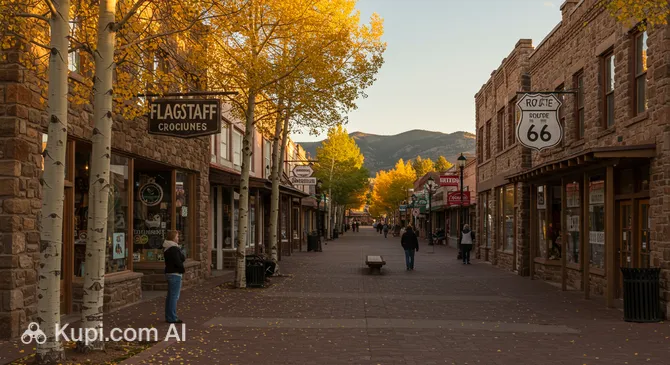
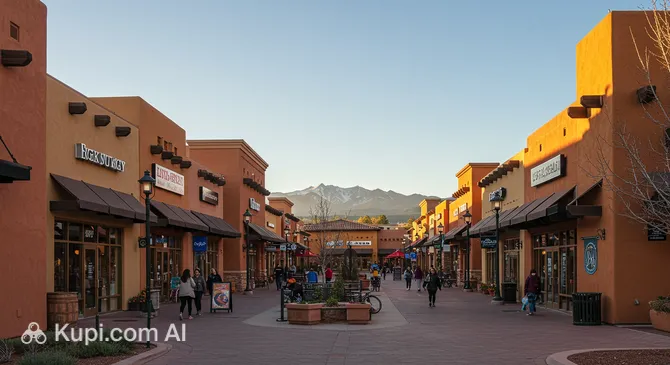
The heart of the shopping experience lies in Downtown Flagstaff. This historic district is walkable and vibrant, lined with red brick buildings that house art galleries, clothing boutiques, and specialty shops. Strolling along Leroux Street and Route 66, you can discover eclectic stores selling vintage clothing, used books, and handmade gifts. It is the perfect place to find a unique memento while enjoying the cool mountain air and the charm of the railway era.
For a unique indoor experience within the downtown area, the Old Town Shops is a must-visit destination. This collective of small local businesses is located in the historic Babbitt Brothers Building. Here, you can wander through a maze of independent merchants offering casual apparel, humorous gifts, and delicious treats like gourmet popcorn and fudge. It captures the quirky and friendly spirit of the city in a single location.
Old Town Shops. Illustration.
Source: Kupi.com AI
Traveler photos:
If you are in need of more general supplies or familiar brands, the University Plaza Shopping Center is a convenient option located near the university campus. This center hosts a variety of retail stores, including grocery outlets and bookstores, making it a practical stop for travelers stocking up on essentials for a road trip or a camping excursion in the nearby national forests.
University Plaza Shopping Center. Illustration.
Source: Kupi.com AI
Traveler photos:
Markets play a significant role in the local community, especially during the warmer months. The Flagstaff Community Market is a popular open-air farmers market held on Sundays (and some Wednesdays) seasonally. It is an excellent spot to purchase fresh local produce, honey, artisan breads, and handcrafted soaps. For those interested in vintage finds, the occasional urban flea markets offer a treasure trove of antiques, retro decor, and upcycled goods.
When it comes to souvenirs, Flagstaff offers items that you won't find just anywhere. The region is famous for authentic Native American arts, particularly from the nearby Navajo and Hopi nations. Look for sterling silver and turquoise jewelry, intricate pottery, and hand-woven rugs. Additionally, given the city's location on the "Mother Road," Route 66-themed items—from road signs to retro diners' mugs—are classic keepsakes. Foodies might want to bring home prickly pear cactus candy or jelly, a sweet specialty of the Arizona high desert.
Most shops in Flagstaff open around 10:00 AM. Downtown boutiques typically close by 6:00 PM, though some may stay open later on weekends or during special events like the "First Friday" art walk. Larger shopping centers and malls generally remain open until 9:00 PM. Payment is hassle-free, with major credit and debit cards accepted almost everywhere. Cash is useful for small purchases at farmers markets or street vendors.
Travelers from abroad should note that the United States does not have a Value Added Tax (VAT) refund system for general tourists. The price you see on the tag does not include sales tax, which is added at the register. In Flagstaff, the combined sales tax rate is approximately 9%, so be prepared for the final total to be slightly higher than the shelf price.