St. George is a captivating destination tucked away in the southwestern corner of Utah, renowned for its stunning natural beauty and vibrant community spirit. As a rapidly growing city in the United States, it serves as a gateway to some of the country's most spectacular geological wonders. With a population of approximately 128,000 residents, the city offers a perfect blend of small-town charm and modern amenities, all set against a dramatic backdrop of striking red sandstone cliffs.
St. George. Illustration.
Source: Kupi.com AI
The region is famous for its distinct climate, which differs significantly from the rest of the state. St. George enjoys mild winters and hot summers with over 300 days of sunshine annually, making it a popular year-round retreat. Visitors interested in the local heritage can explore the fascinating history of St. George, which began in the mid-19th century as a cotton-farming mission. This rich past is still visible today in the well-preserved pioneer architecture and historic sites scattered throughout the downtown area.
Outdoor adventure is the heartbeat of this city. It is widely known as the primary jumping-off point for Zion National Park, a world-class destination located just a short drive away. Closer to the city center, Snow Canyon State Park offers breathtaking hiking trails through ancient lava flows and petrified sand dunes. Additionally, St. George is celebrated as a premier golfing destination, boasting numerous scenic courses. Whether you are seeking adrenaline-pumping excursions or a relaxing getaway under the sun, St. George invites you to experience its warm hospitality and unforgettable landscapes.
Weather Overview
The climate in this region is a major draw for visitors, offering a distinct contrast to the snowy conditions often found in northern Utah. St. George is characterized by its arid environment, featuring long, hot summers and relatively mild winters, making it an attractive destination year-round. For those looking to time their visit perfectly, examining the detailed weather in St. George can help ensure you are prepared for the local conditions.
During the peak of summer, particularly in July, the city experiences intense heat with average temperatures around 30.2°C and highs frequently reaching 36.4°C. This season is exceptionally dry, often recording zero millimeters of precipitation. Conversely, winters are crisp but gentle; January sees average temperatures of 4.5°C, with lows dipping just below freezing. While rain is scarce overall, March tends to be the most active month with about 8 wet days. Expect hot, sun-drenched summers and cool, dry winters with very limited rainfall.
Average monthly temperature
Average monthly precipitation
Interesting Facts
Beyond the stunning red cliffs and golf courses, St. George holds fascinating stories that range from prehistoric discoveries to unique pioneer experiments. Here are a few intriguing facts that make this desert city truly special.
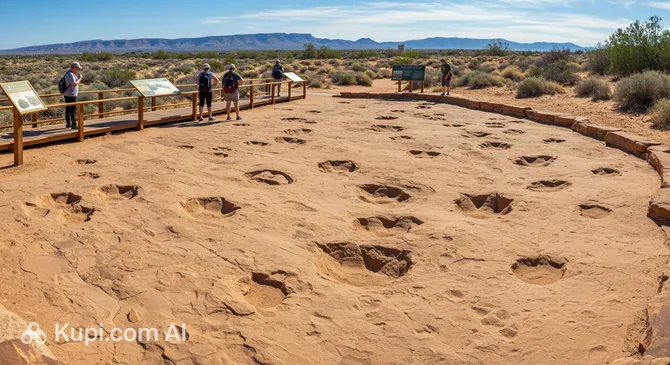
Accidental Prehistoric Discovery: The city sits on top of a geological goldmine that was found purely by chance. A local resident was leveling his property in 2000 when he uncovered well-preserved dinosaur tracks in the sandstone, leading to the creation of the St. George Dinosaur Discovery Site at Johnson Farm right in the middle of a residential neighborhood.
Utah's Dixie: You might hear the region referred to as "Utah's Dixie," a nickname that dates back to the 1860s. Early settlers were sent here on a specific "Cotton Mission" to cultivate cotton in the warm climate, attempting to make the territory self-sufficient in textile production.
A Winter Health Resort: Long before it became a modern tourist hub, the city was a favored winter retreat for early leaders seeking relief from the cold. The Brigham Young Winter Home is a preserved residence where the famous historical figure stayed to alleviate his arthritis in the warm, dry air.
A Volcano in the Park: The city takes its dinosaur theme seriously, even in its playgrounds. Thunder Junction All Abilities Park features a unique "erupting" volcano structure with steam and sound effects, serving as the centerpiece for a space designed to be accessible to children of all physical abilities.
St. George Dinosaur Discovery Site at Johnson Farm. Illustration.
Source: Kupi.com AI
Traveler photos:
How to Get There
Reaching this scenic destination in Southern Utah is relatively straightforward, thanks to its proximity to major interstate highways and regional air hubs. Whether you are planning a road trip through the American Southwest or flying in from afar, you can find more about how to get to St. George and choose the option that best suits your itinerary.
For those preferring to fly, the most convenient option is the local Saint George Municipal Airport (SGU). Located just 2.2 km from the city center, this regional airport offers daily connections to major hubs like Salt Lake City, Denver, and Phoenix. A taxi or shuttle from here to downtown is quick, typically taking about 20 minutes. While smaller in scale with an annual passenger traffic of around 346,000, it provides a hassle-free arrival experience directly into the heart of the red rock country.
Alternatively, many international travelers choose to fly into McCarran International Airport (LAS), located in Las Vegas. Although it is situated in Las Vegas (approximately 180.7 km away), it serves as a major gateway for visitors to St. George due to its vast number of flight options and competitive fares. The drive from the airport to St. George takes about 2 hours by rental car or shuttle bus via the scenic Interstate 15. With an annual passenger traffic exceeding 57 million, this airport offers extensive global connections.
For clarity, here is a summary of the main airports:
St. George does not have its own railway station, and direct train service to the city is not available. The region is primarily served by road transport. Visitors hoping to travel by rail would typically need to arrive at a distant Amtrak station, such as in Kingman, Arizona, or Salt Lake City, and then rent a car or take an intercity bus to complete the journey. Because of the distances involved, most tourists prefer driving or flying directly to the area.
Main Attractions
St. George is a city where natural wonders and historical charm coexist seamlessly. While many visitors use it as a base for nearby national parks, the city itself is packed with incredible sights that showcase the unique geology and culture of "Utah's Dixie." From sprawling red rock playgrounds to vibrant community hubs, here are some of the top places to explore within the city limits.
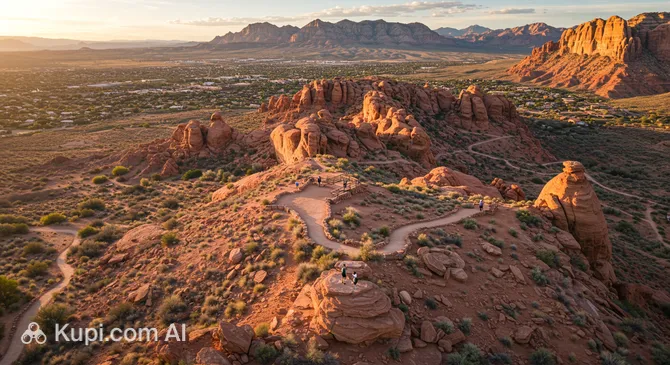
One of the most beloved outdoor destinations is Pioneer Park. Covering 52 acres of community land, this park is a geologist's dream and a playground for adventurers of all ages. It is famous for its massive red sandstone formations, which include slot canyons that visitors can hike through and the iconic "Dixie Rock," offering panoramic views of the city below. Unlike typical parks with grassy fields, this area encourages scrambling over rocks and exploring hidden caves, making it a thrilling stop for families and photographers seeking the perfect sunset shot.
Pioneer Park. Illustration.
Source: Kupi.com AI
Traveler photos:
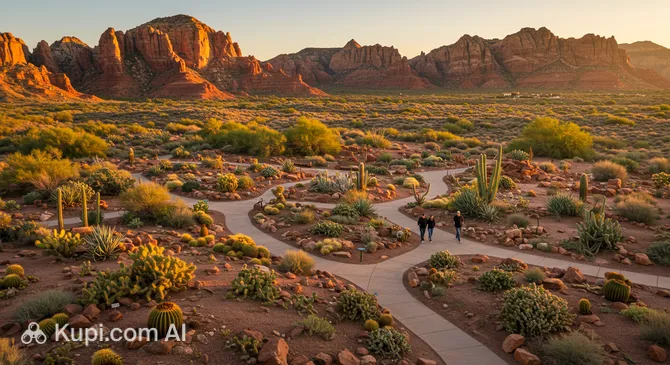
Directly adjacent to the rocky landscapes of Pioneer Park lies the Red Hills Desert Garden. As Utah's first desert conservation garden, this 5-acre attraction is a stunning showcase of water-efficient landscaping and local botany. Visitors can stroll along winding paths lined with over 5,000 plants, including rare and endangered species native to the region. The garden also features a prehistoric trackway with dinosaur footprints preserved in the stone and a replica slot canyon, offering an educational and visually striking experience without the need for a strenuous hike.
Red Hills Desert Garden. Illustration.
Source: Kupi.com AI
Traveler photos:
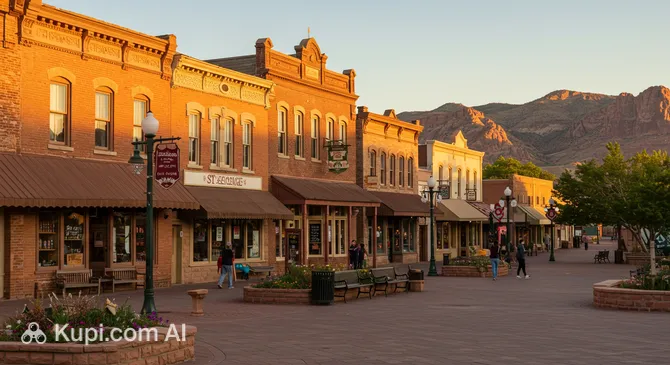
For a taste of the city's heritage mixed with modern dining, Ancestor Square is the place to be. Located in the historic downtown district, this charming area comprises several restored buildings from the pioneer era, including an old sheriff's office and a jailhouse. Today, these structures house art galleries, boutiques, and some of the city's best restaurants. It is a fantastic spot to enjoy a meal on a patio under the shade of mature trees, soaking in the atmosphere of the Old West with a contemporary twist.
Ancestor Square. Illustration.
Source: Kupi.com AI
Traveler photos:
At the heart of the community is Town Square Park, a vibrant gathering place surrounded by historic landmarks. This beautifully manicured green space features a splash pad composed of fountains and a lazy river, which is incredibly popular during the hot summer months. The park is also home to a classic carousel and serves as the venue for many local festivals, outdoor movie nights, and art displays. It acts as a central hub where tourists can relax on the grass, enjoy a picnic, and observe the friendly local lifestyle.
Local Cuisine
The culinary landscape of St. George is a delightful reflection of its geographic location, blending classic American comfort food with the bold, spicy flavors of the Southwest. As you explore the city's dining scene, you will encounter a mix of historic charm and modern innovation. A quintessential Utah staple that every visitor must try is fry sauce. This beloved condiment, a creamy blend of ketchup, mayonnaise, and a unique mix of spices, is served with everything from burgers to onion rings and is a source of local pride found in almost every diner and restaurant.
For those seeking a more upscale taste of the region, the city offers excellent Southwestern cuisine that highlights local ingredients like green chilies and prickly pear. A standout location for this style of dining is the Painted Pony. Tucked away in a scenic corner of the downtown area, this establishment is renowned for its contemporary approach to regional dishes, offering a sophisticated menu that pairs perfectly with the artistic atmosphere of its surroundings.
Painted Pony. Illustration.
Source: Kupi.com AI
Traveler photos:
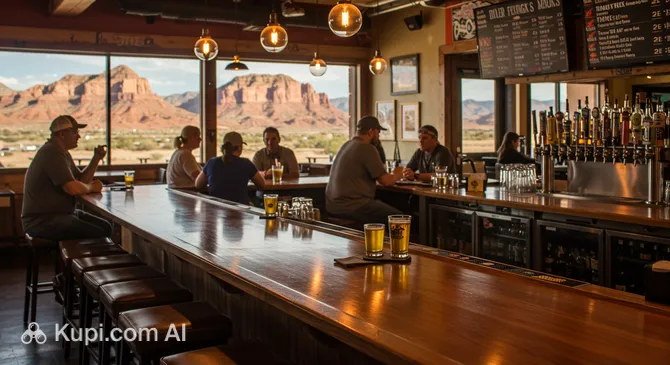
When it comes to beverages, St. George has a unique local culture centered around "dirty sodas." These are custom-mixed soft drinks enhanced with flavored syrups, creams, and fruit purees, served at popular drive-through soda shops scattered across the city. It is a sweet, non-alcoholic tradition that locals adore. However, the city also boasts a burgeoning craft beverage scene for those looking for something stronger. Hive 435 Taphouse is a lively spot where tourists can sample a wide selection of beers and enjoy the energetic social vibe of the historic district.
Hive 435 Taphouse. Illustration.
Source: Kupi.com AI
Traveler photos:
Beyond regional specialties, the city's food scene has diversified significantly, offering flavors from around the world to satisfy any palate. For a break from traditional American fare, Red Fort Cuisine of India provides an aromatic journey with its authentic curries and tandoori dishes, which have gained a loyal following among residents. Whether you are dining on a sun-drenched patio in Ancestor Square or grabbing a quick bite at a local market, St. George's gastronomic offerings are as warm and inviting as its red rock landscapes.
Travel Tips
Visiting St. George promises an unforgettable adventure among red rock landscapes, but the unique desert environment requires a bit of planning. To help you make the most of your trip to "Utah's Dixie," here are some essential practical tips to keep in mind.
Clothing and Gear: Since the climate is arid and temperatures fluctuate, layering is key. In summer, bring lightweight, breathable fabrics, a wide-brimmed hat, and high-quality sunglasses to protect against the intense sun. Winters can be chilly, especially in the mornings and evenings, so a warm jacket is necessary. If you plan to explore the trails, sturdy hiking boots or shoes with good grip are essential for navigating the sandstone.
Transportation: The most convenient way to explore St. George and the surrounding national parks is by renting a car. While the city has a public bus system called SunTran that covers key areas, it may not reach all the trailheads or scenic spots you wish to visit. Ride-hailing apps like Uber and Lyft are available but can be less reliable for longer trips out of town.
Finances: The local currency is the US Dollar ($). Credit and debit cards are widely accepted at hotels, restaurants, and shops. However, it is wise to carry some cash for small purchases or tips. ATMs are plentiful throughout the city. Tipping is a standard practice in the US; expect to leave 15-20% for restaurant service and a few dollars for hotel staff or taxi drivers.
Health and Safety: The biggest risk for tourists here is dehydration and heat exhaustion. Always carry more water than you think you need, especially when hiking. Pharmacies like Walgreens and CVS are easily accessible, with some locations open 24 hours. For emergencies, dial 911; the primary medical facility is St. George Regional Hospital.
Communication: English is the primary language spoken. While mobile coverage is generally excellent within the city, it can be spotty or non-existent in deep canyons or remote areas of nearby parks. It is highly recommended to download offline maps and trail guides to your phone before heading out on an excursion.
Local Etiquette: The local community is known for being incredibly friendly and welcoming. It is polite to smile and return greetings when passing people on the street or trails. Be aware that Sunday is considered a day of rest and worship for many residents; consequently, you may find that some local shops and restaurants have reduced hours or are closed entirely.
What to Avoid: When hiking, never step on the cryptobiotic soil (often looks like bumpy, black crust). This living soil is vital for the desert ecosystem and prevents erosion; one footstep can destroy decades of growth. Stick strictly to marked trails to protect the fragile environment.
Additional Tip: Beat the heat by adopting the local schedule during the summer months. Plan your outdoor activities for the early morning or late evening to avoid the midday sun. Many locals take a "siesta" or stick to indoor activities during the hottest part of the afternoon (12:00 PM to 4:00 PM).
By keeping these practicalities in mind, you will be well-prepared to enjoy the stunning geology and warm hospitality that St. George has to offer. Pack your sunscreen, lace up your boots, and get ready for a safe and memorable journey in the high desert.
Entertainment & Nightlife
Entertainment and Nightlife:
While St. George may not rival the neon-lit intensity of nearby Las Vegas, it offers a surprisingly sophisticated and vibrant evening scene that perfectly complements its outdoor lifestyle. The nightlife here is less about thumping bass and more about relaxed social gatherings, craft beverages, and enjoying the desert evenings. The primary hub for evening entertainment is the historic downtown area, particularly around Main Street and Ancestor Square. This district transforms after dark into a charming, walkable enclave where locals and visitors mingle on illuminated patios.
For those seeking a refined atmosphere, Wood Ash Rye is a standout destination. Located within a boutique hotel, this venue creates a chic setting that feels both modern and welcoming. It is the ideal spot to unwind with artisanal cocktails and shared plates after a day of hiking. The crowd here tends to be a mix of trendy travelers and local professionals, and the dress code leans towards smart-casual. If you prefer a livelier environment with a strong community vibe, Hive 435 Taphouse offers an extensive selection of beers and frequently hosts live music acts, making it a spirited cornerstone of the downtown nightlife.
Wood Ash Rye. Illustration.
Source: Kupi.com AI
Traveler photos:
Practicality is key when planning a night out in St. George. Venues generally close earlier than in major metropolitan hubs, with many bars and lounges winding down between 10:00 PM and 1:00 AM. It is advisable to check opening hours in advance, especially on Sundays. Prices are reasonable, with cocktails and cover charges usually lower than national averages. The downtown area is exceptionally safe for night walks, with well-lit streets and a friendly atmosphere. For transportation, while the city center is walkable, getting back to hotels on the outskirts is best done via ride-sharing apps or a quick call to a local taxi service.
When the sun is up, the city offers a different array of entertainment options that cater to families and shoppers. For an adrenaline rush away from the heat, the House of Jump Trampoline Park provides an energetic escape with wall-to-wall trampolines and obstacle courses. Those looking for retail therapy can explore The Shoppes at Zion, an open-air mall featuring well-known brands and dining options. Meanwhile, families with younger children will find the interactive exhibits at the St. George Children's Museum to be a delightful educational experience located right in the heart of the city.
The Shoppes at Zion. Illustration.
Source: Kupi.com AI
Traveler photos:
Parks & Museums
St. George is not only a gateway to the wild outdoors but also a guardian of pioneer history and a cultivator of green sanctuaries. Visitors will find that the city balances its rugged desert surroundings with lush, manicured parks and educational institutions that offer a deep dive into the region's past, from the age of dinosaurs to the settlement era.
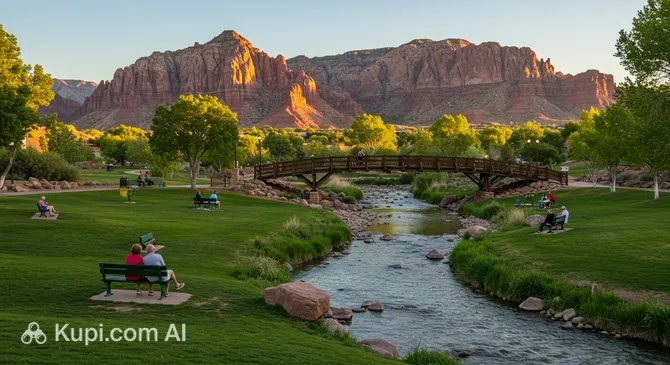
For a refreshing escape into nature within the city limits, Tonaquint Park is an exceptional choice. Situated along the banks of the Santa Clara River, this expansive area is a haven for wildlife enthusiasts and families alike. It features the Tonaquint Nature Center, where visitors can learn about local flora and fauna, and offers shaded trails that provide a cool respite from the desert sun. The park also encompasses the popular Thunder Junction All Abilities Park, a dinosaur-themed space ensuring that outdoor fun is accessible to everyone.
Tonaquint Park. Illustration.
Source: Kupi.com AI
Traveler photos:
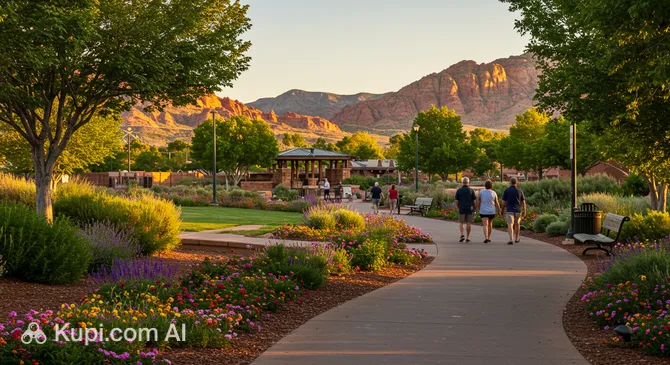
Another community favorite is Vernon Worthen Park, located right in the heart of the city. Spanning over 4 acres, this park is the center of civic life, frequently hosting concerts, marathons, and local festivals. With its iconic white gazebo, lighted pickleball courts, and sprawling grassy lawns, it is the perfect spot for a leisurely afternoon picnic or a game with friends, offering a slice of classic American small-town atmosphere.
Vernon Worthen Park. Illustration.
Source: Kupi.com AI
Traveler photos:
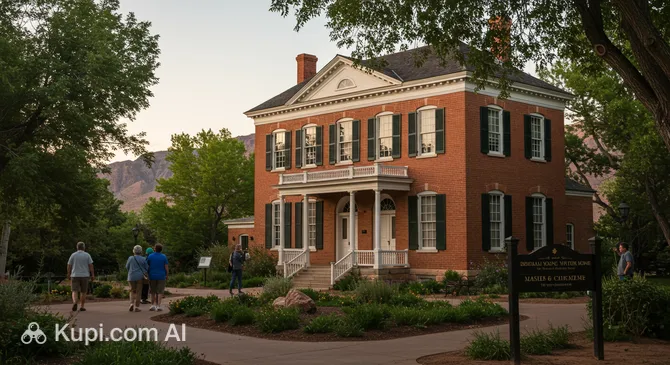
To understand the human history of the region, a visit to the Brigham Young Winter Home is essential. This beautifully preserved residence served as the winter retreat for the second president of The Church of Jesus Christ of Latter-day Saints during the 1870s. Today, it operates as a museum where knowledgeable guides take you through the rooms furnished with period pieces, offering intimate insights into the daily life of the early settlers and the challenges they faced in settling "Utah's Dixie."
Brigham Young Winter Home. Illustration.
Source: Kupi.com AI
Traveler photos:
For a journey much further back in time, the St. George Dinosaur Discovery Site at Johnson Farm presents one of the most significant prehistoric finds in Western North America. Enclosed within a museum built directly over the excavation site, visitors can walk just inches away from thousands of real dinosaur tracks preserved in the sandstone. It provides a rare, in-situ look at an Early Jurassic ecosystem, complete with fossilized fish and plants, making it a fascinating stop for science lovers.
In addition to these sites, the city is home to several architectural landmarks. The St. George Tabernacle, often called the "Jewel of the Desert," is a masterpiece of red sandstone masonry and pioneer craftsmanship that dominates the historic skyline. Nearby, the gleaming white St. George Utah Temple stands as a prominent symbol of the city's heritage, though entrance is restricted to church members, the manicured grounds are a peaceful place for a walk.
For an insider cultural tip, seek out the St. George Art Museum, often overlooked by those rushing to the national parks. Located in a historic sugar beet seed storage building, it houses a compelling collection of regional art that captures the colors and spirit of the Southwest, offering a quiet and inspiring retreat from the heat.
Getting Around
Public transportation in St. George is primarily served by a bus network known as SunTran. While the city is largely designed for automobile travel, this bus system provides a reliable and affordable way to navigate key areas, connecting the downtown district with major shopping centers, the university, and medical facilities. The network also extends to the neighboring communities of Ivins, Santa Clara, and Washington, making it possible to travel across the greater metropolitan area without a personal vehicle, though routes and frequency are more limited compared to larger urban centers.
Paying for transit is straightforward and budget-friendly. Riders can purchase tickets using exact cash upon boarding, as drivers cannot provide change. For a more convenient option, visitors can use the Token Transit mobile app to buy digital passes instantly on their smartphones. Fares are very economical, typically costing around $1.00 for a single ride, with day passes available for approximately $3.00, allowing for unlimited travel throughout the day. Discounted rates are often available for seniors and students.
For tourists planning to use the bus, it is crucial to be aware of the operating hours. SunTran buses generally run from early morning, around 6:00 AM, until evening, approximately 8:00 PM or 9:00 PM, Monday through Saturday. A vital piece of advice for visitors is that there is no bus service on Sundays. Consequently, if your itinerary involves weekend travel, you must plan alternative transportation for Sunday. It is highly recommended to check the latest route maps and schedules online or via navigation apps like Google Maps before heading out, as buses typically run on 40-minute intervals.
Given the city's layout and the proximity of natural attractions, many visitors find that alternatives to public transport offer more flexibility. Car rentals are the most popular choice, providing the freedom to explore remote trailheads and state parks at your own pace. Ride-sharing services like Uber and Lyft operate within the city, though wait times can be longer than in major metropolises. Additionally, St. George has become increasingly bike-friendly; renting an electric bike or scooter is a fantastic way to enjoy the city's extensive paved trail system, which offers a scenic and active alternative for getting around.
Travelers should note that St. George does not have a metro, tram, or light rail system. The city relies entirely on road-based transport. While the bus system is clean, safe, and efficient for specific routes, it is best suited for travel within the city limits rather than for sightseeing in the surrounding desert wilderness. For the best experience, a combination of occasional bus rides for city hopping and a rental car for outdoor adventures is often the ideal strategy.
Accommodation
St. George offers a diverse array of accommodation options designed to cater to every type of traveler, from outdoor adventurers and large families to couples seeking a romantic desert getaway. The city’s hospitality sector is well-developed, featuring everything from budget-friendly roadside motels and reliable chain hotels to luxurious golf resorts and vacation rentals. Because the region is a year-round destination, visitors will find a consistent level of service and availability, though the style of lodging can vary significantly depending on the neighborhood.
For those prioritizing convenience and easy access to the road, the areas along St. George Boulevard and the Interstate 15 corridor are the most popular choices. Here, you will find a high concentration of mid-range hotels and motor inns that offer essential amenities like swimming pools—a must-have during the hot summer months—and complimentary breakfast. Staying in this zone places you within minutes of major shopping centers and provides a quick route to Zion National Park and other surrounding attractions.
Travelers looking for a more atmospheric stay might prefer the historic Downtown district. Accommodations here are often boutique-style inns or bed-and-breakfasts that allow for walkability to local cafes, museums, and art galleries. Alternatively, the outskirts of the city, particularly near the entrances to Snow Canyon State Park, are home to upscale resorts and spa retreats. These locations focus on wellness and relaxation, offering stunning views of the red rock cliffs right from your balcony, providing a serene counterpoint to the city's bustling center.
A significant trend in St. George is the abundance of vacation rentals and condos. Given the city's reputation as a family-friendly and golfing destination, many visitors opt for fully furnished apartments or homes within resort communities. These options often include access to community pools, pickleball courts, and full kitchens, making them an excellent value for larger groups or those planning an extended stay.
Booking Tip: St. George experiences two distinct peak seasons: spring (March to May) and autumn (September to November), when the weather is ideal for hiking and golf. During these windows, and especially during local marathon weekends or holidays, accommodation prices rise, and availability shrinks rapidly. It is highly recommended to book your stay at least two to three months in advance if you plan to visit during these popular times.
Prices generally range from affordable rates for standard motels to premium pricing for luxury resorts and large vacation homes. Most accommodations can be easily booked via major online travel platforms, though booking directly with vacation rental management companies can sometimes yield better deals for longer visits. Regardless of where you choose to stay, you will find the local hospitality warm and the facilities well-equipped for a desert adventure.
Nearby Cities
For those looking to explore the surroundings, St. George serves as an excellent base for day trips to several interesting nearby locations:
One of the most popular excursions is a trip to Las Vegas. Located less than two hours away, this world-famous city offers unparalleled entertainment, dining, and shopping experiences. Whether you want to catch a spectacular show or explore the iconic Strip, it provides a vibrant contrast to the quiet desert landscapes of Utah.
For nature lovers, the town of Springdale is a must-visit. Situated just outside the entrance to Zion National Park, it features charming boutiques, art galleries, and restaurants with patio views of the majestic red cliffs. It serves as the perfect resting spot after a day of hiking the Narrows or Angels Landing.
Another nearby gem is Cedar City, often called "Festival City USA." It is home to the renowned Utah Shakespeare Festival and offers easy access to the alpine scenery of Cedar Breaks National Monument, providing a cooler, high-altitude alternative during the summer months.
These nearby destinations offer a glimpse into the diverse culture and landscapes of the region.
Shopping & Souvenirs
Shopping in St. George offers a delightful mix of modern convenience and historic charm, reflecting the city's blend of rapid growth and pioneer heritage. While it may not have the massive luxury avenues of larger metropolises, the city provides a relaxed retail experience where visitors can find everything from high-end outdoor gear to unique local handicrafts. The shopping scene is characterized by open-air complexes that take advantage of the sunny weather, as well as quaint boutiques tucked away in restored buildings, making it easy to combine a day of browsing with enjoying the scenic red rock views.
For a taste of the local atmosphere, the historic downtown area is the primary destination. Centered around Main Street and St. George Boulevard, this district is walkable and lined with independent shops, art galleries, and antique stores. A highlight of this area is Ancestor Square. Housed in a collection of historic buildings, this charming complex offers a unique selection of boutiques selling clothing, art, and gifts. It is the perfect place to wander through shaded courtyards and discover one-of-a-kind items in a setting that evokes the spirit of the Old West.
Travelers looking for major brands and a more contemporary shopping environment will find excellent options in the city's larger retail centers. Red Rock Commons is a popular lifestyle center featuring a wide array of well-known retailers, activewear shops, and beauty stores. Its open-air design allows shoppers to enjoy the stunning desert backdrop while moving between stores.
Red Rock Commons. Illustration.
Source: Kupi.com AI
Traveler photos:
Another key destination is The Shoppes at Zion, which serves as the region's premier outlet center. Here, visitors can find discounted prices on famous name brands ranging from apparel to kitchenware. The center is beautifully landscaped with fountains and ample seating, making it a pleasant stop for families and bargain hunters alike.
An essential part of the local shopping culture is the Downtown Farmers Market, typically held on Saturday mornings at Ancestor Square. This lively market is a favorite among locals and tourists, offering fresh seasonal produce, homemade jams, artisan breads, and handcrafted jewelry. It is a fantastic spot to engage with the community and purchase goods directly from local growers and artists.
When searching for souvenirs to bring home, look for items that reflect the region's geological and cultural identity. Popular choices include sandstone pottery and art pieces that capture the colors of the desert cliffs. Western wear, such as cowboy boots and hats, is also widely available and authentic to the area's history. Additionally, consumable treats like locally made chocolates, honey, and nut brittles make for excellent gifts that offer a taste of "Utah's Dixie."
Most shops in St. George operate from approximately 10:00 AM to 9:00 PM on weekdays and Saturdays. However, it is important to note that many locally owned businesses and some restaurants may be closed on Sundays or have reduced operating hours, reflecting local customs. Credit and debit cards are universally accepted, though carrying a small amount of cash is advisable for small purchases at farmers' markets.
Regarding taxes, the United States does not have a Value Added Tax (VAT) refund system for international tourists similar to those found in Europe. Sales tax is added at the register and is not included in the price tag displayed on the shelf. Visitors should simply budget for this small additional percentage at checkout when planning their purchases.