Support

Indian Springs

About

Indian Springs is a small, unassuming community nestled in the vast desert landscape of Nevada. Far removed from the neon lights of nearby Las Vegas, this town offers a glimpse into the quieter side of the United States. It serves as a gateway for travelers exploring the expansive Great Basin and provides a stark, peaceful contrast to the bustling metropolitan areas of the region.
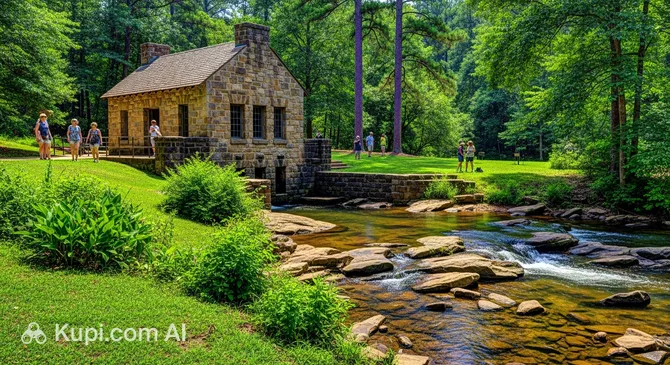
Indian Springs. Source: Kupi.Binoculars

With a population of around 1,500 residents, Indian Springs maintains a tight-knit, small-town atmosphere. Geographically, it is situated along U.S. Route 95, making it a well-known waypoint for those driving between Las Vegas and Reno. The area is characterized by its arid desert climate and wide-open skies, framed by rugged mountain ranges that turn beautiful shades of red and purple at sunset.

The history of Indian Springs is deeply rooted in its location as a vital water source in the desert. Originally a watering hole for Native Americans and later a stop on the Las Vegas and Tonopah Railroad, the town has long been an oasis for weary travelers. Today, it is perhaps best known for its proximity to Creech Air Force Base, which plays a significant role in the local economy and identity.

For visitors, the appeal lies in the surrounding natural beauty. To the south rise the majestic Spring Mountains, offering scenic views and opportunities for outdoor enthusiasts to explore the desert terrain. It is an excellent spot for photography, particularly for those who appreciate the stark beauty of the Mojave Desert. Whether you are passing through on a road trip or looking for a quiet place to watch the desert stars, Indian Springs offers a unique and restful pause in your journey.

Weather Overview

Indian Springs experiences a classic high desert climate, characterized by distinct seasonal changes and wide temperature variations. Before heading out to explore the surrounding natural beauty, it is wise to consult the detailed forecast for the weather in Indian Springs to ensure you are prepared. Generally, you can expect very hot summers and cold winters, with a mix of dry spells and occasional wet days throughout the year.

The summer months constitute the warmest part of the year, with July being the peak. During this time, average temperatures hover around 30.4°C, while daily highs can soar up to 36.4°C. Although the desert is known for its aridity, late summer can bring a few wet days, with August seeing up to 6 days with some precipitation. Conversely, June is typically the driest month, averaging only one wet day.

Winter brings a sharp contrast, as temperatures from December through February drop significantly. January is usually the coldest month, with an average temperature of 6.1°C and lows falling to 1.1°C. Transitional seasons like spring and autumn offer more moderate conditions; for instance, April and October see comfortable averages of 16.5°C and 18.0°C respectively, making them pleasant times for travel.

Interesting Facts

Beyond the main attractions, Indian Springs holds many fascinating secrets that reveal its diverse role in the history of the Nevada desert. From aviation milestones to unexpected spiritual sanctuaries, this small community offers curious travelers a wealth of unique stories waiting to be discovered.
  • Aviation Heritage: For decades, the skies above the town served as the primary winter training ground for the world-famous USAF Thunderbirds. The local airfield was so integral to their operations that the base was eventually renamed Creech Air Force Base in honor of General Wilbur L. Creech, who was affectionately known as the "Father of the Thunderbirds."

  • A Migrant Trap for Birds: Despite the harsh arid surroundings, the town is a hidden gem for ornithologists, often described as a "migrant trap." The mature trees and water sources create a rare green oasis that attracts hundreds of bird species migrating across the Mojave Desert, offering spotting opportunities that are unrivaled in the surrounding region.

  • The Temple of Sekhmet: Just minutes away in the adjacent hamlet of Cactus Springs lies the Temple of Goddess Spirituality, a unique open-air sanctuary dedicated to the Egyptian goddess Sekhmet. Built in the early 1990s as a "peaceful outpost" near the nuclear test site, it features a distinct architectural style and welcomes visitors of all faiths to walk its desert labyrinth.

  • Gateway to the Atomic Age: Indian Springs sits at the southern entrance to the historic Mercury site, the gateway to the Nevada National Security Site. For years, this proximity gave the town a front-row seat to the atomic era, where residents could witness the atmospheric tests that defined the Cold War history of the American West.

How to Get There

Reaching this desert community is a straightforward journey, primarily involving road travel through the scenic landscapes of Nevada. Since the town is small and situated along a major highway, most visitors arrive by car from nearby metropolitan hubs. To help you organize your trip logistics, you can find more details about how to get to Indian Springs on our dedicated page.

The city of Indian Springs does not have its own airport, but you can fly into McCarran International Airport (LAS) in the city of Las Vegas (Paradise), which is about 71 km from Indian Springs. As a major international hub, it offers connections to destinations worldwide and is the most convenient entry point for travelers. The journey from the airport by taxi or rental car typically takes between 45 minutes and 1 hour, depending on traffic conditions leaving the Las Vegas valley.

For those exploring the wider region, there are other regional options, though they are significantly further away. You might consider Saint George Municipal Airport (SGU) in St. George, located about 194 km from Indian Springs. Another possibility is Laughlin Bullhead International Airport (IFP) in Bullhead City, roughly 185 km away. These airports are smaller and primarily serve regional flights, making them less common choices for direct travel to Indian Springs compared to the major hub in Las Vegas.

For clarity, here is a summary of the main airports:

Airport Name City Passenger Traffic Km from City
McCarran International Airport Las Vegas Large 71.2
Saint George Municipal Airport St. George Medium 194.3
Laughlin Bullhead International Airport Bullhead City Small 185.4
Mojave Air and Space Port Mojave - 280.0

There are no railway stations located directly in Indian Springs. The town is situated along U.S. Route 95, which serves as the primary artery for transportation. Visitors typically rent a car in Las Vegas or Reno to reach the town. The drive offers stark and beautiful desert views, making the road trip an enjoyable part of the experience.

Main Attractions

While Indian Springs is often viewed as a quiet waypoint between Las Vegas and Reno, it serves as a gateway to some of Nevada's most intriguing desert features. The town offers a mix of classic roadside Americana, spiritual sanctuaries, and access to vast, untouched wilderness. Whether you are looking for a unique cultural experience or simply a place to rest and admire the landscape, there are several key spots worth exploring.

Temple of Goddess Spirituality

Located just a few minutes from the main town in the adjacent hamlet of Cactus Springs, this open-air sanctuary is one of the most unique attractions in the region. Dedicated to the Egyptian goddess Sekhmet, the temple was built as a place of peace and reflection. Visitors are welcome to walk the desert labyrinth, admire the distinct earthen architecture, or simply enjoy the serene atmosphere. It stands as a fascinating artistic and spiritual landmark amidst the rugged Mojave terrain.

Desert National Wildlife Refuge

Indian Springs sits on the edge of the Desert National Wildlife Refuge, the largest wildlife refuge in the contiguous United States. For nature enthusiasts, this proximity offers a chance to experience the raw beauty of the Great Basin. The area is renowned for its population of desert bighorn sheep and diverse bird species. While much of the refuge is remote, the edges near the town provide excellent opportunities for photography, hiking, and observing the resilient flora that thrives in this arid climate.

Terrible's Road House

For those seeking a classic Nevada experience, the local casino and travel center is the social hub of the community. Known formerly as the Indian Springs Casino, it offers travelers a comfortable place to take a break from the road. Visitors can enjoy a casual meal at the diner, browse the general store, or try their luck at the slot machines. It captures the essence of a traditional desert outpost and provides a friendly atmosphere for locals and tourists alike.

Spring Mountains Views and Access

To the south of the town rise the majestic Spring Mountains, providing a dramatic backdrop to the community. Indian Springs is an excellent base for those looking to explore the foothills of this range. The area is popular for off-road driving, rock hounding, and watching the sunset paint the peaks in vibrant shades of purple and red. In winter, the snow-capped mountains offer a stunning contrast to the desert floor, creating a picturesque setting for any visit.

Local Cuisine

As a small community centered around a major highway and a military base, Indian Springs does not boast a sprawling culinary scene, but it excels in providing hearty, classic American comfort food. The dining options here are designed to satisfy the hunger of long-distance travelers, truckers, and locals alike. The food culture is unpretentious and convenient, largely concentrated around the town’s main travel center, offering a nostalgic slice of roadside Americana where portion sizes are generous and the service is friendly.

The most iconic dish to try in Indian Springs is the classic double-decker burger, a staple of the local diner experience. These burgers are typically served with fresh lettuce, cheese, and special sauce, accompanied by a side of crispy fries or onion rings. For those stopping by earlier in the day, breakfast platters are a major draw. You can expect traditional American breakfasts featuring eggs, bacon, hash browns, and fluffy pancakes, often served well into the afternoon to accommodate weary drivers and late risers.

When it comes to drinks, the local favorites cater to both the sweet tooth and the traveler looking to unwind. Thick, hand-spun milkshakes are a popular non-alcoholic treat, with flavors ranging from classic vanilla to adventurous options featuring crushed candy bars or cookies. For those not driving, the local casino bar offers a selection of cold beers and standard cocktails, providing a relaxed setting to cool off from the desert heat.

The hub of social and culinary life in Indian Springs is undoubtedly the complex at Terrible's Road House. This is where both tourists and residents—including personnel from the nearby Creech Air Force Base—gather for meals. Unlike cities with distinct restaurant districts, the dining scene here is all under one roof, combining a full-service diner with a travel store. It is a quintessential desert stopover where you can enjoy a hot meal surrounded by unique decor that pays homage to the area's aviation history and the rugged spirit of the Mojave.

Travel Tips

Visiting Indian Springs offers a unique opportunity to experience the quiet beauty of the Nevada desert, but its small size and remote location require a bit of extra planning. To ensure your trip is smooth and enjoyable, here are some practical tips to help you navigate this fascinating roadside community.

  1. Clothing and Gear: The desert climate is defined by extremes, so packing layers is essential. In summer, lightweight, breathable fabrics and a wide-brimmed hat are necessary to protect against the intense sun, while winters can be surprisingly cold, requiring a warm jacket. Always bring sturdy, closed-toe shoes if you plan to explore the surrounding terrain, as the ground can be rocky and uneven.

  2. Transportation: A personal vehicle is virtually mandatory for visiting Indian Springs. There is no local public transport system within the town, and while ride-sharing apps might get you there from Las Vegas, finding a ride back can be extremely difficult. Renting a car gives you the freedom to explore the nearby mountains and ensures you aren't stranded.

  3. Finances: The local currency is the US Dollar (USD). Credit and debit cards are widely accepted at the main commercial hub, Terrible's Road House, including the gas station and general store. However, it is wise to carry some cash for smaller transactions or tips. ATMs are available inside the travel center if you need to withdraw money.

  4. Health and Safety: Dehydration is the biggest risk in the high desert, even in cooler months; carry more water than you think you need. For medical issues, be aware that there are no hospitals in the town itself; the nearest major medical facilities are about an hour away in Las Vegas. Pack a basic first-aid kit and any necessary prescription medications, as local purchase options are limited to basic over-the-counter relief.

  5. Communication: English is the primary language spoken. Cell phone reception is generally reliable near the highway and the town center but can become spotty or non-existent as you venture towards the mountains or further into the wildlife refuge. It is a good idea to download offline maps and let someone know your itinerary before heading off-road.

  6. Local Etiquette: The community is small and tight-knit, often home to military personnel and their families. A friendly wave and polite demeanor go a long way. When taking photos of the beautiful landscape, be respectful of private property and avoid pointing your camera toward residential windows or secure fences.

  7. What to Avoid: Do not attempt to enter or photograph the entry points of Creech Air Force Base, which borders the town. This is an active military installation with strict security protocols; trespassing or loitering near the gates can lead to serious legal trouble and is strictly monitored.

  8. Fuel and Supplies: Treat Indian Springs as a strategic pit stop. If you are traveling further north on U.S. Route 95 towards Tonopah or Reno, this is one of the last reliable places to fill up your gas tank and stock up on snacks and water for quite some distance. Don't risk running low on fuel in the open desert.

By keeping these practicalities in mind, you can relax and fully appreciate the stark, peaceful charm of the Mojave Desert. Whether you are stopping for a quick break or staying to watch the sunset over the Spring Mountains, being prepared will allow you to make the most of your time in Indian Springs.

Entertainment & Nightlife

Unlike its glittering neighbor Las Vegas, situated just an hour away, nightlife in Indian Springs is not defined by neon-lit boulevards, thumping nightclubs, or high-end cocktail lounges. Instead, the evening atmosphere here is quiet, laid-back, and distinctly small-town. The nightlife scene is concentrated almost entirely along the main thoroughfare, U.S. Route 95, which serves as the town's commercial spine. For travelers stopping for the night or locals unwinding after a shift, the experience is about casual conversation, simple comforts, and the vast, starry desert sky rather than exclusive parties.

The undisputed hub of evening activity is Terrible's Road House (formerly known as the Indian Springs Casino). This establishment effectively serves as the town's entertainment district, bar, restaurant, and social club all rolled into one. Open 24 hours a day, it caters to a diverse mix of long-haul truckers, residents, and personnel from the nearby Creech Air Force Base. The atmosphere is unpretentious and welcoming; there is no dress code here—jeans and t-shirts are the standard attire. Visitors can pull up a stool at the bar for a cold beer, watch a game on the TV, or try their luck at the variety of slot machines and video poker stations that line the floor.

For those seeking a different kind of nocturnal show, the lack of intense urban light pollution makes Indian Springs a fantastic location for stargazing. Just a short drive away from the highway lights, the darkness of the Mojave Desert takes over. Places like the outskirts of the Desert National Wildlife Refuge offer a front-row seat to the cosmos. It is a popular evening pastime for visitors to simply park their cars safely off the road and admire the Milky Way, which is often visible with striking clarity compared to the light-flooded skies of Las Vegas.

If you are planning an evening out in Indian Springs, timing is rarely an issue since the main venue operates around the clock. However, the "liveliest" hours tend to be in the early evening, around 7:00 PM to 10:00 PM, when locals gather for dinner and drinks. Prices are very affordable, with drinks and entertainment costing significantly less than in major cities. Getting around at night is best done by personal vehicle. The town is small enough to walk, but the desert nights can be pitch black away from the main road, and there are no taxis or public transport services available for late-night hops.

Safety in Indian Springs is generally not a concern regarding crime, as it is a tight-knit and peaceful community. The primary safety considerations for night walks are environmental. The highway carries fast-moving traffic, so it is crucial to stay on designated paths or sidewalks near the commercial area. Additionally, if you venture into the darker perimeter for stargazing, be mindful of local wildlife, such as snakes or coyotes, which are more active at night. Always carry a flashlight and keep your vehicle locked.

While the nights are reserved for gaming and stargazing, daytime entertainment in the area offers a different pace. Visitors can explore the unique Temple of Goddess Spirituality in nearby Cactus Springs for a cultural experience or venture into the vast wilderness for hiking and photography. For those craving a full-scale theatrical production, museum tour, or amusement park experience, a day trip to Las Vegas remains the best option, allowing you to enjoy the thrill of the city before retreating to the quiet calm of Indian Springs for the night.

Parks & Museums

While Indian Springs is a small community rather than a bustling metropolis, its offerings in terms of green spaces and cultural heritage are deeply intertwined with the surrounding Mojave Desert. The town does not boast traditional manicured city parks or large museum complexes; instead, it invites visitors to treat the vast, rugged landscapes as a living museum and the unique local sanctuaries as intimate galleries of the spirit.

Desert National Wildlife Refuge

Bordering the town to the north is the immense Desert National Wildlife Refuge, which effectively serves as the community's backyard and primary natural playground. As the largest wildlife refuge in the lower 48 states, it offers a raw and unpolished wilderness experience that far exceeds the scope of a typical city park. Visitors can explore the rugged terrain which acts as a sanctuary for the desert bighorn sheep. The landscape here is a dramatic gallery of geological formations and resilient flora, perfect for hikers and photographers seeking solitude away from the crowds.

Spring Mountains National Recreation Area

To the south, the skyline is dominated by the Spring Mountains, often referred to as a "sky island" ecosystem. While the main access points are a short drive away, the foothills near Indian Springs provide immediate access to this stunning natural area. The contrast between the arid desert floor and the pine-studded peaks offers a diverse range of environments to explore. It is an excellent area for scenic drives and observing the shift in vegetation as the elevation rises, providing a cool respite during the hotter months.

Temple of Goddess Spirituality

In the absence of traditional history museums or art galleries within the town limits, the Temple of Goddess Spirituality in the adjacent hamlet of Cactus Springs stands out as a significant cultural venue. This open-air sanctuary is dedicated to the Egyptian goddess Sekhmet and serves as a unique artistic and spiritual site. The grounds feature distinct earthen architecture and statues that reflect a blend of ancient mythology and modern desert living. It is a fascinating place for those interested in alternative cultures, peace activism history, and meditative walking paths.

The "Living Museum" of Cold War History

Although there is no brick-and-mortar museum building dedicated to it in town, Indian Springs itself is a historic marker of the Atomic Age. Situated near the entrance to the legendary Nevada Test Site (now the Nevada National Security Site), the area is steeped in Cold War history. For history buffs, the town serves as a vantage point to understand the geopolitical significance of the region. While tours of the test site generally depart from Las Vegas, standing in Indian Springs offers a tangible connection to this pivotal era in American history.

For a truly authentic experience, keep an eye out for the local bird population in the town's few green patches, particularly around the older residential areas. Indian Springs is known among ornithologists as a "migrant trap," where rare birds stop to rest during their journey across the desert. Bringing a pair of binoculars to the local community park or even just walking near the tree lines can reveal a colorful array of species that you wouldn't expect to find in such an arid environment.

Getting Around

Due to its small population and remote location in the high desert, Indian Springs does not have a comprehensive internal public transport system like a metro, tram, or city bus network. The community is compact, and most daily activities are concentrated within a small area along U.S. Route 95. For the vast majority of visitors, a personal vehicle is the primary and most practical means of getting around.

There is, however, a specialized regional service known as the Silver Rider Transit, operated by the Southern Nevada Transit Coalition. This service provides a vital link between Indian Springs and the Las Vegas urban area. It typically operates as an "Indian Springs Express" route on a limited schedule (often once a week, such as on Thursdays). This is a dial-a-ride service rather than a fixed-route bus with frequent stops, meaning it is designed primarily for residents needing access to city services, medical appointments, or shopping in Las Vegas.

Regarding payment and usage for the Silver Rider service, reservations are strictly required and must be made at least 24 hours in advance. You cannot simply wait at a stop and hop on. The fare is affordable, typically around $8.00 for a round trip, but prices are subject to change. Payment is usually accepted in cash (exact change is recommended) upon boarding. If you plan to use this service, you must call the Southern Nevada Transit Coalition ahead of time to book your seat and confirm the pickup location.

For tourists, the most practical advice is to rent a car in Las Vegas before traveling to Indian Springs. Relying on the limited weekly bus service is not feasible for a standard vacation itinerary. While ride-sharing apps and taxis can easily bring you to Indian Springs from Las Vegas, getting a driver to come out to the desert to pick you up for the return journey is often difficult, with long wait times and high costs.

Within the town itself, walking is a viable alternative for moving between the few local amenities, such as the general store, the post office, and the casino. The terrain is flat, but be mindful of the desert heat if you are walking during the summer months. There are no bike rental stations or electric scooter services available in the town, so if you wish to cycle, you must bring your own equipment.

In summary, while a specialized public transit link exists, it is not designed for spontaneous tourist travel. To fully explore the surrounding Spring Mountains and the Desert National Wildlife Refuge, having your own vehicle is essential for a flexible and stress-free experience.

Accommodation

Travelers planning a visit to Indian Springs should be aware of a critical logistical detail: there are currently no hotels or motels operating directly within the town limits. Unlike many roadside stops along major highways, this small community does not possess standard lodging facilities for overnight guests. The town serves primarily as a residential area for locals and military personnel, meaning that visitors cannot rely on finding a room upon arrival.

Because standard lodging is not available in the town itself, most visitors choose to base themselves in the nearby urban centers. The most popular option is Las Vegas, located approximately 45 minutes to an hour to the south. As a major international tourism hub, it offers an exhaustive range of accommodations, from luxury resorts to budget-friendly inns. For those traveling north towards Reno or Death Valley, the town of Beatty serves as a convenient alternative, offering several motels roughly an hour away from Indian Springs.

For those traveling in recreational vehicles (RVs), the options are also quite restricted, though slightly more flexible than for car travelers. The local travel center, Terrible's Road House, is the main commercial hub in the area. While it is not a formal RV park with full camping amenities or hookups, RV parking might be available in its large lot for travelers needing a brief rest. It is advisable to check current policies locally, as this is primarily a transit stop rather than a campground.

Given the lack of accommodation, it is highly recommended to treat Indian Springs as a day-trip destination or a scenic stopover while driving along U.S. Route 95. To ensure a smooth trip, you should book your overnight stay in Las Vegas or Beatty in advance. This approach allows you to explore the natural beauty of the surrounding desert and the Indian Springs area during the day while guaranteeing a comfortable place to sleep in a neighboring town.

Nearby Cities

Indian Springs is situated in the high desert of Nevada, offering a peaceful contrast to the busy metropolitan areas found to the southeast. While the town itself is small and secluded, it is conveniently situated within driving distance of the Las Vegas Valley, allowing visitors to easily access major amenities, international airports, and entertainment hubs before returning to the quiet of the desert.

The most prominent neighbor is Las Vegas, located approximately 65 km from Indian Springs. Known globally for its vibrant nightlife and entertainment, it serves as the primary urban center for the region. Just slightly closer is North Las Vegas, roughly 64 km away. This city acts as a gateway to the northern part of the valley and offers a mix of residential and commercial services.

Travelers might also visit Paradise, which is about 70 km from the town. Despite its name being less recognizable than Las Vegas, this area actually contains the majority of the famous Strip and the main international airport. Further southeast, approximately 85 km away, lies Henderson, a large and rapidly growing city known for its parks and recreational facilities. Another significant community in the vicinity is Sunrise Manor, located about 67 km away near the base of Frenchman Mountain.

The following table provides a summary of the closest major cities, their distances from Indian Springs, and their approximate populations:

City Name Distance (km) Population
North Las Vegas 64 259,638
Las Vegas 65 2,150,373
Sunrise Manor 67 196,411
Paradise 70 189,852
Henderson 85 311,250

Shopping & Souvenirs

Shopping in Indian Springs is largely defined by its status as a small, remote community and a transit stop along U.S. Route 95. Visitors should not expect a traditional retail experience with boutiques, department stores, or fashion outlets. Instead, the shopping scene here is purely functional, designed to cater to the immediate needs of residents, military personnel from the nearby base, and travelers passing through the Mojave Desert. The options are limited to basic conveniences, travel supplies, and road-trip essentials.

The primary and virtually only commercial hub in town is located directly along the highway. This area centers around the large travel center complex known as Terrible's Road House. This facility serves as the town's general store, gas station, and souvenir shop all in one. Here, you can find a variety of goods ranging from automotive supplies and camping gear to groceries, snacks, and cold beverages. It is the go-to spot for stocking up before heading out to the Desert National Wildlife Refuge or continuing a long drive.

There are no shopping malls or large retail centers within Indian Springs. The population is too small to support such infrastructure. For those looking for a full-scale shopping spree, the nearest major retail destination is Las Vegas. The Las Vegas North Premium Outlets are located approximately 45 minutes to an hour away by car, offering dozens of designer brands and extensive shopping options that simply do not exist in the high desert.

Similarly, the town does not host regular markets, such as flea markets or farmers' markets. The arid climate and small population mean that fresh produce is typically bought at the general store or brought in from larger cities. Occasionally, local community events or fundraisers might feature small stalls, but these are not permanent fixtures for tourists to rely on.

When it comes to souvenirs, the selection reflects the classic American road trip experience. At the local travel center, visitors can find items that celebrate the spirit of the open road and the unique Nevada landscape. Popular purchases include Route 95 memorabilia, t-shirts, magnets, and shot glasses. Additionally, given the region's cowboy and desert culture, you might find locally favored snacks like beef jerky, hot sauces, or prickly pear candies, which make for fun, consumable gifts.

Opening hours in Indian Springs are incredibly convenient for travelers. The main general store and travel center typically operate 24 hours a day, 7 days a week, ensuring that you can purchase fuel, food, or supplies regardless of when you arrive. Payment methods are standard for the United States; major credit and debit cards (Visa, MasterCard, Amex) are widely accepted, and cash is always welcome. ATMs are available on-site for those who need to withdraw physical currency.

regarding taxes, the United States does not have a national VAT refund system for tourists similar to those found in Europe. In Nevada, a sales tax is added to the advertised price of almost all goods at the checkout counter. Visitors should be prepared to pay this final price, as tax-free shopping is not generally available in this region.

Reached the end of the page?

That means the route is fully explored