Support

Mojave

About

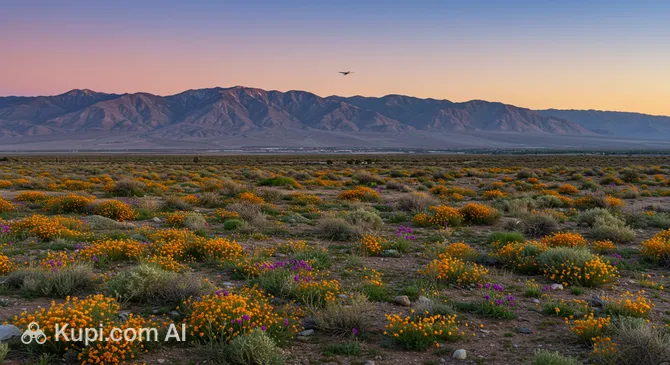
Mojave. Source: Kupi.Binoculars

Welcome to Mojave, a captivating desert community that serves as a unique gateway to the high desert of California. Located in the United States, this town is far more than just a stopover; it is a place where the rugged beauty of the landscape meets the cutting edge of aerospace innovation. With a population of approximately 4,100 residents, Mojave offers a distinct small-town atmosphere set against a backdrop of vast, open skies and stunning mountain vistas.

Geographically, the town is situated at the base of the Tehachapi Mountains, experiencing a high-desert climate characterized by sunny days and the brisk, steady winds that have made it a modern hub for renewable energy. The history of Mojave is deeply intertwined with transportation, beginning as a vital water stop and railway depot for the Southern Pacific Railroad before evolving into a center for aviation milestones. This rich heritage is still visible today, seamlessly blending the legacy of the rails with the future of space travel.

Travelers are often drawn here to witness the famous Mojave Air and Space Port, renowned for its "airplane boneyard" and as the first facility licensed for horizontal launches of reusable spacecraft. Train enthusiasts also flock to the area to observe the heavy rail traffic and engineering feats nearby. Whether you are interested in technological marvels or simply want to experience the quiet tranquility of the desert, Mojave invites you to explore its fascinating intersection of past and future.

Weather Overview

Mojave features a classic high-desert climate, characterized by clear skies and distinct seasonal temperature shifts. Summers are typically hot and dry, with July seeing average maximum temperatures reach around 35.5°C. Winters are significantly cooler, with January nights dropping to an average low of 2.6°C, requiring warm layers for evening activities.

Precipitation is generally scarce throughout the year, though the winter and early spring months bring a higher chance of wet days. March is usually the most active month for moisture, averaging about 8 wet days, while the summer months are virtually rain-free. To plan your visit around these patterns, it is helpful to review the detailed weather in Mojave before your departure.

Overall, you can expect hot summers with intense sun and cool winters with occasional light rain. The shoulder seasons, particularly April and October, offer a pleasant balance with average temperatures generally ranging between 7°C and 25°C.

Interesting Facts

  • Aerospace History: The town is home to the Mojave Air and Space Port, a facility that made history as the first inland spaceport in the United States. It was here that SpaceShipOne completed the first privately funded human spaceflight, marking a new era in commercial space exploration.
  • Wind Energy Hub: Situated near the Tehachapi Pass, the area experiences powerful and consistent winds. This natural phenomenon has led to the development of one of the largest wind energy centers in the world, with thousands of turbines dotting the surrounding hillsides.
  • Hollywood Backdrop: The distinctive desert landscape and the rows of stored aircraft at the local airport have served as the setting for numerous action movies, music videos, and television commercials, giving the town a recognizable presence in pop culture.
  • The 20 Mule Team: In the late 19th century, the town played a crucial role in the transport of borax. It served as the western terminus for the legendary twenty-mule team wagons, which hauled minerals across the harsh desert terrain from Death Valley.
  • Aviation Preservation: The extremely dry desert climate is perfect for storing aircraft without the risk of corrosion. As a result, the local airfield hosts a massive "boneyard" where dozens of retired commercial jets are stored, dismantled, or refurbished.

How to Get There

Reaching the desert community of Mojave involves a journey through the scenic landscapes of Southern California. While the town is a world-renowned hub for aerospace innovation, it does not currently offer scheduled commercial passenger flights directly into its local airfield. Most visitors choose to fly into one of the major airports in the Greater Los Angeles area or the nearby Central Valley and complete the trip by car. For a comprehensive guide on all travel options, including driving directions and bus services, you can read more about how to get to Mojave.

The most significant international gateway for travelers is Los Angeles International Airport (IATA: LAX), located in the city of Los Angeles, approximately 124.5 km south of Mojave. As a major global hub, it offers extensive flight connections from around the world. From LAX, the drive to Mojave typically takes about 1.5 to 2 hours, depending on traffic, via Interstate 405 and State Route 14.

For a convenient regional option that is closer to the destination, consider Hollywood Burbank Airport (IATA: BUR), situated in Burbank. This airport is about 95.5 km from Mojave and is often praised for its ease of access and smaller crowds compared to LAX. The drive from Burbank is a straightforward route north through the mountains, taking approximately 1 hour and 15 minutes.

It is worth noting that the town is home to the famous Mojave Air and Space Port (MHV). However, this facility is primarily a test center for the commercial space flight industry and a storage location for aircraft, rather than a passenger airport. Travelers should not expect to book commercial flights directly to this location.

For clarity, here is a summary of the main airports:

Airport Name City Passenger Traffic Km from City
Los Angeles International Airport Los Angeles Very Large 124.5
Ontario International Airport Los Angeles Large 121.8
Hollywood Burbank Airport Burbank Medium 95.5
Meadows Field Airport Bakersfield Small 91.4
Mojave Air and Space Port Mojave Special Use 2.1

Since there are no passenger railway stations directly in Mojave, most visitors arriving by land do so by car or bus. The town is strategically located at the intersection of State Route 14 and State Route 58, making it a key crossroads for travelers moving between the Central Valley, the Antelope Valley, and Barstow. Regional bus services and Amtrak Thruway buses also connect Mojave to rail stations in nearby cities like Bakersfield and Lancaster.

Main Attractions

While Mojave is a small community, its unique position as a crossroads of history, geology, and aerospace innovation offers several compelling sites for visitors. The attractions here are less about traditional tourism and more about witnessing engineering marvels and the raw beauty of the high desert.

Mojave Air and Space Port is undoubtedly the town's claim to fame. While the airfield itself is a secure facility for testing and operations, aviation enthusiasts can visit Legacy Park, located just outside the administration building. This outdoor display features the Rotary Rocket Roton, a unique atmospheric test vehicle, along with other aerospace artifacts. It is a fascinating spot to observe the runway activity, where you might catch a glimpse of experimental aircraft or the massive "boneyard" of retired commercial jets undergoing storage or disassembly.

Just a short drive north of the town lies Red Rock Canyon State Park, a geological wonder that feels like a different world. The park is famous for its dramatic, towering red sandstone cliffs and spectacular desert buttes, which have served as the backdrop for countless Hollywood westerns and sci-fi movies. For tourists, it offers excellent opportunities for hiking, photography, and camping, providing a colorful contrast to the surrounding scrub desert.

For engineering and history buffs, the Tehachapi Loop is a must-see attraction located nearby in the mountains to the west. This National Historic Civil Engineering Landmark is one of the busiest single-track mainlines in the world. The loop allows long freight trains to spiral over themselves to gain elevation, a feat that is mesmerizing to watch. It is particularly interesting for photographers hoping to capture the sight of a train crossing over its own tail.

Edwards Air Force Base, located southeast of Mojave, is another significant draw for the region. While access to the base is restricted, the Air Force Flight Test Museum (often accessible via specific gates or off-site displays like Century Circle) showcases the history of flight testing. Visitors can see aircraft that pushed the boundaries of speed and altitude, making it a pilgrimage site for anyone interested in the "Right Stuff" era of aviation history.

Local Cuisine

The culinary landscape of Mojave is defined by its status as a vital crossroads in the high desert. While you will not find high-end fine dining here, the town excels at providing hearty, comforting meals designed to satisfy weary travelers and hardworking locals. The food scene is unpretentious and authentic, dominated by classic American diners and family-run establishments that have served the community for decades.

Visitors should definitely try the classic American breakfast, a staple in the local diners. Think stacks of fluffy pancakes, crispy bacon, and eggs, served with a side of warm desert hospitality. Another must-try is the local Mexican cuisine. Thanks to Southern California's rich cultural heritage, you can find excellent tacos, enchiladas, and hefty burritos smothered in savory sauces, offering a spicy kick that perfectly complements the arid climate.

When it comes to drinks, the focus is often on refreshment and energy. Freshly brewed coffee is the lifeblood of this transportation hub, essential for those continuing their journey along the highways. For a cooling treat during the scorching summer afternoons, thick, hand-spun milkshakes are a popular choice at the local burger joints. In the evenings, you can find standard domestic beers and spirits at casual bars, where locals and visitors often unwind together.

The food culture in Mojave is centered around the roadside experience. Most eateries are located along the main thoroughfares, offering quick service and generous portions. The atmosphere is typically casual and laid-back, with a mix of retro signage and simple interiors that evoke a sense of nostalgia. Whether you are grabbing a quick bite at a fast-food stop or sitting down for a steak dinner, you will find that dining here is as much about the friendly, small-town vibe as it is about the food.

Travel Tips

Visiting Mojave offers a front-row seat to aerospace innovation and raw desert beauty, but the harsh environment requires some savvy planning. To ensure your trip to this windswept crossroads is as smooth as it is memorable, here are some essential practical tips.

  1. Clothing and Gear: The high desert climate is defined by extremes, so layering is essential. In summer, lightweight, breathable fabrics and a wide-brimmed hat are crucial to protect against the intense sun, while winters demand a heavy jacket for freezing nights. Since Mojave is famously windy, always bring wind-resistant outerwear and sturdy, closed-toe shoes for exploring sandy or rocky terrain.
  2. Transportation: A private vehicle is virtually mandatory here. There is no local metro or tram system, and while regional buses pass through, they are not suitable for sightseeing. Ride-hailing apps like Uber or Lyft may have very limited availability and long wait times due to the town's small size, so renting a car gives you the freedom to reach the Space Port or nearby Red Rock Canyon.
  3. Finances: The currency is the United States Dollar (USD). Major credit and debit cards are accepted at most gas stations, motels, and diners, but carrying some cash is wise for smaller transactions or independent shops. ATMs are available at local banks and convenience stores. Standard American tipping culture applies: aim for 15-20% at sit-down restaurants.
  4. Health and Safety: The dry desert air causes rapid dehydration, so carry more water than you think you need, even for short drives. For medical needs, there are basic pharmacies in town, but for serious emergencies, the nearest full-service hospitals are in neighboring Lancaster or Tehachapi. Be mindful of local wildlife; watch your step for rattlesnakes if you venture off the pavement into the brush.
  5. Communication: English is the primary language spoken throughout the town. While Wi-Fi is standard in motels and fast-food chains, cellular signal can be spotty once you leave the main highway corridors. It is highly recommended to download offline maps before heading out to remote attractions like the airplane boneyard viewing areas.
  6. Local Etiquette: Mojave is a working town with a friendly, laid-back vibe. A simple smile or greeting is common when entering shops. However, respect the boundaries of the Mojave Air and Space Port; it is an active industrial testing site, not a theme park. Do not attempt to enter restricted areas or photograph personnel without permission.
  7. What to Avoid: Do not underestimate the wind. Sudden gusts can be powerful enough to slam car doors on fingers or blow belongings away, so park carefully. Also, avoid driving off-road onto unpaved desert tracks unless you have a 4x4 vehicle and know the area, as getting stuck in soft sand is a frequent tourist mishap.
  8. Wind Awareness: As one of the windiest places in the country, the gusts here are a constant companion. If you plan to stop for photos, secure all lightweight items immediately. Locals know to park facing into the wind to prevent door damage, a small life hack that can save you a headache with your rental car agency.

With these tips in hand, you are ready to navigate the unique challenges and charms of the California high desert. Enjoy the open roads, the history of flight, and the stark beauty that makes Mojave such an unforgettable destination.

Entertainment & Nightlife

Nightlife in Mojave is reflective of its character as a quiet desert crossroads rather than a bustling metropolis. Travelers looking for high-energy nightclubs, thumping dance floors, or expansive nightlife districts will not find them here. Instead, the evening scene is low-key, casual, and centered around relaxation after a long day of driving or working in the aerospace industry. The atmosphere is distinctly small-town American, where the "nightlife" usually consists of a hearty meal, a cold drink, and conversation with locals and fellow travelers under the vast, star-filled desert sky.

The hub of activity in the evening is almost exclusively located along Sierra Highway (State Route 14) and Mojave-Barstow Highway (State Route 58). This is the town's main commercial corridor, well-lit and lined with motels, gas stations, and eateries. The crowd is a diverse mix of truck drivers, road-trippers, and aerospace engineers unwinding after a shift. The dress code is universally casual; jeans, t-shirts, and boots are the norm, and there is no need to dress up for a night out in Mojave.

For those seeking a place to sit down for dinner and drinks, Mike's Roadhouse is a local staple. It offers a classic roadside atmosphere with a menu full of American comfort food, steaks, and burgers, accompanied by a selection of beers. It is one of the few places in town that captures the spirit of a traditional highway tavern. Another option for a relaxed evening meal is Graziano's Pizza, where you can enjoy Italian-style fare in a family-friendly setting. For late-night needs, the town relies on 24-hour diners like Denny's, which serves as a beacon for night owls and travelers arriving at odd hours.

One of the most unique forms of "night entertainment" in Mojave is simply looking up. Far from the light pollution of major cities like Los Angeles, the high desert offers spectacular opportunities for stargazing. Visitors often grab a warm drink and sit outside their motels to admire the Milky Way, or drive a short distance away from the highway lights to experience the profound silence of the desert night. However, safety is paramount; if you venture away from the main strip, be mindful of the uneven terrain and local wildlife.

Practical advice for enjoying an evening here includes planning ahead for closing times. Unlike big cities, most independent restaurants and bars in Mojave close relatively early, often by 9:00 PM or 10:00 PM. Transportation at night is limited; there are no taxi stands, and ride-sharing services like Uber can be scarce or have long wait times. It is best to stay in a motel within walking distance of Sierra Highway or have your own vehicle ready. While the main commercial areas are generally safe for walking, it is advisable to stay in well-lit zones and avoid unpaved side streets after dark.

Before the sun sets, daytime entertainment in Mojave offers a different kind of thrill. Aviation buffs can spend hours near the Mojave Air and Space Port, watching planes take off and landing, or spotting stored airliners in the distance. For nature lovers, a short drive to Red Rock Canyon State Park provides stunning hiking trails through colorful sandstone formations, a perfect way to spend the daylight hours before settling in for a quiet desert evening.

Parks & Museums

While Mojave is defined by its arid landscape and industrial spirit, the town and its surroundings offer unique recreational spaces and cultural venues that celebrate its rich heritage. Visitors will not find traditional botanical gardens or sprawling art complexes here; instead, the area’s "parks" are often geological wonders or outdoor tributes to aerospace innovation, reflecting the community’s deep ties to the desert and the sky.

For a touch of greenery within the town limits, Mojave East Park is the central hub for local recreation. Situated in the heart of the community, this park serves as a refreshing oasis with shaded picnic areas, a playground for children, and sports facilities including a baseball diamond. During the scorching summer months, the seasonal swimming pool and spray park become popular gathering spots for families looking to beat the heat. It provides a quiet, community-focused atmosphere where travelers can take a break and enjoy a picnic under the trees.

Just a short drive north of the town, Red Rock Canyon State Park offers a natural area of breathtaking beauty that rivals many national parks. This geological gem features spectacular rock formations, colorful sandstone cliffs, and scenic desert cliffs that have appeared in numerous films. Nature enthusiasts can explore miles of hiking trails that wind through the dramatic landscape, offering opportunities to spot desert wildlife such as roadrunners, hawks, and lizards. It is an ideal location for photography, camping, and experiencing the raw, prehistoric majesty of the high desert.

In terms of museums, the town's culture is best experienced outdoors at Legacy Park. Located near the entrance of the Air and Space Port, this open-air museum allows visitors to get up close to the machines that have defined Mojave's place in history. The centerpiece is the Rotary Rocket Roton, a unique atmospheric test vehicle that looks like something out of a science fiction movie. The park provides educational plaques and a clear view of the runway, making it a fascinating stop for anyone interested in the evolution of flight without the confines of a traditional indoor museum.

History buffs should also acknowledge the Mojave Transportation Museum foundation, which, while lacking a large permanent indoor facility, actively preserves the town's legacy. Their efforts highlight the convergence of rail and air travel that built the town. You can see evidence of this history throughout the area, including historical markers commemorating the 20 Mule Team borax wagons that once trekked through here. The entire town essentially functions as a living museum of transportation, where the whistles of freight trains mix with the roar of rocket tests.

A significant historical landmark nearby is the Tehachapi Loop. Although primarily an engineering feat, it functions as a historical site that draws visitors from around the world. Completed in 1876, this spiral section of the railroad allows trains to gain elevation at a manageable grade. Watching a massive freight train loop over itself is a tangible lesson in 19th-century industrial ingenuity and remains one of the most enduring symbols of the region's railway heritage.

For an authentic insider experience, visit the area during Plane Crazy Saturday. While not a permanent "place," this monthly event at the Air and Space Port opens up the history of the airfield to the public in a way that static museums cannot. Visitors can often tour hangars, meet pilots, and see historic aircraft on display that are usually hidden behind fences. It offers a rare, behind-the-scenes look at the cutting-edge work happening in the desert.
Getting Around

Navigating Mojave without a private vehicle requires careful planning, as the public transport system is quite limited, reflecting the town's size and rural desert setting. There is no metro, tram, or trolleybus network here. The primary form of public transportation is the regional bus service, which focuses on connecting the community to larger neighboring cities rather than providing frequent intra-city circulation.

The backbone of local transit is Kern Transit, which operates bus routes linking the town to key destinations such as Lancaster, Bakersfield, Tehachapi, and Ridgecrest. These buses are modern and comfortable, but frequencies can be low, often running only a few times a day on weekdays and even less frequently on weekends. For long-distance connections, the Amtrak Thruway bus service stops in town, bridging the gap between the rail network in Bakersfield and passengers in the high desert. Note that while you will see many freight trains, there is no passenger train service directly serving the town's station.

For fare payment, simplicity is key. When boarding Kern Transit buses, you can typically pay with cash, but you must have exact change as drivers cannot provide it. Fares are generally very affordable. For a more modern convenience, passengers can often use the Token Transit mobile app to purchase passes digitally and simply show their phone screen to the driver upon boarding. It is highly recommended to check the latest fare structures and download any necessary apps before your trip.

Travelers relying on public transport should be aware of some practical realities. Bus stops are often located along the main thoroughfares, such as Sierra Highway, and may lack substantial shelter. Given the intense desert sun and high winds, it is advisable to wait indoors nearby until your bus is due or dress appropriately for the elements. Always consult the latest timetables online or via phone, as schedules can change and missing a bus might result in a wait of several hours.

Alternatives to the bus system are sparse. Rideshare services like Uber and Lyft do operate in the area, but availability is unpredictable, and wait times can be significantly longer than in urban centers. Traditional taxi services are virtually non-existent. Walking is possible for short trips within the central commercial strip, but distances to the Air and Space Port or outlying motels are too great for pedestrians, especially in the heat. Consequently, renting a car remains the most reliable and efficient way to get around.

Accommodation

Accommodation in Mojave is designed primarily with the road-tripper and the weary traveler in mind. Reflecting its status as a major transportation hub, the city’s lodging options consist almost entirely of budget-friendly motels and mid-range chain hotels. Visitors should not expect luxury resorts or boutique boutique properties here; instead, the focus is on practicality, affordability, and providing a comfortable place to rest after a long drive through the desert.

The vast majority of places to stay are conveniently clustered along the main commercial corridor, Sierra Highway (State Route 14), and near the intersection with State Route 58. This layout is incredibly convenient for tourists, as it places most hotels within walking distance of 24-hour diners, fast-food restaurants, and gas stations. Staying in this area means you are never far from the highway, allowing for a quick and easy departure the next morning.

Price points in Mojave are generally lower than in major California cities, making it an attractive stopover for budget-conscious travelers. Most establishments offer essential amenities such as free parking, air conditioning—which is vital during the hot summer months—and Wi-Fi. Booking can typically be done easily through major online platforms, though many of the independent motels also welcome walk-in guests.

Booking Tip: While availability is usually good, Mojave is a town that operates 24/7 due to the nearby railway and aerospace activities. The train tracks run close to the town center and are busy throughout the night. If you are a light sleeper, it is highly recommended to request a room on the side of the building facing away from the tracks or the highway, and consider bringing earplugs to ensure a restful night's sleep amidst the desert activity.

Nearby Cities

For those looking to explore the surroundings, Mojave serves as an excellent base for day trips to several interesting nearby locations:

Located just a short drive to the south, Palmdale offers a continuation of the region's rich aerospace heritage with attractions like the Joe Davies Heritage Airpark, alongside modern shopping and dining options. To the west lies Bakersfield, a vibrant city known as the capital of country music on the West Coast, featuring fascinating museums and diverse culinary experiences. For those seeking thrills and outdoor adventure, Santa Clarita is a popular destination, home to world-renowned theme parks and beautiful open spaces for hiking.

City Population Distance (km)
Bakersfield 590845 85
Santa Clarita 275230 80
Palmdale 167987 52
Adelanto 37229 87
Oildale 34350 88

These nearby destinations offer a glimpse into the diverse culture and landscapes of the region.

Shopping & Souvenirs

Shopping in Mojave is primarily functional and geared towards the needs of travelers, outdoor enthusiasts, and the local community. You will not find high-end fashion boutiques, sprawling luxury department stores, or designer outlets here. Instead, the retail scene is focused on essential supplies, groceries, and hardware, making it an excellent place to restock before heading out on a camping trip in the high desert or continuing a long drive along the Sierra Highway.

The main commercial activity is concentrated almost entirely along Sierra Highway (State Route 14) and the intersection with State Route 58. This strip serves as the town's central artery, lined with convenience stores, auto parts shops, and general retailers. It is a convenient layout for visitors, as most stores are easily accessible by car with ample parking, allowing for quick stops without navigating complex city centers.

There are no large enclosed shopping malls in Mojave. The retail landscape consists of small strip malls and standalone buildings. For those seeking a comprehensive shopping spree with major national clothing brands and electronics, the best option is to take a drive south to the neighboring cities of Lancaster or Palmdale, where large regional malls and extensive retail centers are available.

For visitors planning to explore Red Rock Canyon or the surrounding wilderness, the local markets are vital stops. The town has well-stocked supermarkets, such as Stater Bros. Markets, which offer a wide selection of fresh produce, meats, and camping provisions. While there are no famous flea markets or bustling street bazaars, these grocery stores often serve as community hubs where you can find everything needed for a desert barbecue or a picnic.

When it comes to souvenirs, the options are unique to the town's identity. Look for items that celebrate Mojave's rich aerospace heritage. Local shops, and sometimes the gift areas in nearby diners or museums, may carry patches, hats, or models related to the famous flight tests conducted in the region. Additionally, due to its location on historic travel routes, you can often find desert-themed keepsakes, minerals, and Route 66 memorabilia in the general stores and gas station gift shops.

Store opening hours are generally standard for the United States. Most retail shops open around 9:00 AM and close between 8:00 PM and 9:00 PM. Supermarkets and convenience stores often have extended hours to accommodate early risers and late-night travelers. Major credit and debit cards are universally accepted, though carrying a small amount of cash is always recommended for small purchases at independent roadside stands.

Travelers should be aware that the United States does not typically offer a Value Added Tax (VAT) refund system for international tourists similar to those found in Europe. The price you see on the shelf usually does not include sales tax, which will be added at the register. There is no tax-free shopping available in Mojave, so be prepared to pay the local sales tax on all taxable goods.

Reached the end of the page?

That means the route is fully explored