Support

Palm Springs

About

Palm Springs is a legendary desert resort city located in the Coachella Valley of California. Renowned for its stylish hotels, natural hot springs, and vibrant arts scene, it stands out as a premier destination in the United States for both relaxation and architectural appreciation. The city exudes a unique atmosphere of retro glamour mixed with modern luxury, making it a timeless escape for travelers seeking sun and sophistication.

Palm Springs. Source: Kupi.Binoculars

Sheltered by the majestic San Jacinto Mountains, the city enjoys a dry desert climate with over 300 days of sunshine annually, making it a perfect year-round retreat. With a permanent population of approximately 45,000 residents, Palm Springs offers a blend of small-town charm and the upscale amenities of a world-class resort town.

The city has long been a favorite retreat for celebrities, artists, and trendsetters. Exploring the history of Palm Springs reveals its fascinating transformation from a quiet health resort to a glamorous playground for Hollywood's elite. Today, visitors flock here to admire the world's largest concentration of mid-century modern architecture, ride the famous Palm Springs Aerial Tramway for breathtaking views, or hike through the stunning palms of the Indian Canyons.

Whether you are seeking outdoor adventure in the surrounding desert or a relaxing poolside escape, Palm Springs promises an unforgettable experience. It is a place where style meets nature, inviting everyone to unwind under the bright desert sky.

Weather Overview

The climate in Palm Springs is defined by its desert setting, offering hot summers and cool winters. During the peak of summer in July, the average temperature climbs to 28.3°C, with daily highs reaching a sweltering 35.5°C. Conversely, the winter months bring a refreshing chill; in January and February, average temperatures hover around 9°C to 10°C, and minimums can drop to nearly 3.4°C.

Rainfall volume is remarkably low year-round, typically not exceeding 2mm in any given month, though the number of rainy days fluctuates. March tends to be the most active month for precipitation frequency with 11 wet days, while June is exceptionally dry. To help plan your outdoor activities around these patterns, you can consult the full guide to the weather in Palm Springs.

Interesting Facts

Beyond the poolside glamour and mid-century aesthetics, Palm Springs holds fascinating secrets that reveal its unique character. This desert oasis is defined by quirky history and distinctive local lore that often goes unnoticed by the casual visitor.
  • The "Two-Hour Rule": During the Golden Age of Hollywood, major studios required actors under contract to remain within a two-hour drive of Los Angeles for last-minute reshoots. Palm Springs fell exactly within this radius, which is the primary reason it became the legendary playground for stars like Frank Sinatra and Cary Grant.

  • Checkerboard City: If you look at a land ownership map of the area, you will see a distinct checkerboard pattern. In the 19th century, the government granted every alternate square mile of land to the Agua Caliente Band of Cahuilla Indians as an incentive for railroad construction, a unique layout that significantly influences development today.

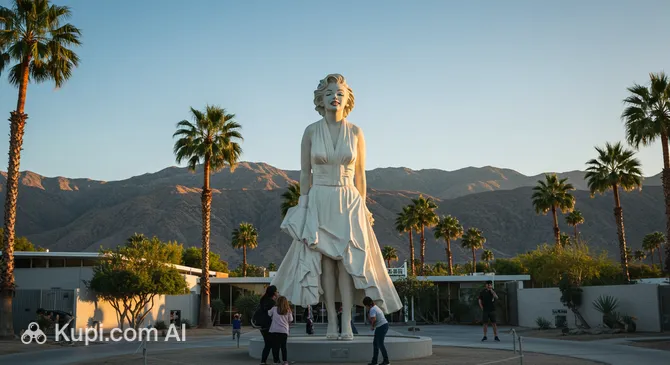
  • A Colossal Tribute: One of the city's most photographed and debated landmarks is Forever Marilyn, a statue standing 26 feet tall. The sculpture captures Marilyn Monroe in her iconic pose from The Seven Year Itch and serves as a towering reminder of her connection to the city.

  • Sci-Fi Holiday Art: The city is home to Robolights, a surreal art installation that is widely cited as the largest residential holiday light display in the country. Created by artist Kenny Irwin Jr., it features millions of lights and futuristic sculptures made from recycled materials, offering a bizarre twist on traditional festive decor.

Forever Marilyn. Source: Kupi.Binoculars

How to Get There

Reaching this desert oasis is convenient, with options ranging from flying directly into the city to arriving at major hubs nearby and driving through the scenic landscape. For a complete guide on the best routes and transport methods, you can read more about how to get to Palm Springs. The choice largely depends on your origin and whether you prefer a direct arrival or a road trip through Southern California.

The most convenient entry point is Palm Springs International Airport (PSP), located just 0.6 km from the city center. It is a unique, open-air facility that welcomes travelers with stunning mountain views right from the tarmac. With an annual passenger traffic of over 3 million, it is a medium-sized airport that avoids the congestion of larger hubs. A taxi or shuttle from here is very quick, typically taking about 10 to 15 minutes to reach downtown hotels.

The city of Palm Springs does not have a large international mega-hub, but you can fly into Ontario International Airport (ONT) in the city of Los Angeles, which is about 104 km from Palm Springs. This airport handles around 7 million passengers annually and serves as a popular alternative for those seeking more flight options. The transfer to Palm Springs by road takes approximately 1.5 hours.

Another significant option is San Diego International Airport (SAN) in San Diego, situated 136.9 km away. As a large airport with over 25 million annual passengers, it offers extensive connections. The journey from San Diego to Palm Springs takes around 2.5 hours by road, allowing visitors to enjoy the changing scenery from the coast to the desert.

For clarity, here is a summary of the main airports:

Airport Name City Passenger Traffic Km from City
San Diego International Airport San Diego High 136.9
Tijuana Airport Tijuana High 148.4
John Wayne Airport Santa Ana High 126.4
Ontario International Airport Los Angeles Medium 104.1
Palm Springs International Airport Palm Springs Medium 0.6

Main Attractions

Palm Springs offers a diverse array of activities, from exploring aviation history to wandering through desert landscapes. The city's attractions cater to art lovers, history buffs, and outdoor enthusiasts alike, ensuring there is something memorable for every traveler to discover.

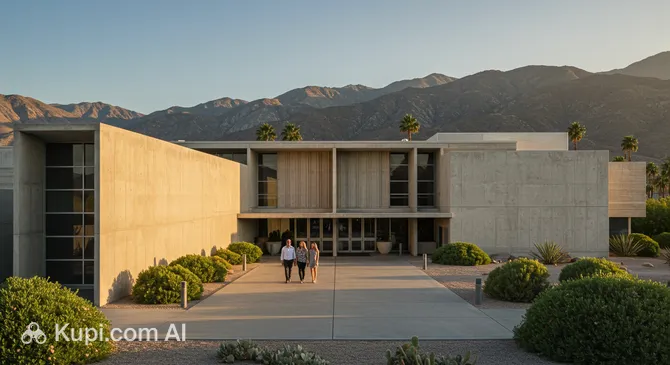
One of the most significant cultural hubs in the valley is the Palm Springs Art Museum. Located in the heart of downtown, this institution boasts a compelling collection of modern and contemporary art, photography, and glasswork. Tourists are drawn here not only for the exhibitions but also for the building's striking mid-century architecture and the serene sculpture garden, which offers a quiet artistic retreat at the base of the mountains.

Palm Springs Art Museum. Source: Kupi.Binoculars

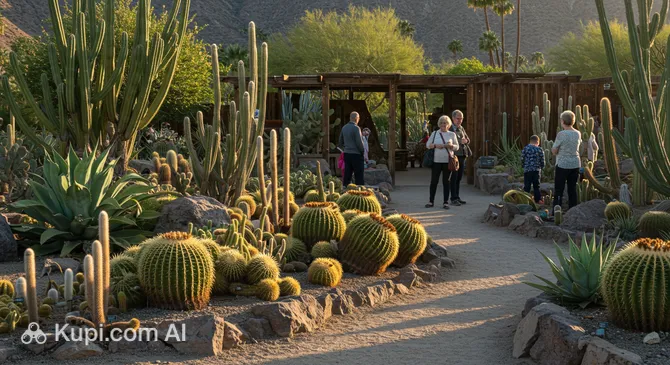
For a unique immersion into desert flora, the Moorten Botanical Garden is a historic landmark established in 1938. Often referred to as a "living museum," this family-owned garden showcases thousands of varieties of cacti and other desert plants from around the world. The highlight for many visitors is the "Cactarium," a greenhouse filled with rare specimens that provides a fascinating look at the resilience and beauty of desert life.

Moorten Botanical Garden. Source: Kupi.Binoculars

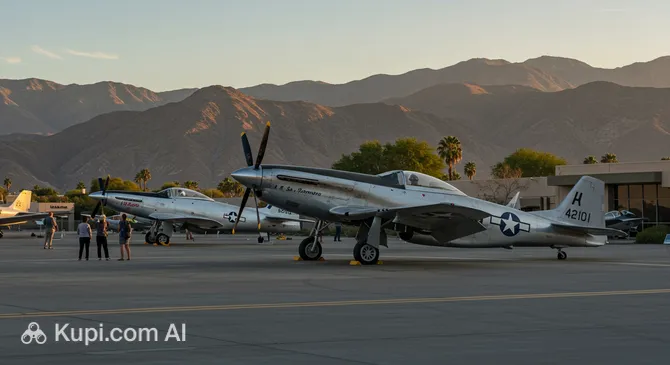
Aviation enthusiasts will find the Palm Springs Air Museum to be a world-class destination. Situated near the airport, it houses one of the largest collections of flyable World War II aircraft, along with jets from the Korean and Vietnam wars. The museum is particularly interesting because of its interactive exhibits and the opportunity to speak with veterans who often volunteer there, adding a personal narrative to the impressive machinery on display.

Palm Springs Air Museum. Source: Kupi.Binoculars

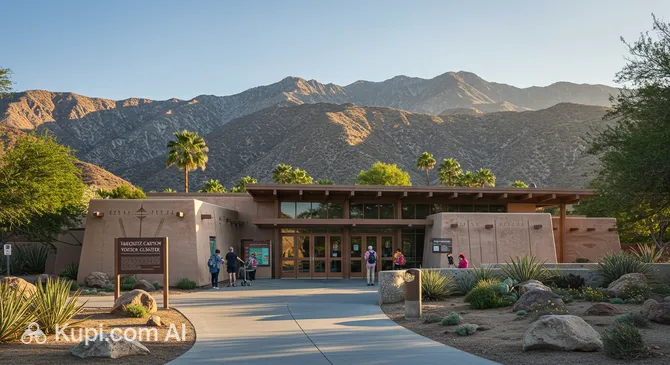
Those seeking to connect with the natural and indigenous history of the area should visit the Tahquitz Canyon Visitor Center. This site serves as the gateway to Tahquitz Canyon, which features a spectacular seasonal 60-foot waterfall and ancient rock art. It is a culturally rich location managed by the Agua Caliente Band of Cahuilla Indians, offering hikers a chance to experience the spiritual and physical beauty of the canyon through well-maintained trails.

Tahquitz Canyon Visitor Center. Source: Kupi.Binoculars

Finally, a stroll down the Palm Springs Walk of the Stars allows visitors to celebrate the many celebrities who have lived in and loved this desert city. Embedded in the sidewalks of downtown, the stars honor show business personalities, civic leaders, and pioneers. It is a fun, casual way to explore the city center while learning about the famous figures who helped put Palm Springs on the map.

Local Cuisine

The culinary landscape of Palm Springs is as vibrant and eclectic as its architecture. Known for its year-round sunshine, the city has perfected the art of al fresco dining, with countless patios offering stunning views of the San Jacinto Mountains. The food scene is a delightful mix of classic American steakhouses, authentic Mexican taquerias, and modern California cuisine that emphasizes fresh, locally sourced ingredients.

Brunch is a serious affair here, often stretching well into the afternoon. For a taste of the French countryside in the desert, Farm offers a charming, intimate setting with a menu focused on traditional Provençal-style dishes. If you are craving comfort food, Sherman's Deli & Bakery is a local institution known for its generous portions of New York-style deli classics and decadent desserts.

Dining in Palm Springs often comes with a side of history. Copley's on Palm Canyon is located in the former estate of Cary Grant, offering an upscale outdoor dining experience that captures the glamour of Old Hollywood. The menu features contemporary American dishes served in a romantic garden setting, making it a perfect spot for a special evening.

For those looking to combine dinner with entertainment, the city's supper clubs are legendary. The Purple Room Supper Club is one of the original Rat Pack hangouts, where you can enjoy fine dining accompanied by live jazz and cabaret performances. It maintains the sophisticated, retro vibe that defined the desert's golden era. Alternatively, for a more casual drink and bite, the Marlin Bar & Store provides a relaxed atmosphere to unwind.

Travel Tips

Planning a trip to this sun-soaked desert oasis is exciting, but a few practical preparations can ensure your vacation remains relaxing and stress-free. These essential tips will help you navigate the unique climate and lifestyle of Palm Springs like a seasoned traveler.

  1. Clothing and Gear: The desert climate demands versatility. Pack lightweight, breathable fabrics and a wide-brimmed hat for the scorching daytime sun, but do not forget a warm jacket or sweater for the evenings, as temperatures can drop significantly after sunset. Comfortable walking shoes are a must for exploring downtown or hiking the canyons, and high-quality sunglasses are essential to protect your eyes from the bright glare.
  2. Transportation: While downtown Palm Springs is very walkable, renting a car is the most practical option if you plan to explore the wider Coachella Valley or visit attractions like Joshua Tree National Park. For short trips within the city, ride-hailing apps like Uber and Lyft are widely available and reliable. There is also a local bus service, SunLine Transit, though it is less frequent than in major metropolitan areas.
  3. Finances: The local currency is the US Dollar (USD). Credit and debit cards are accepted almost everywhere, from high-end boutiques to taco stands, so you rarely need to carry large amounts of cash. However, keeping some small bills is useful for tipping valets or hotel housekeeping. Tipping is deeply ingrained in the culture; expect to leave 18-20% at restaurants and bars.
  4. Health and Safety: The most critical health advice for this region is to stay hydrated. The dry desert heat evaporates sweat quickly, so you may not realize you are losing fluids; carry a reusable water bottle everywhere. The city is generally very safe for tourists, but standard precautions apply. Pharmacies like CVS and Walgreens are easy to find for minor medical needs, and emergency assistance is available by dialing 911.
  5. Communication: English is the primary language, though you will frequently hear Spanish due to the proximity to Mexico and the region's demographics. Free Wi-Fi is standard in nearly all hotels, coffee shops, and restaurants. If you are visiting from abroad, purchasing a prepaid SIM card at a major airport or a local T-Mobile or AT&T store is straightforward and recommended for navigation.
  6. Local Etiquette: The vibe in Palm Springs is "desert casual" yet sophisticated; resort wear is appropriate almost everywhere, but swimwear should be restricted to pool areas. When interacting with locals, a friendly and relaxed demeanor is the norm. Be mindful that the pace of life here is slower than in big cities like Los Angeles, so patience is appreciated.
  7. What to Avoid: Do not underestimate the midday sun, especially in summer; avoid strenuous hikes between 10 AM and 4 PM to prevent heat exhaustion. Additionally, be extremely careful about noise levels if you are staying in a vacation rental. The city enforces strict noise ordinances, and music heard from the street can result in hefty fines for guests.
  8. Seasonal Timing: Keep in mind that Palm Springs is a seasonal destination. While winter and spring are bustling, some restaurants and shops may reduce their hours or close for a summer break during the hottest months (July and August). Always check opening times in advance if you visit during the low season.

By keeping these practicalities in mind, you will be well-equipped to enjoy everything this stylish city has to offer. Whether you are lounging by the pool or exploring the rugged desert terrain, a little preparation goes a long way toward a perfect getaway.

Entertainment & Nightlife

Entertainment and Nightlife:

When the sun sets behind the San Jacinto Mountains, Palm Springs transforms from a relaxed desert retreat into a vibrant hub of evening entertainment. The nightlife here is less about thumping mega-clubs and more about sophisticated lounges, lively bars, and open-air venues that capitalize on the warm desert breeze. The atmosphere is generally laid-back yet stylish, welcoming a diverse crowd ranging from young professionals to retirees, all looking to unwind under the stars.

The epicenter of the action is undoubtedly Palm Canyon Drive in the downtown area. This bustling strip is lined with restaurants and bars that keep their doors open late, offering everything from craft cocktails to live music. Just a short walk away is Arenas Road, the celebrated heart of the city's LGBTQ+ nightlife. This district is incredibly energetic, featuring a concentration of bars and dance floors where the party often spills out onto the street, creating a festive and inclusive environment.

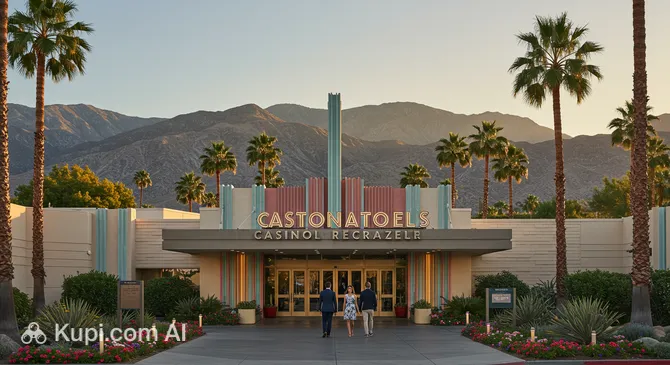
For those seeking a mix of gaming and live entertainment, the Palm Springs Casino is a popular destination. Located centrally, it offers a variety of slot machines and table games, along with dining options that stay open late, making it a lively spot to spend the evening.

Palm Springs Casino. Source: Kupi.Binoculars

If you prefer a more chill vibe, the Reefer Madness Lounge provides a unique setting to relax and socialize. It is part of the newer wave of venues adding diversity to the local scene. For fans of Old Hollywood glamour, the Purple Room Supper Club remains a definitive stop. Although it is also a dining venue, its reputation as a premier spot for jazz and cabaret shows makes it essential for nightlife enthusiasts looking for high-quality performance art.

Practical Advice: Most bars and lounges are open until 2:00 AM, though things typically start winding down around 1:00 AM on weekdays. The dress code is "desert chic"—smart casual is perfect, so leave the formal wear at home but opt for something stylish. Prices for drinks and cover charges are moderate, comparable to other Southern California resort towns. Ride-sharing services like Uber and Lyft are the safest and most convenient way to get around at night, especially if you are hopping between the Uptown Design District and downtown.

Safety: Palm Springs is generally very safe for night walks, particularly along the well-lit Palm Canyon Drive. However, as with any city, it is wise to stay in populated areas and avoid poorly lit side streets late at night. The local police maintain a visible presence in the main tourist districts, ensuring a secure environment for visitors.

While nightlife is a major draw, the city also offers plenty of daytime entertainment. Before the evening festivities begin, visitors can explore the vibrant arts scene at local galleries or visit the Palm Springs Air Museum to see vintage aircraft. For a more leisurely afternoon, a walk through the Moorten Botanical Garden offers a peaceful contrast to the energetic nights.

Parks & Museums

Beyond its sparkling pools and mid-century modern homes, Palm Springs offers a surprising abundance of green spaces and cultural institutions that celebrate the city's heritage. The destination seamlessly blends outdoor recreation with artistic appreciation, providing visitors with places to stroll, admire nature, and dive deep into the region's creative history.

For a relaxing afternoon under the palms, Ruth Hardy Park is a favorite among locals and visitors alike. Located centrally in the Movie Colony neighborhood, this 22-acre park is a perfect example of the city's outdoor lifestyle, featuring well-maintained tennis courts, picnic areas, and sweeping views of the mountains. It is an ideal spot for a morning jog or a leisurely walk, offering a peaceful respite just blocks away from the bustling downtown strip.

Another significant green space is DeMuth Park, the city's largest public park. Situated on the east side, it offers extensive recreational facilities, including baseball diamonds and soccer fields, set against a backdrop of desert flora. It serves as a community hub and connects to hiking and biking trails, making it an excellent starting point for those looking to explore the natural landscape of the Coachella Valley actively.

Culturally, the city is a haven for design enthusiasts. A standout institution is the Palm Springs Art Museum Architecture and Design Center, Edwards Harris Pavilion. Housed in a classic mid-century building formerly a bank, this museum is dedicated to exploring architecture and design, fields that are intrinsic to the identity of Palm Springs. Its exhibitions often highlight the work of desert modernists, offering a focused and stylish educational experience.

While the Design Center focuses on structure and form, the main Palm Springs Art Museum remains the cultural anchor of the city. It features a broad spectrum of works ranging from Mesoamerican art to contemporary glass sculptures. For history buffs, the Palm Springs Air Museum provides a stark contrast, preserving the legacy of American aviation with its impressive hangars of combat aircraft and interactive exhibits.

Walking through the city itself feels like visiting an open-air museum. The Palm Springs Walk of the Stars honors the many Hollywood legends who escaped to this desert oasis. As you wander the sidewalks, you will encounter the names of over 400 celebrities, civic leaders, and humanitarians, weaving the glamour of the past into the fabric of the modern city.

For a truly local experience, visit the David H. Ready Palm Springs Dog Park behind City Hall. It might seem like a simple amenity, but in a city that adores its pets, this park is a major social scene where residents gather, offering a friendly and authentic glimpse into daily life in Palm Springs.

Getting Around

Public transportation in Palm Springs is designed primarily to serve local residents and connect the various communities of the Coachella Valley. While the city is heavily car-dependent and most visitors prefer renting a vehicle for flexibility, a network of buses and trolleys offers a viable and often scenic alternative for getting around the main tourist areas.

The backbone of the local transport system is the SunLine Transit Agency. These buses run on clean fuels like hydrogen and compressed natural gas, making them an eco-friendly way to travel. The network connects Palm Springs with neighboring desert cities such as Cathedral City, Rancho Mirage, and Palm Desert. While coverage is extensive along the main Highway 111 corridor, frequency can vary, so planning ahead is essential.

For tourists staying in the central districts, the most popular option is The BUZZ. This is a charming, vintage-style trolley service that operates specifically to help visitors navigate downtown and the Uptown Design District. It is completely free of charge and runs loops Thursday through Saturday. The trolleys are distinct and easy to spot, offering a fun and air-conditioned way to hop between hotels, restaurants, and shops without worrying about parking.

Regarding payment for standard SunLine buses, the system is straightforward. You can pay with cash upon boarding, but you must have exact change as drivers cannot provide it. For convenience, it is highly recommended to use the SunBus App on your smartphone. This app allows you to purchase digital passes, track buses in real-time, and plan your route. Fares are very affordable, with single rides costing a nominal fee and day passes available for unlimited travel.

If you are arriving by train, be aware that the Amtrak station is located in North Palm Springs, several miles from the city center. It is an unstaffed platform in the middle of the desert, often subject to high winds. There is no direct public transport shuttle from the train station to downtown, so you will almost certainly need to arrange a taxi or ride-share service in advance to reach your hotel.

Ride-sharing services like Uber and Lyft are extremely popular and reliable in Palm Springs. Given the spread-out nature of the desert and the heat, many tourists find this the most convenient way to travel, especially for evening dining or visiting attractions off the main bus routes. Traditional taxis are also available but are generally best booked by phone rather than hailed on the street.

For those who prefer active transport, bicycling is a fantastic option, particularly in the cooler months. The city is relatively flat and has dedicated bike lanes in many areas. Many hotels offer complimentary cruiser bikes to guests, and rental shops are plentiful downtown. However, caution is advised during the summer midday heat; always carry water.

A unique form of transport that serves as a major attraction is the Palm Springs Aerial Tramway. While not used for commuting, this rotating cable car takes passengers from the desert floor up to the pristine wilderness of Mt. San Jacinto State Park. It is an engineering marvel that offers a dramatic journey from cacti to pine forests in just over 10 minutes.

Practical advice for using transport here focuses on the climate. Bus stops often have shade structures, but waiting in the sun can be intense. Always check the schedule via the app to minimize wait times. If you plan to use The BUZZ, simply wait at one of the marked trolley stops; no ticket or validation is required, making it the most hassle-free way to enjoy the city's vibrant core.
Accommodation

Accommodation:

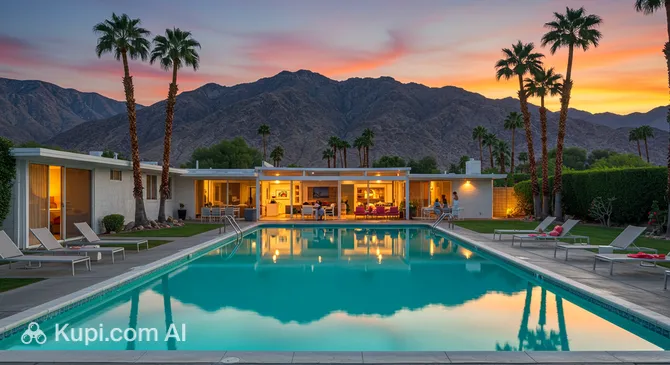
Staying in Palm Springs is an integral part of the travel experience, as the city is famous for its unique lodging culture. Unlike many destinations dominated by generic high-rise chains, this desert oasis is renowned for its charming boutique hotels, historic inns, and meticulously restored mid-century modern retreats. The accommodation range is diverse, offering everything from budget-friendly motels and vacation rentals to luxurious, full-service resorts that cater to every whim.

For those who want to be in the center of the action, the Downtown and Uptown Design District areas are the most convenient choices. Staying here places you within walking distance of the best restaurants, shops along Palm Canyon Drive, and vibrant nightlife. If you prefer a quieter, more secluded atmosphere, the neighborhoods in South Palm Springs or the areas tucked against the San Jacinto Mountains offer a peaceful escape while still being a short drive from the city center.

The city is particularly celebrated for its "small hotel" culture, where intimate properties offer personalized service and distinctive design. A prime example is Holiday House Palm Springs, a boutique hotel that perfectly captures the whimsical and colorful spirit of the desert. With its emphasis on art and design, it provides a stylish backdrop for a relaxing vacation.

For travelers seeking a resort-style experience with a focus on relaxation, Santiago Resort is another well-regarded option. Properties like these often feature central courtyards with sparkling pools, encouraging a social yet laid-back environment that defines the Palm Springs lifestyle.

Booking Tips: Palm Springs is an extremely popular weekend getaway for Southern California residents, meaning Friday and Saturday nights can book up quickly year-round. It is highly recommended to book well in advance, especially if you plan to visit during the peak season (January through May) or during major local events like the film festival or nearby music festivals.

Prices and Reservations: The cost of accommodation varies significantly by season. Winter and spring command the highest prices, fitting a mid-range to luxury budget, while the hot summer months often offer substantial discounts and "staycation" deals. Booking is easily done through major online platforms or directly via hotel websites, which sometimes offer exclusive packages. Additionally, renting a private home with a pool is a very popular alternative for families and groups, providing a "home away from home" experience in the desert.

Nearby Cities

For those looking to explore the surroundings, Palm Springs serves as an excellent base for day trips to several interesting nearby locations:

One of the most popular destinations is Indio, known globally as the "City of Festivals." Located just a short drive away, it hosts the famous Coachella and Stagecoach music festivals. Beyond the music, Indio is celebrated for its agricultural heritage, particularly its date farms. Visitors often stop by the historic Shields Date Garden to try a famous date shake or explore the Coachella Valley History Museum to learn about the region's roots.

For a quick change of scenery, Cathedral City is practically a neighbor to Palm Springs. Often referred to affectionately as "Cat City," it features a growing arts scene and family-friendly attractions like the Fountain of Life in Town Square. It offers a more local, residential vibe with excellent dining options and parks, making it a convenient spot for an afternoon outing without a long commute.

Further afield lies San Jacinto, situated at the base of the mountains of the same name. This city offers a glimpse into the older, more rural history of the inland region. It is known for its proximity to natural hot springs and the historic Estudillo Mansion. Nearby, the area hosts the famous "Ramona" outdoor play, California's official outdoor play, which celebrates the state's romanticized past.

City Population Distance (km)
Indio 361831 30
Hemet 191170 44
Yucaipa 54312 54
San Jacinto 53299 42
Cathedral City 51836 6

These nearby destinations offer a glimpse into the diverse culture and landscapes of the region, providing ample opportunities for discovery beyond the resort pools.

Shopping & Souvenirs

Shopping in Palm Springs is a delightful extension of the city's stylish and laid-back atmosphere. The retail scene here is distinct from typical American cities; instead of endless rows of generic chain stores, you will find a curated mix of eclectic boutiques, vintage treasure troves, and upscale art galleries. The city is particularly famous globally for its mid-century modern furniture, retro home décor, and "desert chic" resort wear, making it a paradise for design lovers and fashion enthusiasts.

The heart of the shopping experience is undoubtedly Palm Canyon Drive. This vibrant, palm-lined avenue runs through the downtown core and offers a pedestrian-friendly environment filled with clothing stores, souvenir shops, and specialty candy stores. As you head north into the Uptown Design District, the vibe becomes more sophisticated. This stretch is the epicenter of the city's vintage culture, lined with sleek showrooms offering authentic 1950s furniture, designer consignment shops, and trendy boutiques selling colorful kaftans and swimwear perfect for the poolside lifestyle.

While the city focuses more on street-side boutiques than massive enclosed complexes, there are several open-air centers that provide a convenient mix of retail and dining. Smoke Tree Commons is a beautifully designed outdoor shopping destination located in the southern part of the city. Set against the backdrop of the mountains, it offers a relaxed environment with a variety of lifestyle stores and casual eateries.

Another notable location is The Springs, which contributes to the area's retail offerings. These centers are perfect for travelers looking to combine shopping for essentials with a leisurely lunch in a scenic setting. They reflect the local preference for open spaces and architecture that embraces the desert climate rather than shutting it out.

For a more community-focused shopping experience, the local markets are a must-visit. The most famous is VillageFest, a street fair held every Thursday night on Palm Canyon Drive. The street is closed to traffic, transforming into a bustling pedestrian market featuring hundreds of vendors selling handcrafted jewelry, art, and local snacks. For vintage hunters, the Palm Springs Vintage Market, held monthly, is a goldmine for retro finds, from vinyl records to classic Americana memorabilia.

When it comes to souvenirs, visitors often look for items that capture the spirit of the Coachella Valley. Local dates are a classic gift, as the region produces the vast majority of dates in the United States; boxes of Medjool dates or date-based sweets are popular choices. Other unique keepsakes include mid-century modern home accessories, turquoise jewelry, or locally made ceramics that reflect the colors of the desert sunset.

Most shops in Palm Springs operate from around 10:00 AM to 6:00 PM, though hours can be extended on weekends and significantly longer on Thursday nights during VillageFest. Payment is convenient, with major credit and debit cards accepted almost everywhere, including most market stalls. Cash is rarely needed but can be useful for small purchases at street fairs.

Regarding taxes, the United States does not have a VAT refund system for international tourists like many European countries. A sales tax is added to the price of goods at the register, so the price you see on the tag is lower than the final total. This tax is non-refundable, so it is best to factor it into your shopping budget.

Reached the end of the page?

That means the route is fully explored