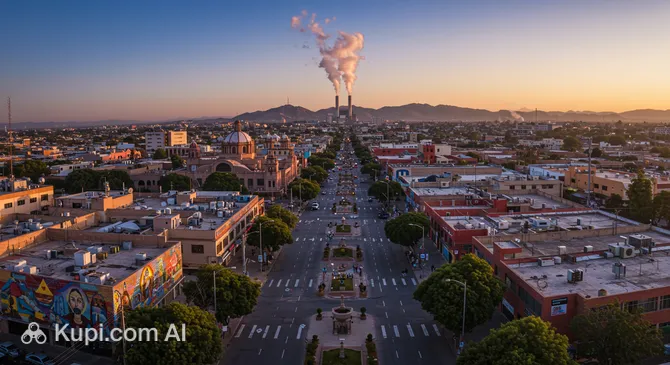
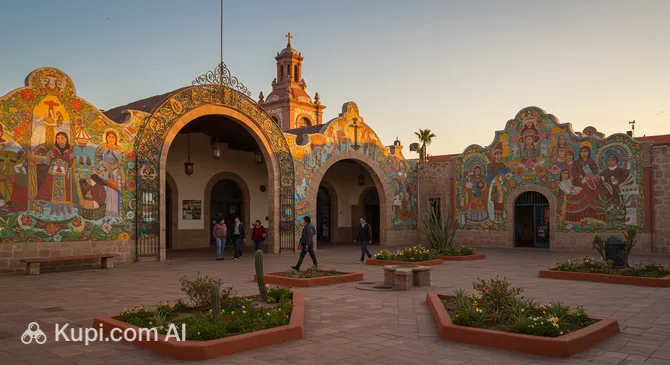
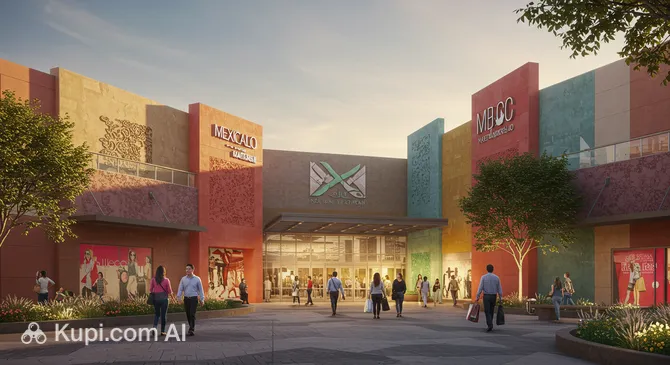
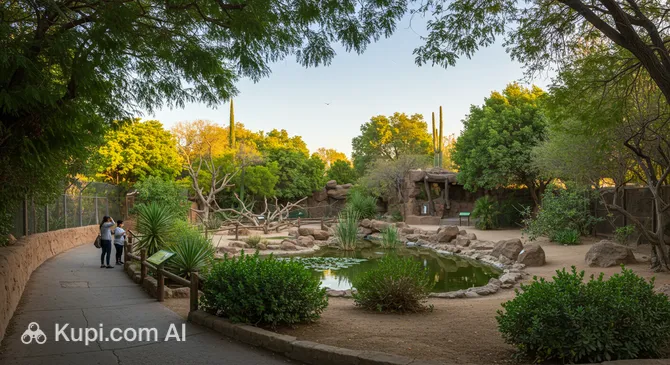
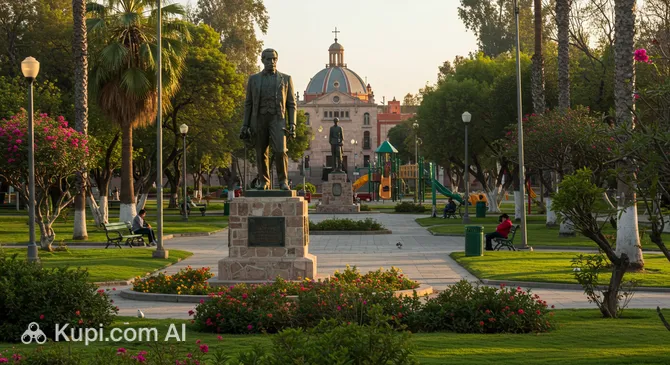
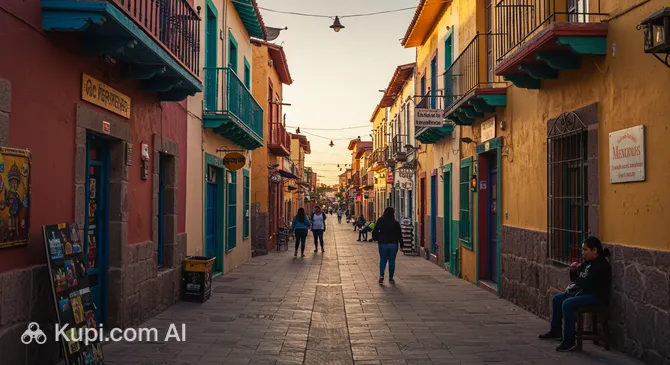
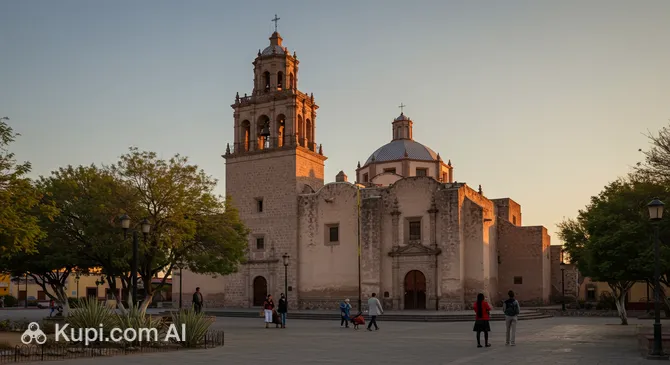
Welcome to Mexicali, the vibrant capital of the state of Baja California and a dynamic metropolis located in northern Mexico. Situated directly on the border, this bustling city serves as a major cultural and economic gateway, blending modern urban life with the rugged beauty of the surrounding Sonoran Desert. With a population of over 1.1 million residents, Mexicali is known for its energetic atmosphere and distinct local character.
Mexicali. Illustration.
Source: Kupi.com AI
The city is famously dubbed "The City that Captured the Sun" due to its arid desert climate and high temperatures, particularly in the summer. Despite the heat, the city thrives with activity and offers a fascinating backstory. The history of Mexicali is unique among Mexican cities, largely shaped by a significant wave of Chinese immigration in the early 20th century, which has left an indelible mark on the local culture and cuisine.
Travelers are often drawn to the district known as La Chinesca, which houses the largest Chinatown in the country. Here, you can explore a maze of historic basements and enjoy some of the best Chinese food in the region, a culinary staple of the city. For those interested in architecture and science, the Sol del Niño Museum offers interactive exhibits in a beautiful historic building, while the Cathedral of Our Lady of Guadalupe stands as a serene landmark in the city center.
Whether you are visiting to taste the famous local cuisine or to experience the warmth of its people, Mexicali invites you to discover a side of the border region that is full of surprises and rich traditions.
Weather Overview
The climate in this region is defined by its desert setting, resulting in significant temperature variations between seasons. For a more detailed forecast and historical data, you can consult the guide to weather in Mexicali before packing for your trip. The summer months are intensely hot, particularly from June to September, where average temperatures range from 32°C to over 36°C, and daily maximums can climb as high as 44°C in July.
Winters, spanning from December through February, provide a stark contrast with much milder conditions. During this time, average temperatures sit comfortably between 15°C and 16°C, though nights can be brisk with lows around 9°C. Rainfall is incredibly scarce throughout the year, with most months recording negligible precipitation, although a few wet days may occur occasionally. Expect blistering heat during the summer and cool, dry weather during the winter months.
Average monthly temperature
Average monthly precipitation
Interesting Facts
Beyond the main attractions, Mexicali holds many fascinating secrets that reveal its unique position as a border city with a rich multicultural heritage. From underground legends to linguistic curiosities, the city offers plenty of surprises for the observant traveler.
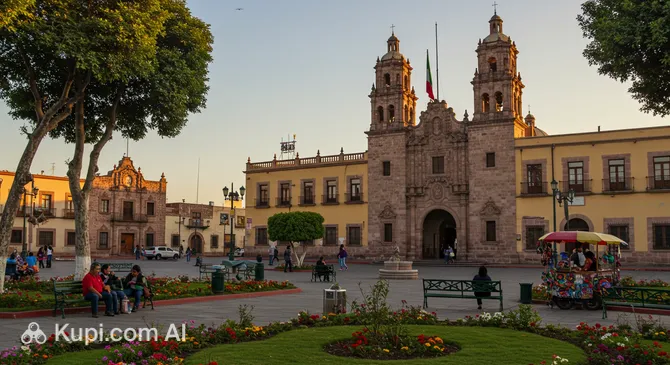
Historic Center of Mexicali. Illustration.
Source: Kupi.com AI
Traveler photos:
The city's name is a clever linguistic blend of "Mexico" and "California," a pattern that is perfectly mirrored by its sister city directly across the border, Calexico. This naming convention symbolizes the deep connection between the two nations in this region.
Mexicali is home to one of the most culturally significant Chinatowns in the country, known as La Chinesca, located within the Historic Center of Mexicali. During the prohibition era in the United States, a complex network of underground tunnels and basements was constructed here to house bars and casinos, which visitors can still explore today.
The building that now houses the Sol del Niño Museum has a surprising industrial past; it was originally constructed in the early 20th century as a cotton gin. This transformation from a massive cotton processing plant to an interactive science center highlights the region's agricultural history, specifically the "white gold" boom that once drove the local economy.
Due to the unique geological activity in the area, Mexicali is the site of the Cerro Prieto Geothermal Power Station, which is one of the largest geothermal plants in the world. The steam rising from the ground in the surrounding valley is a testament to the powerful natural energy harnessing taking place just outside the city limits.
How to Get There
Reaching this border city is relatively straightforward given its strategic location and connectivity. Whether you are arriving from within Mexico or crossing from the United States, there are several convenient options available. For a complete guide on all travel methods, you can read more about how to get to Mexicali.
The most convenient entry point is Mexicali Airport (IATA: MXL), officially known as General Rodolfo Sánchez Taboada International Airport. Located approximately 19.2 km from the city center, it serves as the primary local hub. A taxi ride from the terminal to the downtown area typically takes about 50 minutes, offering a quick and direct start to your visit.
Travelers can also fly into Tijuana Airport (IATA: TIJ), which is located in the city of Tijuana, about 143 km west of Mexicali. As a major international gateway, it offers a wider range of flight connections. From Tijuana, you can take a bus or rent a car to reach Mexicali; the drive typically takes around 2.5 to 3 hours via the highway.
Another significant option, particularly for those coming from the US side, is San Diego International Airport (IATA: SAN). This airport is located in San Diego, USA, approximately 164 km from Mexicali. While it offers extensive international connections, travelers choosing this route must account for the time required to cross the international border. The drive usually takes between 3 to 4 hours depending on traffic and border wait times.
For clarity, here is a summary of the main airports:
Mexicali offers a diverse array of attractions that reflect its unique heritage as a border city, blending history, culture, and family-friendly entertainment. From interactive museums housed in historic industrial buildings to lush green spaces and vibrant sports venues, there is something for every type of traveler to explore.
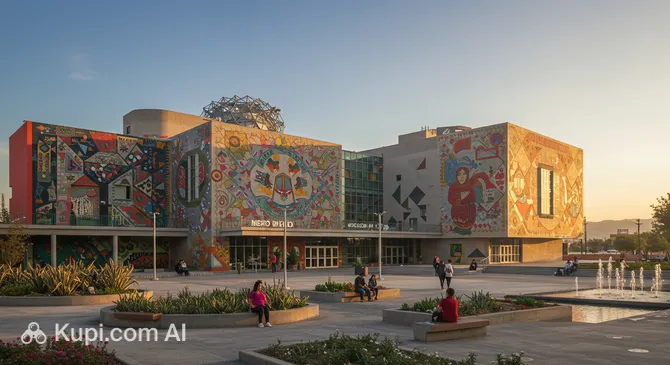
One of the city's most beloved institutions is the Sol del Niño Museum. Located in a beautifully restored historic building that once served as a cotton gin, this interactive science and technology center is perfect for families and curious minds. The museum features a variety of hands-on exhibits covering topics like physics, environment, and art, along with an IMAX theater that provides an immersive viewing experience. It stands as a testament to the city's transformation from an agricultural hub to a modern cultural destination.
Sol del Niño Museum. Illustration.
Source: Kupi.com AI
Traveler photos:
For those seeking outdoor recreation, the City Forest and Zoo is a sprawling green oasis in the middle of the desert landscape. This popular park is home to a zoo featuring a wide range of animal species, a botanical garden, and a serene lake where visitors can rent paddleboats. It is an excellent spot for a picnic, a morning jog, or a fun day out with children, offering a refreshing escape from the urban bustle.
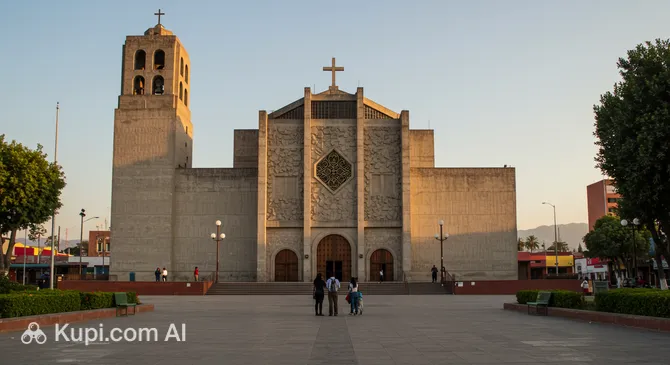
In the heart of the downtown area, the Cathedral of Our Lady of Guadalupe serves as a significant spiritual and architectural landmark. With its classic design and peaceful atmosphere, it draws both worshippers and tourists interested in local history. The cathedral is a focal point of the city's religious life and provides a quiet space for reflection amidst the lively streets of the historic center.
Cathedral of Our Lady of Guadalupe. Illustration.
Source: Kupi.com AI
Traveler photos:
Sports play a major role in the local culture, and nowhere is this more evident than at El Nido de los Águilas. This stadium is the home ground of the Águilas de Mexicali, the city's professional baseball team. Attending a game here is a thrilling experience, known for its electric atmosphere, passionate fans, and delicious stadium snacks. It offers a fantastic opportunity to immerse yourself in the authentic local vibe.
Another cultural gem is the House of Culture, a majestic building that dates back to the early 20th century. Originally a school, it now functions as a vibrant arts center hosting workshops, exhibitions, and performances. The architecture itself is worth admiring, and the regular events provide deep insight into the artistic talents and traditions of the Baja California region.
House of Culture. Illustration.
Source: Kupi.com AI
Traveler photos:
Local Cuisine
The culinary landscape of Mexicali is one of the most distinctive in Mexico, offering a fascinating fusion that surprises many first-time visitors. While you will find excellent traditional Mexican fare, the city is most famous for its unique relationship with Chinese cuisine. Due to a large wave of immigration in the early 20th century, Chinese food—specifically a local adaptation of Cantonese style—has become the city's signature gastronomic feature. There are hundreds of Chinese restaurants, or "cafés de chinos," scattered throughout the city, where locals gather for large family meals featuring dishes like fried rice, chun kun (egg rolls), and broccoli beef, often served with a side of chilies to add a Mexican kick.
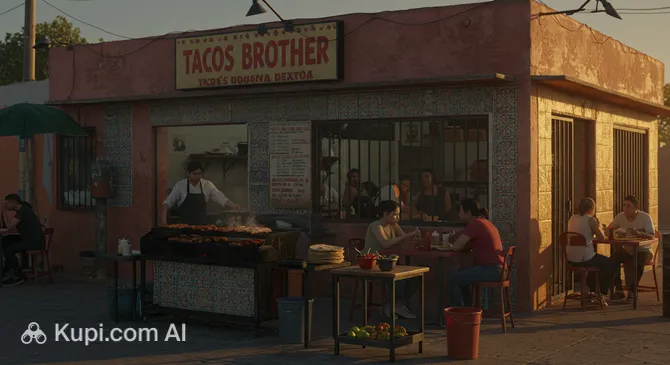
Beyond its famous Asian influence, Mexicali is a true northern city where high-quality beef is a staple. The region is known for its excellent cuts of meat, and carne asada is a way of life here. Tacos are typically served on flour tortillas, which are favored in the north over the corn variety common in central Mexico. For an authentic taste of street food culture, you can visit spots like Tacos Brother, where the grill is always sizzling and the aromas of seasoned meat fill the air.
Tacos Brother. Illustration.
Source: Kupi.com AI
Traveler photos:
Seafood also plays a major role in the local diet, thanks to the city's proximity to the Sea of Cortez and the Pacific Ocean. Fresh shrimp, fish tacos, and ceviches are widely available and incredibly fresh. Establishments such as Los Arcos are popular among both tourists and residents for offering high-end, Sinaloa-style seafood dishes in a comfortable setting, perfect for escaping the desert heat.
When it comes to drinks, the scorching desert climate has fostered a strong culture of refreshing beverages. Mexicali is often cited as the birthplace of the Chabela, a beloved beer cocktail made with clamato juice, lime, and spices, served in a large schooner with a salted rim. Additionally, the city has become a hub for Mexico's booming craft beer scene. Local breweries are gaining international acclaim, producing crisp lagers and robust ales that provide the perfect antidote to the summer temperatures.
Dining in Mexicali is a social affair, often characterized by generous portions and a relaxed, welcoming atmosphere. Whether you are sitting down for a banquet-style Chinese dinner or grabbing a quick bite at a taquería, the food scene here is unpretentious and deeply satisfying.
Travel Tips
Preparing for a trip to Mexicali requires considering its unique desert environment and dynamic border culture to ensure a smooth experience. These practical tips will help you navigate the city comfortably, allowing you to focus on its delicious cuisine and welcoming atmosphere.
Clothing and Gear: Due to the intense desert climate, lightweight and breathable fabrics like cotton or linen are essential, especially during the scorching summer months. A wide-brimmed hat, high-quality sunglasses, and strong sunscreen are mandatory accessories. If you visit in winter (December to February), bring a jacket or layers, as temperatures can drop significantly at night. Comfortable walking shoes are recommended for exploring the city center.
Transportation: While public buses exist, they can be confusing for first-time visitors. The most convenient and safe way to get around is by using ride-hailing apps like Uber or Didi, which are widely available and reliable. Taxis are also an option, but ensure you agree on the fare before starting the ride or check that the meter is running. Renting a car is a good idea if you plan to explore the surrounding valley, but be prepared for busy traffic.
Finances: The official currency is the Mexican Peso (MXN). Because Mexicali is a border city, US Dollars are accepted in many establishments, but the exchange rate offered might not be favorable; it is usually better to pay in pesos. Credit and debit cards are widely accepted in hotels, malls, and larger restaurants. However, you should always carry cash for street food stands, small shops, and tips.
Health and Safety: Pharmacies are abundant, with major chains like Farmacias del Ahorro often open 24/7. Do not drink tap water; always opt for sealed bottled water to avoid stomach issues. In terms of safety, Mexicali is generally welcoming, but it is wise to stick to well-lit, populated areas at night and keep an eye on your belongings in crowded places.
Communication: Spanish is the official language, but due to the proximity to the United States, English is widely spoken and understood, particularly in the service and tourism sectors. However, learning a few basic phrases like "Hola" (Hello) and "Gracias" (Thank you) is greatly appreciated by locals. For connectivity, you can easily buy a prepaid SIM card at any OXXO convenience store.
Local Etiquette: People in Mexicali are known for their warmth and hospitality. A friendly handshake or a nod is a common greeting. When entering a shop or restaurant, it is polite to say "Buenas tardes" (Good afternoon) or "Buenos días" (Good morning). Tipping is customary in restaurants; leaving 10% to 15% of the bill is the standard practice for good service.
What to Avoid: Avoid drinking alcohol on the streets, as open container laws are strictly enforced and can lead to fines. Also, try to avoid strenuous outdoor activities during the peak heat of the day (between 12:00 PM and 4:00 PM) in the summer, as the risk of heatstroke is real.
Beat the Heat: To live like a local, adapt your schedule to the weather. Many residents venture out in the evenings when the sun goes down and the city cools off. This is the best time to enjoy the parks, street food scenes, and the vibrant nightlife without battling the extreme daytime temperatures.
By keeping these tips in mind, you will be well-equipped to enjoy everything Mexicali has to offer, from its famous Chinese food to its stunning desert sunsets. Enjoy your adventure in this fascinating northern city!
Entertainment & Nightlife
Entertainment and Nightlife:
When the sun sets and the desert heat begins to fade, Mexicali transforms into a lively hub of entertainment. The nightlife here is energetic and diverse, reflecting the city's youthful spirit and its status as a border metropolis. For many locals, the evening is the best time to socialize, meaning the streets and venues often stay busy well into the early morning hours. The atmosphere is generally welcoming and unpretentious, ranging from relaxed craft beer taprooms to pulsating dance clubs.
The city has gained a reputation as one of Mexico's premier destinations for craft beer. You will find numerous tasting rooms and bars scattered throughout the city, particularly in the "Zona Dorada" (Golden Zone) along Calzada Cetys and the bustling Boulevard Benito Juárez. This area is the heart of modern nightlife, where affluent locals and visitors gather to enjoy high-quality brews and cocktails. For a relaxed evening with grilled food and drinks, 260 Grill & Bar is a popular choice, offering a comfortable environment to start your night.
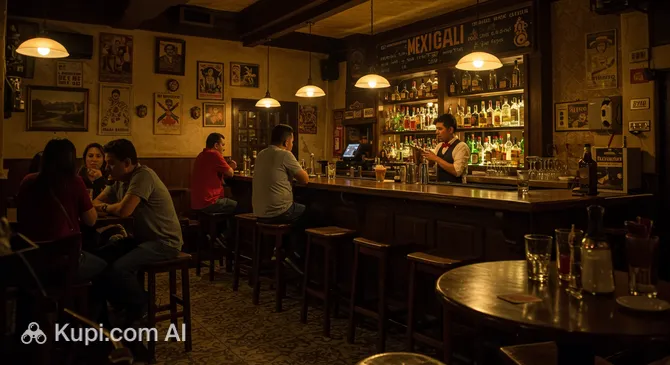
If you are looking for a place with a distinct pub atmosphere, Taberna is a must-visit. It is well-regarded for its extensive selection of beverages and its lively yet cozy vibe, making it a great spot to chat with friends. The crowd in these bars tends to be a mix of young professionals and university students, and the dress code is typically smart casual—jeans and a nice shirt are perfect for most venues.
Taberna. Illustration.
Source: Kupi.com AI
Traveler photos:
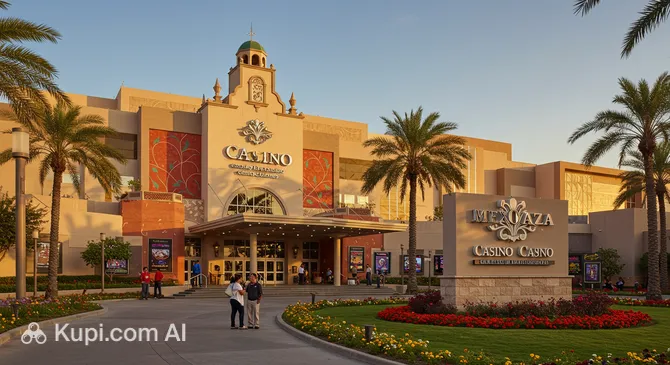
For those who prefer a more high-energy experience involving music and activities, Extremos Nightclub, Karaoke & Billiards offers a little bit of everything. Whether you want to sing your heart out, play a round of pool, or dance, this venue captures the fun-loving nature of the local nightlife scene. Additionally, casinos are a significant part of Mexicali's entertainment landscape. The Arenia Casino is one of the most prominent, featuring not just gaming tables and machines, but also live shows, concerts, and fine dining options, providing a full night of entertainment under one roof.
Arenia Casino. Illustration.
Source: Kupi.com AI
Traveler photos:
Practical advice for a night out includes planning your transportation in advance. While the main nightlife districts are safe for walking between nearby venues, the city is spread out. The safest and most convenient way to get around at night is by using ride-sharing apps like Uber or Didi, which are reliable and affordable. Prices for drinks and cover charges are generally lower than in US border cities or larger Mexican tourist hubs. Peak hours for bars are usually from 9:00 PM to midnight, while clubs get busy after 11:00 PM.
Before the nightlife kicks in, Mexicali offers plenty of daytime entertainment options. Shopping enthusiasts should head to La Gran Via Plaza, an upscale open-air lifestyle center with shops, cafes, and a cinema, perfect for an evening stroll. For families or those seeking active fun, Flyers Jump & Fun Mexicali provides a trampoline park experience that is a great way to escape the heat indoors.
La Gran Via Plaza. Illustration.
Source: Kupi.com AI
Traveler photos:
Parks & Museums
While Mexicali is often defined by its industrial energy and desert landscape, the city also boasts a surprising array of green spaces and cultural institutions. Visitors can find respite from the heat in lush parks or dive into the region's history and artistic expression through its museums and revitalized historic districts.
For outdoor enthusiasts and families, the City Forest and Zoo (Bosque y Zoológico de la Ciudad) is the most significant natural attraction. This sprawling recreational area serves as a green lung for the city, featuring a large lake where visitors can rent paddleboats, a botanical garden showcasing desert flora, and a zoo with diverse animal species. It is a favorite spot for locals to enjoy picnics and connect with nature without leaving the urban area.
City Forest and Zoo. Illustration.
Source: Kupi.com AI
Traveler photos:
Another key recreational hub is Vicente Guerrero Park. Known for its extensive manicured gardens and family-friendly atmosphere, this park hosts various cultural events and outdoor concerts throughout the year. For a more nature-focused experience, Laguna México provides a glimpse into the region's wetland ecology. This system of lagoons is an important habitat for migratory birds and offers a peaceful setting for walking and birdwatching, highlighting the natural beauty that exists within the Mexicali Valley.
Vicente Guerrero Park. Illustration.
Source: Kupi.com AI
Traveler photos:
In terms of culture, the House of Culture remains a cornerstone of the arts scene. Housed in a majestic neoclassical building from 1916, it was originally a school and now serves as a gallery and performance space. It regularly exhibits works by local and regional artists, offering tourists a deep dive into the creative spirit of Baja California. Nearby, the Sol del Niño Museum continues to be a primary attraction, particularly for its interactive approach to science and environment, making it an educational highlight for visitors of all ages.
For a unique blend of history and urban art, a walk through the Reforma Alley, Historic Center is essential. Located within the broader Historic Center of Mexicali, this pedestrian corridor has been transformed into an open-air gallery. The walls are adorned with colorful murals that depict the city's history, including its Chinese heritage and agricultural roots, creating a vibrant backdrop for photography and cultural exploration.
Reforma Alley, Historic Center. Illustration.
Source: Kupi.com AI
Traveler photos:
Insider Tip: The best time to visit these parks, especially in the summer, is late in the afternoon or early evening. As the sun sets, the temperatures drop, and places like the City Forest come alive with families enjoying the cooler air and street food vendors setting up nearby.
Getting Around
Navigating Mexicali requires a bit of planning, as the city is spread out and heavily reliant on road transportation. Unlike Mexico City or Guadalajara, Mexicali does not have a metro, tram, or light rail system. The public transport network consists entirely of buses and a fleet of taxis, making the city quite car-centric. For most tourists, the combination of ride-sharing apps and private vehicles offers the most comfortable way to get around, especially given the intense desert heat.
The local bus system, comprised of vehicles often referred to as camiones, covers the majority of the metropolitan area. These buses are an affordable way to travel, connecting residential neighborhoods with downtown, shopping centers, and the border crossing area. However, the network can be somewhat confusing for first-time visitors, as there are no digital maps or fixed timetables at stops. Routes and destinations are typically painted on the windshields of the buses, so you need to look closely as they approach.
Regarding payment, the bus system operates almost exclusively on cash. There are no travel cards or digital ticketing apps for the public buses. You pay the driver directly upon boarding. The fare is inexpensive, usually a fixed rate regardless of the distance traveled. It is essential to carry coins or small bills (such as 20 or 50 peso notes), as drivers often do not have change for large denominations. Keep your ticket handy until you disembark, although inspections are rare.
For tourists, the most recommended alternative to buses is the use of ride-sharing apps like Uber or Didi. These services are widely available, reliable, and generally safer and more convenient than navigating the bus routes. They offer the distinct advantage of transparent pricing and the ability to pay via credit card through the app, eliminating the need to haggle over fares or carry exact cash. Traditional taxis are also plentiful, particularly around the border crossing and bus terminals, but it is advisable to agree on the fare before starting your journey if the taxi lacks a meter.
Car rental is another popular option and is perhaps the most efficient way to explore the city and the surrounding valley at your own pace. Since Mexicali is designed with broad avenues and ample parking, driving is relatively stress-free compared to other Mexican cities. This option is particularly attractive in the summer months, as it guarantees you air-conditioned transport from door to door, avoiding the need to wait under the scorching sun for a bus or taxi.
While walking is an option for short distances within the Historic Center or La Chinesca, it is generally not a practical mode of transport for the wider city due to the urban sprawl and extreme high temperatures. Cycling is growing in popularity as a sport but is not yet a major form of commuting transport. If you do choose to walk, try to do so early in the morning or late in the evening to avoid the peak heat.
Accommodation
Accommodation in Mexicali primarily caters to business travelers, medical tourists, and cross-border visitors, resulting in a hospitality landscape that is practical, modern, and comfortable. The options typically range from economical motels and budget-friendly inns to high-standard business hotels. While the city does not feature the sprawling all-inclusive resorts found in Mexico's coastal destinations, it boasts a solid selection of mid-range and luxury establishments that offer excellent amenities, including refreshing swimming pools which are a necessity during the hot summer months.
When choosing where to stay, location is key depending on the purpose of your trip. The **Zona Dorada** (Golden Zone) is widely considered one of the best areas for tourists. This upscale district is known for its safety and modern infrastructure, placing visitors close to the city's vibrant nightlife and premier shopping hubs like Plaza San Pedro. Staying here ensures you are within walking distance of excellent dining options and entertainment venues.
Plaza San Pedro. Illustration.
Source: Kupi.com AI
Traveler photos:
Another popular area is the **Civic Center (Centro Cívico)**. This district is the heart of the city's government and commercial activity, making it an ideal choice for business travelers. It offers a central location with easy access to main avenues and is situated reasonably close to the historic downtown. For those prioritizing convenience for quick border crossings, there are numerous reliable hotels located near the international port of entry, perfect for short stays or early morning departures.
In terms of pricing, Mexicali offers great value, with rates generally being significantly lower than those in neighboring US cities. You can expect to find high-quality accommodation at very reasonable prices. Booking is straightforward, with most major hotels listed on standard online travel platforms. A helpful tip for travelers is to **book in advance** if your visit coincides with major local events, such as the baseball season or the Agrobaja exhibition, as the best hotels can reach capacity quickly during these times.
Nearby Cities
For those looking to explore the surroundings, Mexicali serves as an excellent base for day trips to several interesting nearby locations:
One of the most popular destinations for a getaway is Ensenada, often referred to as the "Cinderella of the Pacific." Located on the coast, it offers a refreshing contrast to the desert heat of Mexicali. Visitors flock here to enjoy fresh seafood at the famous fish market, stroll along the boardwalk, or observe the impressive La Bufadora marine geyser. Additionally, Ensenada serves as the gateway to the Valle de Guadalupe, Mexico's premier wine region, making it perfect for those interested in vineyard tours and tastings.
For a bustling urban experience, Tijuana is a vibrant metropolis known for its dynamic arts scene and culinary renaissance. As the birthplace of the Caesar salad, the city has evolved into a foodie haven, offering everything from high-end dining to innovative street food. A walk down the iconic Avenida Revolución allows travelers to experience the energetic border culture, browse local craft markets, and visit cultural centers like CECUT.
Closer to home, San Luis Río Colorado offers a unique desert adventure. Situated just across the state border in Sonora, it is known for its proximity to the Gran Desierto de Altar. This area is a magnet for off-road enthusiasts and nature lovers who come to admire the massive sand dunes and the stark, beautiful landscapes of the biosphere reserve.
These nearby destinations offer a glimpse into the diverse culture and landscapes of the region, ranging from coastal breezes and vineyards to urban excitement and majestic dunes.
Shopping & Souvenirs
Shopping in Mexicali reflects its status as a modern border city, offering a mix of contemporary retail centers and traditional commercial zones. Visitors will find that the city is well-equipped with large shopping malls that feature international brands, alongside smaller boutiques and markets that carry local products. Whether you are looking to update your wardrobe with the latest fashions or search for unique regional handicrafts, the city provides diverse options to suit different tastes and budgets.
One of the premier destinations for retail therapy is Plaza San Pedro. Located along one of the city's main arteries, this expansive shopping mall is a favorite among locals for its wide selection of department stores, clothing boutiques, and electronics shops. It serves as a comprehensive hub where you can find everything from casual wear to luxury items, all within a comfortable, air-conditioned environment that offers a welcome escape from the desert heat.
For a more open-air experience, La Gran Via Plaza offers a sophisticated lifestyle center atmosphere. This pedestrian-friendly complex combines shopping with leisure, featuring a curated mix of trendy shops, cafes, and restaurants. It is particularly popular in the evenings when the weather cools down, allowing visitors to stroll between stores and enjoy the modern architecture and lively ambiance.
Travelers interested in more traditional Mexican goods should head towards the Historic Center of Mexicali. In this area, particularly near the border crossing, you can find a variety of smaller shops and stalls selling leather goods, curios, and handcrafted souvenirs. It is also a good place to look for regional specialties, such as wines from the nearby Baja California vineyards or local sweets, which make for excellent gifts to take home.
Most shopping centers in the city operate with extended hours, typically remaining open until late in the evening. While major malls and chain stores readily accept credit cards, it is advisable to carry some cash (Mexican Pesos) when visiting smaller vendors or markets in the downtown area to ensure smooth transactions.