Support

Tijuana

About

Tijuana is a dynamic metropolis that serves as a vibrant gateway to Mexico, offering a unique blend of cultures, flavors, and experiences. As the largest city in the state of Baja California and one of the most visited border cities in the world, it possesses an energetic atmosphere that captivates travelers immediately upon arrival. With a population of approximately 2 million people, Tijuana is a bustling urban center known for its rapidly evolving arts scene, innovative cuisine, and warm hospitality.

The city's geographical location, right next to the Pacific Ocean, provides it with a pleasant semi-arid climate, characterized by mild winters and warm, dry summers. While modern Tijuana is a hub of industry and tourism, the fascinating history of Tijuana reveals its transformation from a sprawling ranching area into a cosmopolitan destination. This evolution is reflected in its diverse architecture and the resilient spirit of its residents.
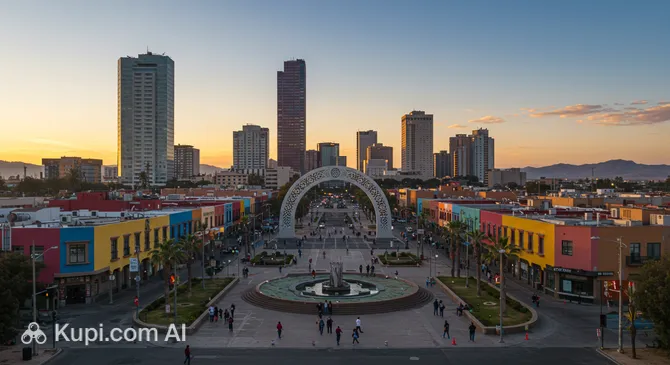
Tijuana. Source: Kupi.Binoculars

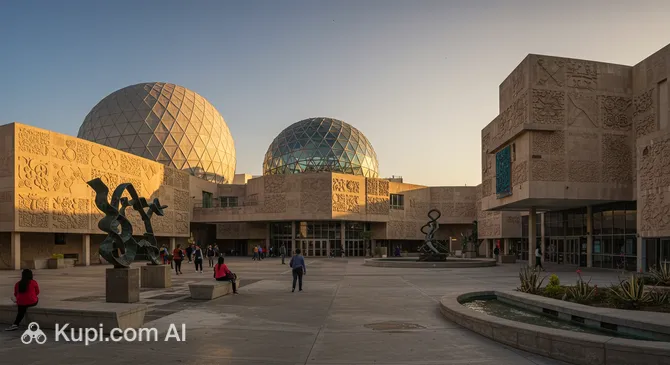
Visitors are often drawn to the iconic Avenida Revolución, the city's main tourist thoroughfare, which is lined with colorful shops, restaurants, and lively entertainment venues. For those interested in art and culture, the Tijuana Cultural Center (CECUT) is an architectural landmark and a must-visit institution showcasing regional and international exhibits. Additionally, the city has gained international acclaim for its distinct Baja Med cuisine and a booming craft beer scene that attracts foodies from across the globe.

Whether you are looking to explore vibrant markets, enjoy the coastal breeze at Playas de Tijuana, or immerse yourself in a rich cultural environment, this city offers an unforgettable adventure. We invite you to discover the authentic charm and modern vibrancy that make Tijuana a truly special destination.
Weather Overview

Travelers visiting this border city can expect a mild, semi-arid climate that is generally pleasant throughout the year. The typical weather in Tijuana is characterized by warm, dry summers and cool, slightly wetter winters. Because of its proximity to the Pacific Ocean, extreme temperatures are rare, making it a comfortable destination for most travelers.

The summer months constitute the warmest period, with August seeing average temperatures around 22.7°C and daily highs reaching up to 25.9°C. This season is exceptionally dry, with months like July and August typically experiencing 0 wet days. In contrast, the winter season is cooler, with January temperatures dropping to an average low of 9.8°C. Rainfall is more common during the cooler months and early spring, with March seeing up to 10 wet days, though precipitation volume generally remains low.

Interesting Facts

Beyond the bustling avenues and vibrant nightlife, Tijuana holds many fascinating secrets that surprise even seasoned travelers. This border city is not just a transit point but a place of culinary invention and unique cultural phenomena.
Tijuana Cultural Center. Source: Kupi.Binoculars
  • One of the most delicious contributions to global cuisine, the Caesar salad, was actually invented in this city. Italian-American restaurateur Caesar Cardini created the famous dish in 1924 at Caesar's Restaurant Bar on Avenida Revolución, reportedly throwing it together with leftover ingredients during a busy Fourth of July weekend.

  • The city is home to a distinctive architectural landmark affectionately known by locals as "La Bola" (The Ball). This spherical structure is the centerpiece of the Tijuana Cultural Center (CECUT), which houses the only IMAX dome theater in the region and serves as a major hub for arts and culture in northwest Mexico.

  • A quirky and enduring symbol of the city is the "Zonkey"—a donkey painted with black and white zebra stripes. This tradition began in the mid-20th century to ensure the light-colored animals would be visible in black-and-white souvenir photographs, and they remain a nostalgic sight for visitors today.

  • Tijuana shares the San Ysidro Port of Entry with San Diego, which is consistently ranked as the busiest land border crossing in the Western Hemisphere. This proximity creates a dynamic transborder metropolis where thousands of people commute daily for work, school, and leisure.

How to Get There

Reaching this vibrant border metropolis is convenient thanks to its well-connected transport infrastructure and proximity to major international hubs. Whether you are arriving from within Mexico or crossing from the United States, there are multiple efficient routes to consider. For a comprehensive guide on all available transport methods, you can read more about how to get to Tijuana to plan your journey effectively.

The most convenient entry point is Tijuana Airport (IATA: TIJ), officially known as General Abelardo L. Rodríguez International Airport. It is a busy modern hub located just 4.4 km from the city center. The airport serves millions of passengers annually and offers numerous domestic connections. A trip by taxi or bus from the terminal to downtown typically takes around 27 minutes, making it an extremely accessible option for travelers.

Another popular option, especially for international travelers, is flying into San Diego International Airport (IATA: SAN) in the neighboring city of San Diego, United States. Situated approximately 27.7 km from Tijuana, this airport handles a very large volume of passenger traffic. The travel time to Tijuana by taxi or shuttle is estimated at about 62 minutes, although travelers should account for potential wait times when crossing the international land border.

For clarity, here is a summary of the main airports:

Airport Name City Passenger Traffic Km from City
San Diego International Airport San Diego Very High 27.7
Tijuana Airport Tijuana High 4.4
John Wayne Airport Santa Ana High 149.4
Palm Springs International Airport Palm Springs Medium 151.4
Mexicali Airport Mexicali Medium 166.7

Main Attractions

Exploring this border city reveals a fascinating array of landmarks that range from iconic architectural monuments to lively recreational spaces. The city's energy is palpable in its public squares and promenades, where history and modern life intersect. Whether you are interested in capturing the perfect photo or spending a relaxing afternoon in nature, there are several key spots you shouldn't miss.

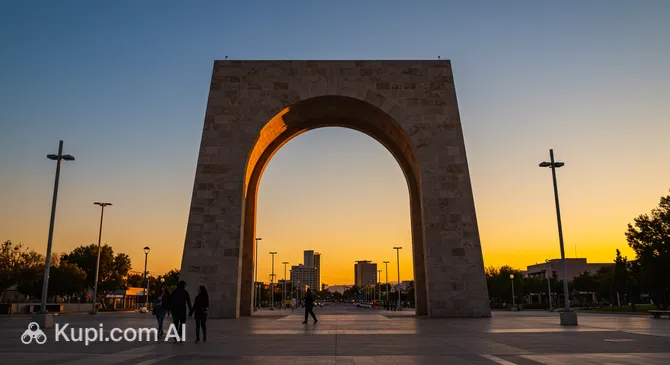
One of the most recognizable symbols of the city is the Tijuana Arch, also known as the Monumental Clock. Standing majestically at the entrance of the famous Avenida Revolución, this giant archway serves as a welcoming beacon to visitors. Its modern design contrasts beautifully with the bustling activity of the surrounding streets, making it a popular backdrop for photographs and a convenient meeting point for starting a tour of the downtown area.

Tijuana Arch. Source: Kupi.Binoculars

For a unique coastal experience, a visit to Tijuana Beach (Playas de Tijuana) is essential. This lively seaside district offers a boardwalk where the border fence extends right into the Pacific Ocean, creating a visually striking and poignant landmark. It is a favorite spot for locals and tourists alike to enjoy seafood, listen to live mariachi music, or simply watch the sunset over the waves in a vibrant, community-focused atmosphere.

Families and science enthusiasts will find plenty to discover at the El Trompo Interactive Museum. Dedicated to promoting science, technology, and art, this modern facility features interactive exhibits that encourage learning through play. It is an excellent destination for those traveling with children, offering a stimulating environment where curiosity is rewarded with hands-on experiments and educational workshops.

El Trompo Interactive Museum. Source: Kupi.Binoculars

If you are looking to escape the urban hustle, Morelos Park provides a vast green sanctuary within the city. As the largest ecological reserve in town, it features a lake, barbecue areas, and a small zoo, making it perfect for a family picnic or a leisurely stroll. The park is a beloved recreational hub where visitors can enjoy nature and observe local wildlife in a peaceful setting.

Another site of great cultural significance is the Sanctuary of Our Lady of Guadalupe (Old Cathedral). As the oldest Catholic church in the city, it stands as a testament to local faith and history. Its architecture and serene interior offer a quiet moment of reflection amidst the vibrant energy of the city center, attracting those interested in religious heritage and traditional design.

Local Cuisine

Tijuana is currently experiencing a culinary renaissance that has placed it firmly on the global gastronomy map. The city is famous for its distinct Baja Med cuisine, a fusion style that combines fresh Mexican ingredients, Mediterranean cooking techniques, and Asian influences. This unique culinary movement takes advantage of the region's excellent seafood, olive oil, and fresh produce, resulting in dishes that are both innovative and deeply rooted in local tradition.

For a true taste of the city, one cannot miss the street food culture, which is legendary among foodies. Tacos are a way of life here, with tacos de adobada (spiced pork shaved from a spit) and charcoal-grilled carne asada being local staples found at busy stalls and food parks throughout the city. Beyond street eats, the city offers exceptional dining experiences where seafood is the star. Restaurants like Lion Fish serve fresh catches from the nearby Pacific, preparing them in styles ranging from classic ceviches to elaborate grilled platters.

Lion Fish. Source: Kupi.Binoculars

A visit to Tijuana would be incomplete without trying the dish that made the city famous worldwide. The original Caesar Salad was invented here, and visitors can still enjoy it prepared tableside at Caesar's Restaurant Bar. Watching the waiters theatrically emulsify the dressing is as much a part of the experience as eating the crisp romaine lettuce and croutons. For a more modern vibe, places like Cabanna Restaurant offer a trendy atmosphere to enjoy fusion bites and socialize.

The beverage scene is equally exciting, particularly for beer enthusiasts. Tijuana is widely considered the capital of craft beer in Mexico, with numerous tasting rooms and breweries scattered throughout the city offering creative local brews. Additionally, the city's proximity to the Valle de Guadalupe wine region means that local menus often feature excellent regional wines, alongside classic tequilas and mezcals, providing the perfect accompaniment to any meal.

Travel Tips

Visiting Tijuana is an exhilarating experience, but navigating this bustling border metropolis in Mexico is much smoother with a bit of insider knowledge. To help you make the most of your trip, we have compiled a set of essential guidelines that cover everything from getting around to local customs.

  1. Clothing and Gear: Since the city enjoys a semi-arid climate, the key to comfort is layering. Days can be warm and sunny, but temperatures often drop significantly once the sun sets, so bring a light jacket or sweater for the evenings. Comfortable walking shoes are a must, especially if you plan to explore the uneven sidewalks of Avenida Revolución or the boardwalk. If you visit religious sites, modest attire covering shoulders and knees is respectful.
  2. Transportation: While there is a network of local buses and vans known as calafias, they can be confusing for first-time visitors. The most convenient and safe option for tourists is to use ride-hailing apps like Uber or DiDi, which are widely available and affordable. If you prefer traditional taxis, agree on the fare before getting in, as meters are not always used. Renting a car is generally unnecessary unless you plan to travel further south into Baja California.
  3. Finances: The official currency is the Mexican Peso (MXN). While US dollars are accepted almost everywhere in tourist zones, you will often get a better exchange rate if you pay in pesos. It is advisable to carry cash, preferably in smaller denominations, for street food tacos and small souvenirs. Credit cards are accepted in established restaurants and hotels, but always ask beforehand. Tipping between 10% and 15% is standard for good service.
  4. Health and Safety: You will find an abundance of pharmacies in the city, many of which are open 24/7 and clearly marked; "Farmacia Roma" is a common reliable chain. For general safety, stick to well-populated tourist areas like Zona Río and Centro, especially at night. Be cautious with your belongings in crowded places, and always drink bottled water instead of tap water to avoid stomach issues.
  5. Communication: Spanish is the official language, but due to the proximity to the border, English is very widely spoken, particularly in the service industry. However, learning a few basic Spanish phrases like hola (hello) and gracias (thank you) is always appreciated by locals. Wi-Fi is common in cafes and hotels, and buying a local SIM card at a convenience store like OXXO is cheap and easy if you need constant connectivity.
  6. Local Etiquette: Locals are generally warm and polite. A friendly greeting of "Buenos días" or "Buenas tardes" when entering a shop or interacting with someone is the norm. Handshakes are common, and people may stand closer during conversation than you might be used to; this is simply a sign of engagement. Patience is a virtue here, as the pace of life can be more relaxed than north of the border.
  7. What to Avoid: Do not drink alcohol on the street unless you are in a specifically designated tourist zone where it is explicitly permitted, as public intoxication can lead to fines or arrest. Additionally, avoid any involvement with illegal drugs; strict laws are enforced, and it is best to stay completely clear of any illicit offers to ensure a trouble-free visit.
  8. Border Crossing Tip: If you are returning to the US by land, be prepared for long wait times at the San Ysidro Port of Entry. The lines can take hours, especially on weekends and holidays. It is a smart "life hack" to check border wait times online or via specific apps before you head to the crossing, or consider crossing during off-peak hours (late night or very early morning) to save time.

By keeping these practical tips in mind, you can focus on what truly matters: soaking up the vibrant atmosphere and enjoying the world-class cuisine of this unique city. Tijuana is a place that rewards the adventurous and the prepared, promising a memorable journey filled with authentic hospitality.

Entertainment & Nightlife

Tijuana has a legendary reputation for its nightlife, and the city certainly lives up to the hype. As the sun sets, the energy shifts from bustling commerce to vibrant revelry, offering everything from thumping nightclubs and chic lounges to traditional cantinas. The scene here is diverse, catering to college students, craft beer aficionados, and salsa dancers alike. Whether you are looking for a sophisticated evening of cocktails or a night of dancing until dawn, this border city has a spot for you.

The heart of the action has traditionally been Avenida Revolución, particularly around Calle Sexta (6th Street). This area has transformed in recent years into a hipster haven, famous for its concentration of tasting rooms and mezcal bars. Here, the atmosphere is relaxed and bohemian, with no strict dress code. Locals and tourists mingle in open-air courtyards, enjoying the region's famous craft beers. For a more upscale experience, the Zona Río district offers stylish venues where the crowd is dressed to impress, and the music leans towards electronic and top 40 hits.

If you are looking to hit the dance floor, Menealo Nightclub is a popular choice for those who love Latin rhythms. It is the perfect place to practice your salsa and bachata moves in a lively, welcoming environment. For a different vibe, the Sticky Social Savage Club offers a modern clubbing experience with eclectic beats and a high-energy crowd, making it a staple for late-night entertainment in the city.

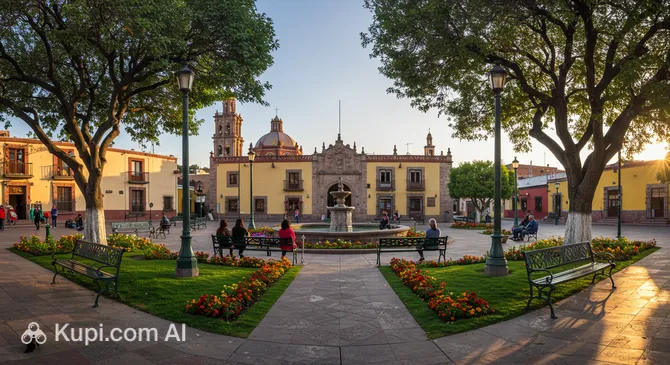
Santa Cecilia Plaza. Source: Kupi.Binoculars

For a truly authentic Mexican experience, you must visit Santa Cecilia Plaza, located just off the main tourist strip. Known as the "Plaza del Mariachi," this pedestrian square is filled with restaurants and stages where mariachi bands play throughout the evening. It is an excellent spot to start your night with some live folk music, tequila, and a festive atmosphere before heading to the clubs.

Practical advice is essential for enjoying the night safely. Most clubs and bars stay open very late, often until 3:00 AM or 4:00 AM on weekends. Prices are generally lower than in the United States, with beers and cocktails being quite affordable, though upscale venues in Zona Río will charge premium rates. When moving between districts, always use ride-sharing apps like Uber or Didi. They are safe, reliable, and overcome the language barrier. Avoid walking alone on unlit side streets, and stick to the busy, well-populated areas mentioned above.

While the nightlife is a major draw, Tijuana also offers entertaining options for the daylight hours. Before the party starts, you can explore quirky attractions like the Tijuana Wax Museum, which houses a collection of figures ranging from history to pop culture. Shopping malls like Macroplaza Insurgentes also provide a mix of cinema, shopping, and dining, offering a more relaxed way to spend your afternoon.

Parks & Museums

Beyond its bustling avenues and border dynamics, Tijuana offers a surprising array of green sanctuaries and cultural institutions that provide a deeper look into the city's soul. From historic plazas filled with local life to quirky museums celebrating niche interests, the city presents numerous opportunities for relaxation and discovery away from the main tourist strip.

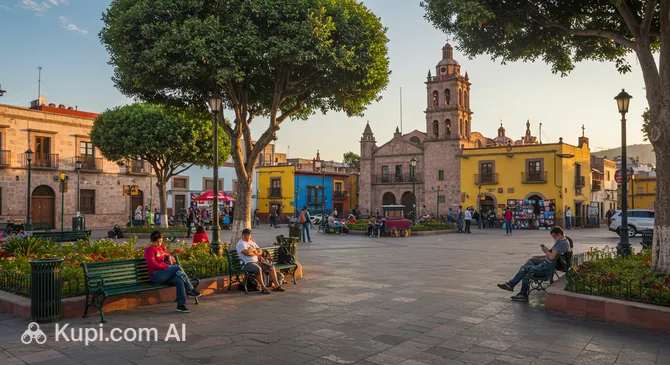
For a taste of traditional local life, Teniente Guerrero Park is a charming historic space located in the heart of downtown. Unlike the modern commercial zones, this park retains an old-world atmosphere where elderly residents gather to play chess under the shade of mature trees, and street vendors sell snacks to families. It is an excellent spot to take a break and observe the authentic daily rhythm of the city.

Teniente Guerrero Park. Source: Kupi.Binoculars

Those seeking a larger recreational area should head to Morelos Park, the city's most extensive ecological reserve. This vast green lung is a favorite among locals for weekend barbecues and outdoor activities. Within its grounds, you will also find the Morelos Zoo, which houses a variety of animal species and offers educational programs, making it a fantastic destination for travelers with children who want to combine nature with learning.

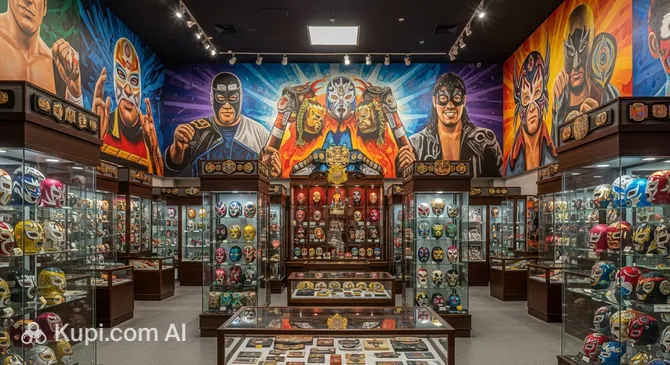
Tijuana's museum scene is as eclectic as the city itself. A standout attraction is the Mexican Wrestling Museum (Museo de la Lucha Libre Mexicana). This venue is dedicated to the colorful and dramatic world of Lucha Libre, displaying an impressive collection of masks, capes, and memorabilia that narrate the history of this beloved Mexican sport. It provides a fascinating insight into a cultural phenomenon that is deeply ingrained in the national identity.

Mexican Wrestling Museum. Source: Kupi.Binoculars

Another unique cultural venue is the Tijuana Collector's Museum, situated in the downtown area. This museum showcases an immense array of toys, comics, and pop culture artifacts, appealing to nostalgia and history buffs alike. Of course, no cultural tour is complete without acknowledging the Tijuana Cultural Center (CECUT), whose iconic spherical architecture houses art galleries and performance spaces that host the region's most prestigious events.

For admirers of unusual architecture, the Tijuana Mona is a must-see landmark. Located in the Colonia Aeropuerto district, this 17-meter-tall sculpture of a woman is actually a functional five-story house. Designed and built by a local artist, "La Mona" has become an urban legend and a symbol of artistic expression in the city, offering a quirky photo opportunity for those willing to venture off the beaten path.

Tijuana Mona. Source: Kupi.Binoculars

For an authentic insider experience, explore the hidden art passages in downtown, such as Pasaje Rodriguez. These alleyways are often filled with murals, small independent bookstores, and coffee shops that reflect the city's thriving underground art scene, often missed by tourists sticking solely to Avenida Revolución.

Getting Around

Navigating Tijuana requires a bit of adventurous spirit, as the city does not have a metro or tram system. Instead, the public transport network relies heavily on a vast web of buses, minibuses, and shared taxis that cover nearly every corner of the urban area. For tourists, the system can seem complex at first due to the sheer variety of vehicles and routes, but it is an affordable and authentic way to experience the local rhythm of life.

The most modern component of the network is the SITT (Sistema Integral de Transporte de Tijuana), a Bus Rapid Transit system designed to streamline travel along the city's main arteries. These distinctive red buses operate on dedicated lanes and stop at fixed stations, making them somewhat easier for visitors to navigate than other options. They connect key areas like the downtown zone (Centro) with the border crossing and other major districts, offering a more structured travel experience.

However, the most iconic and ubiquitous form of transport is the Calafia. These are minibuses or converted vans that zip through neighborhoods where larger buses cannot go. They are often color-coded (e.g., red and cream, green and white) to indicate their specific route. Alongside them are the Taxis de Ruta (Route Taxis), which function like buses but use station wagons or sedans. These shared taxis follow a set path and pick up passengers until the vehicle is full. They are faster than buses and are a staple of daily commuting for locals.

When it comes to payment, cash is the absolute rule. There are no universal travel cards or digital apps for paying fares across the different bus and taxi lines. You must pay the driver directly upon boarding. Fares are generally very low, typically ranging between 15 and 20 pesos depending on the distance and the type of vehicle. It is essential to carry coins or small bills, as drivers often do not have change for large denominations.

For tourists who prefer more comfort and convenience, ride-sharing apps like Uber and DiDi are widely available and highly recommended. They offer a safe, reliable, and language-barrier-free alternative to the public system. You can track your journey in real-time and pay via the app, avoiding the need to negotiate fares or carry cash. Traditional "Taxis Libres" (white cars with orange or green stripes) are also available, but you should always agree on the price before getting in or ensure the meter is running.

A few practical tips will help you navigate smoothly: public transport generally operates from early morning (around 5:00 AM) until late evening (around 10:00 PM or 11:00 PM), though frequency drops significantly at night. Stops for Calafias and Route Taxis can be informal; while there are designated stops, locals often flag them down or ask to get off at convenient corners. If you choose to use the public system, keep your belongings close and be prepared for a lively, crowded, and uniquely local journey.

Accommodation

Finding the perfect place to stay in this bustling border metropolis is relatively easy, as the city offers a diverse range of accommodation options to suit every budget and travel style. Visitors can choose from internationally recognized luxury chains and modern business hotels to charming boutique inns and budget-friendly hostels. In recent years, there has also been a surge in vacation rentals and apartments, providing a more home-like experience for those planning longer visits.

For travelers seeking comfort, safety, and proximity to high-end amenities, the Zona Río district is the most popular choice. Often referred to as the city's financial center, this area is home to upscale hotels that cater to business travelers and medical tourists. Staying here places you within walking distance of major shopping centers, excellent restaurants, and the main business hubs, making it a convenient base for exploring the modern side of the city.

If you prefer to be in the heart of the action, the Centro (Downtown) area offers a more vibrant and energetic atmosphere. This district is ideal for backpackers and those looking for affordable lodgings near the famous Avenida Revolución. While the hotels here are generally older and more modest, they offer unbeatable access to the city's legendary nightlife, cultural museums, and street food scene.

For a more relaxed and scenic experience, consider staying in Playas de Tijuana. Located along the coast, this neighborhood feels distinct from the urban rush of the city center. Accommodation here often consists of smaller hotels and vacation rentals with ocean views. It is the perfect spot for travelers who want to enjoy the sunset at Tijuana Beach and experience the laid-back local boardwalk culture while still being a short drive from downtown.

Tijuana Beach. Source: Kupi.Binoculars

Booking Tips and Prices: Generally, accommodation prices are significantly lower than in neighboring San Diego, making the city an attractive option for budget-conscious travelers. You can typically find comfortable mid-range rooms for a fraction of the cost of US equivalents. However, it is highly recommended to book in advance, especially if you plan to visit during weekends or US holidays, as occupancy rates can spike. Online booking platforms are widely used and reliable, though many smaller establishments also accept direct reservations.

Nearby Cities

For those looking to explore the surroundings, Tijuana serves as an excellent base for day trips to several interesting nearby locations:

One of the most popular destinations is Ensenada, located just a short drive south along the spectacular coastline. Known as the "Cinderella of the Pacific," this port city is famous for its delicious seafood, particularly fish tacos, and its lively fish market. Visitors flock here to see La Bufadora, one of the largest marine geysers in the world, and to use the city as a gateway to the nearby Valle de Guadalupe, Mexico's premier wine country.

Heading east, travelers can visit Mexicali, the capital of the state of Baja California. This city offers a distinct desert charm and is culturally renowned for its significant Chinese heritage. It is widely considered the best place in the country to enjoy Chinese-Mexican cuisine, a unique culinary fusion that developed over the last century. Mexicali provides a fascinating contrast to the coastal vibe of Tijuana, showcasing the diverse history of the border region.

City Population Distance (km)
Mexicali 1,102,342 147
Ensenada 557,430 85
Nogales 264,782 591
San Luis Río Colorado 176,685 211
Las Delicias 114,783 94

These nearby destinations offer a glimpse into the diverse culture and landscapes of the region.

Shopping & Souvenirs

Shopping in Tijuana offers a vibrant mix of traditional Mexican charm and modern retail convenience, making it a paradise for bargain hunters and culture seekers alike. The city is renowned for its diversity, where you can find everything from handcrafted artisanal goods and colorful folk art to contemporary fashion and electronics. Whether you are looking for a unique memento or a day of browsing through expansive malls, the city provides an exciting array of options that cater to every budget and taste.

The most iconic shopping district for visitors is undoubtedly Avenida Revolución in the downtown area. This historic street is lined with endless curio shops, arcades, and boutiques catering specifically to tourists. Here, you can browse for leather goods, silver jewelry, and vibrant textiles while soaking in the lively atmosphere. For a more upscale and modern experience, the Zona Río district serves as the city's commercial heart, featuring wide boulevards filled with department stores and chic boutiques that offer international brands.

For those who prefer the comfort of large shopping centers, the city boasts several impressive malls. Macroplaza Insurgentes is one of the most popular destinations, offering a vast selection of retail stores, a cinema, and numerous dining options, making it a perfect spot for a full day of entertainment. Another notable location is Plaza La Pajarita, which provides a convenient mix of shops and services for locals and visitors alike.

Macroplaza Insurgentes. Source: Kupi.Binoculars

To experience the authentic flavors and colors of the region, a visit to a traditional market is essential. Mercado Hidalgo is the oldest and most famous open-air market in the city. It is a sensory delight where stalls are piled high with fresh produce, dried chilies, traditional candies, and piñatas. It is also an excellent place to find authentic Mexican crafts and pottery at reasonable prices, offering a stark contrast to the tourist-focused shops on the main strip.

When it comes to souvenirs, Tijuana is famous for its high-quality leather goods, including boots, jackets, and bags, often available at a fraction of the price found north of the border. Silver jewelry is another popular buy, along with colorful Mexican blankets, hand-painted ceramics (Talavera), and bottles of authentic vanilla. For spirits enthusiasts, a bottle of premium tequila or mezcal makes for a classic gift to bring home.

Most shops generally open around 10:00 AM and close between 8:00 PM and 9:00 PM, though hours can vary on Sundays. Payment methods are flexible; while the Mexican Peso is the official currency, US Dollars are widely accepted in tourist areas, markets, and many stores. However, carrying smaller bills is recommended for street vendors. Credit and debit cards are commonly accepted in malls and larger establishments, but cash is king in traditional markets.

International tourists shopping in Mexico may be eligible for a refund on the Value Added Tax (IVA) for certain purchases through the "Moneyback" program. To qualify, you typically need to spend a minimum amount at affiliated stores and present your passport and immigration form. Look for the "Tax Free" signage in shop windows and ask for the necessary paperwork at the time of purchase to claim your refund at the airport or border crossing.

Reached the end of the page?

That means the route is fully explored