Support

Los Angeles

About

Welcome to Los Angeles, the sprawling "City of Angels" that captures the imagination of travelers worldwide. As the entertainment capital of the world, this vibrant metropolis in the United States is synonymous with glamour, creativity, and endless sunshine. From the glitz of Hollywood to the laid-back vibes of its coastal neighborhoods, Los Angeles offers a unique atmosphere where dreams are chased and diverse cultures thrive together.

Los Angeles. Source: Kupi.Binoculars

Located in Southern California, the city is renowned for its idyllic Mediterranean climate, boasting warm, sunny days year-round. It stands as a massive urban hub with a significant population, serving as a major economic and cultural center. Exploring the history of Los Angeles reveals a fascinating transformation from a small settlement into a global powerhouse of industry, cinema, and art, shaping the modern identity of the West Coast.

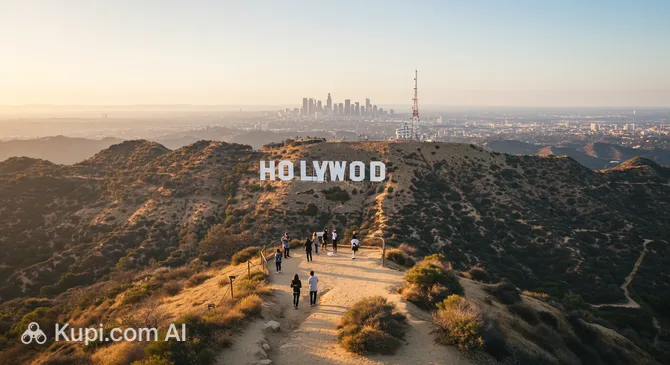
Visitors are spoiled for choice with iconic landmarks and activities. You can gaze at the famous Hollywood Sign, stroll along the star-studded Walk of Fame, or enjoy the ocean breeze at the historic Santa Monica Pier. For breathtaking views of the city grid and the stars above, a trip to the Griffith Observatory is an absolute must. Whether you are seeking cinematic magic, artistic inspiration at the Getty Center, or simply a relaxing day by the Pacific Ocean, Los Angeles invites you to experience its magic firsthand.

Weather Overview

Los Angeles is famous for its idyllic Mediterranean climate, offering visitors plenty of sunshine and comfortable conditions almost all year round. The summer months are characteristically warm and dry, with August seeing average temperatures of 25.6°C and highs peaking around 32.0°C. During this season, rainfall is virtually non-existent, ensuring clear blue skies for your outdoor adventures.

Winters in the city are mild and generally pleasant compared to many other destinations. In January and December, average temperatures hover around 13°C, with nighttime lows rarely dipping below 7°C. While the volume of precipitation remains low, the frequency of wet days increases slightly in the cooler months, particularly in March. To help plan your packing list, you can check the current weather in Los Angeles before your trip.

Expect hot, arid summers perfect for the beach and mild winters with occasional rainy days. Spring and autumn offer delightful transitional weather, though temperatures vary between the two seasons. April typically sees ranges from 10.6°C to 23.0°C, while October is generally warmer, with lows around 14.3°C and highs reaching up to 27.5°C, making both months excellent times for sightseeing.

Interesting Facts

Beyond the main attractions, Los Angeles holds many fascinating secrets that reveal the city's complex layers. From hidden geological wonders to surprising historical origins, there is much more to this sprawling metropolis than just the entertainment industry.
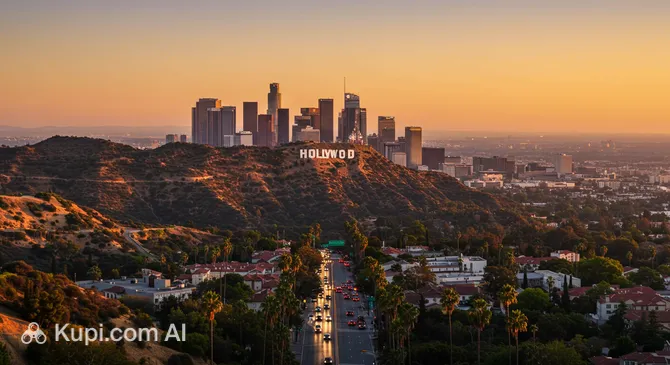
Hollywood Sign. Source: Kupi.Binoculars
  • The world-famous Hollywood Sign was not originally created to represent the movie business. When it was erected in 1923, it read "HOLLYWOODLAND" and served as a massive outdoor billboard for a new suburban real estate development. The last four letters were only removed in 1949 during a renovation to reflect the district's name rather than the housing project.

  • Los Angeles sits atop the third-largest oil field in the country, a fact often overlooked by visitors. Active oil wells are still scattered throughout the city, often cleverly disguised to blend in with the urban environment. Some derricks are hidden inside tall, windowless structures that look like office buildings or decorated towers, particularly in the mid-city area.

  • You can witness the prehistoric past right in the center of the city at the La Brea Tar Pits and Museum. It is one of the only active paleontological excavation sites located in a major urban area, where natural asphalt has been bubbling up from the ground for tens of thousands of years, trapping magnificent Ice Age creatures like mammoths and saber-toothed cats.

  • The city has one of the longest original names of any municipality. When it was founded in 1781 by Spanish settlers, it was named "El Pueblo de Nuestra Señora la Reina de los Ángeles de Porciúncula," which translates to "The Town of Our Lady the Queen of the Angels of Porciúncula." Over time, this was shortened to simply Los Angeles.

How to Get There

Getting to the entertainment capital of the world is relatively straightforward, thanks to its status as a major global hub. Whether you are flying in from across the ocean or driving from a neighboring state, there are numerous options to suit your itinerary. For a complete overview of all transportation methods, including driving directions and bus services, you can read more about how to get to Los Angeles on our detailed page.

Most international and domestic travelers arrive via Los Angeles International Airport (IATA: LAX). Located within the city limits, it is one of the busiest airports in the world and serves as the primary gateway to the region. A taxi or rideshare from LAX to the city center typically takes around 50 minutes, depending on the notorious LA traffic. It handles a massive volume of passengers annually, offering connections to almost every corner of the globe.

If you are planning to stay closer to Disneyland or the coastal areas of Orange County, you might consider flying into John Wayne Airport (IATA: SNA). Please note that this airport is located in the city of Santa Ana, approximately 54.6 km from downtown Los Angeles. The journey by car usually takes about 1 hour and 45 minutes. It is a popular alternative with significant passenger traffic, offering a slightly more relaxed arrival experience compared to the bustle of LAX.

Another excellent option, especially for those heading to Hollywood or the San Fernando Valley, is Hollywood Burbank Airport (IATA: BUR). Situated in the city of Burbank, it is roughly 19.4 km from the center of Los Angeles. The travel time by taxi is approximately 50 minutes. While smaller than LAX, it is highly favored by locals for its convenience and ease of access.

For clarity, here is a summary of the main airports serving the greater Los Angeles area:

Airport Name City Passenger Traffic Km from City
Los Angeles International Airport Los Angeles Very High 19.8
John Wayne Airport Santa Ana High 54.6
Hollywood Burbank Airport Burbank Medium 19.4
Long Beach Airport Long Beach Medium 27.6
Hawthorne Hawthorne Low 17.0

Beyond air travel, Los Angeles is well-connected by rail and road. Visitors can arrive by train at the historic Union Station in downtown LA, which serves as a major hub for Amtrak long-distance routes and regional Metrolink trains. For those who prefer driving, the city is accessible via several major interstate highways, including the I-5 and I-10, though travelers should always account for potential traffic delays when planning their arrival times.

Main Attractions

Los Angeles is a city where imagination meets reality, offering a diverse array of attractions that cater to thrill-seekers, art enthusiasts, and nature lovers alike. From the magic of the movies to the serenity of coastal views, the city's landmarks are as varied as its neighborhoods.

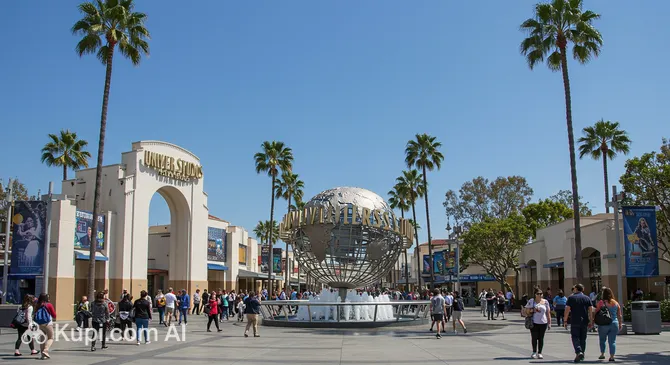
One of the most famous destinations is Universal Studios Hollywood, which serves as both a working film studio and a world-class theme park. Visitors can take the legendary Studio Tour to see behind-the-scenes sets of iconic movies or immerse themselves in themed areas like The Wizarding World of Harry Potter. It is a top choice for tourists because it combines the history of cinema with cutting-edge rides and entertainment.

Universal Studios Hollywood. Source: Kupi.Binoculars

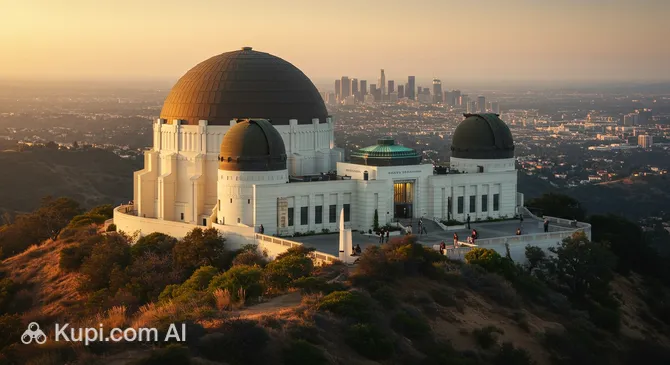
For those seeking breathtaking views and a touch of science, the Griffith Observatory is an essential stop. Perched on the slopes of Mount Hollywood, it offers free public telescopes and fascinating astronomy exhibits. It is particularly interesting to travelers for its panoramic vistas of the Los Angeles basin and its prime vantage point for viewing the Hollywood Sign, making it a perfect spot for sunset photography.

Griffith Observatory. Source: Kupi.Binoculars

A trip to the coast would not be complete without visiting the Santa Monica Pier. This historic landmark marks the end of the legendary Route 66 and features an aquarium, restaurants, and the Pacific Park amusement area. The pier is famous for its solar-powered Ferris wheel and lively atmosphere, offering a classic Californian beach experience where you can enjoy the ocean breeze and watch street performers.

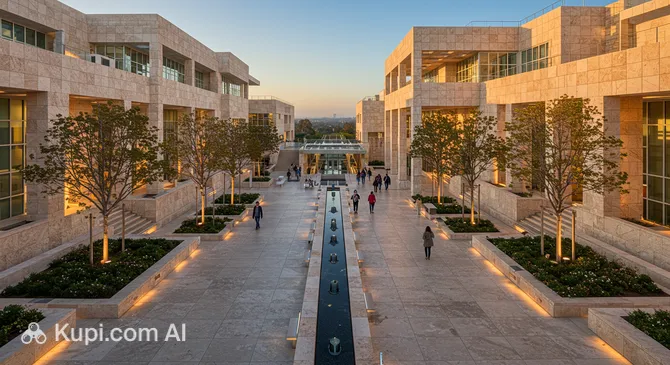
Art and architecture enthusiasts will find a haven at The Getty Center. Located on a hilltop in the Santa Monica Mountains, this museum houses an extensive collection of European paintings, sculptures, and decorative arts. Beyond the galleries, the site is celebrated for its stunning modern architecture, evolving Central Garden, and sweeping views of the city, providing a peaceful retreat from the urban hustle.

The Getty Center. Source: Kupi.Binoculars

For a unique and tranquil experience, explore the Venice Canal Historic District. Modeled after Venice, Italy, this charming neighborhood features man-made canals lined with eclectic homes and connected by pedestrian bridges. It offers a delightful contrast to the busy boardwalk nearby, inviting visitors to take a leisurely stroll through one of the city's most picturesque and hidden gems.

Local Cuisine

The culinary landscape of Los Angeles is as diverse and expansive as the city itself, offering a true melting pot of flavors that reflects its multicultural population. Known for initiating global food trends, the city combines access to fresh Californian produce with authentic international cuisines. From high-end Michelin-starred establishments to legendary food trucks parked on street corners, dining here is an adventure that caters to every palate and budget.

One of the most iconic experiences in Southern California is grabbing a burger at In-N-Out. This beloved fast-food chain has achieved a cult following for its simple yet high-quality menu, featuring fresh beef patties and hand-cut fries. It is a quintessential stop for visitors wanting to taste a classic piece of West Coast culture, often enjoyed "Animal Style" from the secret menu.

The city's food scene is also heavily defined by its rich Latin American influences. Tacos and street food are a way of life here, but for delicious Cuban pastries and sandwiches, Porto's Bakery and Cafe is a local institution. Famous for its potato balls and cheese rolls, this family-owned bakery draws crowds from all over the region, making it a must-visit destination for food lovers.

For those seeking a vibrant mix of dining and entertainment, L.A. Live in downtown Los Angeles offers a concentration of upscale restaurants, casual eateries, and bars. It is a bustling hub where you can enjoy a meal before a show or a game, capturing the energetic urban atmosphere of the city. Whether you are craving fresh sushi, authentic Mexican street corn, or health-conscious farm-to-table dishes, Los Angeles promises a memorable gastronomic journey.

Travel Tips

Planning a trip to Los Angeles can be as exciting as it is overwhelming due to its sheer size and diversity. To help you navigate the sprawling streets and distinct neighborhoods with ease, we have compiled a list of essential tips for a smooth and enjoyable Californian adventure.

  1. Clothing and Gear: The weather is generally pleasant, but temperatures can fluctuate significantly between day and night. It is best to pack layers; a light jacket or sweater is essential for cool evenings and air-conditioned interiors, even in summer. Comfortable walking shoes are a must, especially if you plan to visit theme parks or hike in the hills. Don't forget sunglasses and high-SPF sunscreen, as the sun is strong year-round.

  2. Transportation: Los Angeles is famous for its car culture, and renting a car is often the most efficient way to see the widespread attractions. However, be prepared for heavy traffic, particularly during rush hours (7:00–10:00 AM and 3:00–7:00 PM). Alternatively, ride-hailing apps like Uber and Lyft are ubiquitous. The Metro rail and bus system is a budget-friendly option that has improved significantly, effectively connecting key areas like Downtown and Santa Monica, though it may take longer than driving.

  3. Finances: The local currency is the US Dollar (USD). Credit and debit cards are accepted almost everywhere, from high-end boutiques to taco trucks, so you rarely need to carry large amounts of cash. ATMs are widely available. Tipping is a critical part of the culture in the United States; it is standard practice to leave 18-20% of the bill at restaurants, bars, and for taxi drivers.

  4. Health and Safety: Pharmacies like CVS and Walgreens are easy to find, with many locations open 24 hours. For emergencies, dial 911. While most tourist zones are safe, it is wise to stay aware of your surroundings and avoid walking alone in unfamiliar or poorly lit areas at night. The air can be dry, so staying hydrated is important, especially if you are spending the day outdoors.

  5. Communication: English is the primary language, though you will hear a vast array of languages, with Spanish being extremely common. Free Wi-Fi is available in most coffee shops, hotels, and public spaces. If you need mobile data, prepaid SIM cards can be purchased at the airport or mobile provider stores. Apps like Google Maps or Waze are indispensable for navigating the complex freeway system.

  6. Local Etiquette: Angelenos are generally laid-back and friendly. A simple "Hi, how are you?" is a standard greeting. Personal space is valued, so try not to crowd others in lines. Smoking is strictly prohibited in most indoor public places, including restaurants and bars, and often in outdoor parks and beaches as well.

  7. What to Avoid: Do not underestimate the distances between neighborhoods. Los Angeles is massive, and walking from one district to another (e.g., from Hollywood to Beverly Hills) is rarely feasible. Avoid scheduling too many activities in different parts of the city on the same day, as travel time can be unpredictable.

  8. Additional Tip: Be aware of "June Gloom." In late spring and early summer, the mornings often start with a thick marine layer of clouds and fog that usually burns off by the afternoon. Don't let a gray morning discourage your beach plans, as the sun typically breaks through later in the day.

By keeping these practical pointers in mind, you will be well-equipped to embrace the laid-back rhythm of the West Coast. Whether you are chasing sunsets on the beach or spotting stars in Hollywood, a little preparation ensures your visit will be as magical as the movies.

Entertainment & Nightlife

When the sun sets over the Pacific, Los Angeles transforms into a vibrant playground that caters to every nocturnal whim. The city's nightlife is as diverse as its population, ranging from glamorous rooftop lounges in Downtown to gritty rock clubs on the Sunset Strip. Whether you are looking to dance the night away, catch a live band, or sip craft cocktails in a hidden speakeasy, the "City of Angels" offers an electrifying after-dark experience.

For those seeking the quintessential Hollywood experience, the Sunset Strip in West Hollywood is legendary. This stretch of road has been the epicenter of the music scene for decades. Here, you can visit the iconic Whisky a Go Go, a venue that launched the careers of some of the biggest names in rock 'n' roll. The atmosphere here is steeped in history, often loud, energetic, and perfect for music lovers wanting to catch the next big act.

If you prefer a more sophisticated evening, Downtown Los Angeles (DTLA) and the Arts District have emerged as hotspots for nightlife. This area is known for its restored historic buildings and trendy bars. A prime example of the city's architectural beauty meeting entertainment is The Wiltern. Located on the edge of Koreatown, this Art Deco landmark hosts a variety of concerts and events in a stunningly opulent setting.

For a uniquely Californian experience under the stars, catching a show at the Hollywood Bowl is a must. This famous outdoor amphitheater hosts everything from orchestral performances to major pop concerts. Visitors are often allowed to bring their own picnic baskets and wine to certain events, creating a relaxed and communal atmosphere that defines the perfect LA summer night.

Practical Advice: Most bars and clubs in Los Angeles close strictly at 2:00 AM, so it is best to start your night early, around 9:00 or 10:00 PM. Dress codes vary significantly by neighborhood; while Hollywood and upscale Beverly Hills venues often require stylish attire (no shorts or flip-flops), areas like Silver Lake and Echo Park are much more casual and hipster-friendly. Cover charges for clubs can range from $20 to over $100 depending on the DJ or event, so checking ahead is recommended.

Safety and Transport: Los Angeles is vast, and public transport options like the Metro run less frequently late at night. The safest and most convenient way to get around after dark is by using rideshare apps like Uber or Lyft. If you are exploring nightlife districts like Hollywood Boulevard, stick to the busy, well-lit areas and avoid wandering into deserted side streets. Always keep an eye on your belongings in crowded venues.

While the nightlife is thrilling, do not overlook the city's daytime entertainment options. Los Angeles is a global hub for amusement parks, including the magical world of Universal Studios and the seaside fun of Pacific Park. Culture vultures can spend days exploring world-class museums or catching a matinee at one of the historic theaters on Broadway, ensuring that the entertainment never stops, day or night.

Parks & Museums

Beyond the glitz of the entertainment industry, Los Angeles offers a surprising abundance of lush green spaces and a world-class museum scene that rivals any global capital. From sprawling mountain ranges within city limits to cutting-edge contemporary art galleries, the city provides endless opportunities for cultural enrichment and outdoor exploration.

Nature lovers should not miss the Santa Monica Mountains National Recreation Area. This vast network of parks and open spaces stretches from the city to the ocean, offering hundreds of miles of hiking trails, stunning canyon views, and a chance to escape the urban sprawl. It is the world's largest urban national park, making it a perfect spot for trekking, mountain biking, or simply enjoying the native wildflowers and wildlife.

For a more manicured but equally breathtaking experience, visit The Huntington Library, Art Museum, and Botanical Gardens in nearby San Marino. This magnificent estate features themed gardens, including a stunning Japanese Garden and a desert garden filled with rare succulents. Inside, visitors can view rare manuscripts and European art, making it a comprehensive destination for both nature and culture enthusiasts.

The city's art scene is anchored by the Los Angeles County Museum of Art (LACMA), the largest art museum in the western United States. It houses an impressive collection spanning history and geography, but it is perhaps most famous for "Urban Light," an installation of restored street lamps that has become an iconic symbol of the city. It is a fantastic place to wander through diverse artistic eras, from ancient times to the present day.

Just down the street, you will find the Petersen Automotive Museum, a must-visit for car enthusiasts. The building itself is an architectural marvel, wrapped in stainless steel ribbons. Inside, it celebrates the history and artistry of the automobile, featuring rare race cars, Hollywood vehicles, and rotating exhibits that explore the impact of car culture on life in Southern California.

Downtown Los Angeles is home to The Broad, a contemporary art museum known for its striking honeycomb-like architecture and free general admission. It houses an extensive collection of postwar and contemporary art, including works by Andy Warhol and Roy Lichtenstein. Visitors often flock here to experience the immersive "Infinity Mirror Rooms" by Yayoi Kusama, which offer a unique and mesmerizing visual experience.

For a deep dive into the natural world, the Natural History Museum of Los Angeles County in Exposition Park is a fascinating destination. It boasts one of the most impressive dinosaur halls in the world, featuring a trio of T. Rex specimens at different life stages. Beyond the prehistoric fossils, visitors can explore extensive gem and mineral collections, intricate dioramas, and nature gardens that highlight the local biodiversity of the region.

For a quieter, insider experience, explore the grounds of Greystone Mansion & Gardens in Beverly Hills. While the mansion's interior is usually closed to the public except for special events, the park grounds are open daily and free to visit. It offers a peaceful retreat with beautifully maintained English gardens and fountains, often recognizable as a filming location for numerous movies and TV shows.
Getting Around

Getting Around:

Navigating Los Angeles is an adventure in itself, given the city's immense size and sprawling layout. While the metropolis is famously known for its car culture, there is a growing variety of transportation options available to visitors. Understanding the mix of public transit, driving, and ridesharing is key to maximizing your time and seeing the diverse neighborhoods scattered across the basin.

The Metro Rail and Metro Bus systems offer an affordable and increasingly convenient way to travel, especially between major tourist hubs. The rail network consists of several lines, with the E Line (Expo) being particularly popular for travelers as it connects Downtown LA to Santa Monica in about 50 minutes. The B Line (Red) is useful for reaching Hollywood and Universal City. To ride, you must purchase a reusable TAP card, available at vending machines in stations, and load it with fare. Fares are budget-friendly, and day passes are available for unlimited rides.

For those who prefer the flexibility of driving, renting a car is a common choice. It allows you to explore hidden gems and scenic routes like the Pacific Coast Highway at your own pace. However, drivers should be prepared for the city's legendary traffic congestion, particularly during morning and evening rush hours. Parking can also be challenging and expensive in popular areas like Santa Monica and Downtown; look for public parking structures which are often cheaper than street meters or valet services. Keep an eye out for "HOV" (High Occupancy Vehicle) lanes on freeways, which require two or more passengers.

Rideshare services like Uber and Lyft are ubiquitous and often the most stress-free way to get around if you want to avoid parking hassles. They are available 24/7 and can drop you off right at the entrance of your destination. Traditional taxis are less common to hail on the street but can be found at hotel stands or booked in advance. For short distances within neighborhoods like Venice or Downtown, electric scooters and the Metro Bike Share program provide a fun, open-air alternative for getting from point A to point B.

While Los Angeles is not traditionally known as a walking city due to the long distances between districts, many individual neighborhoods are highly walkable. Areas such as West Hollywood, Santa Monica, and Old Pasadena are perfect for exploring on foot once you have arrived. Planning your day by grouping activities within specific zones will significantly reduce your travel time and help you avoid spending your vacation sitting in traffic.

Accommodation

Finding the perfect place to stay in Los Angeles is a key part of the travel experience, as the city offers an incredible variety of accommodation options to suit every lifestyle and budget. From world-famous luxury resorts and historic boutique hotels to budget-friendly hostels and modern vacation rentals, the choices are as diverse as the city's neighborhoods. Whether you dream of waking up to ocean views or being steps away from the glitz of Hollywood, there is a pillow with your name on it in the City of Angels.

Choosing the right neighborhood is crucial due to the city's size and traffic. For those seeking a classic beach vacation, Santa Monica and Venice are top choices, offering walkable access to the ocean and a lively atmosphere. First-time visitors often prefer Hollywood or West Hollywood for their central location and proximity to major tourist sites. Meanwhile, Downtown Los Angeles has become a hub for business travelers and urban explorers, boasting stylish hotels housed in restored historic buildings with easy access to public transit.

For travelers looking to indulge in the legendary glamour of Southern California, the city is home to some of the most iconic hotels in the world. A prime example is the Beverly Wilshire, a historic landmark that exudes elegance and sophistication right in the heart of Beverly Hills. Staying at such prestigious locations offers not just a room, but an immersion into the luxurious lifestyle often associated with movie stars and celebrities.

Another excellent option for those seeking comfort and style in an upscale setting is the Hotel Los Angeles at Beverly Hills. Properties in this category typically offer premium amenities, including rooftop pools, spas, and fine dining restaurants, serving as a perfect sanctuary after a long day of sightseeing.

Price Range and Booking: Accommodation prices in Los Angeles can vary significantly. Budget travelers can find hostels and motels ranging from $50 to $150 per night, while mid-range hotels typically cost between $180 and $350. Luxury stays can easily exceed $500 or more per night. Booking is most commonly done through major online travel platforms or directly via hotel websites, which sometimes offer exclusive packages.

Booking Tip: Location is everything in LA. Because traffic can be heavy, it is highly recommended to book accommodation close to the attractions you plan to visit most. Additionally, hotels fill up quickly during the peak summer season and around major awards shows or events, so reserving your room at least two to three months in advance is a smart move to secure the best rates and availability.

Nearby Cities

For those looking to explore the surroundings, Los Angeles serves as an excellent base for day trips to several interesting nearby locations:

Just a short drive away lies Pasadena, a city renowned for its rich history and cultural depth. Famous for hosting the annual Rose Parade and Rose Bowl Game, it charms visitors with the historic architecture of Old Pasadena, where brick alleyways are lined with upscale shops and restaurants. Art lovers will appreciate the Norton Simon Museum, which houses an impressive collection of European masterpieces and Asian art.

Another accessible destination is Glendale, often referred to as the "Jewel City." It offers a blend of urban excitement and relaxation, featuring the Americana at Brand, a massive outdoor shopping and dining complex. For a quieter experience, the Brand Library & Art Center provides a unique cultural outing set within a beautiful park, making it a pleasant spot for a short visit outside the hustle of downtown LA.

City Population Distance (km)
Glendale 245685 10
Hollywood 152597 9
Pasadena 151964 14
East Los Angeles 118964 8
South Gate 93308 11

These nearby destinations offer a glimpse into the diverse culture and landscapes of the region.

Shopping & Souvenirs

Shopping:

Shopping in Los Angeles is a world-class experience that ranges from ultra-luxury boutiques to eclectic vintage stores. The city is a fashion powerhouse, offering everything from high-end designer labels to unique streetwear that defines global trends. Whether you are strolling through sun-drenched outdoor promenades or exploring massive entertainment complexes, the retail therapy options here are endless.

For a mix of historic charm and modern retail, Old Pasadena is a delightful destination. This walkable district features restored brick buildings filled with national retailers, trendy boutiques, and sidewalk cafes. It offers a more relaxed atmosphere compared to the frenetic energy of the city center, allowing visitors to shop in a picturesque setting.

If you are looking for luxury, the world-famous Rodeo Drive in Beverly Hills is a must-see, even if just for window shopping. For a more entertainment-focused experience, CityWalk Hollywood provides a vibrant atmosphere adjacent to the theme park. It is packed with unique shops, restaurants, and neon lights, making it a perfect spot to pick up gifts and enjoy the lively energy of the crowd.

The Hollywood area is also a major hub for visitors, featuring large retail centers and countless souvenir stores along the boulevard. While exploring this district, you can find everything from high-street fashion to quirky movie memorabilia. For a more authentic local vibe, markets like the Original Farmers Market or Grand Central Market offer a fantastic selection of food, local crafts, and gourmet goods.

Souvenirs: The best items to bring back include Hollywood-themed memorabilia, such as clapboards or personalized "Walk of Fame" stars. Authentic Californian wines, surf gear, and vintage clothing are also popular choices. For sports fans, merchandise from the local teams makes for a great memento of your trip.

Opening Hours and Payment: Major shopping malls and department stores typically open from 10:00 AM to 9:00 PM, Monday through Saturday, with shorter hours on Sundays. Smaller boutiques may close earlier, around 6:00 PM or 7:00 PM. Credit and debit cards are universally accepted, and contactless payments are widely used throughout the city.

Tax Information: Travelers should be aware that the price displayed on items does not include tax. A sales tax (typically around 9.5% to 10.25% in Los Angeles County) is added at the register. Unlike in many other countries, there is no sales tax refund system available for international tourists in California, so it is important to budget for this extra cost.

Reached the end of the page?

That means the route is fully explored