Support

Santa Maria

About

Santa Maria is a captivating destination located on the Central Coast of California, renowned for its rolling vineyards, friendly community, and distinct culinary traditions. Situated in the northern part of Santa Barbara County, this city serves as a major hub for the region, offering a perfect blend of agricultural heritage and modern amenities. As a vibrant part of the United States, Santa Maria attracts visitors seeking a relaxed atmosphere and authentic local experiences.
Santa Maria. Source: Kupi.Binoculars

The city is geographically positioned in the fertile Santa Maria Valley, surrounded by scenic hills and close to the Pacific Ocean. This location gifts the area with a mild Mediterranean climate, characterized by ocean breezes and sunny days that are ideal for outdoor activities. With a population of approximately 142,000 residents, it is the largest city in the county, providing a lively yet welcoming environment for travelers.

Those interested in the past will find that the history of Santa Maria is deeply intertwined with agriculture and the oil industry, which have shaped its development over the decades. Today, the city is perhaps best known globally for its Santa Maria Style Barbecue, a regional culinary staple featuring tri-tip steak grilled over red oak wood. Additionally, the surrounding Santa Maria Valley is a premier viticultural area, celebrated for producing exceptional Pinot Noir and Chardonnay wines.

Beyond food and wine, visitors can explore the nearby Guadalupe-Nipomo Dunes, a stunning coastal landscape perfect for hiking and photography. Whether you are here to indulge in world-class flavors or to enjoy the natural beauty of the Central Coast, Santa Maria invites you to discover its unique charm and hospitality.


Weather Overview

Travelers visiting the Central Coast will find that the weather in Santa Maria is typically mild and pleasant, influenced heavily by its proximity to the Pacific Ocean. The city enjoys a Mediterranean-like climate, which ensures that extreme temperatures are rare, making it a comfortable destination for outdoor activities year-round.

The summer months, spanning from June to September, are the warmest and driest part of the year. During August, the average temperature reaches approximately 19.8°C, with daytime highs peaking around 23.7°C. Rainfall is virtually non-existent during this season, with data showing 0mm of precipitation and zero wet days from June through August, providing consistently sunny conditions for travelers.

Winter brings cooler temperatures and an increase in moisture, though it remains relatively gentle. January and February see average temperatures drop to around 11.6°C to 12.2°C, with nighttime lows dipping as low as 7.4°C. This period is characterized by more frequent cloud cover and precipitation, with March recording the highest frequency of wet weather at 10 days. Expect warm, dry summers ideal for sightseeing and mild winters with occasional wet days.

Interesting Facts

Beyond the main attractions, Santa Maria holds many fascinating secrets that surprise even frequent visitors. From its pivotal role in culinary history to its deep-rooted connections with aviation and agriculture, the city's backstory is as rich as its famous soil.
  • The Birthplace of Tri-Tip: Santa Maria is widely credited with introducing the tri-tip steak to the world. In the 1950s, a local butcher decided to rotisserie grill this triangular cut of bottom sirloin, which was previously used primarily for ground beef or stew. This innovation became a cornerstone of the region's barbecue tradition and eventually a global culinary staple.

  • A Strawberry Powerhouse: While the city is famous for wine, the Santa Maria Valley is also one of North America's most productive strawberry growing regions. The unique mild climate allows for a prolonged growing season, meaning the sweet red berries found in grocery stores across the continent often originate right here.

  • Aviation Legacy: The city played a crucial role during the golden age of aviation, largely due to Captain G. Allan Hancock. He established a flight school that trained thousands of pilots during World War II, and his influence is still felt today at the local college and airport that bear his name.

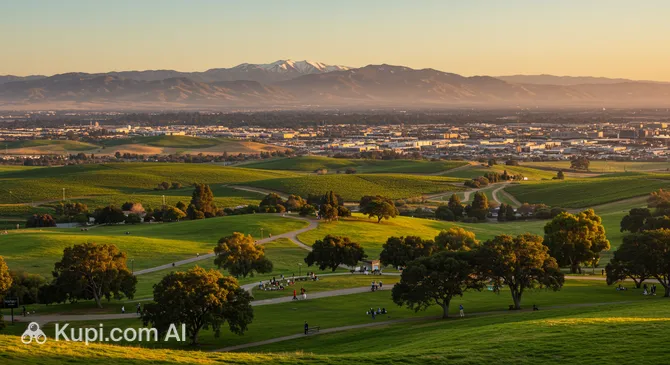
  • Unique Recreation: The community places a high value on outdoor leisure, which is evident in its well-maintained public spaces. Preisker Park stands out not just for its open green fields, but for hosting a popular disc golf course that draws enthusiasts from across the region, highlighting the city's active lifestyle.

Preisker Park. Source: Kupi.Binoculars

How to Get There

Reaching this part of the Central Coast is convenient thanks to several nearby transport hubs. Whether you are flying in from within California or from further afield, you have multiple options to suit your itinerary. For a complete guide on the best routes and travel tips, you can read more about how to get to Santa Maria.

While Santa Maria has local aviation facilities, most commercial travelers choose to fly into San Luis County Regional Airport (SBP) in the city of San Luis Obispo. Located about 36.7 km from Santa Maria, this regional hub is a practical choice for travelers looking to minimize ground travel time. A drive or taxi ride from here typically takes between 30 and 40 minutes, while taking the bus is a budget-friendly alternative that generally takes around 75 minutes.

Another excellent option is the Santa Barbara Municipal Airport (SBA), located in Santa Barbara. Situated about 79.9 km away, this facility is a medium-sized hub that often provides a wider range of connections. Reaching Santa Maria from here takes approximately 1 hour by car, though public transport users should expect a journey of around 2 hours and 20 minutes. For those seeking even more flight options, Hollywood Burbank Airport (BUR) in Burbank is a large international airport located roughly 208 km away. The drive takes about 3 hours, whereas using public transportation can extend the transfer time to over 5 hours.

For clarity, here is a summary of the main airports:

Airport Name City Passenger Traffic Km from City
Hollywood Burbank Airport Burbank Large 208.0
Santa Barbara Municipal Airport Santa Barbara Medium 79.9
San Luis County Regional Airport San Luis Obispo Medium 36.7
Meadows Field Airport Bakersfield Small 136.3
Mojave Air and Space Port Mojave 208.8

Main Attractions

Santa Maria offers a delightful mix of leisure and entertainment options that cater to families, shoppers, and those looking for a fun night out. While the city is famous for its barbecue and wine, its urban attractions provide plenty of excitement and convenience for visitors exploring the Central Coast.

For those who love shopping and being in the center of the action, the Santa Maria Town Center is a must-visit destination. Located in the heart of the city, this indoor mall serves as a primary community hub, featuring a wide array of retail stores, dining options, and a movie theater. It is an excellent place to take a break from the sun, enjoy some window shopping, or catch the latest film in a comfortable environment.

Santa Maria Town Center. Source: Kupi.Binoculars

Families and thrill-seekers will find endless entertainment at Boomers Santa Maria. This amusement park is a favorite local spot for high-energy fun, offering attractions such as go-karts, bumper boats, and miniature golf. Whether you are traveling with children or just young at heart, the arcade games and outdoor rides provide a perfect way to spend an energetic afternoon.

Boomers Santa Maria. Source: Kupi.Binoculars

If you are looking for a classic American pastime mixed with modern amenities, Rancho Bowl is the place to be. Far more than just a bowling alley, this venue acts as a social center with a lively atmosphere, featuring a bar and lounge area. It is a great spot to mingle with locals, enjoy some friendly competition on the lanes, and relax with food and drinks after a day of sightseeing.

Local Cuisine

Local Cuisine:

The culinary identity of Santa Maria is legendary, centered almost entirely around its world-famous barbecue tradition. Food lovers flock here specifically to experience Santa Maria Style Barbecue, a regional method of cooking that dates back to the mid-19th century rancheros. Unlike other American barbecue styles that rely on heavy sauces, this local technique focuses on the natural flavors of the meat, typically tri-tip or top block sirloin, seasoned simply with salt, pepper, and garlic salt, and grilled over native red oak wood. The sweet, smoky aroma of the red oak is the signature scent of the city's dining scene.

A traditional meal here is not complete without the classic accompaniments. You will almost always be served pinquito beans—small, pink beans that are indigenous to the Santa Maria Valley and rarely found elsewhere. These are usually simmered with bacon and spices. Other essential sides include fresh salsa, a simple green salad, and grilled slices of French bread dipped in sweet melted butter. This hearty combination is a source of immense local pride and can be found at numerous steakhouses and community events throughout the city.

To pair with these savory dishes, the region offers exceptional beverages. The Santa Maria Valley is a prestigious American Viticultural Area (AVA), celebrated for its cool-climate wines. The ocean breeze creates ideal conditions for growing Pinot Noir and Chardonnay grapes. Visitors can easily find local tasting rooms or order a glass of premium local vintage to complement their steak dinner. For non-alcoholic options, the area's agricultural abundance means fresh strawberry drinks and lemonades are popular and refreshing choices.

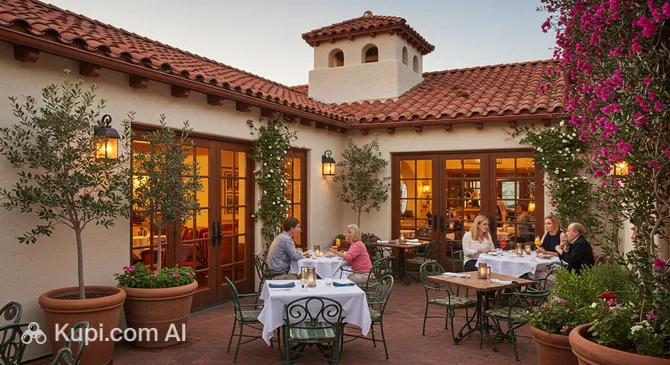
While barbecue dominates the headlines, the local food culture is diverse. For a change of pace, you can enjoy authentic international flavors at places like The Garden Mediterranean Restaurant & Cafe, which offers a delightful array of dishes in a relaxed setting. The city's dining landscape ranges from historic roadside spots to modern eateries, reflecting the community's welcoming spirit.

The Garden Mediterranean Restaurant & Cafe. Source: Kupi.Binoculars

For those seeking a quintessential Californian fast-food experience, a stop at In-N-Out Burger is often on the checklist for tourists. Known for its fresh ingredients and "secret menu," it provides a casual and tasty counterpoint to the region's slow-cooked specialties. Whether you are dining at a white-tablecloth restaurant or grabbing a quick bite, the freshness of the ingredients—sourced directly from the surrounding fertile valley—is the common thread that makes eating in Santa Maria a memorable experience.

Travel Tips

Welcome to the Santa Maria Valley, a region where agricultural charm meets the relaxed vibe of the California Central Coast. To ensure your visit is as smooth and enjoyable as the local Pinot Noir, we have compiled a list of practical tips to help you navigate the city and its surroundings with ease.

  1. Clothing and Gear: Thanks to the mild Mediterranean climate, the key to comfort here is layering. Even on sunny summer days, the coastal breeze can bring a chill, especially in the evenings, so always carry a light jacket or sweater. Comfortable walking shoes are essential for exploring vineyards or the nearby dunes. The dress code is generally casual, even in nicer restaurants and wineries.
  2. Transportation: While there is a local bus service (SMAT), the best way to explore Santa Maria and the surrounding valley is by renting a car. This gives you the freedom to visit scattered wineries, the Guadalupe-Nipomo Dunes, and coastal towns at your own pace. Ride-hailing apps like Uber and Lyft are available, but having your own vehicle is far more convenient for day trips.
  3. Finances: The official currency is the United States Dollar (USD). Credit and debit cards are widely accepted almost everywhere, from hotels to taco trucks. ATMs are plentiful throughout the city. Tipping is a standard part of the culture in the U.S.; expect to leave 18-20% of the bill in restaurants and bars, and a few dollars for hotel staff or taxi drivers.
  4. Health and Safety: Santa Maria is generally a safe community for tourists, but standard precautions should always be taken, such as locking your car and keeping valuables out of sight. For emergencies, dial 911. Pharmacies like CVS and Walgreens are easily found throughout the city for minor health needs, and reputable medical facilities are available if required.
  5. Communication: English is the primary language, but you will hear Spanish frequently spoken due to the region's rich Hispanic heritage and agricultural roots. Most locals in the service industry speak English fluently. Wi-Fi is standard in hotels, coffee shops, and the Town Center mall, and getting a local SIM card is easy at major mobile carrier stores if you need constant data.
  6. Local Etiquette: The vibe here is friendly and unpretentious. A simple "hello" or smile when entering a shop or passing someone on a quiet street is polite. When visiting wineries, it is customary to taste responsibly; spitting out wine is perfectly acceptable if you are visiting multiple tasting rooms. Punctuality is appreciated for dinner reservations or tours.
  7. What to Avoid: Do not enter agricultural fields or vineyards without explicit permission. These are working farms, and wandering into crop rows can be dangerous and is considered trespassing. Also, remember that California has strict no-smoking laws; smoking is prohibited in restaurants, bars, and many public parks and beaches.
  8. Seasonal Tip: If you are visiting on a weekend between May and October, look out for the Santa Maria Wine Trolley. It is a fantastic, affordable way to hop between local wineries without worrying about driving, allowing you to fully immerse yourself in the valley's viticulture.

By keeping these simple tips in mind, you will be well-prepared to relax and savor everything this unique corner of California has to offer. Whether you are here for the famous barbecue, the rolling hills, or the friendly community, Santa Maria is ready to welcome you with open arms.

Entertainment & Nightlife

Entertainment in Santa Maria reflects the city's relaxed and friendly character, favoring a nightlife scene that centers on cozy gatherings and local flavor rather than high-energy clubbing. As the sun sets over the valley, the atmosphere shifts to laid-back lounges, taprooms, and wine bars where visitors can unwind. The focus here is on savoring the region's celebrated beverages and enjoying conversation in a welcoming environment that embodies the authentic spirit of the Central Coast.

For culture enthusiasts, the city is a surprising hub for the performing arts, anchored by the Pacific Conservatory Theatre (PCPA). This highly regarded institution stages professional-quality productions that range from classic plays and Broadway-style musicals to contemporary dramas. Catching a performance here is a highlight for many travelers, offering a sophisticated evening of entertainment that perfectly complements the rustic charm of the surrounding wine country.

When looking for a place to spend the evening, the corridors along Broadway and Main Street serve as the primary arteries for activity. While there is no single dense nightlife district, these thoroughfares connect a variety of casual pubs, sports bars, and venues that occasionally host live local music. It is easy to find a spot here to mingle with locals and experience the unpretentious hospitality the area is known for.

Travelers seeking more traditional leisure options will find convenient facilities for a low-key night out. You can catch the latest film releases at the cinema complex within the Santa Maria Town Center or enjoy a friendly game on the lanes at Rancho Bowl. These venues provide reliable entertainment alternatives for families or couples looking for a break from sightseeing.

Practicalities are important when navigating the city at night. The dress code is almost universally casual, with jeans and a nice shirt being appropriate for nearly every establishment. Since the city is spread out, walking between venues is not typically recommended. Instead, it is best to rely on ride-sharing services or local taxis to get around safely. While the commercial areas are generally safe, visitors should stay in well-lit, populated zones and avoid wandering into the unlit agricultural outskirts after dark.

Parks & Museums

Santa Maria offers a refreshing balance of outdoor recreation and cultural preservation, making it a well-rounded destination for travelers. Beyond its vineyards and barbecue pits, the city maintains a collection of welcoming green spaces and educational institutions that highlight the region's unique heritage and natural beauty.

For those seeking fresh air and open space, Preisker Park is a standout location in the northern part of the city. This expansive park is a favorite among locals and visitors alike, featuring large grassy areas perfect for picnics and family gatherings. It is particularly renowned for its world-class disc golf course, which winds through mature trees, offering a fun challenge for players of all skill levels. The park also includes playgrounds and walking paths, making it an ideal spot to relax and stretch your legs.

Another significant green space is Waller Park, often considered the crown jewel of the area's park system. Although technically a county park, it serves as a central recreational hub for the community. Visitors are drawn to its two beautiful duck ponds, which are home to numerous waterfowl, and its majestic groves of old-growth trees that provide ample shade on sunny days. With amenities like pony rides in the summer and a dedicated dog park, it offers a classic, nostalgic park experience.

To understand the cultural fabric of the city, a visit to the Santa Maria Valley Historical Society Museum is essential. Located near the city center, this museum preserves the stories of the valley's pioneers, rancheros, and agricultural evolution. Through photographs, artifacts, and documents, it paints a vivid picture of how a small settlement grew into the bustling city it is today. It is a quiet, informative stop for anyone interested in the roots of the California Central Coast.

Aviation enthusiasts will find the Santa Maria Museum of Flight particularly engaging. The city has a deep connection to aerospace history, serving as a training ground for pilots during World War II. This museum showcases vintage aircraft, models, and memorabilia that celebrate the golden age of aviation and the local contributions to the industry. Housed in a hangar at the airport, it offers an authentic atmosphere that transports visitors back in time.

Architectural history buffs should take a moment to admire the Santa Maria Inn. Established in 1917, this historic hotel has hosted Hollywood legends and political figures traveling along the coast. Its distinct blend of English country style and California mission architecture, along with its lush interior gardens, makes it a landmark worth seeing, even if you are just passing by for a look at the lobby.

For a truly authentic outdoor experience, consider exploring Los Flores Ranch Park. Located just south of the city, this large open-space preserve offers miles of hiking, biking, and equestrian trails. It provides a rare opportunity to see the native landscape and wildlife of the region in a protected setting, offering sweeping views of the Santa Maria Valley that are often missed by the average tourist.

Getting Around

Public transportation in Santa Maria is primarily served by a bus network known as Santa Maria Area Transit (SMAT). Since there is no metro or tram system in the city, these buses are the main way for residents and visitors to get around without a car. The SMAT fleet operates on several fixed routes that cover key areas, including the Santa Maria Town Center, Hancock College, and major residential and shopping districts. The buses are modern, clean, and equipped with bicycle racks, making them a practical option for getting across town during the day.

In addition to local service, the city is connected to neighboring communities through regional transit lines. The Breeze Bus provides connections to Lompoc and Vandenberg Space Force Base, while the RTA (Regional Transit Authority) Route 10 connects Santa Maria to San Luis Obispo. For those arriving by train, it is important to note that while there is no train station in the city center, the Amtrak Thruway bus stops in Santa Maria, linking passengers to the Pacific Surfliner trains at nearby rail stations in Guadalupe or San Luis Obispo.

Paying for your ride is straightforward. You can pay with cash upon boarding, but you must have the exact change as drivers do not carry cash. For greater convenience, especially for tourists, SMAT accepts mobile ticketing through the Token Transit app, allowing you to purchase passes on your smartphone and simply show the screen to the driver. Paper passes, including day passes and monthly passes, can also be purchased at the transit center near the main mall.

Travelers should be aware of the operating hours to avoid getting stuck. SMAT buses generally run from early morning until the evening, with service typically ending around 10:00 PM on weekdays and earlier on weekends. Weekend frequencies are lower than on weekdays, so it is highly recommended to check the schedule in advance via the official website or a transit app. Bus stops are clearly marked, and you should arrive a few minutes early to ensure you do not miss your connection.

Given the spread-out nature of the Santa Maria Valley, many visitors find alternatives to public transport more efficient. Car rentals are the most popular choice for tourists, offering the freedom to explore the vineyards and dunes at your own pace. For shorter trips within the city, ride-sharing apps like Uber and Lyft are widely available and reliable. Traditional taxi services also operate in the area but usually require calling ahead rather than hailing one on the street.

A unique feature of the local transport scene is the seasonal Santa Maria Wine Trolley. While technically a tourist attraction, it serves a functional transport role by looping through the valley's most popular wineries on weekends from May to October. This vintage-style trolley allows visitors to hop on and off at various tasting rooms without worrying about driving, combining nostalgic charm with practical transit for wine enthusiasts.

Accommodation

Travelers visiting Santa Maria will find a practical and welcoming selection of accommodation options that cater primarily to road trippers, business travelers, and those exploring the nearby wine country. The city does not typically feature ultra-luxury resorts; instead, the lodging landscape is dominated by reliable mid-range chain hotels, budget-friendly motels, and historic inns that offer a comfortable stay without the high price tag often found in coastal neighbors like Santa Barbara.

The most convenient area to stay is along Broadway (Highway 135) and near the exits of the US 101 freeway. Clustering accommodation in these zones ensures that visitors are never far from the city's main dining and shopping hubs. Staying near the intersection of Broadway and Main Street places you within easy reach of the Santa Maria Town Center and various local barbecue restaurants, making it a strategic base for those without a car or those who prefer a central location.

In terms of pricing, Santa Maria is generally more affordable than the beachfront communities on the Central Coast. Prices typically fall into the budget to mid-range category. Visitors can expect to find clean, standard rooms with essential amenities such as free Wi-Fi and parking. Booking is easily done through major online travel platforms or directly through hotel websites.

Booking Tip: While room availability is usually good, the city can fill up quickly during the summer months and the autumn grape harvest season. If you plan to visit during a local wine festival or a major holiday weekend, it is highly recommended to book your accommodation at least a few weeks in advance to secure the best rates and availability.

Nearby Cities

For those looking to explore the surroundings, Santa Maria serves as an excellent base for day trips to several interesting nearby locations:

Located just a short drive to the north, San Luis Obispo is a vibrant college town known for its historic Spanish mission and lively downtown area. Visitors can explore the unique shops along Higuera Street, visit the quirky Bubblegum Alley, or enjoy a walk along the creek that runs through the city center. It offers a perfect mix of history, culture, and youthful energy.

Further south along the coast lies Santa Barbara, often referred to as the "American Riviera." This famous city is renowned for its stunning Spanish Colonial Revival architecture, beautiful sandy beaches, and the iconic Stearns Wharf. It is an ideal destination for those seeking a picturesque day of sightseeing, upscale dining, and ocean views.

For a different experience inland, Paso Robles offers a rustic escape famous for its world-class wineries and natural hot springs. While Santa Maria has its own wine culture, Paso Robles provides a distinct viticultural experience with its warmer climate and rolling hills, making it a favorite stop for oenophiles and those looking to relax.

City Population Distance (km)
Santa Barbara 198240 90
Paso Robles 67696 78
San Luis Obispo 47257 42
Lompoc 44232 35
San Miguel 39299 92

These nearby destinations offer a glimpse into the diverse culture and landscapes of the region.

Shopping & Souvenirs

Shopping in Santa Maria offers a convenient and relaxed experience that mirrors the city's laid-back lifestyle. While it may not be a high-fashion metropolis, the city provides a solid mix of national retail chains, local boutiques, and specialty stores that cater to both residents and visitors. The retail scene is heavily influenced by the region's agricultural roots, meaning you can often find fresh local products and unique regional goods alongside standard American brands.

The primary commercial corridors are found along Broadway (Highway 135) and Main Street. As you drive along South Broadway, you will encounter a variety of shopping plazas featuring big-box retailers, electronics stores, and casual apparel shops. This area serves as the practical heart of the city's commerce, where travelers can easily stock up on essentials or find outdoor gear suitable for exploring the nearby dunes and vineyards.

For a more concentrated retail experience, the Santa Maria Town Center is the city's main indoor shopping destination. Located centrally, this mall anchors the downtown revitalization efforts and features major department stores, a cinema, and a selection of fashion and jewelry retailers. It provides a comfortable, climate-controlled environment for strolling and browsing, making it a popular stop for families and shoppers looking for well-known brands.

Given the fertile valley surrounding the city, local markets are a highlight of the shopping scene. Farmers markets are held regularly, offering a vibrant selection of freshly picked strawberries, vegetables, and flowers grown right in the area. These markets are not just places to buy food; they are community events where you can find artisanal crafts and experience the true flavor of the Central Coast.

When searching for the perfect souvenir, look no further than the region's culinary claims to fame. The most popular items to bring home are Santa Maria Style Barbecue seasoning and bags of pinquito beans, both of which are essential for recreating the city's famous steak dinner at home. Additionally, with the Santa Maria Valley being a premier wine region, a bottle of local Pinot Noir or Chardonnay makes for an elegant and authentic gift.

Store opening hours in Santa Maria generally follow standard American schedules. Major retailers and the shopping mall typically open around 10:00 AM and close between 8:00 PM and 9:00 PM, with slightly shorter hours on Sundays. Smaller, locally-owned boutiques may close earlier, often around 6:00 PM. Payment is hassle-free, with credit and debit cards (Visa, Mastercard, Amex) being accepted almost everywhere, though carrying a small amount of cash is useful for farmers market stalls.

Visitors should be aware that the United States does not have a Value Added Tax (VAT) refund system for international tourists like many European countries. In California, sales tax is added to the marked price of goods at the register. This means the price you see on the tag is lower than the final amount you will pay, so it is wise to budget a little extra for every purchase.

Reached the end of the page?

That means the route is fully explored