Support

Jolon

About

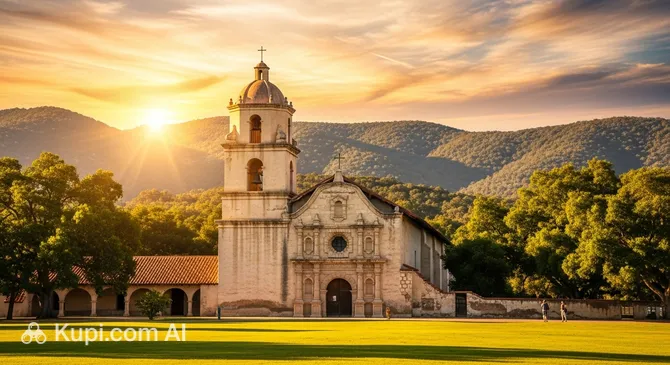
Jolon is a unique and historic unincorporated community located in the picturesque San Antonio Valley of Monterey County, California. Unlike bustling metropolises, this quiet settlement offers a serene atmosphere and a fascinating look into the rural past of the United States. With a small population of approximately **200 residents**, it retains an intimate feel that attracts travelers seeking off-the-beaten-path experiences and architectural treasures.

Jolon. Source: Kupi.Binoculars

The area is deeply rooted in heritage, originally serving as a vital stop on the stagecoach route between San Francisco and Los Angeles. To understand its transformation from a bustling travel hub to a quiet historic district, visitors are encouraged to explore the rich history of Jolon. Today, the community is largely surrounded by the **Fort Hunter Liggett** military reserve, which helps preserve the region's rugged natural beauty and isolation.

One of the most remarkable landmarks in the vicinity is **The Hacienda**, a historic lodge designed by the renowned architect Julia Morgan for newspaper tycoon William Randolph Hearst. Additionally, the nearby **Mission San Antonio de Padua**, established in 1771, stands as a stunning and well-preserved example of Spanish colonial architecture. Whether you are an architecture enthusiast or a history buff, Jolon offers a distinct and memorable stop on your California journey.

Weather Overview

Jolon experiences a climate defined by distinct seasonal variations, offering hot, arid summers and mild, slightly wetter winters. During the peak summer months of July and August, temperatures often climb to an average maximum of 30°C, providing plenty of sunshine with virtually no rainfall. In contrast, the winter season brings cooler air, with January temperatures averaging around 10.5°C and nighttime lows dropping to near 6°C.

Travelers should note that precipitation is concentrated in the cooler months, particularly in March, which typically sees the highest frequency of wet days. For more specific forecasts and seasonal averages to help plan your visit, you can consult the detailed guide to the weather in Jolon. Overall, expect warm to hot summers with clear skies and cool winters with occasional showers.

Interesting Facts

Beyond its quiet rural appearance, Jolon holds a collection of fascinating secrets that link it to literary giants and Wild West legends. This small community is far more than just a waypoint; it is a place where history, folklore, and landscape intertwine in surprising ways.

  • A Literary Landscape: Jolon served as the primary setting for John Steinbeck's early novel, To a God Unknown. Although the town is not explicitly named in the book, Steinbeck drew heavily on the region's geography and atmosphere to create the fictional backdrop for his story, cementing the valley's place in American literary history.

  • The "Valley of the Dead Oaks": The name "Jolon" is derived from the Salinan Native American word Xolon, which is most often translated as "Valley of the Dead Oaks." This evocative name refers to the ancient valley oaks that dot the landscape, many of which naturally decay while remaining standing, creating a striking and somewhat haunting visual characteristic of the area.

  • Immortalized in Song: The town's reputation as a rough-and-tumble frontier outpost was preserved in the folk song "South Coast," popularized by The Kingston Trio. The lyrics famously mention Jolon as a place for high-stakes gambling, including the line, "You might win in a game at Jolon," hinting at its vibrant and lawless past.

  • The Last Commercial Survivor: The Tidball Store is the only remaining commercial building from Jolon's heyday as a bustling stagecoach stop. It is architecturally unique because it consists of an original 1868 adobe inn that was later encased within a wooden frame structure in 1890, effectively preserving the mud-brick core inside a "modern" Victorian-era shell.

How to Get There

Reaching the historic community of Jolon requires a bit of planning, as it is located in a relatively remote area of the San Antonio Valley. There are no direct flights to the town itself, so visitors typically fly into a regional hub and complete the journey by road. For a detailed overview of routes and transportation options, you can read more about how to get to Jolon.

The closest facility for air travel is the Monterey Regional Airport (MRY), situated in the city of Monterey, approximately 90.8 km from Jolon. The drive from this airport typically takes about 1 hour by car. Although it is a smaller hub, it offers a convenient entry point for those looking to minimize driving distance.

Another viable option is the San Luis County Regional Airport (SBP) located in San Luis Obispo. It is about 94.7 km away, with a travel time of roughly 1 hour. For travelers seeking more extensive international connections, the Norman Y. Mineta San Jose International Airport (SJC) in San Jose is a major hub. However, it is located further away, about 168.4 km from Jolon, which extends the ground transfer time to approximately 2 hours.

For clarity, here is a summary of the main airports:

Airport Name City Passenger Traffic Km from City
Norman Y. Mineta San Jose International AirportSan JoseLarge168.4
Fresno Yosemite International AirportFresnoMedium158.4
San Luis County Regional AirportSan Luis ObispoSmall94.7
Monterey Regional AirportMontereySmall90.8
Meadows Field AirportBakersfieldSmall200.8

Main Attractions

Jolon may be small, but its attractions offer a profound connection to California's Spanish colonial roots and the lavish era of early 20th-century tycoons. Because the community is situated within and around the Fort Hunter Liggett military reserve, visiting these sites often requires passing through security checkpoints, adding a unique layer of adventure to the experience. Travelers should be prepared to show valid identification and vehicle documentation to access the historic treasures hidden within the valley.

The crown jewel of the region is the Mission San Antonio de Padua. Founded in 1771 by Father Junípero Serra, it was the third mission established in California and remains one of the most authentic and least altered. Often called "The Mission That Time Forgot," it sits in a serene, isolated valley that looks much as it did over two centuries ago. Visitors can explore the pristine church, the museum housing indigenous and colonial artifacts, and the peaceful grounds that include remnants of the original aqueduct system. Its remote location away from modern highways preserves a rare sense of tranquility and history.

Another architectural marvel is The Hacienda, also known as the Milpitas Ranchhouse. Designed by the celebrated architect Julia Morgan for newspaper magnate William Randolph Hearst in 1930, this striking building served as a headquarters for Hearst's ranching operations and a guest lodge for his Hollywood friends. With its distinctive towers, domes, and Spanish-style courtyard, it stands as a glamorous counterpoint to the rugged landscape. Today, it operates as a hotel open to the public, allowing guests to dine or stay overnight in a place once frequented by the elite of the Jazz Age.

For a glimpse into the Wild West era, look for the Tidball Store near the intersection of Jolon Road. As the only standing commercial building from the town's days as a major stagecoach stop between San Francisco and Los Angeles, it is a significant historic landmark. The structure is fascinating because it consists of an original 1868 adobe inn that was later encased in wood, effectively preserving the mud-brick walls inside a Victorian exterior. While interior access may be limited, the building itself is a poignant reminder of the bustling frontier activity that once defined the area.

Nature and wine enthusiasts will appreciate the San Antonio Valley itself, which has gained recognition as an American Viticultural Area (AVA). The warm days and cool nights of the valley create ideal conditions for growing premium grapes, particularly Bordeaux and Rhône varietals like Cabernet Sauvignon and Syrah. Driving along the scenic Jolon Road offers views of rolling hills, ancient oak trees, and local vineyards, making for a picturesque drive that captures the rural beauty of southern Monterey County.

Local Cuisine

The culinary experience in Jolon is defined by its isolation and historic charm rather than a wide variety of commercial eateries. Due to the community's small size and its location within the Fort Hunter Liggett military reserve, dining options are limited but memorable. The food scene here revolves around hearty, American ranch-style cuisine that pays homage to the area's cowboy past and its rugged, rural setting.

Visitors can expect menus featuring comforting classics designed to satisfy a substantial appetite. Grilled steaks and thick, juicy burgers are the mainstays, often served with traditional sides like fries or coleslaw. These dishes reflect the simple, unpretentious character of the valley. For a lighter option, you might find fresh salads, but the emphasis remains on filling, savory meals that fuel the soldiers and travelers who frequent the area.

When it comes to drinks, the region offers a delightful surprise for oenophiles. Jolon is situated in the San Antonio Valley AVA (American Viticultural Area), a wine region celebrated for its warm climate. The high temperatures are ideal for producing robust red wines. Tourists should take the opportunity to try local glasses of Cabernet Sauvignon or Petite Sirah, which are known for their rich flavors and deep color, perfectly complementing the local fare.

The hub of social and culinary life is undoubtedly The Hacienda. This historic lodge, designed by Julia Morgan for William Randolph Hearst, operates as a hotel and restaurant open to the public. It is the primary place where locals, military personnel, and tourists converge to eat. Dining here allows you to enjoy a meal in a spectacular Spanish Colonial Revival setting, surrounded by the architecture of the 1930s. Since the venue is on a military base, remember that accessing this unique dining spot requires passing through a security checkpoint with valid identification.

Travel Tips

Visiting Jolon offers a rare glimpse into Old California, but its unique location within and around the Fort Hunter Liggett military reserve means you need to plan differently than for a typical tourist town. These practical tips will help you navigate the area's specific requirements and ensure a smooth journey to this historic valley.

  1. Clothing and Gear: Since summers here are hot and arid with temperatures often exceeding 30°C, pack lightweight, breathable clothing and a wide-brimmed hat. However, the valley cools down significantly at night, so bring layers or a warm jacket, especially if visiting in winter. Comfortable, closed-toe walking shoes are essential for exploring the uneven grounds of the Mission San Antonio de Padua.

  2. Transportation: A personal vehicle is an absolute necessity. There is no public transportation, metro, or reliable ride-sharing service (like Uber or Lyft) in this remote community of 200 people. Renting a car is the only viable way to visit. Be sure to fill your gas tank in King City or Paso Robles before heading into the valley, as fuel options are scarce or restricted to military personnel.

  3. Finances: The local currency is the US Dollar (USD). While The Hacienda and the Mission gift shop generally accept credit cards, it is highly recommended to carry some cash for small purchases or donations. There are no commercial banks or public ATMs readily available in Jolon itself, so withdraw necessary funds before you leave the main highway.

  4. Health and Safety: Jolon is isolated, and the nearest full-service pharmacies and hospitals are roughly 30 to 45 minutes away in King City. Bring a basic first-aid kit, any prescription medications you need, and plenty of water to stay hydrated in the dry heat. Be mindful of local wildlife, such as rattlesnakes, when walking near the Mission or in tall grass.

  5. Communication: English is the primary language spoken. Mobile phone signal can be spotty or non-existent in parts of the San Antonio Valley due to the surrounding mountains. It is a smart move to download offline maps and save your itinerary on your phone before you arrive to avoid getting lost without navigation.

  6. Local Etiquette: Because much of the area falls under the jurisdiction of a military training reserve, strict adherence to rules is required. Always be polite and cooperative with military police at checkpoints. When driving, pull over safely if you see military convoys, and respect the quiet, respectful atmosphere of the active religious community at the Mission.

  7. What to Avoid: Do not speed. Speed limits on the roads leading to and through Fort Hunter Liggett are strictly enforced by federal police, and tickets can be costly. Additionally, never drive off paved roads into restricted training areas or take photographs of secure military facilities or personnel; stick to capturing the historic sites.

  8. Base Access Requirements: This is the most critical tip for Jolon. To access The Hacienda or drive through the base to reach certain areas, you must pass a security checkpoint. You will need a valid driver’s license (compliant with the Real ID Act) or a valid passport, along with current vehicle registration and proof of insurance. Without these documents, you will be turned away.

By preparing for the remote nature of the valley and respecting the unique regulations of the area, you are set for a truly memorable adventure. Enjoy the silence, the stunning oak trees, and the feeling of stepping back in time in one of California's most secluded historic districts.

Entertainment & Nightlife

Travelers expecting the neon lights of a bustling city or a row of thumping nightclubs will find Jolon to be a completely different world. Entertainment and nightlife in this small community of 200 residents are defined by tranquility, history, and the unique atmosphere of the surrounding Fort Hunter Liggett military reserve. Instead of crowded dance floors, the evening hours here are best spent enjoying a quiet meal, soaking in the historic architecture, or marveling at the incredibly clear, star-filled skies that are free from urban light pollution.

The social heart of Jolon after dark is undoubtedly The Hacienda. This historic lodge is not just a hotel but the primary gathering spot for locals, military personnel, and visitors. The venue features a lounge and dining area that transports guests back to the 1930s, with its Spanish Colonial Revival architecture and rustic charm. The atmosphere is casual and relaxed, making it the perfect place to unwind with a drink after a day of exploring. The crowd is typically a mix of history enthusiasts, guests staying at the lodge, and soldiers from the base, creating a friendly but low-key vibe. Dress codes are informal, but respectful attire is appreciated given the historic and military setting.

Since Jolon lacks a commercial nightlife district, those seeking a more traditional bar scene or late-night entertainment usually head to the nearest larger towns. King City, located about 30 minutes away by car, offers a few local saloons and diners that stay open later. For a full night out with wine tasting, breweries, and livelier bars, the city of Paso Robles is approximately a 45-minute drive south. However, most visitors to Jolon prefer to embrace the silence of the valley, where the primary "nightlife" activity is often sitting on a porch and listening to the coyotes howl under the Milky Way.

Practicality is key when planning an evening in Jolon. There is absolutely no public transportation, and ride-sharing services like Uber or taxi companies do not operate in this remote area. If you plan to drink, you must have a designated driver, as you will likely be driving on federal property where traffic laws are strictly enforced by military police. The roads are dark and winding, so caution is advised. In terms of safety, the area is extremely secure due to the military presence, making night walks near The Hacienda or the Mission peaceful and worry-free, provided you stay within designated public areas.

During the daylight hours, entertainment is centered around heritage and nature. The Mission San Antonio de Padua is a must-visit, offering a serene look into California's past with its museum and beautiful grounds. Visitors can also explore the exterior of the historic Tidball Store or take scenic drives through the oak-studded hills of the San Antonio Valley. For nature lovers, the region offers birdwatching and photography opportunities that capture the rugged beauty of the landscape before the sun goes down.

Parks & Museums

Jolon offers a distinct blend of cultural heritage and rugged natural beauty, where "green spaces" are defined more by historic gardens and vast wilderness than by modern city parks. Visitors to this quiet community can expect to explore preserved colonial grounds and immerse themselves in the untouched landscapes of the California interior.

Mission San Antonio de Padua Gardens represent the most significant landscaped area in Jolon. Unlike a municipal park, this space offers a tranquil retreat featuring historic rose gardens, ancient olive trees, and vineyards that date back to the mission's founding era. Walking through the inner courtyard (quadrangle), visitors can admire the peaceful fountains and well-tended flora that reconstruct the atmosphere of the late 18th century. The grounds also include a walking trail along the historic aqueduct system, providing a scenic and educational stroll through the valley's history.

Surrounding the community is the breathtaking natural expanse of the San Antonio Valley and the foothills of the Santa Lucia Mountains. While not a formal park, this region serves as a massive natural playground for outdoor enthusiasts. The landscape is characterized by rolling savannahs studded with majestic valley oaks and, in the spring, vibrant carpets of wildflowers such as lupines and California poppies. It serves as a gateway to the nearby Los Padres National Forest, offering adventurous travelers access to rugged hiking trails and pristine wilderness just a short drive from the town center.

The cultural heart of the town is the Mission San Antonio de Padua Museum. Housed within the historic mission walls, this facility preserves the rich history of the region, from the indigenous Salinan people to the Franciscan friars. The exhibits are remarkably comprehensive, displaying authentic Salinan basketry, colonial-era tools, and rare musical manuscripts used by the mission's choir centuries ago. It provides a profound insight into the daily life, struggles, and artistry of California's early inhabitants.

While not a traditional museum with display cases, The Hacienda functions as a living gallery of architecture and history. Designed by Julia Morgan, the architect famous for Hearst Castle, this structure allows visitors to walk through the grandeur of the 1930s. The public areas, including the lobby and courtyard, showcase distinctive Spanish Colonial Revival details, such as ornate tiles and arched doorways. It offers a unique opportunity to experience the aesthetic vision of William Randolph Hearst's era without the crowds found at his main estate.

For those interested in the remnants of the Old West, the Ruins of the Dutton Hotel are a poignant historical site located nearby. Once a bustling stagecoach stop and social hub, the adobe ruins now stand as a testament to Jolon's former importance on the route between San Francisco and Los Angeles. Although primarily a site for visual observation rather than a guided tour, it captures the "ghost town" allure that defines much of the area's charm.

An authentic way to experience the local environment is to visit during the spring wildflower bloom, typically between March and April. The valley transforms into a spectacular display of color, offering some of the best nature photography opportunities in Monterey County. Since Jolon is located within a military reserve, always remember to stay on paved public roads and respect all signage while enjoying these natural wonders.

Getting Around

The public transport system in Jolon is extremely limited, reflecting the community's small size and remote location within the San Antonio Valley. There is no metro, tram, or extensive city bus network. The primary mode of public transit is a single regional bus route operated by Monterey-Salinas Transit (MST), which serves as a lifeline connecting this isolated area to larger neighboring cities.

The main and essentially only public transport option is MST Line 84. This route runs between King City and Paso Robles, making a scheduled stop in Jolon to serve the Fort Hunter Liggett military reserve. Service is infrequent, typically operating only a few times a day, so it is more of a regional connector than a way to get around the town itself. Travelers should view this bus as a means to enter or leave the area rather than for local sightseeing.

Regarding payment, the MST system is modern despite the rural setting. Passengers can pay their fare using exact cash upon boarding, as drivers do not carry change. Alternatively, the system accepts contactless payments, including credit cards and mobile wallets like Apple Pay and Google Pay, directly at the farebox. Fares are generally calculated based on distance or zones, so it is advisable to check the current rate for a trip to King City or Paso Robles before boarding.

For tourists attempting to use this bus service, planning is crucial. Because the schedule is sparse, missing a bus could mean waiting until the next day. You should check the official MST timetable online or via their mobile app in advance. Additionally, since the bus stop serves a military installation, be prepared for potential security checks or ID requirements when entering the area, even if you are just a transit passenger.

Given the scarcity of public options, the most practical alternative—and the one recommended for almost all visitors—is renting a car. A private vehicle provides the freedom to explore the scattered historic sites, such as the Mission San Antonio de Padua, which are not walkable from the bus stop. Ride-sharing apps are virtually non-existent in this remote valley, and while you might find a taxi service willing to drive from King City, the cost will be significant and requires advance booking.

A unique feature of transit here is the setting itself. Traveling by bus or car through Jolon involves navigating roads that cut through active military training grounds and pristine oak savannahs. While there are no historic cable cars or vintage trolleys, the journey offers a scenic and somewhat adventurous experience, often requiring passengers to pass through military security checkpoints, making it unlike a typical commute in any other city.

Accommodation

Finding accommodation in Jolon is a unique experience that prioritizes history and atmosphere over variety. Due to the community's small size of roughly 200 residents and its location within the Fort Hunter Liggett military reserve, there are no standard commercial hotel chains, motels, or vacation rentals within the immediate area. Instead, the lodging options are rare, historic, and require specific planning, offering a stay that feels more like a step back in time than a typical hotel visit.

The primary and most celebrated place to stay is The Hacienda. Designed by the famous architect Julia Morgan for newspaper tycoon William Randolph Hearst, this historic lodge was built in 1930 and now operates as a hotel open to the public. Guests have the opportunity to stay in rooms that reflect the Spanish Colonial Revival style, complete with a stunning courtyard and a rustic, cowboy-era charm. It is located directly on the military base, meaning the setting is exceptionally quiet, safe, and secluded.

For travelers who cannot secure a room at The Hacienda, the most convenient alternative is to look in neighboring towns. King City, located approximately 30 minutes to the north, offers a selection of reliable budget motels and mid-range inns that serve as a practical base for exploring the valley. For a more luxurious stay featuring boutique hotels and vineyard resorts, the city of Paso Robles is about a 45-minute drive south. Many visitors choose to stay in Paso Robles to enjoy the wine country amenities while making a day trip to Jolon.

Booking Tip: Because The Hacienda is a unique property with limited capacity, it is highly recommended to book weeks or even months in advance. Furthermore, since the hotel is located on a federal military installation, every guest must present a valid, Real ID-compliant driver’s license, passport, or other approved identification at the security checkpoint. Failure to provide proper ID will result in being denied access to your accommodation.

In terms of pricing, staying in Jolon is surprisingly accessible. The Hacienda typically falls into the mid-range category, offering a historic experience at a reasonable cost compared to luxury resorts. Options in King City are generally budget-friendly, while Paso Robles offers a full spectrum from economy to luxury. While hotels in the neighboring towns can be booked via major online platforms, reservations for The Hacienda are often best made directly by phone or through specific military lodging portals open to civilians.

Nearby Cities

Situated in the secluded San Antonio Valley, Jolon serves as a peaceful retreat far from the bustle of urban life. However, its location in California places it within a reasonable driving distance of several vibrant communities that offer extensive amenities, dining options, and cultural attractions. Exploring these neighboring towns provides a perfect contrast to the rustic tranquility of the valley.

The most convenient major hub is Paso Robles, located approximately 60 km south of Jolon. Known for its world-class wineries and thermal hot springs, it is a popular destination for travelers seeking relaxation and fine dining. To the north lies Salinas, the county seat and a significant agricultural center famous as the hometown of author John Steinbeck. Another excellent option is San Luis Obispo, a historic city with a lively downtown and a beautiful Spanish mission, situated roughly an hour's drive away.

For those willing to venture a bit further, the region offers unique stops like Gilroy, renowned as the "Garlic Capital of the World," and the coastal agricultural hub of Watsonville. These cities provide additional shopping opportunities and a taste of the diverse local culture found throughout the central coast region.

The following table lists the closest cities, their distances from Jolon, and the estimated travel time by car:

City Distance (km) Est. Travel Time
Paso Robles 60 45 min
Salinas 89 1 h 00 min
San Luis Obispo 90 1 h 05 min
Watsonville 117 1 h 20 min
Gilroy 120 1 h 25 min

Shopping & Souvenirs

Shopping in Jolon is a reflection of its quiet, rural character and historical focus. Visitors will not find bustling high streets, designer boutiques, or large commercial districts here. Instead, the retail experience is extremely limited and intimate, centered almost entirely around heritage and the specific attractions within the valley. It is more about finding a unique keepsake to remember your trip than engaging in extensive retail therapy.

The primary and essentially only retail location for tourists is the Mission Gift Shop located within the Mission San Antonio de Padua. This shop serves as the main "store" in the area for visitors. It offers a curated selection of items related to the history of the California missions, the local Salinan culture, and the spiritual significance of the site. There are no other commercial shopping streets; the community consists mainly of the mission, the military base, and the historic lodge, none of which support a traditional retail scene.

There are absolutely no shopping malls or department stores in Jolon. The infrastructure is designed for a population of roughly 200 people and military personnel, not for mass commerce. For travelers in need of clothing stores, electronics, or a standard mall experience, the nearest options are located in the neighboring cities. King City, about 30 minutes to the north, offers basic supplies and strip malls, while Paso Robles, approximately 45 minutes south, features a wider array of boutiques and shopping centers.

Regular street markets, flea markets, or farmers' markets are not a feature of this small, isolated community. The area does not have a central square where vendors gather, so tourists should not expect to find local handicrafts outside of the established gift shop at the Mission.

When looking for souvenirs, the best items are those that connect to the region's rich history and agriculture. The Mission Gift Shop sells beautiful religious artifacts, rosaries, and detailed books on the history of the United States western frontier. Additionally, Jolon is located within the San Antonio Valley wine region. If you visit a nearby vineyard or winery tasting room, a bottle of local Cabernet Sauvignon or Petite Sirah makes for an excellent and authentic gift to bring home.

Store hours in Jolon are very limited. The Mission Gift Shop typically operates daily from roughly 10:00 AM to 4:00 PM, though these hours can vary seasonally. In terms of payment, major credit cards are generally accepted at the Mission and The Hacienda. However, due to the remote nature of the location and potential connectivity issues, it is highly advisable to carry some cash (USD) for smaller purchases or donations.

Tourists should be aware that the United States does not offer a Value Added Tax (VAT) refund system for international visitors. The price you see on the shelf usually does not include sales tax, which is added at the register. This tax is mandatory and cannot be reclaimed at the airport upon departure.
Reached the end of the page?

That means the route is fully explored