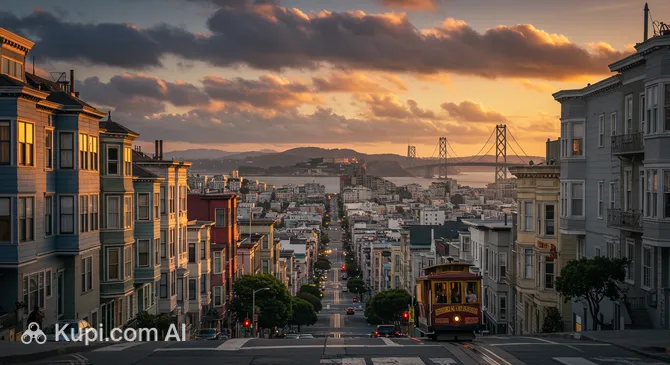
San Francisco is one of the most iconic and culturally diverse cities in the United States, renowned for its scenic beauty, steep rolling hills, and eclectic architecture. Perched on the tip of a peninsula in Northern California, this vibrant metropolis is surrounded by the Pacific Ocean and the San Francisco Bay, creating a stunning waterfront setting that captivates visitors from around the globe.
San Francisco. Illustration.
Source: Kupi.com AI
The city is famous for its unique microclimates and the rolling fog that frequently blankets the skyline, particularly in the summer. While it is a bustling urban center with a significant population, San Francisco retains a distinct charm with its colorful Victorian homes and historic cable cars climbing the steep streets. To truly understand how this coastal gem evolved from a small mission settlement into a booming Gold Rush town and modern tech hub, it is worth exploring the history of San Francisco.
Travelers are drawn to the city's world-class landmarks, such as the majestic Golden Gate Bridge, the bustling Fisherman's Wharf, and the notorious former prison on Alcatraz Island. Whether you are admiring the panoramic views from Twin Peaks or enjoying the vibrant culinary scene, San Francisco offers an unforgettable experience for every type of traveler.
Weather Overview
San Francisco is known for its moderate year-round climate, which avoids the extremes of scorching heat or freezing cold. Surprisingly, the warmest month is often September, with an average temperature of 19.1°C and highs reaching around 24.4°C. The winters are generally cool but mild, with average temperatures in January hovering around 10.9°C and rarely dropping below 7.5°C.
Rainfall patterns are quite distinct, creating two very different seasons for visitors. You can expect dry, pleasant summers with virtually 0 wet days from June through September. In contrast, the weather in San Francisco turns wetter in the winter months, with January and March seeing frequent precipitation and up to 12 wet days per month. Travelers should pack layers to accommodate the cool evenings and potential winter showers.
Average monthly temperature
Average monthly precipitation
Interesting Facts
Beyond the main attractions, San Francisco holds many fascinating secrets that surprise even seasoned travelers. From its colorful history to its quirky local traditions, here are some intriguing details about the city by the Bay.
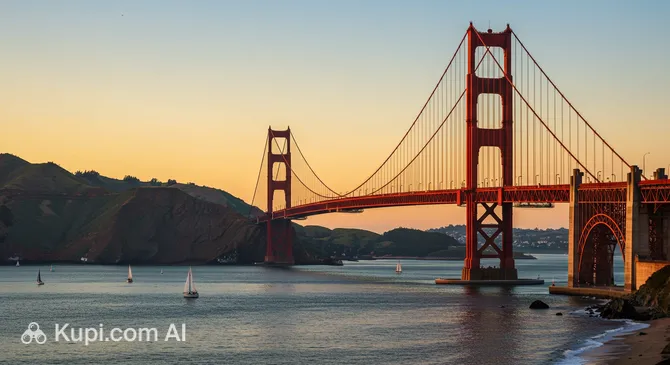
Golden Gate Bridge. Illustration.
Source: Kupi.com AI
Traveler photos:
The iconic Golden Gate Bridge was never intended to be "International Orange." The US Navy originally argued for the bridge to be painted with black and yellow stripes to ensure maximum visibility for passing ships, but the architect Irving Morrow successfully fought to keep the warm orange primer color because it complemented the natural landscape.
While often associated with Chinese cuisine, the modern fortune cookie was actually popularized in San Francisco. Many historians trace its origins to the Japanese Tea Garden in Golden Gate Park, where the Hagiwara family began serving them to guests in the late 19th or early 20th century.
You might not expect to find a herd of bison in the middle of a major American city, but Golden Gate Park has been home to these majestic animals since 1891. The bison paddock is a historic feature located near the western end of the park, offering a glimpse of the Wild West within the urban environment.
San Francisco has almost no cemeteries within its city limits. In the early 20th century, the Board of Supervisors banned new burials due to space shortages and health concerns, leading to the relocation of thousands of graves to the nearby town of Colma, which is now known as the "City of Souls."
How to Get There
Reaching this iconic Californian city is straightforward thanks to its status as a major global hub. Whether you are flying in from across the ocean or traveling domestically, you have multiple convenient options to choose from. For a complete guide on transportation and logistics, you can read more about how to get to San Francisco on our detailed page.
The primary entry point for most visitors is San Francisco International Airport(SFO). Located approximately 17.7 km from the city center, it is a massive international facility handling millions of passengers annually. The journey to downtown by taxi or car usually takes about 30 minutes to an hour, depending on the traffic conditions.
Travelers also frequently use Metropolitan Oakland International Airport(OAK), which is situated in the city of San Leandro, about 18.3 km across the bay from San Francisco. It is a convenient alternative with a similar travel time of roughly 30 to 45 minutes by road. For those visiting Silicon Valley or the southern parts of the Bay Area, Norman Y. Mineta San Jose International Airport(SJC) in the city of San Jose is another option, though it is further away at 63.1 km, taking approximately one hour to reach San Francisco.
For clarity, here is a summary of the main airports:
San Francisco is brimming with diverse landmarks, ranging from historic sites and architectural marvels to vibrant waterfront hubs. While the Golden Gate Bridge is the city's most recognizable symbol, the metropolis offers a multitude of other fascinating destinations that allow visitors to dive deep into its culture, history, and natural beauty.
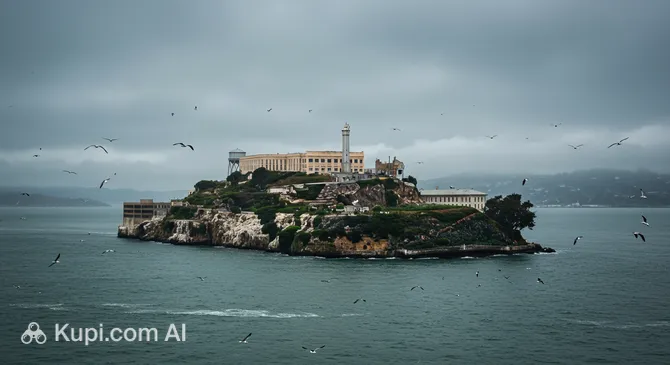
One of the most compelling stops for any traveler is Alcatraz Island. Located 1.25 miles offshore in the San Francisco Bay, this former federal penitentiary once held some of the most notorious criminals in American history. Today, it is a captivating museum where visitors can step inside the cellhouse and listen to an award-winning audio tour featuring the voices of former inmates and guards. The ferry ride to the island also offers spectacular views of the city skyline and the Golden Gate Bridge, making the journey as memorable as the destination.
Alcatraz Island. Illustration.
Source: Kupi.com AI
Traveler photos:
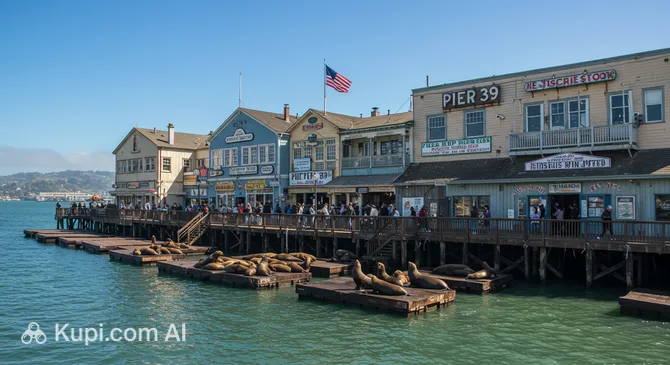
For a lively atmosphere and classic seaside entertainment, PIER 39 is the place to be. This bustling waterfront complex is famous for its resident colony of sea lions, which can often be seen basking on the docks barking playfully. Beyond the wildlife, the pier features two levels of dining, shopping, and attractions, including a carousel and street performers. It is an excellent spot to enjoy fresh seafood, such as clam chowder in a sourdough bread bowl, while soaking in the panoramic views of the bay.
PIER 39. Illustration.
Source: Kupi.com AI
Traveler photos:
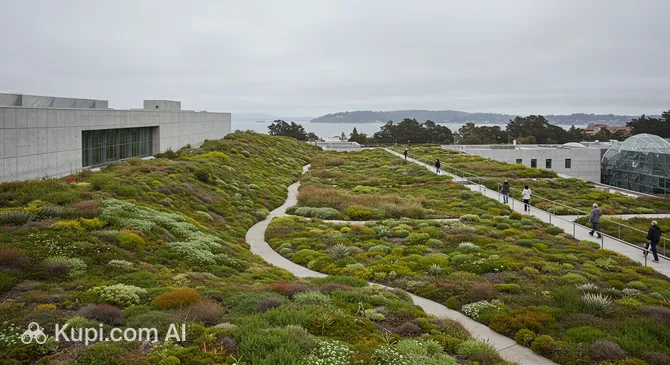
Nature and science enthusiasts will find a world of wonder at the California Academy of Sciences. Situated within Golden Gate Park, this architectural masterpiece is unique because it houses an aquarium, a planetarium, a rainforest, and a natural history museum all under one living roof. It is one of the greenest museums in the world and offers interactive exhibits that are perfect for families and curious minds looking to explore everything from the depths of the ocean to the far reaches of space.
California Academy of Sciences. Illustration.
Source: Kupi.com AI
Traveler photos:
Finally, no trip is complete without exploring the vast expanse of Golden Gate Park. Larger than New York's Central Park, this urban oasis stretches from the center of the city to the Pacific Ocean. It is a haven for relaxation and recreation, featuring miles of walking trails, serene lakes, and beautifully manicured gardens. Whether you want to visit a world-class museum, picnic in a meadow, or simply escape the urban hustle, this park serves as the city's communal backyard.
Local Cuisine
San Francisco is widely regarded as one of the best food cities in the country, offering a culinary landscape that is as diverse as its population. The city is the birthplace of the farm-to-table movement, meaning that menus across town feature the freshest seasonal ingredients sourced from nearby farms and the ocean. From Michelin-starred establishments to humble taquerias, the dining scene here is defined by innovation and a deep respect for local produce.
Because of its coastal location, seafood is a staple of the local diet. One dish you absolutely must try is Cioppino, a rich tomato-based seafood stew that was invented by Italian fishermen in the North Beach neighborhood. Another icon of the city's gastronomy is the famous Clam Chowder served in a hollowed-out sourdough bread bowl. Sourdough bread has been a part of San Francisco's culture since the Gold Rush days, and its tangy flavor is distinct to the region due to the unique wild yeast found in the bay air.
For a more casual but equally legendary meal, head to the Mission District to experience the Mission Burrito. Unlike standard burritos, these are massive, foil-wrapped creations stuffed with rice, beans, meat, salsa, cheese, sour cream, and guacamole. It is a hearty meal that has become a defining symbol of the city's street food culture, perfect for fueling a day of exploration.
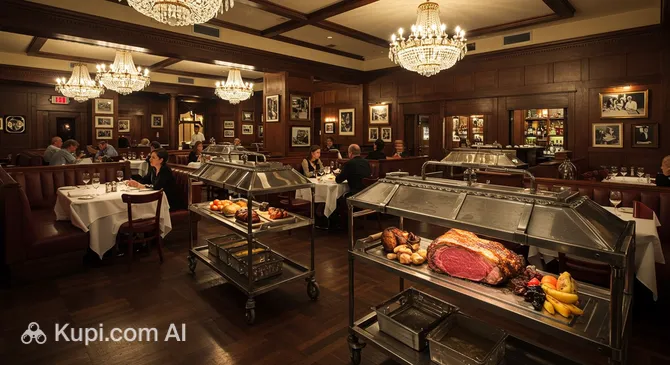
Travelers looking for a classic, old-school dining experience should visit the House of Prime Rib. This historic restaurant is an institution in San Francisco, famous for serving high-quality beef carved tableside from stainless steel carts. It captures the charm of a bygone era and remains a favorite for both locals and visitors celebrating special occasions.
House of Prime Rib. Illustration.
Source: Kupi.com AI
Traveler photos:
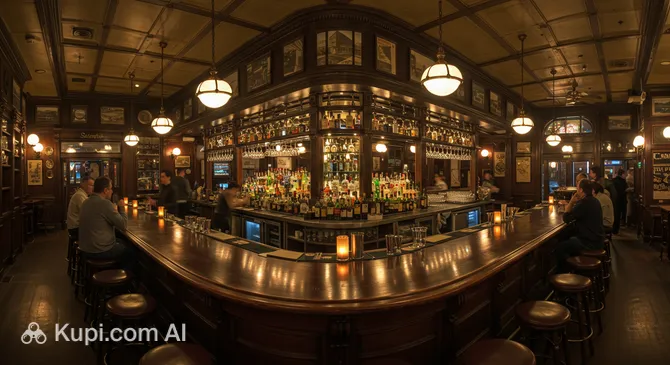
When it comes to drinks, the city offers an impressive variety. Being just a short drive from Napa and Sonoma valleys, local restaurants boast extensive wine lists featuring world-class vintages. However, the most famous local cocktail is undoubtedly the Irish Coffee. It was introduced to the United States in 1952 at The Buena Vista, a historic cafe near Fisherman's Wharf. To this day, bartenders there line up dozens of heat-treated glasses to pour this warm, creamy, whiskey-spiked delight for eager crowds.
The Buena Vista. Illustration.
Source: Kupi.com AI
Traveler photos:
The food culture in San Francisco is centered around distinct neighborhoods. Chinatown offers some of the best dim sum outside of Asia, while North Beach, the city's "Little Italy," is the place to go for fresh pasta, espresso, and pastries. Whether you are grabbing a quick bite at a bustling market or sitting down for a multi-course tasting menu, the city's gastronomic offerings are sure to be a highlight of your trip.
Travel Tips
Welcome to San Francisco, a city where every street corner offers a new view and a fresh adventure. To make your journey through the foggy hills and vibrant neighborhoods as smooth as possible, we have compiled a list of essential travel tips.
Clothing and Gear: The golden rule for San Francisco weather is layers. The temperature can drop significantly when the fog rolls in or as you move between different microclimates, so always carry a light jacket, hoodie, or windbreaker, even in summer. Since exploring the city involves conquering steep hills, bringing a pair of sturdy, comfortable walking shoes is absolutely mandatory.
Transportation: Public transit is the best way to navigate the city. The Muni system operates buses, light rail trains, and historic streetcars that cover most tourist areas, while BART is excellent for travel to and from the airport or across the bay. Ride-hailing apps like Uber and Lyft are ubiquitous and convenient. We strongly advise against renting a car for city exploration, as traffic is dense and parking is notoriously expensive and difficult to find.
Finances: The United States Dollar (USD) is the official currency. Credit and debit cards are accepted almost everywhere, from high-end restaurants to small coffee shops; in fact, some trendy spots have gone completely cashless. Tipping is a deeply ingrained part of the culture, so plan to leave 18-20% for good service in restaurants, bars, and taxis.
Health and Safety: Pharmacies like CVS and Walgreens are common throughout the city, with some locations open 24 hours. While San Francisco is generally safe, tourists should be vigilant in areas like the Tenderloin and parts of SoMa, especially at night. A critical safety rule here is to never leave valuables in a parked car, as vehicle break-ins are a common issue; take your bags with you or leave them at your hotel.
Communication: English is the primary language, though you will hear a multitude of languages in this diverse metropolis. Free Wi-Fi is widely available in cafes, hotels, and public parks. For mobile data, you can easily purchase a prepaid SIM card or an eSIM from major carriers like T-Mobile or AT&T at the airport or local stores.
Local Etiquette: The vibe in San Francisco is casual and open-minded. When using escalators in transit stations, always stand on the right to let rushing commuters pass on the left. If you do drive and park on a hill, it is a legal requirement (and a safety necessity) to curb your wheels to prevent the car from rolling away.
What to Avoid: Try to avoid referring to the city as "San Fran" or "Frisco," as these nicknames are often a pet peeve for locals; simply calling it "the City" or "SF" is preferred. Also, avoid blocking the sidewalk while taking photos of the Painted Ladies or other sights—locals appreciate it when you step to the side to keep foot traffic moving.
Shopping Tip: San Francisco was the first US city to ban plastic bags, so stores charge a small fee for paper or reusable bags. It is a good idea to carry a compact, reusable tote bag with you for any souvenirs or groceries you pick up along the way.
By keeping these practical pointers in mind, you will be ready to embrace the unique rhythm of life by the Bay. Enjoy the sourdough, the sights, and the spectacular views that make this city truly one of a kind!
Entertainment & Nightlife
San Francisco comes alive after dark with a nightlife scene that is as diverse and eclectic as its neighborhoods. Unlike cities with a single centralized party district, the entertainment here is spread across various pockets of the city, each offering a distinct vibe. From historic jazz lounges and high-energy dance clubs to cozy speakeasies and world-class concert venues, the city provides endless options for night owls looking to unwind or dance the night away.
The Mission District is arguably the heart of the city's current nightlife, known for its hip atmosphere and high concentration of bars. Here, you can find everything from craft cocktail lounges to dive bars, often packed with a young, diverse crowd. For those seeking a more intense clubbing experience, the SoMa (South of Market) neighborhood is the go-to destination for electronic music, warehouse parties, and larger dance venues. Meanwhile, North Beach offers a more relaxed, bohemian charm with its historic saloons and live jazz spots, perfect for hopping from one venue to another on foot.
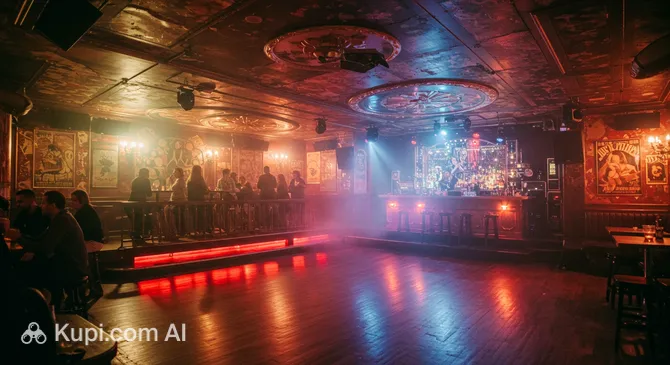
Music lovers are particularly spoiled in this city, which boasts a legendary musical heritage. A night out might include catching a show at The Fillmore, a historic venue that has hosted some of the biggest names in rock and roll history. The atmosphere is steeped in tradition, and it remains one of the best places to see live performances in an intimate setting. Another iconic spot is the Great American Music Hall, known for its ornate interior and excellent acoustics, offering a mix of genres from indie rock to jazz.
The Fillmore. Illustration.
Source: Kupi.com AI
Traveler photos:
For large-scale entertainment and superstar concerts, the Chase Center is the city's premier modern arena. Located in the Mission Bay neighborhood, it hosts major touring acts and events in a state-of-the-art facility. If you prefer a more low-key evening, the Castro District is famous for its vibrant and welcoming LGBTQ+ nightlife, featuring lively bars, drag shows, and street parties that often spill out onto the sidewalks.
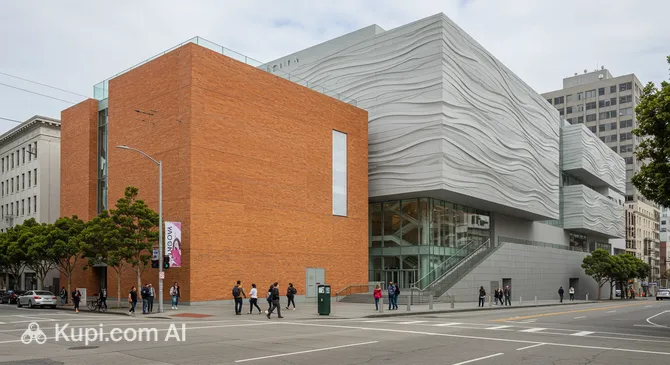
Before the sun sets, the city offers plenty of daytime entertainment that transitions perfectly into the evening. Art enthusiasts can spend the afternoon exploring the San Francisco Museum of Modern Art, which houses an impressive collection of contemporary works. Families and science buffs will love the Exploratorium on the waterfront, an interactive museum that sparks curiosity and often hosts special evening events for adults.
San Francisco Museum of Modern Art. Illustration.
Source: Kupi.com AI
Traveler photos:
When planning your night out, keep in mind that the "California Casual" dress code applies almost everywhere; jeans and layers are standard, and very few places require formal attire. Bars and clubs in California strictly stop serving alcohol at 2:00 AM, so nights tend to start earlier than in some other global cities. For transportation, ride-sharing apps are the safest and most convenient way to get around late at night. While areas like North Beach and the Mission are generally lively and safe for walking between bars, it is advisable to avoid walking alone late at night in the Tenderloin and parts of SoMa.
Parks & Museums
Beyond its famous fog and steep streets, San Francisco is a city deeply connected to nature and the arts. The metropolis is dotted with expansive green spaces that offer respite from the urban bustle, while its world-class museums showcase everything from ancient fine art to cutting-edge contemporary works, reflecting the city's rich cultural tapestry.
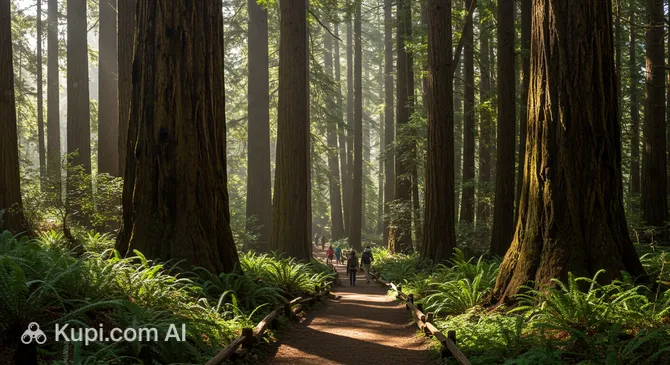
For those seeking a true escape into nature, a visit to Muir Woods National Monument is essential. Located just a short drive north of the city across the Golden Gate Bridge, this cathedral of nature protects one of the last remaining old-growth coast redwood forests in the Bay Area. Visitors can walk along the boardwalks beneath trees that are hundreds of years old and tower over 250 feet high, experiencing a profound sense of peace and ancient history.
Muir Woods National Monument. Illustration.
Source: Kupi.com AI
Traveler photos:
Within the city limits, Mission Dolores Park offers a quintessential San Francisco experience. Situated in the sunny Mission District, this vibrant park is where locals gather to picnic, play music, and enjoy some of the best views of the downtown skyline. It is a perfect spot to soak up the local culture, with a palm-lined landscape that feels distinctly Californian.
Art lovers will find themselves at home in Golden Gate Park, which hosts the de Young Museum. This architectural landmark, clad in a copper facade that oxidizes to blend with the natural surroundings, houses an impressive collection of American art from the 17th through the 21st centuries, as well as textile arts and art from Africa and Oceania. Don't miss the observation level in the Hamon Tower, which offers breathtaking panoramic views of the park and the city for free.
de Young Museum. Illustration.
Source: Kupi.com AI
Traveler photos:
Another jewel in the city's fine arts crown is the Legion of Honor. Perched on the cliffs at Land's End, this neoclassical building was built to commemorate Californian soldiers who died in World War I. Inside, it boasts a vast collection of ancient and European art, including a cast of Rodin's "The Thinker" in the courtyard. The museum's location itself is a masterpiece, offering sweeping vistas of the ocean and the Golden Gate.
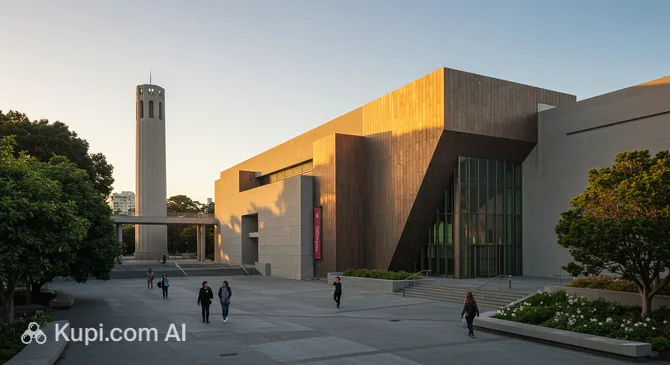
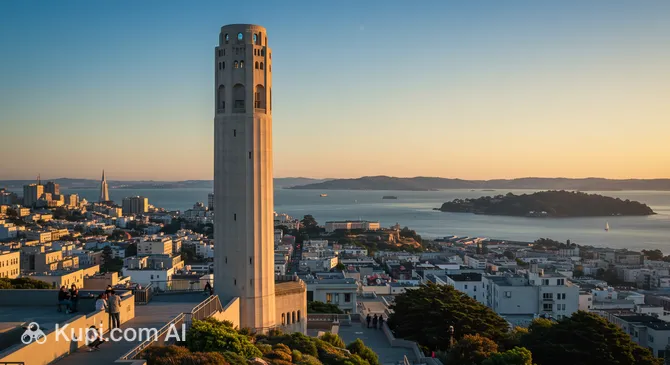
San Francisco's history is also etched into its skyline and coastline. Standing atop Telegraph Hill, Coit Tower is a slender white concrete column that has watched over the city since 1933. Visitors can admire the depression-era murals inside the base, which depict scenes of life in California during the 1930s, or take the elevator to the top for 360-degree views of the bay.
Coit Tower. Illustration.
Source: Kupi.com AI
Traveler photos:
For a glimpse into a more mysterious past, explore the ruins of the Sutro Baths. Once the world's largest indoor swimming pool establishment, this site was destroyed by fire in 1966. Today, the concrete foundations and saltwater pools remain at the edge of the Pacific Ocean, creating a hauntingly beautiful spot for exploration and photography, especially at sunset.
For an insider experience, venture to the Battery Spencer in the Marin Headlands. While many tourists flock to the bridge's welcome center, this former military fortification offers the classic, high-elevation postcard view of the Golden Gate Bridge with the city skyline in the background, making it well worth the trip across the bay.
Getting Around
Navigating San Francisco is an adventure in itself, thanks to a diverse and extensive public transportation network that is often considered one of the best in the United States. The primary system is operated by the San Francisco Municipal Railway, commonly known as Muni. This network includes fuel-efficient buses, light rail Metro trains, historic streetcars, and the city's world-famous cable cars. For travel beyond the city limits, such as to the airport or across the bay to Oakland and Berkeley, travelers rely on the Bay Area Rapid Transit (BART) system, which functions as a high-speed regional subway.
One of the most unique features of San Francisco's transport is its moving historical monuments. The iconic Cable Cars are the world's last manually operated cable car system and serve as both a practical way to conquer the steep hills and a bucket-list attraction. There are three lines, with the Powell-Hyde and Powell-Mason lines being the most popular for their stunning views. Additionally, the F-Market & Wharves line features a colorful fleet of vintage streetcars from around the globe, running along Market Street to Fisherman's Wharf, offering a charming and scenic ride along the waterfront.
To pay for rides, the most convenient option for tourists is the Clipper card, an all-in-one contactless smart card that works on Muni, BART, ferries, and other regional transit. You can purchase a physical card at station vending machines and retailers like Walgreens, or simply download the Clipper app or use the digital wallet on your smartphone. For visitors planning to use public transport frequently, purchasing a Muni Visitor Passport is highly recommended. Available for 1, 3, or 7 days, it offers unlimited rides on all Muni services, including the expensive cable cars, providing significant savings.
Practicality is key when using the system. A standard single ride on a bus or light rail costs approximately $2.50 to $3.00, while a single cable car ride is significantly pricier, costing around $8.00. When boarding buses or streetcars, you must tag your Clipper card on the reader near the door; for the Muni Metro subway and BART, you tag at the fare gates upon entering and exiting. While the Muni Metro runs until midnight, "Owl" bus service replaces train lines and major bus routes overnight, ensuring 24-hour connectivity, though service is less frequent in the early morning hours.
If you prefer alternatives to public transit, San Francisco is the birthplace of ride-sharing services like Uber and Lyft. They are extremely popular, reliable, and often cheaper than traditional taxis, which can be hard to flag down on the street. For those who enjoy active travel, the Bay Wheels bike-share program offers classic and electric bikes at docking stations throughout the city. However, be mindful of the city's hilly terrain; electric bikes are a lifesaver for navigating the steep inclines without exhaustion.
Accommodation
San Francisco offers a diverse array of lodging options that cater to every type of traveler, from backpackers to luxury seekers. The city’s accommodation landscape ranges from historic grand dames and stylish boutique hotels to charming bed-and-breakfasts set in classic Victorian homes. For those seeking a more home-like environment, modern apartment rentals are widely available, while budget-conscious visitors can find numerous high-quality hostels, particularly near the downtown area.
Choosing the right neighborhood is essential for a convenient stay. Union Square is the traditional heart of the city's hotel district, offering the highest concentration of accommodation and unbeatable access to shopping, dining, and the famous cable car lines. For families and those who want to be steps away from top sights like PIER 39, Fisherman's Wharf is a popular choice. Alternatively, travelers looking for a quieter, more upscale experience often prefer the steep streets of Nob Hill, which offer sweeping views of the bay, while the Mission District appeals to those who want to be immersed in the city's vibrant food and arts scene.
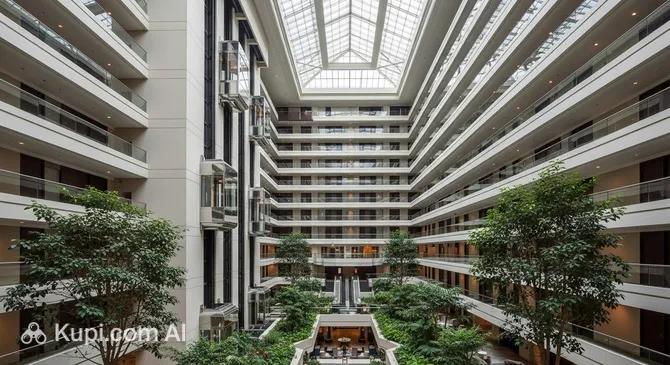
When it comes to selecting a specific property, the city offers locations that suit various itineraries. If you are looking for a stay that places you right along the scenic waterfront, the Embarcadero Hotel is a notable option, offering easy access to the Ferry Building and the financial district. For travelers who prioritize logistics, such as those with early morning flights or short layovers, the SFO Airport Hotel provides a comfortable and convenient base just minutes from the international terminals.
Embarcadero Hotel. Illustration.
Source: Kupi.com AI
Traveler photos:
As a major global destination, San Francisco generally commands higher prices for accommodation compared to other US cities. Rates for mid-range and luxury hotels can be quite steep, especially during the peak summer tourist season or when major conventions are in town. To secure the best value and ensure you get your preferred location, it is highly advisable to book well in advance. Most travelers reserve their stays through major online booking platforms, though checking direct hotel websites can sometimes yield special offers or packages.
Nearby Cities
For those looking to explore the surroundings, San Francisco serves as an excellent base for day trips to several interesting nearby locations:
Just across the Bay Bridge, Oakland offers a vibrant mix of culture, history, and diverse cuisine. Visitors can stroll around the scenic Lake Merritt, explore the waterfront at Jack London Square, or enjoy the city's thriving arts scene. A bit further north, Berkeley is renowned for its academic atmosphere and the historic University of California campus. It is a hub for free speech and culinary innovation, with plenty of unique shops and cafes to discover. For a more relaxed pace, Alameda provides a charming island feel with its beautiful Victorian homes, naval history museum, and sandy beaches offering spectacular views of the San Francisco skyline.
City
Population
Distance
Sausalito
7 100
11 km
Tiburon
9 146
11 km
Daly City
104 914
11 km
Alameda
78 320
12 km
South San Francisco
66 331
13 km
These nearby destinations offer a glimpse into the diverse culture and landscapes of the region.
Shopping & Souvenirs
Shopping in San Francisco is as diverse and vibrant as the city itself, offering everything from high-end luxury retailers to quirky independent boutiques. Whether you are looking for the latest fashion trends, unique vintage finds, or locally made artisanal goods, the city provides a wealth of options. The retail landscape is decentralized, with each neighborhood offering a distinct shopping personality, from the polished windows of downtown to the bohemian vibes of the historic counter-culture districts.
The heart of the city's retail action is Union Square. This bustling district is surrounded by major department stores and upscale designer boutiques, making it the premier destination for serious fashion enthusiasts. For a more eclectic experience, visitors should head to Haight-Ashbury. Famous for its 1960s hippie heritage, this street is lined with vintage clothing stores, independent bookstores, and record shops where you can find one-of-a-kind treasures. Alternatively, the Hayes Valley neighborhood offers a curated selection of trendy boutiques and design shops, perfect for finding stylish clothing and home decor.
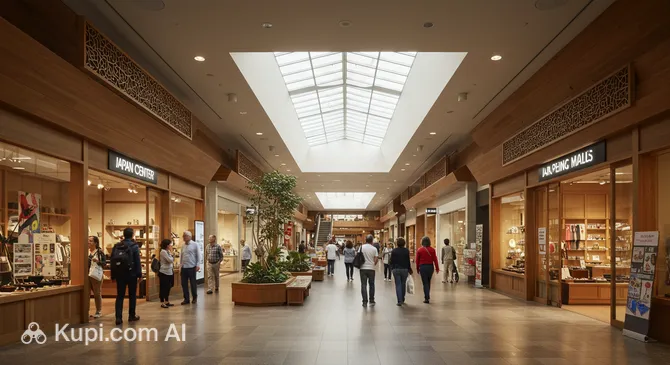
For a truly unique indoor shopping experience, travelers should explore the Japan Center Malls in the Japantown district. This complex is not your typical American shopping center; it is a cultural hub filled with authentic Japanese goods. Here, you can browse through stores selling imported ceramics, anime collectibles, traditional kimonos, and specialty stationery, all while enjoying the aroma of fresh cuisine from the surrounding restaurants.
Japan Center Malls. Illustration.
Source: Kupi.com AI
Traveler photos:
Markets are also a significant part of the local shopping scene. The Ferry Building Marketplace on the Embarcadero is a haven for foodies, featuring merchants selling artisan cheeses, fresh breads, and local produce. For those seeking classic San Francisco memorabilia, PIER 39 offers numerous shops dedicated to souvenirs, apparel, and gifts, making it easy to find a memento of your trip while enjoying the waterfront atmosphere.
When it comes to souvenirs, there are several iconic items to bring back home. Ghirardelli Chocolate is a sweet staple of the city, and you can buy wide varieties of their famous squares. A loaf of authentic sourdough bread is another popular choice, though it is best consumed quickly. For something more lasting, look for items related to the historic cable cars or locally produced wines from the nearby Napa and Sonoma valleys.
Most stores in San Francisco typically open around 10:00 AM and close between 8:00 PM and 9:00 PM, though hours may be shorter on Sundays. Payment is convenient, with credit and debit cards being the standard method almost everywhere. In fact, many trendy cafes and smaller shops have moved to a "card-only" model, so it is less necessary to carry large amounts of cash.
International visitors should be aware that the price you see on the tag is not the final price. A sales tax (currently around 8.6%) is added at the register for most goods. Unlike in many European countries, the United States generally does not offer a VAT refund system for international tourists, so you should budget accordingly for this extra cost on your purchases.