Support

San Miguel

About

Nestled among the rolling hills and vineyards of California's Central Coast, San Miguel is a charming community that offers a fascinating glimpse into the past. This historic town in the United States is renowned for its well-preserved heritage and tranquil, rural atmosphere. Strategically located in San Luis Obispo County, it serves as a welcoming northern gateway to the celebrated Paso Robles wine country, making it a delightful destination for travelers seeking both cultural depth and scenic beauty.
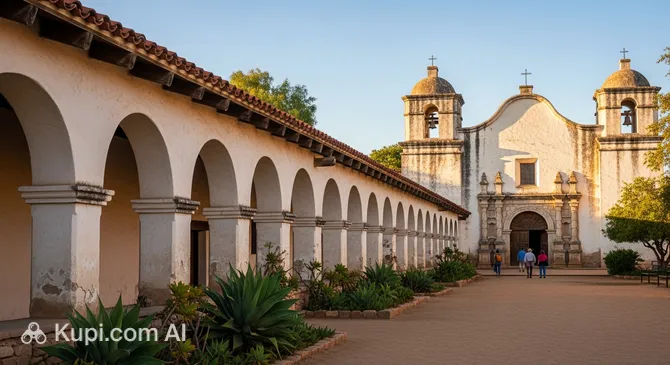
San Miguel. Source: Kupi.Binoculars

The heart of the town beats around the magnificent Mission San Miguel Arcángel, a National Historic Landmark founded in 1797. Visitors interested in the history of San Miguel will be captivated by the mission's original frescoes and distinctive colonnades, which are considered some of the best-preserved examples of Spanish colonial art in the region. Nearby, the Rios-Caledonia Adobe provides further insight into local lore, having served variously as a stagecoach stop, a hotel, and a private residence over the centuries.

Beyond its architectural treasures, San Miguel enjoys a warm Mediterranean climate that is ideal for agriculture and viticulture. The surrounding landscape is dotted with vineyards and tasting rooms, offering ample opportunities to sample local wines in a relaxed setting. Whether you are exploring the storied grounds of the mission or enjoying a quiet afternoon in the Salinas River valley, San Miguel invites you to experience the authentic spirit of Old California.

Weather Overview

San Miguel experiences a climate marked by distinct seasonal contrasts, offering travelers hot, dry summers and cooler, damper winters. During the peak summer months of July and August, average temperatures hover around 24.5°C, with daytime highs often reaching nearly 32°C and virtually no rainfall, making it an excellent time for sun-seekers.

As the year progresses, temperatures cool down significantly, with December and January seeing averages near 10°C and overnight lows dropping to approximately 4°C to 5°C. Precipitation becomes more frequent during this period, particularly in March, which typically records about 10 wet days. To ensure you pack appropriately for these conditions, it is helpful to review the detailed weather in San Miguel before your visit.

Interesting Facts

Beyond the main attractions, San Miguel holds many fascinating secrets that enrich its historical tapestry. This quiet community is not just a gateway to wine country but a custodian of stories that date back to the Spanish colonial era and the Wild West.

  • The murals inside Mission San Miguel Arcángel are exceptionally rare because they have never been repainted or "restored" in the traditional sense. Unlike many other missions, the vibrant frescoes you see today are the original works painted by Salinan artists in the 1820s, utilizing natural pigments sourced from local plants and minerals.

  • The Rios-Caledonia Adobe, located just south of the mission, has served an astonishing variety of purposes throughout its existence. Situated directly on the historic El Camino Real, it operated as a busy stagecoach stop and hotel for travelers between San Francisco and Los Angeles, and later functioned as a private home, a business, and even a neighborhood school.

  • San Miguel is home to the Elkhorn Bar, often cited as one of the oldest continuously operating taverns in California. Established in 1853, this historic watering hole retains much of its Old West atmosphere, and local legends persist that the notorious outlaw Jesse James once stopped there for a drink while hiding out in the area.

How to Get There

Reaching this historic Californian community requires a bit of planning, as it is tucked away in the scenic vineyards of the Central Coast. While the town itself is quiet and rural, it is accessible via several transport hubs in the surrounding region. For a detailed breakdown of routes and tips, you can read more about how to get to San Miguel.

The city of San Miguel does not have its own airport, but you can fly into San Luis County Regional Airport (SBP) in the city of San Luis Obispo, which is about 57.3 km from San Miguel. This is often the most convenient choice for travelers, offering a regional service that avoids the congestion of major metropolitan hubs. The journey from here to San Miguel takes approximately 40-45 minutes by car.

Alternatively, visitors may choose the Fresno Yosemite International Airport (FAT) located in Fresno, roughly 143.6 km away. As a larger facility with significantly higher annual passenger traffic, it provides more flight options and connections. Another possibility is the Monterey Regional Airport (MRY) in Monterey, situated about 138.5 km to the north, offering a scenic drive down the coast to reach your destination.

For clarity, here is a summary of the main airports:

Airport Name City Passenger Traffic Km from City
Fresno Yosemite International Airport Fresno Large 143.6
Santa Barbara Municipal Airport Santa Barbara Medium 166.5
San Luis County Regional Airport San Luis Obispo Medium 57.3
Monterey Regional Airport Monterey Small 138.5
Meadows Field Airport Bakersfield Small 152.7

Main Attractions

San Miguel offers a delightful mix of California history and relaxing rural charm. While the town is quiet, its attractions provide a deep dive into the region's past and present. The most prominent landmark is undoubtedly the Mission San Miguel Arcángel. A visit here allows you to walk through history; unlike many other missions, the church interior retains its original murals painted by Salinan artists. Guests can wander through the colonnaded corridors, explore the museum rooms displaying artifacts from the mission era, and enjoy the peaceful beauty of the inner cactus garden.

Just a short distance away stands the Rios-Caledonia Adobe, another essential stop for history enthusiasts. This well-preserved structure offers a unique perspective on the secular history of the area, having functioned as a stagecoach stop and a bustling hotel in the 19th century. Today, it serves as a museum and gift shop where volunteers guide visitors through rooms furnished to reflect different periods of its existence, helping to bring the stories of early Californian settlers to life.

For those looking to experience the local flavor, San Miguel is an excellent starting point for exploring the northern reaches of the Paso Robles wine country. The area is home to the Pleasant Valley Wine Trail, a collection of family-owned wineries that offer a more intimate tasting experience than some of the larger commercial operations nearby. Travelers can enjoy scenic drives through rolling vineyard hills, stopping at various estates to sample distinct varietals like Zinfandel and Cabernet Sauvignon in a relaxed, uncrowded setting.

Finally, a stroll through the small downtown area reveals the town's enduring character. A notable stop is the historic Elkhorn Bar, which captures the spirit of the Old West. Even if you are just passing through, seeing one of the oldest continuously operating establishments in the state adds a layer of authenticity to your visit. The combination of these historic sites and the surrounding agricultural beauty makes San Miguel a memorable destination for a day trip or a quiet weekend getaway.

Local Cuisine

The culinary landscape of San Miguel reflects its rich agricultural heritage and deep historical roots, offering visitors an authentic taste of the Central Coast without the pretense of high-end dining. The local food scene is defined by unpretentious, family-owned establishments where the focus is on hearty portions and traditional flavors. Due to the town's demographics and history, authentic Mexican cuisine is a standout feature here. Travelers can expect to find exceptional taquerias serving street-style tacos, savory enchiladas, and slow-cooked carnitas that rival any found in larger cities.

In addition to its vibrant Mexican flavors, San Miguel is known for classic American comfort food that caters to both locals and passing travelers. The town's eateries often feature menus packed with ranch-style breakfasts, juicy burgers, and hand-cut steaks, embodying the spirit of the surrounding cattle country. Because the area is a hub for almond and olive orchards, you might also find local olive oils and nuts featured in small markets or tasting rooms, highlighting the bounty of the local soil.

When it comes to beverages, San Miguel is perfectly positioned within the celebrated Paso Robles wine region. The town is the gateway to the Pleasant Valley Wine Trail, where visitors can sample robust varietals such as Zinfandel and Cabernet Sauvignon directly from the producers. For those seeking a different kind of history, the local watering holes offer a glimpse into the Old West. Historic saloons in the area serve as community hubs where you can enjoy a cold beer in an atmosphere that has remained largely unchanged since the days of stagecoaches and outlaws.

Dining in San Miguel is a relaxed affair, characterized by warm hospitality and a slow pace. You won't find crowded food courts or upscale chains here; instead, the culture revolves around casual restaurants and roadside stops where ranchers, winemakers, and tourists mingle. Whether you are enjoying a picnic with a bottle of local wine or sitting down for a spicy plate of chilaquiles, the experience is intimate and deeply connected to the land and its people.

Travel Tips

Visiting San Miguel offers a peaceful retreat into California's rich history and agricultural beauty, but its rural nature means a little preparation goes a long way. To help you make the most of your trip to this quiet Central Coast gem, here are some practical tips to keep in mind for a smooth experience.

  1. Clothing and Gear: The climate here is characterized by significant temperature shifts. Even if the days are hot, evenings can become quite cool, so packing layers like a light jacket or sweater is essential. Comfortable walking shoes are recommended for exploring the unpaved paths around the historic sites. If you plan to enter the Mission San Miguel Arcángel, remember to dress modestly (covering shoulders and knees) out of respect for this active religious site.

  2. Transportation: A personal vehicle is practically essential for exploring San Miguel and the surrounding vineyards. While there is limited bus service via the San Luis Obispo Regional Transit Authority (RTA), schedules are infrequent. Ride-hailing apps like Uber and Lyft operate in the area, but wait times can be significantly longer than in major cities, especially for return trips from remote wineries.

  3. Finances: The local currency is the US Dollar (USD). While most wineries and established restaurants accept credit cards, it is wise to carry some cash. Smaller, authentic taco trucks or local family-run shops may prefer cash or have minimum limits for card transactions. ATMs are available but fewer in number compared to larger towns.

  4. Health and Safety: San Miguel is generally a very safe and quiet community. However, it does not have a major hospital or 24-hour pharmacy. For urgent medical needs or late-night prescriptions, you will likely need to drive about 10–15 minutes south to the city of Paso Robles. Always stay hydrated, especially during the dry summer heat.

  5. Communication: English is the primary language, but due to the town's heritage and demographics, Spanish is widely spoken and very useful, particularly in local eateries and markets. Learning a few basic phrases like "Hola" (Hello) or "Gracias" (Thank you) is appreciated. Wi-Fi is standard in most businesses, though cell service can be spotty in the deeper canyons of the wine country.

  6. Local Etiquette: San Miguel retains a small-town, neighborly atmosphere. It is polite to greet shop owners and locals with a smile or a friendly nod. The pace of life here is slower than in the big city, so patience and a relaxed attitude are key when being served in restaurants or tasting rooms.

  7. What to Avoid: Never wander into private vineyards or orchards to take photos without explicit permission. These are working farms and private properties; trespassing can damage crops and is considered disrespectful to the growers. Stick to designated tasting rooms and public paths.

  8. Timing Your Visit: Many local attractions, including the Mission and the Rios-Caledonia Adobe, have specific operating hours that often end by late afternoon (around 4:00 PM or 5:00 PM). To ensure you see everything, plan to start your sightseeing early in the day rather than leaving it for the evening.

By keeping these practicalities in mind, you can focus on soaking up the rustic charm and historic atmosphere that make San Miguel so special. Whether you are here for the colonial architecture or the rolling vineyards, a little planning ensures your visit will be as relaxing as the landscape itself.

Entertainment & Nightlife

Entertainment in San Miguel is defined by its relaxed, rural pace and deep historical roots rather than high-energy nightclubs or sprawling entertainment districts. The nightlife here is intimate and community-focused, centering largely on casual gatherings, good food, and local history. Visitors should not expect a bustling club scene; instead, the evening atmosphere is characterized by quiet streets, starry skies, and the welcoming glow of a few local establishments where conversation and authenticity take center stage.

The undisputed hub of evening activity in San Miguel is the historic Elkhorn Bar. Located on Mission Street, this legendary saloon is one of the oldest continuously operating taverns in California and offers a genuine Old West experience. With its long wooden bar, eclectic memorabilia, and stories of outlaw Jesse James, it attracts a diverse mix of local ranchers, winemakers, and tourists. The vibe is incredibly casual and friendly—jeans and boots are the standard dress code. It is the perfect spot to enjoy a cold beer, play a game of pool, and soak up the local culture in a setting that feels frozen in time.

For those looking for an evening meal to accompany their night out, options are limited but authentic. Dos Hermanos is a popular local choice, offering hearty Mexican cuisine that reflects the town's culinary heritage. While not a nightlife venue in the traditional sense, it serves as a gathering place where families and friends enjoy late dinners of tacos and enchiladas. The atmosphere is unpretentious and warm, making it a great prelude to a drink at the saloon. Travelers should note that most kitchens in town close relatively early, often by 8:00 PM or 9:00 PM, so it is wise to plan dinner accordingly.

If you are seeking more vibrant nightlife or live music, the short drive south to Paso Robles is a common option for those staying in San Miguel. However, within San Miguel itself, the "entertainment district" is effectively the stretch of Mission Street near the historic mission. Safety is rarely a concern in this small, tight-knit community; the streets are quiet and generally very safe for walking. However, the town can be quite dark at night due to limited street lighting, so staying near the main thoroughfare is recommended.

Practical advice for a night out in San Miguel revolves around transportation and cash. Ride-sharing services like Uber and Lyft can be scarce late at night in this rural area, so if you plan to drink, designating a driver is the most reliable strategy. Prices are generally very affordable compared to larger Californian cities. Additionally, while the Elkhorn and larger eateries accept cards, carrying cash is always a good idea for smaller transactions or tips. During the day, entertainment is equally low-key, focusing on exploring the Mission San Miguel Arcángel or visiting nearby vineyards, but as the sun sets, the town returns to its quiet, starry stillness.

Parks & Museums

While San Miguel is a small community, its cultural and recreational offerings are deeply rooted in its rich history and rural landscape. The town does not boast the sprawling urban parks or vast museum districts of larger cities; instead, it offers intimate, well-preserved sites that allow visitors to step back in time, along with modest green spaces perfect for a quiet respite under the California sun.

The crown jewel of the town’s cultural heritage is the museum complex at Mission San Miguel Arcángel. This is not merely a church but a comprehensive museum that chronicles the lives of the Franciscan friars and the Salinan people. Visitors can explore the museum rooms, which display an impressive collection of historical artifacts, including original vestments, ancient branding irons, and tools used in the construction of the mission. A highlight for many is the original kitchen and the living quarters, which have been meticulously maintained to reflect the austere lifestyle of the late 18th and early 19th centuries.

Another significant guardian of local history is the Rios-Caledonia Adobe. Located just south of the mission, this site functions as a dedicated museum showcasing the secular history of the region. As you walk through the restored rooms, you will see exhibits depicting its various eras as a stagecoach stop, a hotel, and a private residence. The museum is staffed by knowledgeable volunteers who can point out unique architectural details and share stories about the travelers who once rested here along the El Camino Real. It provides a fascinating counterpoint to the religious history of the mission, offering a glimpse into the rough-and-tumble days of early statehood.

For those seeking fresh air and a place to relax, San Miguel Community Park serves as the town's central green space. Situated conveniently near the downtown area, this park is a favorite among locals for family gatherings and community events. It features well-maintained grassy areas, a playground for children, and picnic tables that are perfect for enjoying a lunch packed with local goods. It offers a simple, laid-back atmosphere where you can watch the world go by and enjoy the slow pace of life that defines the Central Coast.

Nature lovers will also appreciate the Mission Gardens, located within the mission grounds. While not a public park in the traditional sense, this area features a beautiful cactus garden and a historic fountain that provide a serene environment for contemplation. The garden showcases native plants and succulents that are adapted to the arid local climate, offering a peaceful retreat where the only sounds are often the rustling of leaves and the distant chiming of bells.

For a truly authentic experience, take a moment to visit the old cemetery adjacent to the mission. It is less of a tourist attraction and more of a quiet historical archive, where the grave markers tell the stories of the diverse families—Native American, Spanish, Mexican, and American—who have called this valley home for centuries. It is a poignant reminder of the layers of history that coexist in this quiet corner of California.

Getting Around

Public transportation in San Miguel is reflective of its status as a small, rural community on the Central Coast. Visitors should be aware that the town does not possess a complex network of metros, trams, or trolleybuses. The system is modest and designed primarily to connect residents with neighboring cities rather than to facilitate intra-city travel. For the majority of tourists, a private vehicle remains the most practical and efficient way to navigate the local area and the surrounding wine country.

The primary form of public transit is the bus service provided by the San Luis Obispo Regional Transit Authority (RTA). Specifically, Route 9 connects San Miguel to the larger transport hub of Paso Robles and further south to San Luis Obispo. These buses are modern and comfortable, equipped with bike racks, making them a viable option for travelers who want to visit the town for a day trip without driving. However, the frequency of service is limited, with buses typically running roughly once an hour on weekdays and even less frequently on weekends.

Payment for the bus is straightforward. Passengers can pay with cash upon boarding, but it is crucial to have the exact change, as drivers cannot provide change. For a more convenient option, travelers can use the Token Transit mobile app, which allows you to purchase digital passes on your smartphone and simply show the screen to the driver. Day passes and multi-day passes are available and offer good value if you plan to make a return trip or transfer to other RTA routes within the county.

Given the limited schedule of the bus system, relying solely on public transport requires careful planning. Tourists are advised to check the RTA timetables in advance, as missing a bus can result in a significant wait. Operating hours generally span from early morning to early evening, with service winding down earlier on weekends. It is also important to note that there are no ticket machines at bus stops in San Miguel; all fares must be handled on the bus or via the app.

For those seeking alternatives, rideshare services like Uber and Lyft operate in the area, but availability can be sporadic compared to major metropolitan centers. You may experience longer wait times, especially early in the morning or late at night. Taxis are another option, though they usually need to be dispatched from Paso Robles, so booking in advance is highly recommended. While San Miguel does not have its own train station, the nearby city of Paso Robles serves as the closest rail link, serviced by Amtrak's Coast Starlight.

Cycling is a popular recreational activity in the region due to the scenic vineyard landscapes, and the town itself is small enough to be easily navigated on foot. However, for visiting wineries or attractions located on the outskirts, a rental car is strongly suggested. There are no car rental agencies directly within San Miguel, so visitors typically arrange for vehicle rentals at the regional airports or in the larger neighboring cities before arriving.

Accommodation

Accommodation in San Miguel reflects the town's quiet, rural character and its status as a historic gateway to the Central Coast wine country. Unlike the bustling resort towns nearby, San Miguel offers a more intimate and authentic lodging landscape. Visitors will not find large chain hotels or sprawling luxury resorts directly within the town limits. Instead, the options are primarily focused on unique vacation rentals, charming vineyard guest houses, and modest, budget-friendly inns that provide a comfortable base for exploring the area.

For those wishing to stay close to the local history, the area near Mission Street and the downtown corridor is the most convenient location. Staying here places you within walking distance of the famous Mission San Miguel Arcángel and the few local dining spots. Alternatively, the surrounding countryside offers a different experience, where travelers can book private homes or cottages located directly on working vineyards. These rural stays are perfect for those seeking tranquility, starry nights, and the romance of waking up to views of rolling hills and olive orchards.

Because the inventory of traditional hotel rooms in San Miguel is quite limited, many visitors also consider the short drive from neighboring Paso Robles, which offers a broader spectrum of luxury and full-service hotels. However, staying locally in San Miguel provides a peaceful escape from the crowds, often at a more accessible price point. The local establishments tend to be family-run, offering a personalized touch that larger chains cannot match.

Booking Tip: Due to the limited number of rooms and the popularity of the surrounding wine region, it is highly recommended to book your accommodation well in advance, especially if you plan to visit during the autumn harvest season or on holiday weekends. Vacation rentals, in particular, can fill up months ahead of time.

The price range for lodging in San Miguel is generally budget to mid-range, making it an attractive option for value-conscious travelers. While you might find higher rates for exclusive vineyard estates, the typical cost is often lower than in the more commercialized tourist hubs to the south. Booking is most commonly done through major online travel platforms or vacation rental sites, though some smaller local inns may welcome direct inquiries.

Nearby Cities

For those looking to explore the surroundings, San Miguel serves as an excellent base for day trips to several interesting nearby locations.

Located just a short drive south, Paso Robles is a premier destination for wine enthusiasts and those seeking relaxation. Known for its world-class vineyards, olive orchards, and natural thermal hot springs, it offers a lively downtown area centered around a beautiful city park, perfect for dining and boutique shopping.

Further south lies San Luis Obispo, often referred to as SLO. This vibrant college town blends historic charm with a youthful atmosphere. Visitors can explore the Mission San Luis Obispo de Tolosa, stroll through the famous weekly farmers' market, or visit the quirky Bubblegum Alley. It serves as a cultural hub for the county with numerous museums and theaters.

City Population Distance (km)
Santa Maria 142230 92
Hanford 95459 114
Paso Robles 67696 13
San Luis Obispo 47257 52
Orcutt 30940 101

These nearby destinations offer a glimpse into the diverse culture and landscapes of the region.

Shopping & Souvenirs

Shopping in San Miguel is a reflection of the town’s relaxed, historical character. Visitors will not find sprawling shopping malls, big-box retailers, or high-end fashion districts here. Instead, the retail experience is intimate and centered around unique, locally owned businesses that invite leisurely browsing. The town is best known for its antique stores and vintage boutiques, making it a delightful destination for "treasure hunters" looking for rustic home decor, collectibles, and rare finds from the past.

The main thoroughfare, Mission Street, is the heart of commercial activity. Here, you can wander into charming antique shops that capture the spirit of the Old West. These establishments often carry a curated mix of items ranging from cowboy memorabilia and vintage tools to porcelain and historic photographs. It is the kind of place where the inventory changes regularly, and shop owners are happy to share the stories behind the objects on their shelves.

For those seeking a specific memento of their trip, the gift shop at Mission San Miguel Arcángel is a must-visit. Far more than a standard souvenir stand, it offers a selection of religious items, rosaries, and handcrafted goods that reflect the spiritual heritage of the site. Additionally, the shop stocks an excellent array of books on California history and the mission system, perfect for visitors who want to deepen their understanding of the region after touring the grounds.

Given the town's location in a rich agricultural valley, edible souvenirs are among the best purchases you can make. While there are no large gourmet markets in the town center, the surrounding area is dotted with family-run farms and vineyards. Visitors can purchase bottles of local wine, extra virgin olive oil, and almonds directly from the producers. These locally grown products offer a taste of the Central Coast that you can take home to share with friends and family.

For everyday necessities, San Miguel has small markets and convenience stores that stock basic groceries and supplies. However, for a more extensive shopping spree involving clothing, electronics, or major department stores, travelers typically make the short 10-15 minute drive south to Paso Robles. This proximity allows visitors to enjoy the quiet, small-town charm of San Miguel while still having easy access to modern retail conveniences just down the highway.

Reached the end of the page?

That means the route is fully explored