Support

Mammoth Lakes

About

Nestled high in the Sierra Nevada mountains of California, Mammoth Lakes is a premier destination for nature lovers and adventure seekers alike. This charming alpine town offers a perfect blend of breathtaking scenery and small-town hospitality. Although it has a modest permanent population of around 8,200 residents, it serves as a vibrant hub for visitors from across the United States and beyond, drawn by its year-round recreational opportunities.
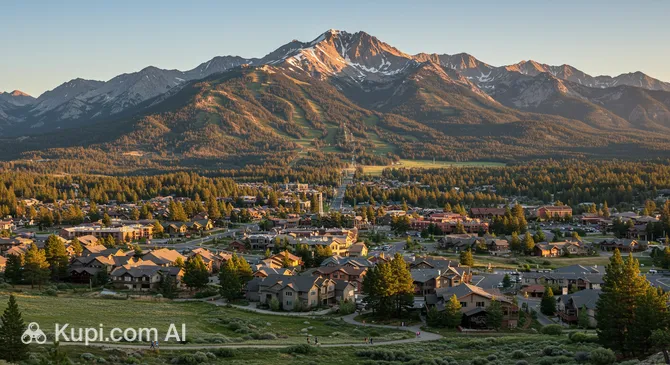
Mammoth Lakes. Source: Kupi.Binoculars

Geographically, the town sits at an elevation of nearly 7,900 feet, providing crisp mountain air and stunning vistas of the surrounding peaks. While today it is famous for its world-class skiing and hiking, the history of Mammoth Lakes is deeply rooted in the Gold Rush era, having originally attracted prospectors hoping to strike it rich. This rugged past adds a layer of historical intrigue to the area's overwhelming natural beauty.

Visitors are spoiled for choice when it comes to attractions. Mammoth Mountain is a legendary spot for winter sports enthusiasts, offering vast terrain for skiing and snowboarding. In the warmer months, the geological wonder of Devils Postpile National Monument and the majestic Rainbow Falls become must-see landmarks. The region is also dotted with crystal-clear alpine lakes, perfect for fishing, boating, or simply relaxing by the water's edge.

Whether you are seeking an adrenaline-pumping vacation or a peaceful retreat into nature, Mammoth Lakes promises an unforgettable experience. Its unique combination of dramatic landscapes and accessible wilderness makes it a top-tier destination for your next mountain getaway.
Weather Overview

The climate in this high-altitude region is defined by distinct seasonal changes, offering a variety of conditions for outdoor enthusiasts. To help pack appropriately for your trip, it is helpful to review the current weather in Mammoth Lakes.

Summer brings comfortable warmth, with July typically being the hottest month, featuring average temperatures of 17.5°C and daily highs reaching nearly 25°C. In contrast, the winter months of January and February are cold, with averages hovering around -4°C and nighttime lows dropping to nearly -10°C. Expect mild summers with fewer rainy days and cold winters with frequent precipitation, particularly in March.

Interesting Facts

Beyond the world-class skiing and hiking trails, Mammoth Lakes holds a treasure trove of geological curiosities and historical quirks. Dig a little deeper to discover the fascinating stories that shaped this unique alpine community.
  • Contrary to what the name might suggest, the town was not named after the prehistoric woolly mammoth. The moniker actually originates from the Mammoth Mining Company, founded in the 1870s by prospectors who dreamed of "mammoth" gold yields that, unfortunately, never fully materialized.

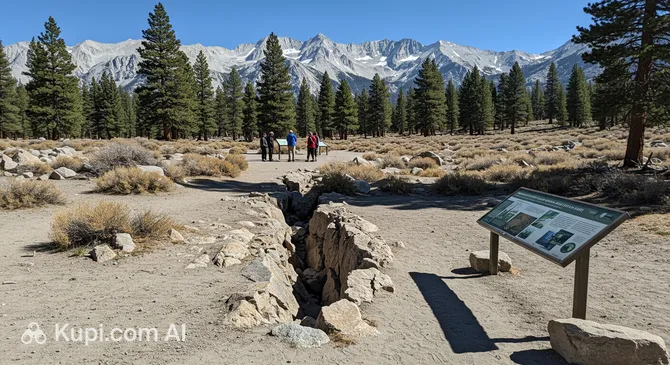
  • The area is home to a striking geological formation known as the Earthquake Fault. Despite its dramatic name, this deep fissure cutting through volcanic rock is likely not a tectonic fault line, but rather a fracture caused by the cooling of molten lava or the stretching of the earth's crust.

  • Mammoth Lakes sits right on the edge of the Long Valley Caldera, a massive depression formed by a supervolcano eruption roughly 760,000 years ago. This volcanic legacy is still very much alive, fueling the region's numerous natural hot springs and fumaroles.

  • Because of its high elevation and specific weather patterns, the town enjoys one of the longest ski seasons in North America. It is not uncommon for the slopes to remain open for skiing and snowboarding well into July, a phenomenon locals affectionately call the "second season."

Earthquake Fault. Source: Kupi.Binoculars

How to Get There

Planning a trip to the Sierra Nevada mountains involves choosing the right entry point, as the region's rugged geography offers several scenic routes. Whether you prefer flying directly into the mountains or taking a road trip from a major city, you can find all ways to reach the city and select the one that best fits your itinerary.

The most convenient option for many travelers is flying into Mammoth Lakes Airport (MMH), which is located just 12 km from the town center. Landing here puts you right at the doorstep of your adventure; a taxi or shuttle ride to the main lodging areas is very short, taking only about 15 minutes. For those seeking more flight connections, Reno-Tahoe International Airport (RNO) in Reno is a popular gateway. Situated approximately 218 km to the north, the drive to Mammoth Lakes via the scenic US-395 highway takes about 3 hours. Fresno Yosemite International Airport (FAT) appears close on the map at 117 km away, but travelers should be aware that the Sierra Nevada range blocks direct access. Consequently, the drive involves a significant detour around the mountains, typically taking over 4.5 hours.

For clarity, here is a summary of the main airports serving the region:

Airport Name City Passenger Traffic Km from City
Sacramento International Airport Sacramento High 257.3
Reno-Tahoe International Airport Reno High 217.7
Fresno Yosemite International Airport Fresno Medium 117.4
Meadows Field Airport Bakersfield Small 245.9
Mammoth Lakes Airport Mammoth Lakes Small 12.0

Main Attractions

While the natural landscape is the primary draw, the town itself offers a variety of engaging spots that cater to relaxation, entertainment, and local culture. From bustling community hubs to serene viewpoints, the attractions here provide the perfect complement to a day spent on the slopes or trails.

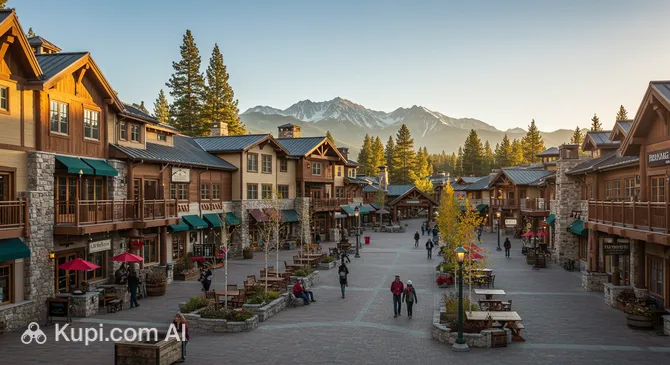
For those looking for the social center of the area, The Village at Mammoth is the place to be. This pedestrian-friendly complex serves as the town's heartbeat, featuring an array of boutique shops, restaurants, and year-round events. Tourists love it for its vibrant atmosphere, especially during the evenings when fire pits are lit, and it serves as a convenient transportation hub with gondola access directly to the mountain.

The Village at Mammoth. Source: Kupi.Binoculars

Nature enthusiasts seeking spectacular scenery without a strenuous hike should visit Twin Lakes Vista. Located just a short drive from the town center, this overlook offers breathtaking panoramic views of the shimmering Twin Lakes and the rugged cliffs of the Mammoth Crest. It is a fantastic spot for photography, particularly at sunset, and provides a peaceful moment to appreciate the sheer scale of the Sierra Nevada mountains.

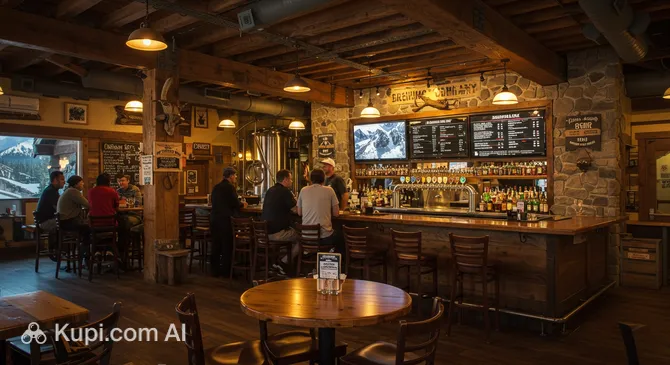
After a long day of outdoor adventure, many visitors head to the Mammoth Brewing Company to unwind. As a staple of the local après-ski scene, this establishment is famous for its locally crafted beers and relaxed, friendly vibe. It is an interesting stop not just for the beverages, but for the chance to mingle with locals and fellow travelers while enjoying hearty food in a rustic, mountain-town setting.

Mammoth Brewing Company. Source: Kupi.Binoculars

For a taste of history combined with outdoor recreation, Tamarack Lodge & Resort is a must-visit landmark. Dating back to 1924, this historic lodge sits on the shore of Twin Lakes and offers a more secluded, old-world charm compared to the modern village. It is particularly renowned for its world-class cross-country ski center in the winter and its access to serene fishing and hiking trails during the warmer months.

Local Cuisine

To satisfy the appetite built up after a day of hiking or skiing, the local cuisine in Mammoth Lakes focuses on hearty, comforting mountain fare. The food scene here is unpretentious and satisfying, characterized by generous portions and a relaxed atmosphere. A standout ingredient in the region is fresh Sierra trout, often served grilled or pan-seared with almonds and lemon, capturing the essence of the surrounding alpine lakes.

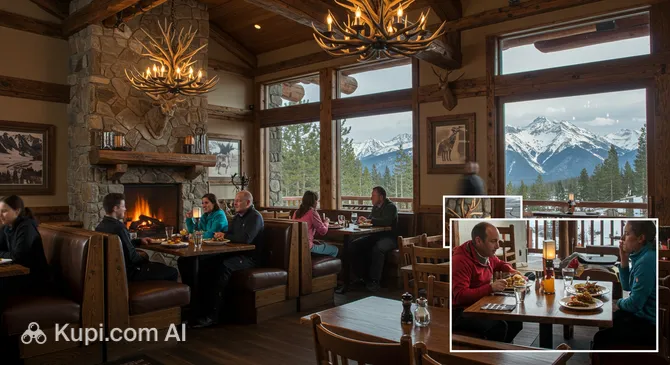
For many visitors, the day begins with a substantial breakfast, a meal taken very seriously in this town. The Stove is a legendary spot that has been serving locals for decades, famous for its rustic country-style dishes. It is the perfect place to try traditional American classics like biscuits and gravy or fluffy pancakes, but they are perhaps best known for their delicious homemade pies, which are a must-try treat regardless of the time of day.

The Stove. Source: Kupi.Binoculars

When evening falls, the dining focus shifts to savory, protein-rich meals that provide warmth and sustenance. Steakhouses are a staple of the culinary landscape here. Mogul Restaurant is a prime example of this tradition, offering a family-friendly environment where diners can enjoy high-quality prime rib and grilled steaks. These establishments often feature extensive salad bars and a cozy, cabin-like ambiance that embodies the spirit of a mountain getaway.

No gastronomic tour of the area would be complete without sampling the local craft beverages. The town has a vibrant brewing culture, led by the renowned Mammoth Brewing Company. Beer enthusiasts should look for unique local brews that incorporate regional ingredients, such as the "IPA 395," which features wild sage and juniper berries hand-picked from the nearby high desert. Whether you are enjoying a cold pint after the slopes or a hot meal by a fire, the food and drink here are designed to fuel your adventures.

Travel Tips

Visiting Mammoth Lakes is an incredible experience, but the high altitude and alpine environment require a bit of specific preparation to ensure your trip is as safe as it is memorable. Here are some practical tips to help you navigate the unique conditions of this Sierra Nevada gem like a pro.

  1. Clothing and Gear. The weather in the mountains can change rapidly, so layering is essential regardless of the season. Even in summer, evenings can be chilly, so bring a warm jacket. In winter, waterproof gear is non-negotiable. Crucially, because of the high elevation, the sun is much stronger here; always pack high-SPF sunscreen, sunglasses, and a hat to prevent severe sunburn.
  2. Transportation. While having a car is convenient for getting to the town, once you are here, you might not need it much. Mammoth Lakes offers an excellent free trolley and bus system (ESTA) that connects the Village, ski lodges, and various trailheads. Using this service helps you avoid parking hassles, especially during peak ski season or busy summer weekends.
  3. Finances. The currency is the US Dollar (USD). Credit and debit cards are widely accepted at hotels, restaurants, and shops. However, it is wise to carry some cash for smaller purchases or tips. ATMs are readily available in town. Standard American tipping culture applies: expect to leave 15–20% for service in restaurants and bars.
  4. Health and Safety. The most common issue for visitors is altitude sickness, as the town sits at nearly 8,000 feet. Drink significantly more water than usual, limit alcohol intake for the first few days, and take it easy while acclimatizing. Also, be "Bear Aware"—never leave food or scented items in your car, as local black bears are active and clever. Pharmacies are available in town for basic needs.
  5. Communication. English is the primary language. While Wi-Fi is standard in hotels and cafes, cell phone reception can be spotty or non-existent once you venture into the canyons or higher hiking trails. It is highly recommended to download offline maps and trails to your phone before heading out on an excursion.
  6. Local Etiquette. The local culture is laid-back and outdoor-focused. The golden rule here is "Leave No Trace." Locals are very protective of their environment; always pack out your trash, stay on designated trails, and respect wildlife. A friendly "hello" to fellow hikers or skiers is common and polite.
  7. What to Avoid. Do not ignore winter driving restrictions. If "chain controls" are in effect, you must carry chains (and know how to use them) or have a 4WD vehicle with snow tires; police strictly enforce this. Additionally, never approach or feed wildlife, no matter how tame they seem—it is dangerous for you and often fatal for the animal.
  8. Shuttle Requirements. If you plan to visit Devils Postpile or Rainbow Falls in the summer, note that personal vehicles are often restricted during the day to reduce congestion. You will likely need to take the mandatory shuttle bus from the Adventure Center, so check the schedule and buy tickets in advance to avoid disappointment.

By keeping these practicalities in mind, you will be well-equipped to handle the elements and enjoy the relaxed mountain lifestyle. Pack your sense of adventure (and plenty of water), and get ready to explore one of California's most spectacular playgrounds!

Entertainment & Nightlife

Entertainment and nightlife in Mammoth Lakes are defined by a relaxed, friendly atmosphere that revolves heavily around the "après-ski" culture. Rather than high-energy nightclubs with strict dress codes, you will find cozy lounges, lively pubs, and outdoor fire pits where the dress code is almost exclusively mountain casual—flannel shirts, jeans, and boots are the norm. The vibe is welcoming and communal, with visitors and locals alike gathering to recount the day's adventures over craft drinks and hearty appetizers.

The undisputed hub of evening activity is The Village at Mammoth. This pedestrian-friendly district comes alive as the sun sets, offering a concentration of bars, restaurants, and shops. It is the perfect place for a night walk; the area is often illuminated by festive lights, and year-round events or live music performances frequently take place in the central plaza. Visitors can hop between venues easily, enjoying everything from sophisticated cocktails to casual beers by the outdoor fires.

For those who appreciate locally crafted beverages, the Mammoth Brewing Company is a standout venue. While it serves as a relaxed dining spot during the day, in the evenings it transforms into a bustling social hall. It is a favorite among the younger crowd and beer aficionados, offering a lively setting to sample flights of award-winning ales. The atmosphere here captures the essence of the town: unpretentious, fun, and deeply connected to the mountain lifestyle.

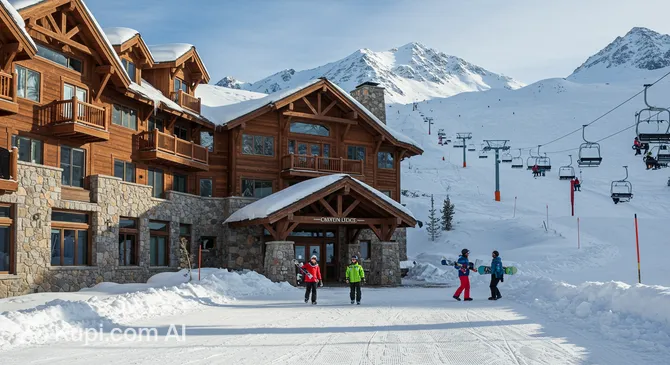
Another key location for entertainment, particularly during the winter season, is Canyon Lodge. Famous for its indoor and outdoor après-ski parties, this venue often hosts concerts and DJ sets that draw large crowds right off the slopes. It is an excellent spot to enjoy the high energy of the ski resort environment before heading back to town for a quieter dinner.

Canyon Lodge. Source: Kupi.Binoculars

When planning your night out, keep in mind that Mammoth Lakes is an early-to-rise town. Most bars and venues close earlier than in major cities, often around 10:00 PM or midnight, as many people plan to hit the trails or slopes early the next morning. Prices are generally moderate to high, typical of a resort destination. For transportation, the free town trolley and shuttle system is a safe and convenient way to get around the main districts until late evening. Taxis and ride-sharing services are available but can be limited late at night, so it is wise to arrange your ride in advance if you plan to stay out late.

Beyond the nightlife, the town offers modest but enjoyable daytime entertainment options for those taking a break from nature. Visitors can explore local shopping galleries in The Village, catch a movie at the local cinema, or enjoy a few rounds at the town's bowling alley. While there are no large amusement parks or major museums, the charm of Mammoth Lakes lies in its outdoor-focused lifestyle, where the mountains themselves provide the grandest stage for entertainment.

Parks & Museums

Parks and Museums:

While Mammoth Lakes is primarily known for its vast wilderness and ski slopes, the town also offers curated spaces where visitors can connect with the region's rich history and unique geology. The local parks and museums provide a deeper understanding of the area, ranging from serene green spaces perfect for a family picnic to educational centers perched on mountain peaks.

For a relaxing afternoon within the town limits, Mammoth Creek Park is a favorite among locals and tourists alike. This well-maintained green space features a scenic backdrop of the Sherwin Range and offers excellent amenities, including playgrounds and picnic areas. It sits along the banks of Mammoth Creek, making it a peaceful spot to unwind, watch the water flow, or enjoy a casual walk without leaving the convenience of the town center.

Just a short drive away lies one of the region's most significant natural protected areas, Devils Postpile National Monument. Although often categorized as a hiking destination, this site functions as a grand outdoor museum of geology. It preserves a rare formation of columnar basalt—towering, hexagonal rock columns created by cooling lava around 100,000 years ago. The area also encompasses the spectacular 101-foot Rainbow Falls, making it a critical site for understanding the volcanic forces that shaped the landscape.

To dive into the human history of the High Sierra, a visit to the Mammoth Museum at the Hayden Cabin is essential. Housed in a genuine log cabin built in the 1920s, this museum captures the spirit of the early mining days and the development of the tourism industry. Exhibits include vintage photographs, mining implements, and personal artifacts from the town's pioneers. The setting itself, shaded by tall pines near Mammoth Creek, evokes the rugged lifestyle of the early twentieth century.

For a museum experience with a view, the Eleven53 Interpretive Center offers an unparalleled perspective. Located at the summit of Mammoth Mountain at an elevation of 11,053 feet, this center focuses on the natural history and geology of the Sierra Nevada. Visitors can explore interactive exhibits about the volcanic origins of the Long Valley Caldera while enjoying panoramic views that stretch for miles. It is an educational stop that literally takes you to the top of the world.

Those interested in geological curiosities should not miss the Hot Creek Geological Site. This fascinating area showcases the region's ongoing volcanic activity with boiling blue pools and steaming fumaroles set against a dramatic canyon backdrop. While swimming is not allowed due to the extreme heat, the walking paths provide a safe way to observe these colorful and powerful natural features up close.

For a truly authentic experience, seek out the natural hot springs scattered across the nearby valley floor, such as Wild Willy’s or Hilltop Hot Springs. These primitive pools offer a chance to soak in mineral-rich waters while surrounded by open sagebrush plains and mountain vistas, a beloved pastime for anyone looking to connect with the raw beauty of the Eastern Sierra.

Getting Around

Navigating Mammoth Lakes is surprisingly easy and convenient, thanks to a robust public transport system designed specifically for visitors and outdoor enthusiasts. Since the town is relatively small and spread out along the base of the mountains, there is no need for a subway or tram network. Instead, the area relies on an extensive and efficient bus and shuttle system that connects the main lodging areas, the town center, and the ski lodges.

The crown jewel of the local transport is the free town shuttle system, operated in partnership with the Eastern Sierra Transit Authority (ESTA). These buses run on color-coded routes (such as the Red Line, Blue Line, and Yellow Line) that cover virtually every point of interest, from the Village to the various mountain lodges and parks. For most tourists, this is the primary mode of travel. In addition to the buses, the Village Gondola serves as a unique form of aerial transit during the winter season. This free cable car connects The Village directly to Canyon Lodge, allowing skiers and pedestrians to "commute" over the treetops without needing a car.

Regarding payment, the news is excellent for travelers: the majority of local bus routes and the Village Gondola are completely free of charge. You do not need to purchase a travel pass, validate a ticket, or worry about exact change for these specific lines—simply hop on and off as you please. However, there are exceptions for special regional routes or the seasonal shuttle to Reds Meadow (providing access to Devils Postpile). For the Reds Meadow shuttle, you must purchase a ticket at the Adventure Center in the Village. Prices are reasonable, and tickets can often be bought in advance or on the day of travel.

For practical advice, it is highly recommended to download the Transit app or the specific ESTA app on your smartphone. These tools provide real-time tracking and up-to-date schedules, which is crucial because operating hours change significantly between the winter ski season and the summer hiking season. In winter, buses run frequently to accommodate skiers, often until the evening, while summer schedules may differ. A top tip for visitors is to park your car at your hotel and leave it there; parking at trailheads and lodges can be scarce, and the free shuttles drop you right at the entrance.

If you prefer more privacy or need to travel outside bus hours, alternatives are available. Taxis and ride-sharing services operate in the town, though availability can be limited late at night or during peak holidays, so booking in advance is wise. In the warmer months, bike rentals become a very popular and eco-friendly way to get around. The town is bike-friendly, with paved multi-use paths (like the Town Loop) that make cycling a safe and enjoyable option for sightseeing.

Accommodation

Finding the perfect place to stay in Mammoth Lakes is an integral part of the experience, as the town offers a diverse range of accommodations designed to suit every travel style and budget. The options span from rustic cabins tucked away in the pine forests and budget-friendly motels along Main Street to luxurious condominium complexes and full-service resort hotels. Because the town is a year-round destination, the lodging infrastructure is well-developed, with a strong emphasis on vacation rentals and condo-style living that provides extra space for families and ski gear.

When choosing where to base yourself, location is key. The most popular area for first-time visitors is The Village. Staying here puts you within walking distance of the best restaurants, shops, and the gondola that whisks skiers directly to the mountain. It is the most convenient spot for those who prefer not to drive during their stay. Alternatively, the Old Mammoth district offers a quieter, more residential feel with easy access to parks and Mammoth Creek, while the areas surrounding Canyon Lodge and Eagle Lodge are ideal for winter sports enthusiasts seeking ski-in/ski-out convenience.

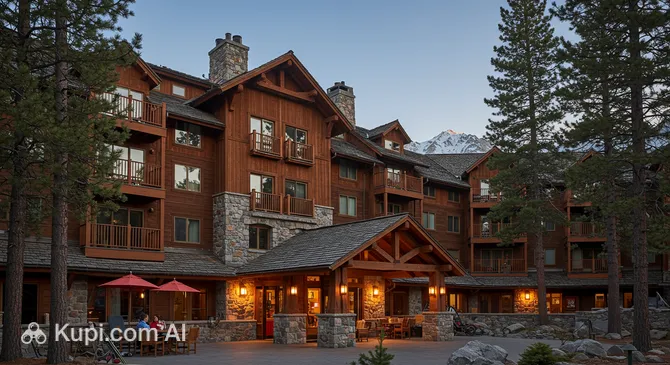
For travelers looking for a premium experience in the heart of the action, The Village Lodge Mammoth is a standout choice. This property combines the comfort of high-end condominium living with the amenities of a hotel, situated right in the center of the town's pedestrian hub. It is a favorite for visitors who want immediate access to the vibrant nightlife and the ease of catching the gondola just steps from their door.

The Village Lodge Mammoth. Source: Kupi.Binoculars

Regarding costs, prices in Mammoth Lakes generally fall into the mid-to-high range, particularly during the peak winter ski season and the height of summer. Budget options can be found, but they tend to book up quickly. To secure the best rates and availability, it is highly recommended to book accommodation well in advance, often several months prior to your trip. While many visitors use major online booking platforms, checking local property management websites directly can sometimes yield better deals on specific condos and cabins.

Nearby Cities

For those looking to explore the surroundings, Mammoth Lakes serves as an excellent base for day trips to several interesting nearby locations. While the town itself is tucked away in the mountains, the region offers diverse experiences just a short drive away.

One of the most popular excursions is to Yosemite National Park. In the summer and early autumn, the eastern entrance via Tioga Pass is accessible, allowing visitors to reach the stunning Tuolumne Meadows and its high-country hiking trails in under an hour. Heading south, the town of Bishop provides a delightful change of pace with its warmer climate, famous bakery, and world-class rock climbing areas. For history buffs, a visit to the preserved ghost town of Bodie offers a fascinating glimpse into California's gold rush era, frozen in time.

City Population Distance (km)
Fresno 719558 124
Visalia 249804 149
Merced 157617 139
Clovis 118488 112
Madera 82772 123

These nearby destinations offer a glimpse into the diverse culture and landscapes of the region, ranging from bustling valley cities to historic landmarks.

Shopping & Souvenirs

Shopping Overview:

Shopping in Mammoth Lakes is less about sprawling department stores and more about equipping yourself for adventure and taking a piece of the mountain lifestyle home. The retail scene mirrors the town's personality: rugged, upscale, and deeply connected to nature. Instead of fast fashion, visitors will find an abundance of high-quality outdoor outfitters, local art galleries, and quaint boutiques that cater to the needs of skiers, hikers, and relaxation seekers.

The primary commercial arteries for general needs and gear are Main Street and Old Mammoth Road. These areas host a variety of sporting goods stores, factory outlets, and independent shops selling everything from fishing tackle to rustic home decor. It is a convenient district where you can find major outdoor brands alongside locally owned businesses, making it easy to stock up on essentials or find a unique gift.

For a more curated and upscale experience, The Village at Mammoth is the premier destination. This pedestrian-friendly, open-air complex functions as the town's shopping hub, featuring a collection of trendy boutiques and specialty stores surrounding a lively plaza. It is the perfect place to browse for premium winter apparel, designer sunglasses, or fashionable mountain wear while enjoying the festive atmosphere.

If you are visiting during the summer months, the Mammoth Lakes Farmers Market is a delightful addition to the shopping landscape. Typically held on Old Mammoth Road, this seasonal market offers fresh California produce, handcrafted jewelry, and artisanal foods. It provides a vibrant setting to shop like a local and discover goods that you won't find in standard retail stores.

When it comes to souvenirs, functional items often make the best keepsakes. Branded apparel featuring the iconic woolly mammoth logo is very popular, as is technical gear that you can use on future trips. For something more artistic, the town is home to several galleries showcasing stunning photography of the Sierra Nevada mountains. You can also pick up merchandise, such as branded glassware or apparel, from the Mammoth Brewing Company to remember the local flavors.

Store opening hours generally run from 10:00 AM to 6:00 PM, though many shops in The Village may stay open later, especially during the peak winter and summer seasons. Payment is convenient, with credit and debit cards being universally accepted. Travelers should be aware that sales tax is added to the listed price of items at the register. The United States does not offer a Value Added Tax (VAT) refund system for international tourists, so the price you pay includes the applicable state and local taxes.

Reached the end of the page?

That means the route is fully explored