Support

Bishop

About

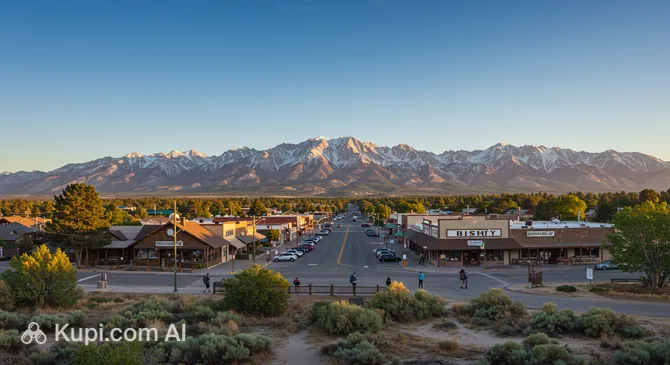
Welcome to Bishop, a captivating destination often referred to as a "small town with a big backyard." Nestled in the spectacular Owens Valley of California, this charming community serves as a primary gateway to the Eastern Sierra. Located in the United States, Bishop offers a unique blend of high-desert beauty and alpine grandeur, making it a haven for outdoor enthusiasts and photographers alike.

Despite its modest population of approximately 2,700 residents, the city boasts a lively atmosphere and a strategic location between two massive mountain ranges: the Sierra Nevada to the west and the White Mountains to the east. The climate here is generally dry and sunny, providing excellent conditions for year-round exploration. Those interested in the past will find the history of Bishop intriguing, from its origins with the Paiute Shoshone people to its development as a ranching and railroad center.

Bishop. Source: Kupi.Binoculars

Travelers are drawn to Bishop for its world-class recreational opportunities. It is famously known as the "Mule Capital of the World" and hosts the annual Bishop Mule Days celebration, which attracts thousands of visitors. Rock climbers flock to the renowned Buttermilk Country for some of the best bouldering on the planet, while anglers enjoy pristine fishing in the nearby creeks and lakes.

Whether you are seeking adrenaline-pumping adventures or a peaceful retreat surrounded by stunning landscapes, Bishop is a destination that delivers. We invite you to pack your bags and experience the warm hospitality and breathtaking scenery of this Eastern Sierra gem.

Weather Overview

The climate in Bishop varies significantly throughout the year, offering distinct seasonal experiences for visitors. Summers are generally warm and pleasant, with July being the hottest month, featuring an average temperature of 22.2°C and daily highs reaching up to 28.6°C. This season is remarkably dry, with months like June and July receiving negligible precipitation, making it an excellent time for hiking and camping.

In contrast, the winter months bring much colder conditions. January and February see average temperatures drop below freezing, with minimums sinking to around -6.7°C. Although the total rainfall remains low, these months are damper than the summer, with up to 7 wet days in January. For a more comprehensive forecast to help you pack, you can check the current weather in Bishop.

Spring and autumn act as transitional periods with moderate but cool weather. March is statistically the wettest month in terms of frequency, recording about 10 days with precipitation, whereas October is one of the driest and sunniest times of the year. Overall, expect warm, dry summers and cold winters with occasional light precipitation.

Interesting Facts

Beyond the well-known outdoor adventures, Bishop holds several fascinating secrets and unique features that often surprise visitors. This high-desert town is not just a stopover but a place rich in ancient history and geological wonders.

  • Bishop is the gateway to the Ancient Bristlecone Pine Forest in the nearby White Mountains, home to the oldest living non-clonal trees on Earth. Some of these gnarled, weather-beaten trees have been standing for over 4,000 years, predating the construction of the Great Pyramids of Egypt.

  • The city is famous for a culinary landmark, Erick Schat’s Bakery, which produces the Original Sheepherder Bread. This bread is baked using a secret sourdough starter and techniques brought to the region by Basque immigrants during the California Gold Rush era.

  • Just north of the city lies the Volcanic Tablelands, a landscape formed by a massive eruption hundreds of thousands of years ago. This area protects one of the highest concentrations of Native American petroglyphs in the West, carved into the soft volcanic tuff by the ancestors of the local Paiute-Shoshone people.

  • Geographically, Bishop sits in the Owens Valley, which is frequently cited as the deepest valley in the United States. It is flanked by two immense walls of rock—the Sierra Nevada and the White Mountains—both of which have peaks soaring over 14,000 feet, creating a vertical relief that is unmatched in the country.

How to Get There

Planning a trip to the Eastern Sierra? Reaching this high-desert gem is part of the adventure, offering scenic drives through some of California's most dramatic landscapes. For a complete guide on travel options, you can read more about how to get to Bishop and start mapping out your journey.

The city of Bishop does not have its own major commercial airport, but several regional options serve the area. The closest facility is Mammoth Lakes Airport (MMH), located in the town of Mammoth Lakes, approximately 49 km north of Bishop. While primarily a seasonal hub for skiers and summer adventurers, it offers the quickest access to the region. The drive from the airport to Bishop typically takes about 45 minutes by taxi or rental car. Another key gateway is Reno-Tahoe International Airport (RNO) in Reno, Nevada. Situated about 267 km to the north, it is a larger hub with more frequent connections. The drive down US-395 from Reno is a stunning 3.5 to 4-hour journey along the base of the mountains.

Another option for travelers is Fresno Yosemite International Airport (FAT) in Fresno. Although the straight-line distance is only about 135 km, the drive involves crossing the Sierra Nevada range. In summer, this route via Tioga Pass is spectacular but slow; in winter, the pass closes, requiring a much longer detour. Therefore, travelers should carefully check road conditions when choosing this airport.

For clarity, here is a summary of the main airports:

Airport Name City Passenger Traffic Km from City
Reno-Tahoe International Airport Reno Large 266.7
Fresno Yosemite International Airport Fresno Medium 134.5
Meadows Field Airport Bakersfield Small 222.1
Mammoth Lakes Airport Mammoth Lakes Small 48.9
Mojave Air and Space Port Mojave 256.5

Bishop is not directly served by a passenger railway station, and there are no train tracks running through the town for public transit. The nearest Amtrak connections are found in Reno or Bakersfield. From these cities, visitors typically transfer to the Eastern Sierra Transit Authority (ESTA) bus service, which provides reliable transportation along the US-395 corridor directly into Bishop.

Main Attractions

Bishop is a treasure trove of destinations that cater to history buffs, outdoor adventurers, and those simply seeking relaxation. While the town itself is small, the surrounding area is packed with sites that showcase the region's rich heritage and stunning natural beauty.

One of the most popular stops is the Laws Railroad Museum and Historical Site. Located just a few miles north of the city center, this 11-acre open-air museum preserves the memory of the narrow-gauge railroad that once served the Owens Valley. Visitors can explore the original 1883 depot, walk through historic buildings saved from demolition, and admire the "Slim Princess" steam locomotive. It is a fascinating place to step back in time and understand the pioneer spirit of the Eastern Sierra.

For nature lovers, Bishop Creek Canyon is an absolute must-visit. A short drive west takes you rapidly up into the high mountains, where you will find a wonderland of pine forests, rushing streams, and alpine lakes such as Lake Sabrina and South Lake. This area is renowned for its exceptional trout fishing, accessible hiking trails, and, in the autumn, some of the most spectacular fall foliage displays in California.

If you are looking to unwind, Keough's Hot Springs offers a perfect retreat. Established in 1919, this historic resort features a large swimming pool and a smaller hot soaking pool, both fed by natural mineral water flowing from the ground. It is a favorite spot for locals and tourists alike to relax their muscles after a day of hiking or skiing in the mountains.

Finally, the surreal landscape of Buttermilk Country attracts photographers and climbers from around the globe. Famous for its massive, rounded granite boulders scattered across the high desert floor, this area offers dramatic views of the Sierra Nevada peaks. Whether you are there to try your hand at world-class bouldering or simply to watch the sunset paint the mountains in hues of pink and gold, the scenery is unforgettable.

Local Cuisine

The culinary scene in Bishop is defined by its role as a hub for outdoor adventure. Food here is hearty, satisfying, and designed to fuel hikers, climbers, and road-trippers exploring the Eastern Sierra. The local dining culture is casual and welcoming, with a strong emphasis on comfort food, fresh bakery items, and provisions that can be easily packed for a day in the mountains.

No gastronomic tour of the city is complete without tasting the famous Sheepherder Bread. This hand-shaped, stone-hearth baked sourdough is a local icon, owing its heritage to Basque immigrants who settled in the region. Visitors often line up to buy fresh loaves, pastries, and sandwiches from the renowned local bakery that has become a landmark in its own right. It is common to see tourists leaving with armfuls of bread to take home or to enjoy at a picnic in the nearby parks.

Another signature flavor of Bishop is premium smoked meat. The town is well-known for its tradition of smoking meats with mountain mahogany logs, which imparts a distinct and rich flavor. Jerky is the star product here, available in a staggering variety of meats and spices, ranging from classic beef and turkey to more exotic options like buffalo or elk. It is the ultimate snack for those heading out to the trails.

When it comes to drinks, the local culture embraces the craft beverage movement. After a long day of bouldering or fishing, locals and visitors often gather at local breweries to enjoy ales brewed with fresh Sierra water. The atmosphere in these establishments is typically laid-back, often featuring live music and a crowd eager to swap stories about their outdoor exploits. For non-alcoholic options, the coffee scene is vibrant, catering to early risers preparing for dawn patrols in the mountains.

Dining in Bishop is rarely a formal affair; instead, you will find charming diners, barbecue joints, and family-run Mexican restaurants serving generous portions. The food culture seamlessly blends the American West's ranching history with modern California tastes, ensuring that whether you crave a heavy breakfast to start the day or a savory smoked sandwich for lunch, you will find plenty of delicious options.

Travel Tips

To ensure your visit to Bishop is as enjoyable and seamless as possible, a little preparation goes a long way given the region's unique high-desert environment. These practical tips will help you navigate the local customs, climate, and logistics so you can focus entirely on the stunning Eastern Sierra scenery.

  1. Clothing and Gear: The high-desert climate means temperatures can fluctuate drastically between day and night. It is essential to bring layers; pack breathable fabrics for warm afternoons and insulated jackets for chilly evenings. Since the sun is much stronger at this altitude, a wide-brimmed hat, sunglasses, and high-SPF sunscreen are non-negotiable accessories. If you plan to hike, sturdy boots are a must.

  2. Transportation: While the town is walkable, a rental car is practically mandatory for exploring the surrounding attractions like the Buttermilks or Bishop Creek Canyon. Public transit, such as the ESTA bus, connects Bishop to other towns along Highway 395 but does not service the specific trailheads or scenic points. Ride-sharing services can be unreliable or non-existent in this rural area.

  3. Finances: The local currency is the US Dollar (USD). Credit and debit cards are widely accepted at hotels, restaurants, and larger shops. However, it is wise to carry some cash for small purchases, tipping, or paying for campsites that may not have card readers. ATMs are readily available in the town center.

  4. Health and Safety: Bishop sits at an elevation of over 4,000 feet, and nearby attractions are much higher, so hydration is key to preventing altitude sickness. Northern Inyo Hospital is located within the city for any medical emergencies. The area is generally very safe, but always keep a safe distance from wildlife and secure your food if camping to avoid attracting bears.

  5. Communication: English is the primary language spoken. While cell service is reliable in town, be prepared for dead zones as soon as you head into the canyons or mountains. It is highly recommended to download offline maps and trails to your phone before leaving the city limits. Free Wi-Fi is often available in local cafes and hotels.

  6. Local Etiquette: The local culture is laid-back and friendly; a simple "hello" to passersby is common. The most important rule here is the Leave No Trace principle. Locals are deeply protective of their environment, so always pack out your trash, stay on designated trails, and respect rock art sites by not touching them.

  7. What to Avoid: Do not drive your vehicle off designated roads or trails. The desert ecosystem is fragile, and tire tracks can damage vegetation and soil crusts for decades. Additionally, never feed wild animals, as this harms their health and habituates them to humans, which can be dangerous.

  8. Local Insight: If you plan to visit the famous Erick Schat’s Bakery, try to go early in the morning or later in the afternoon on weekdays. It is a major tourist stop, and lines can wrap around the building during lunch hours on weekends and holidays.

By keeping these tips in mind, you will be well-equipped to experience the best of Bishop without any hassles. Embrace the adventurous spirit of the Eastern Sierra, respect the beautiful landscapes, and enjoy your journey through this remarkable part of California.

Entertainment & Nightlife

Entertainment in Bishop is reflective of its character as a rugged, outdoor-loving mountain town. You will not find sprawling nightclub districts, neon-lit dance floors, or bustling night markets here. Instead, the nightlife is centered around relaxing, socializing, and swapping stories after a long day of hiking, climbing, or fishing. The atmosphere is undeniably casual and welcoming, with most activity concentrated along Main Street (Highway 395), making it easy to hop between venues on foot.

The heart of Bishop's evening social scene is its local watering holes and breweries. Mountain Rambler Brewery is a favorite among both locals and visitors. It serves as a community hub where you can enjoy craft beers brewed on-site and often catch live music performances ranging from bluegrass to rock. The vibe here is quintessential Eastern Sierra: laid-back, friendly, and filled with people wearing hiking boots and flannel. For a more traditional bar experience, Rusty’s Saloon offers a classic dive bar atmosphere with pool tables, karaoke nights, and a lively crowd that keeps the energy up until late.

If you are looking for entertainment beyond bars, the historic Bishop Twin Theatre on Main Street offers a nostalgic movie-going experience. With its retro marquee lighting up the evening, it screens the latest releases in a charming, old-school setting. For those feeling lucky, the Wanaaha Casino, operated by the Bishop Paiute Tribe just north of the city center, provides 24-hour gaming options, including slot machines and table games, along with a restaurant for late-night dining.

Practicality is key when enjoying a night out in Bishop. The dress code is universally casual; "climber chic" is the standard, so there is no need to dress up. Most restaurants close relatively early, often by 9:00 PM, so plan your dinner accordingly. Bars and the casino stay open later, but this is an early-to-rise town where mornings are prioritized for outdoor adventures. Prices are generally affordable compared to major Californian cities, with beer and food offering good value.

Safety is rarely a concern in Bishop, as the town is small and the community is tight-knit. Walking along Main Street at night is generally safe, though standard precautions should always be taken. Since ride-sharing services can be scarce or non-existent, it is best to have a designated driver if you are venturing away from the walkable downtown area. Taxis are available but should be called in advance.

While the nights are quiet, daytime entertainment offers its own charm. Apart from the endless outdoor activities, visitors can spend afternoons exploring the Tri-County Fairgrounds, which hosts various events throughout the year, or enjoying a friendly game at Back Alley Bowl. Whether day or night, entertainment in Bishop is about unwinding and connecting with the spirit of the mountains.

Parks & Museums

While Bishop is world-renowned for its rugged outdoor adventures, the city also offers a delightful array of peaceful green spaces and rich cultural institutions. Visitors looking to slow down will find well-maintained parks perfect for a relaxing afternoon, alongside museums that offer a deep dive into the region's diverse history, from its indigenous roots to its artistic heritage.

Bishop City Park is the crown jewel of the town's public spaces, centrally located and serving as a lush oasis in the high desert. This expansive park is shaded by towering trees and features a scenic creek winding through the grounds, making it an idyllic spot for picnics and leisurely strolls. It is equipped with a sensory garden, a skate park, and a seasonal swimming pool, catering to travelers of all ages. Just a short drive from the city center lies the Millpond Recreation Area, a favorite among locals for its calm waters and stunning backdrop of the Sierra Nevada. It offers excellent opportunities for birdwatching, gentle hiking, and is the venue for the beloved annual music festivals that bring the community together.

For a deeper understanding of the area's original inhabitants, the Owens Valley Paiute-Shoshone Cultural Center is an essential stop. This museum and community center beautifully preserves the heritage of the Nüümü (Paiute) and Newe (Shoshone) people. Exhibits showcase exquisite basketry, historical photographs, and artifacts that tell the story of their enduring connection to the land and their resilience through changing times. It provides a vital perspective on the history of the Owens Valley that goes beyond the pioneer era.

The city's history is also vividly illustrated on its very walls, thanks to the dedicated efforts of the Bishop Mural Society. Transforming the downtown area into a captivating "outdoor museum," this project features a collection of large-scale murals adorning the sides of historic buildings. Each artwork captures a specific facet of the region's past, from dramatic mining scenes and the era of the steam trains to the daily lives of early ranchers and the rich heritage of the native tribes. Walking from one mural to the next turns a simple stroll down Main Street into an educational and colorful journey through time.

For a truly authentic local experience, take a quiet morning walk to the Buckley Ponds on the outskirts of town. Often overlooked by tourists rushing to the mountains, these ponds offer a serene setting for fishing and spotting wildlife like herons and deer without the crowds. It is a perfect hidden gem for those seeking solitude and a raw connection with the valley's ecosystem.

Getting Around

Given the modest size of Bishop, the public transport system is significantly different from what you might find in a large metropolis. There are no subways, trams, or extensive city bus networks here. Instead, the primary provider of public transportation is the Eastern Sierra Transit Authority (ESTA). This agency operates a reliable bus service that connects the community with neighboring towns along the Highway 395 corridor and offers specific local services designed to help residents and visitors move around the city.

For getting around within the city limits, the most practical public option is the Dial-A-Ride service operated by ESTA. Unlike a traditional fixed-route bus that stops at designated corners every few minutes, this is a curb-to-curb shared ride service. It functions somewhat like a shuttle; you must call the dispatch office in advance to schedule your pick-up. This service is typically available daily, though hours are reduced on weekends and holidays. It is an affordable and convenient way to get from your hotel to the grocery store, the park, or the museum if you do not have a vehicle.

During the peak tourism seasons, specifically summer and early autumn, ESTA often operates the Bishop Creek Shuttle. This is a special seasonal route that is highly recommended for tourists. It transports passengers from the city center up into the high mountains to popular trailheads and lakes in Bishop Creek Canyon. It is an excellent alternative for hikers and anglers who want to avoid parking hassles at busy recreational sites. Be sure to check the current seasonal schedule, as this service usually runs twice a day during its operating months.

The payment system for these services is straightforward. Fares are generally low and must be paid in cash directly to the driver upon boarding. It is essential to carry exact change, as drivers cannot make change for large bills. While there are no complex smart cards or mobile ticketing apps for local rides, frequent travelers can purchase multi-ride passes at the ESTA office. Prices for local Dial-A-Ride trips and the seasonal shuttle are very budget-friendly.

While public options exist, most visitors find that renting a car is the most efficient way to explore the region, especially for reaching remote geological sites or trailheads not served by the shuttle. Taxis are available in the city but are limited in number, so booking ahead is advised. Ride-sharing apps, which are ubiquitous in larger cities, are often unreliable or completely unavailable in this rural area. However, the downtown area around Main Street is compact and flat, making walking or biking pleasant and viable alternatives for short distances.

Accommodation

Accommodation in Bishop is designed to serve as a comfortable basecamp for outdoor adventures rather than a destination for high-end luxury. The city is famous for its classic "motel culture," with a wide array of motor lodges, familiar chain hotels, and family-run inns lining Main Street (Highway 395). These options range from budget-friendly rooms for weary road-trippers to mid-range hotels offering amenities like pools and complimentary breakfasts, perfect for families and anglers.

For visitors who prefer to stay closer to nature without pitching a tent, the Bishop Creek Canyon area offers a different experience. Located just west of the city, this area features rustic cabins and mountain lodges nestled among the pines and aspens. These accommodations are particularly popular during the summer and autumn months, offering immediate access to hiking trails and fishing lakes, though they are often seasonal and close during the snowy winter months.

Climbers and backpackers often gravitate towards the local hostels, which provide a communal atmosphere and budget-friendly dormitory-style lodging. Additionally, the region is a haven for RV travelers and campers, with numerous RV parks located within the town limits and extensive campgrounds managed by the Bureau of Land Management and the U.S. Forest Service in the surrounding "big backyard."

Booking and Prices: Generally, accommodation in Bishop is affordable to moderately priced compared to major California tourist hubs. Booking can typically be done easily through major online platforms or directly with the properties. However, it is crucial to book well in advance if you plan to visit during major local events. Specifically, the Bishop Mule Days celebration over Memorial Day weekend sees the town sold out months—sometimes a year—in advance. Similarly, the opening of fishing season in late April and the fall color season in October are peak times when securing a room last-minute can be difficult.

Nearby Cities

While Bishop serves as the primary commercial hub for the Eastern Sierra, it is geographically isolated by the towering mountain ranges that surround it. The nearest major urban centers are located across the formidable Sierra Nevada in the San Joaquin Valley. These cities act as significant metropolitan gateways for travelers arriving from or departing to the west coast.

Fresno, the largest city in the Central Valley, offers a mix of urban amenities and cultural attractions. Visitors can explore the unique Forestiere Underground Gardens, a subterranean network of patios and grottos, or enjoy the vibrant arts scene. It is a crucial transportation hub for those venturing toward the western slopes of the mountains.

Visalia is a charming city often recognized as the gateway to Sequoia and Kings Canyon National Parks. It features a historic downtown area filled with boutiques and diverse dining options. The city's rich agricultural heritage and friendly atmosphere make it a notable stop for travelers exploring the wider region.

Clovis provides a distinct "Old West" vibe with its preserved historic center and antique shops. Known as the "Gateway to the Sierras," it offers a quieter, community-focused alternative to the larger metropolitan areas nearby, hosting numerous local events and rodeos throughout the year.

City Population Distance (km)
Fresno 719558 142
Visalia 249804 140
Clovis 118488 131
Tulare 68395 154
Porterville 67887 154

These destinations provide a stark contrast to the high-desert environment of Bishop, showcasing the diverse culture and landscapes found on the other side of the range.

Shopping & Souvenirs

Shopping in Bishop offers a delightful break from the hustle of large commercial centers, reflecting the town's character as a gateway to the outdoors and a hub of Western heritage. While you will not find sprawling luxury fashion malls or high-end designer boutiques here, the city provides an excellent selection of independent retailers. The shopping scene is primarily focused on practical outdoor gear, unique local crafts, Western apparel, and specialty food items, making it easy to find both essential supplies for your adventures and memorable gifts to take home.

The heart of the retail experience is concentrated along Main Street (Highway 395). This bustling thoroughfare is lined with a variety of walkable shops that invite visitors to stroll and browse at a leisurely pace. Here, you can explore charming bookstores, antique shops filled with treasures from the Old West, and well-stocked outfitters ready to equip you for climbing, fishing, or hiking. The street retains a nostalgic, small-town atmosphere where shop owners are often eager to share local tips and stories.

Regarding shopping malls, travelers should adjust their expectations. Bishop does not host large, multi-story shopping complexes. Instead, commerce is organized around smaller, open-air shopping plazas and strip malls, such as the Cottonwood Plaza or the centers along North Main Street. These areas are convenient for stocking up on groceries, visiting pharmacies, or finding general merchandise, but they serve more of a functional purpose than a recreational shopping experience.

For those interested in local produce and artisan goods, the local markets are a treat. During the warmer months, typically from June through October, the Bishop Farmers Market takes place in the evenings. Held in the downtown area or near the city park, this market is a vibrant gathering spot where local farmers sell fresh fruits and vegetables from the Owens Valley, alongside vendors offering handmade soaps, jewelry, and crafts. It is a perfect place to mingle with residents and sample the region's agricultural bounty.

When searching for the perfect souvenir, Bishop offers several distinct options that capture the spirit of the Eastern Sierra. Local food products are top of the list; vacuum-sealed packs of famous smoked jerky or bags of sheepherder bread are iconic gifts. For something more lasting, look for Western wear—cowboy hats, boots, and leather goods are staples here, reflecting the town's "Mule Capital" reputation. Additionally, the area is home to talented photographers and artists inspired by the dramatic landscapes; picking up a high-quality print or a piece of locally made pottery is a wonderful way to bring a piece of the mountains home.

Most shops in Bishop operate on standard business hours, typically opening around 9:00 AM or 10:00 AM and closing by 6:00 PM. However, grocery stores and some convenience shops may stay open later to accommodate travelers passing through. Payment methods are modern and convenient; major credit and debit cards are widely accepted even in smaller boutiques. Cash is useful for small purchases at farmers markets or for tipping, but it is not strictly necessary for general shopping.

Visitors from abroad should be aware that the United States displays prices without tax included. A sales tax is added at the register to the final price of taxable goods. Unlike some international destinations, there is generally no sales tax refund system available for tourists in California, so the price you pay at the counter is final.
Reached the end of the page?

That means the route is fully explored