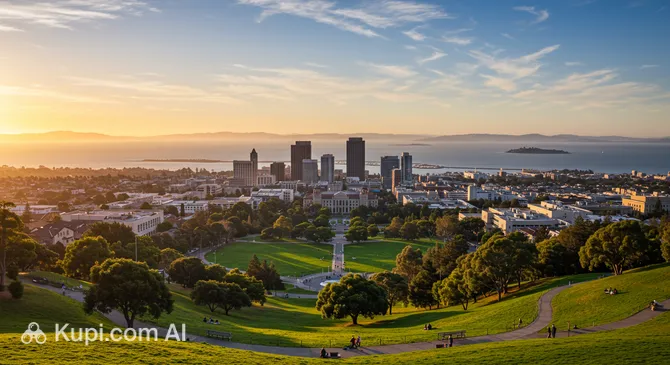
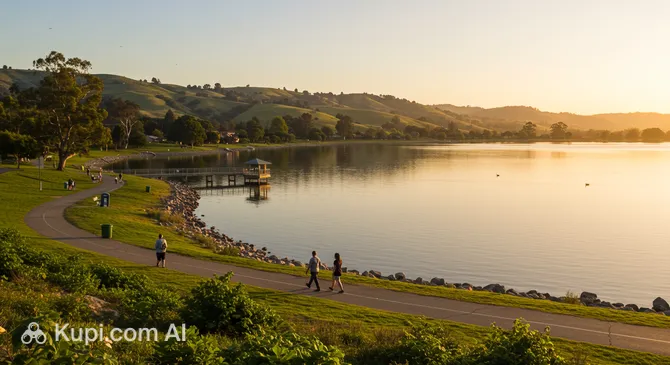
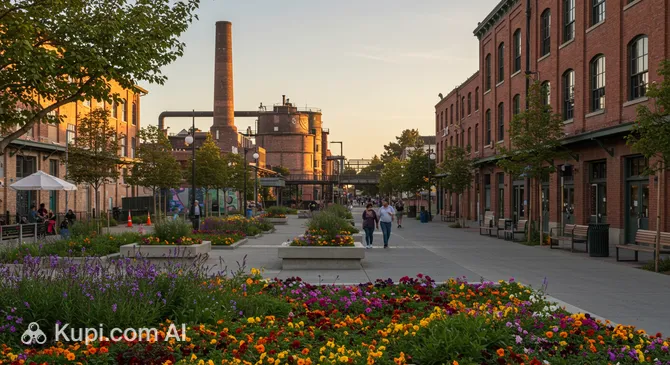
Nestled in the dynamic East Bay region of the San Francisco Bay Area, Hayward is a thriving city that perfectly blends urban energy with natural beauty. Often referred to as the "Heart of the Bay" due to its central location, it serves as a strategic crossroads for travelers exploring California and the wider United States. With a diverse population of approximately 162,000 residents, the city offers a welcoming atmosphere and a rich tapestry of cultures, making it a vibrant destination for visitors.
Hayward. Illustration.
Source: Kupi.com AI
The area has transformed significantly over the decades, evolving from a landscape of vast orchards and salt ponds into a bustling suburban hub. Those interested in the local heritage can explore the fascinating history of Hayward to understand its journey from a 19th-century agricultural center to a modern commercial and educational leader. Today, the city is also known for being the home of California State University, East Bay, which adds a youthful and intellectual vibrancy to the community.
Travelers will find several unique spots to enjoy. The Hayward Japanese Gardens is a standout attraction, offering a serene 3-acre botanical retreat designed for quiet contemplation amidst traditional pavilions and koi ponds. For outdoor enthusiasts, Garin Regional Park provides miles of hiking trails with stunning panoramic views of the bay, while the Hayward Shoreline Interpretive Center offers a chance to explore the delicate wetland ecology along the coast. Whether you are looking for outdoor adventure or cultural experiences, Hayward invites you to discover its many hidden gems.
Weather Overview
Hayward enjoys a mild, Mediterranean-style climate that makes it a pleasant destination year-round, characterized by comfortable temperatures and distinct seasonal patterns. The city typically experiences warm, dry summers and cool, wetter winters, which is common for the East Bay region. For travelers wanting to plan their activities around specific conditions, checking the current weather in Hayward is highly recommended before departure.
During the summer months, particularly from June through September, visitors can expect plenty of sunshine and very little rainfall. August is generally the warmest month, with average temperatures around 20.8°C and daily highs reaching up to 26.8°C. These months are notably dry, often seeing zero wet days, making it an ideal time for exploring local parks and outdoor attractions without the worry of rain.
In contrast, the winter season brings cooler air and more frequent precipitation. From December to March, average temperatures drop to approximately 10°C to 12°C, with overnight lows dipping near 6°C. This period sees a significant increase in moisture, with January and March experiencing up to 10 to 12 wet days per month. While the winters are never freezing, packing layers and a rain jacket is advisable for trips early in the year.
Average monthly temperature
Average monthly precipitation
Interesting Facts
Beyond its reputation as a central hub in the Bay Area, Hayward holds many fascinating secrets and historical footnotes that often go unnoticed by casual visitors. From its geological distinctiveness to its rich musical legacy, the city has a character all its own.
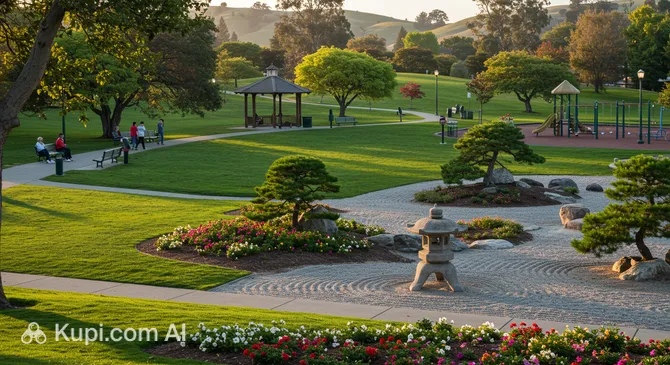
Meek Park. Illustration.
Source: Kupi.com AI
Traveler photos:
The city is famously located directly on top of the Hayward Fault, a major geological feature that has visibly shaped the urban landscape. A striking example of this is the historic Old City Hall, which had to be abandoned because the slow "creep" of the fault was literally tearing the building apart over time, causing structural shifts that could be seen with the naked eye.
Hayward was once known as the "Apricot Capital of the World" and served as the home of the massive Hunt Brothers Cannery, which was one of the largest food processing plants in the nation. Today, the site of this industrial giant has been transformed into Cannery Park, keeping the memory of the city's agricultural past alive.
Before it was fully incorporated into Hayward, the Russell City neighborhood was a legendary, unincorporated community known as a West Coast blues haven. During the 1940s and 50s, it hosted famous musicians like Ray Charles and Big Mama Thornton in its clubs, creating a vibrant cultural legacy that is still celebrated in local festivals.
The city preserves a significant piece of Victorian history at Meek Park, which houses the impressive Meek Mansion. Built by William Meek, known as the "First Farmer of Alameda County," this estate is a reminder of the region's wealthy agrarian roots during the 19th century.
How to Get There
Reaching Hayward is convenient thanks to its central location in the East Bay, with access to several major transportation hubs. Whether you are arriving from within California or from international destinations, you have multiple options to suit your travel plans. For a complete overview of routes and transport methods, you can find more about how to get to Hayward on our detailed page.
The city does not have its own major commercial airport for scheduled passenger flights, but it is effectively served by nearby hubs. The closest convenient option is Metropolitan Oakland International Airport (OAK), located in the city of San Leandro, approximately 14 km from Hayward. It is a popular choice for domestic travelers and offers a quick transfer to the city, with a taxi or shuttle ride taking about 40 minutes.
For international visitors or those seeking a wider range of flight connections, San Francisco International Airport (SFO) is the most significant gateway. Situated in San Francisco, about 27 km from Hayward, this large hub handles millions of passengers annually. The travel time by car is roughly 60 minutes. Another excellent alternative is Norman Y. Mineta San Jose International Airport (SJC) in San Jose, located 37 km to the south, which typically takes around 75 minutes to reach by road.
For clarity, here is a summary of the main airports:
In addition to air travel, Hayward is well-integrated into the regional ground transportation network. Visitors can easily reach the city using the Bay Area Rapid Transit (BART) system or Amtrak's Capitol Corridor trains, which connect Hayward to surrounding cities and the wider Bay Area. Major highways also make the city accessible by car or bus from neighboring regions.
Main Attractions
Hayward provides a diverse array of attractions that cater to nature lovers, families, and history enthusiasts alike. From meticulously designed landscapes to interactive wildlife centers, the city's recreational spots offer memorable experiences for travelers looking to explore the East Bay's unique character.
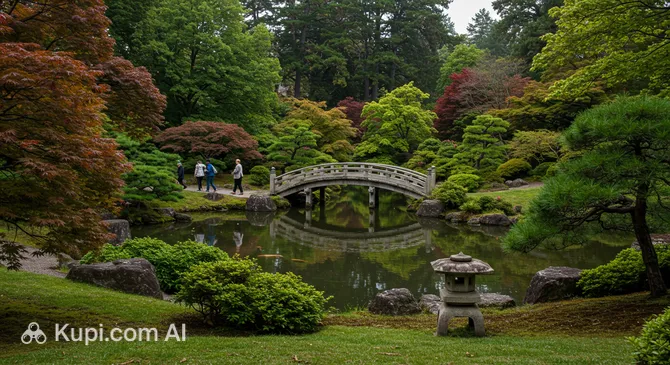
One of the city's most serene locations is the Hayward Japanese Gardens. Designed by the esteemed curator Kimio Kimura, this 3.5-acre site is a stunning example of traditional landscape architecture. Rather than relying on bright floral displays, the garden emphasizes the artistic arrangement of rocks, water features, and carefully pruned trees like black pines. It is a place for quiet reflection, where visitors can admire the interplay of texture and form away from the city noise.
Hayward Japanese Gardens. Illustration.
Source: Kupi.com AI
Traveler photos:
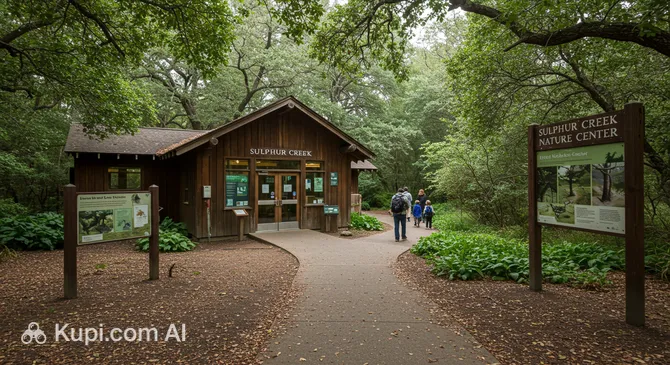
For a closer look at the local fauna, the Sulphur Creek Nature Center offers a unique educational experience. Functioning primarily as a wildlife rehabilitation hospital, it provides a sanctuary for native animals such as foxes, coyotes, and eagles that cannot return to the wild. The center is nestled in a wooded canyon, offering visitors the chance to learn about urban wildlife coexistence while enjoying the shaded picnic areas and hiking trails nearby.
Sulphur Creek Nature Center. Illustration.
Source: Kupi.com AI
Traveler photos:
Travelers seeking outdoor fun should head to the Don Castro Regional Recreation Area. This park is particularly popular for its swimming lagoon, a rarity in the region that becomes a bustling hub during the summer. Apart from swimming, the area features a fishing lake stocked with trout and catfish, as well as a network of trails that wind through the wilderness, making it an excellent spot for a full day of activity.
Don Castro Regional Recreation Area. Illustration.
Source: Kupi.com AI
Traveler photos:
Combining modern leisure with a nod to the past, Cannery Park is a vibrant community space. While it sits on historical industrial grounds, today it is best known for its recreational amenities, including a popular splash pad that offers relief on hot days. The park also provides well-maintained sports fields and jogging paths, making it a go-to destination for families looking to enjoy an active afternoon in a green, welcoming environment.
Cannery Park. Illustration.
Source: Kupi.com AI
Traveler photos:
Local Cuisine
The culinary landscape of Hayward is a vibrant reflection of its diverse population, offering a gastronomic tour of the world without ever leaving the city limits. Unlike typical tourist destinations that might focus on high-end dining, Hayward shines through its authentic, family-owned eateries and "mom-and-pop" shops. The food scene here is unpretentious and bold, characterized by a rich mix of flavors ranging from the spices of South Asia to the savory heat of Mexican street food.
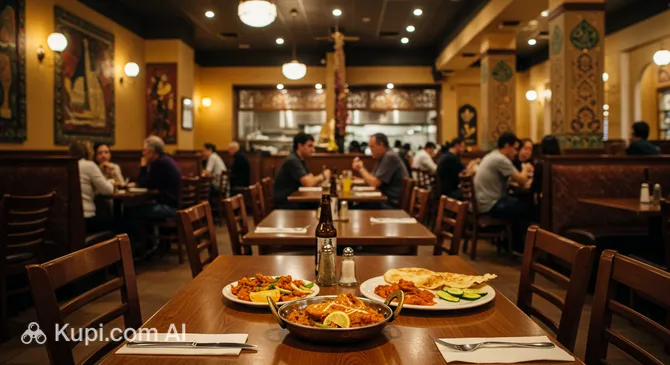
One of the most distinctive features of the local cuisine is the significant presence of Afghan food, which is widely considered some of the best in the Bay Area. Visitors should not miss the opportunity to try mantoo (steamed beef dumplings topped with yogurt and tomato sauce) or bolani, a stuffed flatbread that is perfect for sharing. Alongside this, the city offers exceptional Indian and Nepalese options. Shahi Darbar Indian Cuisine is a notable spot where travelers can indulge in aromatic curries and tandoori dishes that capture the essence of traditional cooking.
Shahi Darbar Indian Cuisine. Illustration.
Source: Kupi.com AI
Traveler photos:
For those interested in Himalayan flavors, Aama's Kitchen serves as a delightful introduction to Nepalese gastronomy. Here, the must-try dish is momo, a type of dumpling served with spicy dipping sauces that has a cult following among locals. Beyond sit-down restaurants, the city pulses with a strong Mexican food culture. Taquerias and food trucks are ubiquitous, serving up signature "street tacos" filled with carne asada or al pastor, often garnished simply with onions, cilantro, and fresh lime.
When it comes to dining atmosphere, Hayward is casual and accessible. Many hidden culinary gems are tucked away in everyday locations, such as the Castro Village Shopping Center, where you can find a variety of quick bites and sit-down meals in one convenient stop. To accompany these meals, the local drink scene is equally diverse. You can enjoy locally produced craft beers, a staple of the East Bay region, or cool down with a boba milk tea, a non-alcoholic favorite that is incredibly popular in the city's Asian commercial districts.
Travel Tips
Welcome to Hayward, the "Heart of the Bay," where a little preparation can go a long way in ensuring your visit is smooth and enjoyable. To help you navigate this central East Bay hub with ease, we have compiled a list of essential practical tips that cover everything from local customs to getting around efficiently.
Clothing and Gear: Since the Bay Area is known for its microclimates, the best strategy is to pack layers. Even if days are warm, evenings can cool down quickly with the coastal breeze. Comfortable walking shoes are a must, especially if you plan to explore the trails at Garin Regional Park or walk through downtown. If you are visiting in winter, bring a waterproof jacket, as this is the rainy season. Casual attire is acceptable almost everywhere.
Transportation: While having a rental car offers the most flexibility for exploring local neighborhoods, the BART (Bay Area Rapid Transit) system is the most efficient way to travel to San Francisco or Oakland without dealing with traffic. Hayward has two BART stations that connect you to the wider region. For short local trips, ride-hailing apps like Uber and Lyft are widely available and reliable.
Finances: The local currency is the US Dollar (USD). Credit and debit cards are accepted virtually everywhere, from large retailers to small taco trucks. However, it is wise to carry a small amount of cash for tips or small vendors at farmers' markets. Tipping is a strong cultural norm; expect to leave 15-20% at restaurants and a few dollars for hotel staff or taxi drivers.
Health and Safety: Hayward is generally safe, but like any urban area, it requires standard vigilance. In an emergency, dial 911 for police, fire, or medical assistance. Pharmacies like CVS and Walgreens are common and easy to find for minor health needs. Be mindful of your surroundings at night and stick to well-lit, populated areas.
Communication:English is the primary language, but you will find that Spanish is also widely spoken throughout the city due to the diverse population. Free Wi-Fi is standard in most hotels, coffee shops, and public buildings. If you need mobile data, prepaid SIM cards can be purchased at major electronics stores or mobile provider shops in local shopping centers.
Local Etiquette: The vibe in Hayward is relaxed and friendly. A simple "hello" or "how are you" is a common greeting. Californians value personal space and politeness in queues. Smoking is strictly regulated; it is generally prohibited in all enclosed public spaces, including restaurants and bars, and often within 20 feet of entryways.
What to Avoid: The most critical rule for tourists in the Bay Area, including Hayward, is never leave valuables in your car. "Smash and grab" theft can happen even in broad daylight if bags or electronics are visible. Always take your belongings with you or lock them in the trunk before you arrive at your destination to avoid being observed stowing them away.
Additional Tip: If your visit falls on a Saturday, do not miss the Hayward Farmers Market near City Hall. It is one of the most authentic local experiences where you can taste fresh California produce and interact with the community. It is a great place to grab a healthy breakfast or unique local snacks.
By keeping these practical tips in mind, you will be well-equipped to experience the best of Hayward without any hassles. Enjoy the diverse culture, the convenient location, and the welcoming spirit that makes this city a unique part of your California journey!
Entertainment & Nightlife
While Hayward is not primarily known for a high-energy clubbing scene comparable to nearby San Francisco or Oakland, it offers a relaxed and welcoming nightlife atmosphere that appeals to locals and visitors alike. The city's evening entertainment is centered largely around dining, casual bars, and lounges where conversation and community take precedence over loud music and velvet ropes. The vibe here is distinctly unpretentious, with a "come as you are" attitude that makes for a stress-free night out.
The heart of the action can typically be found in Downtown Hayward, particularly along B Street and the surrounding blocks. This district comes alive after dark with a variety of entertainment options, including a popular multiplex cinema, craft breweries, and pubs that often host live bands or trivia nights. On warm evenings, the streets are bustling with people enjoying the walkable layout, moving between venues for drinks and late-night bites. The crowd is diverse, reflecting the city's multicultural makeup, and the dress code is almost universally casual.
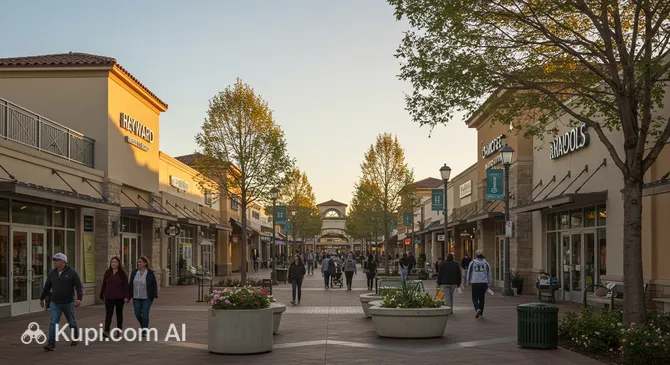
For a more low-key evening experience, visitors often head to the city's major commercial hubs, which serve as gathering spots for shopping and dining. The Castro Village Shopping Center is a well-known local landmark that remains active into the evening. It offers a mix of retail and culinary establishments, making it a convenient place to start a night out with a casual stroll and a meal. Similarly, the Creekside Center provides a range of services and eateries that cater to those looking for a quiet but enjoyable evening away from the downtown crowds.
Castro Village Shopping Center. Illustration.
Source: Kupi.com AI
Traveler photos:
Dining plays a significant role in Hayward's nightlife, with many restaurants doubling as social venues. Places like Aama's Kitchen offer a warm atmosphere perfect for long dinners with friends, allowing visitors to savor the local flavors well into the night. Prices in Hayward are generally more affordable than in the larger Bay Area cities, with beers and cocktails costing significantly less than what you would find across the bay. Most bars and venues stay open until around 2:00 AM on weekends, though things wind down earlier on weekdays.
Regarding safety and logistics, Downtown Hayward is generally safe for pedestrians in the main commercial areas, especially on weekends when there is a visible police presence and plenty of foot traffic. However, it is always advisable to stay in well-lit areas and avoid wandering into unlit side streets late at night. Public transportation slows down in the late hours, so using ride-sharing apps like Uber or Lyft is the most reliable and safe way to get back to your accommodation. If you prefer driving, parking is relatively easy to find compared to other Bay Area cities.
Before the sun goes down, Hayward also offers a modest selection of daytime entertainment. The city is home to several performing arts theaters and galleries that showcase local talent. While it lacks large-scale amusement parks, the proximity to regional parks allows for plenty of recreational fun. Visitors interested in culture can explore small local museums or enjoy the seasonal festivals that frequently take over the downtown streets, offering a family-friendly precursor to the adult-oriented fun of the evening.
Parks & Museums
Hayward offers a refreshing mix of expansive greenbelts and cultural institutions that celebrate its rich heritage and diverse community. Beyond the bustling downtown, the city preserves significant natural landscapes and historical sites, providing visitors with ample opportunities to connect with nature and explore the region's past.
For those seeking panoramic views and rugged terrain, Garin Regional Park is a standout destination. Located in the hills on the eastern edge of the city, this park transforms from vibrant green in the winter and spring to golden hues in the summer. It is a favorite among hikers and kite enthusiasts, offering a network of trails that wind through orchards and ridges, rewarding climbers with sweeping vistas of the entire San Francisco Bay. The park also hosts an annual Apple Festival, celebrating the area's agricultural roots.
On the western edge of the city, the Hayward Regional Shoreline offers a completely different natural experience. This protected wetland area is a haven for birdwatchers and cyclists, featuring miles of flat, gravel trails that run along the bay. It serves as a critical habitat for migratory birds and provides a peaceful escape where the fresh sea breeze accompanies your walk. The interpretive center nearby helps visitors understand the delicate marsh ecosystem and the restoration efforts that keep it thriving.
Delving into the cultural side of the city, the Hayward Area Historical Society Center for History and Culture is the premier venue for understanding the local narrative. Located downtown, this modern facility features rotating exhibits that cover everything from the Ohlone native peoples to the city's agricultural boom and its evolution into a diverse suburb. It is an engaging stop for anyone wanting to look beyond the surface of the city's streets.
Art lovers should make time for the Sun Gallery, a community-focused art space that has been a cultural anchor since the 1970s. As the first gallery in the United States to hold an exhibition of digital art, it has a history of innovation. Today, it showcases works by local and regional artists, often highlighting themes of social justice and cultural diversity, reflecting the spirit of the community it serves.
A significant architectural landmark is the historic Meek Mansion, located within the grounds of Meek Park. While the park itself is a lovely spot for a picnic, the mansion stands as a grand example of Victorian Italianate architecture. Once the center of a vast agricultural estate, the house offers a glimpse into the 19th-century wealth generated by the region's fruit orchards. Occasional tours allow visitors to step inside and admire the period details.
For an authentic insider experience, take a walk through the downtown area to admire the Public Mural Program. The city has invested in transforming utility boxes and building facades into vibrant canvases painted by local artists. These murals often depict scenes of local history, jazz legends, and multicultural unity, turning a simple stroll through the city center into an open-air gallery tour.
Getting Around
Navigating Hayward without a car is relatively straightforward thanks to its integration into the extensive transportation network of the Bay Area. The backbone of the city's public transit is the BART (Bay Area Rapid Transit) system, which functions as a regional metro. Hayward is served by two main stations: the downtown Hayward station and the South Hayward station. These trains provide fast and frequent connections to major neighboring hubs, making them the most efficient way to travel longer distances or commute during peak hours.
For local travel within the city limits and to surrounding neighborhoods, the AC Transit bus system is the primary option. These buses cover a wide grid, connecting residential areas with commercial districts, schools, and the BART stations. While the bus network is comprehensive, frequencies can vary, especially on weekends or evenings. Travelers are advised to check real-time schedules via mobile apps to minimize waiting times at bus stops.
The most essential tool for using public transport here is the Clipper card. This all-in-one transit card is accepted on BART, AC Transit, and virtually all other transit agencies in the region. You do not need to carry exact change or buy separate tickets for each system. Tourists can easily purchase a plastic Clipper card at vending machines located in any BART station. Alternatively, for a more convenient experience, you can add a digital Clipper card directly to your smartphone's mobile wallet (Apple Pay or Google Pay), allowing you to pay simply by tapping your phone at the fare gates or card readers.
When using the system, it is important to remember the validation rules. On BART, you must tag your card at the entry gate and again at the exit gate, as fares are calculated based on the distance traveled. For AC Transit buses, you only need to tag your card once upon boarding. Fares are generally affordable, though BART prices increase with distance. Public transport typically operates from early morning until around midnight, so if you are planning a late night out, be sure to check the time of the last train.
For regional travel extending beyond the immediate metro area, the Amtrak station offers service via the Capitol Corridor route. This train line is excellent for day trips to destinations like Sacramento or San Jose, offering a comfortable ride with amenities like Wi-Fi and a café car. The station is easily accessible and provides a relaxed alternative to driving on busy highways.
If you prefer more direct or private transport, ride-sharing services like Uber and Lyft are extremely popular and widely available throughout the city. They are often the most practical choice for reaching specific locations that are not immediately adjacent to a bus stop or for traveling late at night when public transit frequency drops. Traditional taxis exist but are less commonly hailed on the street; they usually need to be booked in advance by phone.
For short distances, the city is becoming increasingly bike-friendly. Many major streets have designated bike lanes, and the BART stations offer secure bicycle lockers for those combining cycling with train travel. While the city is spread out, the flat terrain in the downtown area makes cycling a viable option for energetic visitors looking to explore at their own pace.
Accommodation
Where to Stay:
Finding accommodation in Hayward is generally straightforward and offers a more budget-friendly alternative to staying in San Francisco or Silicon Valley. The city’s lodging landscape primarily consists of reliable mid-range chain hotels, comfortable motor inns, and budget motels. While you will not find ultra-luxury resorts or five-star boutique properties here, the available options are modern, clean, and well-suited for travelers looking for a practical base to explore the wider Bay Area.
For those prioritizing convenience and public transportation, the Downtown area is the most strategic place to stay. Hotels located near the downtown district offer easy access to the Hayward BART station, allowing for a car-free commute to San Francisco or Oakland. This area is also walkable, placing you close to local dining spots, the cinema, and the weekly farmers' market. It is an excellent choice for business travelers and tourists who prefer being in the center of the community.
Another popular cluster of accommodations is found along the Industrial Parkway and near the I-880 corridor. This location is ideal for visitors with a rental car, as it provides immediate access to the highway network connecting the East Bay to San Jose and the peninsula via the San Mateo Bridge. These hotels often feature ample parking and are favored by road trippers or families who plan to drive to various regional attractions during their stay.
Prices in Hayward are typically moderate, making it a competitive option within the expensive Bay Area market. During the peak summer travel season or when major conventions are held in nearby cities, rates can rise, so it is highly advisable to book your room in advance. Most reservations can be easily made through major online booking platforms, though contacting hotels directly can sometimes yield better cancellation policies or special offers.
Nearby Cities
For those looking to explore the surroundings, Hayward serves as an excellent base for day trips to several interesting nearby locations:
Just a short drive to the north lies Oakland, a vibrant major city known for its diverse culture and waterfront charm. Visitors can explore the bustling Jack London Square for dining and entertainment or take a scenic walk around Lake Merritt, a unique tidal lagoon in the center of the city. Oakland also boasts a thriving arts scene and the impressive Oakland Museum of California, making it a perfect destination for urban explorers.
To the south, Fremont offers a blend of rich history and outdoor activities. It is home to the historic Mission San Jose, a reconstructed 1797 Spanish mission that offers a glimpse into California's early heritage. For a more relaxed afternoon, Central Park and Lake Elizabeth provide expansive green spaces ideal for picnicking, boating, and enjoying views of the surrounding hills.
Across the bay via the San Mateo-Hayward Bridge, travelers can visit San Mateo. This Peninsula city is famous for Coyote Point Recreation Area, a waterfront park that features a science museum, marina, and walking trails with stunning views of the bay. Downtown San Mateo is also a culinary hotspot, offering a wide array of high-quality restaurants and charming boutiques.
City
Population
Distance
Cherryland
15 552
2 km
Castro Valley
66 324
3 km
San Lorenzo
30 420
4 km
Union City
70 828
9 km
San Leandro
91 176
9 km
These nearby destinations offer a glimpse into the diverse culture and landscapes of the region.
Shopping & Souvenirs
Shopping in Hayward offers a relaxed and convenient experience that contrasts with the frantic pace of larger metropolitan hubs. While you will not find high-end luxury avenues here, the city provides a diverse array of retail options ranging from large regional malls to charming, family-owned boutiques. The shopping scene mirrors the city's down-to-earth character, focusing on accessibility, variety, and a mix of well-known national brands alongside local businesses that serve the community's daily needs.
The heart of the city's independent retail culture is located in Downtown Hayward, particularly along the historic B Street. This walkable district is perfect for those who enjoy window shopping, offering a selection of vintage clothing stores, independent bookshops, and specialty hobby stores. For a more conventional retail experience, Hesperian Boulevard serves as a major commercial artery, lined with numerous strip malls, big-box retailers, and essential services that cater to travelers stocking up on supplies.
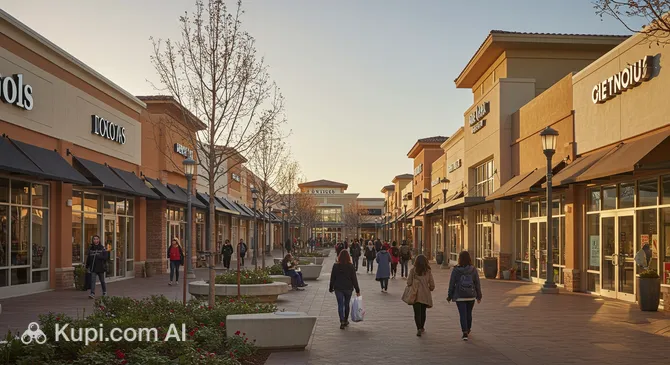
For a comprehensive shopping trip, the city is home to several key centers. One of the most popular community hubs is the Castro Village Shopping Center. This open-air plaza features a unique architectural style and hosts a blend of department stores and specialty shops, making it a pleasant place to stroll and shop for clothing, gifts, or personal items. It stands out for its friendly atmosphere and easy parking, which is a significant plus in the Bay Area.
Another notable destination is the Creekside Center, which offers a practical mix of retail and dining options. It is an excellent spot for visitors who need to run quick errands or find everyday essentials without navigating the crowds of a massive indoor mall. Additionally, the nearby Southland Mall serves as the primary regional shopping center, housing a wide variety of major fashion retailers, electronics stores, and a food court, providing a classic American mall experience.
Creekside Center. Illustration.
Source: Kupi.com AI
Traveler photos:
Travelers looking for authentic local flavor should visit the Hayward Farmers Market, held every Saturday near City Hall. It is widely considered one of the best markets in the East Bay, where you can purchase fresh California produce, artisanal cheeses, and handmade crafts directly from local growers and makers. It is a vibrant place to soak up the community spirit and find unique edible souvenirs like local honey or homemade jams that you won't find in standard supermarkets.
When looking for souvenirs to take home, consider items that reflect the city's diversity and history. Local art galleries and pop-up shops in the downtown area often sell works by regional artists, including prints and handmade jewelry. University-branded apparel from California State University, East Bay, is also a popular keepsake. For something truly unique, look for specialty food items from the diverse ethnic markets scattered throughout the city, such as Mexican spices or Asian teas.
Store opening hours in Hayward generally follow standard American schedules. Major shopping centers and malls are typically open from 10:00 AM to 9:00 PM on weekdays and Saturdays, with slightly shorter hours on Sundays, usually closing around 6:00 PM or 7:00 PM. Smaller independent boutiques in the downtown area may open later, around 11:00 AM, and close by 6:00 PM. Payment is hassle-free, with credit and debit cards (Visa, MasterCard, American Express) accepted almost everywhere, though carrying a small amount of cash is recommended for small vendors at the farmers market.
Visitors from abroad should be aware that the United States does not have a Value Added Tax (VAT) refund system for tourists like many European countries. The price you see on the tag does not include the local sales tax, which will be added at the register upon payment. In Hayward, the sales tax rate is approximately 10.75%, so it is wise to factor this extra cost into your budget when planning your purchases.