Support

Lompoc

About

Nestled in the scenic hills of Santa Barbara County, Lompoc is a charming destination often referred to as the "City of Arts and Flowers." This vibrant community in the United States offers a relaxed atmosphere, distinct from the hustle and bustle of larger Californian cities. With a population of approximately 44,000 residents, it serves as a welcoming gateway to the stunning Central Coast, blessed with a mild Mediterranean climate that makes exploration pleasant year-round.

Lompoc. Source: Kupi.Binoculars

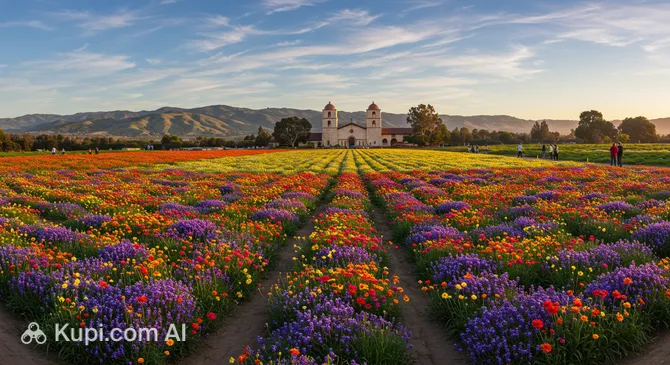
The city is renowned for its spectacular flower fields and an impressive collection of outdoor murals that adorn building facades, turning the streets into an open-air gallery. To understand the roots of this unique cultural tapestry, visitors can explore the fascinating history of Lompoc, which dates back to the era of the Spanish missions. A prime example of this heritage is La Purisima Mission State Historic Park, the most completely restored mission in California, offering an immersive glimpse into life in the early 19th century.

Beyond its historical landmarks, Lompoc is a haven for wine enthusiasts and nature lovers. The famous area known as the Lompoc Wine Ghetto features numerous tasting rooms where travelers can sample exquisite local varietals, particularly Pinot Noir and Chardonnay. Whether you are here to witness a rocket launch from the nearby Vandenberg Space Force Base or to stroll through blooming valleys, Lompoc promises a memorable and picturesque getaway for every traveler.

Weather Overview

Travelers visiting this region can expect a mild and agreeable climate throughout the year, characterized by comfortable temperatures and distinct seasonal changes. For more specific forecasts and historical data to help plan your daily activities, you can consult the guide to weather in Lompoc.

The city generally experiences warm, dry summers and cooler, slightly wetter winters. Average temperatures peak in September at around 18.7°C, with daily highs reaching just over 22°C, while the summer months of June through August remain pleasant with virtually no rainfall and 0 wet days. In contrast, the winter season brings cooler days, with February averages dipping to 12.0°C and lows around 8.5°C. Precipitation is most common from late autumn to early spring, with March seeing up to 9 wet days, making it the dampest month of the year.

Interesting Facts

Beyond the main attractions and scenic vineyards, Lompoc holds many fascinating secrets that reveal its rich and varied past. This city is not just a visual delight but a place with deep historical roots and geological marvels waiting to be discovered.

  • A Dry Beginning: Lompoc was originally founded in 1874 as a temperance colony, intended to be a community completely free from alcohol. The sale and consumption of liquor were strictly prohibited, and local lore recounts dramatic events where residents destroyed liquor barrels to enforce the ban.

  • Ancient Name: The name "Lompoc" is derived from the Chumash language, specifically the term "Lum Poc," which roughly translates to "stagnant water" or "lagoon." This pays homage to the indigenous people who inhabited the region and the geography of the valley long before modern development.

  • Flower Seed Capital: While the flower fields are famous today, the city historically held the title of the "Flower Seed Capital of the World." At its agricultural peak, the Lompoc Valley produced more than half of the world's flower seeds, supplying gardeners across the globe.

  • The White Hills: The hills bordering the southern part of the city appear distinctively white, not due to snow, but because of massive deposits of diatomaceous earth. These mines are among the largest in the world, harvesting fossilized diatoms used in products ranging from water filters to toothpaste.

How to Get There

Reaching this scenic destination on the Central Coast is relatively straightforward, though it often involves a combination of air travel and ground transport. While the city itself is tucked away in a quiet valley, it is accessible via several regional and major transportation hubs. For a comprehensive guide on all available routes, you can read more about how to get to Lompoc, but the most common method is flying into a nearby city and driving the remaining distance.

The city of Lompoc does not have its own commercial airport, but you can fly into Santa Barbara Municipal Airport (SBA), which is the closest convenient option, located about 61.3 km away. It is a popular regional facility, and the drive by rental car or taxi typically takes approximately 50 minutes. Alternatively, travelers can arrive at San Luis County Regional Airport (SBP) in San Luis Obispo, which is roughly 68.5 km from Lompoc. The travel time from there is similar, estimated at around 1 hour by road.

For those arriving from further afield or requiring international connections, Los Angeles International Airport (LAX) is the most significant hub. Situated in Los Angeles, about 204 km from Lompoc, it handles a massive volume of passengers annually. The journey from LAX by car usually takes about 3 hours, depending on traffic conditions. Travelers opting for public transport, such as connecting buses or trains, should expect a significantly longer trip, often exceeding 5 hours.

For clarity, here is a summary of the main airports serving the region:

Airport Name City Passenger Traffic Km from City
Los Angeles International Airport Los Angeles Very Large 203.9
Hollywood Burbank Airport Burbank Large 199.0
Santa Barbara Municipal Airport Santa Barbara Medium 61.3
San Luis County Regional Airport San Luis Obispo Medium 68.5
Meadows Field Airport Bakersfield Small 155.2

Main Attractions

For those seeking a deep dive into California's heritage, La Purisima Mission State Historic Park is an essential stop. Unlike many other missions that are located in city centers, this site sits within a sprawling 2,000-acre park, making it the most fully restored mission in the state. Visitors can wander through restored buildings populated with farm animals to get a true sense of mission life in the 1820s. Beyond the history, the park is a favorite for outdoor enthusiasts, offering over 25 miles of trails perfect for hiking and horseback riding.

Art lovers will find the city streets themselves to be a major draw, thanks to the Lompoc Old Town Murals. This initiative has transformed the downtown area into an accessible open-air art gallery, with over 40 large-scale murals adorning the sides of buildings. These impressive works depict scenes from the valley's history, including the flower industry, the Chumash people, and early pioneers. A self-guided walking tour of these murals offers a colorful and educational way to explore the heart of the city.

Just a short drive from the city center lies Jalama Beach County Park, a secluded coastal gem that feels worlds away from the busy highway. Known for its raw, windswept beauty, it is a popular spot for camping, surfing, and beachcombing. Many visitors make the trek specifically to visit the beach store and try the famous "Jalama Burger," a local culinary legend. The park provides a perfect setting for a quiet day by the ocean, watching the waves and enjoying the rugged California coastline.

To better understand the region's unique background, a visit to the Lompoc Museum is highly recommended. Housed in a former Carnegie Library building that dates back to 1911, the museum is an architectural landmark in its own right. Inside, the collections focus on the area's archaeology and history, featuring an extensive exhibit on the Chumash Indians as well as displays dedicated to the diatomaceous earth mining industry that has shaped the local economy.

Finally, oenophiles should not miss the Lompoc Wine Ghetto, a unique collection of tasting rooms located in an industrial park setting. Far from the traditional estate vineyard experience, this cluster of wineries allows visitors to walk between numerous tasting rooms to sample premium wines, particularly the Pinot Noirs and Chardonnays for which the Santa Rita Hills are famous. It is an unpretentious and convenient way to experience the high-quality winemaking culture of the Central Coast.

Local Cuisine

The culinary landscape of Lompoc is deeply rooted in the agricultural abundance of California's Central Coast, offering a delightful mix of farm-fresh ingredients and hearty, traditional flavors. A true regional staple here is Santa Maria-style barbecue. This distinctive method features premium cuts of beef, typically tri-tip or top sirloin, seasoned with a simple rub of salt, pepper, and garlic, and grilled over native coastal live oak wood to impart a smoky flavor. A traditional plate is almost always served with a side of small, pink pinquito beans, fresh salsa, and toasted garlic bread.

For a more casual but equally iconic meal, travelers often make the short pilgrimage to try the world-famous Jalama Burger, served at the beach store at nearby Jalama Beach. This towering burger has achieved legendary status among locals and visitors for its secret sauce and generous size. It is widely considered a "bucket list" food item for the area, best enjoyed while taking in the rugged ocean views, though it remains a quintessential part of the Lompoc gastronomic experience.

The city also boasts a vibrant scene of authentic Mexican cuisine, reflecting the rich cultural heritage of the community. Visitors can easily find family-run taquerias and restaurants serving handmade tortillas, savory carnitas, and spicy moles. The dining atmosphere throughout the city is generally relaxed and unpretentious, favoring flavor and freshness over formality. You are just as likely to find a delicious meal at a roadside food stand or a casual bistro as you are at a sit-down restaurant.

Regarding beverages, Lompoc is a heavyweight in the wine world. Situated near the Sta. Rita Hills, the area is renowned for producing exceptional cool-climate wines. The Lompoc Wine Ghetto offers a unique tasting experience where enthusiasts can sample world-class Pinot Noir and Chardonnay in a clustered industrial setting. For those looking for non-wine options, the local craft beer scene is thriving, with breweries pouring refreshing ales and lagers that pair perfectly with the sunny California weather.

Travel Tips

To ensure your visit to Lompoc is as relaxing and enjoyable as the scenery itself, a little preparation goes a long way. These practical tips will help you navigate the "City of Arts and Flowers" like a seasoned traveler, allowing you to focus on the murals, wines, and coastal beauty.

  1. Dress in Layers: The Central Coast climate is famous for its microclimates. Even in summer, the mornings and evenings can be surprisingly cool due to the marine fog, often called the "marine layer." Bring a light jacket or sweater that you can easily take off during the warm, sunny afternoons. Comfortable walking shoes are a must for exploring the murals downtown or hiking the trails at La Purisima Mission.
  2. Transportation Choices: While there is a local bus service, the most convenient way to explore the area is by car. Attractions like Jalama Beach and the wineries in the Sta. Rita Hills are spread out and difficult to reach via public transport. Ride-sharing apps are available but may have longer wait times than in major metropolitan areas, so having your own vehicle is highly recommended.
  3. Managing Finances: The local currency is the US Dollar (USD). Credit and debit cards are widely accepted at wineries, restaurants, and shops. However, it is wise to carry some cash for smaller purchases or for the entrance fee at Jalama Beach. Tipping is standard practice in the United States; expect to tip between 18% and 20% for good service in restaurants and bars.
  4. Health and Safety: Lompoc is generally a safe and welcoming community. Standard travel precautions apply: lock your car when parking at trailheads and keep valuables out of sight. Pharmacies and medical clinics are available in the city center, though 24-hour services may be limited compared to larger cities, so plan accordingly if you need specific medications.
  5. Communication and Connectivity: English is the primary language spoken, though you will frequently hear Spanish due to the region's heritage and agricultural roots. Wi-Fi is readily available in most hotels, cafes, and tasting rooms. Mobile signal is generally good in the city but can be spotty or non-existent when you drive out to remote coastal areas like Jalama Beach.
  6. Local Etiquette: The vibe here is distinctly casual and unhurried. People are friendly, so a smile and a "hello" go a long way. When visiting the Wine Ghetto or other tasting rooms, the atmosphere is relaxed, but pacing yourself is key—it is polite to taste responsibly and ask questions about the wine, as the staff are often very knowledgeable and eager to share.
  7. Respect the Fields: One specific rule to follow strictly is to never enter the flower fields for photos unless explicitly permitted by a sign or a tour guide. These are active agricultural crops on private property, and stepping into the rows can damage the flowers and spread disease, which is a major concern for local farmers.
  8. Check the Launch Schedule: Since Lompoc is the neighbor of Vandenberg Space Force Base, you might be lucky enough to witness a rocket launch during your stay. Check the local launch schedules online before you arrive; seeing a rocket streak across the sky is a unique and thunderous experience that you won't want to miss.

With these tips in mind, you are all set to experience the best of the Lompoc Valley. Whether you are sipping Pinot Noir, admiring the murals, or watching the fog roll in over the hills, a stress-free and memorable adventure awaits you on the California coast.

Entertainment & Nightlife

Nightlife in Lompoc is characterized by a relaxed, small-town charm rather than high-energy nightclubs or sprawling entertainment districts. The evening scene revolves around socializing in cozy pubs, tasting rooms, and local breweries where the atmosphere is welcoming and unpretentious. Most of the activity is concentrated in the Old Town area and along H Street, where locals and visitors gather to unwind after a day of exploring the valley.

For those looking to experience the local bar scene, Jasper's Saloon is a staple of Lompoc nightlife. Known for its classic dive bar vibe, it offers pool tables, shuffleboard, and a jukebox, making it a popular spot for mixing with residents and military personnel from the nearby base. It is the place to go for a casual drink in a setting that feels authentic and lived-in.

Another excellent option for an evening out is Cold Coast Brewing Company. This venue captures the spirit of the region's craft beverage culture, serving a variety of house-made ales and lagers in a friendly, industrial-style taproom. It is a great place to start the night, often featuring food trucks and a lively crowd of beer enthusiasts. If you prefer a gastropub atmosphere with cocktails and a full dinner menu, Old Town Kitchen & Bar provides a slightly more polished setting perfect for a night out with friends.

The dress code throughout the city is very casual; jeans and comfortable layers are the norm everywhere. Venues typically close earlier than in major cities, with breweries often winding down by 9:00 PM or 10:00 PM, while bars like Jasper's may stay open until 2:00 AM. Prices are generally affordable, offering good value compared to larger Californian tourist hubs.

Regarding safety and transport, Lompoc is generally safe for evening walks, particularly in the main downtown thoroughfares. However, street lighting can be dim in residential areas, so it is advisable to stick to well-traveled streets. Ride-sharing services like Uber and Lyft operate in the area, but availability can be limited late at night. It is highly recommended to arrange your ride in advance or have a designated driver if you plan to stay out late.

While the nightlife is quiet, the city offers plenty of daytime entertainment to fill the hours before sunset. Visitors can explore the rich history at the Lompoc Museum or catch a performance by the local civic theater group if the season permits. The transition from day to night is best spent finishing a tour of the murals or enjoying a final tasting at the Wine Ghetto before heading to dinner.

Parks & Museums

While the city is widely recognized for its grand mission and colorful murals, Lompoc offers a variety of other green spaces and cultural venues that provide a deeper look into the valley's lifestyle. From windswept coastlines to preserved Victorian heritage, these sites allow visitors to experience the natural beauty and community spirit that define this Central Coast destination.

For those seeking a raw and uncrowded coastal experience, Ocean Beach Park (often referred to as Surf Beach) is a must-visit. Located where the Santa Ynez River meets the Pacific Ocean, this park offers a dramatic landscape of sand dunes and crashing waves. It is an excellent spot for beachcombing, photography, and birdwatching, particularly for the threatened Western Snowy Plover. Unlike the more developed beaches in Southern California, this area remains wild and pristine, offering a peaceful retreat for nature lovers.

In contrast to the rugged coast, River Park provides a lush, grassy environment perfect for families and campers. Situated along the banks of the Santa Ynez River, this expansive park features a fitness trail, picnic areas, and a playground, making it a popular hub for local gatherings. It serves as a green oasis within the city, offering a relaxed setting for a leisurely afternoon walk or an outdoor barbecue surrounded by trees.

To explore the domestic history of the region, travelers should visit the Fabing-McKay-Spanne House. This beautifully preserved two-story Victorian farmhouse, built in 1875, was the first home in the Lompoc Valley to feature indoor plumbing. Today, it is maintained by the Lompoc Valley Historical Society and is furnished with period-appropriate antiques, offering an immersive step back in time to the late 19th century. It stands as a testament to the area's pioneer roots and agricultural beginnings.

Art enthusiasts looking for local talent will appreciate the Cypress Gallery. Operated by the Lompoc Valley Art Association, this venue showcases the work of over 60 local artists. The exhibits rotate frequently and include watercolors, oil paintings, photography, and mixed media. It is an intimate space where visitors can not only view art but often meet the creators and purchase unique, locally made souvenirs that reflect the vibrant artistic community of the city.

Another significant historical landmark is the Artesia School Museum. This fully restored one-room schoolhouse dates back to 1876 and served the rural community for decades. Now located near the historical society grounds, it offers a charming glimpse into the educational environment of the past, complete with antique desks and historical photographs. It is a quick but fascinating stop that complements the city's larger historical narrative.

For an authentic local experience, keep in mind that access to Ocean Beach Park is sometimes restricted during the nesting season of the Western Snowy Plover (typically March through September). During these months, specific areas of the beach may be roped off to protect the birds, so it is wise to check current regulations upon arrival. Respecting these boundaries is a key part of visiting this environmentally sensitive coastline.
Getting Around

Navigating Lompoc is relatively straightforward, though the city relies primarily on a road-based transportation network rather than the complex rail or metro systems found in larger metropolises. The backbone of public mobility here is the City of Lompoc Transit (COLT). This bus service operates a fleet of vehicles providing fixed-route service throughout the city limits, connecting major residential areas with shopping centers, the hospital, and downtown attractions. The buses are generally clean, reliable, and offer a cost-effective way to move between main points of interest.

In addition to local routes, there are regional connections for travelers wishing to explore the wider Central Coast. The Wine Country Express (often part of the regional "Breeze" service) connects Lompoc with nearby Buellton and Solvang, making it possible to visit the famous Danish village or other valley towns without a car. For those heading further afield, the Clean Air Express offers commuter-style service to Santa Barbara, though its schedule is primarily tailored to weekday work commuters rather than midday sightseeing.

The payment system for COLT and regional buses is traditional and simple. Fares are typically paid in cash upon boarding, and it is essential to have exact change ready, as drivers do not carry cash to make change. One-way fares are very affordable, generally hovering around $1.50 to $2.00. For visitors planning to use the bus frequently over a short period, day passes or monthly passes can be purchased at the Lompoc City Hall or the Transit Center. While some regional transit agencies are modernizing with mobile apps, carrying small bills and coins remains the safest bet for local travel here.

Tourists should be aware of the operating hours, which reflect the pace of a smaller community. COLT buses typically run from early morning until early evening (approximately 6:30 AM to 7:00 PM) on weekdays, with reduced schedules on Saturdays. It is important to note that there is often no bus service on Sundays or major holidays, so you should plan your weekend itinerary accordingly. Always check the latest timetables online or at the Transit Center to avoid getting stranded.

A unique feature of the local transport landscape is the Lompoc-Surf Amtrak Station. While it connects the city to the scenic Pacific Surfliner rail route, the station is located right on the coast, about 10 miles west of the city center. There are no facilities at this unstaffed platform, and it is quite isolated. If you arrive by train, you must arrange a pickup in advance, such as a taxi or the Amtrak Thruway bus connection, as walking to town is not feasible.

Given the spread-out nature of attractions like the Wine Ghetto, La Purisima Mission, and Jalama Beach, most visitors find that renting a car is the most practical option. It offers the freedom to explore the scenic backroads and coastal areas that public transport does not reach. Alternatively, ride-sharing services like Uber and Lyft operate in the city, though wait times may be longer than in major urban hubs. Local taxi companies are also available but should be called in advance. For short trips within the flat downtown area, walking or biking is a pleasant alternative, allowing you to enjoy the murals and weather at your own pace.

Accommodation

Accommodation in Lompoc is characterized by its practicality and value, offering a welcoming alternative to the pricier coastal resorts found elsewhere in the region. The city primarily features a selection of mid-range hotels, reliable chain motels, and budget-friendly inns. You will not find sprawling luxury resorts or five-star properties here; instead, the focus is on providing comfortable, clean, and convenient bases for travelers exploring the Central Coast. For those who prefer the outdoors, the area is also well-known for its excellent RV parks and campgrounds, particularly the scenic spots at Jalama Beach and along the river.

The majority of lodging options are strategically clustered along the city's main thoroughfares, specifically North H Street and Ocean Avenue. Staying in this central corridor is highly convenient for tourists, as it places you within easy reach of the historic Old Town, the Lompoc Wine Ghetto, and numerous dining options. This location also offers quick access to Highway 1, making it simple to head out for day trips to nearby vineyards or the Vandenberg Space Force Base. Visitors looking for a quieter experience might consider the few bed-and-breakfast style accommodations tucked away in the residential neighborhoods.

A crucial tip for booking your stay is to always check the Vandenberg Space Force Base launch schedule. Lompoc is a prime viewing location for rocket launches, and during these events, hotels can sell out weeks in advance with prices rising accordingly. Similarly, the spring and summer months, which coincide with the blooming flower fields and wine festivals, are peak times. To secure the best rates and ensure availability, it is wise to book your accommodation well ahead of your trip, especially if your dates align with a scheduled launch.

In terms of pricing, Lompoc is widely regarded as one of the most affordable destinations on the Central Coast. Travelers can generally expect budget to mid-range prices that are significantly lower than those in nearby Santa Barbara or Solvang. Reservations can be easily made through major online booking platforms, which is the most common method, though contacting smaller motels directly can sometimes yield specific room preferences or better last-minute deals.

Nearby Cities

For those looking to explore the surroundings, Lompoc serves as an excellent base for day trips to several interesting nearby locations. A favorite destination is Santa Barbara, located roughly an hour south, which captivates visitors with its stunning Spanish Colonial architecture, upscale shopping, and pristine beaches. Just a short drive north, Santa Maria offers a flavorful experience, famous for its regional barbecue tradition and surrounding vineyards. Further inland, Paso Robles is a haven for relaxation, renowned for its historic hot springs and world-class wineries.

City Population Distance (km)
Oxnard 366330 127
Santa Barbara 198240 74
Santa Maria 142230 35
Ventura 110572 114
Paso Robles 67696 112

These nearby destinations offer a glimpse into the diverse culture and landscapes of the region, providing plenty of options for memorable excursions.

Shopping & Souvenirs

Shopping in Lompoc offers a relaxed and unhurried experience that mirrors the city's overall laid-back atmosphere. While you will not find massive luxury department stores or high-end fashion boulevards here, the city provides a charming mix of practical retail, antique hunting, and specialty boutiques. Visitors can expect to find everything from essential travel supplies to unique local crafts, all within a short drive or walk from the city center.

The primary commercial artery of the city is H Street (Highway 1), which runs north to south through the town. This is where the majority of shopping activity takes place, featuring a blend of familiar national chains, grocery stores, and service shops. For a more atmospheric experience, travelers should explore Old Town Lompoc, particularly along South H Street and Ocean Avenue. This historic district is walkable and lined with independent businesses, vintage stores, and small boutiques that offer a more personal touch compared to the larger retailers.

Lompoc does not have large enclosed shopping malls typically found in major metropolitan areas. Instead, the retail scene is dominated by open-air shopping centers and strip malls located conveniently along the main thoroughfares. These plazas generally host a variety of stores ranging from clothing and sporting goods to home decor, providing a convenient "one-stop" option for visitors needing to restock on supplies during their road trip.

For a taste of local flavor, the Lompoc Certified Farmers Market is a highlight for both residents and tourists. Held every Friday afternoon in the Old Town area, this market showcases the agricultural bounty of the Central Coast. Visitors can browse stalls filled with freshly picked produce, vibrant cut flowers, and artisanal food products. It is not just a place to shop, but a lively community event where you can mingle with local farmers and artisans.

When it comes to souvenirs, the region's specialties make for excellent gifts. Given the city's reputation for wine, a bottle of Pinot Noir or Chardonnay from a local tasting room in the Wine Ghetto is a top choice. Another unique keepsake is a packet of locally grown flower seeds, paying homage to Lompoc's history as a flower seed capital. Additionally, the antique shops in Old Town are treasure troves for vintage collectibles and unique Americana that you won't find anywhere else.

Store opening hours in Lompoc generally follow standard American schedules. Major retailers and supermarkets on H Street are typically open from 9:00 AM or 10:00 AM until 9:00 PM, seven days a week. However, smaller independent shops and boutiques in Old Town often have shorter hours, closing around 5:00 PM or 6:00 PM, and may be closed on Sundays or Mondays. Credit and debit cards are universally accepted, though having a small amount of cash is recommended for the farmers market or smaller transactions.

Tourists visiting the United States should be aware that there is no Value Added Tax (VAT) refund system for international travelers. Sales tax is not included in the price tag displayed on the shelf; instead, it is calculated and added at the register during checkout. In California, this tax can add approximately 8-9% to your total purchase price, so it is wise to factor this extra cost into your shopping budget.

Reached the end of the page?

That means the route is fully explored