Support

Imperial

About

Welcome to Imperial, a growing and vibrant city located in the heart of the Imperial Valley. Situated in the southeastern corner of California, this welcoming community offers a unique blend of small-town atmosphere and modern development. As a key destination in this agricultural region of the United States, Imperial serves as an excellent base for exploring the diverse landscapes of the Southern California desert.

The city is known for its warm, sunny climate, typical of the desert environment, which attracts visitors seeking escape from colder weather during the winter months. With a population of approximately 20,000 residents, Imperial maintains a friendly and accessible vibe while providing essential amenities. Its location provides easy access to nearby natural wonders, including the vast desert dunes and the Salton Sea.
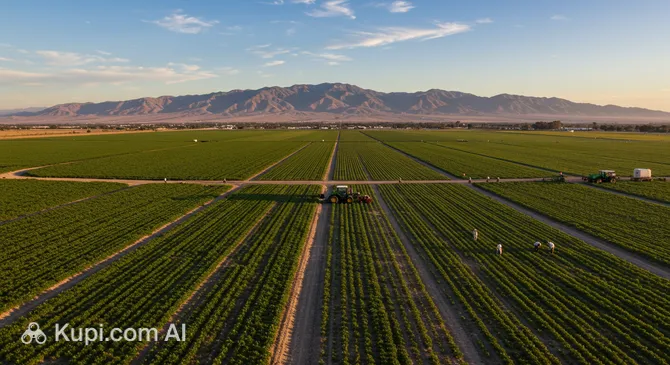
Imperial. Source: Kupi.Binoculars

The area's development is fascinating, transforming from arid desert to fertile land through irrigation. You can learn more about the history of Imperial and the surrounding valley by visiting local heritage sites. The Imperial Valley Pioneer Museum is a standout attraction, offering extensive exhibits that chronicle the lives of early settlers, the indigenous people of the area, and the booming agricultural industry that shaped the region.

For those seeking entertainment, the city is home to the Imperial Valley Expo, which hosts the popular California Mid-Winter Fair & Fiesta. This annual event brings the community together with rodeos, concerts, and carnival rides. Additionally, the city features well-maintained green spaces like Eager Park, perfect for a relaxing afternoon picnic.

Whether you are passing through on a road trip or looking to discover the unique culture of the Imperial Valley, the city of Imperial invites you to experience its warm hospitality and rich heritage. It is a delightful stop that captures the enduring spirit of the American Southwest.

Weather Overview

Imperial experiences a distinct desert climate characterized by scorching summers and pleasantly mild winters. During the height of the summer season, particularly in July and August, the heat can be intense with average maximum temperatures soaring above 43°C. These months are typically dry and sunny, making it essential for visitors to stay hydrated and plan outdoor activities for the cooler parts of the day.

In contrast, the winter months offer a comfortable retreat with much gentler conditions. December and January see average temperatures hovering around 15°C, creating an inviting atmosphere for exploring the outdoors without the extreme heat. Rainfall is exceptionally scarce throughout the year, with most months recording negligible precipitation. For a more detailed forecast and seasonal breakdown, reviewing the weather in Imperial can help you pack appropriately for your trip.

Interesting Facts

Beyond its reputation as an agricultural hub, Imperial holds several fascinating secrets and historical distinctions that set it apart from its neighbors. From its unique geographical position to its pivotal role in the region's development, this city offers curious travelers plenty to discover.

  • Life Below Sea Level: One of the most unique geographical features of Imperial is its elevation. The city sits approximately 60 feet (18 meters) below sea level, a characteristic shared by the surrounding valley which was once part of the Gulf of California. This low elevation contributes to the area's distinctive desert climate and agricultural fertility.

  • The City of Firsts: Imperial prides itself on being the "City of Firsts" in the region. It was the first community in the valley to officially incorporate as a city in 1904. Additionally, it established the valley's first school, first church, and first Chamber of Commerce, laying the groundwork for the development of the entire area.

  • The "Almost" County Seat: Designed by the Imperial Land Company to be the capital of the valley, the city was the original headquarters for the region's developers. However, in a surprising historical twist during the formation of the county in 1907, it lost the title of county seat to the nearby city of El Centro, sparking a local rivalry that shaped the early political landscape.

  • A Turtle Ship in the Desert: The local Pioneers Museum houses an unexpected treasure: a replica of a Korean "Turtle Ship" (Geobukseon). This rare exhibit sits alongside extensive collections of early farming tools and pioneer artifacts, symbolizing the diverse cultural contributions of the various ethnic groups that helped settle the Imperial Valley.

  • Winter Festivities: Due to the intense summer heat, the city hosts the county's largest annual event during the cooler months. The California Mid-Winter Fair & Fiesta is a tradition that dates back over a century, celebrating the region's harvest and community spirit in March, when most other fairs in the country are waiting for summer.

How to Get There

Reaching the city of Imperial is a journey into the heart of the California desert. While the city itself is tucked away in a quiet agricultural valley, it remains accessible through several major transport hubs in the region. For travelers planning their trip, finding the right route is the first step to a memorable visit. You can find all ways to reach the city in our detailed guide, but here is an overview of the most common options.

The city of Imperial does not have its own major international airport, but you can fly into San Diego International Airport (IATA: SAN) in the city of San Diego, which is about 153 km from Imperial. As a large hub handling over 25 million passengers annually, it offers the widest range of flight connections. The drive from the airport to Imperial typically takes approximately 2 hours by rental car or shuttle. Another excellent option for those already in the region or looking for a closer domestic connection is Yuma International Airport (IATA: YUM) in Yuma. Located about 93 km away, this airport offers a quick ground transfer, taking roughly 1 hour via Interstate 8.

Travelers should also be aware of Mexicali Airport (IATA: MXL) in the city of Mexicali, Mexico. It is the closest facility geographically, situated just 39 km from Imperial. However, using this airport involves crossing the international border, which can add variable time to your journey due to customs and immigration procedures. The drive typically takes around 1 hour and 20 minutes, depending on border traffic.

For clarity, here is a summary of the main airports:

Airport Name City Passenger Traffic Km from City
San Diego International Airport San Diego Large 153.0
Tijuana Airport Tijuana Large 135.9
Palm Springs International Airport Palm Springs Medium 139.4
Mexicali Airport Mexicali Medium 38.6
Yuma International Airport Yuma Small 92.8

Since there is no direct passenger train service to Imperial, most visitors complete their journey by car or bus. The city is conveniently located near State Route 86 and Interstate 8, making it a straightforward drive from coastal California or Arizona. Renting a car at your arrival airport is often the most practical way to explore the Imperial Valley at your own pace.

Main Attractions

While Imperial is a relatively small community, it serves as the cultural and historical heart of the valley. The city offers a mix of local heritage sites and family-friendly spaces, while also acting as the perfect gateway to the spectacular natural wonders of the surrounding desert. Whether you are interested in the region's pioneering past or looking for outdoor entertainment, there are several key spots to explore.

Imperial Valley Pioneer Museum is undoubtedly the premier cultural attraction in the city. Located on a spacious campus, this extensive museum preserves the fascinating history of how a harsh desert was transformed into a fertile agricultural powerhouse. Visitors can explore the galleries dedicated to the diverse ethnic groups that settled the area, view the history of the massive All-American Canal, and admire a vast collection of antique farm machinery displayed outdoors. It also features historic structures relocated to the grounds, including an old schoolhouse and a depot, offering a tangible connection to the early days of the valley.

For entertainment and local events, the Imperial Valley Expo is the place to be. This large fairground complex is the hub of the community's social life and the home of the famous California Mid-Winter Fair & Fiesta. Even if you are not visiting during the fair, the venue frequently hosts dirt track races, concerts, and cultural festivals throughout the year. It captures the vibrant spirit of the local community and offers a lively atmosphere for visitors of all ages.

Travelers looking for a relaxing break within the city limits should visit Eager Park. This well-maintained green space is a favorite among local families and offers a pleasant respite from the desert heat. The park features a popular splash pad, making it an excellent stop for those traveling with children during the warmer months. With its picnic areas and playgrounds, it provides a quiet setting to enjoy a lunch outdoors or simply stretch your legs.

Just a short drive east of the city lies the world-famous Imperial Sand Dunes, often referred to as Glamis. While technically outside the city limits, this massive field of golden sand is one of the main reasons tourists visit the area. Stretching for over 40 miles, the dunes offer a surreal landscape that has appeared in numerous Hollywood movies. It is a haven for off-road enthusiasts and photographers seeking to capture the stunning interplay of light and shadow on the shifting sands.

Local Cuisine

The culinary landscape of Imperial is deeply influenced by its proximity to the international border and its status as a major agricultural hub. The local cuisine offers a mouthwatering fusion of classic American comfort food and authentic Mexican flavors. Visitors will find that the food scene here is unpretentious, hearty, and centered around fresh, locally grown ingredients that are harvested right from the surrounding fields.

Undoubtedly, the star of the local menu is Carne Asada. Thanks to the region's strong cattle industry and cultural heritage, the grilled beef here is exceptional. You must try Carne Asada Fries, a signature Southern California dish that is particularly beloved in the Imperial Valley. This indulgent meal consists of a large bed of french fries topped with marinated steak, melted cheese, guacamole, and sour cream. Authentic street tacos served on corn tortillas with onions, cilantro, and spicy salsa are also a staple, available everywhere from sit-down restaurants to small roadside stands.

Given the intense desert heat, refreshing beverages are an essential part of the dining experience. Locals often cool down with Aguas Frescas, traditional non-alcoholic drinks made from fruits, cereals, or flowers. Horchata, a sweet, cinnamon-spiced rice milk drink, and Jamaica, a tart hibiscus tea, are widely available and pair perfectly with spicy food. For a unique regional treat, look for a Date Shake. While the Imperial Valley is famous for its vegetable crops, the nearby date palm groves influence the local dessert menu, making this thick, sweet milkshake a must-try delicacy.

The dining culture in Imperial is casual and family-oriented. You won't find many high-end, dress-code establishments; instead, the city prides itself on welcoming diners and hole-in-the-wall gems where the focus is on flavor and portion size. Because the city is surrounded by some of the most productive farmland in the nation, many restaurants feature seasonal vegetables that travel practically zero miles from farm to plate, ensuring a level of freshness that is hard to beat.

Travel Tips

Visiting Imperial offers a unique glimpse into California's agricultural heartland, but the distinct desert environment requires some specific planning. Here are some practical tips to ensure your trip to the Imperial Valley is comfortable, safe, and enjoyable.

  1. Clothing and Gear: The desert sun is unforgiving, especially from May to September. Pack lightweight, light-colored, and breathable clothing, along with a wide-brimmed hat and high-SPF sunscreen. While summers are scorching, winters are mild but can get chilly at night, so bringing a light jacket or layers is recommended for evening outings.

  2. Transportation: While the Imperial Valley Transit (IVT) bus system connects the city to neighboring communities, schedules can be infrequent. To truly explore the city, the nearby sand dunes, and the scattered historical sites, renting a car is highly recommended. Ride-sharing apps are available but may have longer wait times than in major metropolitan hubs.

  3. Finances: The currency is the US Dollar (USD). Credit and debit cards are widely accepted at most restaurants, gas stations, and shops. However, it is wise to carry some cash for smaller purchases at local taco stands or seasonal farmers' markets. Standard American tipping etiquette applies: 15-20% is customary for restaurant service.

  4. Health and Safety: The primary health concern for tourists is dehydration and heat exhaustion. Always carry water with you, even for short trips, and drink before you feel thirsty. The city is generally safe, but for any immediate medical or police emergencies, dial 911. Several pharmacies are available in town for basic needs.

  5. Communication: English is the primary language, but due to the close proximity to the Mexican border, Spanish is widely spoken and integral to the local culture. You will likely hear it frequently in shops and restaurants. While English is sufficient for all interactions, knowing a few basic Spanish phrases is a nice gesture when visiting authentic local eateries.

  6. Local Etiquette: Imperial maintains a friendly, small-town atmosphere where people often greet strangers with a nod or a smile. The community is deeply connected to agriculture; respect for this lifestyle is appreciated. It is polite to be patient and courteous, reflecting the relaxed pace of the valley.

  7. What to Avoid: Never attempt strenuous outdoor activities, such as hiking or exploring the dunes, during the peak heat of a summer day (typically noon to 4 PM). The temperatures can be dangerous. Additionally, avoid walking into agricultural fields to take photos; these are active private workplaces often using heavy machinery.

  8. Seasonal Insight: If possible, plan your visit between October and April. This "snowbird season" offers the most pleasant weather for outdoor exploration. Many local businesses and events operate on a schedule that caters to this influx of winter visitors, ensuring you see the city at its liveliest.

By keeping these practicalities in mind, you will be well-equipped to enjoy the warm hospitality and stark beauty of Imperial without any surprises. Whether you are here for the sand dunes or the local history, a little preparation ensures a hassle-free and memorable experience.

Entertainment & Nightlife

Entertainment and Nightlife:

The nightlife scene in Imperial reflects the city's relaxed, small-town character. You will not find booming nightclubs, neon-lit dance floors, or expansive entertainment districts here. Instead, the evening entertainment is centered around a laid-back social atmosphere where locals gather to unwind after work. The vibe is distinctly casual and friendly, focusing on good conversation, cold drinks, and hearty food rather than high-energy partying.

Most of the evening activity is concentrated along Imperial Avenue and State Route 86, the city's main thoroughfares. Here, the "nightlife" consists primarily of sports bars, casual lounges, and restaurants that stay open late. The dress code is almost universally informal; jeans and t-shirts are the norm, and you will feel comfortable in casual attire at any establishment. Venues typically begin to wind down earlier than in big cities, with many restaurants closing by 9:00 PM or 10:00 PM, though bars often stay open until the standard California closing time of 2:00 AM.

For a taste of the local flavor, Humble Farmer Brewing Co. is a standout venue that has become a community hub. It offers a selection of locally crafted beers in a welcoming setting, often featuring food trucks and hosting community events. It is an excellent place to meet residents and get a feel for the valley's culture. Another popular option is Burgers & Beer, a local favorite known for its lively sports bar atmosphere. It is the perfect spot to catch a game, enjoy a generous meal, and relax with friends in an unpretentious environment.

If you are looking for live entertainment, options within the city limits are seasonal. The Imperial Valley Expo is the primary venue for concerts, rodeos, and festivals, particularly during the winter months. It is worth checking their schedule in advance to see if a touring artist or local band is performing during your stay. Outside of scheduled events, live music is occasional and usually found in the form of acoustic sets at local eateries.

Regarding daytime entertainment, the city offers a slower pace suitable for families and history buffs. As mentioned, the Imperial Valley Pioneer Museum provides an engaging look at the region's past. For those traveling with children, the local parks offer safe and clean environments for recreation before the sun sets. While there are no large amusement parks in Imperial itself, the open desert surroundings provide a natural playground for off-roading enthusiasts during the day.

Safety and Transport: Imperial is generally considered a safe place for evening outings. Walking around the main commercial areas is secure, though residential streets can be dimly lit. Public transportation is limited at night, so relying on buses is not recommended for evening plans. The most practical way to get around is by using ride-sharing apps like Uber or Lyft, or by calling a local taxi service. If you plan to drink, arranging a ride is essential, as the city is spread out and not particularly walkable between venues.

Parks & Museums

Despite its location in a stark desert environment, Imperial surprises visitors with its dedication to maintaining green community spaces and preserving its rich cultural history. The city offers a balanced mix of recreational parks perfect for families and educational institutions that tell the unique story of the Imperial Valley's development. Whether you are looking to relax under the shade of a tree or dive into the region's pioneering past, there are several spots worth exploring.

Eager Park is the crown jewel of the city's park system and a favorite gathering spot for locals. Located centrally, this well-maintained green space provides a lush contrast to the surrounding desert landscape. It is particularly popular during the warmer months due to its splash pad, which offers a fun and refreshing escape for children. The park also features extensive playground equipment, picnic areas with barbecue grills, and walking paths, making it an ideal location for a relaxed afternoon or a family lunch outdoors.

For those interested in sports and active recreation, Sunset Park is another significant green space in the city. It serves as a hub for community activities, featuring ample open space for jogging, frisbee, or casual sports. The park is designed to be a functional recreational area where residents and visitors alike can enjoy the mild winter weather. Its open design allows for beautiful views of the desert sunsets that the region is famous for, providing a tranquil setting to end the day.

The cultural highlight of the city is undoubtedly the Imperial Valley Pioneer Museum. Situated on a sprawling campus, this museum is the guardian of the valley's history. It houses a diverse collection of artifacts that chronicle the transformation of the desert into agricultural land, including antique farming equipment and household items from the early 1900s. A particularly unique exhibit is the replica of a Korean "Turtle Ship," which honors the diverse ethnic communities that settled in the area. The museum grounds also feature historic buildings moved from other parts of the valley, offering a tangible walk through time.

Art enthusiasts should look into the Imperial Valley College Art Gallery. As a college town, Imperial benefits from the creative energy of its students and faculty. The gallery frequently hosts exhibitions showcasing contemporary works by local artists, students, and visiting professionals. It serves as a vital cultural venue where visitors can gain insight into the modern artistic expression of the region, contrasting with the historical focus of the Pioneer Museum.

From a historical and architectural perspective, the city's origins are deeply tied to the Imperial Irrigation District. While not a traditional museum, the legacy of the water infrastructure is visible throughout the city. The engineering marvels that bring water from the Colorado River are celebrated in various local monuments and markers. Understanding this massive irrigation network is key to appreciating how a city exists in this arid zone, and you will often find historical plaques near civic buildings explaining this feat.

For an authentic local experience, try visiting the Pioneer Museum on a weekday morning when it is quieter. The docents are often long-time residents with personal stories about the valley's history that you won't find on the placards. Additionally, keep an eye out for the community events often held at Eager Park, such as "Market Days," where you can mingle with residents and sample local produce.

Getting Around

Navigating Imperial requires a bit of planning, as the city is predominantly designed for automobile travel. Like many smaller communities in this region, the public transport options are somewhat limited compared to major metropolitan areas. There is no metro, tram, or train system operating within the city limits. However, a reliable bus network connects the city to the wider valley, providing an affordable way for visitors to get around if they prefer not to drive.

The primary public transportation provider is Imperial Valley Transit (IVT). These buses serve as the lifeline for those without cars, linking Imperial with neighboring cities like El Centro, Brawley, and Calexico. The buses are modern, air-conditioned—a crucial feature in the desert heat—and generally run on fixed routes along the main corridors such as Imperial Avenue. While they are efficient for moving between towns, they may not reach every residential street or specific tourist spot directly.

For payment, the system is straightforward. You can pay your fare in cash upon boarding, but it is essential to have the exact change ready, as drivers do not carry cash to make change. Fares are very affordable, typically costing around $1.25 for a single ride. For tourists planning to use the bus frequently, day passes are available and offer better value. Recently, the system has modernized to include mobile ticketing options through apps like Token Transit, allowing you to purchase passes on your smartphone and simply show the screen to the driver, eliminating the need for coins.

If you choose to use the bus, practical timing is key. Service frequencies can vary, with buses often running every 30 to 60 minutes on major routes during weekdays. Service is significantly reduced on weekends and may stop relatively early in the evening. It is highly recommended to check the latest schedules online or via Google Maps before heading out. Also, be mindful of the weather; waiting at a bus stop during the peak of a summer afternoon can be physically draining, so try to time your arrival at the stop closely with the bus schedule.

Given the spread-out nature of the city and the heat, many visitors find that alternatives to public transport are more convenient. Ride-sharing services like Uber and Lyft operate in the area, though wait times may be longer than in larger cities. Traditional taxi services are also available but usually require booking by phone in advance rather than hailing on the street. Ultimately, renting a car remains the most popular and practical choice for tourists, offering the freedom to explore the dunes and museums at your own pace without relying on transit schedules.

Accommodation

Accommodation in Imperial is primarily designed to cater to road travelers, business visitors, and outdoor enthusiasts exploring the surrounding desert. The city does not feature high-end luxury resorts or sprawling boutique hotels. Instead, visitors will find a reliable selection of mid-range chain hotels, budget-friendly motels, and functional inns. These establishments focus on providing comfort and essential amenities, with air conditioning being a standard and crucial feature given the region's intense heat.

The majority of lodging options are conveniently clustered along State Route 86, also known as Imperial Avenue. Staying in this area is highly recommended for tourists, as it places you right on the main artery connecting Imperial to the neighboring city of El Centro and the rest of the valley. This location offers easy access to local dining spots and ensures a quick departure for day trips to the Imperial Sand Dunes or the Salton Sea.

When planning your stay, it is important to consider the local event calendar. While room availability is generally good throughout the year, the city can become fully booked during major local events, particularly the California Mid-Winter Fair & Fiesta held in late February or early March. The winter months also attract "snowbirds" and off-road enthusiasts, so booking your accommodation a few weeks in advance during this peak season is a wise strategy.

In terms of cost, Imperial is an affordable destination compared to coastal California. Prices typically fall into the budget to mid-range category, making it an economical base for exploring the region. Booking is straightforward, with most properties available on major online travel platforms, though calling smaller motels directly can sometimes yield better rates or specific information about parking for larger vehicles like RVs or trailers.

Nearby Cities

For those looking to explore the surroundings, Imperial serves as an excellent base for day trips to several interesting nearby locations. The city's central position allows travelers to easily reach both the vibrant communities of the Coachella Valley and the historic towns along the Colorado River.

Travelers seeking a mix of luxury and nature often head north to Palm Desert. Known for its sophisticated atmosphere, it features the famous El Paseo shopping district, often compared to Rodeo Drive, and the Living Desert Zoo and Gardens, which offers an immersive look at desert ecosystems. Alternatively, a drive east leads to Yuma, Arizona. This historic city is famous for the Yuma Territorial Prison State Historic Park and offers excellent recreational opportunities along the Colorado River.

For a closer excursion, El Centro is practically a neighbor. As the core of the metropolitan area, it provides expanded options for dining, shopping, and entertainment, making it an easy choice for a spontaneous afternoon outing without a long commute.

City Population Distance (km)
Indio 361,831 114
Yuma 135,933 90
El Centro 110,434 6
Palm Desert 51,081 123
Coachella 42,123 108

These nearby destinations offer a glimpse into the diverse culture and landscapes of the region, providing plenty of options for exploration just a short drive away.

Shopping & Souvenirs

Shopping in Imperial is a relaxed and convenient experience that reflects the city's small-town charm and its close connection to the wider Imperial Valley community. While the city is not a major fashion capital, it offers a distinct mix of essential retail, local boutiques, and agricultural goods. Visitors will find that the shopping scene here is less about sprawling luxury complexes and more about practical convenience and discovering unique local flavors.

The primary commercial artery of the city is Imperial Avenue (State Route 86). As you drive along this main thoroughfare, you will encounter a variety of shopping centers, independent businesses, and service providers. This is where most of the daily activity takes place, featuring everything from grocery stores and pharmacies to small specialty shops. It is an easy area to navigate by car, with ample parking available at almost every establishment.

For those seeking a comprehensive retail experience with major international brands and department stores, the city's location is its greatest asset. While Imperial itself does not house a massive enclosed shopping center, the Imperial Valley Mall is located just a few minutes south in the neighboring city of El Centro. It serves as the main retail hub for the entire region, offering a wide selection of clothing, electronics, and entertainment options that are easily accessible to visitors staying in Imperial.

A highlight of the local shopping calendar is the Imperial Market Days. This community event series, typically held in downtown Imperial, transforms the streets into a vibrant open-air market. It features dozens of local vendors selling handmade crafts, artisan goods, and regional foods. It is arguably the best place to find unique gifts that truly represent the spirit of the community, far removed from the generic items found in big-box stores.

When looking for souvenirs, the best items to bring back are those that celebrate the region's agricultural heritage. The Imperial Valley is famous for its date production, so purchasing high-quality local dates or date-based products is a must. Additionally, due to the area's strong ranching culture, visitors can often find excellent Western wear, including cowboy hats, boots, and leather goods, at local outfitters that cater to the farming community.

Store opening hours in Imperial generally follow standard American schedules. Major retailers and supermarkets are typically open from 9:00 AM to 9:00 PM, seven days a week. Smaller, independently owned boutiques may have more limited hours, often closing around 6:00 PM and sometimes remaining closed on Sundays. Payment is hassle-free, with credit and debit cards (Visa, MasterCard, Amex) being universally accepted, though having a small amount of cash is recommended for vendors at street markets.

Travelers visiting from abroad should note that the United States does not operate a VAT refund system for international tourists. Sales tax is added to the price of goods at the register, so the price you see on the tag is lower than the final total. In California, this tax is generally added at the time of payment and is non-refundable.

Reached the end of the page?

That means the route is fully explored