Support

Yuma

About

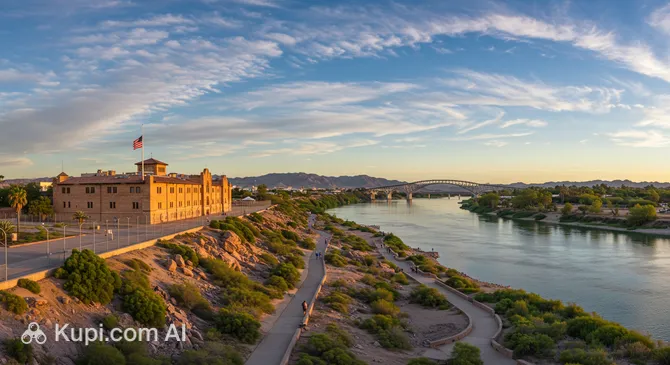
Located in the southwest corner of Arizona, Yuma is a vibrant city often celebrated as the "Sunniest City on Earth." Situated near the borders of California and Mexico, this destination in the United States offers a unique blend of desert beauty, river recreation, and rich heritage. With a population of over 135,000, it serves as a welcoming oasis for travelers seeking warm weather and outdoor adventures throughout the year.

Yuma. Source: Kupi.Binoculars

The city's strategic location along the Colorado River has significantly shaped its development over the centuries. To truly understand its transformation from a rugged crossing point to a modern agricultural hub, visitors are encouraged to explore the history of Yuma. The famous Yuma Territorial Prison State Historic Park stands as a testament to the Wild West era, offering a fascinating glimpse into the past that continues to intrigue guests today.

Beyond its historical significance, Yuma is a haven for outdoor enthusiasts. The Colorado River provides ample opportunities for boating, fishing, and kayaking, while the surrounding desert landscape is perfect for hiking and off-roading in the Imperial Sand Dunes. Whether you are interested in strolling through the revitalized Historic Downtown or simply soaking up the endless sunshine, Yuma promises a memorable and relaxing experience for every traveler.

Weather Overview

The climate in Yuma is defined by its desert setting, characterized by extremely hot summers and pleasantly mild winters. During the peak of summer, particularly in July and August, average maximum temperatures frequently exceed 42°C, while nights remain warm, rarely dropping below 29°C. Visitors planning a trip during this period should be prepared for intense sunshine and dry heat.

In contrast, the winter months offer relief and are widely considered the best time for outdoor activities. From December through February, daily highs typically reach a comfortable 21°C to 23°C, with cooler evenings dipping to around 8°C. This season provides a comfortable environment for exploring the city's natural and historical attractions without the extreme temperatures of mid-year.

Rainfall is exceptionally scarce year-round, with most months seeing little to no precipitation. Expect scorching, arid summers and mild, dry winters with consistently clear skies. To help you decide exactly when to visit, you can view more detailed information about the weather in Yuma.

Interesting Facts

Beyond the well-known historic sites and desert landscapes, Yuma boasts several intriguing characteristics that make it truly one-of-a-kind.

  • Yuma officially holds the Guinness World Record for being the "Sunniest City on Earth." The sun shines here for approximately 91% of daylight hours, amounting to more than 4,000 hours of sunshine annually, which is more than any other inhabited place on the planet.

  • The city is widely recognized as the "Winter Lettuce Capital of the World." Thanks to its fertile soil and irrigation from the Colorado River, Yuma produces nearly 90% of all leafy vegetables grown in the United States during the winter months, effectively feeding the nation its salads.

  • Local school spirit takes a unique turn at Yuma High School, where the mascot is proudly the "Criminals." This unusual nickname originated in the early 1900s when the school held classes in the abandoned cells of the Yuma Territorial Prison after their original building was destroyed by fire.

  • Despite its name, Lutes Casino is actually a historic restaurant and pool hall rather than a gambling establishment. It is famous for its "especial" burger-hotdog combination and features a trap door that was reportedly used to hide bootleg liquor during the Prohibition era.

Lutes Casino. Source: Kupi.Binoculars

How to Get There

Reaching this sunny destination in Arizona is straightforward, with options ranging from flying directly into the city to arriving at major regional hubs. For a detailed guide on all transport options, you can read more about how to get to Yuma.

The most convenient entry point is Yuma International Airport (IATA: YUM), located just 4.5 km from the city center. While it is a small regional airport with lighter passenger traffic, it offers the distinct advantage of landing right in the city. A taxi or shuttle ride from the terminal to downtown typically takes about 15 to 20 minutes.

For travelers seeking a wider variety of domestic and international connections, San Diego International Airport (IATA: SAN) is a primary gateway. Situated in San Diego, approximately 241 km from Yuma, this large airport serves millions of passengers annually. The journey by car or shuttle from San Diego to Yuma generally takes between 2.5 and 3 hours. Another close option is Mexicali Airport (MXL) in Mexicali, Mexico, located about 58.6 km away, though travelers choosing this route must account for border crossing times.

For clarity, here is a summary of the main airports:

Airport Name City Passenger Traffic Km from City
San Diego International AirportSan DiegoLarge241.0
Tijuana AirportTijuanaLarge220.8
Palm Springs International AirportPalm SpringsMedium215.7
Mexicali AirportMexicaliMedium58.6
Yuma International AirportYumaSmall4.5

Travelers can also reach Yuma by rail, as the city is a stop on Amtrak's Sunset Limited and Texas Eagle routes. These trains connect Yuma to major cities such as Los Angeles and New Orleans. The Amtrak station is conveniently situated in the historic downtown area, providing easy access to hotels and local attractions upon arrival.

Main Attractions

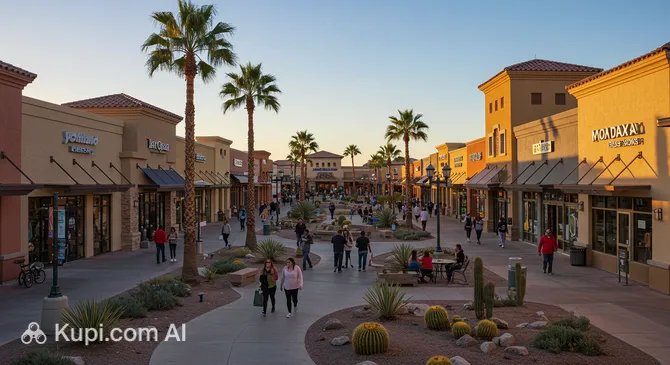
While the city is deeply rooted in history, it also offers modern amenities and inviting green spaces for travelers to enjoy. A central hub for shopping and entertainment is the Yuma Palms Regional Center. This sprawling open-air complex features a variety of popular retail stores, dining options, and a cinema. With its beautiful fountains and palm-lined walkways, it provides a pleasant atmosphere for an evening stroll or a day of leisure.

Yuma Palms Regional Center. Source: Kupi.Binoculars

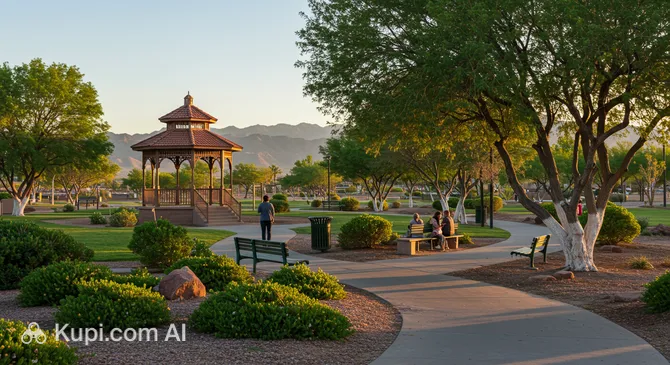
For those seeking outdoor recreation, Kennedy Memorial Park is a favorite destination for both locals and visitors. This expansive park offers well-maintained facilities, including picnic ramadas, playgrounds, and sports fields. It serves as a refreshing green oasis where families can gather for barbecues or enjoy active fun under the Arizona sun.

Kennedy Memorial Park. Source: Kupi.Binoculars

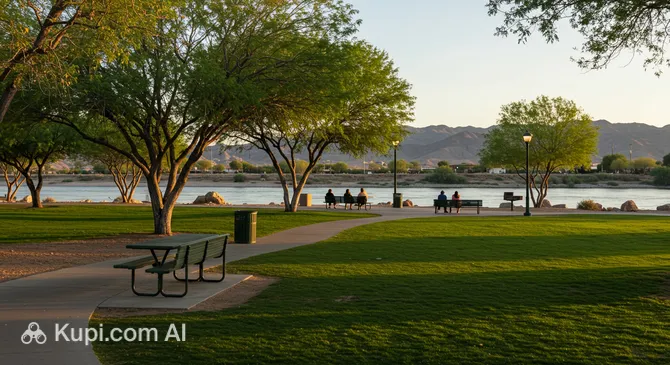
Another excellent spot to unwind is Ray Smucker Park. Known for its peaceful environment, this park features walking paths and open grassy areas perfect for relaxation. It is an ideal location for travelers looking to escape the bustle of the city center and enjoy a quiet moment surrounded by nature.

Ray Smucker Park. Source: Kupi.Binoculars

Culinary enthusiasts visiting the area should not miss the chance to dine at Julieanna's Steak and Seafood. Often cited as one of the city's premier dining establishments, it is celebrated for its high-quality steaks, fresh seafood, and romantic patio setting. The restaurant offers a sophisticated yet welcoming experience that highlights the best of local hospitality.

Julieanna's Steak and Seafood. Source: Kupi.Binoculars

Local Cuisine

Yuma's culinary scene is a delightful reflection of its rich heritage and geographic location. Situated right on the border with Mexico, the city offers some of the most authentic Mexican cuisine found in the United States. Visitors can expect an abundance of family-owned taquerias and restaurants serving hearty platters of carne asada, enchiladas, and freshly made tortillas. The local food culture is unpretentious and flavorful, with a strong emphasis on traditional recipes passed down through generations.

One of the region's sweetest claims to fame is the Medjool date. Yuma is a major producer of these delicious fruits, and no trip is complete without trying a famous date shake. This thick, creamy milkshake blended with sweet dates is the signature non-alcoholic drink of the area, offering a refreshing way to cool down in the desert heat. For those seeking adult beverages, the proximity to the border means excellent margaritas and imported Mexican lagers are staples at most local bars and eateries.

Curries Indian Cuisine and Bar. Source: Kupi.Binoculars

While Mexican flavors dominate, the city's dining landscape is surprisingly diverse. For travelers looking to explore different international tastes, Curries Indian Cuisine and Bar provides a savory alternative with its aromatic spices and traditional dishes. It is a great spot to enjoy a flavorful meal in a relaxed setting, showcasing that Yuma's palate extends well beyond the Southwest.

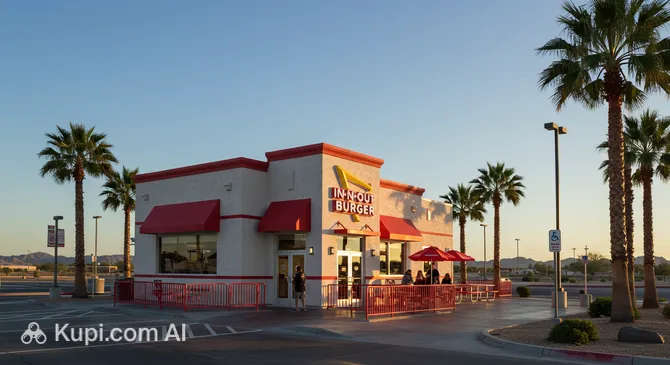
Fast food also holds a special place in the hearts of visitors to the American West. The iconic In-N-Out Burger is a popular stop for those craving a classic burger and fries experience. Known for its fresh ingredients and "secret menu," it offers a taste of California-style fast food that has become a cult favorite across the region.

In-N-Out Burger. Source: Kupi.Binoculars

Beyond individual restaurants, the city's agricultural roots as the "Winter Lettuce Capital of the World" ensure that fresh produce is always on the menu during the cooler months. Whether you are dining at a roadside stand or a sit-down establishment, the ingredients are often locally sourced and incredibly fresh, adding a crisp quality to salads and sides that accompanies the robust main courses.

Travel Tips

Welcome to Yuma! To ensure your visit to this sun-drenched desert oasis is as enjoyable as it is memorable, we have compiled a list of essential travel advice. These practical tips will help you navigate the local climate, culture, and logistics with ease, allowing you to focus on exploring the rich history and natural beauty of the area.

  1. Clothing and Gear: Given Yuma's status as the "Sunniest City on Earth," sun protection is non-negotiable. Bring high-quality sunglasses, a wide-brimmed hat, and plenty of sunscreen. In summer, wear loose, breathable fabrics like cotton or linen. If you are visiting in winter, pack layers; while days are mild, desert temperatures drop significantly at night, so a warm jacket is necessary. Comfortable, closed-toe shoes are essential for exploring the historic downtown or hiking in the dunes.
  2. Transportation: The most convenient way to explore Yuma and its surrounding attractions is by renting a car. While there is a public bus system called YCAT (Yuma County Area Transit), routes and frequency can be limited for tourists. Ride-hailing apps like Uber and Lyft operate in the city, but having your own vehicle offers the freedom to visit remote spots like the Imperial Sand Dunes or the river parks at your own pace.
  3. Finances: The local currency is the US Dollar (USD). Credit and debit cards are widely accepted at hotels, restaurants, and shops. However, it is wise to carry some cash for small purchases at local farmers' markets or taco stands. ATMs are plentiful throughout the city. Tipping is a standard practice in the United States; expect to leave 15-20% of the bill in restaurants and bars, and a few dollars for hotel housekeeping or valets.
  4. Health and Safety: The primary health concern here is dehydration. The desert air is extremely dry, so carry a reusable water bottle and drink constantly, even if you don't feel thirsty. Pharmacies like CVS and Walgreens are easy to find, with some locations open 24 hours. Yuma is generally safe, but as with any border city, stay aware of your surroundings and keep your identification documents handy, especially if driving near border checkpoints.
  5. Communication: English is the primary language, but due to the proximity to Mexico, Spanish is widely spoken and understood. You will often hear a mix of both languages in local businesses. Major US mobile carriers have excellent coverage in the city, though signals may spotty in deep desert areas. Free Wi-Fi is commonly available in hotels, coffee shops, and the Yuma Main Library.
  6. Local Etiquette: People in Yuma are generally friendly and laid-back. A simple "hello" or polite nod is common when passing strangers. When visiting outdoor sites, follow the "Leave No Trace" principle strictly; the desert ecosystem is fragile, so do not disturb wildlife or leave litter behind. If you visit agricultural fields for photos, stay on public roads and respect private farmland.
  7. What to Avoid: Never attempt strenuous outdoor activities like hiking during the peak heat of a summer day (between 11 AM and 4 PM), as heat exhaustion can set in rapidly. Also, avoid leaving children or pets in parked cars for even a minute; vehicles heat up to dangerous temperatures almost instantly in the Yuma sun.
  8. Additional Tip: Take advantage of the fresh local produce! Yuma is famous for its Medjool dates and winter vegetables. Stop by a local farm store or market to buy fresh dates or try a date shake—it is a delicious and energizing local treat that you won't find made quite as well anywhere else.

With these tips in mind, you are well-prepared to experience the best of the American Southwest. Whether you are here to uncover the secrets of the Territorial Prison or simply to bask in the endless sunshine, Yuma promises a warm and welcoming adventure.

Entertainment & Nightlife

Yuma’s entertainment scene reflects its laid-back desert lifestyle, offering a mix of relaxed nightlife, convenient shopping, and leisure activities suitable for a variety of tastes. While the city is not known for high-energy clubs, it provides welcoming venues where visitors can unwind, socialize, and enjoy the local hospitality after a day of exploring the dunes or the river.

For those seeking a place to enjoy the evening, FATS is a well-known local spot. This establishment offers a classic bar atmosphere where guests can grab a cold drink, play pool, and mingle with friendly residents. It is an excellent choice for travelers looking to experience the authentic, unpretentious side of Yuma's nightlife.

FATS. Source: Kupi.Binoculars

Shopping is another popular pastime in the city. In addition to the major regional centers, the Big Curve Shopping Center serves as a convenient hub for retail therapy. Whether you need to pick up travel essentials or are looking to browse through local stores, this center adds to the diverse shopping options available in the area.

Big Curve Shopping Center. Source: Kupi.Binoculars

Beyond these specific spots, the region is also home to several casinos operated by local Native American tribes, located just a short drive from the city limits. These venues offer gaming, live music, and entertainment, providing a lively alternative for those feeling lucky. For movie lovers, modern cinemas in the city showcase the latest releases, ensuring there is always a way to beat the heat and enjoy some indoor fun.

Parks & Museums

Yuma offers a surprising abundance of lush green spaces and rich cultural institutions that stand in stark contrast to its surrounding desert landscape. From revitalized riverfronts to museums preserving the rugged spirit of the Wild West, the city provides diverse opportunities for visitors to connect with nature and explore the region's fascinating past.

One of the most beloved outdoor destinations is West Wetlands Park. Known as the "Jewel of the Riverfront," this expansive 110-acre park features the popular Centennial Beach, where visitors can relax on the sand or swim in the Colorado River. It is also home to the Stewart Vincent Wolf Creative Playground, a massive castle-themed play area that is a favorite among families, as well as a serene hummingbird garden perfect for quiet observation.

Another essential stop for nature lovers is Gateway Park, located at the foot of historic downtown. Situated directly under the iconic Ocean-to-Ocean Highway Bridge, this park offers a picturesque setting for picnics and riverside strolls. It serves as a perfect starting point for the city's extensive paved trail system and provides easy access to the water for kayaking or paddleboarding, blending urban convenience with outdoor recreation.

For a deep dive into the area's heritage, the Yuma Territorial Prison State Historic Park is the city's most famous landmark. Often referred to as the "Hell Hole of the West" during its operation in the late 19th century, the site now functions as an intriguing museum. Visitors can walk through the original iron-barred cells, climb the guard tower for panoramic views of the river, and view exhibits that tell the stories of the outlaws who were once incarcerated here.

To understand the military and logistical history of the region, the Colorado River State Historic Park is a must-visit. Located on the site of the former Yuma Quartermaster Depot, this museum complex preserves some of the oldest buildings in Arizona. It offers a glimpse into how the US Army supplied forts throughout the Southwest during the Indian Wars, featuring well-preserved storehouses and exhibits on the engineering marvels of early irrigation projects.

For a more intimate look at local culture, the Sanguinetti House Museum and Gardens offers a charming experience. Housed in the 19th-century adobe home of E.F. Sanguinetti, a prominent merchant known as the "Merchant Prince of Yuma," the museum showcases period furnishings and artifacts. The surrounding rose gardens provide a tranquil atmosphere, making it a delightful spot to learn about the domestic life and social history of Yuma's early pioneers.

Insider Tip: If you are willing to drive about an hour north of the city, the Castle Dome Mines Museum & Ghost Town offers an unforgettable authentic experience. It is a sprawling open-air museum with over 50 restored buildings from an 1800s mining camp, filled with original artifacts, providing a hauntingly realistic step back in time that few standard guidebooks emphasize.

Getting Around

The public transport system in Yuma is primarily served by Yuma County Area Transit (YCAT). This bus network connects the city's major districts, including the historic downtown, shopping centers like Yuma Palms, local colleges, and the foothills. While there is no metro, tram, or light rail system, the buses provide a reliable and affordable way to navigate the main corridors of the city and even reach some surrounding communities.

For payment, YCAT buses accept cash and mobile tickets. If you choose to pay with cash on board, it is essential to have the exact fare ready, as drivers cannot provide change. For greater convenience, tourists can purchase passes, such as a Day Pass or a multi-day pass, which offer unlimited rides for a set period. Mobile ticketing is available through the Token Transit app, allowing passengers to buy digital passes on their smartphones and simply show the screen to the driver upon boarding.

Travelers should be aware that bus frequencies can vary depending on the route. Most lines operate Monday through Saturday, with service typically running from early morning until early evening. Service on Sundays and holidays is often limited or unavailable on certain routes. It is highly recommended to check the latest schedules and route maps online or via a transit app before planning your journey to ensure connections align with your itinerary.

Given the spread-out nature of the city, many visitors find alternatives like ride-sharing apps (such as Uber and Lyft) or traditional taxis to be the most convenient way to get around, especially for reaching specific destinations off the main bus lines. These services are widely available and offer door-to-door comfort, which can be particularly appealing during the hotter months.

For those who prefer active travel, the city's relatively flat terrain makes cycling a viable option, particularly within the downtown area and along the riverfront paths. While there isn't a large-scale public bike-share program, some local shops offer bike rentals. Exploring the historic center on foot is also pleasant during the cooler winter season, though a car or taxi is generally best for longer distances across the valley.

Accommodation

Finding a place to stay in Yuma is generally straightforward, with options designed to accommodate a wide variety of travelers, from overnight road-trippers to long-term winter visitors. The city offers a broad spectrum of accommodation, ranging from budget-friendly motels and comfortable mid-range chain hotels to spacious vacation rentals. A unique feature of Yuma's lodging landscape is the abundance of RV parks and resorts, which cater specifically to the thousands of "snowbirds" who flock to the area during the winter months to enjoy the mild climate.

When choosing a location, visitors often prioritize convenience based on their itinerary. The area surrounding Interstate 8, particularly near the main shopping centers, is a popular choice for those seeking modern amenities and quick access to dining and retail hubs. For travelers interested in heritage and walkability, staying near the Historic Downtown district offers a charming atmosphere close to the riverfront and major museums. Meanwhile, the Foothills area to the east is a hub for seasonal visitors, offering a quieter, community-focused environment dominated by RV resorts and vacation homes.

Because Yuma is a prime winter destination, booking strategies should vary by season. During the peak months from November to March, the population swells significantly, and the best accommodations can fill up quickly. It is highly recommended to book well in advance if you plan to visit during this time. Conversely, the summer months are much quieter due to the heat, often resulting in lower rates and greater availability.

Price ranges in the city are generally reasonable compared to larger metropolitan areas in Arizona. Budget travelers can find numerous affordable motels, while mid-range travelers have plenty of reliable options among well-known hotel brands. Booking is easily done through major online travel platforms or directly with properties. Whether you are looking for a simple room for a night or a fully equipped rental for the season, Yuma provides a welcoming base for your desert adventures.

Nearby Cities

For those looking to explore the surroundings, Yuma serves as an excellent base for day trips to several interesting nearby locations:

Located to the north along the Colorado River, Lake Havasu City is a unique destination famous for being the home of the original London Bridge, which was transported from England and reconstructed in the Arizona desert. Beyond this architectural marvel, the city is a haven for water sports enthusiasts, offering boating, fishing, and swimming in the refreshing waters of the lake.

To the west lies El Centro, the core of California's Imperial Valley. Just a short drive away, this city provides easy access to the spectacular Imperial Sand Dunes, a massive landscape of rolling sands that attracts off-roaders and photographers alike. As a regional hub, it also offers a variety of shopping and dining experiences that reflect the area's agricultural roots.

Further northwest is Indio, widely known as the "City of Festivals." Situated in the Coachella Valley, it is celebrated for its vibrant cultural events and extensive date palm groves. Visitors can explore the Coachella Valley History Museum to learn about the region's pioneer past or enjoy the scenic beauty of the surrounding desert oasis.

City Population Distance (km)
Indio 361,831 187
El Centro 110,434 88
Lake Havasu City 56,510 200
Palm Desert 51,081 199
Coachella 42,123 181

These nearby destinations offer a glimpse into the diverse culture and landscapes of the region.

Shopping & Souvenirs

Shopping in Yuma offers a relaxed and convenient experience that blends modern retail with the distinct charm of the American Southwest. While the city is not primarily known as a high-fashion destination, it provides a satisfying mix of large shopping centers, local boutiques, and seasonal markets. Visitors can easily find everything from national brands and travel essentials to unique regional crafts, all within a short drive or walk from major accommodation areas.

For a more traditional and atmospheric shopping experience, the Historic Downtown district is the place to be. Centered around Main Street, this walkable area features a collection of locally owned shops, art galleries, and specialty stores housed in restored buildings. It is an excellent spot to browse for one-of-a-kind gifts, Southwestern art, and handcrafted jewelry while enjoying the historic architecture and vibrant street life.

The city's premier retail destination is the Yuma Palms Regional Center. This expansive open-air complex serves as the main hub for fashion, electronics, and home goods, hosting a wide array of popular national department stores and brand-name outlets. With its beautifully landscaped walkways, fountains, and palm trees, it offers a pleasant environment for an afternoon of browsing. Another notable location is the Big Curve Shopping Center, which provides a variety of stores and services convenient for travelers stocking up on supplies.

Markets play a significant role in the local shopping scene, particularly during the cooler winter months. The Yuma Swap Meet is a massive outdoor flea market that attracts thousands of visitors, offering an eclectic mix of goods ranging from clothing and tools to antiques and fresh produce. For those interested in local agriculture, the seasonal farmers' markets are a must-visit, showcasing the region's bountiful harvest directly from the growers.

When looking for the perfect souvenir to take home, Medjool dates are undoubtedly the signature item of Yuma. As a top producer of this sweet fruit, the city offers numerous shops and farm stands where you can purchase premium dates in various forms, including gift boxes. Other popular keepsakes include Native American pottery, turquoise jewelry, and Western-themed memorabilia that reflect the area's rich cultural heritage.

Store opening hours in Yuma generally follow standard United States schedules. Major shopping centers and department stores typically operate from 10:00 AM to 9:00 PM Monday through Saturday, with reduced hours on Sundays. Smaller local boutiques in the downtown area may close earlier, around 5:00 PM or 6:00 PM, and some may be closed on Sundays. Credit and debit cards are universally accepted, though carrying some cash is recommended for small vendors at flea markets or farm stands.

Travelers should be aware that the United States does not have a national VAT refund system for international tourists. In Arizona, sales tax is added to the price of goods at the register, and there is generally no mechanism for visitors to claim a refund on these taxes upon departure.

Reached the end of the page?

That means the route is fully explored