Support

Phoenix

About

Phoenix, the sun-drenched capital of Arizona, is a vibrant metropolis that perfectly blends urban sophistication with rugged desert beauty. As one of the largest and fastest-growing cities in the United States, it offers a unique atmosphere where modern skyscrapers rise against the dramatic backdrop of ancient mountains. Known as the "Valley of the Sun," this destination is a haven for outdoor enthusiasts, culture seekers, and anyone looking to escape into a landscape defined by iconic saguaro cacti and stunning sunsets.
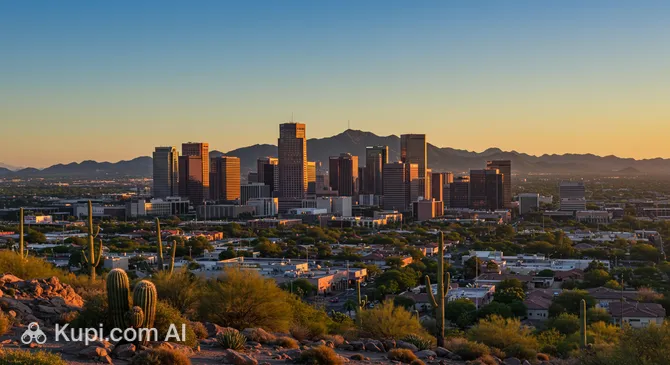
Phoenix. Source: Kupi.Binoculars

Geographically situated in the northeastern reaches of the Sonoran Desert, the city is famous for its perennial sunshine and warm, dry climate, making it a popular year-round destination. With a population of over 4 million people, Phoenix serves as a bustling cultural and economic hub for the Southwest. While its skyline is thoroughly modern, the history of Phoenix is deeply rooted in the ancient agricultural canals of the Hohokam people and the adventurous spirit of the American West, adding layers of depth to its contemporary charm.

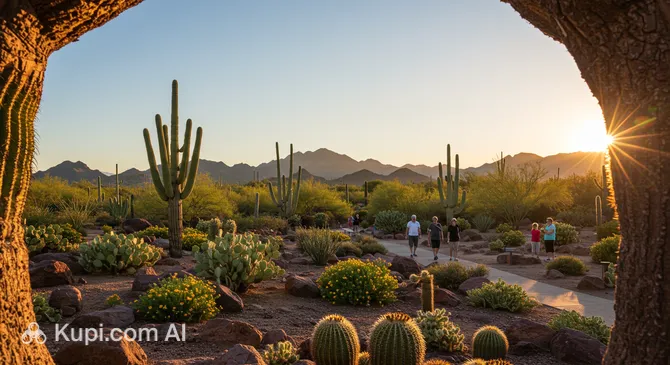
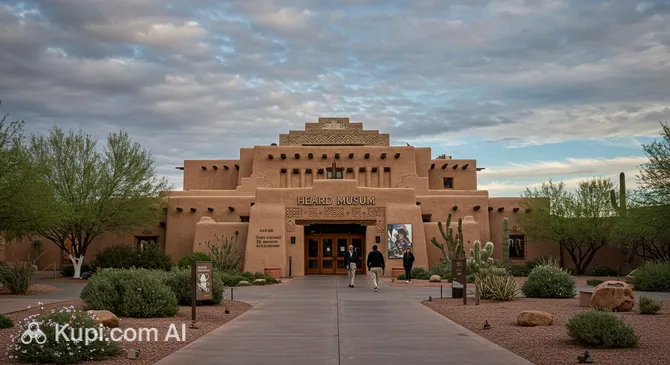
Travelers are often drawn to the city's remarkable natural and cultural attractions. Hiking up Camelback Mountain provides panoramic views of the expansive valley, while the Desert Botanical Garden showcases thousands of species of arid-land plants in a spectacular setting. For those interested in local heritage, the Heard Museum offers world-class exhibits on Native American art and culture. Whether you are planning a relaxing spa retreat, a golf getaway, or an active desert adventure, Phoenix invites you to explore its endless blue skies and warm hospitality.
Weather Overview

True to its reputation as the "Valley of the Sun," the city experiences a hot desert climate defined by long, scorching summers and remarkably mild winters. The summer months of June, July, and August are intense, with average temperatures hovering around 33°C to 35°C and daytime maximums frequently climbing above 40°C. While June is typically very dry, July and August can bring a slight increase in humidity and occasional storms, with about 5 to 6 wet days per month.

Conversely, the cooler season makes the region a haven for visitors seeking to escape the cold. From December through February, the weather in Phoenix is gentle and inviting, with average temperatures settling between 12°C and 14°C and daytime highs reaching a comfortable 20°C. Spring and autumn serve as pleasant transition periods with warm days and cool evenings. Overall, expect extremely hot summers with occasional showers and mild, largely dry winters that are ideal for outdoor activities.

Interesting Facts

Beyond the popular resorts and golf courses, Phoenix holds fascinating secrets that reveal its deep historical roots and unique desert environment. From ancient engineering marvels to botanical wonders, there is much more to this desert metropolis than meets the eye.
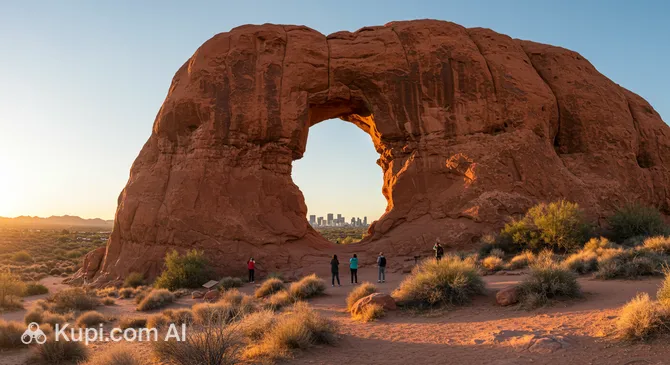
Hole in the Rock. Source: Kupi.Binoculars
  • The city's name is steeped in mythology and history. It was suggested by Lord Darrell Duppa, an English pioneer, who envisioned a new civilization rising from the ruins of the ancient Hohokam settlements, much like the mythical bird rises from its own ashes.

  • The modern irrigation canals that keep the city green are actually built directly on top of an extensive network of waterways engineered by the Hohokam people centuries ago. You can learn more about this incredible feat of prehistoric engineering at the S'edav Va'aki Museum, which preserves a significant archaeological site.

  • The distinctive geological formation known as Hole in the Rock is not just a scenic viewpoint; ancient inhabitants used the natural opening as a solar calendar. By observing the position of sunlight shining through the hole, they could accurately track the solstices and equinoxes.

  • The Sonoran Desert surrounding the city is the only place in the world where the iconic Saguaro cactus grows in the wild. These giants, which can be admired at the Desert Botanical Garden, are incredibly slow-growing and typically do not sprout their first arm until they are around 75 years old.

How to Get There

Reaching the "Valley of the Sun" is convenient thanks to its status as a major transportation hub in the American Southwest. Whether you are arriving for a desert adventure or a city break, you will find multiple options to suit your travel plans. For a comprehensive guide on all available transport methods, you can read more about how to get to Phoenix and plan your arrival seamlessly.

The primary gateway for most travelers is the Phoenix Sky Harbor International Airport (PHX). As a large international hub, it welcomes millions of visitors annually and offers extensive connections. It is conveniently located just 7.5 km from the city center, making the transfer very quick. A trip by taxi or bus typically takes approximately 31 minutes, depending on traffic. You can find more details about terminals and services on the Phoenix Sky Harbor International Airport page.

Another viable option, especially for those flying with certain domestic or low-cost carriers, is the Phoenix-Mesa Gateway Airport (AZA). Located about 41.2 km from the heart of Phoenix, this airport serves as a less congested alternative. Travel time to the downtown area is roughly 82 minutes by road. While smaller than Sky Harbor, it handles a significant volume of passengers. You can check for flights arriving here via the Phoenix-Mesa Gateway Airport link.

For clarity, here is a summary of the main airports:

Airport Name City Passenger Traffic Km from City
Phoenix Sky Harbor International Airport Phoenix Large 7.5
Tucson International Airport Tucson Medium 182.1
Phoenix-Mesa Gateway Airport Phoenix Medium 41.2
Prescott Airport Prescott Small 137.1
Sedona Sedona 157.6

While flying is the most common method of entry, visitors planning a road trip can easily access the city via the extensive interstate highway system connecting Arizona to neighboring states. If you prefer ground transport, checking local bus schedules or renting a car upon arrival at one of the regional airports is highly recommended to explore the sprawling metropolitan area comfortably.

Main Attractions

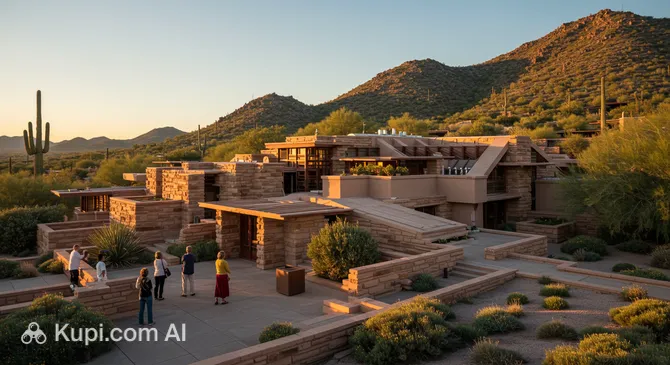
Phoenix is a treasure trove of cultural and architectural landmarks that reflect its unique desert heritage and artistic spirit. One of the most significant sites is Taliesin West, a UNESCO World Heritage site and the beloved winter home of legendary architect Frank Lloyd Wright. Nestled in the desert foothills, this masterpiece of organic architecture was built using local rocks and sand, seamlessly blending the structures with the surrounding landscape. Visitors can tour the campus to admire Wright's innovative designs and gain insight into his creative process.

Taliesin West. Source: Kupi.Binoculars

For music lovers, the Musical Instrument Museum is an absolute must-see. Recognized as the largest museum of its kind in the world, it houses a staggering collection of more than 15,000 instruments from nearly every country on the globe. The exhibits are highly immersive, allowing guests to hear the sounds of the instruments through state-of-the-art audio guides as they explore different cultures and musical traditions. It is a fascinating journey that transcends borders and connects people through the universal language of music.

Art enthusiasts will find plenty to admire at the Phoenix Art Museum, the largest art museum in the southwestern United States. The museum features a vast collection that spans centuries and continents, including American, Asian, European, and Latin American art, as well as fashion design. With its rotating exhibitions, community programs, and interactive festivals, it serves as a vibrant hub for creativity and inspiration in the heart of the city.

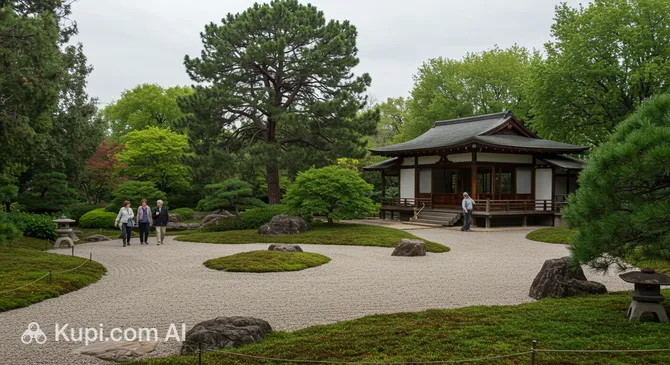
Japanese Friendship Garden of Phoenix. Source: Kupi.Binoculars

If you are looking for a moment of tranquility amidst the urban bustle, the Japanese Friendship Garden of Phoenix offers a serene escape. This authentic 3.5-acre stroll garden, named Ro Ho En, features lush landscapes, stone footbridges, lanterns, and a tea house. It is a joint project between Phoenix and its sister city, Himeji, Japan, designed to promote peace and cultural understanding. Walking along its peaceful paths provides a refreshing contrast to the surrounding desert environment.

Local Cuisine

Phoenix's culinary landscape is a delicious reflection of its Southwest heritage, heavily influenced by Sonoran traditions and Native American roots. The city offers a vibrant mix of flavors, where spicy chilies meet fresh, local ingredients. At the heart of the local food scene is Sonoran-style Mexican food, which is distinct from what you might find elsewhere. Visitors should not leave without trying a Sonoran Hot Dog. This local favorite consists of a hot dog wrapped in bacon, grilled, and served in a soft bolillo roll, topped with pinto beans, onions, tomatoes, mayonnaise, mustard, and jalapeño salsa.

Another staple of the region is the Chimichanga, a deep-fried burrito that is crispy on the outside and packed with savory fillings like shredded beef or chicken on the inside. Legend has it that this dish was accidentally invented in Arizona. For a taste of indigenous history, try Fry Bread, a pillowy, deep-fried dough often topped with honey or savory ingredients to make a "Navajo Taco." To wash it all down, the signature local drink is the Prickly Pear Margarita. Made from the neon-pink syrup of the cactus fruit that grows abundantly in the desert, it is sweet, refreshing, and visually stunning.

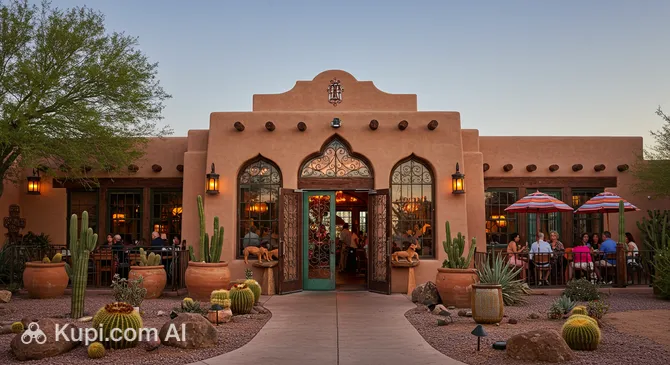
La Hacienda. Source: Kupi.Binoculars

When it comes to dining out, the options range from upscale resorts to casual street stalls. For those seeking a sophisticated take on classic Mexican cuisine, La Hacienda offers a refined atmosphere and an impressive tequila selection. If you prefer a lively downtown vibe, The Arrogant Butcher is a local institution known for its steaks, charcuterie, and bustling bar scene, making it a perfect spot to mingle with residents.

For a more relaxed and colorful setting, Blanco Cocina + Cantina serves up excellent tacos and cheese crisps in a friendly environment. Meanwhile, travelers from the East Coast or abroad often make a pilgrimage to In-N-Out to experience the famous West Coast burgers that have a cult following. Whether you are looking for a gourmet meal or a quick bite, Phoenix's diverse food culture promises to satisfy every palate.

Travel Tips

Welcome to Phoenix, where the sun shines brightly and the desert landscape invites exploration. To ensure your visit to the "Valley of the Sun" is as comfortable and enjoyable as possible, we have compiled a list of essential practical tips to help you navigate the city like a pro.

  1. Clothing and Gear: The desert climate demands smart packing. In the summer, bring lightweight, breathable fabrics and light-colored clothing to reflect the sun; however, always carry a light jacket for heavily air-conditioned interiors. In winter, layers are key, as days are mild but temperatures drop significantly at night. Regardless of the season, a wide-brimmed hat, high-quality sunglasses, and sunscreen are non-negotiable essentials. If you plan to hike, wear sturdy, closed-toe shoes to protect against rocky terrain and cacti.
  2. Transportation: Phoenix is a sprawling metropolis, so renting a car is generally the most efficient way to explore, especially if you plan to visit outlying attractions or hiking trails. While the Valley Metro Rail is convenient for moving between the airport, downtown, and Tempe, it does not cover the entire valley. Ride-sharing apps like Uber and Lyft are widely available and reliable for shorter trips or nights out.
  3. Finances: The official currency is the United States Dollar (USD). Credit and debit cards are accepted almost everywhere, from high-end malls to taco trucks, so you rarely need to carry large amounts of cash. ATMs are abundant throughout the city. Tipping is a standard part of the service culture; expect to leave 18-20% in restaurants, bars, and for taxi services.
  4. Health and Safety: The most critical safety tip in Phoenix is to stay hydrated. The dry heat can dehydrate you quickly without you realizing it, so always carry a water bottle. Pharmacies like CVS and Walgreens are easy to find, with some locations open 24 hours. The city is generally safe for tourists, but standard precautions apply: keep valuables secure and be aware of your surroundings, especially in downtown areas at night.
  5. Communication: English is the primary language, but due to the proximity to Mexico, you will frequently hear Spanish spoken, and many signs are bilingual. Free Wi-Fi is commonly available in hotels, coffee shops, and public spaces. If you need a local SIM card, major carriers like T-Mobile and AT&T have stores across the city, and prepaid options are often available at the airport.
  6. Local Etiquette: The vibe in Phoenix is relaxed and friendly. Casual dress is acceptable in most places, including many nice restaurants, though "resort casual" is a safe bet for evenings. When interacting with locals, a friendly "hello" goes a long way. If you are driving, be patient; local drivers are generally courteous, but traffic can be heavy during rush hours.
  7. What to Avoid: Do not attempt to hike in the middle of the day during the summer months (June to September). Temperatures can become dangerous very quickly, and trails are often closed during extreme heat for safety. Also, never touch the cacti; even the ones that look soft or fuzzy (like the "teddy bear" cholla) have microscopic barbs that are incredibly painful and difficult to remove.
  8. Timing Your Day: To beat the heat and the crowds, adopt the local habit of starting early. Many hiking trails and outdoor attractions open at sunrise, which is the most beautiful and comfortable time to be outside. Plan your outdoor activities for the morning and reserve the hot afternoons for museums, shopping, or relaxing by the pool.

By keeping these practical tips in mind, you will be well-prepared to embrace the unique rhythm of desert life. Whether you are scaling a mountain at dawn or enjoying a sunset dinner, Phoenix promises a memorable and hassle-free adventure.

Entertainment & Nightlife

Phoenix features a diverse entertainment scene that extends well beyond its outdoor adventures. As the sun sets, the city's downtown area transforms into a hub for music and socializing. The Van Buren, housed in a historic building, is a key venue for live concerts, hosting a mix of touring artists and local acts. Nearby, the Crescent Ballroom offers a more intimate setting where visitors can enjoy live music alongside gourmet burritos and drinks, making it a staple of the local nightlife.

The Van Buren. Source: Kupi.Binoculars

For families and those looking to beat the heat, the city offers several water parks and indoor attractions. Golfland Sunsplash is a favorite destination, featuring an array of water slides, a wave pool, and mini-golf courses. Another option is the Oasis Water Park, known for its relaxing lazy river. Indoors, the LEGOLAND Discovery Center Arizona provides an interactive environment with rides and building zones, perfect for younger visitors.

Golfland Sunsplash. Source: Kupi.Binoculars

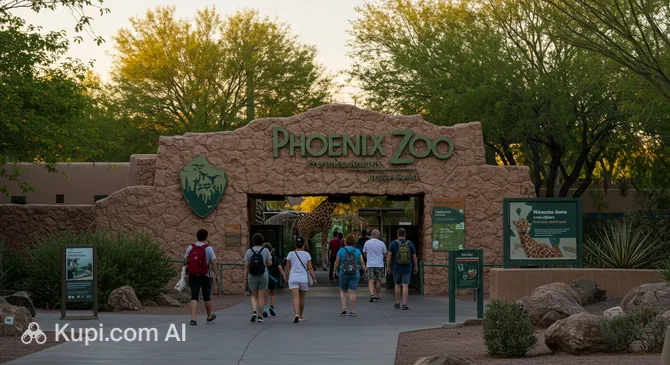
Animal lovers have excellent opportunities to observe wildlife in well-maintained environments. The Phoenix Zoo is one of the largest non-profit zoos in the country, offering extensive trails and encounters with species from around the globe. For a focus on invertebrates, Butterfly Wonderland allows guests to walk through a rainforest habitat filled with thousands of butterflies. Additionally, the Wildlife World Zoo, Aquarium & Safari Park combines a zoo with an aquarium, showcasing a vast collection of exotic animals.

Phoenix Zoo. Source: Kupi.Binoculars

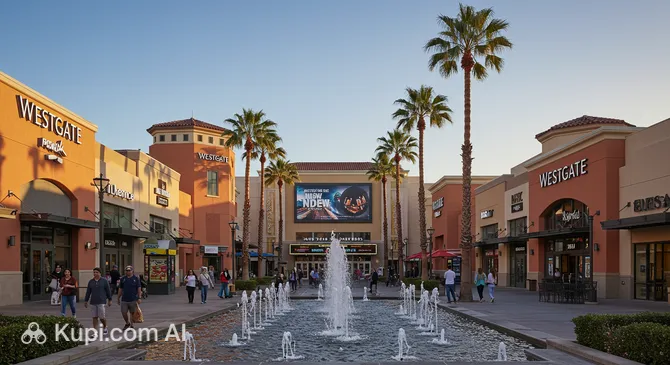
Sports and shopping enthusiasts often gather at the Westgate Entertainment District. This outdoor complex is anchored by major arenas and filled with retail stores, restaurants, and fountains. It sits adjacent to major sporting venues, creating a lively atmosphere on game days. In the heart of the city, the Footprint Center serves as the home court for the Phoenix Suns and hosts large-scale events and concerts throughout the year.

Westgate Entertainment District. Source: Kupi.Binoculars

Parks & Museums

Parks and Museums:

Phoenix offers a surprising abundance of lush landscapes and world-class cultural institutions that defy the expectations of a desert city. From trails winding through ancient geological formations to galleries preserving the rich heritage of the American Southwest, the city provides countless opportunities to connect with nature and history. Whether you are an avid hiker or an art aficionado, the local parks and museums serve as perfect gateways to understanding the unique character of Arizona.

For a deep dive into the region's flora, the Desert Botanical Garden is an essential stop. Located in Papago Park, this sprawling 140-acre living museum is home to over 50,000 plants, including rare and endangered species. Walking its scenic trails allows visitors to see the desert in bloom, with vibrant wildflowers and towering cacti creating a stunning contrast against the red rocks. If you prefer a more rugged adventure, the Phoenix Mountains Preserve offers miles of hiking and biking paths just minutes from the urban core. It is a favorite among locals for its challenging climbs, such as Piestewa Peak, which rewards hikers with breathtaking panoramic views of the valley.

Desert Botanical Garden. Source: Kupi.Binoculars

The city's museum scene is equally impressive, with a strong focus on indigenous culture and natural history. The Heard Museum is internationally renowned for its interpretation of Native American art and history. Its extensive collections include ancestral pottery, jewelry, and a remarkable display of Hopi katsina dolls, providing an intimate look at the traditions of the Southwest's first peoples. For a broader perspective on the region's past, the Arizona Museum of Natural History in nearby Mesa takes visitors on a journey through time. From dinosaur skeletons to exhibits on the ancient Hohokam civilization, it offers fascinating insights into the geological and anthropological forces that shaped the state.

Heard Museum. Source: Kupi.Binoculars

History enthusiasts should not miss the chance to step back into the Victorian era at the Rosson House Museum. Located in Heritage Square, this beautifully restored 1895 Queen Anne-style home stands as a testament to Phoenix's early development. Guided tours reveal intricate woodwork, period furnishings, and stories of the families who once lived there, offering a sharp contrast to the modern skyscrapers nearby. It serves as a charming reminder of the city's architectural evolution.

For a truly unique and less crowded experience, venture to South Mountain Park to explore Scorpion Gulch. This intriguing site features the stone ruins of a 1930s trading post and home built by William Lunsford. The open-roofed structures and rustic stonework make it a fantastic spot for photography, especially during the golden hour, and offer a quiet glimpse into the quirky roadside history of the area.

Getting Around

Navigating Phoenix is relatively straightforward, though the city's vast size often makes a combination of transport methods the best approach. The public transportation system is managed by Valley Metro, which operates a network of buses and a modern light rail service. For most visitors, the Valley Metro Rail is the most convenient option, connecting key areas such as downtown, the airport (via the free PHX Sky Train), Tempe, and Mesa. It is clean, air-conditioned, and reliable, making it an excellent choice for reaching major museums, sports venues, and university districts.

The bus network complements the rail line, reaching neighborhoods and suburbs that the train does not serve. There are local routes that stop frequently and RAPID commuter buses designed for faster travel during peak hours. While the bus system is extensive, frequencies can vary significantly depending on the route and time of day, so planning ahead is essential. For short distances in downtown areas, you might also encounter pedicabs or e-scooters, which offer a fun and breezy way to get around during the cooler months.

Payment is integrated across the bus and light rail systems, keeping things simple for travelers. You can purchase tickets at vending machines located at every light rail station, which accept cash and credit cards. The most popular option for tourists is the 1-Day Pass, which offers unlimited rides for 24 hours at a very affordable rate. Alternatively, you can use the Valley Metro mobile app to buy digital passes instantly on your smartphone, eliminating the need for paper tickets. Remember that the light rail operates on a "proof of payment" system; you must tap your pass or activate your mobile ticket before boarding, as fare inspectors conduct random checks.

Regarding operating hours, the light rail generally runs from early morning until around midnight, with extended service until 2:00 AM on Friday and Saturday nights. Bus schedules are more variable, with some routes ending service earlier in the evening. A crucial tip for summer visitors is to take advantage of the shaded waiting areas at stations, as the desert sun can be intense. Always carry water with you, even for short trips, and try to plan your transit times to avoid waiting in the peak afternoon heat.

Despite the availability of public transit, the city is designed with drivers in mind, and renting a car is often the most practical solution if you plan to hike in the mountain preserves or visit attractions on the outskirts. For those who prefer not to drive, ride-sharing services like Uber and Lyft are extremely popular and widely available. A unique feature of the local transport scene is the presence of fully autonomous taxis; the city is one of the few places in the world where you can hail a driverless car through the Waymo app, offering a futuristic and memorable travel experience.

Accommodation

Where to Stay:

Phoenix is renowned for its exceptional hospitality, offering a vast spectrum of accommodation options that cater to every type of traveler. The city is particularly famous for its sprawling luxury resorts and spas, which are often set against the backdrop of dramatic desert landscapes and offer extensive amenities like pools and golf courses. However, beyond the high-end retreats, visitors will also find a solid selection of reliable mid-range hotels, budget-friendly motels, and an increasing number of vacation rentals and modern apartments, especially in the revitalized urban core.

When choosing where to stay, location is a key factor to consider. Downtown Phoenix is the ideal base for those who want to be in the center of the action, offering close proximity to major museums, sports arenas, and the convenient light rail system. This area suits urban explorers who value walkability and nightlife. On the other hand, the neighborhoods surrounding Scottsdale and Camelback Mountain are the go-to destinations for travelers seeking relaxation, scenic views, and a quieter, more resort-style atmosphere.

For a truly indulgent experience, travelers often look to the city's iconic properties. Sanctuary Camelback Mountain is a prime example of the region's luxury offerings, nestled directly into the mountainside to provide privacy and breathtaking views. It is a favorite for those seeking a romantic getaway or a restorative spa retreat.

Sanctuary Camelback Mountain. Source: Kupi.Binoculars

Another excellent option, particularly for sports enthusiasts, is the Scottsdale Golf Resort. This property caters to visitors who want to combine their stay with immediate access to world-class fairways, exemplifying the leisure lifestyle that draws so many people to Arizona. Staying at such resorts often provides a complete vacation experience without ever needing to leave the grounds.

Booking Tips: The cost and availability of accommodation in Phoenix fluctuate significantly with the seasons. The peak tourist window runs from January to April, when the weather is mild and spring training baseball attracts crowds. During this time, prices are at their highest, and it is highly recommended to book several months in advance to secure your preferred spot. Conversely, the summer months often feature attractive "staycation" rates and lower prices, making luxury more accessible if you can tolerate the heat.

In terms of pricing, options range from budget stays under $100 per night to exclusive resort packages that can exceed $500 during the high season. Most accommodations can be easily booked via major online travel platforms or directly through hotel websites, which sometimes offer special perks for direct reservations.

Nearby Cities

For those looking to explore the surroundings, Phoenix serves as an excellent base for day trips to several interesting nearby locations:

City Population Distance (km)
Mesa 497752 23
Chandler 272439 27
Gilbert 262249 29
Avondale 254537 25
Scottsdale 238685 15

Scottsdale is arguably the most famous neighbor, renowned worldwide for its high concentration of luxury spas, pristine golf courses, and upscale shopping. However, it is not just about glamour; the city's historic Old Town offers a charming walkable district filled with art galleries, souvenir shops, and Western-themed bars. It is an ideal spot for those who want to experience a blend of modern sophistication and cowboy heritage within a very short drive.

Just east of Phoenix lies Mesa, the third-largest city in Arizona. It is a fantastic destination for families and outdoor enthusiasts, offering easy access to the Tonto National Forest and the iconic Apache Trail. Culturally, it boasts the award-winning Mesa Arts Center and a vibrant downtown area. Visitors often head here to explore the mysterious Superstition Mountains or to enjoy the city's numerous parks and community festivals.

For a taste of the region's agricultural roots turned modern chic, Gilbert is a delightful stop. Once known as the "Hay Shipping Capital of the World," it has transformed into a culinary hotspot. The Heritage District is packed with trendy restaurants and patios, while the Riparian Preserve at Water Ranch offers a peaceful retreat for birdwatchers and nature lovers right in the middle of the city.

These nearby destinations offer a glimpse into the diverse culture and landscapes of the region.

Shopping & Souvenirs

Shopping in Phoenix is a delightful experience that mirrors the city's blend of modern luxury and Southwestern heritage. The retail landscape is vast, ranging from sprawling open-air lifestyle centers and high-end fashion corridors to quirky vintage districts. Visitors will find that the city is not just about big brands; it is also a prime destination for discovering unique local artisans, authentic Native American crafts, and Western apparel that you cannot find anywhere else.

For a distinctive local vibe, the Melrose District along 7th Avenue is a must-visit. This vintage haven is lined with antique shops, retro furniture stores, and boutiques offering one-of-a-kind treasures, making it perfect for those who love the thrill of the hunt. Just a short drive away lies the famous Old Town Scottsdale area. While technically a neighbor, it is the beating heart of the region's art and souvenir scene. Here, you can browse through high-end galleries or visit the gift shop at the Scottsdale Museum of the West, which offers a curated selection of books, jewelry, and art reflecting the spirit of the American West.

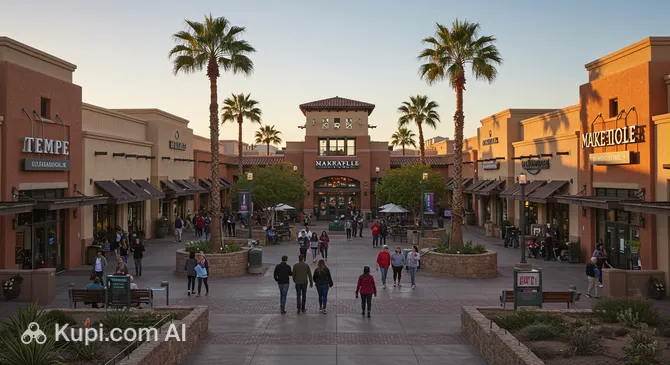
The city embraces its sunny weather with open-air shopping destinations that combine retail with entertainment. Tempe Marketplace is a vibrant outdoor hub featuring water features, fireplaces, and a lively atmosphere. It hosts a wide array of national retailers and is a popular spot to stroll, shop, and enjoy live music in the evenings. On the west side of the valley, the Westgate Entertainment District offers a dynamic mix of shopping and dining, conveniently located near the outlet malls where bargain hunters can find major brands at discounted prices.

Tempe Marketplace. Source: Kupi.Binoculars

For a taste of local flavor, the city's markets are a treat. The Uptown Farmers Market and the Downtown Phoenix Farmers Market are excellent spots to mingle with residents on Saturday mornings. These markets showcase the agricultural bounty of the desert, offering everything from fresh citrus and local honey to artisan breads and handmade soaps. They are ideal places to pick up edible souvenirs or simply enjoy a fresh breakfast outdoors.

When it comes to souvenirs, Phoenix offers plenty of iconic items to take home. Turquoise jewelry and silver crafts are classic Arizona keepsakes, often made by local Native American artists. For foodies, products made from the prickly pear cactus—such as jams, candies, and syrups—are a sweet and colorful reminder of the desert. Spicy hot sauces and salsas made with local chilies are also popular, as are authentic cowboy boots and hats for those looking to embrace the Western style.

Most shops in the city open around 10:00 AM and close between 9:00 PM and 10:00 PM, though Sunday hours are typically shorter, often ending at 6:00 PM. Major credit and debit cards are universally accepted, and contactless payment is becoming standard. Visitors should be aware that the sales tax in the area is approximately 8.6%, which is added at the register. Unlike in some other countries, the United States does not generally offer a sales tax refund system for international tourists, so the price you pay at the counter is final.

Reached the end of the page?

That means the route is fully explored