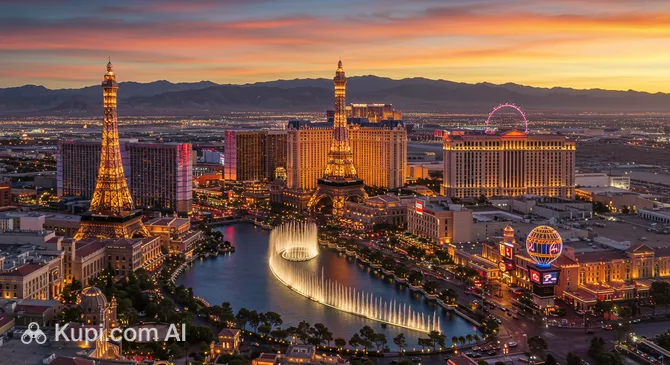
Las Vegas, often internationally recognized as the "Entertainment Capital of the World," is a dazzling oasis of neon lights and excitement. Famous for its vibrant nightlife, 24-hour casinos, and world-class entertainment, this city offers an atmosphere unlike any other. Located in the state of Nevada within the United States, it stands as a major resort city known primarily for its shopping, fine dining, and gambling.
Las Vegas. Illustration.
Source: Kupi.com AI
Geographically situated in the floor of the Mojave Desert, Las Vegas is surrounded by dry mountain ranges, creating a dramatic backdrop for its glittering skyline. The city experiences a subtropical hot desert climate, characterized by long, extremely hot summers and short, mild winters. With a population of over 2.1 million in its metropolitan area, it serves as a leading financial, commercial, and cultural center for Nevada.
The history of Las Vegas is a fascinating tale of transformation from a small railroad town into a global tourist destination. Today, the city is defined by the iconic Las Vegas Strip, a stretch of South Las Vegas Boulevard lined with massive resort hotels and casinos. Visitors can marvel at the choreographed water of the Fountains of Bellagio, explore the vintage charm of the Fremont Street Experience, or enjoy spectacular resident shows that are celebrated worldwide.
Whether you are seeking the thrill of the gaming tables, eager to explore unique architectural wonders, or simply looking to soak up the electric energy, Las Vegas promises an unforgettable adventure. It is a destination that truly never sleeps, inviting travelers to indulge in its unique blend of fantasy and luxury.
Weather Overview
Las Vegas is defined by its arid desert climate, offering abundant sunshine and distinct seasonal changes. The weather in Las Vegas is most intense during the summer months, particularly in July, when the average temperature climbs to 32.0°C and daily highs often reach nearly 39°C. Conversely, winters are short and mild, with January seeing average temperatures of 8.0°C and nighttime lows hovering around 3.0°C.
The transitional seasons of spring and autumn are generally considered the most comfortable times to visit, with April and October averaging 18.4°C and 20.0°C respectively. Rainfall is exceptionally scarce throughout the year, with precipitation levels typically remaining between 0mm and 1mm per month, although July and August may see a slight increase in wet days. Expect scorching summers with occasional brief rain and cool, dry winters that provide a pleasant escape from harsher climates.
Average monthly temperature
Average monthly precipitation
Interesting Facts
Beyond the glittering casinos and marquee shows, Las Vegas holds many fascinating secrets and historical quirks. Here are some intriguing facts that reveal the unique character of this desert metropolis.
One of the most surprising geographical facts is that the famous "Strip" is technically not located in the city of Las Vegas. It actually sits within an unincorporated township called Paradise, meaning the most iconic address in the region is administratively separate from the city itself.
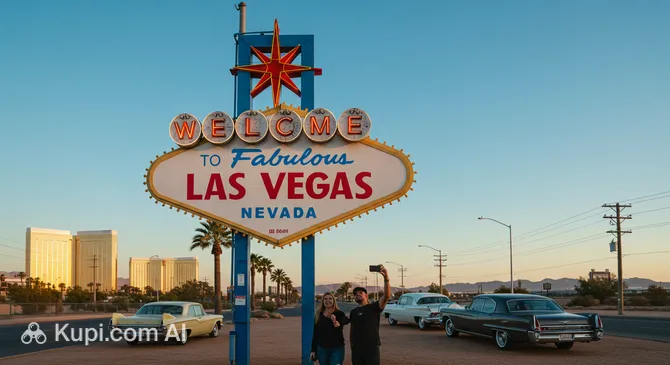
The iconic Welcome to Fabulous Las Vegas Sign was designed by Betty Willis in 1959 as a gift to the city. Uniquely, she never copyrighted the design, which is why the image can be found on countless souvenirs and is freely used by businesses everywhere.
In the mid-20th century, the city experienced a strange era of "atomic tourism." Visitors would flock to hotels to watch nuclear tests conducted in the nearby desert, often celebrating the visible mushroom clouds with themed "atomic cocktails" at rooftop parties.
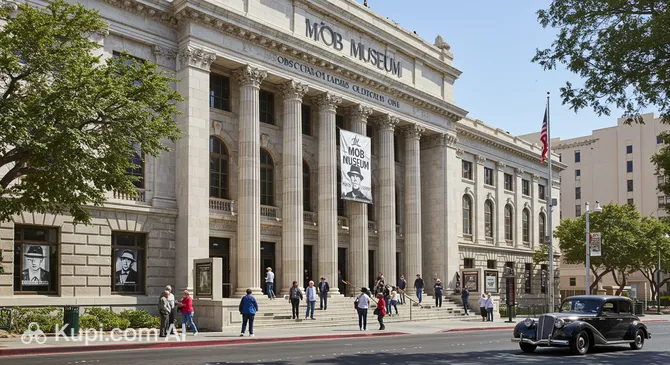
The Mob Museum offers more than just exhibits; it is housed in the former federal courthouse where actual hearings on organized crime took place. This historic building provides an authentic setting for exploring the city's notorious gangster past.
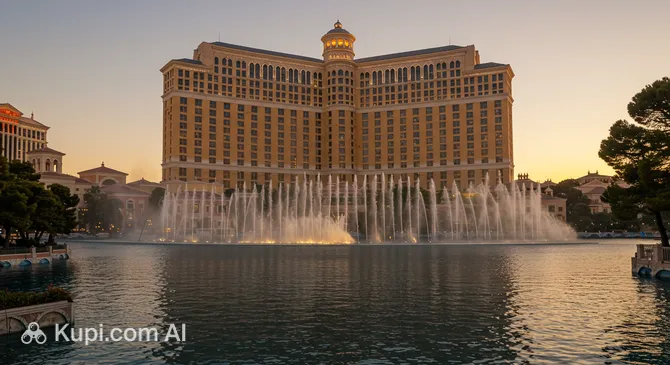
Despite its reputation for excess, Las Vegas is a global leader in water conservation. Resorts, including those with massive features like the Fountains of Bellagio, recycle nearly all indoor water, treating and returning it to Lake Mead.
Welcome to Fabulous Las Vegas Sign. Illustration.
Source: Kupi.com AI
Traveler photos:
How to Get There
Reaching the entertainment capital is straightforward, with air travel being the most popular method for visitors from afar. For a comprehensive overview of travel options, you can read more about how to get to Las Vegas on our detailed page.
The primary gateway to the city is McCarran International Airport (LAS). Situated just 9.6 km from the center, it is a bustling hub that welcomes millions of passengers each year. Travelers can expect a quick transfer to the city, with the journey taking approximately 35 minutes by taxi or shuttle. As a major international facility, it offers a wide range of services and connections.
If you are exploring the wider region, you might arrive at Laughlin Bullhead International Airport (IFP) in Bullhead City, which is about 123 km from Las Vegas. The ground transfer from there typically takes between 1.5 to 2 hours. Another regional option is Saint George Municipal Airport (SGU) in St. George, located roughly 172 km away. The drive from this airport generally requires approximately 1.5 to 2 hours.
For clarity, here is a summary of the main airports:
Las Vegas is a city that thrives on spectacle, offering visitors a diverse array of experiences that go far beyond the gaming tables. From natural wonders to cutting-edge entertainment venues, the main attractions cater to thrill-seekers, nature lovers, and art enthusiasts alike.
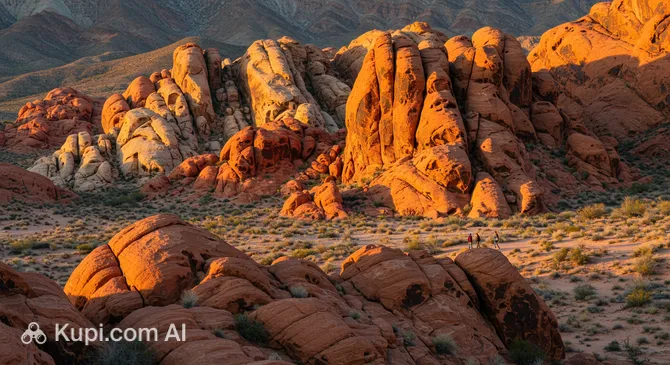
For a stunning contrast to the neon lights, the Red Rock Canyon National Conservation Area is an essential stop. Located just a short drive from the city center, this geologic marvel features towering red sandstone peaks and a scenic 13-mile loop drive. It is a haven for outdoor enthusiasts, offering world-class hiking trails, rock climbing opportunities, and the chance to observe the raw beauty of the Mojave Desert up close.
Red Rock Canyon National Conservation Area. Illustration.
Source: Kupi.com AI
Traveler photos:
In the historic downtown area, the Fremont Street Experience delivers a high-energy atmosphere that pays homage to the city's classic era. This five-block pedestrian mall is dominated by the massive "Viva Vision" video screen canopy, which displays dazzling light shows synchronized with music. Visitors can enjoy free nightly concerts, watch street performers, or soar above the crowds on the SlotZilla zip line.
To capture the best panoramic views of the skyline, a ride on the High Roller is highly recommended. Standing 550 feet tall, this observation wheel offers a relaxing 30-minute revolution in spacious, air-conditioned cabins. The experience is particularly magical at night when the entire Strip is illuminated, providing a perfect vantage point for photography and sightseeing.
One of the newest and most visually striking additions to the city is the Sphere. This futuristic entertainment venue is famous for its massive exterior LED display, which transforms the building into mesmerizing visual art visible from miles away. Inside, cutting-edge technology creates immersive audio and visual experiences that redefine live concerts and shows.
For those seeking something unconventional, AREA15 offers a unique blend of art, technology, and retail. This experiential complex is an immersive playground that invites guests to explore interactive art installations and virtual reality experiences. It is best known for housing Meow Wolf's Omega Mart, a surreal supermarket that serves as a portal to psychedelic, story-driven worlds.
Local Cuisine
The culinary landscape of Las Vegas is as extravagant and diverse as the city itself. Once known primarily for affordable all-you-can-eat buffets, the city has transformed into a global dining destination featuring celebrity chefs and world-class gastronomy. However, the iconic buffet experience remains a must-do for any visitor. Resorts like Caesars Palace and Wynn Las Vegas offer legendary spreads that include everything from Alaskan king crab legs and prime rib to delicate pastries, elevating the concept of unlimited dining to a gourmet level.
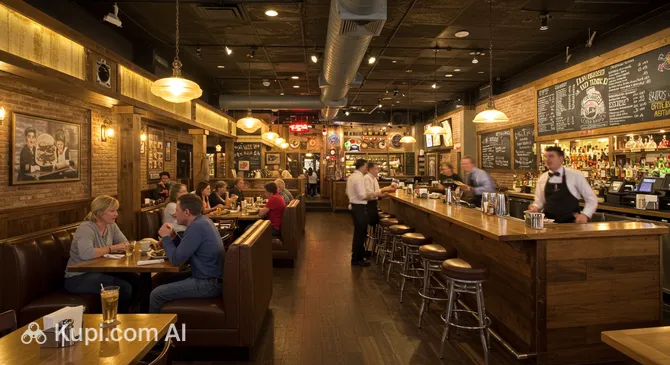
When it comes to signature dishes, the classic shrimp cocktail is a nostalgic staple that dates back to the city's early gaming days. For those with a hearty appetite, "twisted farm food" has become a modern favorite. A prime example is Hash House A Go Go, famous for its oversized portions and creative comfort food like sage fried chicken and waffles. Steakhouses are another pillar of local dining, offering a throwback to the Rat Pack era with dimly lit booths and perfectly seared cuts of beef.
Hash House A Go Go. Illustration.
Source: Kupi.com AI
Traveler photos:
The beverage scene is equally vibrant, ranging from sugary novelty drinks to sophisticated mixology. Walking the Strip, you will often see tourists carrying massive "yard drinks"—tall, slushy cocktails served in souvenir cups. For a more refined experience, the city boasts a thriving cocktail culture. Herbs and Rye is a standout venue that pairs a prohibition-style atmosphere with a menu that categorizes drinks by historical era. Meanwhile, beer enthusiasts can explore the growing local brewery scene at spots like the Las Vegas Craft Beer Bar.
One of the defining features of Las Vegas food culture is its 24-hour availability. Whether you are craving a gourmet burger at 3:00 AM or a champagne brunch at noon, the city caters to every schedule. Dining options range from high-end establishments within luxury resorts to casual eateries and vibrant food courts. For a mix of live entertainment and Southern-inspired cuisine, places like Ole Red offer a lively atmosphere that perfectly captures the city's entertainment-focused spirit.
Travel Tips
Welcome to Las Vegas, a city that promises exhilarating experiences around every corner, but can also be overwhelming for first-time visitors. To help you navigate the neon lights, desert heat, and bustling crowds with ease, here are some essential practical tips for your trip.
Clothing and Gear: The desert climate demands smart packing. In summer, lightweight, breathable fabrics and sun protection are non-negotiable for the scorching outdoor heat, but you must also bring a sweater or light jacket because indoor venues blast air conditioning at freezing temperatures. Most importantly, pack your most comfortable walking shoes. The resorts are massive, and "just walking next door" on the Strip can easily turn into a trek of several kilometers.
Transportation: While walking is popular, distances are deceptive. For longer trips, ride-hailing apps like Uber and Lyft are the most convenient options, but be aware that they cannot stop just anywhere on the Strip; you must go to designated "Ride Share Pickup" zones located at each hotel (usually in parking garages or specific lobby entrances). The Las Vegas Monorail and "The Deuce" double-decker bus are affordable alternatives for moving up and down the main boulevard.
Finances: The local currency is the US Dollar (USD). While credit cards are accepted almost everywhere, it is crucial to carry small bills ($1s and $5s) for tipping, which is the lifeblood of the service industry here—tip valet drivers, bellhops, housekeeping, and cocktail waitresses. Avoid withdrawing cash at casino ATMs, as the transaction fees can be exorbitant (often $10 or more); use bank ATMs located outside the resorts instead.
Health and Safety: Dehydration is a serious risk in the dry desert air, often unnoticed until it's too late, so carry water constantly. Pharmacies like CVS and Walgreens have large locations right on the Strip that are open 24/7, offering medication, snacks, and essentials at much lower prices than hotel gift shops. The Strip is generally safe due to heavy surveillance, but keep a close eye on your belongings in crowded areas and crosswalks.
Communication: English is the primary language, though Spanish is also widely spoken. Most resorts offer free Wi-Fi as part of the mandatory "resort fee," but the signal can be spotty in crowded casino floors. If you need a SIM card, it is best to purchase one at a T-Mobile or AT&T store away from the tourist corridor for better rates, or simply use an eSIM if your phone supports it.
Local Etiquette: If you are gambling, drinks offered by waitresses are technically "free," but it is customary and expected to tip $1–$2 per drink; failing to do so means the server likely won't return. When planning a night out, check the dress code; while daytime is casual, nightclubs strictly enforce rules against shorts, flip-flops, and athletic wear for men.
What to Avoid: Do not attempt to jaywalk on the Strip. It is extremely dangerous due to heavy traffic and is strictly enforced by police; always use the pedestrian bridges and designated crosswalks. Additionally, avoid engaging with street promoters handing out "VIP cards" or CDs, as these are often aggressive sales tactics or scams.
Smart Shopping Tip: Avoid buying basic necessities like water, sunscreen, or snacks inside your hotel, where markups can be astronomical (e.g., $10 for a bottle of water). Instead, visit the aforementioned 24-hour pharmacies or convenience stores located every few blocks on the Strip to stock up at normal prices.
By keeping these practicalities in mind, you can focus less on logistics and more on the fun and spectacle that make this city unique. Enjoy your adventure in the entertainment capital of the world, and may Lady Luck be on your side!
Entertainment & Nightlife
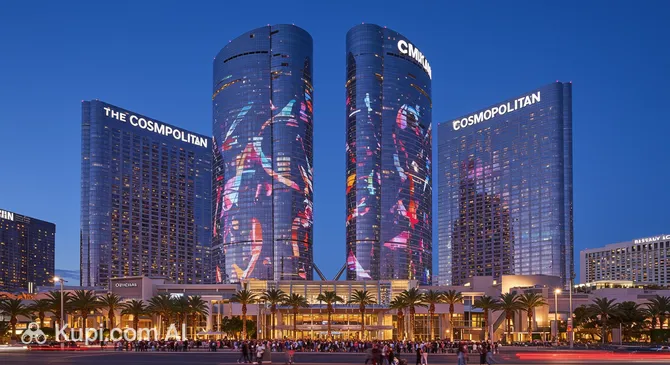
When the sun sets over the Nevada desert, Las Vegas truly comes alive, transforming into a neon-lit playground that offers some of the most spectacular nightlife in the world. The city is renowned for its high-energy atmosphere, where the party often continues until sunrise. The primary nightlife hub is the famous Las Vegas Strip, home to mega-clubs that host internationally famous DJs and celebrities. For a sophisticated evening, The Cosmopolitan is a favorite destination, known for its chic bars and the multi-level Marquee Nightclub, which blends an intimate feel with high-octane energy.
For those seeking world-class entertainment beyond the dance floor, the city's resident shows are unparalleled. The theatrical productions here are massive in scale and technical wizardry. A prime example is KÀ by Cirque du Soleil, a gravity-defying production that features acrobatics, martial arts, and pyrotechnics on a colossal moving stage. These shows typically run in the early to late evening, making them the perfect start to a night out before heading to a lounge or club.
The Cosmopolitan. Illustration.
Source: Kupi.com AI
Traveler photos:
If you prefer a grittier, more rock-and-roll vibe, head north to the Downtown area and the Fremont East Entertainment District. This area is less about velvet ropes and more about bar-hopping and live music. A standout venue here is the Hogs & Heifers Saloon, an unapologetically rowdy dive bar where bartenders dance on the bar and the decor consists of thousands of bras donated by patrons. It offers a stark, fun contrast to the polished luxury of the Strip.
The city also caters to those looking for classic late-night club experiences. Venues like Peppermint Hippo provide a traditional nightlife atmosphere with music and drinks, operating well into the early morning hours. When planning a night out, be aware that the dress code on the Strip is strictly enforced; men should wear collared shirts and dress shoes, while fashionable attire is expected for women. Downtown venues are generally more casual.
Safety and logistics are important for a smooth experience. The Strip and Fremont Street are heavily patrolled and generally safe for walking at night, but it is wise to stay in well-lit, populated areas. Transportation is readily available, but never try to hail a taxi on the street; you must go to a hotel's designated taxi line. Ride-share services are also efficient, with specific pickup zones at every resort. Be prepared for premium prices, as cover charges and drinks in major clubs can be quite high, especially on weekends.
While the night belongs to the party-goers, daytime in Las Vegas offers its own array of diversions. Before the evening festivities begin, visitors can explore immersive museums, relax at lavish pool parties known as "day clubs," or enjoy thrill rides atop the Stratosphere. Whether you are recovering from the night before or gearing up for the next round, the city ensures there is never a dull moment.
Parks & Museums
While Las Vegas is globally famous for its neon-lit boulevard and bustling casinos, the city offers a surprising array of cultural and natural attractions for those looking to step away from the gaming tables. From lush indoor gardens to world-class museums, there are plenty of opportunities to explore the greener and more artistic side of this desert metropolis.
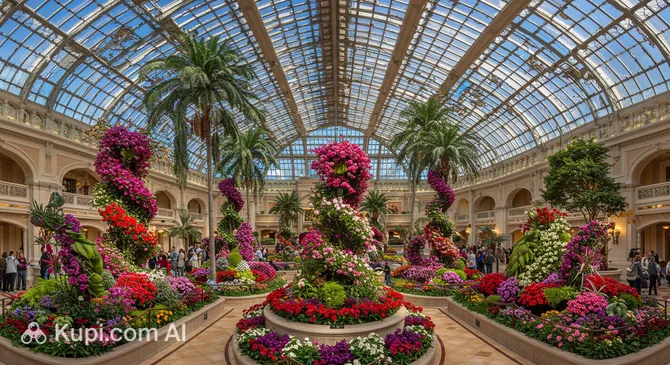
One of the most accessible and enchanting green spaces is the Conservatory & Botanical Gardens located within the Bellagio. This 14,000-square-foot indoor garden is a masterpiece of horticulture, featuring elaborate floral displays that change with the seasons. Whether it is a vibrant spring celebration or a festive winter wonderland, the attention to detail and the scent of thousands of fresh flowers make it a serene escape from the electric energy of the Strip.
Conservatory & Botanical Gardens. Illustration.
Source: Kupi.com AI
Traveler photos:
For a more rugged outdoor experience, the Tule Springs Fossil Beds National Monument offers a fascinating glimpse into the region's prehistoric past. Located just north of the city, this vast protected area is known for its rich deposits of Ice Age fossils, including those of mammoths, lions, and camels. It provides a quiet setting for hiking and photography, allowing visitors to connect with the raw beauty of the Mojave Desert landscape.
To understand the unique history that shaped the city, a visit to The Mob Museum is essential. Officially known as the National Museum of Organized Crime and Law Enforcement, it offers an immersive look at the battle between the mob and the law. Interactive exhibits, including a crime lab experience and firearm training simulator, bring the stories of notorious gangsters and the agents who pursued them to life in a gripping way.
The Mob Museum. Illustration.
Source: Kupi.com AI
Traveler photos:
Automotive enthusiasts will find a slice of heaven at the Shelby American Museum. This venue celebrates the legacy of Carroll Shelby and his iconic high-performance vehicles. Visitors can view a stunning collection of rare Cobras, Mustangs, and other legendary cars, gaining insight into the engineering and passion that revolutionized American racing history.
For those interested in contemporary digital art, the Arte Museum provides a mesmerizing experience. This immersive exhibition space uses projection mapping and sound to create breathtaking landscapes and nature-inspired scenes, allowing visitors to wander through digital waterfalls and blooming flower fields.
For a truly authentic and peaceful experience, consider visiting the Gilcrease Nature Sanctuary. This hidden gem serves as a safe haven for rescued birds and animals, offering a heartwarming alternative to commercial zoos and a delightful spot for families to wander through shaded paths.
Getting Around
Public transport in Las Vegas is designed primarily to help visitors navigate the famous Strip and connect to the downtown area without needing a car. While the city does not have a traditional underground metro system, it offers a combination of buses, a monorail, and unique shuttle systems that are relatively easy to use. The backbone of tourist transportation is the RTC Transit bus network, specifically a route known as "The Deuce." This double-decker bus runs up and down the Las Vegas Strip 24 hours a day, stopping at nearly every major resort and casino.
Another popular option for avoiding street traffic is the Las Vegas Monorail. This elevated train runs along the east side of the Strip, connecting several key resorts from the MGM Grand in the south to the Sahara in the north. It is an excellent way to cover long distances quickly, bypassing the often-congested boulevard. Additionally, there are several smaller, free tram systems that connect specific clusters of hotels, such as the line running between Mandalay Bay, Luxor, and Excalibur, or the ARIA Express connecting Bellagio, Vdara, and Park MGM.
For payment, the system is modernized and tourist-friendly. Cash is rarely used or required, especially since bus drivers do not carry change. The most convenient way to pay for the bus is through the rideRTC mobile app, which allows you to purchase passes instantly on your phone. Alternatively, you can buy paper tickets at Ticket Vending Machines (TVMs) located at most major bus stops along the Strip. Passes are typically sold in time increments, such as a 2-hour pass, a 24-hour pass, or a 3-day pass, which are valid on both The Deuce and residential routes.
The Monorail operates on a separate ticketing system from the buses. You can purchase single-ride tickets or unlimited-ride passes (ranging from one to seven days) at customer service booths or automated kiosks at each station. Mobile tickets are also available and can be saved directly to your smartphone's digital wallet (Google Pay or Apple Wallet), allowing you to simply scan your phone at the fare gates to enter.
A unique and futuristic addition to the city's transport is the Vegas Loop, designed by The Boring Company. Currently operating primarily around the Las Vegas Convention Center, this system uses Tesla vehicles to transport passengers through underground tunnels at high speeds. It is a novel experience that functions like an underground taxi service, and plans are underway to expand it throughout the resort corridor.
When using public transport, keep in mind that "The Deuce" can be very crowded during peak evening hours, so allow extra time for travel. Operating hours for the bus are 24/7, while the Monorail typically runs from 7:00 AM until midnight on Mondays, with extended hours until 2:00 AM or 3:00 AM on weekends. Always validate your paper ticket by scanning it on the card reader when boarding the bus or entering the monorail gate.
Taxis and ride-sharing services like Uber and Lyft are extremely popular alternatives, but there is a critical rule to remember: you cannot hail a taxi on the street. It is illegal for drivers to stop on the Strip to pick up passengers. You must go to the designated taxi stand or ride-share pickup zone, which is usually located at the main entrance or parking garage of every hotel. For short distances downtown, there is also a "Downtown Loop" free shuttle bus, and a bike-share program is available, though cycling on the main Strip is generally not recommended due to heavy traffic.
Accommodation
Accommodation:
Accommodation in Las Vegas is as spectacular and varied as the city's entertainment. The options range from extravagant five-star resorts and themed mega-hotels to budget-friendly motels and practical apartment rentals. While the city is famous for its luxury suites and high-roller villas, there is a surprising abundance of affordable rooms, making it accessible to travelers with varying budgets.
The most popular place to stay is undoubtedly The Strip (Las Vegas Boulevard), where visitors are in the heart of the action, surrounded by iconic landmarks and casinos. Staying here means easy access to shows and dining, though it often comes with a higher price tag. For a different vibe, Downtown Las Vegas (around Fremont Street) offers a vintage charm, lower rates, and a more walkable environment. Alternatively, "Off-Strip" hotels provide a quieter atmosphere, often with more spacious rooms and fewer crowds, suitable for families or those seeking relaxation.
Among the most renowned accommodation options is the Bellagio. Inspired by the villages of Europe, this resort is synonymous with elegance and is famous for its dancing fountains and high-end amenities. It represents the classic luxury that defines the Las Vegas experience.
Bellagio. Illustration.
Source: Kupi.com AI
Traveler photos:
For travelers seeking a more modern and chic atmosphere, The Cosmopolitan is a top choice. Located right in the center of the Strip, it stands out with its residential-styled living spaces and private terraces that offer breathtaking views of the skyline—a rarity among hotels in the area.
When booking your stay, it is crucial to be aware of resort fees. Most major hotels charge an additional daily fee upon arrival, which covers amenities like Wi-Fi and pool access; this can significantly add to the advertised nightly rate. Prices fluctuate wildly depending on the season and events; a room that costs $50 on a Tuesday might jump to $300 on a Saturday. To secure the best deals, it is highly recommended to book well in advance and, if possible, plan your visit for mid-week.
Nearby Cities
For those looking to explore the surroundings, Las Vegas serves as an excellent base for day trips to several interesting nearby locations:
City
Population
Distance
North Las Vegas
259 638
4 km
Sunrise Manor
196 411
7 km
Paradise
189 852
8 km
Summerlin South
28 861
17 km
Henderson
311 250
20 km
Among these options, Henderson stands out as Nevada's second-largest city, offering a refreshing change of pace just a short drive from the excitement of the Strip. It is known for its extensive system of parks and trails, as well as the scenic Lake Las Vegas, making it an ideal spot for outdoor recreation and relaxation.
For those willing to travel a bit further, Mesquite offers a picturesque escape near the Arizona border. Located in the beautiful Virgin River Valley, this town is a premier destination for golf enthusiasts and provides a peaceful, small-town atmosphere surrounded by stunning desert landscapes.
These nearby destinations offer a glimpse into the diverse culture and landscapes of the region.
Shopping & Souvenirs
Shopping
Shopping in Las Vegas is an attraction in its own right, rivaling the city's famous casinos and shows. The retail landscape here is incredibly diverse, ranging from ultra-luxury designer boutiques within five-star resorts to sprawling outlet centers and quirky souvenir shops. Whether you are looking for high-end fashion, rare collectibles, or simple mementos, the city offers a shopping experience that is often theatrical and always extensive.
The primary shopping destination is, unsurprisingly, the Las Vegas Strip. Unlike traditional cities with a dedicated high street, the "main street" for shopping here consists of interconnected promenades and resort complexes. A standout outdoor location is the LINQ Promenade, a vibrant pedestrian-friendly district nestled between hotels. It offers a mix of trendy retail stores, sweet shops, and entertainment venues, making it a lively place to browse while enjoying the open air.
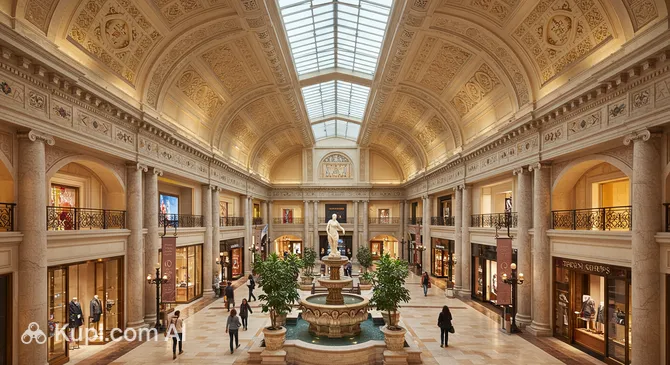
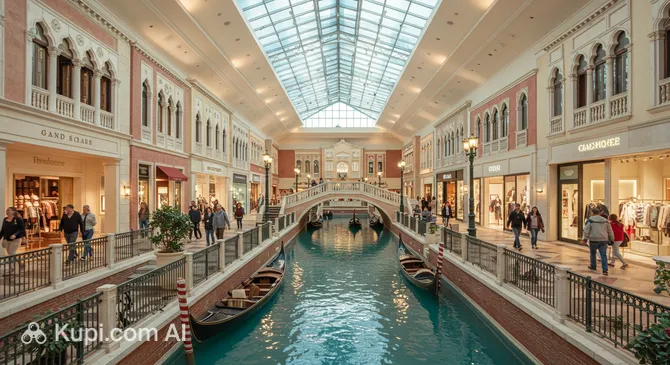
Las Vegas is world-renowned for its themed shopping malls that transport visitors to different times and places. The Forum Shops at Caesars is perhaps the most iconic, designed to resemble ancient Rome with statues, fountains, and a painted sky that changes from day to night. It features over 160 stores, ranging from haute couture to popular brands. Equally impressive are the Grand Canal Shoppes at The Venetian, where you can shop along cobblestone walkways and watch gondolas glide by on indoor canals.
The Forum Shops at Caesars. Illustration.
Source: Kupi.com AI
Traveler photos:
For those who prefer an open-air environment away from the casino crowds, Town Square Las Vegas is an excellent choice. Located just south of the main resort corridor, this outdoor lifestyle center feels like a traditional city center with tree-lined streets, a central park, and a mix of fashion, dining, and entertainment options. It is a favorite among locals and tourists alike for a more relaxed shopping day.
Grand Canal Shoppes. Illustration.
Source: Kupi.com AI
Traveler photos:
While traditional flea markets are less common in the tourist zones, the city is home to one of the most famous pawn shops in the world. The Gold & Silver Pawn Shop, celebrated on reality television, has become a major attraction. Visitors flock here not just to see the filming location, but to browse a unique selection of historical artifacts, jewelry, and rare collectibles that you won't find anywhere else.
When it comes to souvenirs, Las Vegas offers classic items that capture the city's spirit. Popular choices include personalized poker chips, decks of cards used in actual casino play (often sold for a dollar or two), and merchandise featuring the iconic "Welcome to Fabulous Las Vegas" sign. For something more substantial, look for Native American turquoise jewelry or specialty food items like gourmet chocolates from local confectioners.
Store hours in Las Vegas are exceptionally convenient. Malls on the Strip typically stay open until 11:00 PM or midnight, and some essential shops operate 24 hours a day. Payment is easy, with major credit and debit cards accepted everywhere; carrying large amounts of cash is generally unnecessary. Sales tax is added at the register and is approximately 8.38%.
Regarding tax-free shopping, international tourists should be aware that the United States does not have a national VAT refund system like many European countries. The price you see on the tag does not include sales tax, which will be added upon payment, and this tax is generally not refundable upon departure. However, some individual stores may offer shipping services to your home country that might exempt the purchase from local sales tax, though shipping costs usually offset the savings.