Support

Monument Valley

About

Monument Valley is one of the most iconic natural landscapes in the world, instantly recognizable by its towering sandstone buttes that rise majestically from the red desert floor. Located on the border of Arizona and Utah within the Navajo Nation, this breathtaking destination offers a quintessential experience of the American West. When visiting the United States, few places capture the imagination quite like this cinematic valley, which has served as the backdrop for countless western films and photographs.

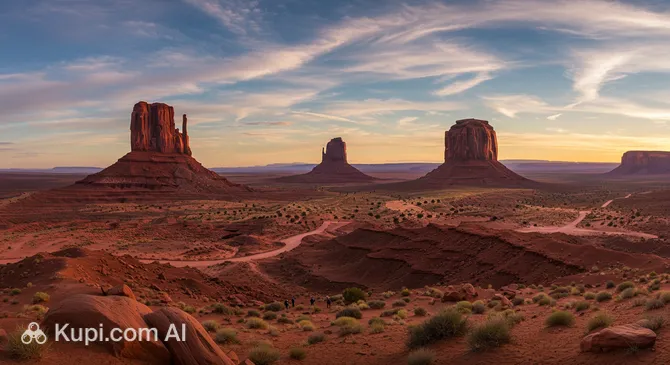
Monument Valley. Source: Kupi.Binoculars

The geography of the valley is defined by its vivid red color, a result of iron oxide in the weathered siltstone, and the dramatic formations that have been sculpted by wind and water over millions of years. While not a city in the traditional sense, the area is inhabited by the Navajo people, who have lived here for generations. To understand the deep cultural significance and the stories behind these sacred lands, exploring the history of Monument Valley is an essential part of the journey. The climate is arid, with hot summers and cold winters, making spring and autumn the most comfortable times to explore.

Visitors are drawn to the 17-mile Valley Drive, a scenic loop that passes by some of the most famous formations, including the East and West Mitten Buttes and Merrick Butte. Another highlight is John Ford’s Point, a famous overlook named after the director who helped popularize the location. Whether you are watching a sunrise ignite the red rocks or taking a guided tour with a Navajo guide, a trip to Monument Valley promises an unforgettable adventure into the heart of nature's grandeur.

Weather Overview

The climate in this iconic region is defined by its high desert location, resulting in distinct seasonal variations and generally arid conditions. Visitors should expect hot summers and cold winters, with temperature ranges that can fluctuate significantly. During the peak of summer in July, average temperatures rise to approximately 27.7°C, with daytime highs often reaching 34.4°C, making early morning or late afternoon the best times for exploration.

In contrast, the winter months bring a crisp chill to the air. January is typically the coldest month, with average temperatures around 0.8°C and lows dropping to -4.2°C. Precipitation is minimal throughout the year, usually recording just 0mm to 1mm per month, though you might encounter a few wet days, particularly in winter and early spring. For a comprehensive breakdown of seasonal conditions to help you pack appropriately, you can view the detailed report on the weather in Monument Valley.

Interesting Facts

Beyond the cinematic vistas and famous red sand dunes, this iconic region holds fascinating stories that go deeper than its Hollywood fame. Here are some intriguing details about this sacred landscape that many visitors might miss.

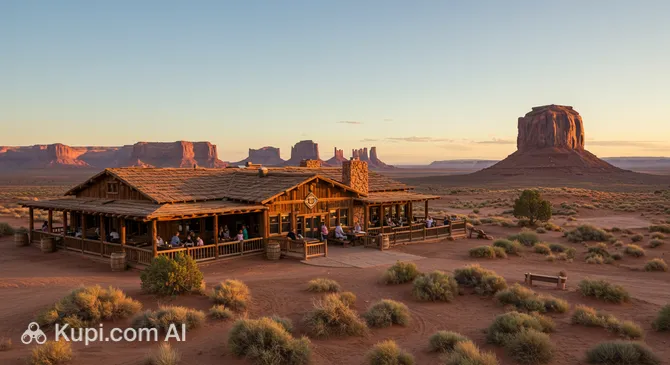
Goulding's Lodge. Source: Kupi.Binoculars
  • Despite being one of the most photographed natural wonders in the country, the valley is not a United States National Park. It is actually a Navajo Tribal Park, owned and managed entirely by the Navajo Nation, which means that standard federal park passes are not accepted here.

  • The area's legendary status in film history began largely thanks to Harry Goulding, a local trader. During the Great Depression, he traveled to Hollywood with photos of the landscape to convince director John Ford to film "Stagecoach" here. His original trading post has evolved into what is now Goulding's Lodge, a historic establishment that helped introduce the world to these dramatic buttes.

  • Highway 163 features a specific mile marker that became globally famous after the movie "Forrest Gump." This is the exact location where the main character abruptly stops his cross-country run, and today, travelers often wait for a break in traffic to recreate the scene with the road stretching toward the formations in the background.

  • The famous "Mittens" buttes offer a rare visual phenomenon known as the "Mitten Shadow." Twice a year, typically in late March and mid-September, the sun sets at a specific angle that causes the shadow of the West Mitten Butte to perfectly overlap the East Mitten Butte, creating the illusion of two hands coming together.

How to Get There

Due to its remote location on the Navajo Nation reservation, reaching this iconic destination requires some planning, as there are no direct flights to the valley itself. Most visitors arrive by car, often as part of a classic American road trip through the Southwest. For a comprehensive guide on all transport options, driving directions, and tips, you can read more about getting to Monument Valley.

Monument Valley does not have its own airport, but you can fly into Montezuma County Airport (CEZ) in the city of Cortez, which is about 143 km from the valley. It is the closest commercial airport, and the drive typically takes around 1 hour and 40 minutes by car. For more flight options, many travelers choose Durango-La Plata County Airport (DRO) in Durango, located approximately 218 km away. This regional hub handles significantly more traffic and offers better connections; the drive from here to the valley takes about 2.5 to 3 hours. Another viable option is Canyonlands Field (CNY) in Moab, roughly 200 km away, with a travel time of about 2.5 hours.

For clarity, here is a summary of the main airports:

Airport Name City Passenger Traffic Km from City
Durango-La Plata County Airport Durango Medium 217.7
Grand Canyon National Park Airport Flagstaff Medium 209.6
Canyonlands Field Moab Small 200.1
Telluride Regional Telluride Small 228.6
Montezuma County Airport Cortez Small 143.3

Main Attractions

While the natural landscape is the primary draw, the area also hosts several historic and cultural sites that offer a deeper understanding of life in this remote region. Visitors can explore a mix of heritage locations, dining spots with unparalleled views, and specific trails that allow for a closer connection with the red rock formations.

For those interested in the cinematic and trading history of the area, Goulding's Lodge is a key stop. Originally established as a trading post in the 1920s, it played a crucial role in introducing Hollywood directors to the valley. Today, it features the Goulding’s Trading Post Museum, where you can view interesting artifacts, film memorabilia, and the original living quarters of the Goulding family, offering a glimpse into the early days of tourism and trade in the region.

Goulding's Stagecoach Dining Room. Source: Kupi.Binoculars

Located directly on the premises is Goulding's Stagecoach Dining Room, which provides one of the most memorable culinary experiences in the Southwest. The restaurant is famous not just for its menu of Navajo tacos and American staples, but for the spectacular panorama visible through its large windows. It allows guests to enjoy a meal while watching the light shift across the iconic mittens and buttes in the distance.

For visitors who want to step out of the car and stretch their legs, the Wildcat Trail offers a unique perspective. This 3.2-mile loop is the only self-guided hiking trail within the tribal park, taking hikers around the base of the West Mitten Butte. Walking at ground level emphasizes the sheer scale of the sandstone towers and provides a quiet, immersive experience away from the vehicle traffic on the main loop road.

To explore beyond the standard circuit, many travelers venture into Mystery Valley. Accessible only with a Navajo guide, this area is located south of the main park and is renowned for its high concentration of ancient Anasazi ruins and rock art. It offers a more secluded and silence-filled adventure, featuring dramatic arches and petroglyphs that tell the story of the ancient people who inhabited these lands centuries ago.

Local Cuisine

Dining in Monument Valley offers a unique opportunity to taste the authentic flavors of the American Southwest, specifically the traditional cuisine of the Navajo people. While the area is remote and restaurant options are limited compared to a major city, the food here is hearty, comforting, and deeply rooted in local culture. The culinary scene is defined less by fine dining and more by home-cooked meals that provide sustenance after a long day of exploring the red rock landscapes.

The absolute must-try dish in this region is the Navajo Taco. Unlike a standard taco, the base is not a tortilla but a fluffy, golden disc of Navajo frybread. This deep-fried dough is crisp on the outside and soft on the inside, typically piled high with seasoned ground beef, beans, chili, lettuce, cheese, and tomatoes. Frybread is also served as a standalone snack, often drizzled with honey or sprinkled with powdered sugar for a sweet treat that is ubiquitous at roadside stands and local gatherings.

Another staple of the local diet is Green Chile Stew, a warming dish made with pork or beef, potatoes, and roasted green chiles that add a distinctive kick. For those looking for something truly traditional, roast mutton or lamb stew is a signature meal that has sustained Navajo families for generations. These dishes are simple but flavorful, relying on fresh ingredients and time-honored cooking methods.

When it comes to drinks, it is crucial for visitors to know that the Navajo Nation is a dry reservation. The sale and consumption of alcohol are strictly prohibited within the park and the surrounding tribal lands. Instead, you can try Navajo Tea, a mild and earthy herbal infusion made from the greenthread plant (Thelesperma), which grows wild in the region. It is a refreshing, caffeine-free beverage often served both hot and iced.

Most dining establishments are located within the few lodges and hotels in the area. A popular spot for visitors is Goulding's Stagecoach Dining Room, which offers a menu full of Southwestern favorites and Navajo specialties. Located at the historic Goulding's Lodge, this venue allows tourists to enjoy their frybread and stew while gazing out at the magnificent sandstone buttes, combining local flavors with one of the most famous views in the world.

Travel Tips

Visiting Monument Valley is a journey into a landscape that feels both timeless and otherworldly, but its location within the Navajo Nation and its high desert environment require some specific preparations. To ensure your adventure among the red rocks is as smooth and respectful as it is breathtaking, here are some practical tips to keep in mind while planning your trip.

  1. Clothing and Gear: The desert climate is known for extremes, so layering is essential. Even in summer, mornings can be brisk while afternoons are scorching. Bring a wide-brimmed hat, sunglasses, and high-SPF sunscreen. Be aware that the fine red sand gets everywhere; avoid wearing white clothes or expensive shoes that you don’t want stained. Comfortable, closed-toe walking shoes or hiking boots are best for the trails.

  2. Transportation: There is no public transport within the park, so a rental car is an absolute necessity. While the famous 17-mile Valley Drive is a dirt road that can be driven in a standard sedan during dry conditions, a vehicle with high clearance or an SUV is strongly recommended to navigate the bumps and sandy patches comfortably. Ride-hailing apps like Uber or Lyft are virtually non-existent here.

  3. Finances: The currency is the US Dollar (USD). Major credit cards are accepted at the Visitor Center, The View Hotel, and Goulding’s Lodge. However, you should carry cash in small denominations. Local Navajo artisans often set up roadside stalls selling jewelry and crafts, and many operate on a cash-only basis. ATMs are scarce, mostly found at the main lodges, so come prepared.

  4. Health and Safety: Monument Valley is remote. The nearest substantial medical facilities and pharmacies are in Kayenta, about 35 km (22 miles) south. Always carry more water than you think you need—at least 3-4 liters per person per day—as dehydration happens quickly in the dry heat. Stick to marked trails; the terrain is rugged, and wandering off-path can be dangerous.

  5. Communication: English is widely spoken and is the primary language for tourism. However, the native language is Navajo (Diné). Learning a simple greeting like "Yá'át'ééh" (Hello) is a respectful gesture appreciated by locals. Cell phone coverage can be spotty or non-existent in the valley floor, so it is wise to download offline maps and GPS data before you arrive.

  6. Local Etiquette: You are a guest on Navajo land. Always ask for permission before photographing local residents or their private property (hogans). Unlike public lands, rock climbing and hiking off designated trails are strictly prohibited to protect sacred sites. Additionally, remember that the Navajo Nation is a dry reservation; the possession and consumption of alcohol are illegal.

  7. What to Avoid: Do not fly drones. The use of unmanned aerial vehicles is strictly forbidden within Navajo Tribal Parks to preserve the cultural tranquility and privacy of residents. Also, avoid climbing on the delicate sandstone formations; this is viewed as disrespectful and causes irreversible erosion.

  8. Time Zone Awareness: This is a crucial "life hack" for this specific region. While most of Arizona does not observe Daylight Saving Time (DST), the Navajo Nation does. This means that for half the year (spring to autumn), Monument Valley is one hour ahead of nearby Arizona locations like Page or the Grand Canyon. Always double-check the local time to avoid missing sunset tours or reservations.

By packing the right gear and respecting the local customs of the Navajo people, you will find that Monument Valley offers far more than just photo opportunities. It provides a peaceful and spiritually resonant experience that stays with you long after the red dust has been shaken from your boots.

Entertainment & Nightlife

Travelers expecting a bustling cityscape with neon lights, thumping bass, and crowded dance floors will find something entirely different in Monument Valley. Nightlife here is defined not by clubs or bars, but by the profound silence of the high desert and the brilliance of the night sky. Since the valley is located within the Navajo Nation, which is a dry reservation, there are no bars, liquor stores, or nightclubs. The sale and consumption of alcohol are prohibited, meaning the typical "night out" is replaced by cultural immersion and connection with nature.

The "entertainment district," if one can call it that, is centered entirely around the few lodges that operate in the area. The atmosphere is quiet, relaxed, and respectful, with most visitors retreating to their accommodations early after a day of hiking. Instead of staying out late partying, the crowd here consists of nature lovers and photographers preparing for the spectacular sunrise. The dress code is strictly casual and practical—think fleece jackets and hiking boots rather than evening wear, as temperatures drop significantly once the sun goes down.

For a memorable evening, Goulding's Lodge serves as the primary hub of activity. While you won't find a pub, the lodge offers a unique form of entertainment: the Earth Spirit Theater. This small venue screens classic John Wayne movies, particularly "Stagecoach," every evening. It is a charming nod to the cinematic history that made the valley famous and provides a nostalgic way to end the day. Guests often gather here to unwind and learn about the Hollywood connection to this sacred land.

Dining is the main social event of the night. Goulding's Stagecoach Dining Room is one of the few places where you can enjoy a sit-down meal in the evening. While they do not serve alcohol, the experience of eating traditional Navajo dishes while looking out over the darkened silhouettes of the monuments is unforgettable. It is best to arrive before sunset to catch the changing colors, as the restaurant closes relatively early, typically around 8:00 PM or 9:00 PM depending on the season.

The true star of the show at night is the sky itself. Monument Valley is a Dark Sky Park, offering some of the best stargazing opportunities in the United States. Without light pollution from cities, the Milky Way appears with startling clarity. Many local Navajo guides offer evening tours that include storytelling around a campfire, where you can listen to ancient legends and flute music under the stars. This provides a spiritual and serene alternative to the noise of urban nightlife.

Practicality is key when planning your evening. Public transport and taxis do not exist here, and ride-sharing apps are unavailable. You must rely entirely on your own rental vehicle. Driving at night requires extreme caution; the roads are unlit and pitch black, and free-roaming livestock such as horses, sheep, and cows frequently wander onto the highway. It is widely advised to be back at your accommodation shortly after sunset to avoid these hazards.

Before the sun sets, daytime entertainment focuses on exploring the rich heritage of the area. Visitors can spend time at the Goulding’s Trading Post Museum to see film memorabilia or take guided jeep tours into the valley. While the "nightlife" might end early, the trade-off is waking up in one of the most majestic places on Earth, ready to watch the sun ignite the red rocks once again.
Parks & Museums

While Monument Valley is not a city with traditional manicured gardens or urban green spaces, it offers some of the most spectacular natural "parks" on the planet, alongside cultural venues that preserve the heritage of the Navajo people and the region's cinematic past. The area is defined by its raw, untouched wilderness, where the concept of a park is elevated to a vast, sacred landscape of red sandstone and endless skies.

The crown jewel of the region is the Monument Valley Navajo Tribal Park. Often mistaken for a national park, this protected area is sovereign Navajo land that encompasses the most iconic buttes and mesas. Instead of grassy lawns, visitors are treated to a dramatic expanse of high desert flora, such as sagebrush and juniper, set against the fiery red earth. It serves as the primary outdoor recreational area, offering a 17-mile scenic drive where the sheer scale of nature provides a humbling and awe-inspiring experience unlike any municipal park.

For a more secluded natural experience, Mystery Valley offers a pristine alternative just south of the main park. Accessible only with a Navajo guide, this area functions as a quiet sanctuary away from the crowds. It is renowned for its labyrinthine canyons, natural arches, and ancient petroglyphs. It provides a more intimate connection with the land, allowing hikers to explore the silence of the desert and discover geological wonders that feel like secret gardens hidden within the stone.

The cultural history of the area is best explored at Goulding’s Trading Post Museum, located within the historic complex of Goulding's Lodge. This museum is essential for understanding how Monument Valley became a global icon. Housed in the original trading post building from the 1920s, it preserves the living quarters of Harry and Mike Goulding and displays a fascinating collection of movie memorabilia, including artifacts from John Ford's "Stagecoach." It offers a charming glimpse into the era when this remote outpost was the bridge between the Navajo Nation and Hollywood.

Another key cultural venue is the Navajo Tribal Park Visitor Center. While functioning as the gateway to the valley, it also houses an impressive selection of exhibits dedicated to the Diné (Navajo) people. Visitors can view authentic displays of intricate silver jewelry, hand-woven rugs, and pottery. The center also provides educational information about the Navajo Code Talkers of World War II, offering a poignant look at the significant contributions the local community has made to history.

Insider Tip: For a truly authentic experience, ask a local guide about a trip to Hunts Mesa. Unlike the valley floor, this vantage point allows you to look down on the monuments from a high plateau. It is a less-visited area that offers perhaps the most dramatic perspective of the park, especially at sunset when the shadows stretch across the desert floor.

Getting Around

Visitors planning a trip to Monument Valley must adjust their expectations regarding mobility, as this is a remote tribal park rather than a bustling urban center. Consequently, there is no public transport system in the traditional sense. You will not find metros, municipal buses, trams, or trolleybuses operating here. The region is defined by vast, open desert landscapes where the primary mode of transportation is a private vehicle. Tourists are expected to arrive with their own means of transport, typically a rental car acquired in major cities like Phoenix, Las Vegas, or Salt Lake City.

Since there is no public transit network, there are no travel passes, transport cards, or ticket validation machines to worry about. Instead, the "payment system" effectively consists of the park entry fee. This is charged per vehicle or per person upon arrival at the entrance booth on Highway 163. Payment can be made via credit card or cash, though carrying some cash is always recommended in this remote area due to occasional connectivity issues with card terminals.

The closest equivalent to "public transport" for sightseeing is the network of guided tour vehicles operated by local Navajo companies. These are typically open-air safari trucks or enclosed SUVs that take groups of tourists into the valley. Unlike a scheduled bus service, these must be booked in advance or at the Visitor Center kiosk. Prices vary depending on the duration and exclusivity of the tour, usually ranging from $70 to over $100 per person. These tours are the only way to access restricted areas of the park that are off-limits to private vehicles, such as Mystery Valley or Hunts Mesa.

Travelers should be aware that alternatives like taxis and ride-sharing apps (Uber, Lyft) are virtually non-existent in Monument Valley. You cannot rely on summoning a car via a smartphone app to get from your hotel to the park entrance or a restaurant. If you do not have a rental car, you will be stranded. It is crucial to arrange all logistics beforehand. While some tour operators may offer pick-up services from local lodges like Goulding's or The View, this is part of a paid tour package rather than a taxi service.

For those interested in cycling, bike rentals are not widely available on-site, and riding is generally restricted to specific routes to protect the delicate desert ecosystem. If you wish to explore on two wheels, you typically need to bring your own equipment or book a specialized guided bicycle tour. When driving your own vehicle on the popular 17-mile scenic loop, keep in mind that the road is unpaved, bumpy, and dusty. While a standard sedan can often manage the drive in dry weather, a vehicle with high clearance is strongly advised for a comfortable and safe journey.

Accommodation

Where to Stay:

Accommodation options in Monument Valley are somewhat limited compared to major tourist destinations, which is part of the charm of this remote high-desert region. The choices primarily consist of historic lodges, cabins, and campgrounds that focus on providing immediate access to the spectacular views rather than extensive luxury amenities. Travelers can generally choose between staying directly adjacent to the tribal park for a premium experience or finding more standard motels in the surrounding towns.

The most coveted area to stay is arguably right along the valley rim. Here, you can wake up to the sun rising directly over the Mittens. This area is home to the famous The View Hotel, which is the only accommodation located inside the Navajo Tribal Park itself, offering balconies that face the monuments. Just across the border of the park lies another historic and popular option, Goulding's Lodge. Nestled against a massive red rock mesa, this property offers rooms with panoramic views and a deep connection to the area's cinematic history.

For visitors seeking more budget-friendly prices or standard chain hotels, the town of Kayenta, located about 35 km (22 miles) south in Arizona, serves as the main gateway. It offers a wider range of mid-range hotels and motels. Alternatively, to the north in Utah, the small settlement of Mexican Hat provides a few rustic motels and inns, often at a lower price point than the lodges with direct valley views.

Booking Tip: Due to the scarcity of rooms and the immense popularity of the destination, it is highly recommended to book your accommodation 3 to 6 months in advance, especially if you plan to visit during the peak season of spring or autumn. The properties with views of the monuments fill up very quickly.

In terms of pricing, staying near the park entrance typically falls into the upper mid-range to expensive category, reflecting the premium location. Options in nearby towns are generally more affordable but require a commute to see the sunrise. Booking can usually be done through major online travel platforms or directly via the property websites, which is often the best way to secure specific room types like cabins or view-facing suites.

Nearby Cities

For those looking to explore the surroundings, Monument Valley serves as an excellent base for day trips to several interesting nearby locations:

City Population Distance (km)
Flagstaff 81,682 238
Winslow 39,833 223
Holbrook 26,958 232
Gallup 21,901 208
Durango 18,953 208

Among these destinations, Flagstaff stands out as a vibrant hub nestled within the Coconino National Forest. It offers a distinct change of scenery with its ponderosa pine forests and cooler mountain air. Visitors can explore the historic downtown, visit the Lowell Observatory where Pluto was discovered, or use it as a gateway to the Grand Canyon.

Another captivating option is Durango, Colorado. Famous for its historic narrow-gauge railroad that winds through the San Juan Mountains, this town retains a charming Wild West atmosphere. It is a fantastic spot for history buffs and outdoor enthusiasts alike, offering rafting, hiking, and a glimpse into the region's mining past.

For those interested in classic Americana, Winslow offers a nostalgic stop along historic Route 66. It is famously celebrated in the Eagles' song "Take It Easy," and travelers often visit the "Standin' on the Corner Park" to pay homage to this piece of pop culture history. These nearby destinations offer a glimpse into the diverse culture and landscapes of the region.

Shopping & Souvenirs

Shopping in Monument Valley is a unique cultural experience that differs significantly from a typical retail outing. There are no shopping malls, department stores, or high-street fashion brands in this remote desert region. Instead, the area offers a chance to discover authentic Native American arts and crafts, allowing visitors to take home a piece of the Navajo Nation's rich artistic heritage.

The most sought-after items are undoubtedly the handcrafted goods made by local artisans. The Navajo (Diné) people are world-renowned for their exquisite silver and turquoise jewelry, including squash blossom necklaces, rings, and bracelets. Another prized souvenir is the traditional Navajo rug. These hand-woven textiles feature intricate geometric patterns and are often made from wool sheared, carded, and dyed by the weavers themselves. Other popular keepsakes include pottery, sand paintings, beadwork, and dreamcatchers.

For a structured shopping environment, visitors can head to the historic trading posts. The most famous of these is located at Goulding's Lodge. Originally established in the 1920s to trade with the local Navajo population, the complex now features a gift shop that offers a wide selection of souvenirs, from high-end jewelry and rugs to T-shirts, books, and Western film memorabilia. It also includes a small convenience store for basic groceries and camping supplies, which is essential given the scarcity of shops in the area.

A more immersive way to shop is to visit the roadside stands located throughout the Monument Valley Navajo Tribal Park. At famous overlooks such as John Ford's Point or the Visitor Center parking lot, local artists set up tables to sell their work directly to tourists. Purchasing here often allows you to meet the artist personally and learn the story behind the piece. It is a direct way to support the local community and ensure that your money goes straight to the families living in the valley.

When shopping at these outdoor stalls, it is important to carry cash. While the main trading posts and hotel gift shops accept credit cards, many independent vendors at the scenic viewpoints operate on a cash-only basis or may have difficulty with card readers due to spotty internet service. Small denominations are particularly useful. Finally, when buying expensive items like rugs or jewelry, do not hesitate to ask about the materials and the artist's background to appreciate the authenticity and labor that went into creating these beautiful cultural artifacts.

Reached the end of the page?

That means the route is fully explored