Support

Cortez

About

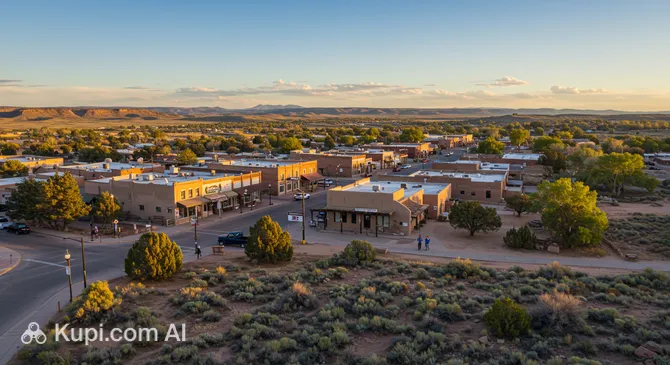
Nestled in the high desert of southwestern Colorado, Cortez serves as a captivating gateway to some of the most profound archaeological treasures in the United States. Known for its rich cultural heritage and stunning natural landscapes, this town offers a unique atmosphere where ancient history meets modern outdoor adventure. It is strategically located near the famous Four Corners region, making it an ideal base for exploring the diverse scenery of the American Southwest.

Cortez. Source: Kupi.Binoculars

With a population of approximately 8,700 residents, Cortez maintains a welcoming, small-town feel while providing amenities for travelers from around the globe. The climate here is characterized by sunny days and cool nights, typical of the high desert, allowing for year-round exploration. To truly appreciate the depth of the local culture, visitors should delve into the history of Cortez, which is inextricably linked to the Ancestral Puebloan people who inhabited the region for centuries.

The city is perhaps best known as the primary jumping-off point for Mesa Verde National Park, a UNESCO World Heritage site famous for its incredibly preserved cliff dwellings. Beyond Mesa Verde, the area is home to the Canyons of the Ancients National Monument, which boasts the highest density of archaeological sites in the country. For those interested in local traditions, the Cortez Cultural Center offers fascinating exhibits and interpretive programs that highlight the artistry and history of the Native American tribes in the area.

Whether you are a history buff eager to walk in the footsteps of ancient civilizations or an outdoor enthusiast looking for hiking and mountain biking trails, Cortez promises an unforgettable experience. Its blend of breathtaking mesas, deep canyons, and warm hospitality makes it a must-visit destination for anyone traveling through Colorado.

Weather Overview

The climate in Cortez is typical of the high desert, characterized by distinct seasons and plenty of sunshine. To plan your activities effectively, it is recommended to check the detailed weather in Cortez before your trip. The region generally experiences significant temperature fluctuations between day and night, a common trait of the Colorado Plateau.

Summers are warm and inviting, with July serving as the peak of the season; average temperatures hover around 23.4°C, while daily highs can reach 30.8°C. Winters, however, bring a distinct chill. January is typically the coldest month, with average temperatures dropping to -3.6°C and nighttime lows falling as far as -9.6°C. Travelers visiting during the colder months should come prepared for freezing temperatures, although the days are often crisp and clear.

Spring and autumn provide comfortable transition periods ideal for exploration. May sees pleasant highs of 22.0°C, while September retains much of the summer's warmth with maximums around 25.3°C. Precipitation is generally low year-round, often averaging just 1mm to 2mm per month, though March tends to have the highest frequency of wet days. In summary, expect warm summers with occasional rain and cold, dry winters.

Interesting Facts

Beyond the famous cliff dwellings and scenic mesas, Cortez holds fascinating secrets that often escape the average visitor's radar. This high-desert town is not just a gateway to the past but a place where ancient legends, modern history, and surprising agricultural feats intersect.

  • The Legend of the Sleeping Ute: Dominating the skyline is the Sleeping Ute Mountain, a range that uncannily resembles a warrior lying on his back with arms folded across his chest. According to local legend, this is a Great Warrior God who fell asleep while recovering from wounds sustained in a battle against evil; it is said that the changing colors of the mountain's vegetation represent his blankets being swapped with the seasons.

  • A Cold War Secret: In a bizarre twist of history, the Cortez Municipal Airport was the site of an unexpected event on August 3, 1959. A top-secret U-2 spy plane, piloted by Major Hsi-Chun Mike Hua, was forced to make an emergency landing here due to engine failure, bringing a piece of classified Cold War technology to this quiet corner of the world.

  • High Desert Wine Country: Despite its arid climate, the nearby McElmo Canyon creates a unique microclimate that allows agriculture to thrive. Historically known for its orchards, this area has transformed into an unexpected wine region, where local vineyards produce award-winning wines that rival those from more traditional locations.

  • Archaeological Capital: While Mesa Verde is the most famous site, the surrounding Montezuma County is often cited as having the highest density of archaeological sites in the United States. With over 14,000 recorded sites, the ground here is so rich with history that residents often joke it is harder to find a hill without pottery shards than one with them.

How to Get There

Reaching this high-desert destination is the first step in your adventure through the American Southwest. While the town is tucked away in a scenic corner of Colorado, it remains accessible through several regional hubs that connect travelers to the area's archaeological wonders. For a complete guide on travel options and routes, you can read more about how to get to Cortez to plan your journey effectively.

The most direct way to arrive is via the local Montezuma County Airport (CEZ), which is conveniently located within Cortez itself. Although it is a smaller regional facility with an annual passenger traffic of approximately 15,000, it offers the distinct advantage of immediate proximity. A trip from Montezuma County Airport to the city center covers just 6.4 km and typically takes only 10 to 15 minutes by taxi or shuttle, making it the quickest option for getting settled.

Alternatively, many visitors opt for Durango-La Plata County Airport (DRO), situated in the nearby city of Durango. As a larger regional hub serving nearly 500,000 passengers annually, it often provides more flight connections. This airport is located about 77 km from Cortez. The transfer from Durango-La Plata County Airport typically takes around 1 hour by road, offering a scenic drive through the rugged Colorado landscape.

Another significant option is Montrose Regional Airport (MTJ), located in the city of Montrose. With a higher volume of traffic, serving around 570,000 passengers per year, it is a robust alternative for travelers. However, it is further away, situated approximately 142 km from Cortez. The journey from Montrose Regional Airport takes roughly 2.5 hours, so renting a car is often a good idea to enjoy the drive.

For clarity, here is a summary of the main airports serving the region:

Airport Name City Passenger Traffic Km from City
Montrose Regional Airport Montrose High 142.4
Durango-La Plata County Airport Durango Medium 77.0
Canyonlands Field Moab Small 186.8
Telluride Regional Telluride Small 89.9
Montezuma County Airport Cortez Small 6.4

Main Attractions

Cortez is widely recognized as the archaeological heart of the American Southwest, offering visitors an unparalleled opportunity to explore the ancient history of the Ancestral Puebloan people. The city and its surroundings are densely packed with significant sites, ranging from world-famous national parks to intimate cultural centers, making it a dream destination for history enthusiasts and nature lovers alike.

Mesa Verde National Park is undoubtedly the crown jewel of the region and a primary reason many travelers visit Cortez. Located just a short drive from the city, this UNESCO World Heritage site protects over 4,000 archaeological sites, including 600 spectacular cliff dwellings. Tourists are captivated by the sheer scale and preservation of structures like Cliff Palace and Balcony House, which are built into the alcoves of the canyon walls. Guided tours offer a chance to climb ladders and explore these ancient homes up close, providing a profound connection to the people who lived here over 700 years ago.

For those seeking a more rugged and solitary experience, the Canyons of the Ancients National Monument offers a vast open-air museum encompassing more than 170,000 acres. This area contains the highest known density of archaeological sites in the United States. Highlights include the Lowry Pueblo, known for its Great Kiva and painted plaster walls, and the Painted Hand Pueblo, a beautiful tower standing on a canyon rim. It is an ideal spot for hiking and discovering history in a raw, natural setting away from the crowds.

Located right in the heart of town, the Cortez Cultural Center is a vibrant hub that celebrates the diverse heritage of the region. Housed in a historic building, the center features a museum with exhibits on the Ute, Navajo, and Ancestral Puebloan cultures. It is particularly famous for its evening Native American dance programs and storytelling events held during the summer. Visiting the center provides essential context to the archaeological sites seen elsewhere and offers a chance to appreciate the living traditions of the local tribes.

A bit further afield but well worth the journey is Hovenweep National Monument, known for its unique square, oval, and D-shaped towers. Unlike the cliff dwellings of Mesa Verde, these structures were built on canyon rims and boulders. The precision of the masonry is astounding, and many theories suggest the towers served as celestial observatories. Hovenweep is also an International Dark Sky Park, making it a fantastic location for stargazing after a day of exploring the evocative ruins.

Local Cuisine

The culinary scene in Cortez is a delightful reflection of its location in the high desert of the American Southwest, blending rich agricultural traditions with bold flavors. As the commercial hub of Montezuma County, the city benefits from a strong farm-to-table movement, where local ranchers and farmers supply restaurants with fresh produce, grass-fed beef, and heritage grains. Visitors will find that the food culture here is unpretentious and deeply rooted in the land, offering a mix of hearty comfort food and authentic regional specialties.

One of the absolute must-try dishes in Cortez is the Navajo Taco. This regional staple replaces the traditional tortilla with a fluffy, golden-fried piece of frybread, piled high with seasoned ground beef, beans, lettuce, cheese, and tomatoes. It is a delicious homage to the area's Native American heritage and can be found at local diners, markets, and community events. Another flavor that dominates the local palate is Green Chile. Whether served as a warming stew with pork or used to "smother" a breakfast burrito, the roasted green chilies provide a distinct, savory heat that is quintessential to Colorado cuisine.

For those looking to quench their thirst, Cortez offers an unexpectedly vibrant beverage scene. The nearby McElmo Canyon is home to high-altitude vineyards that produce award-winning wines, particularly rich reds like Cabernet Sauvignon and Merlot, which thrive in the unique microclimate. If you prefer beer, the town has a thriving craft brewing culture. Local breweries serve as community gathering spots where you can enjoy small-batch IPAs, stouts, and ales often brewed with locally sourced hops and grains.

Dining in Cortez is a casual affair, ranging from family-owned Mexican cantinas and classic American diners to modern bistros that highlight seasonal ingredients. During the harvest season, the local farmers market becomes a central hub where tourists can sample fresh fruit, local honey, and artisanal goods alongside residents. Whether you are grabbing a quick bite after hiking Mesa Verde or settling in for a leisurely dinner, the city’s gastronomic offerings provide a genuine taste of the Southwest.

Travel Tips

Visiting Cortez offers a gateway to ancient history and rugged beauty, but the high-desert environment requires some smart packing and planning. Here are some essential tips to ensure your trip to this unique corner of Colorado is safe, comfortable, and respectful.

  1. Clothing and Gear: The high-desert climate brings significant temperature swings, so layering is essential. Even in summer, mornings can be crisp while afternoons are hot. Bring a sun hat, sunglasses, and plenty of sunscreen due to the high altitude. Sturdy, closed-toe hiking boots are highly recommended if you plan to explore the trails in Mesa Verde or Canyons of the Ancients, as the terrain can be uneven and rocky.

  2. Transportation: Renting a car is virtually mandatory for exploring the area effectively. Attractions like Hovenweep and the various units of Mesa Verde are spread out over vast distances, and public transport within the city is limited to local services that do not connect to the parks. Ride-sharing apps are often unreliable or non-existent in this rural region, so having your own vehicle gives you the necessary freedom.

  3. Finances: The local currency is the US Dollar (USD). Major credit and debit cards are widely accepted at hotels, restaurants, and gas stations in town. However, it is wise to carry some cash, particularly small bills, for purchasing Navajo tacos at roadside stands, buying crafts from local artisans, or entering certain tribal parks that may not have reliable card terminals. Standard tipping in restaurants is between 15% and 20%.

  4. Health and Safety: Cortez sits at an elevation of nearly 6,200 feet (1,890 meters). Visitors from lower altitudes should stay hydrated to avoid altitude sickness; carry a reusable water bottle and drink more than usual. Be mindful of the sun's intensity and seek shade during midday. In terms of safety, the town is generally very safe, but when hiking, be aware of local wildlife, including rattlesnakes, and never put your hands or feet where you cannot see.

  5. Communication: English is the primary language spoken. While Wi-Fi is standard in hotels and cafes in the city center, cellular reception can be spotty or non-existent once you enter the canyons or national monuments. It is strongly advised to download offline maps and trail guides to your phone before heading out for the day to ensure you can navigate without a signal.

  6. Local Etiquette: The local culture is laid-back and friendly, so a simple greeting goes a long way. The most important rule of etiquette here concerns the archaeological sites: treat them with the utmost reverence. These are sacred places to modern Native American tribes. Stick to marked trails, speak quietly in cliff dwellings, and follow the "Leave No Trace" principles strictly.

  7. What to Avoid: Never touch, lean on, or climb on ancient walls unless explicitly permitted by a ranger during a tour. Oils from your skin can damage the fragile masonry and rock art. Additionally, never pick up or remove pottery shards, arrowheads, or even rocks from archaeological sites; it is illegal and culturally offensive.

  8. Booking Tip: If you plan to take a ranger-guided tour of the famous cliff dwellings in Mesa Verde, book your tickets online as far in advance as possible (up to 14 days). These tours are incredibly popular and often sell out immediately, especially during the summer months.

With these practicalities in mind, you are ready to fully immerse yourself in the wonders of the Ancestral Puebloan landscape without worry. Enjoy the breathtaking sunsets, the starry nights, and the deep history that makes a visit to Cortez truly unforgettable.

Entertainment & Nightlife

Nightlife in Cortez is defined by its laid-back, small-town charm rather than high-energy clubs or thumping bass. After the sun sets over the mesas, the atmosphere shifts from outdoor adventure to relaxing social gatherings. The evening scene is centered primarily along Main Street, where locals and visitors mingle in casual breweries, cozy taverns, and restaurants that stay open a bit later. Travelers should not expect a bustling metropolis with all-night discos; instead, the town offers a friendly, welcoming environment where the focus is on good conversation, craft beverages, and local culture.

The most popular evening activity in Cortez revolves around its thriving craft beer scene. WildEdge Brewing Collective is a favorite local hangout, known for its creative small-batch beers and inviting atmosphere. It is the perfect place to unwind after a day of hiking, often hosting trivia nights or small community events. Another staple is the Main Street Brewery & Restaurant, which offers a classic pub vibe with a wide selection of ales and hearty food. For those seeking a more traditional bar experience with pool tables and sports broadcasts, Angel’s End Zone provides a lively setting to catch a game and enjoy a drink with residents.

For a dose of culture and live entertainment, the Sunflower Theatre is the jewel of Cortez's nightlife. This intimate venue, located in a historic bank building, hosts a variety of events ranging from live music concerts and independent film screenings to performing arts productions. It serves as a cultural hub where the community gathers to enjoy high-quality entertainment in a sophisticated yet accessible setting. If you are looking for late-night excitement and gaming, the Ute Mountain Casino Hotel is located just a short 15-minute drive south in Towaoc. As the largest casino in the area, it offers slot machines, table games, and dining options that remain open long after the town's businesses have closed.

Practical advice for enjoying an evening out in Cortez includes planning your timing. Most breweries and restaurants close relatively early, often by 9:00 PM or 10:00 PM, though bars may stay open until midnight or later on weekends. The dress code is universally casual; jeans, flannel, and hiking gear are the norm. Prices are generally affordable compared to larger cities, with a pint of craft beer or a cocktail costing significantly less than in major metropolitan areas.

Safety is rarely a concern in Cortez, as the town is peaceful and violent crime is low. Walking along Main Street in the evening is generally safe, but streets can be dimly lit once you leave the commercial center. The biggest challenge for nightlife enthusiasts is transportation. Ride-sharing services like Uber and Lyft are scarce or non-existent in this rural region. It is highly recommended to have a designated driver if you plan to visit the casino or multiple breweries, or to arrange a ride with a local taxi service in advance.

During the daylight hours, entertainment in Cortez shifts towards educational and family-friendly activities. Apart from the major archaeological sites, visitors can explore the local history at the Cortez Cultural Center, which occasionally hosts daytime markets and art displays. For a break from history, there are local parks and recreational facilities, but the town's primary allure remains its proximity to the great outdoors rather than man-made amusement parks.

Parks & Museums

Cortez seamlessly blends outdoor recreation with deep cultural roots, offering visitors a variety of green spaces and institutions dedicated to preserving the region's unique heritage. From quiet nature preserves located within the city limits to galleries showcasing Native American artistry, the town provides ample opportunities to relax and learn without venturing far from the center.

One of the city's hidden gems is the Hawkins Preserve, a 122-acre natural oasis that offers a perfect introduction to the local landscape. Unlike a traditional manicured park, this area features rugged terrain, sandstone cliffs, and native vegetation, along with several paved and primitive trails. It is particularly interesting for tourists because it contains genuine archaeological sites, allowing you to see ancient history while enjoying a morning walk or an evening sunset.

For a more traditional recreational experience, Cortez City Park serves as the community's central gathering spot. Located in the heart of town, it features expansive green lawns, picnic areas, and an outdoor swimming pool that is popular during the warm summer months. It is an excellent place for families to unwind, enjoy a picnic, or simply watch the world go by in a friendly, local atmosphere.

The Cortez Cultural Center is the artistic and historical soul of the downtown area. Housed in a beautifully restored historic building, it functions as both a museum and an art gallery. Visitors can explore exhibits detailing the lives of the Ancestral Puebloans, Utes, and Navajos, as well as view works by local artists. It is a must-visit for those wanting to understand the diverse cultures that have shaped the region.

Another fascinating stop is the Notah Dineh Trading Company and Museum. While it operates as a trading post selling authentic Native American jewelry and crafts, it also houses a remarkable museum collection. Tourists are often surprised by the depth of its exhibits, which include an impressive collection of historic Navajo rugs and other artifacts, offering a tangible connection to the artistic traditions of the Southwest.

Walking through the downtown district reveals the Montezuma Valley National Bank Building, a striking architectural landmark listed on the National Register of Historic Places. Its stone facade and historic character stand as a testament to the town's development in the early 20th century. Additionally, the Montezuma Heritage Museum offers a closer look at the local pioneer history, mining days, and agricultural roots, providing a broader context to the area's development beyond its ancient past.

For a quiet escape that few tourists find, head to the Carpenter Natural Area. This space offers peaceful trails through sagebrush and juniper, making it a fantastic spot for birdwatching or a solitary meditative walk. It is a favorite among locals for a quick immersion in nature without leaving the city limits.

Getting Around

The public transport system in Cortez is quite different from what you might find in larger metropolitan areas. There is no metro, tram, or extensive fixed-route bus network operating within the city. Instead, the primary form of public transit is a demand-response service known as MoCo Public Transportation. This door-to-door shuttle service operates throughout Montezuma County, including Cortez, Dolores, and Mancos. It functions more like a shared ride service than a traditional city bus, meaning there are no fixed stops or schedules for tourists to hop on and off spontaneously.

For those using the MoCo Public Transportation service, payment is typically straightforward but old-fashioned. Fares are generally paid in cash directly to the driver upon boarding. There are no complex travel passes, smart cards, or mobile ticketing apps for this local system. The cost is affordable, often calculated based on a one-way trip or distance, but it is essential to carry small bills and exact change. For seniors (usually over 60), the service often operates on a voluntary donation basis, though general visitors should expect to pay a standard fee.

The most critical piece of advice for tourists relying on this system is the requirement for advance booking. You cannot simply hail a MoCo vehicle on the street. Rides must be scheduled by calling their dispatch office at least one business day in advance, typically before 2:30 PM. The service generally operates only on weekdays, from Monday to Friday, between approximately 8:00 AM and 5:00 PM. This limited schedule means it is not suitable for evening dining or weekend sightseeing.

Given the limitations of public transit, most visitors find that renting a car is the most practical option for getting around Cortez and exploring nearby attractions like Mesa Verde. However, alternatives do exist. Local taxi services, such as Cortez Cab and Sunshine Rides, offer transportation, though availability can vary, and it is wise to book them ahead of time rather than expecting to find one at a stand. Ride-sharing apps like Uber and Lyft are technically available in the area, but the number of active drivers is very low; wait times can be long, and getting a ride is never guaranteed.

For a more active way to see the town, bicycle rentals are a popular choice. Shops like Kokopelli Bike & Board offer mountain bikes and cruisers, which are perfect for navigating the relatively compact city center or heading out to local trails. While there are no historic cable cars or trains within the city itself, the Bustang Outrider offers a regional bus connection to other Colorado cities like Durango and Grand Junction, serving as a vital link for those arriving without a vehicle.

Accommodation

Accommodation in Cortez is designed primarily with the road-tripper and outdoor enthusiast in mind. As the gateway to Mesa Verde and the Canyons of the Ancients, the city offers a practical and comfortable range of lodging options rather than high-end luxury resorts. Visitors will mostly find reliable mid-range chain hotels, charming historic motor lodges, and budget-friendly motels that capture the nostalgic spirit of American travel. For those seeking a more home-like experience, there is a growing selection of vacation rentals and bed-and-breakfasts, often tucked away in quieter neighborhoods or on the outskirts of town.

The vast majority of hotels and motels are conveniently clustered along Main Street (U.S. Highway 160). Staying in this area is highly recommended for first-time visitors, as it places you within walking distance of local breweries, diners, and the Cortez Cultural Center. This central location also ensures the quickest access to the highways leading to the national parks. For travelers arriving with recreational vehicles, the town is exceptionally RV-friendly, with several well-equipped parks located just off the main thoroughfares, offering stunning views of the Sleeping Ute Mountain and the mesas.

Because Cortez serves as a basecamp for major attractions, the booking window follows the tourist season closely. Summer (June through August) is the peak season, and rooms can fill up rapidly. It is strongly advised to book your accommodation at least a few months in advance if you plan to visit during this time or around major holidays. During the shoulder seasons of spring and fall, availability is generally better, and you might find more competitive rates.

In terms of pricing, Cortez is generally more affordable than nearby tourist hubs like Durango or Telluride. Most options fall into the budget to mid-range categories. Travelers can expect reasonable prices for clean, comfortable rooms that offer essential amenities like Wi-Fi and breakfast. Booking is easily done through major online platforms, though many of the locally owned motels welcome direct calls and may offer better rates or specific advice on room selection for families and groups.

Nearby Cities

For those looking to explore the surroundings, Cortez serves as an excellent base for day trips to several interesting nearby locations:

Just a short drive to the east lies Durango, a vibrant town famous for its historic charm and outdoor adventures. Visitors flock here to ride the iconic steam-powered train that winds through the mountains to Silverton, offering breathtaking views of the San Juan National Forest. The town itself features a lively historic downtown filled with Victorian-era architecture, boutique shops, and restaurants, while the Animas River provides excellent opportunities for rafting and fishing.

Heading north, travelers will find Montrose, a gateway to some of Colorado's most dramatic landscapes. It is best known as the entry point to the Black Canyon of the Gunnison National Park, where visitors can marvel at some of the steepest cliffs, oldest rock, and craggiest spires in North America. Beyond the canyon, the city offers a variety of recreational activities, from hiking and golfing to exploring the Ute Indian Museum, which delves into the history of the region's indigenous people.

For those willing to venture a bit further, Grand Junction awaits in the heart of Colorado's wine country. Known for its stunning red rock scenery at the Colorado National Monument, it is a paradise for hikers and cyclists. The area is also celebrated for its orchards and vineyards, making it a perfect destination for those who enjoy visiting wineries and tasting fresh local produce in a scenic setting.

City Population Distance (km)
Grand Junction 134074 191
Gallup 21901 203
Montrose 20098 140
Durango 18953 63
Saint Michael 18148 195

These nearby destinations offer a glimpse into the diverse culture and landscapes of the region, ensuring that your adventure in the Southwest is filled with variety and discovery.

Shopping & Souvenirs

Shopping in Cortez offers a distinct departure from the typical high-street experience found in larger cities. Instead of sprawling luxury malls and international chain stores, visitors will discover a treasure trove of authentic Southwestern culture. The city is renowned as a hub for Native American arts and crafts, with numerous trading posts and galleries serving as the focal point of the local retail scene. Here, the shopping experience is deeply connected to the region's heritage, allowing tourists to browse through handmade items that tell the story of the Ancestral Puebloan, Ute, and Navajo peoples.

The primary shopping district is concentrated along Main Street (U.S. Highway 160), which runs directly through the heart of the city. This bustling thoroughfare is lined with an eclectic mix of independent boutiques, antique shops, and outdoor gear outfitters. A stroll down Main Street allows visitors to easily hop from a gallery displaying fine art to a western wear store stocking cowboy boots and hats. It is a pedestrian-friendly area where the charm of the small-town atmosphere is most palpable, and where many of the best local finds are located.

Travelers looking for large-scale shopping complexes should adjust their expectations, as Cortez does not have massive multi-story shopping malls. The closest equivalent is the Cortez Plaza Shopping Center, a functional strip mall that provides essential services, supermarkets, and everyday conveniences rather than high-end fashion. However, for a shopping experience that feels like a destination in itself, the city's famous trading posts act as unique retail centers. Establishments like the historic Notah Dineh Trading Company function almost like cultural department stores, offering vast collections of rugs, jewelry, and pottery under one roof.

For a taste of local life and fresh produce, the Cortez Farmers Market is a highlight during the warmer months. Held on Saturday mornings from June through October near the county courthouse, this market is a vibrant community gathering spot. It is not just for buying vegetables; visitors can find locally produced honey, homemade jams, artisanal soaps, and small crafts made by regional residents. It offers a lively atmosphere often accompanied by live music, making it a perfect place to pick up unique, edible gifts.

When it comes to souvenirs, Cortez is one of the best places in the Southwest to purchase authentic Native American jewelry and art. The region is famous for exquisite silver and turquoise pieces, intricate beadwork, and hand-woven Navajo rugs. Pottery is another must-buy item, with styles ranging from traditional Ute designs to contemporary ceramic art. For something edible, a bottle of wine from the local vineyards in McElmo Canyon makes for an excellent keepsake that captures the unique terroir of the high desert.

Store opening hours in Cortez are generally consistent with standard American business practices. Most independent shops and galleries open around 9:00 AM or 10:00 AM and close by 5:00 PM or 6:00 PM. On Sundays, many smaller businesses may be closed or operate with reduced hours, so it is wise to plan your main shopping excursions for weekdays or Saturdays. Credit and debit cards are widely accepted throughout the city, but carrying some cash is recommended for small purchases at the farmers market or roadside stands.

Visitors should be aware that the United States does not generally offer a Value Added Tax (VAT) refund system for international tourists similar to those found in Europe. In Cortez, a sales tax is added to the advertised price of goods at the register. This tax is non-refundable, so the price you see on the tag will be slightly lower than the final amount paid. It is helpful to factor this small percentage into your budget when purchasing higher-value items like art or jewelry.
Reached the end of the page?

That means the route is fully explored