Support

Alamosa

About

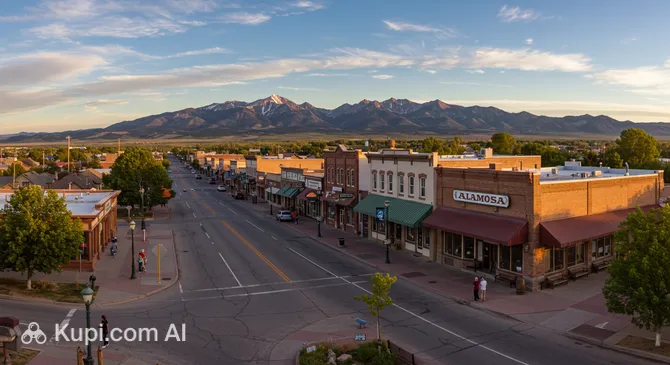
Welcome to Alamosa, a charming city nestled in the heart of the majestic San Luis Valley in Colorado. As a vital hub for the region, this friendly community offers a perfect blend of small-town hospitality and access to some of the most dramatic landscapes in the United States. With a population of approximately 9,700 residents, it provides a cozy yet vibrant atmosphere for travelers seeking outdoor adventures and authentic local experiences.

Alamosa. Source: Kupi.Binoculars

Geographically, the city sits at a high elevation of over 7,500 feet, surrounded by the stunning peaks of the Sangre de Cristo Mountains. The climate here is characterized by abundant sunshine and cool, crisp nights, typical of the high desert environment. The history of Alamosa is deeply intertwined with the expansion of the railroad in the late 19th century, which established the town as a crucial center for trade and transportation in the valley.

Visitors are often drawn here to explore the surreal landscape of the Great Sand Dunes National Park and Preserve, located just a short drive away. These towering dunes, set against a backdrop of snow-capped mountains, create a truly unique natural spectacle. Nature lovers will also appreciate the Alamosa National Wildlife Refuge, a haven for migratory birds and local wildlife located along the banks of the Rio Grande, which flows gracefully through the town.

Whether you are planning to hike the dunes, spot wildlife, or simply enjoy the relaxed pace of life in the valley, Alamosa serves as an excellent basecamp for exploration. We invite you to discover the hidden gems of this scenic region and experience the enduring spirit of the American West.

Weather Overview

Alamosa experiences a high-desert climate characterized by abundant sunshine, low humidity, and distinct seasonal changes. Due to its high elevation, the city often sees significant temperature fluctuations between day and night. Winters are typically cold and dry, with January average temperatures hovering around -5.0°C and nightly lows frequently dropping to -12.9°C. Travelers visiting during this time should bundle up, as December and January are the coldest months.

Spring brings a gradual warming trend, though nights remain crisp. By May, average daytime highs reach a comfortable 20.7°C. Summer is generally the most popular time to visit, offering warm and pleasant conditions. July is the warmest month, with average highs of 28.6°C, perfect for exploring the nearby dunes. For those interested in specific forecasts or historical data, the weather in Alamosa page provides a detailed breakdown of what to expect throughout the year.

Precipitation is generally light year-round, but the frequency of precipitation events increases slightly during the summer months. While April and October are among the driest times with only about 4 wet days each, July sees a peak with approximately 11 wet days. Overall, you can expect warm summers with occasional rain and cold, dry winters, so packing layers is essential to stay comfortable regardless of the season.

Interesting Facts

Beyond the main attractions and scenic vistas, Alamosa holds a collection of fascinating secrets and unique distinctions that surprise many visitors. From unexplained phenomena to unexpected wildlife, this high-desert city offers much more than meets the eye.

  • A Hotspot for the Unexplained: The San Luis Valley is legendary among ufologists as one of the world's most active regions for UFO sightings. Just north of the city lies the unique UFO Watchtower, a dedicated observation platform and campground built specifically for scanning the dark desert skies for aerial anomalies.

  • Alligators in the High Desert: It seems impossible, but the area is home to the Colorado Gators Reptile Park. Thanks to natural geothermal wells that keep the water at a tropical 87°F (30°C), this sanctuary sustains rescued alligators, tortoises, and other reptiles year-round, despite the valley's freezing winter temperatures.

  • The "Icebox" Reputation: Alamosa is frequently cited as one of the coldest spots in the contiguous United States. Its location in a high-altitude bowl traps cold air, creating temperature inversions that often result in record-breaking lows, sometimes colder than cities near the Canadian border.

  • Named After Nature: The city's name is of Spanish origin, translating to "of cottonwood" or "cottonwood grove." It was named in honor of the massive cottonwood trees that line the banks of the Rio Grande, which winds gracefully through the heart of the community.

How to Get There

Reaching the San Luis Valley requires a bit of planning due to its high-altitude location, but the journey offers scenic drives through some of Colorado's most beautiful landscapes. For travelers looking for detailed routes and options, you can find more about how to get to Alamosa to help organize your trip effectively.

For the most convenient arrival, visitors can fly directly into the San Luis Valley Regional Airport (ALS), which is located just a few miles from downtown. This local airport typically offers commercial connections from major hubs like Denver, making it the fastest way to reach the city without an extended drive.

Alternatively, many travelers opt for larger regional airports to access a wider range of flight schedules. Colorado Springs Airport (COS) is a significant hub situated approximately 180 km away in a straight line. The drive from Colorado Springs to Alamosa takes approximately 3 hours, offering stunning views along the way. Another option is the Gunnison Airport (GUC), located roughly 150 km away. It is important to note that the distances provided below are measured in a straight line; actual driving distances will be longer due to the winding mountain roads.

For clarity, here is a summary of the main airports in the region that serve as gateways to the area:

Airport Name City Passenger Traffic Km from City
Colorado Springs Airport Colorado Springs High 180.3
Durango-La Plata County Airport Durango Medium 170.7
Santa Fe Santa Fe Medium 206.5
Gunnison Airport Gunnison Low 150.6
Telluride Regional Telluride Low 187.6

Main Attractions

Alamosa serves as the gateway to some of Colorado's most diverse and visually stunning landscapes. From towering sand dunes to hidden waterfalls and cultural sites, the city and its surroundings offer memorable experiences for adventurers and history enthusiasts alike. Here are some of the top places to explore during your visit.

Great Sand Dunes National Park and Preserve is undoubtedly the region's most famous draw. Home to the tallest sand dunes in North America, this park presents a surreal sight where massive golden sands rise against the backdrop of the rugged Sangre de Cristo Mountains. It is a playground for outdoor lovers, offering unique activities such as sandboarding and sledding down the steep slopes. In late spring and early summer, the seasonal Medano Creek flows at the base of the dunes, creating a popular "beach" experience in the high desert.

For a refreshing escape into nature, Zapata Falls is a must-see destination located just a short drive from the dunes. Reaching the waterfall involves a modest hike that offers breathtaking panoramic views of the entire San Luis Valley along the way. The falls themselves are tucked inside a rocky crevasse, requiring a bit of maneuvering to see the cascading water, which makes the discovery feel like a true adventure. In winter, the falls often freeze into a magnificent column of blue ice.

History buffs will appreciate a visit to the San Luis Valley Museum in downtown Alamosa. This facility provides a deep dive into the area's rich past, featuring exhibits on Native American culture, early Spanish settlers, and the diverse agricultural history of the valley. It is an excellent place to gain context about the region's development and the railroad expansion that helped put the city on the map.

Wildlife enthusiasts should not miss the Alamosa National Wildlife Refuge. Situated along the banks of the Rio Grande, this protected area is a haven for migratory birds and local fauna. It is particularly famous for the thousands of Sandhill Cranes that migrate through the valley in spring and autumn, creating a spectacular auditory and visual display. The refuge offers quiet walking trails and observation decks perfect for photography and peaceful contemplation.

Local Cuisine

The culinary landscape of Alamosa is a delicious reflection of its location in the San Luis Valley, where Southern Colorado meets Northern New Mexico. The local cuisine is heavily defined by authentic Hispanic flavors and the region's rich agricultural heritage. Visitors will find a food scene that is hearty, unpretentious, and deeply satisfying, perfect for refueling after a day of exploring the sand dunes or hiking in the mountains.

The undisputed star of the local menu is Green Chile. This savory, spicy stew is a staple in the region, often served in a bowl with tortillas or used to "smother" almost anything, from burritos and enchiladas to hamburgers and fries. Another must-try ingredient is the San Luis Valley potato. As one of the largest potato-producing regions in the country, local restaurants take pride in serving fresh, locally grown spuds in various forms, from crispy hash browns at breakfast to baked potatoes loaded with toppings for dinner.

When it comes to beverages, the valley has a strong connection to brewing. The high-altitude climate produces some of the finest barley in the world, much of which supplies major breweries. Consequently, the local craft beer scene is thriving, with downtown brewpubs offering distinctive ales and lagers made from local grains. For a non-alcoholic option, traditional Mexican drinks like horchata—a sweet, cinnamon-spiced rice milk—are widely available and pair perfectly with the spicy local fare.

The dining culture in Alamosa is relaxed and welcoming, centered mainly around the downtown area along Main Street. You won't find many pretentious fine-dining establishments here; instead, the city excels at family-run diners, taquerias, and casual steakhouses. It is a place where farmers, locals, and tourists sit side-by-side, enjoying generous portions of comfort food in a friendly atmosphere.

Travel Tips

To ensure your journey to Alamosa is as seamless and enjoyable as the breathtaking vistas of the San Luis Valley, a little preparation goes a long way. These practical tips are designed to help you navigate the unique high-desert environment and local culture, allowing you to focus on creating unforgettable memories in this ruggedly beautiful corner of Colorado.

  1. Clothing and Gear: The key to comfort in Alamosa is layering. Due to the high altitude (over 7,500 feet), temperatures can swing dramatically between day and night, even in summer. Bring a warm jacket for the evenings and breathable clothing for daytime hikes. Essential accessories include high-SPF sunscreen, sunglasses, and a wide-brimmed hat, as the sun is much stronger here than at sea level. If you plan to hike the Great Sand Dunes, closed-toe shoes or hiking boots are recommended to protect your feet from hot sand.

  2. Transportation: The most effective way to explore Alamosa and the surrounding attractions is by renting a car. While the city is walkable in the downtown area, major sites like the Great Sand Dunes, Zapata Falls, and wildlife refuges are spread out and not serviced by a comprehensive public transit system. Rideshare services can be sporadic, so having your own vehicle gives you the freedom to travel at your own pace.

  3. Finances: The local currency is the United States Dollar (USD). Credit and debit cards are widely accepted at hotels, restaurants, and larger shops. However, it is wise to carry some cash for small purchases at local markets, tipping, or for entry fees at smaller attractions that might not have card readers. ATMs are readily available throughout the city. Tipping 15-20% at restaurants is the standard custom.

  4. Health and Safety: Altitude sickness can affect visitors unaccustomed to the elevation; stay hydrated by drinking plenty of water and limit alcohol consumption during your first few days. Pharmacies are available in town, though they may not operate 24/7, so bring any essential prescription medications with you. In case of emergencies, the San Luis Valley Health Regional Medical Center provides comprehensive care.

  5. Communication: English is the primary language spoken, though you will frequently hear Spanish due to the region's rich Hispanic heritage. Major mobile networks generally provide good coverage within the city limits, but be prepared for spotty reception when venturing into remote areas or canyons. Free Wi-Fi is standard in most hotels and coffee shops.

  6. Local Etiquette: People in Alamosa are known for their small-town friendliness. A simple smile or greeting to passersby is common and appreciated. When exploring nature, strictly adhere to "Leave No Trace" principles—respect wildlife, dispose of trash properly, and stay on designated trails to protect the fragile high-desert ecosystem.

  7. What to Avoid: Avoid underestimating the weather conditions. Afternoon thunderstorms are common in the summer and can be dangerous, especially on the dunes or exposed peaks. Do not attempt to hike or drive through flash flood areas during rain. Also, avoid interacting with wildlife, such as deer or bears; observe them from a safe distance.

  8. Additional Tip: If you plan to visit the Great Sand Dunes, try to go early in the morning or late in the afternoon. Not only will you avoid the midday heat, which can make the sand scorching hot, but you will also witness the dunes casting dramatic shadows that are perfect for photography.

By keeping these practicalities in mind, you will be well-equipped to embrace the spirit of adventure that defines Alamosa. Whether you are sandboarding down golden slopes or stargazing under a crystal-clear sky, this welcoming city offers a safe and spectacular base for your Colorado expedition.

Entertainment & Nightlife

Entertainment in Alamosa reflects the city's laid-back, small-town character. You will not find sprawling nightclubs or neon-lit districts here; instead, the nightlife is centered around cozy breweries, friendly taverns, and a welcoming community atmosphere. The main hub for evening activity is downtown Alamosa, particularly along Main Street and San Juan Avenue. Here, locals and visitors mingle in a relaxed setting that feels more like a gathering of friends than a high-energy party scene.

For those looking to enjoy a drink and socialize, the San Luis Valley Brewing Company is a cornerstone of the local scene. It offers a lively environment where you can enjoy handcrafted beers and often catch some local conversation. Another excellent spot is Square Peg Brewerks, known for its rotating selection of craft brews and industrial-cool vibe. If you prefer a classic bar setting, Weekends Tavern provides a traditional pub experience with pool tables and a down-to-earth crowd. These venues typically do not have a strict dress code; casual attire, such as jeans and a flannel shirt, fits right in with the local style.

Timing is important when planning a night out in Alamosa. Unlike major metropolitan areas, venues here tend to close relatively early. Bars and breweries may shut their doors by 10:00 PM or 11:00 PM on weeknights, extending perhaps to midnight on Fridays and Saturdays. Prices are generally very affordable compared to larger cities, making it easy to enjoy a night out without breaking the bank. It is best to head out shortly after dinner to make the most of the evening.

Regarding safety and transportation, downtown Alamosa is generally very safe for walking at night, with well-lit streets in the main commercial blocks. However, once you venture away from Main Street, street lighting can be sparse. Public transportation does not run late, and rideshare services like Uber or Lyft can be unreliable or non-existent in this rural area. Local taxi services are limited, so it is highly recommended to have a designated driver or arrange your transportation in advance if you plan to drink.

During the day, entertainment options shift towards cultural and recreational activities. While there are no large amusement parks, the city offers charming diversions such as the Luther Bean Museum located on the Adams State University campus. For movie lovers, the city has a cinema, and during the warmer months, the nostalgic experience of a drive-in movie is often available nearby. The university also frequently hosts theater productions and musical performances, adding a touch of the arts to this quiet high-desert community.

Parks & Museums

While Alamosa is famous for the vast landscapes that surround it, the city itself cultivates a welcoming atmosphere through its accessible green spaces and dedicated cultural venues. Visitors will find that the local parks serve as community living rooms, while the university-driven art scene and historical collections offer a thoughtful look into the heritage and creativity of the San Luis Valley.

Cole Park is the crown jewel of the city's recreational areas, conveniently located along the banks of the Rio Grande. It serves as the primary gathering spot for locals and visitors alike, hosting popular events like the "SummerFest on the Rio." The park features extensive walking loops, mature cottonwood trees that provide much-needed shade in the summer, and playgrounds for children. It is an ideal location for a picnic with a view of the river, offering a peaceful respite just steps away from the downtown shopping district.

For a unique blend of nature and community spirit, the Rio Grande Farm Park offers a refreshing experience. This 38-acre plot is not your typical city park; it is a working community farm dedicated to sustainable agriculture and land stewardship. Tourists can walk the nature trails that wind through the property, observe regenerative farming practices in action, and enjoy the serene environment. It is a fantastic place to see how the local community connects with the land, and it often hosts farmers' markets and educational workshops.

North of the city center lies Blanca Vista Park, a favorite among joggers, dog walkers, and photographers. As the name suggests, this open space offers spectacular, unobstructed views of Mount Blanca, one of Colorado's highest peaks. The park features a network of trails that meander through wetlands and open fields, making it a prime spot for birdwatching and spotting local wildlife such as deer and foxes, particularly during the quiet hours of sunrise and sunset.

On the cultural front, the Luther Bean Museum, located on the campus of Adams State University, stands out as a guardian of regional art and history. The museum’s collections are diverse, ranging from Native American pottery and woven rugs to European furniture and bronze sculptures. It provides a sophisticated look at the artistic traditions that have influenced the area. The building itself, with its beautiful architecture and inviting atmosphere, makes for a pleasant afternoon visit for art lovers.

Also within the university grounds, the Cloyde Snook Gallery serves as the contemporary artistic hub of Alamosa. This gallery regularly rotates exhibits featuring works by national and international artists, as well as talented faculty and students. It is the best place in the city to see modern visual arts, ceramics, and photography. For travelers interested in the current cultural pulse of the region, checking the gallery's schedule for opening receptions is highly recommended.

For a truly local experience, take a stroll along the Rio Grande Levee System trails. These paths offer a different perspective of the city and the river, especially beautiful in the autumn when the cottonwoods turn gold. It is a quiet, uncrowded route where you can often see great blue herons fishing in the shallows, providing a moment of solitude within the city limits.

Getting Around

Public transport in Alamosa is quite limited compared to larger metropolitan areas, reflecting its nature as a small, rural community in the San Luis Valley. Visitors should not expect to find a metro system, trams, or a comprehensive city bus network. The city is primarily designed for automobile travel, and most residents rely on personal vehicles to get around. However, for those without a car, there are a few specific options to navigate the immediate area and connect to the surrounding region.

The most prominent public transit service available is the Bustang Outrider, operated by the Colorado Department of Transportation. This regional bus service provides a vital link between the city and Pueblo to the north. From Pueblo, travelers can easily transfer to other services to reach major hubs along the Front Range, including Colorado Springs and Denver. While this is excellent for arriving in or departing from the San Luis Valley, it is not designed for local sightseeing within the city limits. Tickets for the Bustang Outrider can be purchased online, via a mobile app, or with exact cash from the driver.

For transportation within the city itself, travelers often rely on local taxi services. Rideshare apps like Uber and Lyft operate in the area, but availability can be sporadic and unreliable, especially late at night or early in the morning. It is highly advisable to have the number of a local taxi company handy. Payment for these services is typically in cash, though some drivers may accept cards; always confirm the payment method before starting your journey.

Given the limited public transit options, the most practical advice for tourists is to rent a car. This is virtually essential if you plan to visit major attractions such as the Great Sand Dunes or Zapata Falls, which are located miles outside the city proper and are not served by any public bus routes. Several car rental agencies operate near the regional airport and in the downtown area, offering a range of vehicles suitable for the valley's roads.

For those staying strictly within the downtown area, walking is a viable and pleasant alternative. The city center is laid out on a grid system and is relatively flat, making it easy to navigate on foot. Many shops, restaurants, and the university are within walking distance of each other. Additionally, the flat terrain makes cycling a popular option during the warmer months, offering a leisurely way to explore the local streets and the trails along the river.

Accommodation

Finding the right place to stay in Alamosa is generally straightforward, as the city is well-equipped to host the steady stream of outdoor enthusiasts and road trippers passing through the San Luis Valley. The accommodation landscape is practical and comfortable, dominated primarily by mid-range chain hotels and classic American motels. You will not find sprawling luxury resorts or high-rise five-star properties here; instead, the focus is on providing reliable, clean, and convenient lodging for travelers seeking a good night's rest after a day of hiking or driving.

For those who prefer a more rustic experience, the area is also home to several well-maintained RV parks and campgrounds. These are particularly popular given the region's focus on nature and the proximity to the Great Sand Dunes. Travelers looking for a homier touch can find a limited selection of bed and breakfasts or vacation rentals, though standard hotels remain the most abundant option.

When choosing a location, most visitors gravitate towards one of two main areas. The Highway 160 corridor (Main Street) on the west side of town is the primary hub for modern hotels. Staying here offers the convenience of easy highway access, ample parking, and proximity to fast-casual dining and supermarkets. Alternatively, staying closer to Downtown Alamosa places you within walking distance of the city's local breweries, independent restaurants, and the historic train depot, offering a more charming and walkable experience.

Booking Tip: While Alamosa has a good number of rooms, it is the main gateway to the Great Sand Dunes National Park and Preserve. During the peak summer season (June through August) and the sandhill crane migration seasons (spring and fall), occupancy rates can soar. It is highly advisable to book your accommodation at least a few weeks in advance during these times to ensure availability and secure the best rates.

In terms of cost, Alamosa is generally more affordable than Colorado's famous ski resort towns. Prices typically fall into the budget to mid-range category. Most properties can be easily booked through major online travel platforms, though during the off-season, you may find competitive rates by booking directly. Whether you choose a familiar brand-name hotel or a locally-owned motel, you will find the hospitality warm and the location perfectly suited for exploring the valley.

Nearby Cities

For those looking to explore the surroundings, Alamosa serves as an excellent base for day trips to several interesting nearby locations:

Pueblo is one of the most culturally rich cities in the region, located to the northeast of Alamosa. Often referred to as the "Steel City" due to its industrial history, it offers visitors the beautiful Historic Arkansas Riverwalk, a 32-acre urban waterfront experience featuring boat rides, public art, and dining. The city is also famous for its unique cuisine, particularly the Slopper (a burger smothered in green chile), and its vibrant creative district.

Further north lies Colorado Springs, a major destination known for its stunning natural formations and outdoor activities. It sits at the foot of Pikes Peak, one of America's most famous mountains. A must-visit attraction here is the Garden of the Gods, a public park filled with dramatic red sandstone rock formations that are perfect for hiking and photography. The city is also home to the United States Olympic & Paralympic Museum, offering an inspiring look at athletic history.

City Population Distance (km)
Colorado Springs 628808 177
Pueblo 142727 142
University 65643 158
Security-Widefield 40158 175
Pueblo West 32991 138

These nearby destinations offer a glimpse into the diverse culture and landscapes of the region.

Shopping & Souvenirs

Shopping in Alamosa offers a relaxed and authentic experience that mirrors the city's friendly, small-town atmosphere. While it is not a destination for high-end luxury fashion or sprawling mega-malls, it serves as the commercial hub for the San Luis Valley. Visitors can expect to find a practical mix of stores ranging from essential outdoor outfitters and Western wear specialists to charming local boutiques and antique shops. It is the perfect place to pick up gear for a hike at the dunes or to hunt for unique, locally made treasures that reflect the spirit of the American Southwest.

The heart of the local shopping scene is Downtown Alamosa, particularly along Main Street and San Juan Avenue. This walkable district is lined with historic buildings that house independent businesses. Here, you can browse through eclectic antique stores, visit cozy bookstores, or stop by local florists and gift shops. The pace is unhurried, allowing for friendly conversations with shop owners who are often happy to share stories about the area's history and culture.

For those looking for more conventional shopping experiences, the city does not have large regional shopping centers. The Villa Mall is a small indoor shopping venue located near the university, offering a modest selection of services and retail options. For general necessities, groceries, and national brands, the commercial corridor along West Main Street (Highway 160) features several strip malls and big-box retailers. This is the go-to area for travelers needing to restock supplies, buy camping equipment, or purchase everyday items before heading out into the wilderness.

One of the highlights for visitors is the Alamosa Farmers Market, which typically operates on Saturdays from July through October. Located in downtown Alamosa, this vibrant open-air market is a showcase of the valley's rich agricultural heritage. It is the best place to find fresh, locally grown produce—including the famous San Luis Valley potatoes—as well as homemade jams, baked goods, and handcrafted items from local artisans. The market often features live music, making it a lively community gathering spot.

When searching for the perfect souvenir, consider items that capture the unique character of the region. Southwestern jewelry featuring turquoise and silver is a popular choice, reflecting the area's cultural blend. Art lovers can find beautiful pottery, paintings, and photography depicting the local landscapes in downtown galleries. Additionally, given the proximity to the Great Sand Dunes and the UFO Watchtower, you can often find quirky alien-themed merchandise or high-quality park memorabilia that serves as a fun memento of your trip.

Store opening hours in Alamosa generally follow standard American business practices. Independent shops in the downtown area are typically open from 10:00 AM to 6:00 PM, Monday through Saturday, with many closing or operating on reduced hours on Sundays. Larger chain stores and supermarkets on the west side of town often stay open later, sometimes until 9:00 PM or 10:00 PM. Credit and debit cards are almost universally accepted, though carrying a small amount of cash is recommended for the farmers market or smaller vendors.

Visitors should be aware that sales tax in the United States is added at the register and is not included in the price tag displayed on the shelf. In Alamosa, the total sales tax is a combination of state, county, and city taxes. Unlike in some other countries, there is generally no tax-refund system available for international tourists for standard retail purchases, so the price you pay at the counter is final.
Reached the end of the page?

That means the route is fully explored