Support

Denver

About

Welcome to Denver, the vibrant capital of Colorado and a city where urban sophistication meets outdoor adventure. Known affectionately as the "Mile High City" because its elevation is exactly one mile above sea level, Denver offers a unique blend of cosmopolitan culture and breathtaking natural beauty. As a major gateway to the Rocky Mountains, it serves as a perfect starting point for exploring the diverse landscapes of the United States.

Geographically, the city sits in the South Platte River Valley on the western edge of the High Plains, just east of the Front Range of the Rocky Mountains. This stunning location provides a dramatic backdrop to the city skyline. With a metropolitan population of over 2.6 million, Denver is a bustling hub that enjoys a semi-arid climate, boasting approximately 300 days of sunshine a year. This sunny disposition makes it an ideal destination for year-round travel.
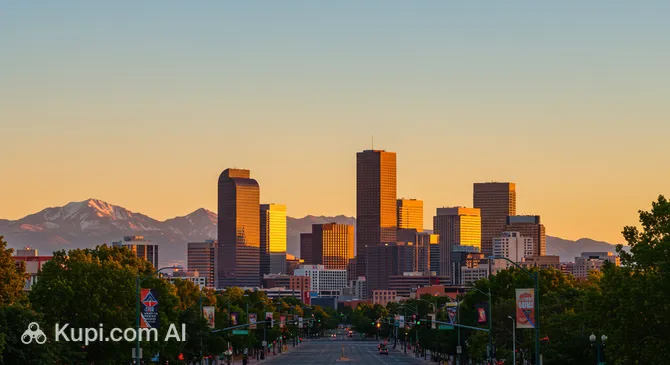
Denver. Source: Kupi.Binoculars

The city's roots run deep into the era of the Gold Rush. You can explore the fascinating history of Denver by visiting its historic districts, where Victorian-era buildings stand alongside modern skyscrapers. From its humble beginnings as a mining camp, it has evolved into a thriving cultural center known for its thriving arts scene, craft breweries, and music venues.

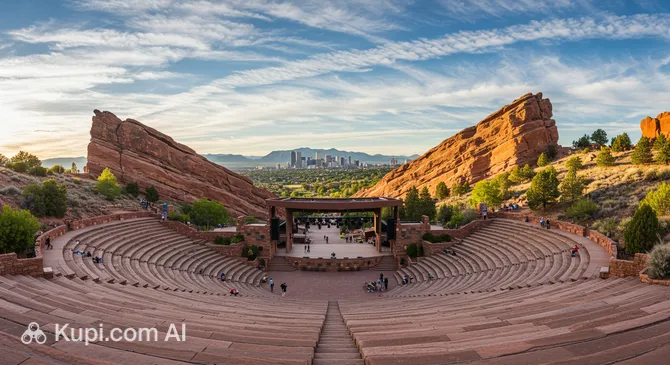
Visitors are spoiled for choice when it comes to attractions. The iconic Red Rocks Park and Amphitheatre is a must-see, offering a naturally formed, world-famous concert venue surrounded by giant red sandstone monoliths. For art lovers, the Denver Art Museum showcases an impressive collection of indigenous and modern art. Meanwhile, the historic Union Station serves as both a transit hub and a lively gathering place filled with restaurants and shops.

Whether you are here to hike the nearby trails, explore world-class museums, or simply enjoy the laid-back atmosphere of a local brewery, Denver promises an unforgettable experience. We invite you to discover the charm and energy of this spectacular high-altitude city.
Weather Overview

Denver experiences a semi-arid climate with four distinct seasons, offering a mix of sunny skies and seasonal variety. To help plan your trip, checking the detailed forecast for the weather in Denver is highly recommended before you pack.

Summers are generally warm and inviting, with July being the hottest month, featuring average temperatures of 22.8°C and highs reaching up to 30.5°C. While the city is known for its sunshine, the late spring period brings the most frequency of rain; May is typically the dampest month with roughly 14 wet days and mild temperatures averaging 13.2°C.

In contrast, winters can be quite cold, although often dry. January and February see average temperatures dip to around -1.5°C, with lows occasionally plunging to -9.0°C. Despite the freezing temperatures, precipitation volume remains relatively low during these months, often resulting in crisp, clear winter days.

Interesting Facts

Beyond the famous mountain vistas and vibrant streets, Denver holds a treasure trove of fascinating secrets waiting to be uncovered. From unique historical quirks to surprising urban legends, these details reveal the true character of the Mile High City.
  • Denver holds a singular place in sports history as the only city to ever officially decline hosting the Winter Olympics. After being awarded the 1976 Games, local voters rejected the opportunity due to concerns over the financial and environmental impact.

  • While the State Capitol is famous for its mile-high step, Coors Field also celebrates the city's unique elevation. A specific row of purple seats stands out against the stadium's green seating, marking exactly one mile (5,280 feet) above sea level.

  • Music legends and audiophiles alike revere Red Rocks Park and Amphitheatre, which is renowned as the only naturally occurring, acoustically perfect amphitheater in the world, formed by ancient sandstone monoliths.

  • The city has a savory claim to culinary fame: the trademark for the name "cheeseburger" was awarded to Louis Ballast of the local Humpty Dumpty Drive-In in 1935, marking Denver as a birthplace of this American classic.

  • The "Unsinkable" Margaret Brown, a famous survivor of the Titanic, called this city home. Her legacy as a philanthropist and activist is preserved at the Molly Brown House Museum, a Victorian-era landmark that survived urban renewal efforts in the 1970s.

Red Rocks Park and Amphitheatre. Source: Kupi.Binoculars

How to Get There

Reaching the Mile High City is convenient due to its central location in the United States and its status as a major transportation hub. Whether you are arriving for a mountain adventure or a city break, you can easily find all ways to reach the city to suit your travel plans. The region is well-served by air, making it accessible from virtually anywhere in the world.

The primary entry point for most visitors is Denver International Airport (IATA: DEN), one of the busiest aviation hubs in the world. Located approximately 30 km from the downtown area, this large international airport offers extensive connections. Travel time to the city center by taxi or shuttle is generally around 35 to 45 minutes, depending on traffic conditions. The airport is well-connected to the city, including a direct rail line to Union Station.

Another option, particularly for those planning to explore the southern Front Range, is Colorado Springs Airport (IATA: COS) in the city of Colorado Springs. It is situated about 106 km from Denver. While it handles significantly less traffic than Denver's main hub, it provides a more relaxed arrival experience. The drive from Colorado Springs to Denver typically takes about 1.5 hours by car or taxi.

For clarity, here is a summary of the main airports:

Airport Name City Passenger Traffic Km from City
Denver International Airport Denver Large 30.2
Colorado Springs Airport Colorado Springs Medium 106.6
Aspen Airport Aspen Small 171.5
Eagle County Airport Vail Small 165.7
Cheyenne Cheyenne Small 158.0

Main Attractions

Denver offers a diverse array of sights that blend cultural depth with outdoor beauty, making it a captivating destination for travelers of all interests. From world-class museums to expansive green spaces, the city's top spots provide a perfect introduction to the unique character of the Mile High City.

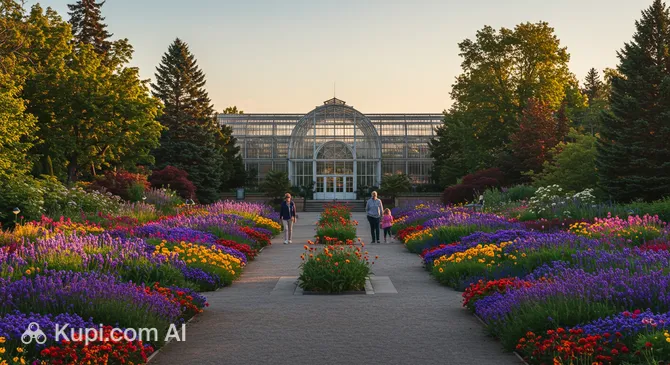
One of the most serene and beautiful locations in the city is the Denver Botanic Gardens. Located in the Cheesman Park neighborhood, this 24-acre oasis features a wide variety of themed gardens, including a traditional Japanese garden and an internationally renowned rock alpine garden. It is interesting to tourists not only for its stunning plant collections but also for its sunken amphitheater, which hosts summer concerts surrounded by blooming flora.

Denver Botanic Gardens. Source: Kupi.Binoculars

For art enthusiasts, the Denver Art Museum is an essential stop. Known for its bold, modern architecture designed by Daniel Libeskind, the museum houses one of the largest collections of Indigenous arts from North America in the world. Visitors are drawn here to explore its vast exhibits that span centuries and continents, offering a deep dive into both historical and contemporary artistic expression.

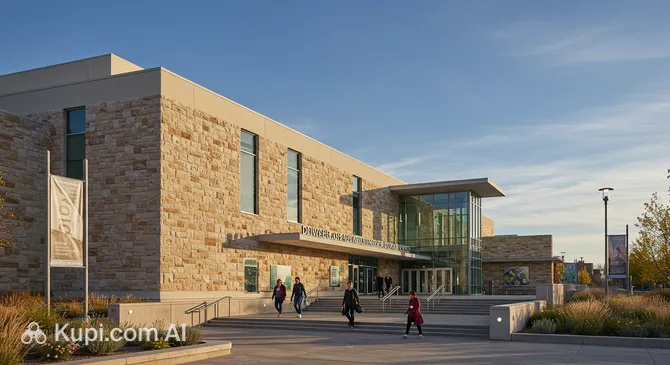
Science and history buffs will find endless fascination at the Denver Museum of Nature & Science. Situated in City Park, this premier institution features impressive dinosaur skeletons, a planetarium, and an exhibition on space exploration. It is a favorite among tourists for its interactive displays and the panoramic views of the city and mountains available from its sky terrace.

Denver Museum of Nature & Science. Source: Kupi.Binoculars

Another highlight within City Park is the Denver Zoo, a leader in animal care and conservation. Home to thousands of animals, the zoo is designed with naturalistic habitats, such as the Toyota Elephant Passage and Predator Ridge. It attracts visitors who want to see majestic wildlife up close while learning about global efforts to protect endangered species.

Local Cuisine

Denver's dining scene has evolved from its cowboy roots into a sophisticated culinary destination that emphasizes locally sourced ingredients and bold flavors. The city is often referred to as the "Napa Valley of Beer," but its food culture is equally impressive, offering everything from high-end wild game to bustling urban food halls. The focus here is often on "farm-to-table" dining, utilizing the fresh produce and meats raised on the nearby plains.

One of the most iconic dishes you must try is Green Chili (or Chile Verde). Unlike its New Mexican cousin, the Denver version is a thick, gravy-like sauce often made with pork, tomatoes, and spicy chilies. It is typically served smothering a burrito or simply in a bowl with warm tortillas. For the adventurous eater, Rocky Mountain Oysters are a legendary local novelty; despite the name, these are actually deep-fried bull testicles, usually served with a side of cocktail sauce. Additionally, lean and flavorful bison is a staple on many menus, appearing in everything from burgers to fine steaks.

Denver Central Market. Source: Kupi.Binoculars

When it comes to drinks, the city is a heavyweight in the craft brewing world. It hosts the Great American Beer Festival and is home to countless microbreweries that experiment with unique ingredients. You can sample innovative local brews at places like New Terrain Brewing, where the atmosphere is as inviting as the beer list. If you prefer spirits, the local distillery scene is also booming, producing high-quality whiskeys and vodkas that reflect the character of the West.

The way locals dine is increasingly centered around social, communal spaces. Food halls have become a defining feature of the city's gastronomic landscape. The Denver Central Market in the RiNo Art District is a prime example, offering a gourmet food hall experience with vendors selling fresh bread, cured meats, and artisanal chocolates. Similarly, the Stanley Marketplace, housed in a former aviation factory, brings together a mix of local restaurants and boutiques, making it a favorite spot for both eating and shopping.

For those seeking a more formal dining experience, the city surprises with its access to fresh seafood despite being landlocked. Sushi Den is widely regarded as one of the premier sushi spots in the region, famous for flying in fresh fish from Japan daily. Whether you are grabbing a quick bite from a food truck or sitting down for a multi-course meal, Denver's food scene is sure to satisfy your appetite.

Travel Tips

To ensure your visit to the Mile High City is as smooth as it is memorable, we have compiled a list of essential practical advice. These tips will help you navigate the unique high-altitude environment and local customs of Denver with ease.

  1. Clothing and Gear: The most important rule for packing is layers. The weather here can change rapidly, swinging from warm sunshine to chilly breezes in a matter of hours. Even in summer, evenings can be cool. Due to the high elevation, the sun is significantly stronger than at sea level, so bring high-quality sunglasses, a hat, and sunscreen. Comfortable walking shoes are a must for exploring the city streets and nearby trails.

  2. Transportation: The city has an efficient public transport system operated by RTD, which includes buses and light rail lines. The "A Line" train is a convenient and affordable way to travel between Denver International Airport and Union Station downtown. While the city center is walkable and ride-sharing apps like Uber and Lyft are widely available, you will likely need to rent a car if you plan to venture into the Rocky Mountains or visit attractions outside the metro area.

  3. Finances: The local currency is the US Dollar (USD). Credit and debit cards are accepted almost everywhere, from museums to food trucks, so you rarely need to carry large amounts of cash. ATMs are plentiful throughout the city. Tipping is a strong cultural norm; it is standard to leave 18-20% of the bill in restaurants and bars, and a few dollars for taxi drivers and hotel staff.

  4. Health and Safety: Denver is located one mile above sea level, which can cause altitude sickness for some visitors. To prevent this, drink twice as much water as you normally would and limit physical exertion for the first day. Pharmacies like Walgreens and CVS are easy to find for basic medical needs. The city is generally safe, but as with any major urban area, stay aware of your surroundings, particularly downtown at night.

  5. Communication: English is the primary language spoken. Free Wi-Fi is widely available in hotels, coffee shops, and public spaces like Union Station. If you need a local SIM card, you can purchase prepaid plans at major mobile carrier stores (AT&T, T-Mobile, Verizon) or at the airport upon arrival. Useful apps to download include the RTD MyRide app for transit tickets and Google Maps for navigation.

  6. Local Etiquette: The vibe in Denver is distinctly casual and laid-back. You will see jeans and flannel shirts even in nicer restaurants ("Colorado casual"). People are generally friendly and open; a smile and a greeting are common when entering shops or hiking on trails. Respect personal space and always wait for people to exit the train or elevator before entering.

  7. What to Avoid: Do not underestimate the effects of alcohol at high altitude; one drink here can feel like two or three at sea level, so pace yourself. Also, while cannabis is legal for recreational use in Colorado, public consumption is strictly illegal. Avoid smoking on sidewalks, in parks, or in public areas to prevent hefty fines.

  8. Additional Tip: Carry a reusable water bottle with you everywhere. The dry air dehydrates you quickly, and you will find water refill stations in many public buildings, the airport, and museums. Staying hydrated is the secret to keeping your energy up for exploring.

By keeping these practical tips in mind, you will be well-prepared to enjoy everything Denver has to offer, from its urban energy to its stunning natural backdrop. We hope you have a safe, comfortable, and fantastic trip!

Entertainment & Nightlife

Denver's nightlife scene mirrors the city's personality: approachable, energetic, and diverse. While the city is famous for its craft beer culture, the evening entertainment options extend far beyond the taproom. From historic saloons in the lower city to trendy lounges in converted warehouses, the Mile High City offers a vibrant atmosphere for night owls, music lovers, and socialites alike.

The epicenter of the action is undoubtedly LoDo (Lower Downtown). This historic district, particularly around Larimer Square and the blocks surrounding Union Station, is packed with bars, dance clubs, and rooftop patios. The vibe here is bustling and often crowded on weekends, attracting a mix of locals, tourists, and college students. Just a short distance away, the RiNo (River North) Art District offers a grittier, cooler alternative. Known for its colorful street art, RiNo is the place to find jazz bars, experimental cocktail lounges, and some of the city's best live music venues.

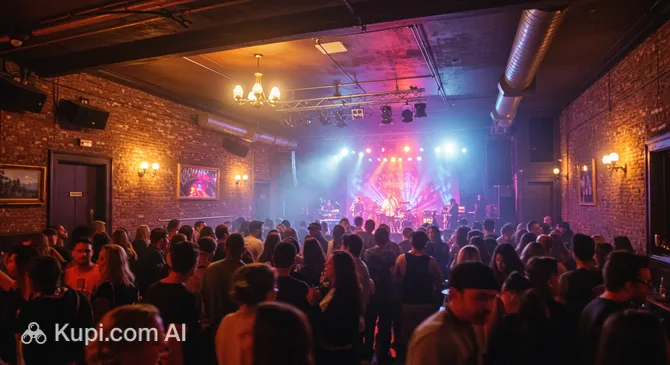
Music is the heartbeat of Denver's night. The city attracts top-tier talent and fosters a strong local scene. For a truly memorable concert experience, check out Cervantes' Masterpiece Ballroom & Cervantes' Other Side. Located in the Five Points neighborhood, this dual-venue spot is legendary for hosting everything from funk and bluegrass to hip-hop and electronic music, offering two distinct stages under one roof.

Cervantes' Masterpiece Ballroom & Cervantes' Other Side. Source: Kupi.Binoculars

If you prefer a more polished setting for drinks and conversation, the city has plenty of upscale options. Corinne Bar is a great choice for a sophisticated evening, offering a refined menu of cocktails and wines in a chic atmosphere. For those who want to combine a lively dinner with a night out, Blue Sushi Sake Grill in LoDo provides a vibrant setting with a modern aesthetic, perfect for starting your night before exploring the surrounding clubs.

Practical Nightlife Tips: Most bars and clubs in Denver close at 2:00 AM, which is the statewide "last call." The dress code is generally "Colorado Casual"—jeans and a nice shirt work almost anywhere, though some upscale clubs in LoDo may forbid athletic wear or baseball caps. Prices are reasonable compared to coastal US cities; expect to pay around $7-$12 for a beer and $12-$18 for a cocktail. Getting around is best done via rideshare apps like Uber or Lyft, especially late at night. While downtown is generally safe, it is wise to stay in well-lit areas and avoid walking alone on quiet side streets after midnight.

Beyond the nightlife, Denver offers excellent entertainment during the day. Families and thrill-seekers can find plenty to do before the sun goes down. The Downtown Aquarium is a major entertainment complex that features not only fascinating underwater exhibits but also a restaurant and lounge, making it a fun destination for all ages. Additionally, the city is home to various amusement parks and immersive experiences like the Museum of Illusions, ensuring that the fun continues from morning until late at night.

Downtown Aquarium. Source: Kupi.Binoculars

Parks & Museums

Denver seamlessly blends its rich pioneer history with an abundance of green spaces, offering visitors a chance to explore both cultural treasures and natural wonders within the city limits. From expansive wildlife refuges to intimate historic homes, the city's parks and museums provide a diverse itinerary for any traveler.

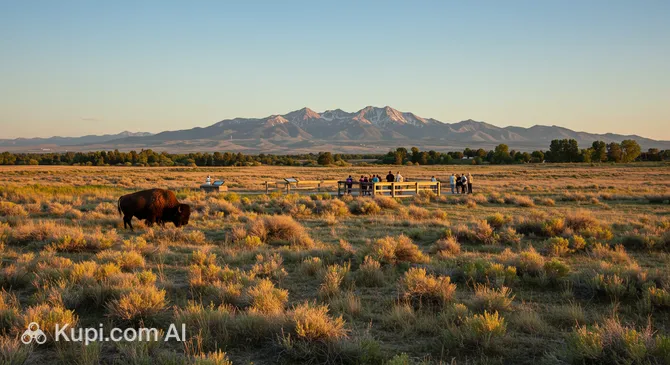
For a truly unique outdoor experience, the Rocky Mountain Arsenal National Wildlife Refuge is a must-visit. Located just outside the city center, this expansive sanctuary was transformed from a manufacturing site into a haven for wildlife. Visitors can drive the wildlife loop to spot herds of majestic bison, deer, and bald eagles against the backdrop of the city skyline. Closer to the urban core, Cherry Creek State Park serves as Denver's backyard playground. It is a favorite spot for locals and tourists alike, offering miles of biking trails, a reservoir for boating and fishing, and a spacious off-leash dog area.

Rocky Mountain Arsenal National Wildlife Refuge. Source: Kupi.Binoculars

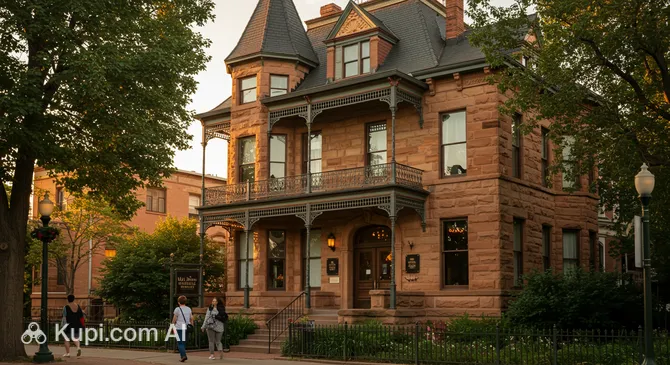
Delving into the city's past, the Molly Brown House Museum stands as a testament to the Victorian era. This beautifully restored home belonged to Margaret "Molly" Brown, the famous Titanic survivor and activist. Tours here offer a fascinating glimpse into her life and the early 20th-century history of Denver. Aviation enthusiasts will find their paradise at the Wings Over the Rockies Air & Space Museum. Housed in a 1930s hangar at the former Lowry Air Force Base, this museum displays dozens of historic aircraft and space vehicles, celebrating the region's deep connection to aerospace history.

Molly Brown House Museum. Source: Kupi.Binoculars

Beyond the main museums, the region is dotted with significant historical sites. A short drive west leads to Downtown Golden, the first capital of the Colorado Territory. Its historic main street, lined with 19th-century buildings and the famous "Welcome to Golden" arch, captures the spirit of the Old West. Within Denver itself, the City Park Pavilion is an architectural gem. Overlooking the lake in City Park, this ornate structure hosts events and offers a picturesque setting for a leisurely afternoon walk.

For those seeking something off the beaten path, the International Church of Cannabis offers a surprising visual treat. Despite its name, it is celebrated primarily as an art venue featuring a stunning technicolor interior mural and a mesmerizing laser light meditation show. Alternatively, nature lovers looking for a quiet escape should explore Lair o’ the Bear Park, a hidden gem in the foothills perfect for a peaceful hike along the creek.

Getting Around

The public transport system in Denver, operated by the Regional Transportation District (RTD), is efficient and user-friendly, making it easy for visitors to navigate the city without a car. The network primarily consists of a light rail and commuter rail system that connects the downtown area with the suburbs and the airport. These rail lines are complemented by an extensive bus network that covers routes not served by trains. For travel within the immediate downtown area, the Free MallRide is a convenient, complimentary shuttle service that runs along the 16th Street Mall corridor, connecting the two ends of the city center.

Paying for transit is straightforward and modernized. While you can purchase paper tickets at vending machines located at rail stations and major bus hubs, the most convenient option is to use the "RTD MyRide" mobile app to buy digital tickets instantly. Recently, the system has also implemented contactless payments, allowing you to simply tap a credit card or mobile wallet on the validators when boarding. Fares are typically divided into a standard local rate and an airport fare. For tourists, a day pass is often the most economical choice, offering unlimited rides on both buses and trains for a flat fee.

If you are using a physical ticket or smart card, it is essential to validate it before boarding the train by tapping it on the readers located on the platform; on buses, validation happens upon entry. Ticket inspections are random but occur regularly, so always keep your proof of payment accessible. Most transit services operate from approximately 5:00 AM until midnight. Frequency is high during rush hours but drops off late at night and on weekends, so it is advisable to check the schedule via the official app or Google Maps if you are traveling during off-peak hours.

A standout feature of the local transport landscape is historic Union Station. Serving as the central hub for both commuter rail and Amtrak trains, this beautifully renovated 1914 Beaux-Arts building is much more than a transit stop. It functions as a vibrant "living room" for the city, filled with restaurants, shops, and comfortable seating areas. It connects directly to the "A Line" train, which provides a reliable and scenic 37-minute link to the international airport.

For destinations not directly reachable by public transit, several alternatives are widely available. Ride-sharing services like Uber and Lyft are extremely popular and offer quick pickups throughout the metropolitan area. For short trips within the city center, electric scooters and e-bikes from companies like Lime and Lyft can be rented via smartphone apps, providing a fun way to zip between attractions. While the city is quite walkable, renting a car is generally recommended only if you plan to take day trips deep into the Rocky Mountains.

Accommodation

Finding the perfect place to stay in Denver is easy, as the city offers a wide spectrum of accommodation options to suit every preference and budget. Visitors can choose from economical hostels and reliable mid-range hotel chains to luxurious five-star resorts and stylish apartment rentals. Whether you prefer the historic charm of a boutique hotel or the modern amenities of a high-rise, the Mile High City has something to offer.

For most tourists, the most convenient area to base yourself is **Downtown Denver**, particularly the **LoDo (Lower Downtown)** district. Staying here places you within walking distance of Union Station, major sports stadiums, and a plethora of dining and nightlife options. If you prefer a more upscale shopping and dining environment, the **Cherry Creek** neighborhood is an excellent alternative, offering a sophisticated vibe just a short drive from the city center.

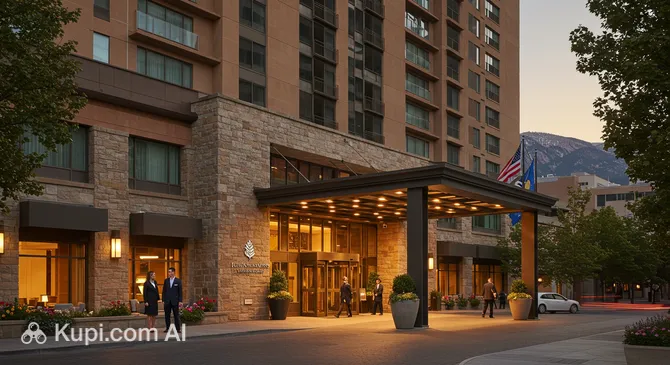
Travelers seeking a premium experience have several standout options. The Grand Hyatt Denver is a popular choice for its central location, making it easy to explore the city's landmarks. Alternatively, for those looking for top-tier luxury and exceptional service, the Four Seasons Hotel Denver provides an elegant retreat with stunning views of the skyline and the mountains beyond.

Four Seasons Hotel Denver. Source: Kupi.Binoculars

Regarding costs, prices in Denver generally range from moderate to high, depending on the season. Summer and the winter ski season are considered peak times, so it is highly recommended to **book your accommodation in advance** to secure the best rates and availability. Reservations can be easily made through major online booking platforms or directly with hotels.

Nearby Cities

For those looking to explore the surroundings, Denver serves as an excellent base for day trips to several interesting nearby locations:

Just a short drive northwest lies Boulder, a city renowned for its stunning natural backdrop, including the iconic Flatirons. It features a vibrant downtown area centered around the pedestrian-friendly Pearl Street Mall, which is lined with street performers, shops, and cafes. Nature lovers will appreciate the extensive hiking trails that start right at the edge of town.

To the south, Colorado Springs offers spectacular geological wonders such as the Garden of the Gods, a public park filled with towering red sandstone rock formations. Visitors can also explore Pikes Peak, one of the most famous summits in the American West, accessible by car or cog railway.

Closer to the metropolitan area, Golden provides a glimpse into the region's mining history. As the home of the Coors Brewery and the Colorado School of Mines, it blends industrial heritage with small-town charm, offering a picturesque walk along Clear Creek.

City Population Distance (km)
Aurora 383496 14
Lakewood 155608 9
Thornton 140538 14
Arvada 122903 11
Westminster 115535 12

These nearby destinations offer a glimpse into the diverse culture and landscapes of the region.

Shopping & Souvenirs

Shopping in Denver is a delightful reflection of the city's character, blending high-end fashion with rugged outdoor gear and authentic Western heritage. Whether you are looking for the latest trends, unique local crafts, or equipment for your next mountain adventure, the Mile High City offers a diverse retail landscape. From pedestrian-friendly outdoor malls to historic squares lined with boutiques, the shopping experience here is casual yet sophisticated.

The heart of downtown shopping is the famous 16th Street Mall, a mile-long pedestrian promenade lined with brand-name stores, souvenir shops, and outdoor cafes. It is a great place to walk and browse, with free shuttle buses running up and down the street. For a more upscale experience, the Cherry Creek North district is the city's premier outdoor shopping destination. Here, you will find blocks of independent boutiques, art galleries, and luxury fashion houses nestled among tree-lined streets.

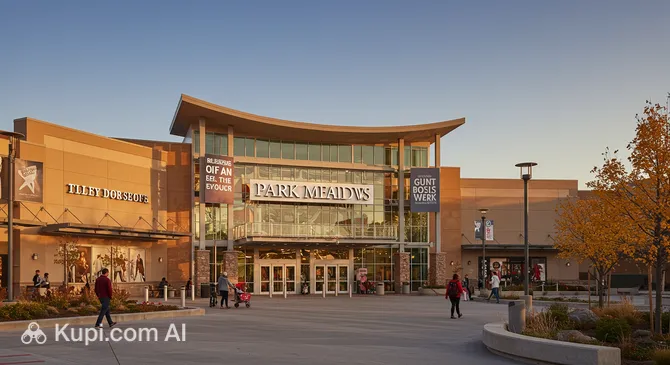
For those who prefer large, comprehensive shopping centers, the city has excellent options. Park Meadows is often referred to as a "retail resort" due to its grand mountain-lodge architecture and extensive selection of over 185 stores and restaurants. It is the largest mall in the region and a favorite for a full day of therapy. Another unique spot is the Stanley Marketplace, located in a converted aviation factory. This community hub features a curated mix of local retailers, offering everything from boutique clothing to handmade chocolates.

Park Meadows. Source: Kupi.Binoculars

Markets play a significant role in the local shopping scene, particularly for foodies and lovers of artisanal goods. The Denver Central Market in the RiNo Art District is a must-visit gourmet hall where you can buy fresh local produce, cured meats, and bakery items. During the warmer months, outdoor farmers' markets pop up across the city, with the one at Union Station being particularly popular for Colorado-grown fruits, jams, and handmade crafts.

When it comes to souvenirs, Denver offers items you won't find anywhere else. Authentic Western wear is a top choice; look for cowboy boots or the iconic snap-button shirts famously invented in the city. Other popular keepsakes include merchandise from the local craft breweries, semi-precious stones and minerals reflecting the area's geological history, and sports gear supporting the local football and basketball teams.

Most major stores and malls are open from 10:00 AM to 9:00 PM on weekdays and Saturdays, with shorter hours on Sundays. Smaller boutiques may close earlier, around 6:00 PM or 7:00 PM. Credit and debit cards are universally accepted, and contactless payments are becoming the standard. While cash is accepted, it is rarely necessary.

Travelers should be aware that the United States does not generally offer a VAT refund system for international tourists. In Denver, a sales tax is added to the price of goods at the register. The total tax rate typically hovers around 8.81%, depending on the specific district, so be prepared for the final total to be slightly higher than the price tag.

Reached the end of the page?

That means the route is fully explored