Support

Cheyenne

About

Cheyenne is a captivating blend of cowboy culture and modern living, serving as the proud capital of Wyoming. Nestled in the southeastern corner of the state, this vibrant city acts as a gateway to the majestic Rocky Mountains. As a prominent destination in the United States, Cheyenne offers visitors a unique glimpse into the authentic spirit of the American West, all while maintaining a friendly community atmosphere with a population of around 76,000 residents.

Cheyenne. Source: Kupi.Binoculars
The city's origins are deeply intertwined with the expansion of the railroad, a legacy that is still passionately celebrated today. You can delve into the fascinating history of Cheyenne by visiting its well-preserved historic districts and landmarks. The Cheyenne Depot Museum, located inside a historic Union Pacific station, stands as a testament to this rich heritage, offering exhibits that transport you back to the golden age of train travel. Beyond its historical roots, the city is world-renowned for hosting Cheyenne Frontier Days, often referred to as the "Daddy of 'em All." This massive outdoor rodeo and western celebration draws travelers from across the globe every summer for concerts, parades, and rodeo action. Whether you are touring the beautifully restored Wyoming State Capitol or simply enjoying the fresh air of the high plains, Cheyenne promises an unforgettable adventure full of western hospitality.

Weather Overview

Cheyenne experiences a semi-arid climate defined by four distinct seasons, offering travelers a mix of sunny days and crisp mountain air. Generally, visitors can expect warm summers with occasional rain and cold, relatively dry winters. The summer months are particularly pleasant, with July being the warmest time of year; average temperatures sit around 21.4°C, while daily highs can reach a comfortable 28.6°C, perfect for enjoying the city's outdoor festivals.

As the seasons change, the weather shifts significantly. Winters are cold, with February seeing average lows drop to -8.9°C, so warm layers are essential if you visit during this time. Spring brings a rise in humidity and rainfall, with May being the wettest month featuring approximately 16 days with precipitation. To help plan your activities and packing list, be sure to check the latest forecast and detailed weather in Cheyenne before your journey.

Interesting Facts

Beyond the well-known rodeos and western landmarks, Cheyenne holds many fascinating secrets and historical distinctions that surprise even seasoned travelers. Here are a few intriguing details about the "Magic City of the Plains" that reveal its unique character.
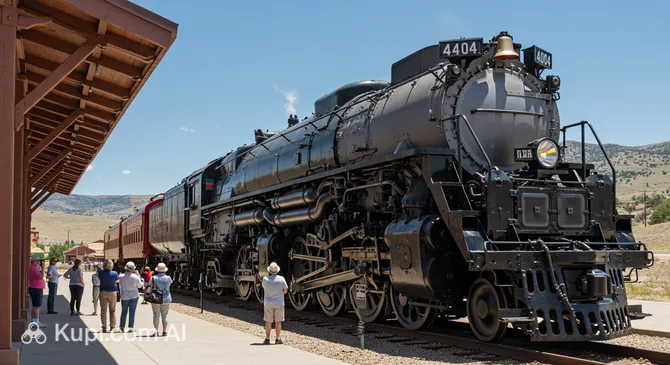
Big Boy 4004 Steam Locomotive. Source: Kupi.Binoculars
  • Cheyenne earned the nickname "Magic City of the Plains" because it seemed to appear overnight. When the Union Pacific Railroad announced its route in 1867, a tent city sprang up instantly, growing into a bustling settlement with hundreds of businesses in just a few weeks.

  • The city is the proud home of the Big Boy 4004 Steam Locomotive, one of the world's largest steam engines ever built. This mechanical giant was designed specifically to haul heavy freight over the steep grades of the Wyoming mountains and remains a marvel of engineering.

  • Cheyenne is the capital of the "Equality State," a title earned because Wyoming was the first territory to grant women the right to vote in 1869. The Wyoming State Capitol stands as a historic testament to this groundbreaking decision, which occurred decades before the 19th Amendment was ratified nationally.

  • Visitors often spot giant, eight-foot-tall cowboy boots scattered throughout the streets. This public art project, known as "These Boots are Made for Talking," features over 30 fiberglass boots, each uniquely painted by local artists to depict different aspects of the city's history and culture.

  • Despite the harsh high-plains climate, the Cheyenne Botanic Gardens houses a state-of-the-art Grand Conservatory. This award-winning structure is 100% solar-heated and off the grid, allowing tropical plants and year-round greenery to thrive even during freezing winters.

How to Get There

Planning a trip to the "Magic City of the Plains" is the first step toward an unforgettable Western adventure. While the city feels secluded on the high plains, it is well-connected to major travel hubs, making the journey part of the experience. For a comprehensive guide on all transport options, routes, and tips, you can read more about how to get to Cheyenne on our detailed page.

The most convenient option for many travelers is to fly into Denver International Airport (DEN), located in the city of Denver. Although it is situated approximately 142.2 km from Cheyenne, it is a major international hub with extensive flight connections. The drive from Denver to Cheyenne typically takes about 1.5 to 2 hours via shuttle or rental car. For those preferring a direct arrival, you can fly into Cheyenne (CYS), which is located directly in the city, just 2.4 km from the center. While this airport handles significantly less traffic, it offers the quickest access to downtown, requiring just a short drive to reach your destination.

For clarity, here is a summary of the main airports serving the region:

Airport Name City Passenger Traffic Km from City
Denver International Airport Denver Large 142.2
Eagle County Airport Vail Medium 243.2
Yampa Valley Airport Hayden Medium 214.9
Casper/Natrona County International Airport Casper Medium 239.4
Cheyenne Cheyenne Small 2.4

Main Attractions

Cheyenne offers a delightful array of attractions that celebrate its rich western heritage and natural beauty. From historic sites to lush gardens, the city provides diverse experiences for travelers looking to immerse themselves in the local culture.

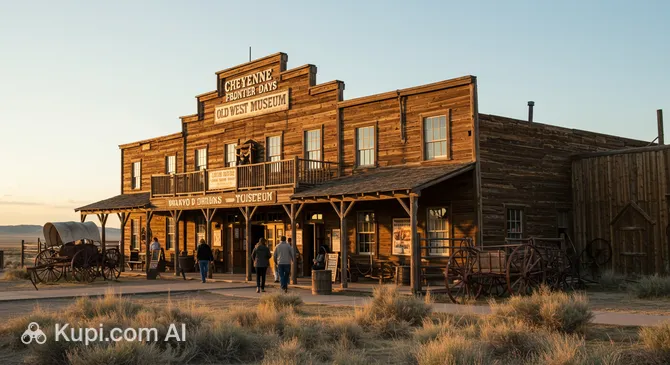
One of the city's premier destinations is the Cheyenne Frontier Days Old West Museum. This facility captures the spirit of the world's largest outdoor rodeo and western celebration. Visitors can explore an extensive collection of historic carriages, western art, and artifacts that tell the story of the American frontier. It is an essential stop for anyone wanting to understand the deep cowboy roots that define the region.

Cheyenne Frontier Days Old West Museum. Source: Kupi.Binoculars

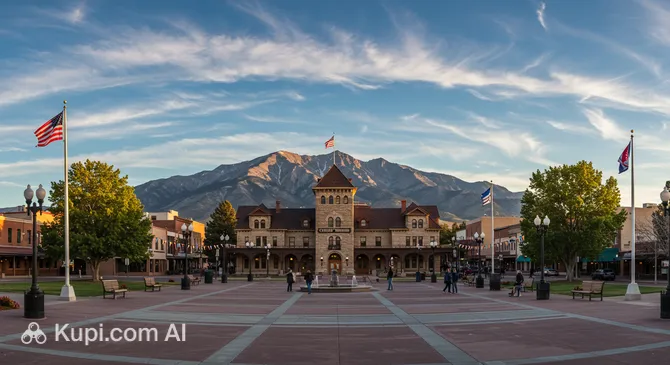
For a lively atmosphere in the heart of downtown, make your way to the Cheyenne Depot Plaza. Located in front of the historic Union Pacific Depot, this vibrant public space serves as the community's gathering spot. It frequently hosts outdoor concerts, farmers markets, and festivals throughout the year. The plaza is also an excellent starting point for exploring the surrounding historic buildings and enjoying local dining.

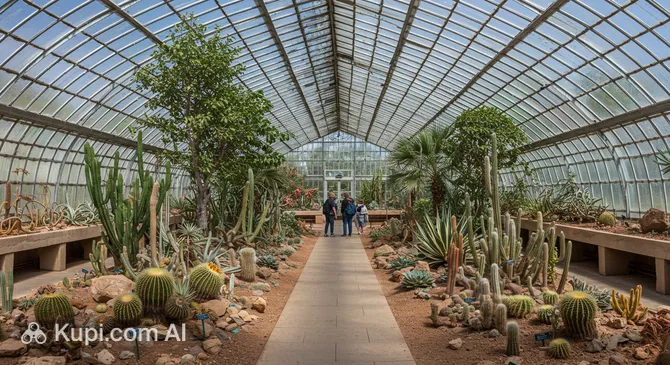
If you are seeking a peaceful retreat, the Cheyenne Botanic Gardens is a must-visit oasis. Despite the high plains' harsh climate, this attraction features a stunning Grand Conservatory and diverse outdoor landscapes. It is a fascinating place for nature lovers to see how solar energy and sustainable design can create a thriving environment for tropical plants and colorful floral displays year-round.

Cheyenne Botanic Gardens. Source: Kupi.Binoculars

To dive deeper into the state's background, visit the Wyoming State Museum. This institution offers free admission and provides a comprehensive look at Wyoming's history, from dinosaur fossils to the mining industry and pioneer life. The interactive exhibits make it an engaging educational experience for families and history buffs alike, offering context to the sights you will see across the state.

Local Cuisine

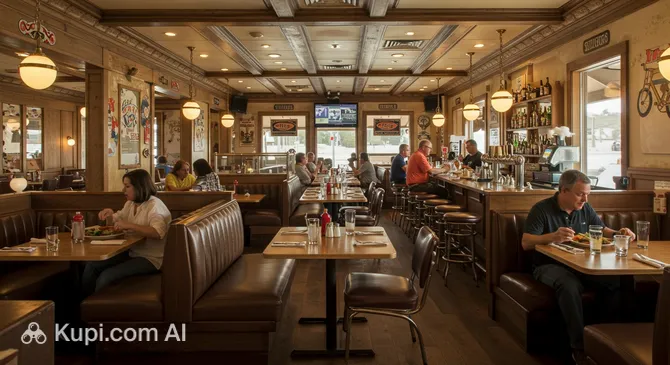
The local cuisine in Cheyenne is a hearty reflection of its Western heritage, where "meat and potatoes" are elevated to an art form. Visitors will find a dining scene dominated by high-quality beef, game meats, and comfort food designed to satisfy a cowboy-sized appetite. One of the absolute must-try experiences here is tasting bison. Leaner and sweeter than beef, bison is served in various forms, from tender steaks to juicy burgers. For a classic take on this local staple, you can visit 2 Doors Down, a local favorite known for its diverse burger menu and friendly atmosphere.

2 Doors Down. Source: Kupi.Binoculars

For the adventurous eater, Cheyenne offers the legendary Western novelty known as Rocky Mountain Oysters. Despite the misleading name, these are actually fried bull testicles, typically breaded, deep-fried, and served as an appetizer with a dipping sauce. If that sounds too daring, you can stick to the region's excellent prime rib or enjoy the spicy influence of the Southwest with green chili, which is often ladled generously over burritos and omelets in local diners.

The beverage scene in the city has grown significantly, with a strong focus on craft brewing. After a day of exploring, locals often gather at taprooms to enjoy locally brewed ales and lagers. A standout spot for this is the Accomplice Beer Company, located in the historic depot area. It is famous for its self-pour tap system, allowing you to sample a wide variety of beers at your own pace. Beyond beer, the city embraces its frontier roots with plenty of establishments serving whiskey and classic cocktails.

Dining in Cheyenne is generally casual and unpretentious, ranging from historic downtown steakhouses to family-friendly eateries. Sunday brunch is another beloved tradition for residents and visitors alike. For a touch of elegance and a comprehensive dining experience, many head to the Little America Hotel & Resort, which is renowned for its lavish spreads and classic American fare. Whether you are grabbing a quick bite at a food truck or sitting down for a steak dinner, the hospitality in Cheyenne is always warm and welcoming.

Travel Tips

Welcome to Cheyenne, where the spirit of the Old West meets modern adventure! To help you navigate the "Magic City of the Plains" with ease and confidence, we have put together these essential practical tips for your journey.

  1. Clothing and Gear: The weather in Wyoming is famous for being unpredictable. Dress in layers is the golden rule here; even on warm summer days, evenings can get chilly, and the wind is often strong. Bring a sturdy windbreaker and comfortable walking shoes or boots for exploring downtown. If you visit in winter, thermal wear, gloves, and a heavy coat are mandatory.
  2. Transportation: The most convenient way to get around is by renting a car. While the historic downtown is walkable, attractions are spread out, and having a vehicle gives you the freedom to explore the surrounding high plains. Public transport (Cheyenne Transit Program) is available but has limited routes and hours. Ride-sharing apps are active but may have longer wait times than in major cities.
  3. Finances: The local currency is the US Dollar (USD). Credit and debit cards are accepted almost everywhere, from museums to restaurants. However, it is wise to carry a small amount of cash for small purchases at farmers markets or local fairs. Tipping is standard culture; plan to leave 15-20% for service in restaurants and bars.
  4. Health and Safety: Cheyenne sits at an elevation of over 1,800 meters (6,000 feet). The high altitude and dry air can cause dehydration faster than you might expect, so drink plenty of water and wear sunscreen. The city is generally very safe, but always keep an eye on your belongings. For medical emergencies, dial 911; pharmacies are easy to find, though 24-hour options may be limited.
  5. Communication: English is the primary language, and you will find locals very easy to talk to. Free Wi-Fi is widely available in hotels, coffee shops, and public buildings like the library. If you are visiting from overseas, remember to bring a power adapter for Type A or B sockets (standard US plugs).
  6. Local Etiquette: Embrace the "Western hospitality." People in Cheyenne are generally friendly and polite; a smile or a nod to strangers is common and appreciated. The dress code is relaxed and casual—jeans, boots, and flannel shirts are acceptable in most settings, including nice dinners.
  7. What to Avoid: Do not underestimate the wildlife. If you spot bison, deer, or antelope on the outskirts of the city or in nearby parks, keep a safe distance. They are wild animals and can be dangerous if approached. Also, respect private property boundaries strictly; fences usually mean "keep out."
  8. Additional Tip: Be prepared for the wind! Cheyenne is one of the windiest cities in the country. If you plan to wear a hat, make sure it fits tightly or has a stampede string. Additionally, if you are visiting during the famous Cheyenne Frontier Days in July, book your accommodation months in advance, as the city sells out quickly.

With these tips in your saddlebag, you are fully prepared to enjoy everything this unique city has to offer. Have a safe journey and soak up the authentic western atmosphere of Cheyenne!

Entertainment & Nightlife

Cheyenne offers a variety of entertainment options that blend its rugged Western roots with modern leisure. The city's social scene is relaxed and welcoming, providing travelers with plenty of ways to unwind or seek adventure after a day of sightseeing. From interactive animal encounters to lively dining experiences, the local atmosphere is designed to be enjoyed.

For a truly unique Western experience, a visit to the Terry Bison Ranch is a standout choice. Located just a short drive from the city, this working ranch allows visitors to get up close with the region's wildlife in a way that is impossible elsewhere. The highlight is the custom train tour, which takes passengers directly into the middle of a bison herd to hand-feed the majestic animals. With additional activities like horseback riding and pony rides, it offers an authentic taste of cowboy life that appeals to all ages.

If you prefer a mix of history and storytelling, the Cheyenne Street Railway Trolley offers a charming way to explore the city. These narrated tours provide a comprehensive overview of the area, winding through historic districts while conductors share colorful tales of the Wild West, railroad barons, and local legends. It is a relaxing alternative to walking, giving you a front-row seat to the city's most interesting corners and the stories behind them.

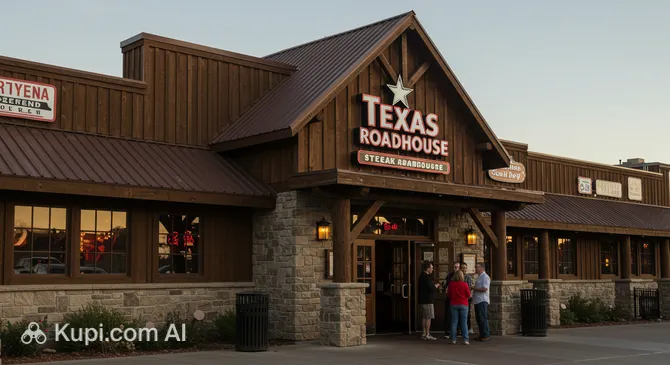
Dining out in Cheyenne can also be an entertaining experience, particularly at spots known for their energetic vibe. Texas Roadhouse is a popular destination for those seeking a fun, casual night out. Famous for its lively atmosphere, the restaurant features loud country music and a friendly staff that often breaks into line dancing. It captures the unpretentious, high-spirited character of the region, making it a great choice for a memorable evening.

Texas Roadhouse. Source: Kupi.Binoculars

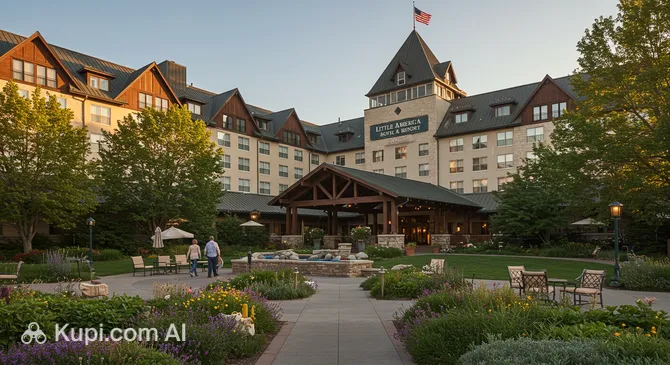
For those looking to enjoy the outdoors in a more refined setting, the Little America Hotel & Resort offers excellent recreational amenities. The property features a nine-hole golf course and a spacious outdoor swimming pool, providing a peaceful escape for travelers. Whether you are playing a quick round of golf or lounging by the water, it is a perfect way to relax and enjoy the sunny Wyoming weather.

Little America Hotel & Resort. Source: Kupi.Binoculars

Parks & Museums

Cheyenne offers a compelling mix of cultural heritage and outdoor leisure, with institutions that celebrate its history and public spaces designed for relaxation. Exploring these sites provides a deeper understanding of the city's evolution from a railroad tent city to a modern capital.

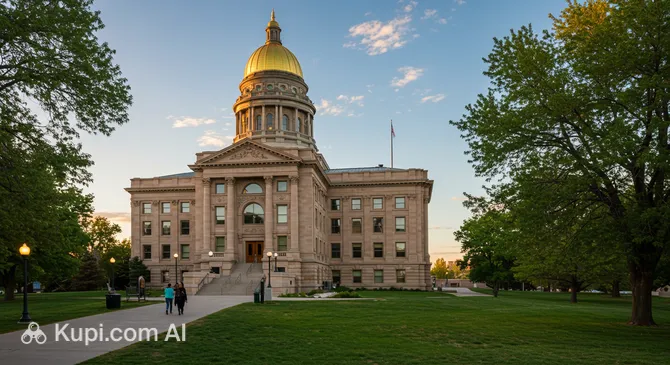
A crowning jewel of the city is the Wyoming State Capitol, a National Historic Landmark that has recently undergone a comprehensive restoration. This stunning Renaissance Revival structure is topped with a dome covered in real gold leaf, shining brightly against the blue Wyoming sky. Inside, visitors can admire the intricate stained glass, checkerboard marble floors, and historic murals that decorate the rotunda and legislative chambers.

Wyoming State Capitol. Source: Kupi.Binoculars

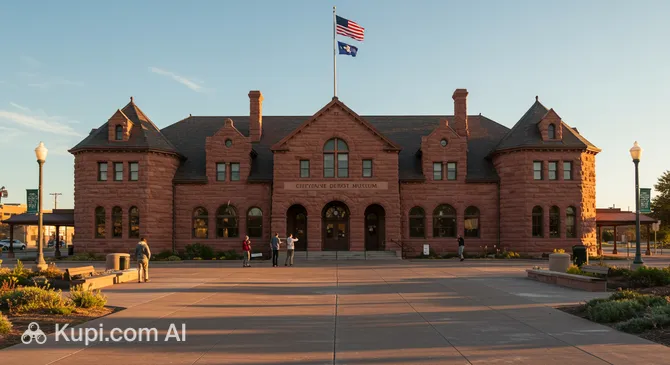
To understand the pivotal role of transportation in the region, a visit to the Cheyenne Depot Museum is essential. Located inside the grand Union Pacific Depot, the museum presents a fascinating timeline of the Transcontinental Railroad. Exhibits detail the engineering marvels and the daily lives of the workers who connected the nation, all housed within an architectural masterpiece of the Victorian era.

Cheyenne Depot Museum. Source: Kupi.Binoculars

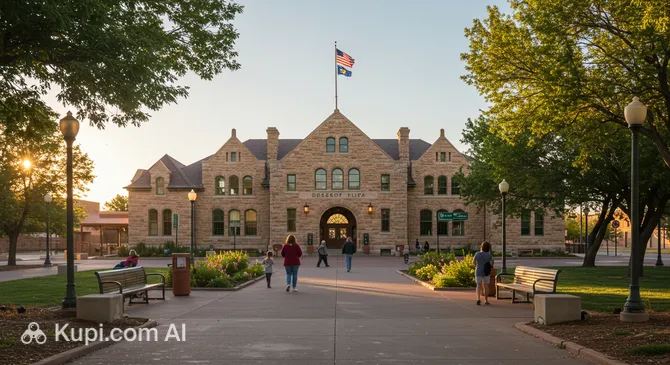
Directly adjacent to the station is the Cheyenne Depot Plaza. This beautifully paved open space acts as a bridge between the historic rail yards and the bustling downtown district. It is a popular spot for photography, featuring notable bronze statues that pay homage to the city's western legacy, and offers plenty of seating for those wishing to pause and soak in the local atmosphere.

Cheyenne Depot Plaza. Source: Kupi.Binoculars

For those seeking recreation in a natural setting, Lions Park is the city's premier outdoor destination. Encompassing the serene Sloan Lake, the park provides ample space for fishing, boating, and picnicking. It serves as a green sanctuary where families and travelers can enjoy the fresh high-plains air, walking trails, and well-kept playgrounds.

Another significant green space is Holliday Park, known for its towering trees and historical significance. While it offers a quiet environment for a walk, it is also famous for housing one of the legendary Big Boy steam locomotives, turning a simple park visit into an encounter with industrial history.

Getting Around

Public transport in Cheyenne is relatively limited compared to larger metropolitan areas, as the city is primarily designed for automobile travel. However, for visitors without a car, the Cheyenne Transit Program (CTP) provides a reliable fixed-route bus service that covers most key areas, including downtown, major shopping centers, and medical facilities. The buses are modern, wheelchair-accessible, and offer a budget-friendly way to navigate the main districts.

The payment system for the public bus is straightforward and old-school. Fares are very affordable, typically costing around $1.50 per ride. You can also purchase day passes or monthly passes if you plan to stay longer. It is important to note that buses usually require exact change in cash when boarding, as drivers cannot make change. While there isn't a complex smart card system or widely used mobile ticketing app for the bus network yet, paper transfers are available if you need to switch routes to reach your final destination.

For tourists, the most practical advice is to check the schedule in advance, as operations differ significantly from big cities. The bus service generally runs from Monday through Friday, with limited hours on Saturdays and typically no service on Sundays or major holidays. The central hub for the network is the Transfer Station located near downtown, where you can easily switch buses and get route maps. Always carry small bills and coins to ensure a smooth boarding process.

A special feature of the local transport scene is the Cheyenne Street Railway Trolley. While technically a tourist attraction rather than a commuter vehicle, it utilizes vintage-style rubber-tired trolleys to transport visitors around the historic downtown and to major museums. Operating primarily during the tourist season (May through September), it offers a nostalgic way to see the sights without walking, effectively doubling as a convenient shuttle between popular landmarks.

Given the limited operating hours of the bus system, many travelers rely on alternatives. Ride-sharing apps like Uber and Lyft are active in the city and offer a convenient, 24/7 solution for getting around, especially for trips to the airport or late-night dining. Traditional taxis are also available but usually require booking by phone in advance rather than hailing one on the street. Additionally, the city boasts the Greater Cheyenne Greenway, an extensive network of paved paths perfect for walking or biking, making bicycle rentals a popular choice for active visitors during the warmer months.

Accommodation

Finding the perfect place to stay in Cheyenne is straightforward, with options that cater to road trippers, history enthusiasts, and families alike. The city offers a range of accommodation styles, primarily focusing on reliable mid-range hotels, budget-friendly motels, and comfortable inns. While you won't find an abundance of high-rise luxury towers, the local hospitality is warm and welcoming, reflecting the city's friendly Western character.

For those who want to be in the center of the action, staying in the Downtown district is ideal. This area allows you to walk to major attractions like the Depot Plaza and various museums, surrounding you with historic architecture and local dining. Alternatively, the areas along the I-80 and I-25 corridors are populated with numerous well-known hotel chains. These locations are particularly convenient for travelers passing through on a road trip, offering easy highway access and ample parking.

One of the most renowned establishments in the city is the Little America Hotel & Resort. Situated on expansive grounds, this property stands out as a premier destination rather than just a stopover. It features a nine-hole golf course, a heated outdoor pool, and on-site dining, providing a resort-style experience that contrasts with the standard roadside lodgings found elsewhere in the region.

When planning your visit, timing is everything. If you intend to travel during the famous Cheyenne Frontier Days in late July, it is essential to book your accommodation months in advance. During this "Daddy of 'em All" rodeo celebration, the city's population swells, and hotels often sell out completely or charge premium rates. For visits during the rest of the year, booking a few weeks ahead is usually sufficient to secure a good spot.

In terms of pricing, Cheyenne is generally affordable compared to major US tourist hubs. You can expect mid-range prices for most standard hotels, with budget options available at motels on the city's outskirts. Booking is easily done through major online travel platforms or directly with the hotels. Whether you are looking for a quick overnight rest or a base for a longer Wyoming adventure, the city provides comfortable and accessible lodging choices.

Nearby Cities

For those looking to explore the surroundings, Cheyenne serves as an excellent base for day trips to several interesting nearby locations:

City Population Distance (km)
Fort Collins 301,596 65
Thornton 140,538 141
Greeley 135,270 80
Boulder 120,818 130
Longmont 104,035 110

Fort Collins

Located just a short drive south across the Colorado border, Fort Collins is a vibrant university city known for its historic charm and innovative spirit. Its beautifully preserved Old Town district famously inspired the design of Main Street, U.S.A. at Disneyland. Visitors can explore a thriving craft beer scene, with numerous local breweries offering tours and tastings, or enjoy outdoor activities at the scenic Horsetooth Reservoir.

Boulder

Situated against the stunning backdrop of the Flatirons rock formations, Boulder is a haven for outdoor enthusiasts and culture seekers. The city is famous for the Pearl Street Mall, a pedestrian-friendly hub filled with street performers, unique shops, and diverse dining options. It is an ideal destination for hiking, rock climbing, or simply soaking in the energetic atmosphere of this mountain town.

Greeley

For a glimpse into the region's agricultural roots and history, Greeley offers a welcoming community atmosphere. The city features several museums, including the Centennial Village Museum, which preserves the local heritage with living history exhibits. It provides a more relaxed pace for travelers interested in the cultural development of the high plains.

These nearby destinations offer a glimpse into the diverse culture and landscapes of the region.

Shopping & Souvenirs

Shopping in Cheyenne offers a distinctive experience that mirrors the city's rich Western heritage. While you will find modern conveniences and national brands, the true charm lies in the local boutiques and specialty stores that cater to the cowboy lifestyle. It is arguably one of the best places in the country to invest in authentic Western wear, from custom-shaped hats to durable leather boots. Whether you are looking for a practical souvenir or a complete wardrobe update, the retail scene here is friendly, accessible, and deeply connected to the local culture.

The heart of the shopping action is found in Downtown Cheyenne. This historic district is walkable and lined with beautifully preserved buildings that house an array of unique businesses. Strolling along Lincolnway and Capitol Avenue, you will encounter iconic Western outfitters that have been dressing locals for decades. The area surrounding the Cheyenne Depot Plaza is particularly vibrant, serving as a central point from which you can explore art galleries, antique shops, and boutiques selling turquoise jewelry and rustic home decor.

For a more traditional retail experience, the Frontier Mall serves as the primary shopping center for the region. Located a short drive from the downtown area, it features a wide selection of department stores, apparel chains, and specialty kiosks. It is a convenient stop for travelers needing to pick up travel essentials, electronics, or casual clothing in a comfortable, climate-controlled environment.

Markets in Cheyenne are often seasonal and community-focused. During the warmer months, the Cheyenne Farmers Market is a popular Saturday event where local growers and artisans gather to sell fresh produce, baked goods, and handmade crafts. It is an excellent place to mingle with residents and sample regional flavors. Additionally, during special events and festivals held at the Depot Plaza, you can often find pop-up markets featuring local artists and vendors selling unique handmade gifts.

When it comes to souvenirs, Cheyenne offers items that you simply cannot find elsewhere. The most coveted keepsakes are undoubtedly authentic cowboy gear, such as a high-quality Stetson hat or a pair of intricate cowboy boots. For smaller gifts, look for huckleberry products (jams, chocolates, and syrups), which are a regional favorite, or bison jerky. Locally made pottery and Western-themed artwork also make for meaningful reminders of your time on the high plains.

Most shops in Cheyenne operate on standard American business hours. Downtown boutiques typically open around 10:00 AM and close by 6:00 PM, though some may stay open later during the summer tourist season. The shopping mall generally stays open until 9:00 PM. Credit and debit cards are universally accepted, even for small purchases, though carrying a little cash is helpful for market stalls. Apple Pay and other contactless methods are becoming more common but are not yet guaranteed at every small historic shop.

Travelers should be aware that the United States does not have a Value Added Tax (VAT) refund system for international tourists like many European countries. In Wyoming, a sales tax is added to the price of most goods at the register. The listed price on the shelf is usually the pre-tax amount, so expect the final total to be slightly higher when you pay.
Reached the end of the page?

That means the route is fully explored