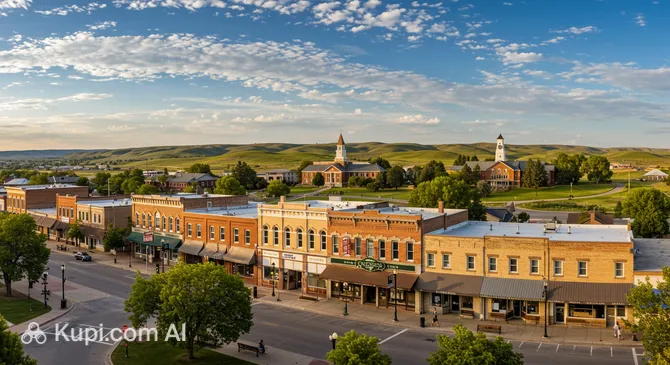
Chadron offers a compelling blend of rugged natural beauty and rich frontier heritage, making it a destination where outdoor exploration and cultural discovery go hand in hand. The city serves as a gateway to the Pine Ridge escarpment, providing visitors with easy access to pristine green spaces while its museums preserve the legacy of the traders, authors, and pioneers who shaped the High Plains.
Chadron State Park is the premier outdoor destination in the area and holds the distinction of being Nebraska's first state park. Located just south of the city, it immerses visitors in the scent of ponderosa pines and the sight of dramatic rock formations. It is a haven for hikers and mountain bikers, featuring a network of trails that offer panoramic views of the Pine Ridge. Families often visit for the swimming pool, paddle boating on the lagoon, and the numerous picnic areas tucked away in the cool shade of the forest.
For a vast and less manicured wilderness experience, the Nebraska National Forest (Pine Ridge Ranger District) surrounds much of the area. This unique forest is one of the few man-made national forests, though the Pine Ridge section is naturally forested. It offers a sense of solitude that is hard to find elsewhere, with miles of open space perfect for horseback riding, primitive camping, and wildlife observation. The rugged terrain here provides a stunning backdrop for photography, particularly in the golden light of early morning or late afternoon.
Closer to the city center, Finnegan Park provides a charming local green space for a relaxing afternoon. It features a small fishing pond, well-maintained walking paths, and playground equipment, making it a favorite spot for community gatherings and travelers looking to unwind without leaving town. The park is often the site of local events and offers a peaceful break from the more strenuous hiking found in the nearby hills.
The cultural landscape is anchored by the Museum of the Fur Trade, located three miles east of Chadron. This world-class institution is dedicated entirely to the history of the North American fur trade and is built on the site of the original Bordeaux Trading Post. The collection is exhaustive, showcasing trade goods, textiles, and weaponry from the earliest days of commerce between European trappers and Native American tribes. It offers a rare, in-depth look at an era that defined the economic early history of the continent.
Another significant cultural venue is the Mari Sandoz High Plains Heritage Center, situated on the campus of Chadron State College. This facility celebrates the life and work of Mari Sandoz, one of the region's most acclaimed authors, known for her vivid portrayals of pioneer life and Native American history. The center features interactive exhibits on the cattle industry and the ecology of the High Plains, housed within a building that includes a stunning glass atrium and an archival library.
History enthusiasts should also visit the Dawes County Historical Museum. This museum offers a more localized perspective, focusing on the daily lives of the settlers who built the community. The grounds feature a collection of historic buildings, including a log schoolhouse, a pioneer church, and a railroad caboose. Inside, visitors can view antique agricultural machinery, vintage clothing, and photographs that chronicle the development of Dawes County from the late 19th century to the present.
For a unique architectural landmark, look to C-Hill south of the college campus. While primarily a hiking destination, the massive concrete "C" embedded in the hillside is a historic monument to collegiate spirit, constructed in the 1920s. The hike to the top is steep but short, rewarding adventurous visitors with one of the best panoramic views of the city and the surrounding White River Valley.
An insider tip for those exploring the area is to drive the Bridges to Buttes Scenic Byway (Highway 20) as it passes through Chadron. Just a few miles west of town, the landscape opens up dramatically, offering vistas that feel more like the foothills of the Rockies than the Great Plains. Additionally, if you visit the Museum of the Fur Trade, take a moment to walk through the heritage garden, which features crops that were historically grown by Indigenous peoples and early settlers in the region.