Support

Gillette

About

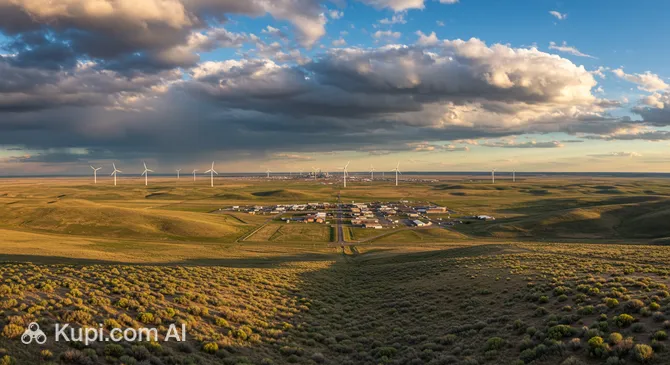
Welcome to Gillette, a vibrant city nestled in the rolling plains of northeastern Wyoming. Often referred to as the "Energy Capital of the Nation," this dynamic community plays a pivotal role in the power production of the United States while offering visitors a genuine taste of the American West. Situated in the heart of the Powder River Basin between the Black Hills and the Bighorn Mountains, Gillette features a landscape defined by wide-open spaces and high plains beauty.

With a population of approximately 33,000 residents, the city balances the convenient amenities of a growing regional hub with the warm, welcoming atmosphere of a small town. The climate here is semi-arid, characterized by sunny summers and snowy winters, making it a year-round destination for those prepared for the elements. The city's development has been significantly shaped by its natural resources and transportation networks.

Gillette. Source: Kupi.Binoculars

Originally founded as a railway terminal in the late 19th century, the history of Gillette is closely tied to the expansion of the railroad and the ranching lifestyle that defines the region. Today, it serves as an excellent gateway for outdoor enthusiasts and history buffs alike. Travelers often use the city as a base to visit the iconic Devils Tower National Monument, which is located just a short drive away.

Within the city limits, visitors can explore the Frontier Auto Museum, which showcases a fascinating collection of classic cars and petroliana, or attend a rodeo or concert at the massive CAM-PLEX Multi-Event Facilities. Whether you are interested in touring a working bison ranch or simply experiencing authentic Western hospitality, Gillette invites you to stop and discover its unique blend of industrial heritage and scenic charm.

Weather Overview

Gillette experiences a semi-arid climate defined by significant seasonal variations, ranging from hot summers to cold winters. To help plan your outdoor activities and packing list, it is useful to review the detailed forecast for the weather in Gillette before your arrival. The city typically enjoys plenty of sunshine, though temperatures can fluctuate noticeably depending on the time of year.

During the peak of summer, particularly in July, the weather is warm with average temperatures sitting at 23.9°C and daily maximums reaching up to 31.1°C. Conversely, the winter months require heavy clothing; February is often the coldest month, with average temperatures dipping to -4.4°C and lows frequently plunging to -10.2°C. The transitional spring season brings milder temperatures but increased moisture, with May recording the highest frequency of precipitation at approximately 13 wet days.

Overall, visitors can expect warm summers with occasional rain and cold, dry winters. While the recorded precipitation volume remains low throughout the year, generally hovering around 1mm to 2mm, the number of wet days indicates that light showers are a regular occurrence, particularly in late spring and early summer.

Interesting Facts

Beyond the massive coal mines and open plains, Gillette holds fascinating secrets that surprise many visitors. From its humorous original name to record-breaking local facilities, this high plains city offers more than meets the eye.

  • Before it was known as Gillette, the settlement had a much less dignified name: Donkey Town. It was also briefly called "Rocky Pile" due to the rugged terrain near Donkey Creek before being officially renamed to honor the surveyor who helped establish the railway route.
  • The city is named after Edward Gillette, a civil engineer for the Chicago, Burlington and Quincy Railroad. He found a shorter path for the tracks that saved the company five miles of construction and the cost of 30 bridges, yet he never actually lived in the town that bears his name, preferring to settle in nearby Sheridan.
  • Gillette is home to one of the largest bison operations in North America, the Durham Bison Ranch. Spanning over 55,000 acres, this massive ranch manages a herd of approximately 3,000 bison, allowing visitors to tour the grounds and stand amidst the thundering herd.
  • The local events complex, known as the CAM-PLEX, is surprisingly vast for a city of this size. Covering over 1,000 acres, it is the largest multi-event facility of its kind in the western United States, hosting everything from national rodeo finals to theater performances.

How to Get There

Reaching Gillette involves traversing the scenic high plains of Wyoming, and while the city is well-connected by road, air travel often requires landing in neighboring hubs. For a complete overview of transportation options and routes, you can read more about how to get to Gillette to help plan your journey.

Travelers looking for flight options will find that the most convenient major hubs are located in nearby cities. One of the closest significant options is the Casper/Natrona County International Airport (CPR). This airport is not located in Gillette itself but in the city of Casper, which is approximately 173 km away. The drive from the airport to Gillette typically takes about 1 hour and 45 minutes by rental car or taxi. It is a regional facility that connects travelers to major international hubs.

Another viable option is the Rapid City Regional Airport (RAP), situated in Rapid City, roughly 197 km from Gillette. This airport handles a higher volume of passengers and offers a variety of connections. The journey from Rapid City to Gillette by road takes approximately 2 hours. Additionally, visitors may consider the Billings Logan International Airport (BIL) in Billings, which is about 293 km away, offering a wider range of flight services for those willing to make a slightly longer drive of around 3 hours.

For clarity, here is a summary of the main airports:

Airport Name City Passenger Traffic Km from City
Billings Logan International Airport Billings Medium 293.4
Rapid City Regional Airport Rapid City Medium 196.7
Casper/Natrona County International Airport Casper Small 172.7
Yellowstone Regional Airport Cody Small 282.3

Gillette is not directly served by a passenger railway station, and there are no Amtrak stops within the immediate vicinity. The region relies heavily on its highway network, specifically Interstate 90, which runs directly through the city. Consequently, most visitors arriving by land choose to drive or take a bus. Renting a car from one of the regional airports mentioned above is often the most practical way to reach the city and explore the surrounding area.

Main Attractions

Gillette offers a surprising variety of attractions that celebrate its rich western heritage, industrial significance, and local culture. From immersive museums to expansive outdoor experiences, the city provides unique opportunities for visitors to explore the heart of the Powder River Basin.

One of the top destinations for visitors is the Frontier Auto Museum. This facility is much more than just a car collection; it is a journey back in time. Inside, you will find a recreated 1950s town featuring a drive-in theater, a classic gas station, and a soda fountain. The museum houses an impressive array of vintage automobiles, neon signs, and "petroliana" memorabilia. It is particularly interesting for tourists who appreciate Americana and the nostalgia of the open road, offering a charming glimpse into the golden age of motoring.

For those interested in the region's history, the Campbell County Rockpile Museum is an essential stop. Named after the natural rock formation that served as a landmark for early travelers, this museum tells the story of the Powder River Basin. Exhibits cover a wide range of topics, including Native American artifacts, the history of the railroad, and the evolution of the local coal and oil industries. It is a fascinating place to learn about the rugged pioneers who settled the area and the geological forces that shaped the landscape.

As the "Energy Capital of the Nation," Gillette offers a rare chance to see industrial power in action through tours of the Eagle Butte Coal Mine. During the summer months, the local visitor center organizes guided tours that take you close to the massive open-pit operations. Tourists are often awestruck by the sheer scale of the machinery, including giant haul trucks and shovels, providing a unique educational perspective on how energy is produced in the United States.

Just a short drive from the city center, the Durham Bison Ranch offers a quintessential western experience. As one of the largest bison operations in North America, it allows visitors to take guided tours among a herd of thousands of bison. This attraction is perfect for nature lovers and photographers, offering a chance to see these majestic animals roaming the high plains in their natural habitat and to learn about the sustainable management of the species.

Local Cuisine

The culinary landscape of Gillette is deeply rooted in the traditions of the American West, offering a hearty and unpretentious dining experience that reflects the region's ranching heritage. Visitors will find that the local food culture revolves heavily around high-quality meats and comfort food, perfect for satisfying the appetite after a day of exploring the high plains. The atmosphere in most establishments is casual and welcoming, ranging from classic family diners to lively steakhouses where the hospitality is as generous as the portions.

Given the city's proximity to major ranching operations, beef is a staple on almost every menu, but the true star of the local cuisine is bison. With one of the continent's largest bison ranches located nearby, you can expect to find exceptionally fresh and flavorful bison dishes throughout the city. A must-try is a juicy bison burger, which offers a leaner and slightly sweeter alternative to traditional beef. For a more robust meal, look for establishments serving bison steaks or savory bison chili, often accompanied by western staples like baked potatoes and cornbread.

When it comes to beverages, Gillette has developed a surprising and delightful craft scene. The city is home to unique local producers, including a popular meadery that ferments honey into a variety of delicious wines and ciders, paying homage to ancient traditions with a rugged Wyoming twist. Beer enthusiasts will also appreciate the local microbreweries, which pour a selection of ales and lagers inspired by the surrounding landscape. For non-alcoholic options, the local coffee culture is thriving, with several cozy spots serving house-roasted blends that are perfect for a crisp morning.

Dining in Gillette is largely centered around social, sit-down experiences. Locals often gather at the city's beloved steakhouses to enjoy prime rib and conversation, or frequent the growing number of brewpubs that pair wood-fired pizzas with local drafts. While you won't find bustling street food markets like in major metropolises, the city's food truck scene is emerging, often appearing at local festivals and events at the CAM-PLEX. Whether you are craving a premium steak or a simple, homestyle breakfast, the food here is prepared with a focus on quality ingredients and authentic western flavor.

Travel Tips

Visiting Gillette places you right in the heart of the authentic American West, where the landscapes are vast and the lifestyle is distinct. To ensure your trip to this Wyoming hub is as smooth and enjoyable as possible, here are some essential practicalities to keep in mind before you pack your bags.

  1. Clothing and Gear: The weather here can be unpredictable, so the best strategy is to dress in layers. Even in summer, evenings can get chilly on the high plains, so bring a light jacket. If you visit in winter, thermal wear, a heavy coat, and boots with good traction are mandatory. Since you will likely be outdoors, pack comfortable, closed-toe walking shoes and remember that the high altitude increases UV exposure, making sunglasses and sunscreen essential.
  2. Transportation: Renting a car is practically a necessity in Gillette. Public transportation options like buses are very limited and not designed for tourism, and there is no subway or tram system. While you might find some ride-share availability (like Uber or Lyft), it is far less frequent than in major cities. Having your own vehicle gives you the freedom to explore the city and nearby attractions like the Devils Tower at your own pace.
  3. Finances: The local currency is the US Dollar (USD). Credit and debit cards are widely accepted at hotels, restaurants, and shops, but it is wise to carry some cash for smaller purchases or tips. ATMs are plentiful throughout the city. Tipping is a standard practice in the United States; expect to leave 15-20% of the bill at restaurants and a few dollars for hotel housekeeping or luggage assistance.
  4. Health and Safety: Gillette is generally a very safe community for travelers. Pharmacies are easily accessible, with major chains often open late, though 24-hour options may be limited. The biggest safety concern here is often environmental—be cautious of wildlife like deer and antelope crossing roads, especially at dawn and dusk. If you are exploring rural areas, bring plenty of water and a basic first-aid kit.
  5. Communication: English is the primary language spoken. While you may hear other languages, proficiency in English is helpful for most interactions. Mobile coverage is generally good within the city limits but can become spotty or non-existent in remote areas of the county. Free Wi-Fi is commonly available in hotels, coffee shops, and public buildings like the library.
  6. Local Etiquette: The culture in Wyoming is friendly and informal. It is polite to greet shopkeepers and servers; a simple "hello" or "how are you?" goes a long way. If you are driving on rural backroads, it is customary to give a friendly wave to passing drivers. People value personal space and direct, honest communication, so straightforwardness is appreciated.
  7. What to Avoid: Do not trespass on private land. Much of the surrounding area consists of private ranches and industrial sites; fences and "No Trespassing" signs must be strictly respected. Also, avoid underestimating the weather—storms can roll in quickly, so do not ignore forecast warnings if you plan to drive long distances.
  8. Local Insight: Keep an eye on the schedule for the CAM-PLEX Multi-Event Facilities. During large events like national rodeos or festivals, the city can get very busy, and restaurant wait times may increase. Conversely, if you visit during a quiet week, you might find that some local shops close earlier than you expect, particularly on Sundays.

By keeping these practical tips in mind, you will be well-prepared to experience the warm hospitality and rugged beauty of Gillette. With the logistics handled, you can focus entirely on enjoying the unique history and wide-open spaces that make this corner of Wyoming so special.

Entertainment & Nightlife

Entertainment in Gillette reflects the city’s character: unpretentious, welcoming, and deeply rooted in Western traditions. While you will not find high-tech mega-clubs or an endless array of 24-hour discos here, the nightlife scene is vibrant in its own right. It caters to a crowd that appreciates cold local brews, country music, and lively conversation after a hard day's work. The atmosphere is generally casual, where jeans and cowboy boots are more common than formal wear, creating an environment where visitors can easily mingle with locals.

The heart of the action can largely be found in two main areas: the historic Downtown district along Gillette Avenue and the commercial corridor along South Douglas Highway. Downtown offers a more walkable experience with historic storefronts housing pubs and lounges, while the highway strip features larger venues and steakhouses. Most bars and lounges stay open until 2:00 AM, though it is always wise to check specific hours as they can vary by day of the week.

For those looking to dance or catch live music, the Boot Hill Night Club is a local staple. It is widely known for its spirited atmosphere, featuring a large dance floor where two-stepping to country tunes is the norm. If you prefer a more relaxed and sophisticated evening, The Prime Rib Restaurant and Wine Cellar offers a different vibe. Famous for its extensive wine list—one of the largest in the state—it provides an elegant setting to enjoy a glass of vintage wine or a cocktail in a cozy lounge environment.

Another unique spot that bridges the gap between a daytime hangout and a nightlife venue is the Big Lost Meadery and Brewery. It is an excellent place to sample locally crafted meads and beers in a rustic, Viking-themed setting. The venue often hosts trivia nights and small gatherings, making it a great starting point for an evening out. Additionally, the massive CAM-PLEX Multi-Event Facilities frequently serves as the city's primary entertainment hub, hosting evening rodeos, concerts, and monster truck rallies that draw crowds from across the region.

Practicalities for a night out in Gillette are straightforward. Prices are generally affordable compared to larger US cities, with reasonable costs for cover charges and drinks. Transportation requires some planning; while ride-sharing services like Uber and Lyft operate in the city, availability can be limited late at night. Local taxi services are a reliable alternative. The city is very safe for night walks, particularly in the downtown area, but standard precautions should always be taken.

Before the sun goes down, daytime entertainment offers a mix of leisure and culture. Beyond the museums mentioned previously, visitors can enjoy a movie at the local cinema or go bowling at the family-friendly lanes in town. For a more active afternoon, the city's parks and the nearby Keyhole State Park offer ample space for recreation before heading back to town for dinner and drinks.

Parks & Museums

While Gillette is widely recognized for its industrial prowess, the city also prides itself on a surprising array of green spaces and cultural venues that offer a break from the high plains environment. Visitors will find that the local community places a high value on outdoor recreation and the preservation of its unique heritage, resulting in well-maintained parks and engaging exhibition spaces.

Dalbey Memorial Park is arguably the city's most popular outdoor destination, serving as a hub for relaxation and recreation. Locally known as "Fishing Lake," the park centers around Burlington Lake, where anglers frequently cast lines for trout, catfish, and bass. Beyond fishing, the park features expansive walking trails, picnic shelters, and playground areas, making it an ideal spot for families to enjoy a sunny afternoon. During the winter, the frozen lake often becomes a venue for ice fishing, demonstrating the park's year-round appeal.

Another gem within the city limits is McManamen Park. This urban oasis offers a more intimate setting compared to the sprawling Dalbey Park. It is famous for "Dad's Walk," a paved trail that loops around a scenic pond often populated by ducks and geese. The park provides a quiet escape with its mature trees and well-kept lawns, perfect for a morning jog or a peaceful stroll to admire the local waterfowl.

For those seeking cultural enrichment, the AVA Community Art Center stands out as a focal point for the visual arts in Gillette. Housed in a repurposed historic building, this gallery and workshop space showcases the talents of local and regional artists. It frequently hosts rotating exhibitions ranging from painting and photography to pottery and sculpture. The center not only displays art but also fosters creativity through community classes, making it a vibrant space to experience the contemporary culture of the region.

Complementing the art scene are the city's premier historical institutions. The Campbell County Rockpile Museum serves as the primary guardian of the region's history. While it covers the industrial evolution of the Powder River Basin, it also features extensive collections related to ranching families, Native American history, and fossils found in the area. It is an essential stop for anyone wanting to understand the human story behind the landscape.

For a dose of nostalgia, the Frontier Auto Museum offers a highly immersive experience. This museum distinguishes itself by recreating the atmosphere of a 1950s town, complete with a drive-in theater and a vintage gas station. The collection includes rare classic cars, antique petroliana, and neon signs, appealing not just to car enthusiasts but to anyone captivated by the golden age of American road trips.

In terms of historical landmarks, the Downtown District along Gillette Avenue offers a glimpse into the city's past architecture. Visitors can see the evolution of a western railroad town into a modern city. Notable among the historic structures is the Old City Hall, which has been preserved and repurposed, symbolizing the community's commitment to adaptive reuse.

For a unique insider experience, keep an eye out for the Avenue of Arts. This ongoing public art project features large-scale sculptures placed throughout the city, particularly along the main thoroughfares and in public parks. Taking a self-guided tour to spot these diverse artistic interpretations adds a delightful scavenger-hunt element to exploring the streets of Gillette.

Getting Around

Navigating Gillette requires a shift in expectations for visitors accustomed to the extensive transit networks of major metropolitan areas. The city does not possess a metro, tram, or trolleybus system, and there are no fixed-route public buses circulating the streets on a set schedule. Instead, the local transport infrastructure is designed primarily around personal vehicle use, reflecting the wide-open nature of the region.

The primary form of public transportation available is a demand-response bus service. This system operates differently from standard city buses; rather than waiting at a designated stop, passengers must schedule their rides in advance. These minibuses provide curb-to-curb service within the city limits and are open to the general public, though they are frequently utilized by seniors and residents with limited mobility. This service is practical for planned trips but is not suitable for spontaneous sightseeing or hopping between attractions on a whim.

Regarding payment for this demand-response service, the system is straightforward but old-fashioned. Fares are typically paid in cash upon boarding, and drivers usually require exact change as they do not carry money to make change. While rates are very affordable, there are no mobile apps for ticketing or contactless smart cards. Frequent users may be able to purchase punch passes or tickets from municipal offices, but for a short-term visitor, keeping small bills and coins on hand is the best strategy.

For tourists attempting to use this service, planning is critical. You generally need to book your ride at least 24 hours in advance by calling the dispatch office. The service typically operates during standard business hours on weekdays, with significantly reduced or non-existent service on weekends and holidays. Therefore, relying solely on this bus service for a weekend trip or evening dining is not feasible.

Given these limitations, the most popular alternatives for visitors without a rental car are taxis and ride-sharing apps. Services like Uber and Lyft operate in the city, though the number of active drivers can fluctuate, leading to longer wait times than you might experience in larger cities. Local taxi companies offer a reliable backup and can be booked by phone. However, for maximum freedom to explore the surrounding plains and distant attractions, renting a car remains the most highly recommended option.

Cycling is an emerging option for getting around the city center and residential areas. Gillette has been expanding its network of multi-use paths and bike lanes, making it possible to travel between some parks and neighborhoods on two wheels during the warmer months. While not a comprehensive transit solution for the entire city, these paths offer a pleasant way to explore locally without a car.

Accommodation

Accommodation in Gillette is designed primarily to serve the needs of road trippers, business travelers, and event attendees, offering a range of practical and comfortable options. The city does not typically feature high-end luxury resorts or boutique hotels; instead, visitors will find a reliable selection of mid-range chain hotels, budget-friendly motels, and extended-stay suites. Given the region's popularity with outdoor enthusiasts, there are also several well-equipped RV parks and campgrounds that cater to those exploring the wider Wyoming landscape.

The majority of lodging options are conveniently clustered along the Interstate 90 corridor and South Douglas Highway. Staying in this area offers easy access to the highway for day trips to nearby monuments, as well as close proximity to local steakhouses and shopping centers. For visitors attending rodeos or conventions, looking for accommodation near the CAM-PLEX Multi-Event Facilities on the east side of town is highly recommended to minimize travel time during busy event days.

When planning your stay, it is crucial to check the local events calendar. As the home of major regional and national gatherings, such as the National High School Finals Rodeo or large industrial expos, the city's hotels can reach full capacity very quickly. During these peak times, it is advisable to book your room several months in advance to secure a spot. Conversely, during the quieter winter months or non-event weeks, finding a room is usually straightforward and allows for more spontaneity.

In terms of pricing, Gillette is generally an affordable destination compared to major tourist hubs near national parks. Most properties fall into the budget to mid-range price categories, offering good value with amenities like complimentary breakfast and Wi-Fi often included. Booking is easily done through major online travel platforms or directly with the hotels, which is often the best way to check for specific event rates or group discounts.

Nearby Cities

For those looking to explore the surroundings, Gillette serves as an excellent base for day trips to several interesting nearby locations. The region's vast highways connect visitors to historic towns, scenic monuments, and larger urban hubs that offer a different pace of life and unique attractions.

One of the most popular destinations for a longer day trip is Rapid City. Located just across the state line in South Dakota, it is widely known as the "City of Presidents" due to its life-size bronze statues of past US presidents on downtown street corners. More importantly, it serves as the gateway to the Black Hills and the iconic Mount Rushmore National Memorial. Visitors can enjoy a vibrant downtown area filled with shops and restaurants or explore the journey through the scenic canyons leading up to the monument.

Heading south from Gillette, Casper offers a rich dive into the history of the American West. Situated along the North Platte River, this city was a crucial convergence point for the Oregon, California, and Mormon pioneer trails. Today, travelers can visit the National Historic Trails Interpretive Center to learn about the rugged journeys of early settlers. Casper also boasts excellent fly-fishing opportunities and a variety of museums, making it a compelling mix of outdoor recreation and heritage tourism.

City Population Distance (km)
Rapid City 88076 182
Wyoming 76625 198
Casper 63962 173
Riverton 44773 272
Wright 24814 60

These nearby destinations offer a glimpse into the diverse culture and landscapes of the region. Whether you are interested in deep historical roots or scenic drives through the high plains and mountains, a short journey from Gillette opens up a wealth of new experiences.

Shopping & Souvenirs

Shopping in Gillette offers a practical and authentic experience that mirrors the city's hardworking and welcoming character. While you will not find sprawling luxury fashion districts or high-end designer boutiques here, the city provides a distinct selection of goods that celebrate the lifestyle of the American West. Visitors can expect a mix of essential outdoor gear, authentic ranch wear, and charming locally-owned businesses that offer a refreshing break from generic retail chains.

The heart of the local shopping scene is undoubtedly the Historic Downtown district, centered along Gillette Avenue. This walkable area is perfect for a leisurely stroll, featuring a variety of independent shops housed in well-preserved buildings. Here, you can browse through unique boutiques selling women's fashion, home décor, and antiques. It is the best place to find items with personality and history, distinct from the mass-produced goods found elsewhere.

For more extensive commercial needs, the South Douglas Highway serves as the city's main retail artery. This bustling corridor is lined with larger shopping plazas and strip malls where you can find everything from electronics and sporting goods to supermarkets. If you need to restock on camping supplies or buy everyday essentials during your trip, this is the most convenient area to visit.

Unlike major metropolitan areas, Gillette does not feature massive indoor shopping malls. Instead, the retail landscape is dominated by open-air shopping centers and standalone stores. However, the lack of a mega-mall is made up for by the quality of specialized retailers, particularly those catering to the region's agricultural and industrial roots.

For a taste of local flavor, the Gillette Farmers Market is a highlight during the warmer months. typically operating from mid-summer through early autumn. Located at the Campbell County College or other community spots, this market is where local growers and artisans gather to sell fresh produce, homemade jams, baked goods, and handcrafted items. It is an excellent spot to mingle with residents and pick up a snack that tastes of the Wyoming plains.

When it comes to souvenirs, the best keepsakes are those that reflect the region's western heritage. Western wear is a top choice; a pair of high-quality cowboy boots, a Stetson hat, or a durable denim jacket from a local outfitter makes for a practical and stylish memento. Additionally, look for bison products, such as jerky or leather goods, which pay homage to the local ranching industry. Handcrafted pottery and jewelry featuring turquoise or local stones are also popular gifts found in downtown boutiques.

Store opening hours in Gillette generally follow standard American schedules. Most shops are open from 9:00 AM or 10:00 AM to 6:00 PM, Monday through Saturday. Larger retailers and supermarkets along the highway often stay open later, sometimes until 9:00 PM or 10:00 PM. On Sundays, many smaller, locally-owned businesses in the downtown area may be closed or operate with reduced hours, so it is wise to plan your shopping for earlier in the week.

Payment methods are modern and convenient. Credit and debit cards (Visa, MasterCard, American Express) are accepted almost everywhere, from large stores to small cafés. However, if you are visiting the farmers market or a small craft fair, carrying some cash in small denominations is recommended. Regarding taxes, please note that the United States does not typically offer a VAT refund system for international tourists. Sales tax is added to the price of goods at the register, so the price tag you see on the shelf will be slightly lower than the final total.
Reached the end of the page?

That means the route is fully explored