Support

Aspen

About

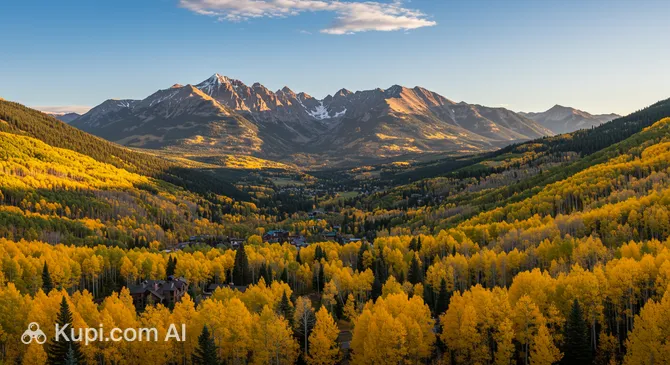
Aspen is synonymous with luxury, outdoor adventure, and breathtaking scenery. Located high in the Rocky Mountains of Colorado, this town is one of the most famous winter destinations in the United States. While it attracts celebrities and skiing enthusiasts from around the globe, it manages to retain a welcoming small-town atmosphere with a permanent population of around 7,000 residents.

The fascinating history of Aspen adds a layer of depth to any visit. Originally founded as a silver mining camp during the Colorado Silver Boom, the city has transformed into a world-class cultural and recreational hub. You can still see Victorian-era architecture mingling with modern luxury boutiques, offering a unique glimpse into its rich past.

Aspen. Source: Kupi.Binoculars

Nature lovers will be captivated by the iconic Maroon Bells, two of the most photographed peaks in North America, located just a short drive from the town center. Of course, the city is best known for its four separate ski areas—Aspen Mountain, Aspen Highlands, Buttermilk, and Snowmass—which offer terrain for every level of skier and snowboarder. Beyond winter sports, the town hosts renowned cultural events like the Aspen Music Festival, making it a vibrant destination year-round.

Whether you are seeking adrenaline-pumping slopes, high-end shopping, or a peaceful retreat in nature, this mountain paradise delivers an unforgettable experience. Plan your trip to discover why this gem in the Rockies continues to capture the hearts of travelers.

Weather Overview

Aspen experiences a high-alpine climate with four distinct seasons, offering unique conditions for outdoor activities throughout the year. Generally, visitors can expect pleasant, mild summers and cold winters that are perfect for snow sports. To help plan your wardrobe and daily excursions, it is useful to check the detailed weather in Aspen before your arrival.

During the peak winter months of January and February, the town is truly cold, with average temperatures hovering around -8°C and minimums dropping to approximately -14°C. March tends to see the most frequent precipitation, with about 17 wet days, ensuring fresh snow for the slopes. In contrast, July is the warmest time of year, featuring average highs of 21.8°C, while months like September offer crisp, moderate weather with average temperatures around 9.9°C.

Interesting Facts

Beyond the main attractions, Aspen holds many fascinating secrets that reveal its character as more than just a ski resort. Digging a little deeper uncovers a history filled with eccentric locals, hidden artistic tributes, and pioneering achievements that often go unnoticed by the casual visitor.

  • Locals have created secret shrines hidden deep within the trees of Aspen Mountain and the surrounding slopes. These makeshift memorials are dedicated to icons like Elvis Presley, Marilyn Monroe, and Jerry Garcia, often decorated with photos and memorabilia, yet they appear on no official map and require local knowledge to find.

  • The historic Hotel Jerome served as the campaign headquarters for Gonzo journalist Hunter S. Thompson during his eccentric 1970 bid for sheriff. His platform famously included renaming the town "Fat City" to discourage investors and ripping up the paved streets to replace them with sod.

  • Aspen was a pioneer in modernization, becoming the first city west of the Mississippi River to have a comprehensive system of electric streetlights powered by hydroelectricity. This technological leap occurred in the late 19th century, driven by the immense wealth generated during the silver mining boom.

  • The John Denver Sanctuary offers a unique blend of art and nature dedicated to the singer who famously made his home here. The park features an environmentally sustainable wetland filter system and massive river boulders intricately engraved with the lyrics of Denver's most beloved songs.

John Denver Sanctuary. Source: Kupi.Binoculars

How to Get There

Reaching this iconic mountain destination is relatively straightforward, thanks to its own airport and several nearby options that offer scenic drives through the Rockies. Whether you prefer flying directly into the heart of the action or taking a road trip from a neighboring city, you have multiple choices. For a complete guide on all available transport methods, you can read more about how to get to Aspen.

The most convenient entry point is undoubtedly Aspen Airport (ASE), also known as Aspen/Pitkin County Airport. It is located just 5.7 km from the town center, making the transfer incredibly quick. A taxi or shuttle ride to downtown typically takes approximately 10-15 minutes. While it is a regional hub, it handles a significant volume of passengers, especially during the ski season, connecting travelers directly to the slopes.

Another popular option is flying into Eagle County Airport (EGE), which serves the Vail area. Although it is situated about 50.9 km away from Aspen, it often acts as a reliable alternative when weather conditions affect flights closer to town. The transfer from the airport involves a drive of roughly 1 hour and 40 minutes, offering beautiful views along the way. Additionally, travelers can consider Montrose Regional Airport (MTJ) in Montrose, which is approximately 120.3 km away. The transfer from there takes about 3 hours and 20 minutes by road.

For clarity, here is a summary of the main airports:

Airport Name City Passenger Traffic Km from City
Aspen Airport Aspen Medium 5.7
Eagle County Airport Vail Medium 50.9
Montrose Regional Airport Montrose Medium 120.3
Yampa Valley Airport Hayden Medium 147.3
Gunnison Airport Gunnison Small 73.7

Aspen does not have its own railway station, and there is no direct train service to the town. Visitors wishing to travel by land often drive or take bus services from major transport hubs like Denver. The drive from Denver is famous for its stunning scenery but requires navigating mountain passes that can be challenging in winter. We recommend checking road conditions and local shuttle schedules in advance.

Main Attractions

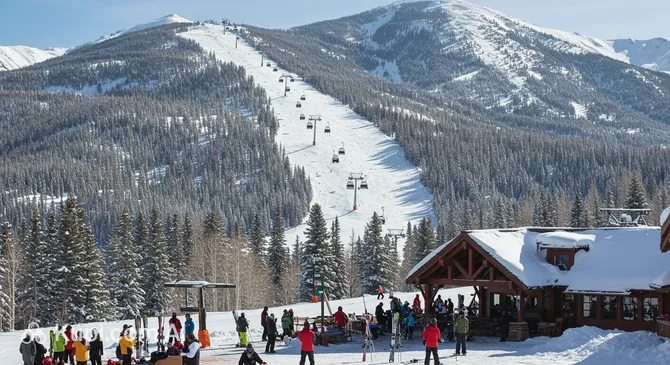
Rising majestically from the heart of downtown, Aspen Mountain, often referred to by locals as "Ajax," is the town's most iconic landmark. Unlike many other resorts, this mountain offers no beginner runs, catering exclusively to intermediate and expert skiers who crave steep bumps and challenging terrain. In the summer, the Silver Queen Gondola whisks visitors to the summit for spectacular panoramic views, open-air concerts, and high-altitude dining.

Aspen Mountain. Source: Kupi.Binoculars

For those seeking a more rugged and intense experience, Aspen Highlands is a favorite among serious skiers and locals. It is famous for the Highland Bowl, a massive, steep basin that requires a hike to reach but rewards adventurers with some of the best in-bounds big mountain skiing in Colorado. The views of the nearby Maroon Bells from the summit are arguably the finest in the area, making the physical effort well worth it.

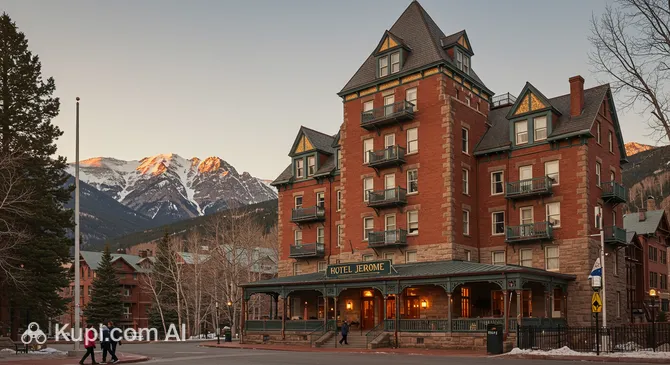
Steeped in history, the Hotel Jerome is more than just a place to stay; it is a social hub that has witnessed the town's evolution since 1889. Known as the "Living Room of Aspen," this brick landmark survived the silver crash and the Great Depression to become a symbol of the city's resilience and luxury. Tourists love visiting the J-Bar for a drink, soaking in the Victorian atmosphere where miners and writers once gathered.

Hotel Jerome. Source: Kupi.Binoculars

When the sun goes down, the energy shifts to Belly Up, an intimate music venue that punches well above its weight class. Despite its small size, which allows for a close connection between the audience and performers, it regularly hosts world-famous artists ranging from rock legends to top-tier DJs. It is widely considered one of the best places in the country to see a live show, offering a vibrant nightlife experience right in the center of town.

Local Cuisine

Local Cuisine:

The culinary scene in Aspen is as spectacular as its slopes, offering a blend of high-end dining and comforting alpine classics. The food culture here is heavily influenced by the "après-ski" lifestyle, where the transition from ski boots to dinner plates is a celebrated daily ritual. Visitors can expect a diverse gastronomic landscape that ranges from Michelin-guide restaurants to rustic cabins serving hearty mountain fare.

For a true taste of the Rockies, you must try dishes featuring local game meats. Elk and bison are staples on many menus, often prepared as tender steaks, burgers, or in rich stews that provide the perfect fuel after a day in the cold. Another local obsession is truffle fries, a decadent snack found at many mountainside bistros, served piping hot and heaped with parmesan cheese—the ultimate savory treat to share with friends.

One of the most beloved spots for a satisfying meal is the White House Tavern. Housed in a charming historic miner’s cottage, this restaurant is famous for its premium sandwiches. Their crispy chicken sandwich has gained a near-legendary status among locals and visitors alike, making it a must-eat dish during your stay.

White House Tavern. Source: Kupi.Binoculars

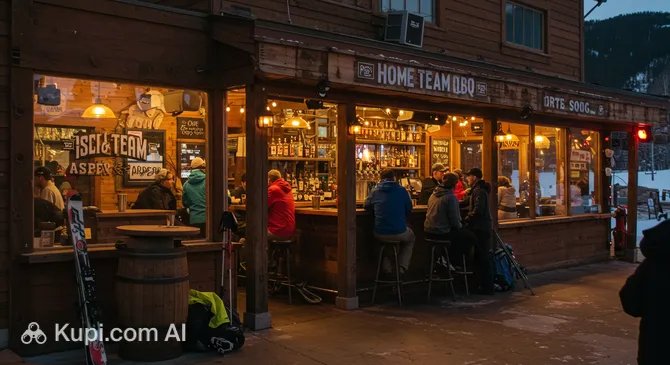
If you are looking for a break from the fine dining scene, the town offers excellent casual options. Home Team BBQ brings a relaxed vibe and Southern-style comfort food to the mountains. It is a popular gathering place for locals who want to enjoy slow-cooked ribs and pulled pork in a friendly, unpretentious atmosphere.

Home Team BBQ. Source: Kupi.Binoculars

When it comes to drinks, Aspen has a unique signature cocktail known as the Aspen Crud. Invented during the Prohibition era at the Hotel Jerome, this boozy milkshake blends bourbon with vanilla ice cream and is still a favorite indulgence today. For beer lovers, the region's craft brewing culture is strong, with many local bars serving Colorado-native brews. Non-drinkers can enjoy rich, gourmet hot chocolates, often served with house-made marshmallows, which are widely available at cafes throughout the town.

Travel Tips

Visiting Aspen is a dream for many travelers, but navigating this high-altitude luxury destination requires a bit of insider knowledge to ensure your trip is as smooth as it is spectacular. These practical tips will help you pack the right gear, get around efficiently, and enjoy the local lifestyle like a seasoned pro.

  1. Clothing and Gear: The golden rule in the mountains is layering. Even in summer, temperatures can drop significantly once the sun goes down, so always carry a light jacket or sweater. In winter, thermal base layers, a waterproof outer shell, and warm accessories are non-negotiable. Crucially, because of the high altitude and thin atmosphere, the sun is incredibly strong; bring high-quality sunglasses and sunscreen to wear year-round.
  2. Transportation: You generally do not need a rental car if you are staying within the town or near the main ski areas. Aspen has an exceptional public transport system called RFTA (Roaring Fork Transportation Authority), which offers extensive bus services, many of which are free within the city limits and to nearby Snowmass. Taxis and ride-sharing apps are available but can be pricey; walking is often the best way to explore the compact downtown area.
  3. Finances: The official currency is the US Dollar (USD). Credit and debit cards are accepted almost everywhere, from high-end boutiques to coffee shops. However, be prepared for "Aspen prices"—this is one of the most expensive destinations in the country. A daily budget should account for higher-than-average costs for dining and accommodation. Tipping is standard practice; expect to leave 18-20% at restaurants and bars.
  4. Health and Safety: The most common health issue for visitors is altitude sickness, as the town sits at nearly 2,400 meters (8,000 feet). Symptoms can include headaches and fatigue. To mitigate this, drink plenty of water, limit alcohol consumption on your first night, and give your body time to acclimatize. Pharmacies are available in town for over-the-counter remedies. The area is very safe, but always stay on marked trails when hiking to ensure safety.
  5. Communication: English is the primary language spoken. Most locals are used to international visitors, so communication is rarely a barrier. Free Wi-Fi is widely available in hotels, cafes, and public spaces around the downtown core. If you need a local SIM card, major US carriers have retail presence in the wider region, but it is easiest to sort this out at a major airport upon arrival.
  6. Local Etiquette: The vibe is "mountain casual" or "Aspen chic." While you will see designer fashion, practical and comfortable clothing is perfectly acceptable in most fine dining establishments—jeans are common if paired nicely. Locals are friendly and appreciate visitors who respect the environment; a simple greeting goes a long way.
  7. What to Avoid: Do not underestimate the effects of alcohol at high altitude; one drink here can feel like two or three at sea level. Also, never approach or feed wildlife. Black bears and moose are active in the area, and keeping a safe distance is critical for your safety and theirs.
  8. Additional Tip: Bring a reusable water bottle and fill it up straight from the tap. The local municipal water, often referred to as "Aspen Tap," is pristine mountain snowmelt and tastes better than most bottled water you can buy. It is an eco-friendly choice that locals strongly encourage.

By keeping these practicalities in mind, you can focus less on logistics and more on the stunning scenery and vibrant culture that make this town unique. A little preparation goes a long way in ensuring your mountain getaway is relaxing, safe, and truly unforgettable.

Entertainment & Nightlife

Aspen comes alive after dark, offering a nightlife scene that rivals major metropolitan hubs despite its intimate size. The evening energy typically begins with the famous "après-ski" tradition in the late afternoon, seamlessly transitioning into a vibrant party atmosphere that lasts until the early morning. The action is largely concentrated in the walkable downtown core, particularly along Galena Street, Hyman Avenue, and Cooper Avenue, where you will find everything from sophisticated lounges to energetic dance floors.

For music enthusiasts, the undisputed heartbeat of the night is Belly Up. This venue is legendary across the country for hosting world-class artists in a surprisingly intimate setting. Whether you are looking for rock, electronic, or hip-hop, seeing a show here allows you to be just feet away from the performers. It draws a diverse crowd, from locals to visiting celebrities, making it a must-visit for anyone seeking a high-energy club experience.

Belly Up. Source: Kupi.Binoculars

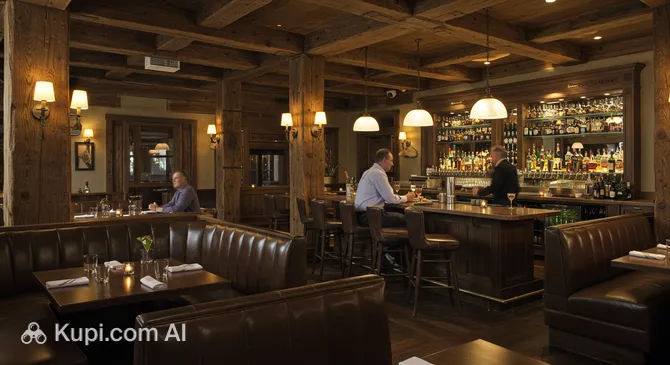
If you prefer a cocktail with a side of history, the J-Bar at the Hotel Jerome is an essential stop. Retaining its Old West charm with original fixtures and a lively social buzz, it is the perfect place to sip signature drinks in a sophisticated yet welcoming environment. For a more casual and laid-back evening, Home Team BBQ offers a great alternative. It serves as a popular hangout where you can enjoy local beers and socialize without the need for high fashion or reservations.

The atmosphere in Aspen is best described as "Mountain Chic." While the dress code is generally relaxed compared to big cities, visitors often dress to impress with designer denim, stylish boots, and high-quality knitwear. Be prepared for premium prices; cover charges for clubs and the cost of cocktails can be higher than average. Most nightlife venues stay open late, with the peak excitement usually occurring between 10:00 PM and midnight.

Safety is rarely a concern in this tight-knit community, and the well-lit streets of downtown are perfectly safe for walking at night. However, if you are staying outside the center, local taxi services and ride-share apps are readily available. The town also supports initiatives like the "Tipsy Taxi" service to ensure everyone gets home securely after a night out.

While the nights are electric, the city also offers plenty of daytime entertainment to balance your itinerary. You can explore contemporary culture at the Aspen Art Museum or catch a performance at the historic Wheeler Opera House. For a peaceful break, a walk through the John Denver Sanctuary provides a serene setting to recharge amidst art and nature before the evening festivities begin again.

Parks & Museums

Aspen offers a surprising abundance of cultural treasures and serene green spaces that complement its rugged mountain surroundings. Beyond the ski slopes, visitors can explore beautifully curated gardens, world-class art venues, and historical sites that tell the story of the town’s evolution from a mining camp to a luxury destination.

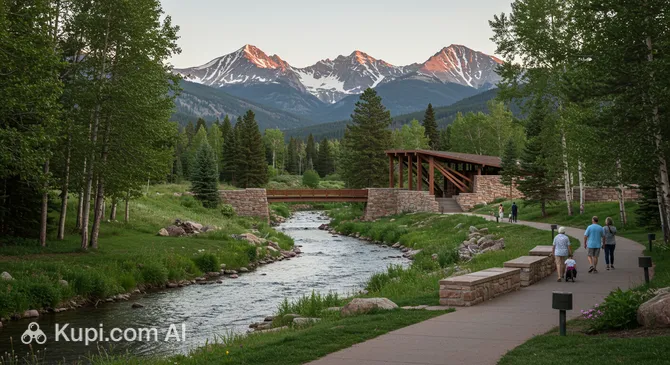
One of the most tranquil spots in the city is the John Denver Sanctuary. Located along the Roaring Fork River, this scenic park serves as a tribute to the legendary singer who cherished the area. It features lush perennial flower beds and an environmentally engineered wetlands system, but its most striking features are the large native boulders engraved with lyrics from Denver’s songs. It is an ideal place for a quiet picnic or a meditative walk away from the bustling streets.

In the very center of downtown lies Wagner Park, a vibrant green hub that serves as the community's living room. Surrounded by shops and restaurants, it is a popular gathering spot for families, dog walkers, and festival-goers. During the summer, it hosts major events like the Food & Wine Classic, while in quieter moments, it offers pristine views of Aspen Mountain, making it a perfect spot to relax and people-watch.

For art enthusiasts, the Aspen Art Museum is a non-negotiable stop. Housed in a spectacular building designed by Pritzker Prize-winning architect Shigeru Ban, the museum is known for its woven wooden screen exterior and rooftop sculpture garden. It is a non-collecting institution, meaning it has no permanent collection but instead hosts rotating exhibitions of cutting-edge contemporary art from around the world. Admission is typically free, making high culture accessible to everyone.

To understand the rich heritage of the region, a visit to the Wheeler/Stallard Museum is highly recommended. Operated by the Aspen Historical Society, this museum is located in a restored Queen Anne-style Victorian home built in 1888. Inside, exhibits detail the town's dramatic rise during the silver mining boom and its subsequent "Quiet Years" before the ski industry took hold. It offers a fascinating glimpse into the lives of the pioneers who built the city.

For a mix of nature and history, take a stroll along the Rio Grande Trail. This paved path follows the old railway line and offers easy walking or cycling with lovely river views. Keep an eye out for the Holden Marolt Mining & Ranching Museum along the way, where you can see massive industrial machinery left over from the silver processing era.

Getting Around

Aspen boasts one of the most efficient and user-friendly public transport systems for a mountain town of its size, making it entirely possible to enjoy a vacation here without a private vehicle. The system is designed to reduce traffic and protect the alpine environment, offering visitors a convenient and often scenic way to navigate between the downtown core, the airport, and the major ski slopes.

The backbone of local mobility is the Roaring Fork Transportation Authority (RFTA). Within the city limits, the bus service is extensive and, remarkably, free of charge. The central hub for all routes is the Rubey Park Transit Center, located conveniently in the heart of downtown. From here, you can catch various dedicated shuttles, such as the "Cross Town" or "Hunter Creek" routes, which loop frequently around the main hotels, shops, and residential areas.

Regarding payment, travel within Aspen and to the nearby Snowmass Village is typically free, which is a huge benefit for tourists. However, if you plan to venture further down the valley to towns like Basalt or Glenwood Springs, a fare applies based on the distance. For these paid zones, you can use exact cash on the bus, purchase tickets from vending machines at major stops, or download the RFTA mobile ticketing app, which is the most convenient option for visitors.

For a more active alternative, the city offers a popular bike-share program called WE-cycle during the spring, summer, and autumn months. With numerous stations scattered throughout the town, it is perfect for short trips. The first 30 minutes of any ride are usually free, making it an excellent way to zip between restaurants or trailheads. Taxis and ride-sharing apps are also available, though availability can be limited during peak times and prices are generally higher than in metropolitan areas.

A unique feature of Aspen's transport network is the Silver Queen Gondola. While primarily a ski lift, it effectively functions as a vertical transit system, whisking passengers from the streets of downtown directly to the summit of the mountain in about 15 minutes. While this requires a paid lift ticket or a sightseeing pass, it offers a spectacular alternative to ground transport for those wanting to access high-altitude dining or hiking trails.

Tourists should note that transport schedules vary significantly by season. Service is most frequent during the peak winter ski season and the summer months, often running late into the night to accommodate the après-ski and dining crowds. During the "off-season" in late spring and late autumn, frequency may be reduced. A practical tip is that RFTA buses are equipped with external racks to carry skis and snowboards in winter and bicycles in summer, making it incredibly easy to transport your gear without hassle.

Accommodation

Accommodation in Aspen is world-renowned for its quality and exclusivity, catering primarily to travelers seeking luxury and comfort. The options range from opulent five-star resorts and historic lodges to upscale condominiums and private vacation rentals. The most popular area to stay is undoubtedly Downtown Aspen. Choosing a hotel here places you within easy walking distance of the Silver Queen Gondola, the best restaurants, and the vibrant nightlife, eliminating the need for a car. For a slightly quieter experience that is still close to the center, the historic West End offers a charming residential atmosphere filled with Victorian architecture.

A standout example of the city's hospitality is the Hotel Jerome. As a landmark property, it perfectly blends the town's rich mining history with modern sophistication, offering guests a chance to stay in a "living museum" that has been the social hub of the area since 1889. Staying at such prestigious venues provides an immersive experience into the local culture and high-alpine lifestyle.

Travelers should be prepared for a price range that leans significantly towards the luxury end of the spectrum. True budget accommodation is virtually non-existent within the town limits; visitors seeking lower rates often look to nearby communities like Snowmass Village or Basalt. Because Aspen is a premier global destination, demand is incredibly high during the peak winter ski season and the summer festival months. A crucial booking tip is to reserve your room well in advance—often six months or more—to secure availability and the best possible rates.

Nearby Cities

For those looking to explore the surroundings, Aspen serves as an excellent base for day trips to several interesting nearby locations:

Located just down the valley, Avon serves as the gateway to the prestigious Beaver Creek Resort. This town offers a more relaxed pace than some of the larger ski hubs, featuring the beautiful Nottingham Park where visitors can enjoy paddleboarding in the summer or ice skating in the winter. It is an ideal spot for those wanting to experience the diverse dining and shopping options of the Vail Valley without the intense crowds.

For a journey into the region's past, Georgetown is a charming Victorian mining town nestled in a steep mountain valley. It is famous for the historic Georgetown Loop Railroad, an engineering marvel that takes passengers on a scenic steam train ride through the rugged landscape. The town itself is a designated National Historic Landmark District, filled with well-preserved 19th-century buildings that offer a stark, rustic contrast to the modern glamour of Aspen.

Another notable destination is Keystone, widely recognized for its family-friendly atmosphere. While it is a major winter sports destination, it transforms during the warmer months into a haven for downhill mountain biking and lakeside festivals. The village provides a variety of activities, making it a fun stop for travelers of all ages.

City Population Distance (km)
Georgetown 66514 112
University 65643 50
Winter Park 29672 119
Keystone 25397 87
Avon 24542 55

These nearby destinations offer a glimpse into the diverse culture and landscapes of the region.

Shopping & Souvenirs

Shopping in Aspen is an experience that rivals the world’s most famous fashion capitals, earning the town comparisons to Rodeo Drive or Fifth Avenue, albeit set against a stunning mountain backdrop. The retail scene is a fascinating blend of high-end luxury, authentic Western heritage, and top-tier outdoor performance gear. Visitors can spend the morning browsing the latest collections from international designers like Gucci, Prada, and Dior, and the afternoon fitting a custom pair of cowboy boots or selecting the perfect skis for the next day's adventure.

The heart of the action is concentrated in the compact, walkable downtown area. The "Golden Triangle" formed by Galena Street, Cooper Avenue, and Hyman Avenue serves as the primary shopping district. These streets are lined with charming Victorian brick buildings that house everything from art galleries to exclusive boutiques. The pedestrian-friendly layout invites tourists to stroll leisurely, window-shop, and enjoy the vibrant atmosphere without the hassle of traffic.

Unlike many American cities, Aspen does not rely on large, enclosed shopping malls. Instead, the retail experience is defined by its open-air pedestrian malls, most notably the Hyman Street Mall and the Cooper Avenue Mall. These brick-paved walkways are the social and commercial spines of the town, featuring fountains, public art, and benches where you can rest between stores. They offer a curated collection of shops rather than the chain stores found in typical suburban centers.

For a taste of local flavor, the Aspen Saturday Market is an unmissable event that runs from June through October. Taking over a significant portion of downtown, this U-shaped market features vendors selling Colorado-grown produce, artisan cheeses, and gourmet foods. However, it is also a prime spot for shopping, offering handmade jewelry, local photography, wood crafts, and unique clothing made by regional artisans.

When it comes to souvenirs, Aspen offers distinct options that reflect its unique culture. Western wear is a top choice; a high-quality cowboy hat or a belt with a silver buckle is a timeless keepsake. Alternatively, items bearing the iconic "Aspen" leaf logo—such as sweatshirts, caps, or vintage-style posters—are popular and practical reminders of your trip. Local art galleries also offer smaller prints and sculptures that make for sophisticated gifts.

Store hours generally run from 10:00 AM to 6:00 PM, though many boutiques stay open later during the peak winter and summer seasons, especially on weekends. Payment is seamless, with credit and debit cards accepted virtually everywhere; carrying large amounts of cash is rarely necessary. Visitors should be aware that sales tax in Aspen is relatively high due to various local taxes, so the final price at the register will be noticeably higher than the tag price.

Regarding tax-free shopping, the United States does not have a national VAT refund system for international tourists similar to those in Europe. While some individual states offer specific programs, Colorado generally does not provide a sales tax refund for foreign visitors on standard retail purchases. Travelers should budget accordingly and expect to pay the full local sales tax on all goods.
Reached the end of the page?

That means the route is fully explored