Support

Grand Junction

About

Nestled in the stunning landscape of the Grand Valley, Grand Junction serves as the vibrant hub of Western Colorado. As a welcoming destination in the United States, this city offers a unique blend of high-desert beauty, outdoor adventure, and agricultural abundance. It is situated at the confluence of the Colorado and Gunnison Rivers, a geographical feature that gave the city its name and contributes to its lush, fertile surroundings.

With a metropolitan population of approximately 134,000, Grand Junction balances the amenities of a growing city with the relaxed atmosphere of a mountain town. The region is famous for its mild climate, which differs significantly from the high alpine environment nearby, allowing for a thriving wine country and abundant fruit orchards. Visitors interested in the history of Grand Junction will find a fascinating narrative of railroad expansion and pioneer spirit that transformed this arid valley into a blooming oasis.
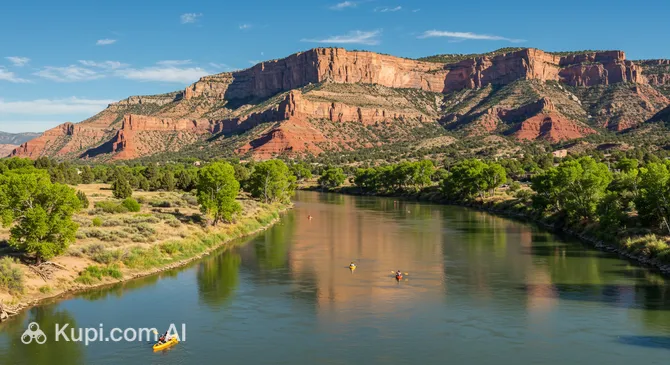
Grand Junction. Source: Kupi.Binoculars

The city is a paradise for nature lovers, most notably serving as the gateway to the breathtaking Colorado National Monument. This park features towering red rock monoliths and deep canyons that rival the beauty of national parks across the region. Just to the east lies the Grand Mesa, the largest flat-top mountain in the world, which provides a stunning backdrop and endless opportunities for hiking, fishing, and skiing. Back in town, the charming downtown area is known for its "Art on the Corner" exhibit, featuring over 100 outdoor sculptures that add a creative flair to the streets.

Whether you are here to explore the rugged red rock landscapes, taste local wines, or simply enjoy the scenic views, Grand Junction invites you to experience the best of the Colorado Western Slope. It is an ideal basecamp for an unforgettable journey into the American West.
Weather Overview

Grand Junction experiences a semi-arid, high-desert climate that results in four distinct seasons and generally low humidity. The weather patterns here are defined by significant temperature variations, offering hot summers and cold winters. Visitors can generally expect warm, sunny days for most of the year, but it is wise to prepare for cooler evenings regardless of the season.

Summer in the Grand Valley is typically hot and dry. July is the warmest month, with an average temperature of 25.7°C and daily highs often climbing to 33.7°C. In contrast, the winter months bring a sharp chill to the air. January is usually the coldest time of year, with average temperatures dropping to -3.7°C and overnight lows reaching -9.8°C.

Precipitation is remarkably low and consistent throughout the year, with most months seeing only about 1mm to 2mm of rainfall. While the area is quite dry, March tends to be the wettest month with about 11 days seeing some moisture. To help you pack the right gear for your trip, be sure to check the detailed weather in Grand Junction before you arrive.

Interesting Facts

Beyond the main attractions, Grand Junction holds many fascinating secrets that reveal the unique character of the Colorado Western Slope. From its humorous early nicknames to record-breaking geological features, the city offers plenty of surprising stories for the curious traveler.

  • The "Bellyache" beginnings: Long before it became a hub for wine and fruit, the area was unceremoniously known as "Bellyache Flats." Early settlers gave it this unflattering name because the local alkaline water sources frequently caused digestive distress for those who drank from them, a problem eventually solved by better irrigation and water systems.

  • A pioneering outdoor gallery: The city is home to one of the very first outdoor sculpture exhibits in the country, known as "Art on the Corner." Established in 1984, this initiative turned Downtown Grand Junction into a permanent open-air museum, where over 100 diverse sculptures now line the sidewalks, inspiring similar programs nationwide.

  • The world's largest flat-top mountain: Dominating the skyline to the east is the Grand Mesa, a geological wonder that covers approximately 500 square miles. It is officially recognized as the largest flat-top mountain in the world, hosting over 300 alpine lakes and its own distinct ecosystem that sits thousands of feet above the valley floor.

  • A sanctuary for wild horses: Just north of the city lies the Little Book Cliffs Wild Horse Range, one of only three areas in the United States specifically dedicated to protecting wild mustangs. The rugged canyon landscape provides a protected habitat where bands of wild horses roam freely, offering a rare glimpse of the untamed American West.

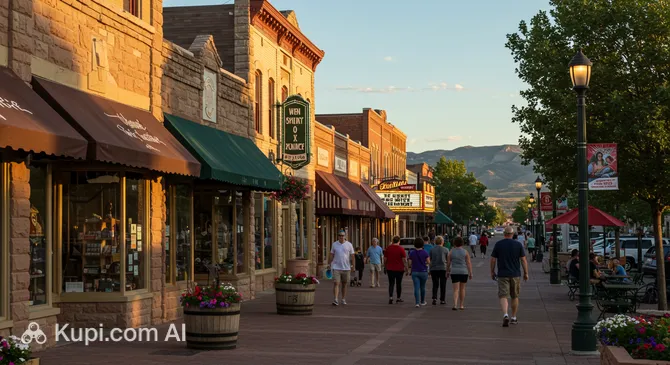
Downtown Grand Junction. Source: Kupi.Binoculars

How to Get There

Reaching this scenic hub in Western Colorado is straightforward, with several convenient options available for travelers. Whether you prefer flying directly into the valley or taking a scenic drive through the mountains, you can easily plan your journey. For a detailed overview of all transport methods, routes, and tips, you can read more about how to get to Grand Junction.

The most direct way to arrive is by flying into Grand Junction Regional Airport (GJT), which is located within the city limits. It is situated just 6.7 km from the city center, making the transfer to your hotel very quick. A taxi or shuttle ride from the terminal to downtown typically takes approximately 10-15 minutes, depending on traffic. This airport serves as the primary gateway for the region, handling a significant volume of passengers annually and offering connections to several major hubs.

If you cannot find a suitable flight directly to Grand Junction, you might consider arriving at Montrose Regional Airport (MTJ) in the city of Montrose. Located approximately 85.2 km away, it is a viable alternative, especially for those planning to visit nearby mountain destinations as well. The drive from Montrose to Grand Junction takes approximately 1 hour by car or shuttle. Another option is Aspen Airport (ASE) in Aspen, though it is further away at 147.5 km, requiring a longer ground transfer.

For clarity, here is a summary of the main airports serving the region:

Airport Name City Passenger Traffic Km from City
Aspen Airport Aspen Medium 147.5
Montrose Regional Airport Montrose Medium 85.2
Grand Junction Regional Airport Grand Junction Medium 6.7
Canyonlands Field Moab Small 108.2
Telluride Regional Telluride Small 136.4

Beyond air travel, Grand Junction is well-connected by ground transportation. The city is a major stop on the famous Amtrak California Zephyr train route, which offers one of the most beautiful rail journeys in North America, connecting Chicago to the San Francisco Bay Area. Additionally, the city sits directly on Interstate 70, making it easily accessible by car from Denver to the east or Salt Lake City to the west.

Main Attractions

Grand Junction offers a delightful mix of historic charm, family entertainment, and vibrant city life. A great place to start your exploration is Downtown Grand Junction. This pedestrian-friendly district is the heartbeat of the city, lined with Victorian-style buildings that house unique boutiques, art galleries, and diverse restaurants. It is a vibrant gathering spot where locals and visitors alike enjoy the lively atmosphere, especially during the weekly farmers' markets and seasonal festivals that fill the streets with energy.

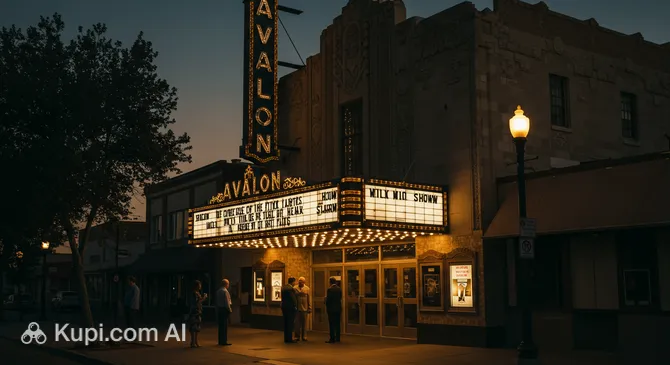
For a touch of culture and history, The Avalon Theatre is a must-visit landmark. Built in 1923, this beautifully restored venue serves as the region's premier performing arts center. It hosts a wide array of events, ranging from classic film screenings and symphony concerts to comedy shows and live theater productions. The theatre's stunning architecture and intimate setting make it a perfect destination for an evening of entertainment.

The Avalon Theatre. Source: Kupi.Binoculars

Families and thrill-seekers will find plenty of excitement at Bananas Fun Park. This extensive entertainment complex offers a variety of activities for all ages, including go-karts, bumper boats, and a laser tag arena. In the warmer months, the water play area is a popular way to cool off, while the indoor arcade provides year-round fun. It is an ideal spot to let loose and enjoy some energetic recreation.

If you are looking for a relaxing outdoor space within the city, Rocket Park provides a lovely green escape. Known for its distinctive rocket-ship play structure that nods to the space age, this park is a favorite among families with young children. It offers ample space for picnics, leisurely walks, and enjoying the fresh Colorado air, making it a simple yet charming stop during your tour of the city.

Local Cuisine

The culinary scene in Grand Junction is deeply rooted in the agricultural abundance of the surrounding Grand Valley, often referred to as Colorado's wine and fruit country. This fertile region allows for a vibrant "orchard-to-table" dining culture where fresh, locally sourced ingredients take center stage. Visitors can expect menus featuring high-quality produce, particularly during the harvest season when the flavors are at their peak.

One of the absolute must-try delicacies in the area is the famous Palisade peach. Grown just minutes away, these sweet, juicy peaches appear in everything from fresh salads and salsas to decadent cobblers and jams. Another regional staple is Olathe sweet corn, known for its exceptional sweetness and often served roasted as a side dish. For a hearty main course, look for dishes featuring Colorado lamb or bison, which are frequently prepared with rich, savory sauces that highlight the West's ranching heritage.

Grand Junction is also the heart of Colorado's wine country, making it a premier destination for oenophiles. The valley's high-desert climate creates ideal conditions for growing grapes, resulting in award-winning Merlots, Cabernets, and Rieslings. If you prefer beer, the city has a thriving craft brewery scene where you can sample locally brewed IPAs and stouts. Non-alcoholic options often feature fresh fruit juices and ciders pressed directly from the local orchards.

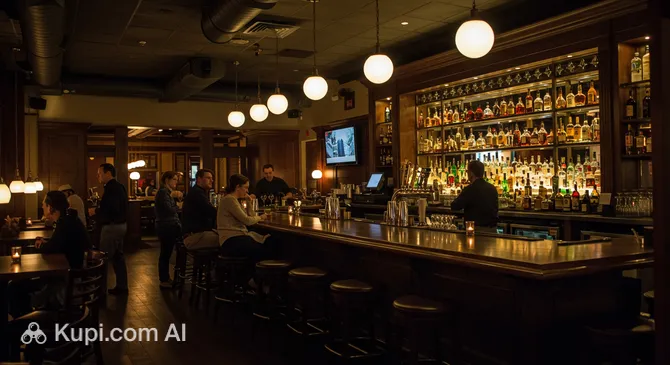
Bin 707 Foodbar. Source: Kupi.Binoculars

Dining out in the city offers a mix of upscale experiences and casual, family-friendly atmospheres. The downtown district is particularly popular for its concentration of restaurants with outdoor patios. A standout spot for those seeking a creative, seasonal menu is Bin 707 Foodbar. This establishment is celebrated for its commitment to sourcing ingredients from local farmers and ranchers, offering a true taste of the valley on a plate.

For a more relaxed meal, pizza lovers often flock to Pablo's Pizza, a local favorite known for its unique toppings and friendly vibe. If you are in the mood for a classic American steakhouse experience, Texas Roadhouse provides a lively environment and hearty portions that fit perfectly with the Western spirit of the town. Whether you are exploring the farmers' markets or sitting down for a fine dining experience, the food culture here is sure to leave a lasting impression.

Travel Tips

Planning a trip to Grand Junction means preparing for high-desert adventures and relaxed city strolling in the heart of Western Colorado. To help you make the most of your visit to this scenic region, here are some practical tips to ensure your journey is smooth and enjoyable.

  1. Clothing and Gear: Since Grand Junction has a semi-arid desert climate, temperatures can fluctuate significantly between day and night. It is essential to pack layers, such as a fleece or light jacket, even in summer. If you plan to explore the Colorado National Monument, bring sturdy hiking boots or trail shoes. A wide-brimmed hat, high-quality sunglasses, and sunscreen are non-negotiable year-round due to the high altitude and intense sun.
  2. Transportation: While the city has a public bus system called Grand Valley Transit (GVT), it is primarily designed for local commuting and does not service many of the outlying scenic areas. To truly experience the region, renting a car is highly recommended. Ride-hailing apps like Uber and Lyft are available, but wait times can be longer than in major metropolitan areas, especially late at night.
  3. Finances: The local currency is the US Dollar (USD). Credit and debit cards (Visa and Mastercard) are widely accepted at hotels, restaurants, and shops. However, it is wise to carry some cash if you plan to visit smaller roadside fruit stands or farmers' markets. Tipping is standard practice in the United States; expect to leave 15-20% for waitstaff, taxi drivers, and tour guides.
  4. Health and Safety: The combination of high altitude (approx. 1,400 meters) and dry air can lead to dehydration quickly. Drink significantly more water than usual, even if you do not feel thirsty. Pharmacies like Walgreens and CVS are easily accessible throughout the city for minor health needs. In case of an emergency, dial 911. The city is generally very safe, but always lock your car and hide valuables when parking at trailheads.
  5. Communication: English is the primary language spoken. Free Wi-Fi is standard in most hotels, coffee shops, and the downtown area. If you are visiting from abroad, ensure you have a travel adapter for Type A or B sockets (standard US plugs). Major mobile carriers have good coverage in the city, but signals can be spotty or non-existent deep within the canyons or on the Grand Mesa.
  6. Local Etiquette: The vibe in Grand Junction is casual and friendly. It is common to greet strangers with a nod or a "hello" while passing on hiking trails. When enjoying the outdoors, strictly adhere to Leave No Trace principles: pack out all trash and respect wildlife. Dress codes are relaxed; casual outdoor wear is acceptable almost everywhere, including nice restaurants.
  7. What to Avoid: Do not step on the cryptobiotic soil when hiking in the desert. This dark, crusty soil is alive and vital for the ecosystem to prevent erosion; one footstep can destroy decades of growth. Also, avoid hiking in narrow canyons if there is rain in the forecast, as flash floods can occur suddenly.
  8. Seasonal Tip: If you are visiting between late summer and early autumn, keep an eye out for the "Palisade Peaches" signs. Buying fresh fruit directly from the local orchards or roadside stands is a beloved local tradition and offers a taste of the region that you won't find in supermarkets.

With these practical details sorted, you are ready to explore the stunning red rock landscapes and charming streets of the Grand Valley with confidence. Pack your sense of adventure and enjoy the warm hospitality that makes this high-desert destination so special.

Entertainment & Nightlife

While Grand Junction is famous for its outdoor adventures, the city also offers a variety of leisure and entertainment options for travelers looking to relax or have fun indoors. From extensive shopping centers to lively venues for evening recreation, there are plenty of ways to enjoy your time off the trails.

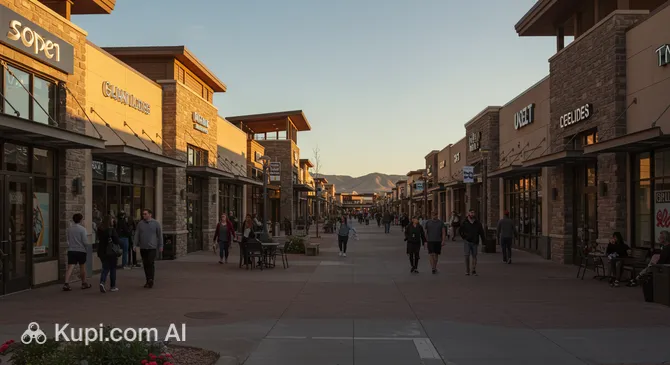
For a complete shopping experience, visitors often head to Rimrock Marketplace. As one of the largest retail hubs in Western Colorado, this sprawling complex features a mix of popular national brands, specialty stores, and diverse dining choices. It is the perfect destination to pick up souvenirs, refresh your travel wardrobe, or simply enjoy a casual stroll in an open-air setting that takes advantage of the region's sunny weather.

Rimrock Marketplace. Source: Kupi.Binoculars

If you are looking for an energetic night out, Freeway Bowl is a local favorite. Far more than just a traditional bowling alley, this entertainment center offers a vibrant atmosphere with modern lanes, arcade games, and pool tables. It also features a sports bar environment where guests can socialize and watch games, making it a great spot for families and groups to unwind and compete in a friendly setting after a day of exploring.

Freeway Bowl. Source: Kupi.Binoculars

Parks & Museums

Beyond its rugged canyons and outdoor adventures, Grand Junction boasts a surprising array of cultural institutions and manicured green spaces that offer a change of pace. The city’s parks and museums provide a window into the region’s rich pioneer history, artistic spirit, and diverse ecosystems, making them perfect stops for travelers seeking a deeper connection to the Grand Valley.

For a deep dive into the heritage of the Western Slope, the Museum of the West is an essential stop. Located in the heart of the city, this facility invites visitors to explore a thousand years of history. You can view authentic stagecoaches, explore a uranium mine reproduction, and see an impressive collection of historic firearms. It is particularly interesting for those curious about the Ute people, the Spanish explorers, and the rugged pioneers who shaped the region.

Art enthusiasts will find inspiration at The Art Center (Western Colorado Center for the Arts). This venue focuses on preserving and promoting the artistic heritage of Colorado, featuring a permanent collection of Native American pottery and Western art. It frequently hosts rotating exhibitions from local and national artists, offering a quiet and contemplative atmosphere that contrasts with the high-energy outdoor activities found nearby.

When it comes to nature within the city limits, the Western Colorado Botanical Gardens is a standout destination. Situated along the banks of the Colorado River, this 15-acre site showcases the unique flora of the high desert alongside lush tropical plants. The highlight for many tourists is the butterfly house, where you can walk among hundreds of colorful butterflies. It is a peaceful retreat that highlights the agricultural soul of the valley.

Another significant green space is Canyon View Park. As the largest municipal park in the city, it serves as a community hub with vast open lawns, sports fields, and walking paths. What makes it interesting for visitors is not just the facilities, but the sweeping panoramic views of the Colorado National Monument and the Book Cliffs. It is an excellent spot for a sunset picnic or a leisurely evening stroll to admire the surrounding geology from a distance.

For a truly authentic experience, consider visiting the Cross Orchards Historic Site. This living history museum preserves one of the largest orchards from the early 20th century. Visitors can wander through historic buildings, see vintage farming equipment in action, and even ride a miniature train, offering a charming glimpse into the agricultural boom that put Grand Junction on the map.

Getting Around

Public transportation in Grand Junction is primarily served by Grand Valley Transit (GVT), which provides a reliable bus network connecting the city with neighboring communities like Fruita and Palisade. While the city does not have a metro, tram, or trolleybus system, the GVT buses are clean, safe, and an economical way to navigate the urban areas. The network consists of several fixed routes that converge at main transfer hubs, such as the Downtown Transfer Facility and the Mesa Mall, making it relatively easy to get between major shopping districts, the university, and the downtown core.

The payment system is straightforward and budget-friendly for visitors. You can purchase single-ride tickets or day passes directly from the bus driver using cash; however, it is important to note that drivers cannot make change, so you must have the exact fare ready. For greater convenience, travelers can use mobile ticketing apps, such as Token Transit, which allow you to buy digital passes on your smartphone and simply show your screen to the driver upon boarding. Fares are generally low, and day passes offer unlimited rides, which is an excellent value if you plan to explore multiple stops.

For tourists relying on the bus, planning ahead is essential. GVT buses typically operate from early morning until the evening, Monday through Saturday. Service on Sundays and major holidays is often reduced or suspended entirely, depending on the route. It is highly recommended to check the latest schedules via the official website or a transit app before heading out. Keep in mind that while the buses are great for getting around town and visiting local wineries in Palisade, they do not service the remote trailheads or the interior of the Colorado National Monument.

Given the vast nature of the high-desert landscape, many visitors choose alternative modes of transport to fully experience the region. Renting a car is the most popular option, as it provides the freedom to reach scenic overlooks and hiking trails that are inaccessible by public transit. Ride-sharing services like Uber and Lyft are also active in the city, providing a convenient alternative for evening dinners or quick trips across town. Additionally, Grand Junction is extremely bike-friendly, and renting a bicycle or e-bike is a fantastic way to explore the riverfront trails and downtown streets at a leisurely pace.

Accommodation

Finding the perfect place to stay in Grand Junction is relatively easy, as the city offers a diverse range of accommodation options to suit various budgets and travel styles. Visitors can choose from reliable chain hotels, charming bed and breakfasts, and budget-friendly motels. For those seeking a more home-like experience, there is also a growing selection of vacation rentals and apartments, which are particularly popular for families or groups planning longer stays to explore the surrounding national parks.

When choosing a location, two main areas stand out for tourists. Downtown Grand Junction is the best choice for travelers who want to be within walking distance of local restaurants, art galleries, and shops. Staying here immerses you in the city's historic charm and vibrant atmosphere. Alternatively, the Horizon Drive area, located near the airport and Interstate 70, is extremely convenient for road trippers and those looking for quick access to the Colorado National Monument. This area hosts a high concentration of hotels and offers easy parking and straightforward navigation.

Given the region's reputation as an outdoor playground, camping and RV parks are also widely available in and around the city. These options appeal to visitors who arrive with their own gear and wish to stay close to nature. While luxury resorts are less common compared to major metropolitan hubs, you will find several upscale hotels that offer premium amenities, including pools and on-site dining, ensuring a comfortable retreat after a day of hiking or wine tasting.

Booking Tip: Grand Junction is a year-round destination, but accommodation can fill up quickly during the peak summer months and the autumn harvest season. If you plan to visit during local wine festivals or the peach harvest, it is highly recommended to book your stay several months in advance to secure your preferred location and rates.

In terms of pricing, the city is generally affordable compared to other Colorado mountain destinations like Aspen or Vail. Most properties fall into the budget to mid-range categories, making it an accessible stop for many travelers. Booking is typically done through major online travel platforms, though contacting smaller inns or B&Bs directly can sometimes yield better deals or personalized service.

Nearby Cities

For travelers eager to discover the wider region, Grand Junction is an ideal starting point for excursions to several captivating destinations nearby.

Located just a short drive to the west, Fruita has evolved into a premier hotspot for outdoor enthusiasts. Renowned globally for its mountain biking trails, such as the Kokopelli Loops, it draws cyclists seeking high-desert adventure. The town is also celebrated as the center of "Dinosaur Country," featuring the Dinosaur Journey Museum where visitors can explore the prehistoric history of the valley.

Heading south, Montrose serves as the essential gateway to some of the most spectacular scenery in Colorado. It provides direct access to the Black Canyon of the Gunnison National Park, a geological marvel defined by its sheer, dark cliffs. Beyond the park, the town offers a charming historic district and serves as a convenient hub for fishing, camping, and exploring the surrounding public lands.

City Population Distance (km)
University 65,643 179
Avon 24,542 187
Montrose 20,098 89
Roosevelt 18,019 183
Fruita 13,296 17

These neighboring communities provide a diverse range of experiences, from adrenaline-pumping sports to serene nature walks, enriching any visit to the Western Slope.

Shopping & Souvenirs

As the largest metropolitan hub on the Western Slope, Grand Junction serves as the primary retail destination for the region. The city offers a diverse shopping landscape that ranges from expansive commercial centers hosting national brands to charming historic streets lined with independent boutiques. Whether you are looking for high-quality outdoor gear to tackle the nearby canyons, unique Western art, or locally produced goods, the city provides ample opportunities to find exactly what you need.

The heart of the local shopping scene is undoubtedly Downtown Grand Junction. This pedestrian-friendly district is famous for its wide, tree-lined sidewalks and the "Art on the Corner" sculpture exhibit, making a shopping trip here feel like a walk through an open-air gallery. Visitors can explore a variety of locally owned shops selling everything from antiques and books to fashion and jewelry. It is also the best place to find specialty stores dedicated to cycling and hiking equipment, reflecting the area's passion for outdoor adventure.

For a more modern retail experience, the city is home to several large shopping complexes. Rimrock Marketplace is a major open-air center featuring big-box retailers, popular clothing chains, and a variety of dining options, making it a convenient one-stop destination. Additionally, the nearby Mesa Mall serves as the largest indoor shopping center in western Colorado, offering department stores and familiar brand names in a climate-controlled environment perfect for escaping the summer heat or winter chill.

During the harvest season, the city comes alive with vibrant markets that highlight the region's agricultural heritage. The Market on Main is a summer staple in the downtown area, typically held on Thursday evenings. Here, tourists can mingle with locals while browsing stalls filled with fresh produce, handcrafted artisan goods, and local crafts. It is an excellent spot to sample the famous Palisade peaches or Olathe sweet corn directly from the growers.

When searching for the perfect souvenir, look for items that capture the flavor of the Grand Valley. Enstrom’s Almond Toffee is a legendary local confection that makes for a delicious gift to bring home. Due to the thriving local wine industry, a bottle of Colorado wine from a nearby vineyard is also a popular choice. Other unique keepsakes include Western-themed artwork, handmade pottery, or jams and salsas made from local fruits.

Most shops in Grand Junction operate on standard American business hours, typically opening around 10:00 AM and closing between 6:00 PM and 9:00 PM, though downtown boutiques may close earlier on Sundays. Credit and debit cards are universally accepted, and contactless payments are becoming increasingly common. Travelers should be aware that the United States does not generally offer a VAT refund system for international tourists; instead, a sales tax is added to the marked price of goods at the register.

Reached the end of the page?

That means the route is fully explored