Support

Aspen Airport

About the Airport

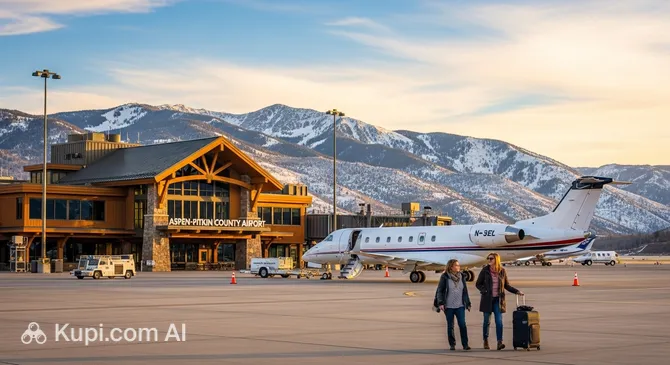
Aspen Airport. Source: Kupi.com Binoculars

Aspen/Pitkin County Airport (Sardy Field) is not merely a transport hub, but a true gateway to the world of luxury ski holidays and alpine comfort. Landing here is an adventure in itself: the aircraft descends right amidst the majestic peaks of the Rocky Mountains, revealing breathtaking panoramas of snow-capped slopes to passengers. Thanks to its location just minutes from the resort centre, this compact yet lively airport allows travellers to almost instantly swap their airliner seat for skis or a snowboard. Despite the modest size of the terminal, an atmosphere of exclusivity and high comfort prevails here, characteristic of one of the most prestigious resorts in the USA.

IATA Code ASE
ICAO Code KASE
City Aspen
Distance to Centre ~6 km
Status Regional (with international connections)
Passengers per Year Over 500,000
Schedule Online Flight Board

Features and Advantages of the Airport:

The main feature of Aspen Airport is its unique location in a narrow mountain valley at an altitude of over 2,300 metres above sea level. This makes the approach one of the most technically challenging, yet incredibly picturesque for passengers. Proximity to the city (just 10-15 minutes by taxi or bus) is a huge advantage over more distant airports, such as Denver.

The airport terminal is designed in the style of a mountain chalet using wood and stone, which immediately immerses guests in a holiday atmosphere. Every detail here is thought out for the convenience of skiers: from spacious oversized baggage claim areas to equipment rental points right at the exit. Although the airport mainly receives regional flights, it is connected by direct service to major hubs (Chicago, Los Angeles, Dallas), ensuring convenient logistics for tourists from all over the world.

Contact Information

For your convenience, we have compiled the main contact information for Aspen/Pitkin Airport (ASE), which may be needed when planning your trip or during your stay in Aspen.

  • Official Website: www.aspenairport.com. Here you will find the most up-to-date information on flights, services, and airport regulations.
  • Inquiry Service Phone: +1 (970) 920-5384. You can obtain general information about the airport's operations at this number.
  • Airport Address: 233 E Airport Rd, Aspen, CO 81611, USA.
  • Email: A direct email address for general inquiries is not published. It is recommended to use the contact form on the official airport website for communication.
  • Lost Luggage Information: If you have lost items within the airport terminal, contact the Lost and Found service at +1 (970) 429-2851. If your items were lost on board the aircraft, you must contact your airline's representative office directly.
  • Passenger Support: For questions related to booking, tickets, flight schedules, and special assistance, please contact the airline you are flying with directly. Airline contacts are available on the official airport website.

How to Get to the Airport

Aspen/Pitkin County Airport (ASE) is located just a few kilometres from the centre of Aspen, making it one of the most convenient ski airports in the USA. You can get to or from it in several ways, each having its own advantages depending on your budget, amount of luggage, and travel plans.

Public Transport The most economical and surprisingly convenient way to travel is via the Roaring Fork Transportation Authority (RFTA) buses. The RFTA network effectively connects the airport with downtown Aspen, the Snowmass Village resort, and other settlements in the valley. Travel on many routes, including the one going to the airport, is often free of charge. Buses run regularly, and the trip to the city centre takes just 10-15 minutes. This is an excellent choice for those travelling light.

Taxis and Private Transfers For maximum comfort, especially if you are travelling with family or a large amount of ski equipment, you can use taxi services or book a transfer in advance. There are always cars on duty at the terminal exit. Private shuttles offer both individual and group transport. This option will be more expensive but ensures "door-to-door" service directly to your hotel or apartments.

Car Rental and Parking If you plan to actively explore the surroundings of Aspen or simply value independence, car rental is your option. Representatives of all major rental companies operate at and near the airport. During the winter season, it is strongly recommended to book a four-wheel drive (4WD) vehicle in advance. The airport has both short-term and long-term parking, but on peak dates, the number of spaces may be limited, and the cost high.

Alternative Airports Since flights to Aspen can be pricey and the schedule limited, many tourists consider flying into other regional airports with a subsequent transfer. Among popular alternatives:

Terminals and Map

Aspen/Pitkin County Airport (ASE) is the gateway to one of the most famous ski resorts in the USA, and its layout is fully consistent with the cosy atmosphere of the city of Aspen. The airport consists of just one passenger terminal, which makes navigating it intuitively clear and fast. The terminal building is small, and its design resembles an alpine chalet, creating a pleasant first impression for arriving guests.

The terminal layout is very simple. All main zones — check-in, security screening, baggage claim, and boarding gates — are located in one building, within walking distance of each other. The Check-in Zone and airline counters are located at the main entrance. Immediately behind them is the security checkpoint. The Departure Zone is a single waiting hall with several boarding gates. The Arrival Zone with the baggage claim belt is also on the ground level, allowing you to quickly retrieve your belongings after landing. Transfers between terminals are not required, as all flights are serviced in one building.

Passing through check-in and security at Aspen Airport usually does not take much time thanks to its compact size. On ordinary days, all procedures may take about 30-45 minutes. However, it is worth noting that during peak season (winter holidays, festive weekends), the airport can be significantly busier. During such periods, it is recommended to arrive well in advance — at least 90-120 minutes before departure, to complete all formalities without rushing.

For convenient navigation through the terminal, simply follow the signs. Thanks to the small space, it is practically impossible to get lost here. The main advice is to keep an eye on the time, especially in the winter period, when weather conditions can affect flight schedules and passenger numbers increase sharply. Otherwise, Aspen Airport offers a comfortable and calm atmosphere, allowing you to relax before your flight or immediately after arriving at the famous resort.

Airport History

The history of Aspen/Pitkin Airport, also known as Sardy Field, is inextricably linked with the transformation of Aspen into one of the most prestigious ski resorts in the world. The airport was founded after the Second World War. In 1945, Pitkin County acquired the land, and already in 1946, the first runway appeared here, marking the birth of the air gateway to this secluded corner of the Rocky Mountains.

A key stage in the airport's development was the 1950s and 1960s. With the growing popularity of skiing in the USA, the demand for fast and convenient access to Aspen increased sharply. In 1957, the airport received its first paved runway, and shortly thereafter, Aspen Airways began operating scheduled commercial flights. This event was a real breakthrough, allowing tourists from all over the country to easily reach the snowy slopes.

Throughout its history, the airport has been modernized repeatedly to meet growing passenger traffic and safety requirements. The runway has been lengthened and widened several times to accommodate larger aircraft, including jets. The terminal building has also undergone several major renovations, the latest of which turned it into a modern and comfortable complex capable of serving thousands of passengers during peak season.

An interesting fact: the airport received its second name, Sardy Field, in honour of Jack Sardy, a local resident and member of the county commission, who was one of the main enthusiasts and driving forces behind the airport's creation. Today, Aspen/Pitkin Airport is considered one of the busiest regional airports in the country, especially during the winter months, and continues to play a vital role in the economy and tourist appeal of the region.

Services and Amenities

Aspen/Pitkin County Airport (ASE), despite its compact size, offers all necessary services for a comfortable wait for your flight. Conditions have been created here so that passengers can relax, have a snack, or attend to work matters before departure.

Dining and Shopping: The terminal features the restaurant Jedediah's Aspen, where you can have a full lunch or take food with you. There is also a coffee shop for a quick bite. In the small souvenir shop, you can purchase essentials, press, and gifts with Aspen branding.

Lounges and VIP Service: For passengers who value enhanced comfort, the Aspen Airport Premier Lounge is available. This is a private lounge offering a cosy atmosphere, snacks, beverages, and personal service. Additionally, FBO (Fixed-Base Operator) services operate at the airport, providing a full range of services for private aviation.

Connectivity and Facilities: Free Wi-Fi is available throughout the terminal. Special stands with sockets and USB ports are equipped in waiting areas for charging electronic devices. ATMs are located in the main hall of the terminal, however, currency exchange services at the airport are limited, so it is better to take care of this in the city in advance.

Additional Services:

  • For passengers with children: The airport has family restrooms with changing tables.
  • Accessible Environment: The airport is fully equipped for passengers with reduced mobility, including ramps, lifts, and specially equipped restrooms. Passengers can request staff assistance for escorting through the terminal grounds.
  • Medical Assistance: The airport has automated external defibrillators (AED), and staff are trained in first aid.
  • Hotels and Business Services: There are no hotels directly in the airport building, but many accommodation options are located a few minutes' drive away in Aspen and Snowmass Village. There are also no specialised conference rooms in the terminal, however, many nearby hotels offer top-class business centres and meeting venues.

Where to Eat

Despite its compact size, Aspen/Pitkin Airport (ASE) offers travellers quality options for a snack or a full meal. The main and practically sole establishment is the restaurant Jedediah's Aspen, located in the main terminal building. It is important to note that it is located in the area before security control (landside), making it accessible not only to passengers but also to those seeing them off.

Jedediah's is a full-service restaurant where you can have a quick snack or a leisurely lunch. The menu offers guests classic cuisine of the USA with elements of Colorado flair. For breakfast, they serve hearty burritos and omelettes, and for lunch and dinner — gourmet burgers, sandwiches, soups, and fresh salads. Sometimes you can find dishes with a local accent on the menu, for example, bison chili. For those in a hurry, there is a convenient grab-and-go section with ready-made sandwiches, pastries, yoghurts, and drinks. The establishment also features a beverage counter offering various refreshments.

Jedediah's opening hours are directly linked to the flight schedule: the restaurant opens for the first morning departures and closes after the last aircraft departs. The price range here is above average, which is typical for the resort city of Aspen. Regarding dietary preferences, the menu always includes vegetarian options, such as salads or vegetable sandwiches. The selection of gluten-free or vegan dishes may be limited, so it is best to clarify the ingredients with the staff, who are usually ready to accommodate guests.

Travel Tips

To ensure your journey through Aspen Airport goes smoothly, use our tips. The airport is small but has its own peculiarities, especially at the height of the ski season. Planning ahead will help avoid stress and save time.

Arrival Time and Check-in: We recommend arriving at the airport at least 2 hours before a domestic flight departure. During peak periods, especially in winter, queues for check-in and security can be long. To save time, check in for your flight online via your airline's website or app.

Security Screening and Hand Luggage: Security rules are standard for airports in the USA. Liquids in hand luggage must be in containers of no more than 100 ml and packed in a transparent bag. Laptops and other large electronics must be removed from bags for scanning. Remember that ski and snowboard equipment is transported only in checked baggage.

Seat Selection and Connections: If possible, choose a window seat. Flights to and from Aspen offer unforgettable views of the Rocky Mountains. Most flights to Aspen are made with a transfer at major hubs, for example, in Denver. Considering the changeable mountain weather, allow at least 2-3 hours for the transfer to avoid problems in case of a delay to the first flight.

Customs Control: If you are flying to Aspen from another country, you will pass customs and passport control at the first airport of arrival in the USA. The flight to Aspen will be considered domestic, which significantly simplifies the arrival procedure.

Saving Time and Money: Book flight tickets and accommodation well in advance, especially if you plan a trip on popular dates. Prices for food and drinks at the airport can be high, so you can bring a small snack and an empty water bottle, which can be filled after passing security.

In Case of Flight Delay: Delays and flight cancellations due to weather are a fairly frequent occurrence in the mountains. Be sure to check the status of your flight online before leaving for the airport. If your flight is delayed, immediately contact an airline representative to clarify your further actions and possible rebooking options. Having travel insurance may cover unforeseen expenses.

Reached the end of the page?

That means the route is fully explored