Support

Vail

About

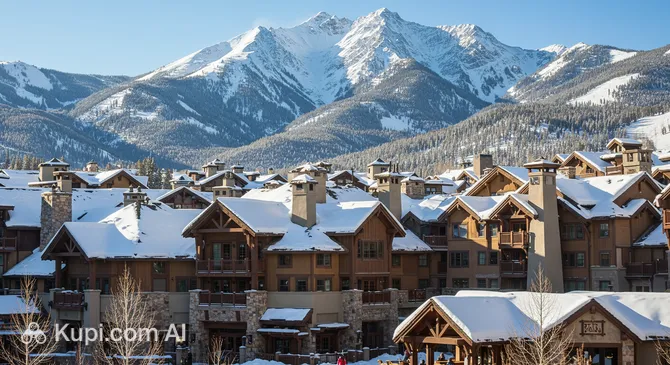
Nestled in the heart of the Rocky Mountains, Vail is widely recognized as one of the premier alpine resort destinations in the world. Located in Colorado, in the western United States, this charming town offers a perfect blend of outdoor adventure and luxurious relaxation. With a permanent population of approximately 14,700 residents, it maintains a welcoming, small-town atmosphere while hosting visitors from across the globe seeking its legendary slopes and scenic beauty.

Vail. Source: Kupi.Binoculars

Modeled after classic European ski villages, the town's architecture features cobblestone streets and Bavarian-style buildings, creating a unique and picturesque ambiance. The history of Vail is fascinating, as it transformed from a quiet sheep pasture into a world-renowned ski hub in just a few decades, officially opening its slopes in 1962. Today, it stands as a testament to the vision of creating a world-class mountain retreat.

Vail is synonymous with winter sports, boasting the massive Vail Ski Resort, which offers vast terrain for skiers and snowboarders of all levels. Beyond the slopes, visitors can explore the beautiful Betty Ford Alpine Gardens, the highest botanical garden in North America, or enjoy the vibrant dining and shopping scene in Vail Village and Lionshead. Whether you are seeking adrenaline-pumping runs in the winter or scenic hiking and biking trails in the summer, Vail promises an unforgettable experience for nature lovers and adventure seekers alike.

Weather Overview

Vail experiences a classic alpine climate, defined by its high altitude and distinct seasonal changes. The weather patterns here are a major draw for visitors, offering snowy conditions for winter sports and comfortable warmth for summer adventures. For a detailed breakdown of what to expect during your specific travel dates, you can consult the guide to the weather in Vail.

During the winter season, particularly from December to February, the town becomes a winter wonderland. Average temperatures typically range from -6.9°C to -5.8°C, with nighttime lows dropping as far as -13.6°C. While the recorded precipitation volume is low, usually around 2mm, the frequency of precipitation is significant, with 10 to 13 wet days per month ensuring steady snowfall for the slopes.

Summer brings a delightful shift, with July being the warmest month. Average temperatures rise to 16.5°C, with daily highs reaching a pleasant 24.3°C and lows staying cool at around 8.6°C. Overall, visitors can expect warm summers with refreshing evenings and cold winters with frequent days of precipitation.

Interesting Facts

Beyond the world-class skiing and luxurious amenities, Vail holds several fascinating secrets and unique features that often surprise visitors. From its carefully engineered infrastructure to its historical roots, there is much more to this alpine town than meets the eye.
  • One of the most convenient features for pedestrians is that the cobblestone streets in Vail Village and Lionshead are heated. This innovative snow-melt system ensures that the walkways remain free of ice and snow accumulation, eliminating the need for plowing and making winter strolls much safer.

  • The Vail Ski Resort was founded by veterans of the U.S. Army's 10th Mountain Division, who trained in Colorado during World War II. Pete Seibert and Earl Eaton scouted the mountain and realized its potential, turning their vision into one of the largest ski resorts in the world.

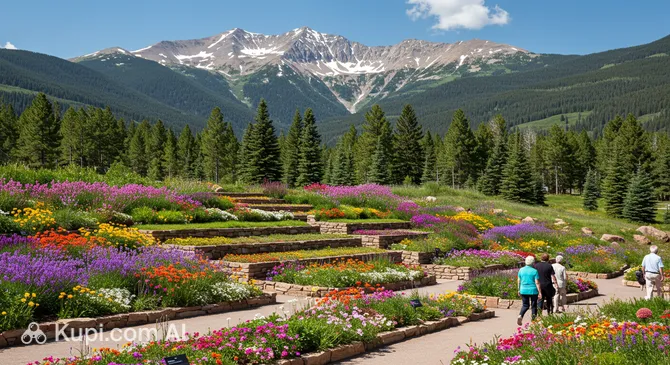
  • Nature lovers can visit the Betty Ford Alpine Gardens, which holds the title of the highest botanical garden in North America. Located at an elevation of 8,200 feet (2,500 meters), this spectacular garden showcases a unique collection of alpine plants from around the globe.

  • Unlike many American towns that evolved over time, Vail was purpose-built from the ground up in the 1960s with a specific aesthetic in mind. The founders modeled the architecture after Bavarian and Austrian ski villages, creating the distinct European charm that defines the town today.

Betty Ford Alpine Gardens. Source: Kupi.Binoculars

How to Get There

Reaching this premier alpine destination is part of the adventure, offering travelers scenic routes through the Rocky Mountains. Whether you are flying in from an international hub or a regional connection, the journey sets the tone for your stay. You can find more details about transportation options and routes on the page dedicated to how to get to Vail.

For those prioritizing proximity, the area is served by Eagle County Airport (EGE), which is the most convenient option. Although the data lists it as being associated with Vail, it is located approximately 46.4 km from the town center. The drive typically takes around 30 to 45 minutes by taxi or shuttle, depending on winter road conditions. This airport welcomes flights from several major U.S. cities, making it a popular choice for skiers who want to minimize travel time on the ground.

Alternatively, many visitors choose to fly into Denver International Airport (DEN), located in Denver, about 148.1 km from Vail. As a major international hub with "Large" passenger traffic, it offers a vast array of flight connections from around the world. The transfer from Denver involves a scenic drive along the I-70 corridor, which usually takes between 2 to 2.5 hours by car or shuttle bus. Another regional option is Aspen Airport (ASE) in Aspen, situated roughly 63.0 km away, offering an alternative entry point into the mountains.

For clarity, here is a summary of the main airports:

Airport Name City Passenger Traffic Km from City
Denver International Airport Denver Large 148.1
Aspen Airport Aspen Medium 63.0
Eagle County Airport Vail Medium 46.4
Yampa Valley Airport Hayden Small 117.4
Gunnison Airport Gunnison Small 132.2

Main Attractions

Vail is a destination defined by its spectacular mountain setting, offering a mix of adrenaline-fueled activities and serene natural beauty. While the town is famous globally for its winter sports, it also boasts cultural and culinary gems that make a visit worthwhile at any time of year.

Undoubtedly the most famous draw is the Vail Ski Resort. As one of the largest ski resorts in the world, it offers over 5,000 acres of skiable terrain, catering to everyone from beginners to expert riders. It is particularly legendary for its seven "Back Bowls," which provide vast, open expanses of powder that attract enthusiasts from around the globe. In the summer, the resort transforms into a hub for hiking, mountain biking, and scenic gondola rides, ensuring it remains the heartbeat of the town year-round.

Vail Ski Resort. Source: Kupi.Binoculars

For those seeking a more tranquil experience with nature, the Betty Ford Alpine Gardens is a must-visit. Situated at 8,200 feet, it holds the distinction of being the highest botanical garden in North America. Visitors can wander through beautifully curated collections of alpine plants and wildflowers that thrive in high-altitude environments. The gardens offer a peaceful retreat with stunning views of the surrounding peaks, educational displays, and a calming atmosphere perfect for a leisurely afternoon stroll.

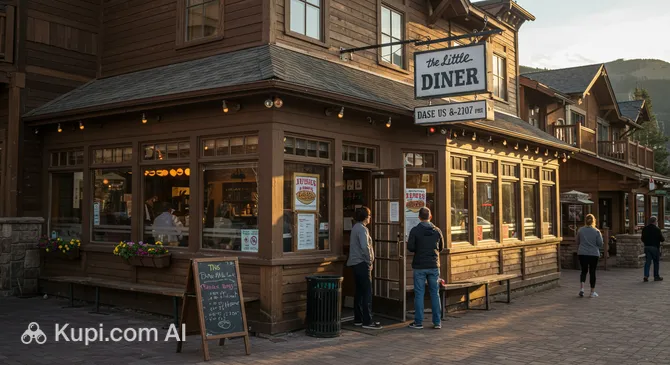
After a day of exploring, tourists often head to The Little Diner to experience a beloved local tradition. This spot is renowned for serving authentic, made-from-scratch meals in a classic diner setting. It is especially popular for its hearty breakfasts, featuring legendary pancakes and omelets that provide the perfect fuel for a day on the mountain. The friendly, unpretentious vibe makes it a favorite gathering place for both residents and visitors looking to enjoy genuine American comfort food.

Local Cuisine

The culinary scene in Vail is as impressive as its slopes, offering a delightful mix of Rocky Mountain staples and European-inspired comfort food. Visitors eager to taste the region's authentic flavors should prioritize dishes featuring local game. Elk tenderloin and bison burgers are widely available and are often paired with seasonal ingredients like huckleberries or wild mushrooms. Another local favorite is fresh Rocky Mountain trout, typically grilled or pan-fried to perfection, providing a lighter but equally delicious option.

Reflecting the town's Bavarian-style architecture, the local cuisine heavily features Austrian and Swiss influences. It is common to find restaurants serving traditional wiener schnitzel, bratwurst, and rich, melted cheese fondue. These hearty meals are the cornerstone of the town's famous après-ski culture, designed to warm travelers after a day in the snow.

The Little Diner. Source: Kupi.Binoculars

For drinks, the town embraces Colorado's reputation as a hub for craft brewing. Local taprooms and bars proudly serve a variety of beers produced in the state, from crisp lagers to robust stouts. In the winter, the beverage of choice often shifts to warm cocktails; sipping a hot toddy or a spiked hot chocolate by a fireplace is a quintessential part of the Vail experience. Non-alcoholic options like locally roasted coffee and hot apple cider are also staples.

The dining atmosphere caters to all preferences, ranging from luxurious fine dining establishments in Vail Village to casual eateries like The Little Diner. During the summer, the culinary landscape expands outdoors with a popular farmers' market, where locals and tourists alike gather to enjoy fresh pastries, artisan snacks, and street food in a lively, open-air setting.

Travel Tips

Welcome to Vail, where the mountain air is crisp and the scenery is breathtaking. To help you make the most of your alpine adventure without any hiccups, we have compiled a set of essential practical tips tailored for a smooth and enjoyable stay in this Rocky Mountain gem.

  1. Clothing and Gear: The key to comfort in Vail is layering. Even in summer, evenings can be chilly, so bring a fleece or light jacket. In winter, thermal base layers, waterproof outerwear, and warm boots with good grip are essential. Due to the high altitude, the sun is significantly stronger here; always pack high-SPF sunscreen and UV-protection sunglasses, regardless of the season. If you plan to visit upscale restaurants, "mountain chic" (nice jeans and a sweater) is generally acceptable.
  2. Transportation: You rarely need a rental car within the town itself. Vail operates one of the largest free bus systems in the country, connecting Vail Village, Lionshead, and outlying neighborhoods efficiently. Parking in the main structures can be very expensive in winter, so relying on the free shuttles or hotel transport is a smart financial move. Ride-sharing apps like Uber and Lyft are available but can be scarce during snowstorms.
  3. Finances: The local currency is the US Dollar (USD). Credit and debit cards are accepted almost everywhere, from ticket windows to small cafes. However, carrying some small bills is useful for tipping hotel staff or valet. Vail is known as a luxury destination, so budget accordingly for dining and activities. Tipping is a strong cultural norm in the US; expect to leave 18-20% at restaurants and bars.
  4. Health and Safety: The biggest challenge for visitors is altitude sickness, as the town sits at 8,150 feet (2,484 meters). Drink twice as much water as usual, limit alcohol intake during your first 24 hours, and take it easy upon arrival. Pharmacies are available in West Vail and near the hospital, but check their hours as 24/7 options are limited. The town is extremely safe, but always keep an eye on your gear at ski racks.
  5. Communication: English is the primary language. Free Wi-Fi is widely available in Vail Village, Lionshead, and at the base of the mountain. For international travelers, ensure you have a travel adapter for Type A or B sockets (standard US plugs). If you need a SIM card, major US carriers have excellent coverage here, though signal can be spotty in deep mountain bowls.
  6. Local Etiquette: The vibe is friendly and laid-back. It is customary to greet shopkeepers and lift operators. On the mountain, observe the "Skier's Responsibility Code"—always stay in control and give right of way to people downhill. In town, queues for buses and gondolas are respected; cutting in line is considered very rude.
  7. What to Avoid: Do not underestimate the weather. Conditions can change rapidly from sunny to blizzard-like in the mountains, so never venture into the backcountry without proper gear and knowledge. Also, avoid walking on ski runs if you are a pedestrian; stick to designated walkways and snowshoe trails to prevent collisions.
  8. Additional Tip: Download the RideVail app (or the local transit app) before you arrive. It provides real-time bus schedules and arrival times, which is a lifesaver when you are waiting in the cold after a long day on the slopes.

By keeping these practicalities in mind, you can focus entirely on the world-class skiing, hiking, and dining that Vail has to offer. Whether you are here for the winter powder or the summer wildflowers, being prepared will ensure your trip is as relaxing as it is memorable.

Entertainment & Nightlife

Entertainment in Vail extends far beyond the adrenaline of the ski runs, offering a vibrant mix of cultural events, lively nightlife, and luxurious leisure activities. The town has cultivated a reputation as a year-round destination where the fun continues long after the sun sets behind the peaks. Whether you are looking for high-end relaxation or a festive atmosphere, the local social scene caters to every mood.

For culture enthusiasts, the town is a surprising hub of world-class arts. During the summer months, the Gerald R. Ford Amphitheater becomes the heartbeat of the community, hosting renowned events like the Vail Dance Festival and the Bravo! Vail Music Festival. These open-air performances allow visitors to enjoy orchestral music and contemporary dance against the stunning backdrop of the Rocky Mountains, creating an unforgettable sensory experience.

The nightlife in Vail is legendary, centered around the spirited tradition of après-ski. As the lifts close, the streets of Vail Village and Lionshead come alive with skiers and snowboarders gathering to celebrate the day's achievements. From cozy pubs with roaring fireplaces to sophisticated lounges serving craft cocktails, the atmosphere is always welcoming. Live music is a staple in many venues, ranging from acoustic sets on outdoor patios to energetic bands playing late into the night.

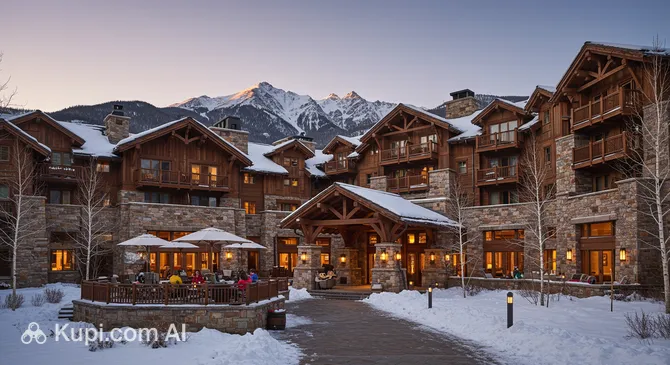
For those seeking a more tranquil form of entertainment, the town offers exceptional opportunities for pampering and rejuvenation. The Four Seasons Resort and Residences Vail stands out as a premier destination for luxury leisure. Visitors can indulge in holistic spa treatments or relax in heated outdoor pools and hot tubs, which are particularly magical when snow is falling around you. This focus on wellness provides a perfect counterbalance to the physical exertion of mountain sports.

Four Seasons Resort and Residences Vail. Source: Kupi.Binoculars

Families and groups can also find plenty of fun off the slopes. Ice skating is a popular pastime, with picturesque rinks located at Solaris Plaza and the Arrabelle at Vail Square. These rinks are often surrounded by fire pits and hot cocoa stands, making them ideal spots for an evening of lighthearted activity. Additionally, the town features boutique bowling alleys and cinemas, ensuring that there are plenty of indoor options to keep everyone entertained regardless of the weather.

Parks & Museums

While Vail is globally renowned for its winter sports, the town also offers a rich tapestry of cultural heritage and serene green spaces that captivate visitors year-round. Beyond the ski slopes, travelers can explore beautifully curated gardens, immerse themselves in the region's unique history, and enjoy the artistic spirit that permeates the village streets.

The crown jewel of the town's horticultural offerings is the Betty Ford Alpine Gardens. As the highest botanical garden in North America, situated at 8,200 feet, it provides a rare opportunity to observe a diverse collection of high-altitude plants from around the world. Visitors can stroll through the rock gardens and waterfalls, learning about alpine conservation while enjoying breathtaking views of the Gore Range. It is a peaceful sanctuary perfect for acclimating to the altitude and enjoying nature at a slower pace.

Betty Ford Alpine Gardens. Source: Kupi.Binoculars

Adjacent to the gardens lies Ford Park, a sprawling green area that serves as a community hub. This park is ideal for families, featuring a large playground, sports fields, and plenty of open space for picnics. It connects seamlessly to the town's paved recreation paths, making it easily accessible for cyclists and walkers. In the summer, the park comes alive with energy, often serving as the gateway to cultural events held at the nearby amphitheater.

For a more immersive natural experience, the Vail Nature Center is a hidden gem located in a rustic 1940s farmhouse across the creek from the gardens. Operated by Walking Mountains Science Center, this seven-acre site offers interpretive trails along Gore Creek where visitors can spot local bird species, beavers, and vibrant wildflowers. It acts as a living museum of the local ecosystem, offering guided nature walks and educational programs that deepen one's appreciation for the Rocky Mountain environment.

Delving into the history of the area, the Colorado Snowsports Museum and Hall of Fame is an essential stop for anyone interested in how Vail became a world-class destination. Located in the transportation center, this museum houses fascinating exhibits on the 10th Mountain Division, the WWII soldier-skiers who trained nearby and later founded many of the region's ski resorts. It also features a comprehensive look at the evolution of snowboarding and skiing equipment, making it a captivating visit for sports enthusiasts and history buffs alike.

Vail also prides itself on its Art in Public Places program, which effectively turns the entire town into an open-air gallery. As you wander through the village, you will encounter over 50 permanent works of art, ranging from bronze sculptures to contemporary installations. This integration of art into the urban landscape allows visitors to experience culture casually as they explore the shops and restaurants, adding an artistic flair to every stroll.

For a truly authentic experience, take a quiet morning walk along the Gore Creek Trail away from the main village centers. This path offers a tranquil escape where the sound of the rushing water and the scent of pine provide a refreshing start to the day, often allowing you to spot local anglers fly-fishing in the gold-medal waters before the crowds arrive.

Getting Around

Navigating Vail is remarkably easy and convenient, largely because the town was designed with a pedestrian-first philosophy. The centerpiece of the public transport system is the comprehensive Vail Transit network, which offers free bus service throughout the town. These buses run frequently, connecting the main districts of Golden Peak, Vail Village, and Lionshead with outlying neighborhoods like East and West Vail. For most visitors, this complimentary service eliminates the need for a rental car, as the buses are reliable, clean, and equipped with racks for skis in the winter and bicycles in the summer.

For those looking to explore beyond the town limits, the ECO Transit system provides regional bus service connecting Vail to nearby communities such as Avon, Edwards, and Eagle, as well as the Eagle County Regional Airport. Unlike the local town shuttles, ECO Transit requires a fare. Travelers can pay with exact cash upon boarding or purchase passes at transportation centers. Mobile ticketing apps are also becoming increasingly popular, allowing passengers to buy fares directly on their smartphones, which is often the most convenient option for tourists.

A unique and iconic form of transport in the city involves its vertical lift system. While primarily used for skiing and hiking access, the gondolas—specifically Gondola One in Vail Village and the Eagle Bahn Gondola in Lionshead—serve as essential links between the valley floor and the mountain activities. While these rides typically require a lift ticket or scenic ride pass during the day, they offer a spectacular way to travel for on-mountain dining. It is worth noting that the villages themselves are largely pedestrian-only zones with heated streets, making walking the most pleasant way to get between shops and restaurants.

Regarding alternatives, ride-sharing services like Uber and Lyft operate in the area, though availability can fluctuate depending on the season and weather conditions. Local taxi companies, such as High Mountain Taxi, offer a reliable backup, especially for early morning airport transfers or late-night trips. In the warmer months, renting a bicycle is a fantastic option; the town features an extensive system of paved recreation paths that make cycling not just a leisure activity but a viable mode of transport.

Practical advice for tourists centers on avoiding the use of private vehicles. Parking in the main village structures can be expensive, particularly during the peak winter season, and spaces fill up quickly. Visitors are strongly encouraged to download the RideVail app, which provides real-time arrival information for the free bus system. Operating hours for buses vary by season, with increased frequency during the winter and summer peaks, often running late into the night to accommodate the après-ski and dining crowds.

Accommodation

Where to Stay:

Accommodation in Vail is synonymous with alpine luxury and comfort, catering primarily to travelers seeking high-end experiences. The town offers a wide array of options, ranging from opulent five-star resorts and boutique hotels to spacious vacation rentals and condominiums. While budget-friendly hostels are virtually non-existent within the main villages, visitors can find more affordable lodges and motels in the outlying neighborhoods of East and West Vail, or in nearby towns connected by the regional transit system.

The most coveted locations for lodging are Vail Village and Lionshead Village. Staying in Vail Village places you in the historic heart of the town, surrounded by heated cobblestone streets, premier dining, and direct access to Gondola One. Lionshead, which features Bavarian-inspired architecture, is equally convenient, offering its own gondola access and a slightly more family-oriented atmosphere. Both areas are pedestrian-friendly and provide immediate access to the slopes, making them the top choices for those who want to be in the center of the action.

For visitors looking to experience the pinnacle of mountain hospitality, the town is home to several world-renowned properties. A standout example is the Four Seasons Resort and Residences Vail, located near the gateway to Vail Village. This property exemplifies the level of service found in the area, offering elegant rooms, a full-service spa, and a dedicated ski concierge service that handles equipment storage and warming, ensuring a seamless vacation experience.

When planning a trip, it is important to note that Vail is a premium destination, and lodging prices reflect its world-class status. Rates are at their highest during the peak winter ski season (December through March) and the height of summer (July and August). To secure the best availability and rates, it is highly recommended to book accommodation at least several months in advance. Most reservations are made through major online travel platforms or directly through property management websites, which often offer package deals that include lift tickets or spa credits.

Nearby Cities

While Vail serves as a spectacular destination in its own right, its location in the Colorado Rockies places it within reach of several other fascinating communities. Travelers looking to explore beyond the immediate resort area can enjoy scenic drives to historic mountain towns or head towards the Front Range to experience the region's larger urban centers.

The closest notable stop is Georgetown, a charming former mining camp that offers a glimpse into the state's Victorian past. Further east, the vibrant city of Boulder awaits, famous for its stunning rock formations and lively cultural scene. Whether you are planning a day trip or continuing your journey across the state, these nearby locations offer diverse experiences just a drive away.

Below is a list of cities and towns located within a convenient distance from Vail:

City Distance (km) Population
Georgetown 59 66,514
University 95 65,643
Boulder 103 120,818
Dakota Ridge 105 34,361
Lakewood 111 155,608

Shopping & Souvenirs

Shopping:

Shopping in Vail is an experience that rivals its world-class skiing, offering a sophisticated blend of high-end luxury, technical outdoor gear, and unique local artistry. The town is not known for bargain hunting; rather, it is a destination for discerning travelers looking for premium brands and exclusive items. As you stroll through the pedestrian-friendly streets, often heated to keep them snow-free, you will find everything from international fashion houses to charming boutiques nestled within Bavarian-style buildings.

The primary shopping district is located in Vail Village, particularly along Bridge Street and Gore Creek Drive. This area serves as the town's retail heart, featuring upscale jewelry stores, furriers, and art galleries that cater to a luxury clientele. Just a short bus ride or walk away, Lionshead Village offers a slightly more relaxed atmosphere but continues the trend of quality retail, with excellent shops for winter sports equipment and casual mountain apparel.

Unlike many American cities, Vail does not have massive, enclosed shopping malls. Instead, the retail experience is integrated into the village architecture. However, Solaris Plaza in Vail Village functions as a modern commercial hub. It houses a collection of posh boutiques, fine art galleries, and lifestyle stores surrounding a public plaza that often features an ice rink or lawn games, depending on the season. For those seeking a more traditional outlet mall experience, visitors often drive to nearby Silverthorne, but within Vail itself, the focus remains on boutique exclusivity.

During the summer months, the shopping scene is enlivened by the Vail Farmers' Market & Art Show. Held on Sundays on Meadow Drive, this is one of the largest markets in Colorado. It is not just about fresh produce; it is a vibrant showcase where tourists can buy handmade crafts, local artisan foods, and unique works of art directly from the creators. It is a must-visit for anyone wanting to take home a piece of local culture.

When it comes to souvenirs, visitors often look for items that reflect the mountain lifestyle. High-quality ski and snowboard gear is a popular purchase, as the town is home to experts who can fit you with the best equipment available. Authentic Western wear, such as cowboy boots and hats, is also a favorite keepsake. Additionally, the town's numerous galleries make it an excellent place to purchase mountain-themed photography, paintings, or sculptures to remember your trip.

Store opening hours generally run from 10:00 AM to 6:00 PM, though many shops in the main villages stay open until 8:00 PM or later during the peak winter and summer seasons to accommodate the après-ski and dinner crowds. Credit and debit cards are universally accepted, and contactless payment is becoming standard. Visitors should be aware that the United States does not typically offer a Value Added Tax (VAT) refund system for international tourists, so the sales tax added at the register is a final cost.
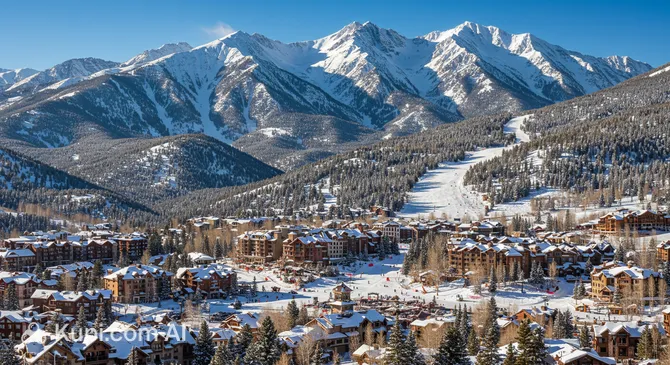
Reached the end of the page?

That means the route is fully explored