Support

Moab

About

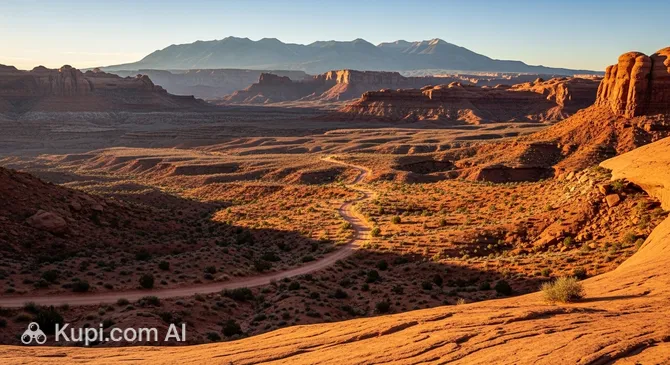
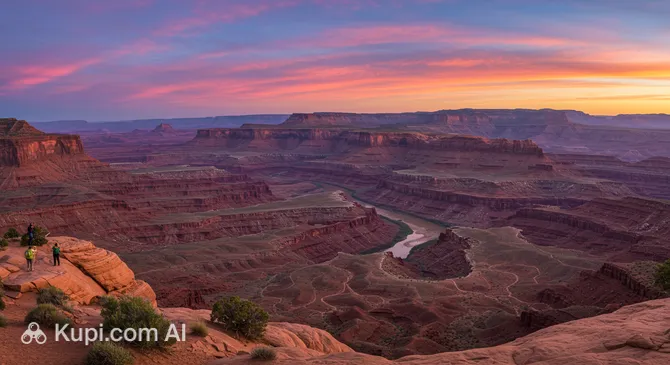
Welcome to Moab, a vibrant city that serves as the ultimate adventure headquarters in the American Southwest. Located in the state of Utah within the United States, this small yet bustling community is world-famous for its stunning red rock landscapes and endless outdoor opportunities. Whether you are a hiker, a photographer, or simply a lover of nature, the unique atmosphere of this high desert oasis is sure to captivate you.
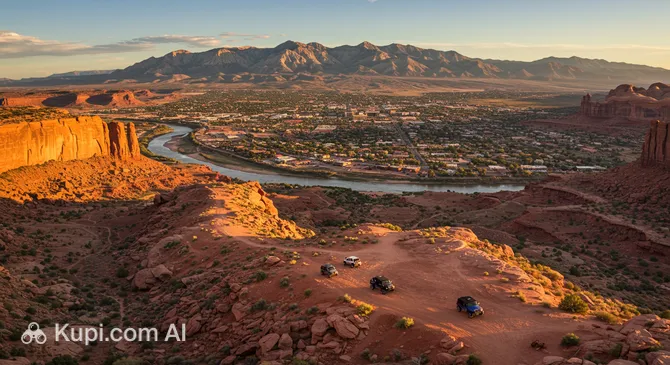
Moab. Source: Kupi.Binoculars

Geographically, the city is situated in a remote valley along the banks of the Colorado River, surrounded by towering sandstone cliffs and mesas. With a permanent population of approximately 5,300 people, it maintains a welcoming, small-town atmosphere despite hosting visitors from around the globe. The climate is typical of the high desert, offering warm, sunny days and cool, crisp nights, which creates ideal conditions for exploration during the spring and autumn months.

Beyond its natural beauty, the region has a rich past. You can explore the history of Moab to learn about its fascinating transformation from a quiet ranching and mining outpost into a premier international travel destination. The area's heritage is deeply intertwined with the rugged terrain that surrounds it, adding a layer of cultural depth to your visit.

Moab is best known as the gateway to two of the country's most spectacular natural treasures: Arches National Park, home to over 2,000 natural stone arches, and Canyonlands National Park, a vast wilderness of canyons and buttes carved by the Colorado and Green rivers. Additionally, the city is a world-renowned hub for mountain biking, particularly on the famous Slickrock Bike Trail, and offers exceptional opportunities for river rafting and off-road driving.

Whether you are seeking adrenaline-pumping activities or peaceful sunsets over the red rocks, Moab offers an unforgettable experience. It is the perfect base camp for discovering the geological wonders of the West, and we invite you to come and see why it captures the hearts of so many travelers.
Weather Overview

The climate in this region is typical of the high desert, characterized by distinct seasonal changes and significant temperature fluctuations. To help you pack appropriately for your adventure, it is useful to check the detailed weather in Moab. Generally, you can expect hot, dry summers and cold winters, with very low precipitation levels throughout the year.

Summer brings intense heat to the valley. July is typically the warmest month, with an average temperature of 28.0°C and daily highs often reaching 35.4°C. Rainfall is scarce during this period; months like June and July usually see negligible precipitation and only about 2 to 3 wet days, making hydration essential for outdoor activities.

In contrast, the winter months are crisp and cold. January sees the lowest temperatures, with an average of -0.7°C and nighttime lows dipping to -6.1°C. While the actual volume of precipitation remains low at around 1mm, winter tends to have slightly more frequent wet days, with January averaging about 7 days with some moisture.

Spring and autumn offer a comfortable middle ground, making them popular times for visiting the national parks. May and September feature pleasant averages of 18.2°C and 21.7°C respectively, providing ideal conditions for hiking and exploration without the extremes of the peak seasons.

Interesting Facts

Beyond the stunning red rock vistas and adrenaline-pumping activities, Moab holds many fascinating secrets that add depth to its character. From its biblical namesake to its surprising industrial past, here are some intriguing details about this desert destination.
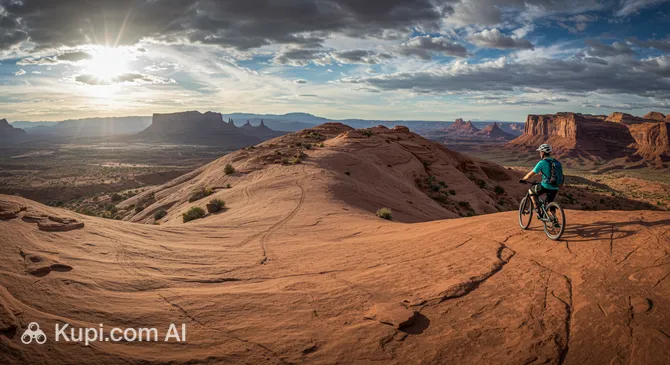
Slickrock Bike Trail. Source: Kupi.Binoculars
  • The city's name is steeped in history. It was named "Moab" by the first postmaster, William Pierce, who believed the remote desert valley resembled the biblical kingdom of the same name, which translates to "far country" or land beyond the Jordan River.

  • Before it became a tourist hotspot, the town was known as the "Uranium Capital of the World." In the 1950s, a geologist named Charlie Steen discovered a massive uranium deposit nearby, transforming the quiet farming community into a booming mining hub almost overnight.

  • The world-famous Slickrock Bike Trail was not originally designed for bicycles. It was established in 1969 for motorcycles (dirt bikes) to navigate the petrified sand dunes found within the Sand Flats Recreation Area, long before mountain biking became a popular sport.

  • Moab is a favorite backdrop for Hollywood filmmakers. The dramatic landscapes have appeared in countless movies, including the opening sequence of Indiana Jones and the Last Crusade and the iconic final scene of Thelma & Louise, which was filmed at nearby cliffs rather than the Grand Canyon.

  • While Arches National Park is famous for its visible landmarks, the region is also a treasure trove for paleontologists. The area surrounding the city contains numerous well-preserved dinosaur tracks, some of which can be easily viewed by hikers on public trails.

How to Get There

Reaching the stunning red rock landscapes of this high desert destination requires some planning, as it is located in a remote part of the American West. While the journey is part of the adventure, understanding your arrival options is key to a smooth trip. You can find detailed information and all ways to reach the city on our dedicated transport page.

The most direct way to arrive by air is via Canyonlands Field (CNY). This local airport is situated just 26.8 km north of the city center. Although it is a small facility with limited annual passenger traffic, it offers unparalleled convenience. A taxi or shuttle ride from here into town typically takes approximately 20-25 minutes, allowing you to start your vacation almost immediately.

For more flight options, many travelers opt for Grand Junction Regional Airport (GJT), located in the city of Grand Junction. This hub is significantly larger and is situated about 107.7 km away. The drive from Grand Junction is scenic and usually takes around 2 hours. Another viable alternative is Montrose Regional Airport (MTJ) in Montrose, which is approximately 144.6 km from Moab. It serves a higher volume of passengers and is roughly a 3-hour drive from the city.

For clarity, here is a summary of the main airports:

Airport Name City Passenger Traffic Km from City
Montrose Regional Airport Montrose Medium 144.6
Grand Junction Regional Airport Grand Junction Medium 107.7
Canyonlands Field Moab Small 26.8
Telluride Regional Telluride Small 159.3
Montezuma County Airport Cortez Small 162.7

Main Attractions

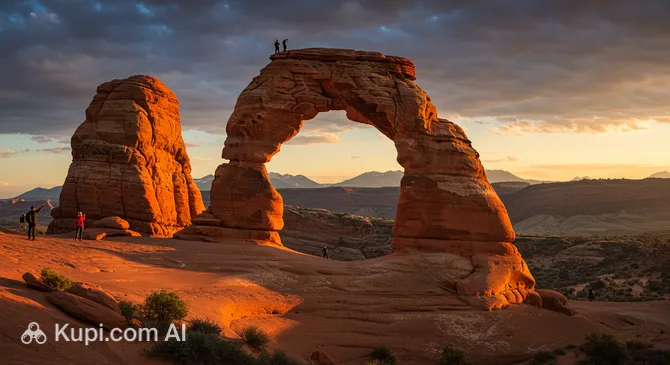
No trip to this region is complete without visiting Arches National Park, a world-renowned destination located just a short drive from the city center. This park preserves over 2,000 natural sandstone arches, including the iconic Delicate Arch and the massive Landscape Arch. Tourists flock here to hike through a surreal landscape of red rock pinnacles, fins, and balanced rocks, making it a paradise for photographers and nature lovers alike.

Arches National Park. Source: Kupi.Binoculars

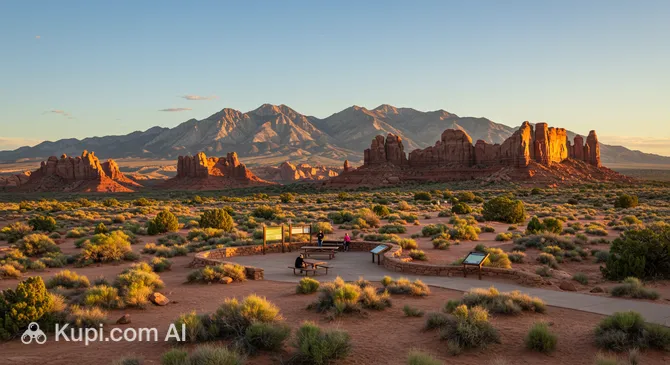
For outdoor enthusiasts seeking a thrill, the Sand Flats Recreation Area offers a rugged playground of petrified sand dunes and deep canyons. This area is globally famous for its challenging 4x4 trails and mountain biking routes, particularly the legendary Slickrock Bike Trail. Beyond the adrenaline-pumping activities, it also provides spectacular camping spots with panoramic views of the La Sal Mountains and the red desert below.

Sand Flats Recreation Area. Source: Kupi.Binoculars

Hikers looking for a rewarding trek should explore the Grandstaff Canyon Trail. This moderately difficult hike follows a perennial stream through a lush canyon, providing a refreshing contrast to the surrounding dry desert. The trail culminates at Morning Glory Bridge, one of the longest natural rock spans in the United States, offering a peaceful and scenic retreat for visitors who want to experience the area's diverse geology.

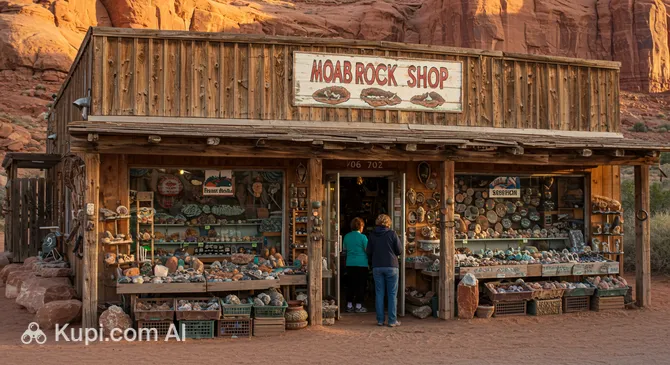
To take a piece of the desert's history home with you, stop by the Moab Rock Shop. Established in 1960, this unique attraction is fascinating for geology buffs and casual tourists alike. It features a vast collection of local specimens, including dinosaur bone fragments, petrified wood, and colorful minerals. It is an excellent place to learn about the geological forces that shaped the region and to find authentic, locally sourced souvenirs.

Moab Rock Shop. Source: Kupi.Binoculars

Local Cuisine

The culinary landscape of Moab is as rugged and spirited as the red rocks that surround it. After a long day of hiking or off-roading, the local food scene focuses on hearty, satisfying meals designed to refuel hungry adventurers. The cuisine here is heavily influenced by the American Southwest, meaning you can expect bold flavors, plenty of spice, and generous portions. A "must-try" regional specialty is the Navajo Taco, a delicious dish featuring fluffy frybread topped with chili beans, cheese, lettuce, and salsa, offering a perfect blend of texture and flavor.

Game meat is also a staple on many menus, reflecting the area's frontier heritage. Visitors often gravitate towards juicy bison burgers or elk steaks, which provide a lean and flavorful alternative to traditional beef. For those seeking classic American comfort food with a musical twist, The Blu Pig is a popular destination. Known for its slow-smoked barbecue and live blues music, it captures the soulful and laid-back vibe that defines the city's evening atmosphere.

The Blu Pig. Source: Kupi.Binoculars

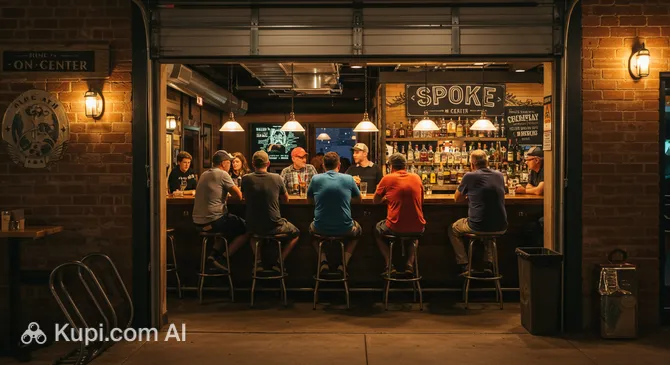
The dining culture in Moab is decidedly casual and unpretentious. You will rarely need a reservation or formal attire; hiking boots and dust-covered clothes are a common sight in even the best establishments. Main Street is the heart of the action, lined with food trucks, patios, and diners like The Spoke on Center, which is a favorite for its gourmet burgers and hand-spun milkshakes. It is a gathering spot where locals and tourists swap stories about their daily excursions over a good meal.

When it comes to beverages, the city surprises many with its vibrant craft beer scene. Despite Utah's complex liquor laws, local microbreweries thrive here, producing excellent ales and lagers that are perfect for cooling down after a day in the desert sun. For non-alcoholic options, locally roasted coffee is a serious affair, fueling early risers before they hit the trails. Places like Bonjour Bakery & Café offer exceptional coffee and pastries, making them an ideal starting point for your morning.

Travel Tips

To ensure your journey through the stunning red rock landscapes of Moab is as smooth as it is memorable, a little preparation goes a long way. This high desert destination has unique challenges and customs, so we have compiled a list of essential practical tips to help you navigate the region like a seasoned explorer.

  1. Clothing and Gear: The desert climate is known for extreme temperature fluctuations. It is best to dress in layers, as a scorching afternoon can quickly turn into a chilly evening. Bring breathable, moisture-wicking fabrics and a lightweight fleece or jacket. Sturdy, broken-in hiking boots are essential for navigating rocky trails. Do not forget high-quality sunglasses, a wide-brimmed hat, and a reusable water bottle or hydration pack to cope with the intense sun.

  2. Transportation: Renting a private vehicle is virtually mandatory here. There is no subway or extensive public transit network to take you into the national parks. While some shuttle services exist for specific trails or rafting trips, having your own car—preferably one with high clearance or 4WD if you plan to explore backroads—gives you the freedom to travel at your own pace. Ride-hailing apps are available but can be unreliable due to the long distances and spotty signal.

  3. Finances: The local currency is the US Dollar (USD). Credit and debit cards are widely accepted at hotels, restaurants, and gas stations. However, it is wise to carry some cash for small purchases, tips, or entrance fees at smaller state parks. ATMs are readily available in the city center. Tipping is standard practice in the United States; expect to leave 15-20% for waitstaff, guides, and taxi drivers.

  4. Health and Safety: Dehydration is the number one risk for tourists. Drink far more water than you think you need—at least 4 liters (1 gallon) per person per day if you are active. Be aware that pharmacies in Moab are not open 24/7, so purchase necessary medications during regular business hours. In case of emergencies, Moab Regional Hospital provides medical care, but prevention is key: always check weather forecasts for flash flood warnings before entering canyons.

  5. Communication: The primary language is English. While Wi-Fi is standard in hotels and cafes, be prepared for significant "dead zones" once you leave the city limits. Cell phone service is often non-existent inside Arches and Canyonlands National Parks. A crucial tip is to download offline maps and hiking guides to your phone before heading out for the day.

  6. Local Etiquette: The local culture is laid-back and friendly. It is polite to greet fellow hikers on the trail with a simple "hello" or a nod. The most important rule of etiquette here is "Leave No Trace": pack out all your trash, including food scraps, and respect the silence of nature by keeping noise levels down, especially in narrow canyons where sound carries.

  7. What to Avoid: Never step on the cryptobiotic soil. This bumpy, black, biological soil crust is alive and vital for preventing erosion, but it is incredibly fragile and can take decades to recover from a single footstep. Always stay on marked trails or walk on solid rock (slickrock) or dry washes to protect this delicate ecosystem.

  8. Additional Tip: Beat the crowds and the heat by starting your day before sunrise. Popular attractions like Arches National Park can fill up by mid-morning, often leading to temporary closures or long waits. An early start not only guarantees a parking spot but also rewards you with the most spectacular lighting for photography.

By keeping these practical tips in mind, you will be well-equipped to handle the desert's rugged beauty safely and respectfully. We hope this advice helps you focus less on logistics and more on the breathtaking adventures that await you in this remarkable corner of the Southwest.

Entertainment & Nightlife

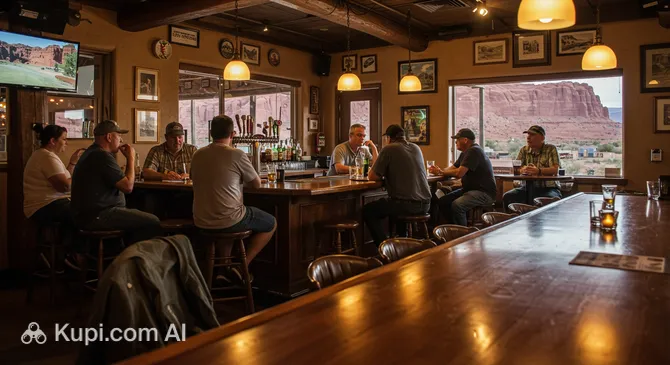
Unlike the bustling metropolises known for 24-hour party scenes, Moab offers a nightlife experience that is distinctly relaxed, rustic, and centered around unwinding after a day of adventure. The evening entertainment here caters primarily to hikers, bikers, and off-roaders looking to trade stories over a cold drink and good food. The action is concentrated almost entirely along Main Street, where the town’s energy shifts from adrenaline-fueled excursions to laid-back social gatherings under the starry desert sky.

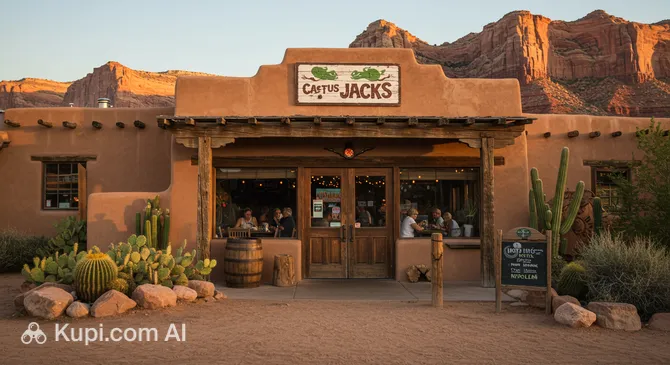
The atmosphere in local venues is casual and welcoming. You will not find strict dress codes or velvet ropes here; jeans, flannel shirts, and even hiking boots are the standard attire. Many establishments feature outdoor patios that allow you to enjoy the cool desert evening air. For a classic local experience, head to Cactus Jacks Moab. This spot is a favorite for its unpretentious vibe and outdoor seating, making it an excellent place to relax with friends and enjoy the spirited ambiance of the town center.

Cactus Jacks Moab. Source: Kupi.Binoculars

If you are looking for entertainment that goes beyond the typical bar scene, the city offers unique options that highlight its natural beauty even after dark. A standout attraction is Canyonlands By Night & Day, which provides a memorable evening boat tour on the Colorado River. Their famous Sound and Light Show illuminates the canyon walls with stories of the area's history, creating a magical and family-friendly alternative to a night at the pub.

Canyonlands By Night & Day. Source: Kupi.Binoculars

For those who prefer a lively social setting with food and drinks, The Spoke on Center serves as a popular gathering point. Located right in the heart of town, it transitions seamlessly from a dinner spot to a buzzing evening hangout where locals and visitors mingle. Live music is also a staple in Moab, with several venues hosting local bands playing country, blues, and rock, adding a soulful soundtrack to the red rock surroundings.

The Spoke on Center. Source: Kupi.Binoculars

When planning your night out, keep in mind that establishments in this region tend to close earlier than in larger cities, often winding down around 10:00 PM or 11:00 PM, though some bars stay open until 1:00 AM on weekends. Prices are generally moderate, typical of a tourist town. Getting around is safe and easy; the downtown area is compact and walkable. However, if you are staying at a lodge or campground on the outskirts, be aware that taxi services and ride-sharing apps can be limited late at night, so it is wise to arrange transportation in advance or have a designated driver.

Before the sun sets, the city offers plenty of daytime entertainment to complement your outdoor adventures. Apart from the world-class national parks, you can explore the local culture at the Moab Museum, which showcases the region's geology and human history, or visit the various art galleries downtown that feature works inspired by the dramatic landscapes. Whether day or night, the town provides a perfect balance of excitement and relaxation.

Parks & Museums

While this high desert destination is globally famous for the massive national parks that surround it, the city itself hosts a variety of charming green spaces and cultural institutions that offer a relaxing change of pace. Visitors looking to escape the midday sun or delve into the region's fascinating heritage will find several inviting spots right within the town limits.

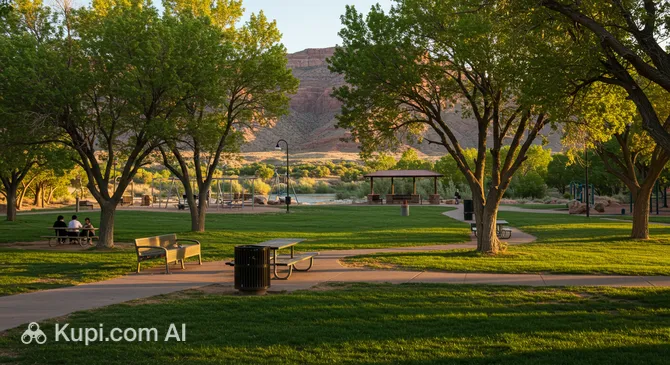
For a refreshing break in the heart of downtown, Swanny City Park is the most popular gathering place for locals and tourists alike. This spacious park features large cottonwood trees that provide much-needed shade, a skate park, and a well-equipped playground. It serves as the venue for many local festivals and farmers' markets, making it a vibrant hub of community life where you can enjoy a picnic on the grass while watching the red rocks glow in the distance.

Swanny City Park. Source: Kupi.Binoculars

Another hidden gem is Rotary Park, located slightly off the main drag on Mill Creek Drive. This peaceful oasis is known for its lush vegetation and the unique "musical playground," which features large outdoor instruments that children and adults can play. It is an excellent spot for birdwatching and enjoying a quiet moment away from the engines of off-road vehicles. Near the Colorado River, you will find the Lions Park and Bike Path Trailhead, a beautifully developed area that serves as a gateway to the city's extensive paved trail system and offers scenic pedestrian bridges over the water.

To understand the rich tapestry of human history in the area, a visit to the Moab Museum is essential. This facility chronicles the region's story from the dinosaur age to the ancestral Puebloans and the uranium mining boom. Exhibits include archaeological artifacts, geological displays, and stories of the early pioneers, providing context to the rugged landscapes you explore outdoors. Art lovers should also explore the numerous galleries downtown, which showcase breathtaking landscape photography and local crafts that capture the spirit of the canyon country.

Rotary Park. Source: Kupi.Binoculars

The area is also an open-air museum of ancient history. Just a short drive from the city center along Potash Road, you can view spectacular petroglyphs and rock art panels left by indigenous peoples thousands of years ago. These well-preserved carvings depict animals, hunting scenes, and abstract figures, offering a direct link to the cultures that thrived here long before modern settlement.

For an authentic local experience, take a stroll along the Mill Creek Parkway. This paved urban trail winds through the town along a creek, connecting several parks and offering a cool, riparian environment that feels worlds away from the surrounding desert. It is a favorite route for residents walking their dogs or commuting by bike, providing a lovely, shaded perspective of the city.

Getting Around

Navigating Moab is relatively straightforward due to its compact size, but the public transport landscape is quite different from what you might find in a large metropolitan area. The city does not have a traditional network of subways, trams, or extensive fixed-route buses. Instead, the primary mode of public mobility is an innovative on-demand micro-transit service designed to reduce traffic congestion and help visitors move around the downtown area and nearby destinations without needing a private car for every short trip.

The core of the local transport system is Moab Area Transit (MAT). This is a door-to-door, shared-ride service that utilizes small vans rather than large buses. It functions similarly to a ride-sharing app but is publicly managed. It is an excellent option for getting from your hotel to a restaurant on Main Street, a grocery store, or a local trailhead within the city limits. However, it is important to note that this service generally does not extend into the national parks themselves.

Regarding payment and tickets, the MAT service is currently offered fare-free to both residents and tourists to encourage its use and alleviate parking issues in the city center. There are no physical tickets to buy or travel cards to validate. To use the service, you simply need to download the dedicated mobile app (search for "Moab Area Transit" or the specific provider currently operating the system) to book your ride. If you opt for private shuttle services to reach trailheads or airports, prices vary significantly, and you should be prepared to pay with a credit card or cash upon booking.

For tourists, the best practical advice is to download the MAT app before you arrive or as soon as you have Wi-Fi. Service hours can vary by season, typically operating from morning until late evening (e.g., 9:00 AM to 9:00 PM), but it is not a 24-hour service. Since wait times can fluctuate based on demand, it is wise to request your ride 15 to 20 minutes before you actually need to leave. For trips into Arches or Canyonlands National Parks, public transit is not an option; you will need to rent a car, book a commercial tour, or hire a private shuttle.

Alternatives to the public shuttle are plentiful and often preferred by active visitors. Car rentals remain the most popular choice for total freedom, especially for exploring the surrounding desert. Bicycle rentals are also extremely popular; given the city's reputation as a biking capital, many tourists choose to commute around town on two wheels. While taxis and ride-sharing apps like Uber and Lyft exist, availability can be sporadic and unreliable, particularly early in the morning or late at night, so they should not be your only plan for time-sensitive trips.

A unique feature of the local transport scene is the abundance of adventure shuttles. These are specialized private services designed specifically to transport hikers, mountain bikers, and river rafters to remote trailheads and put-in spots. Unlike standard taxis, these vehicles are equipped with bike racks and gear storage, making them an essential part of the logistics for any outdoor enthusiast planning a one-way trek or ride.

Accommodation

Where to Stay:

Finding the perfect base camp for your red rock adventures is an essential part of the Moab experience. The city offers a diverse range of accommodation options designed to suit every type of traveler, from budget-conscious backpackers to those seeking a luxurious retreat after a day on the trails. Visitors can choose from classic roadside motels, charming bed and breakfasts, upscale resorts, and a growing number of vacation rentals and condominiums.

When choosing where to stay, location is a key factor. The Downtown area along Main Street is highly popular for its convenience; staying here means you are within walking distance of local restaurants, shops, and tour operators. For a quieter experience with more scenic views, many travelers prefer the River Corridor (along Highway 128) or the northern outskirts of town. These areas offer a sense of seclusion and are often located closer to the entrance of Arches National Park and the banks of the Colorado River.

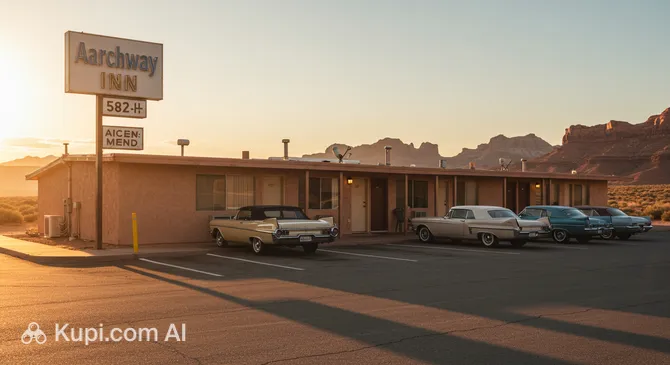
For visitors looking for a blend of comfort and accessibility, the Aarchway Inn is a prominent choice. Located on the northern edge of the city, this resort-style hotel is situated just minutes from the national park entrance, making it an ideal strategic location for early morning hikers. It features spacious grounds and amenities designed to help guests relax after a long day of exploration.

Aarchway Inn. Source: Kupi.Binoculars

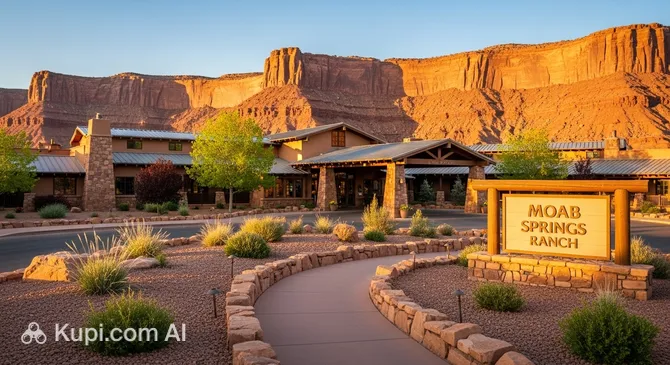
If you prefer a stay that feels more like a desert oasis, Moab Springs Ranch offers a unique historical atmosphere. Nestled against the red rocks near the north end of town, this property combines a resort hotel with private bungalow-style accommodations. It is known for its lush grounds, natural springs, and direct access to bike paths, providing a tranquil escape from the bustling town center.

Moab Springs Ranch. Source: Kupi.Binoculars

Booking Tip: Because Moab is a world-class destination with a relatively small window of "perfect" weather, accommodation is in extremely high demand. During the peak seasons of spring (March-May) and autumn (September-October), hotels often reach full capacity months in advance. It is strongly recommended to book your room as soon as your travel dates are confirmed to secure your preferred location and rate.

Price Range and Booking: Prices vary significantly depending on the season. In peak months, even mid-range motels can command premium prices, while winter rates are considerably lower. Budget options like hostels and campgrounds are available but fill up quickly. Most accommodations can be easily booked via major online travel platforms or directly through the property's website, which sometimes offers flexible cancellation policies beneficial for road trippers.

Nearby Cities

For those looking to explore the surroundings, Moab serves as an excellent base for day trips to several interesting nearby locations:

Just across the state border in Colorado, travelers will find Fruita and Grand Junction, both of which offer distinct experiences. Fruita is widely celebrated among outdoor enthusiasts for its world-class mountain biking trails and the fascinating Dinosaur Journey Museum, making it a hit with families. A little further east, Grand Junction serves as the major urban hub of the region. It provides a wider array of dining and shopping opportunities and acts as the gateway to the Colorado National Monument, a stunning landscape of red rock canyons and towering monoliths that rivals the beauty of Utah's parks.

For a journey into dramatic geological formations, Montrose is a worthy destination. It sits near the edge of the Black Canyon of the Gunnison National Park, where visitors can peer into one of the steepest and oldest canyons in North America. Alternatively, a longer drive south leads to Durango, a historic town nestled in the San Juan Mountains. Known for its well-preserved Victorian architecture and the famous narrow-gauge steam train, it offers a complete change of scenery from the high desert to alpine splendor.

City Population Distance (km)
Grand Junction 134,074 102
Montrose 20,098 146
Durango 18,953 206
Roosevelt 18,019 195
Fruita 13,296 97

These nearby destinations offer a glimpse into the diverse culture and landscapes of the region, allowing travelers to experience everything from alpine peaks to deep canyons within a few hours of driving.

Shopping & Souvenirs

Shopping in Moab is a reflection of its identity as an adventure capital and an artistic haven. Rather than high-end fashion boutiques or sprawling department stores, the city offers a curated selection of independent shops that cater to outdoor enthusiasts and lovers of the Southwest. Visitors can expect to find high-quality hiking gear, unique geological treasures, and handcrafted goods that capture the spirit of the red rock landscape.

The primary retail hub is concentrated along Main Street, which runs through the heart of the town. This walkable corridor is lined with a diverse array of storefronts, making it easy to explore on foot after a morning of hiking. Here, you will find everything from specialized bookstores and souvenir shops to galleries featuring Native American jewelry and local photography. The atmosphere is laid-back and welcoming, inviting you to browse at a leisurely pace.

Travelers should be aware that there are no large shopping malls in the city. The retail experience is distinctly small-town, characterized by standalone businesses and small strip plazas rather than enclosed shopping centers. This absence of big-box retail adds to the charm of the area, ensuring that most purchases support local business owners and artisans.

For a taste of local culture and fresh flavors, the Moab Farmers Market is a highlight during the warmer months. Typically held at Swanny City Park, this seasonal market brings together regional farmers, bakers, and craftspeople. It is an excellent place to find fresh produce, homemade jams, and unique handmade gifts while mingling with the local community in a relaxed outdoor setting.

When it comes to souvenirs, the region offers items you won't find anywhere else. A visit to the Moab Rock Shop is essential for anyone interested in the area's geology; here you can purchase authentic dinosaur bone fragments, petrified wood, and colorful mineral specimens. Other popular keepsakes include locally made pottery, t-shirts featuring the iconic delicate arch, and top-tier outdoor apparel that is tested on the surrounding trails.

Most shops in the downtown area generally open around 9:00 AM and stay open until 8:00 PM or 9:00 PM, particularly during the peak tourist seasons of spring and autumn. Credit and debit cards are widely accepted at almost all establishments, although carrying a small amount of cash can be helpful for small purchases at markets or food trucks.

Regarding taxes, the United States does not typically offer a Value Added Tax (VAT) refund system for international tourists. Sales tax is added to the marked price of goods at the register, and this amount is non-refundable. Visitors should factor this small additional cost into their shopping budget.

Reached the end of the page?

That means the route is fully explored