Support

Telluride

About

Nestled in a spectacular box canyon surrounded by the steep, forested peaks of the San Juan Mountains, Telluride is widely considered one of the most picturesque towns in Colorado. This former Victorian mining camp has seamlessly transformed into a world-class destination, renowned for its stunning natural beauty, vibrant arts scene, and year-round outdoor adventures.

Located in the southwestern part of the United States, the town sits at an elevation of 8,750 feet (2,667 meters). Despite its modest size, with a population of approximately 2,600 residents, Telluride possesses a grand atmosphere defined by its dramatic alpine setting and welcoming community spirit.
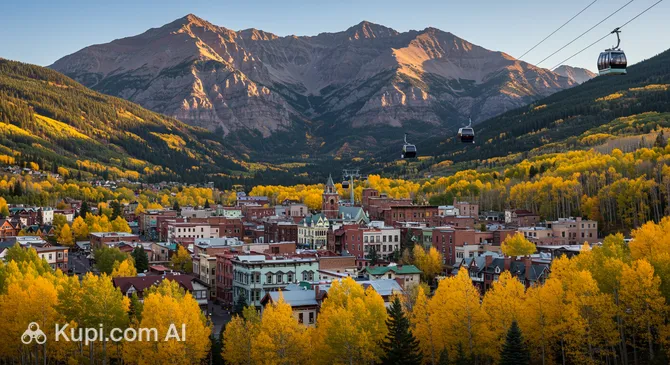
Telluride. Source: Kupi.Binoculars

The town's architecture beautifully preserves its heritage, with colorful Victorian homes and storefronts lining the main street. Those interested in the history of Telluride will discover a fascinating tale of the Wild West, tracing the area's evolution from a booming gold and silver rush camp to a premier resort town. Today, the entire downtown area is designated as a National Historic Landmark District, offering a unique glimpse into the past.

Travelers flock here for the renowned Telluride Ski Resort, which offers exceptional terrain for winter sports enthusiasts without the crowds often found elsewhere. In the warmer months, the region comes alive with hiking trails leading to wonders like the majestic Bridal Veil Falls, the tallest free-falling waterfall in Colorado. The town is also famous for its summer festivals, celebrating everything from film to bluegrass music.

Whether you are seeking adrenaline-pumping slopes or a peaceful mountain retreat, Telluride promises an unforgettable experience. Its unique blend of historic charm, modern luxury, and breathtaking scenery makes it a perfect getaway for any traveler.
Weather Overview

Due to its high elevation in the San Juan Mountains, Telluride experiences a distinct alpine climate with significant seasonal variations. To pack appropriately for your visit, it is helpful to review the detailed forecast for the weather in Telluride before you arrive.

Winters are characteristically cold, with average temperatures in January and December dropping to around -7°C and minimums often reaching -13°C. Conversely, the summer months bring delightful warmth; July is typically the warmest month with average temperatures of 14.8°C and daytime highs peaking near 21.7°C. The number of wet days varies, with March and July being the most frequent for precipitation, seeing up to 15 wet days, while November and June remain relatively drier.

Expect mild summers with occasional rain and cold winters that require warm layers.

Interesting Facts

Beyond its reputation as a premier destination for winter sports and summer festivals, Telluride holds many fascinating secrets and historical distinctions that surprise many visitors. From its Wild West roots to its pioneering role in technology, this mountain town is full of unique stories waiting to be discovered.
  • The town holds a significant place in criminal history as the site of Butch Cassidy's first bank robbery. On June 24, 1889, the notorious outlaw and his associates robbed the San Miguel Valley Bank, escaping with approximately $24,000, which launched his infamous career.

  • Telluride was the first city in the world to be lit by alternating current (AC) electricity. In 1891, the Ames Hydroelectric Power Plant successfully transmitted AC power to the Gold King Mine, proving the viability of Nikola Tesla’s invention over direct current.

  • The area features a unique public transportation system that serves as an attraction in its own right. A free gondola connects the historic town to Mountain Village and Telluride Ski Resort, providing a scenic 13-minute commute that eliminates the need for cars.

  • To preserve its authentic Victorian charm and small-town character, the town enforces strict zoning laws that prohibit chain restaurants and shops. You will not find any neon signs or major franchises here, allowing local businesses to flourish and maintaining a distinct atmosphere.

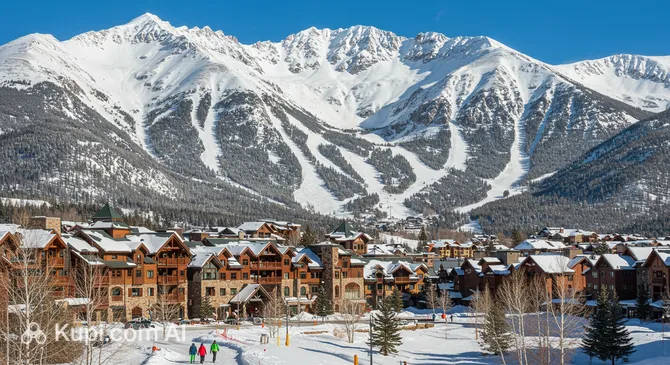
Telluride Ski Resort. Source: Kupi.Binoculars

How to Get There

Reaching this stunning alpine destination requires a bit of planning, but the journey offers breathtaking views of the Colorado landscape. While the town is tucked away in the San Juan Mountains, there are several convenient ways to arrive by air or road. You can find detailed information on all transport modes in our guide on how to get to Telluride.

The most convenient option is flying directly into Telluride Regional (TEX), which is located just 8.7 km from the town center. Landing here is a spectacular experience, though the airport primarily serves smaller aircraft and commercial flights can be weather-dependent. The transfer to town takes about 35 minutes.

For more reliable commercial service and a wider range of flight options, many visitors choose Montrose Regional Airport (MTJ). The city of Telluride does not have this major hub within its limits; it is located in the city of Montrose, approximately 64 km away. It is the primary gateway for the region, handling significantly more passenger traffic. From Montrose, you can take a shuttle or taxi, with the journey taking roughly 115 minutes through scenic valleys.

Another popular alternative is the Durango-La Plata County Airport (DRO), situated in the city of Durango, about 87 km from Telluride. This airport serves as a key regional access point. The drive from Durango is longer, taking approximately 150 minutes, but it allows travelers to experience the beautiful San Juan Skyway.

For clarity, here is a summary of the main airports:

Airport Name City Passenger Traffic Km from City
Montrose Regional AirportMontroseHigh63.8
Durango-La Plata County AirportDurangoHigh87.4
Gunnison AirportGunnisonMedium101.5
Telluride RegionalTellurideLow8.7
Montezuma County AirportCortezLow100.8

The city of Telluride does not have a railway station, and there is no direct train service to the town. Visitors wishing to travel by rail typically take Amtrak to Grand Junction, which is a few hours away by car, and then rent a vehicle or arrange a shuttle for the final leg of the trip. Driving is a common choice, offering the freedom to explore the magnificent mountain passes at your own pace.

Main Attractions

Telluride is a destination where natural splendor meets world-class recreation. The town and its surroundings offer a diverse array of activities, from adrenaline-pumping winter sports to cultural gatherings in the heart of the canyon. Whether you are visiting for the slopes or the scenery, the local landmarks provide unforgettable experiences.

Undoubtedly the crown jewel of the area is the Telluride Ski Resort. Renowned for its lack of lift lines and uncrowded slopes, this world-class destination offers over 2,000 acres of skiable terrain. It caters to all skill levels, from gentle groomed runs for beginners to challenging hike-to terrain for experts, all set against the dramatic backdrop of the San Juan Mountains.

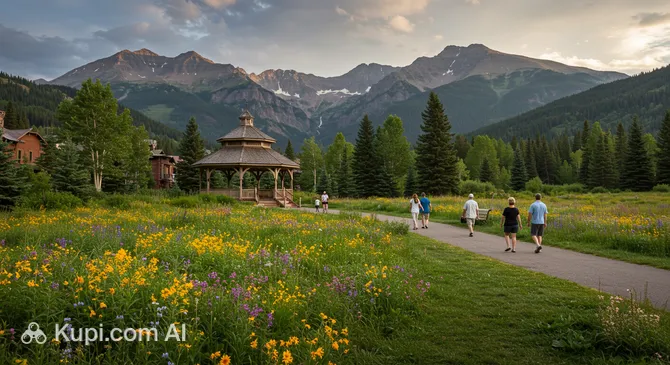
For a taste of the community's vibrant spirit, a visit to Town Park is essential. Located at the east end of town, this expansive green space serves as the venue for the town's legendary summer festivals, including the famous Bluegrass Festival and Film Festival. Beyond major events, it offers excellent recreational facilities such as sports fields, a swimming pool, and a campground, making it a central hub of activity year-round.

Town Park. Source: Kupi.Binoculars

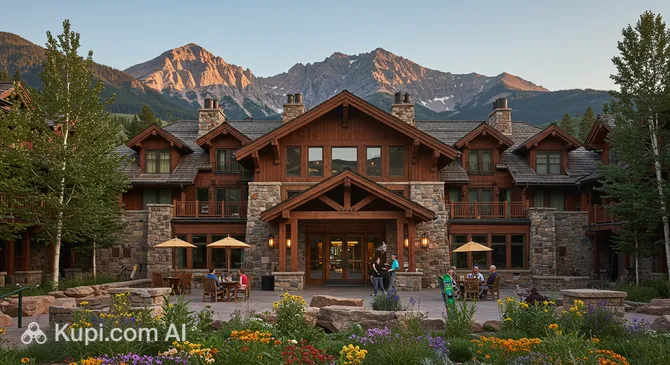
Visitors seeking relaxation and luxury often make their way to The Peaks Resort & Spa in Mountain Village. While serving as a premier hotel, it is a landmark in its own right, featuring Colorado's largest spa and fitness center. With its ski-in/ski-out access and panoramic views, it stands as a sanctuary for wellness, allowing guests to rejuvenate in style after a day of mountain adventures.

Local Cuisine

The culinary landscape of Telluride is as impressive as its mountain backdrop, offering a sophisticated blend of rustic alpine flavors and high-end gastronomy. Because the town strictly prohibits chain restaurants, the dining scene is entirely unique and locally driven. Visitors can expect a strong emphasis on farm-to-table ingredients, with chefs sourcing produce from nearby valleys and meats from Colorado ranches to create authentic Rocky Mountain cuisine.

When exploring the local menus, you should definitely try the game meats that define the region. Elk and bison are staples here, often served as tender tenderloins, hearty burgers, or in rich stews perfect for warming up after a day on the slopes. Another must-try is the fresh Rocky Mountain trout, typically prepared simply—grilled or pan-seared with lemon and herbs—to highlight its delicate flavor. For a comforting treat, look for dishes featuring locally foraged mushrooms, which are abundant in the surrounding forests.

The beverage culture is equally vibrant, with a focus on craft brewing and creative mixology. Telluride has a strong local beer scene, so ordering a pint of amber ale or IPA from a local brewery is a rite of passage. For something stronger, the signature drink of the town is the Flatliner. This potent cocktail, a martini-style blend of vodka, coffee liqueur, Irish cream, and cold-brew espresso, was invented in the area to give skiers a boost and has since become a legendary local classic.

Dining in Telluride is split between two main vibes: the historic downtown and the modern Mountain Village. In the town itself, you will find cozy bistros, pizzerias, and steakhouses housed in restored Victorian buildings. Locals often gather here for casual bites and lively conversation. Conversely, Mountain Village offers upscale dining experiences often accompanied by sweeping panoramic views. Travelers frequently visit The Peaks Resort & Spa to enjoy fine dining with a spectacular outlook, making it a prime spot for an elegant evening meal or a refined après-ski session.

The Peaks Resort & Spa. Source: Kupi.Binoculars

Whether you are grabbing a quick burrito from a street vendor or settling in for a multi-course dinner at a mountaintop restaurant, the food in Telluride is designed to fuel outdoor adventures while satisfying a gourmet palate.

Travel Tips

Welcome to the breathtaking box canyon of Telluride! To ensure your high-altitude adventure in the San Juan Mountains is as seamless as the views are spectacular, we have compiled a set of essential practical tips to help you navigate this unique alpine town like a pro.

  1. Clothing and Gear: The golden rule here is layering. Even in summer, daytime warmth can quickly turn into chilly evenings, so always carry a fleece or light jacket. For winter visits, heavy thermal gear and waterproof layers are mandatory. Due to the high elevation (8,750 feet), the sun is incredibly strong, so high-SPF sunscreen, sunglasses, and a hat are year-round necessities. The local style is "mountain casual"—leave the high heels and formal wear at home; jeans and boots are acceptable even in upscale restaurants.

  2. Transportation: You generally do not need a car once you arrive. The town is compact and highly walkable. The Galloping Goose is a free shuttle bus that loops around town and to key trailheads. Most importantly, the unique Gondola provides free, scenic transportation between Telluride and Mountain Village from early morning until midnight, eliminating the need to drive between the two hubs.

  3. Finances: The currency is the US Dollar ($). Credit and debit cards are widely accepted at hotels, restaurants, and shops, though carrying some cash is useful for small tips or market stalls. ATMs are readily available in the town center and Mountain Village. Be prepared for resort pricing; Telluride is an upscale destination, so budget accordingly for dining and accommodation. Standard US tipping culture applies (15-20% for service).

  4. Health and Safety: The biggest concern for visitors is altitude sickness. Stay hydrated, limit alcohol consumption during your first few days, and ascend gradually if possible. There is a medical center in town for emergencies, but pharmacies are not open 24/7, so bring essential prescriptions with you. The town is generally very safe, but always be aware of wildlife, especially black bears, and dispose of trash in bear-proof bins.

  5. Communication: English is the primary language. Cell phone reception is generally good in town and Mountain Village but can be spotty or non-existent once you venture into the canyons or hiking trails. Many cafes and hotels offer Wi-Fi. It is highly recommended to download offline maps or carry physical trail maps before heading out on hikes.

  6. Local Etiquette: The vibe is friendly and laid-back. It is customary to greet fellow hikers on the trails. Telluride locals are fiercely protective of their environment; strictly adhere to "Leave No Trace" principles. Also, operate on "mountain time"—patience and a relaxed attitude are appreciated over rushing.

  7. What to Avoid: Do not expect to find familiar fast-food chains or big-box stores; the town has strict zoning laws preventing them to preserve local character. Also, avoid pushing yourself too hard physically on your first day; the thin air makes exercise significantly more difficult than at sea level.

  8. Local Insight: check out the famous Free Box located just off the main street (Colorado Avenue). It is a beloved local institution where residents leave reusable items—clothing, books, gear—for anyone to take. It’s a great example of the community's sharing spirit, and you might find a unique souvenir or a useful extra layer!

By keeping these practicalities in mind, you will be well-prepared to relax and fully immerse yourself in the magic of Telluride. Whether you are riding the gondola above the treetops or exploring the historic streets, a little preparation ensures your trip will be memorable for all the right reasons.

Entertainment & Nightlife

Telluride may be a small mountain town, but its entertainment scene rivals that of much larger cities. Known as the "Festival Capital of the Rockies," the town transforms throughout the year into a vibrant stage for world-class music, film, and cultural gatherings. Whether you are looking for a lively après-ski atmosphere or a sophisticated evening of the arts, the box canyon offers diverse options to unwind after a day of adventure.

During the summer months, the legendary Town Park becomes the epicenter of the community's social life. This scenic venue hosts renowned events such as the Telluride Bluegrass Festival, the Telluride Film Festival, and the Blues & Brews Festival. These gatherings attract visitors from around the globe, filling the valley with music and celebration against the stunning backdrop of the San Juan Mountains.

When the sun goes down, especially during the winter ski season, the nightlife heats up along historic Colorado Avenue. The town preserves its Victorian heritage with authentic saloons and cozy bars where you can enjoy local craft beers and live music. The après-ski culture is a significant part of the experience, with skiers and snowboarders drifting down from the Telluride Ski Resort to toast their day on the slopes in the bustling establishments of the town center or the sophisticated lounges of Mountain Village.

For those seeking a more cultural evening, the town boasts historic venues like the Sheridan Opera House, which hosts intimate concerts, theater productions, and comedy shows. The atmosphere in Telluride is distinctly welcoming and unpretentious; you are just as likely to find yourself chatting with a local miner's descendant as you are with a visiting celebrity, all while enjoying the relaxed mountain vibe.

Parks & Museums

While the world-class ski slopes often steal the spotlight, the parks and cultural institutions of Telluride provide the true soul of this mountain community. Visitors looking to explore beyond the trails will find a rich tapestry of green spaces and historical venues that celebrate the town's mining heritage and artistic spirit.

The crown jewel of the town's public spaces is undoubtedly Town Park. Situated at the eastern end of the valley, this expansive area is much more than just a venue for famous festivals. It serves as the community's backyard, featuring a fishing pond, sports fields, and a campground nestled against the mountains. In the winter, the park transforms with a refrigerated ice hockey rink and a Nordic skiing track, offering year-round recreation for families and nature lovers.

For those seeking a spectacular natural setting, the area surrounding Bridal Veil Falls operates as a majestic open-air park. As the tallest free-falling waterfall in Colorado, plunging 365 feet (111 meters), it is a natural landmark that commands attention. Hikers can trek up the trail to the base of the falls for a refreshing mist and breathtaking views of the box canyon, making it a perfect spot for photography and connecting with the raw power of the San Juan Mountains.

To understand the rich narrative of the region, a visit to the Telluride Historical Museum is essential. Housed in the restored 1896 Hall's Hospital building, the museum offers an intimate look at the town's evolution from a rough-and-tumble mining camp to a premier ski destination. The exhibits cover diverse topics, including the indigenous Ute people, the geology of the region, and the innovative alternating current (AC) power history, providing a comprehensive context for your stay.

Art enthusiasts will find the town to be a vibrant hub of creativity, best exemplified by the Ah Haa School for the Arts. This community center is a dynamic space that hosts exhibitions, workshops, and classes, reflecting the deep artistic culture that thrives here. Additionally, the downtown area functions as a gallery district, where visitors can wander between venues showcasing everything from contemporary fine art to traditional Western photography.

The town itself acts as a living museum, designated as a National Historic Landmark District. Walking down Colorado Avenue feels like stepping back into the Victorian era, with its carefully preserved brick storefronts and colorful homes. Notable architectural sites include the New Sheridan Hotel and the San Miguel County Courthouse, both of which stand as enduring symbols of the silver boom wealth.

For a quiet escape that locals love, take a stroll along the San Miguel River Trail. This flat, scenic path winds along the river through the length of the town, offering a peaceful alternative to the more strenuous mountain hikes and a chance to spot beavers or deer in the early morning light.

Getting Around

Navigating the public transport system in Telluride is a unique and delightful experience, primarily because the town is designed to be explored without a car. The transportation network is efficient, eco-friendly, and, for the most part, entirely free of charge. This accessibility allows visitors to move seamlessly between the historic downtown area, the ski slopes, and the neighboring Mountain Village while enjoying spectacular alpine views.

The crown jewel of the local transport system is the Gondola. It is the first and only free public transportation system of its kind in the United States. This aerial cable car connects the town of Telluride with Mountain Village, offering a scenic 13-minute ride over the San Sophia Ridge. It is not just a tourist attraction but a vital commuter link for locals and visitors alike. The cabins are enclosed, equipped with racks for skis and snowboards in winter and bikes in summer, and there are even specific pet-friendly cabins for those traveling with dogs.

Complementing the aerial route is the Galloping Goose, the town's charmingly named bus service. These buses run a continuous loop around the town of Telluride, stopping at key locations such as the Gondola station, the post office, the courthouse, and various trailheads. Like the Gondola, the town loop service is completely free. The buses are easy to spot and run frequently throughout the day, making it simple to get from one end of town to the other if you prefer not to walk.

Regarding payment and tickets, the system is incredibly tourist-friendly. For the Gondola and the in-town Galloping Goose loops, no tickets or travel passes are required. You simply hop on and off as you please. This eliminates the hassle of navigating complex fare zones or validating cards. However, if you plan to travel further afield to areas like Lawson Hill, Down Valley, or Norwood, regional bus services provided by SMART (San Miguel Authority for Regional Transportation) are available. These regional routes may require a small fare, usually payable in cash or via a mobile app, but for most tourists staying within the main resort areas, transport remains free.

Practical advice for using the system centers on operating hours. The Gondola typically runs from 6:30 AM or 7:00 AM until midnight, though hours can extend to 2:00 AM during peak seasons or festivals. It is important to check the schedule during the "shoulder seasons" (spring and late autumn), as the Gondola closes briefly for maintenance. The Galloping Goose generally operates from early morning until late evening. Since the town is compact, walking is often the fastest way to get around the historic district, but the bus is perfect for carrying ski gear or groceries.

Alternatives to public transport include taxis and private shuttles, which are useful for airport transfers or late-night trips after the Gondola closes. However, ride-sharing services like Uber and Lyft can be unreliable or non-existent due to the remote location. Cycling is a popular alternative in the summer, with many shops offering bike rentals. Given the scarcity of parking and the efficiency of the free transit options, renting a car for use solely within the town is strongly discouraged.

Accommodation

Accommodation in Telluride generally leans towards the upscale, reflecting its status as a premier world-class destination. Visitors can choose from a wide range of options, including charming historic hotels, luxurious mountain lodges, private condominiums, and vacation rentals. While true budget accommodations like hostels are scarce, there is a variety of mid-range to high-end choices that cater to families, couples, and ski enthusiasts alike.

When planning your stay, you have two distinct areas to consider, both connected by the free Gondola system. The Town of Telluride offers a lively, historic atmosphere where you are steps away from restaurants, shops, and festivals. It is ideal for those who want to be in the heart of the action and enjoy the Victorian charm. Conversely, Mountain Village sits at a higher elevation and provides a more resort-like feel with spacious properties, ski-in/ski-out access, and quieter surroundings, making it perfect for those seeking luxury and convenience on the slopes.

For travelers looking for a full-service experience in Mountain Village, The Peaks Resort & Spa is a standout option. This property exemplifies the type of grand accommodation available in the area, offering extensive amenities such as a massive spa, fitness center, and direct access to the ski runs. In the historic town, you will find smaller boutique hotels that offer a more intimate connection to the local heritage.

Regarding costs, Telluride is known for having a higher price point compared to many other American destinations. "Budget" here is a relative term, and prices can soar during the peak winter ski season and the major summer festival weekends. Therefore, the most important tip for booking accommodation is to plan as far ahead as possible. Securing your lodging months in advance is highly recommended to find the best rates and availability, whether you are booking directly through hotel websites or using popular online travel platforms.

Nearby Cities

For those looking to explore the surroundings, Telluride serves as an excellent base for day trips to several interesting nearby locations:

Located just to the north, Montrose serves as the primary gateway to the region and offers easy access to the spectacular Black Canyon of the Gunnison National Park. It is a hub for outdoor enthusiasts, offering a variety of hiking, fishing, and water sports options that complement the high-alpine experience found in the box canyon.

To the south lies the historic city of Durango, renowned for its well-preserved Wild West downtown and the famous narrow-gauge railroad. Visitors can immerse themselves in the area's rich railway history, explore vibrant art galleries, and enjoy a diverse culinary scene in this charming river valley town.

For a change of scenery, Grand Junction offers dramatic red rock landscapes and stands as the heart of Colorado's wine country. It is an ideal destination for those wishing to visit the Colorado National Monument or sample local vintages in a unique high-desert setting.

City Population Distance (km)
Grand Junction134074142
University65643147
Montrose2009860
Durango1895374
Salida14690172

These nearby destinations offer a glimpse into the diverse culture and landscapes of the region.

Shopping & Souvenirs

Shopping in Telluride is a delightful departure from the standard commercial experience found in many American cities. Instead of sprawling shopping centers and big-box retailers, visitors will find a curated collection of independent boutiques, art galleries, and specialty stores. The town is fiercely proud of its local businesses, and strict zoning laws prevent major chain stores from operating here, ensuring a unique and authentic atmosphere where every shop has its own character.

The primary shopping district is located along Colorado Avenue, the town's historic main street. Strolling down this picturesque thoroughfare, you can explore Victorian-era buildings filled with high-end fashion, handcrafted jewelry, and independent bookstores. For a different vibe, take the free gondola up to Mountain Village. The pedestrian-friendly core here features upscale sporting goods stores and luxury boutiques located at the base of Telluride Ski Resort, catering to those looking for premium ski gear and mountain apparel.

Travelers should be aware that there are no traditional shopping malls in the city. The absence of large commercial complexes is intentional, designed to preserve the historic character and small-town charm of the valley. The shopping experience is entirely focused on walkable streets and open-air plazas rather than enclosed centers, allowing you to enjoy the fresh mountain air as you browse.

During the summer months, the Telluride Farmers Market is a highlight for both locals and tourists. Held on South Oak Street, this lively market offers much more than just fresh organic produce. It is a showcase for regional artisans selling handmade crafts, organic skincare products, and unique gifts, making it a perfect spot to find something truly local and support the community.

When looking for keepsakes, the town offers plenty of distinct options. Given the stunning natural surroundings, outdoor gear and high-quality western wear, such as cowboy boots and hats, are popular purchases. The town is also renowned for its thriving arts scene, so buying a piece of fine art or photography from one of the many local galleries is a wonderful way to bring a piece of the mountains home. Additionally, locally made goods like chocolates or coffee are excellent small gifts.

Most shops in Telluride operate from approximately 10:00 AM to 6:00 PM, though some stores may stay open later during peak summer and winter seasons to accommodate visitors. Payment is convenient, with major credit and debit cards widely accepted at almost all establishments. While cash is useful for small purchases at the farmers market or for tipping, digital payments are the norm.

Visitors should note that the United States does not typically offer a Value Added Tax (VAT) refund system for international tourists. Sales tax is added at the register, so the price you see on the tag will be slightly lower than the final total. It is best to budget for this small additional cost on all taxable goods during your shopping excursions.

Reached the end of the page?

That means the route is fully explored