Support

Durango

About

Welcome to Durango, a captivating destination nestled in the southwestern corner of Colorado. Known for its authentic Wild West atmosphere and stunning natural surroundings, this city offers a perfect blend of adventure, culture, and relaxation. Whether you are a history buff or an outdoor enthusiast, Durango provides a unique glimpse into the rugged beauty of the American West.

Situated in the Animas River Valley at the foot of the majestic San Juan Mountains, Durango is a scenic gem within the United States. With a population of approximately 19,000 residents, the city maintains a friendly, small-town character while serving as a vibrant hub for the region. Its location near the "Four Corners" area makes it an ideal base for exploring the diverse landscapes of the Southwest.
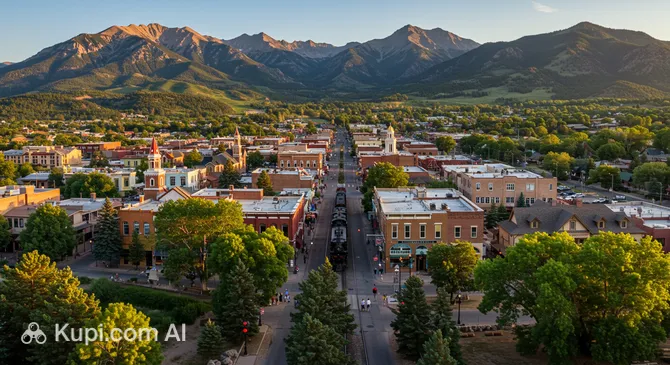
Durango. Source: Kupi.Binoculars

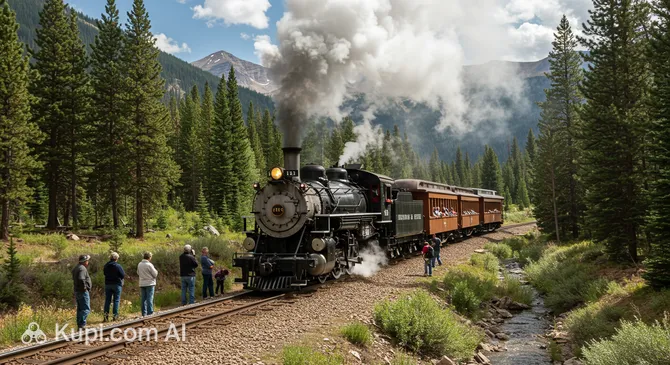
The city was founded in 1880 by the Denver & Rio Grande Railway to serve the San Juan mining district. You can learn more about the fascinating history of Durango by strolling through its Historic Downtown, which is lined with well-preserved Victorian-era buildings, boutique shops, and restaurants. A highlight for many visitors is the famous Durango & Silverton Narrow Gauge Railroad, where you can ride a historic steam train through breathtaking mountain canyons.

Beyond its rich heritage, Durango is a gateway to incredible natural wonders, including the nearby Mesa Verde National Park with its ancient cliff dwellings. From rafting down the Animas River to hiking scenic trails, the city invites travelers to immerse themselves in nature. We highly recommend adding Durango to your itinerary for an unforgettable experience filled with discovery and charm.
Weather Overview

Durango experiences four distinct seasons, each bringing its own unique atmosphere to the San Juan Mountains. To help you pack the right gear for your adventures, we recommend checking the current weather in Durango before your trip. The city generally enjoys plenty of sunshine, but conditions can vary significantly depending on the time of year.

Summers are pleasant and warm, making them popular for outdoor activities. July is typically the hottest month, with average maximum temperatures reaching 25.6°C. However, travelers should be aware that July and August are also among the wetter months, each averaging about 12 days with precipitation. In contrast, winters are cold, with January seeing average temperatures around -6.2°C and lows dropping to -12.4°C, creating a snowy backdrop for winter sports.

Spring and fall offer transitional weather, though they can be unpredictable. March stands out as having the highest frequency of precipitation, with 14 wet days, while November is relatively drier with only 5 wet days. Overall, visitors can expect warm summers with frequent showers and cold winters with consistent freezing temperatures.

Interesting Facts

Beyond the main attractions, Durango holds many fascinating secrets and local legends that add depth to its Wild West charm. Here are a few surprising tidbits about this Colorado mountain town that you might not find in a standard guidebook.
  • The Durango & Silverton Narrow Gauge Railroad is not just a mode of transport; it is a genuine movie star. This historic train has appeared in more than a dozen feature films, including the classic Butch Cassidy and the Sundance Kid, helping to cement the region's iconic status in Hollywood history.

  • Durango is the birthplace of a unique race called the Iron Horse Bicycle Classic, which began in 1972 as a bet between two brothers. One brother challenged the other to see if he could ride his bike to Silverton faster than the steam train could travel the tracks, sparking an annual tradition where cyclists race against the locomotive.

  • The city shares its name with a location in Mexico, chosen by a former territorial governor who had visited the Mexican state. The name "Durango" originates from the Basque language and translates roughly to "water town" or "watered place," a fitting title given the city's reliance on the Animas River.

  • Literary history runs deep at the historic Strater Hotel, located in the heart of downtown. The prolific Western author Louis L'Amour reportedly spent considerable time in Room 222, where the atmosphere of the old hotel and the sounds of the nearby train inspired several of his famous novels.

Durango & Silverton Narrow Gauge Railroad. Source: Kupi.Binoculars

How to Get There

Reaching this scenic mountain town is part of the adventure, with several options available depending on your starting point. Whether you prefer flying directly into the region or taking a scenic drive through the Rockies, planning your journey is straightforward. You can find more about how to get to Durango and detailed transport tips on our dedicated page.

The most convenient gateway is the Durango-La Plata County Airport (DRO), located approximately 17.6 km from the city center. This regional hub offers daily connections to major international airports like Denver, Phoenix, and Dallas-Fort Worth. Upon arrival, the trip into downtown Durango typically takes about 20 to 30 minutes by taxi or shuttle. For those looking for alternative flight options, you might consider the Montrose Regional Airport (MTJ) in the city of Montrose. Although it is situated about 137 km away, it serves as a significant entry point for the wider region. A drive from Montrose to Durango takes roughly 2 to 2.5 hours, offering beautiful views along the way.

For clarity, here is a summary of the main airports in the vicinity:

Airport Name City Passenger Traffic Km from City
Montrose Regional Airport Montrose Medium 137.0
Durango-La Plata County Airport Durango Medium 17.6
Gunnison Airport Gunnison Small 162.7
Telluride Regional Telluride Small 75.5
Montezuma County Airport Cortez Small 66.5

Durango does not have a direct intercity passenger rail service (such as Amtrak) connecting it to the national network. While the famous Durango & Silverton Narrow Gauge Railroad operates here, it is a heritage tourist attraction rather than a means of long-distance transport. Visitors traveling by land usually arrive by car or bus via US Highway 160 or the spectacular US Highway 550, also known as the Million Dollar Highway. If you prefer not to fly directly, renting a car from a nearby major city like Albuquerque or Denver is a popular choice, allowing you to experience the stunning landscapes of the American Southwest at your own pace.

Main Attractions

Durango is a destination where history and adventure seamlessly intertwine, offering visitors a variety of memorable experiences. Undoubtedly, the most iconic attraction in the city is the Durango & Silverton Narrow Gauge Railroad. This historic steam train has been in continuous operation since 1882 and offers an unparalleled journey through the spectacular canyons of the San Juan National Forest. Tourists flock here to step back in time and enjoy a scenic ride along the Animas River, witnessing breathtaking mountain vistas that are inaccessible by road.

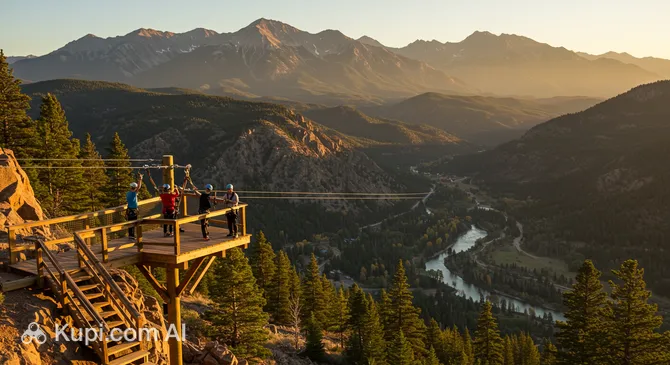
For those seeking an adrenaline rush, Durango Adventures and Zipline Tours is a must-visit attraction. This outdoor adventure center allows you to soar through the air and experience the rugged landscape from a thrilling new perspective. It is a fantastic option for families and thrill-seekers looking to engage with the natural beauty of Colorado in an active and exciting way, offering everything from ziplining to other guided outdoor activities.

Durango Adventures and Zipline Tours. Source: Kupi.Binoculars

After a day of exploring the wilderness, immersing yourself in the local atmosphere at 636 Main Ave Bar is highly recommended. Located in the heart of the historic downtown area, this establishment is situated within a charming historic building that adds to the authentic Wild West vibe of the city. It serves as a perfect spot for visitors to unwind, enjoy locally inspired refreshments, and soak in the lively spirit of Durango's community.

Local Cuisine

Durango boasts a vibrant culinary scene that far exceeds expectations for a town of its size, often cited as having more restaurants per capita than many major metropolitan cities. The local food culture is a delicious reflection of its geography, blending hearty "Wild West" fare with spicy Southwestern influences. Visitors can expect a farm-to-table approach where chefs utilize fresh ingredients from the surrounding Animas River Valley, resulting in meals that are both rustic and refined.

When it comes to signature dishes, you cannot leave without trying the regional favorite: Green Chile. This spicy, savory sauce is a staple in Colorado and is often served smothering breakfast burritos, burgers, or fries. For those seeking a true taste of the Rockies, game meats are a highlight on many menus. Look for succulent elk burgers, bison steaks, or locally sourced rainbow trout, often prepared with simple seasonings to let the natural flavors shine.

The beverage scene in Durango is dominated by its impressive craft beer culture. The city is home to several award-winning microbreweries that produce everything from hoppy IPAs to rich stouts, making it a pilgrimage site for beer enthusiasts. If beer isn't your preference, the town also features local distilleries offering artisanal spirits and cozy coffee shops roasting their own beans.

Father's Daughters. Source: Kupi.Binoculars

Dining in Durango is centered primarily around the historic downtown area and Main Avenue, where Victorian-era buildings house a variety of eateries ranging from casual street-side patios to upscale dining rooms. The atmosphere is generally laid-back and welcoming to hikers and history buffs alike. For a glimpse into the local social scene after dark, you might visit Father's Daughters, a venue that contributes to the town's lively nightlife and offers a place to relax with friends after a day of adventure.

Travel Tips

To ensure your visit to this high-altitude mountain town is as smooth and enjoyable as possible, a little preparation goes a long way. These practical tips will help you navigate local customs, prepare for the unique climate, and make the most of your time in Durango.

  1. Clothing and Gear: The key to comfort in Durango is layering. Temperatures can fluctuate significantly between day and night, even in summer. Bring a waterproof jacket, as afternoon showers are common in the mountains. Since the city sits at over 6,500 feet (1,980 meters), the sun is much stronger here; a wide-brimmed hat, sunglasses, and high-SPF sunscreen are essential regardless of the season. Comfortable walking shoes are perfect for downtown, but sturdy hiking boots are a must if you plan to hit the trails.
  2. Transportation: Downtown Durango is very walkable, with most shops and restaurants concentrated along Main Avenue. For getting around the city limits, the Durango Transit (often called the "T") offers a convenient trolley service. However, to explore the surrounding attractions like Mesa Verde or the San Juan Mountains, renting a car is highly recommended. Ride-sharing apps are available but can be less reliable early in the morning or late at night.
  3. Finances: The local currency is the US Dollar (USD). Credit and debit cards are widely accepted at hotels, restaurants, and shops. ATMs are plentiful throughout the city. Tipping is a standard practice in the United States; it is customary to leave 15–20% of the bill for waitstaff, taxi drivers, and tour guides.
  4. Health and Safety: The most common issue for visitors is altitude sickness. To prevent this, drink significantly more water than usual, limit alcohol consumption during your first few days, and give your body time to acclimatize. Pharmacies are available in town for over-the-counter remedies. Durango is generally a very safe destination, but always lock your car and secure valuables, especially at trailheads.
  5. Communication: English is the primary language spoken. While cell service is reliable within the city, it can be spotty or non-existent in the deep canyons and mountain passes nearby. We strongly advise downloading offline maps or carrying a physical map if you plan to venture into the backcountry or drive the Million Dollar Highway.
  6. Local Etiquette: Durango has a friendly, laid-back Western vibe. It is common to greet passersby with a smile or a "hello," especially on hiking trails. When hiking, remember that uphill travelers generally have the right of way. Respect for nature is paramount here; follow "Leave No Trace" principles by packing out all trash and staying on designated paths.
  7. What to Avoid: Do not feed or approach wildlife. Deer, elk, and even bears are part of the local ecosystem, but they are wild animals and should be observed from a safe distance. Additionally, avoid underestimating the weather; mountain storms can roll in quickly, so check the forecast before heading out on long excursions.
  8. Additional Tip: If you plan to ride the famous Durango & Silverton Narrow Gauge Railroad, book your tickets well in advance. This attraction is incredibly popular and often sells out, especially during the summer season and the winter holiday period.

By keeping these tips in mind, you will be well-equipped to experience the best of Durango, from its historic streets to its soaring peaks. We hope you have a safe, comfortable, and unforgettable journey in the heart of the Colorado Rockies.

Entertainment & Nightlife

Durango's entertainment scene reflects its spirited Western heritage, offering a nightlife experience that prioritizes authentic connection over high-energy clubbing. As the sun sets behind the San Juan Mountains, the action centers around Historic Downtown, particularly along Main Avenue. The atmosphere is distinctively laid-back; you are more likely to see locals in jeans and cowboy boots enjoying a craft beverage than a formal dress code. The saloons and lounges here preserve a rustic charm, welcoming a diverse mix of outdoor enthusiasts, college students, and travelers.

Live performance is the heartbeat of the city's evening culture. Durango punches above its weight when it comes to music and theater. Venues like the historic Henry Strater Theatre and the Animas City Theatre serve as cultural anchors, hosting everything from intimate concerts and comedy nights to independent film screenings. The local soundscape is rich with bluegrass, folk, and country bands playing in various taprooms and stages throughout the week, ensuring that there is almost always a live show to catch.

Beyond the daily nightlife, the city is renowned for its vibrant seasonal events that bring the community together. Festivals such as the quirky Snowdown in winter and the classical Music in the Mountains festival in summer transform the town into a hub of celebration. These events offer a fantastic way to mingle with residents and experience the town's unique personality beyond the standard tourist trail.

Navigating Durango at night is straightforward and safe. The compact nature of the downtown area makes it highly walkable, allowing visitors to easily hop between venues. While the streets are generally secure, standard precautions apply. For those staying further afield, ride-sharing services and local taxis are available, though it is advisable to plan your ride in advance on busy weekends or late nights, as options can be more limited than in larger cities.

Parks & Museums

Durango offers a delightful array of green spaces and cultural institutions that allow visitors to connect with both the natural beauty of the Animas Valley and the region's rich heritage. From riverside parks to engaging museums, the city provides ample opportunities to explore the outdoors and dive deep into local history beyond the famous railroad.

Key Parks and Green Spaces

The crown jewel of the city's outdoor offerings is the Animas River Trail. This paved recreational path stretches for over 7 miles along the Animas River, winding through the heart of the town. It serves as a linear park that is perfect for walking, cycling, and fishing, connecting several smaller parks and offering peaceful views of the water and willow trees. It is the best way to experience the city's natural rhythm without leaving the urban area.

Another favorite spot is Santa Rita Park, located near the intersection of Highway 160 and Highway 550. This park is famous for its "Whitewater Park" section, where spectators can watch kayakers and rafters navigate the rapids of the Animas River. With picnic areas, a playground, and easy access to the river trail, it is a bustling hub for families and outdoor enthusiasts looking to relax by the water.

Museums and Galleries

To truly understand the roots of the community, a visit to the Animas Museum is essential. Housed in a restored 1904 schoolhouse, this local history museum offers a comprehensive look at the lives of early settlers, the Native American heritage of the region, and the development of the town. Its authentic setting and detailed exhibits provide a quiet, educational contrast to the busier tourist attractions downtown.

For a mix of history and interactive learning, the Powerhouse Science Center is a unique destination. Located in the historic Durango Light and Power Company building—the world’s first alternating current power plant—this museum combines science, technology, and history. It is particularly engaging for families, offering hands-on exhibits that spark curiosity while preserving an important piece of industrial architecture.

Historical and Architectural Sites

While Main Avenue is well-known, the Third Avenue Historic District offers a quieter architectural showcase. Running parallel to the main commercial strip, this tree-lined boulevard features an impressive collection of Victorian and Queen Anne-style homes built by the town's early elite. A walking tour here reveals beautifully preserved residences that reflect the prosperity of the mining era.

Authentic Experiences/Insider Tips

For a lesser-known gem, stop by the Durango Fish Hatchery and Wildlife Museum. It is the oldest state-owned fish hatchery in Colorado, and visitors can feed the fish in the raceways and visit the small on-site museum, which is free to the public and offers a charming, low-key experience.

Getting Around

The public transport system in Durango is compact, efficient, and designed to complement the city's small-town charm. The primary provider is Durango Transit, which operates a network of bus routes connecting key areas of the community. For tourists, the most useful service is undoubtedly the Main Avenue Trolley, affectionately known as "The T." These vehicles are styled to look like vintage streetcars, running up and down the main historic corridor to connect hotels, restaurants, and shopping districts. In addition to the trolley, the "Loop" bus routes serve the wider residential areas, Fort Lewis College, and major supermarkets, providing comprehensive coverage for a city of this size.

Paying for transport is straightforward and very affordable. A standard single ride costs a nominal fee, typically around one dollar. If you choose to pay with cash, you must pay the driver upon boarding, and it is crucial to have exact change as drivers do not carry cash. For a more modern and convenient experience, visitors can download the Token Transit mobile app, which allows you to purchase digital tickets and passes instantly on your smartphone. Multi-ride punch passes and monthly passes are also available for those planning an extended stay.

The central hub for all bus operations is the Durango Transit Center (DTC), located downtown. This is the best place to obtain physical route maps, ask questions, and purchase physical passes if you prefer not to use the app. While the trolley runs frequently throughout the day, usually every 20 minutes, it is important to note that public transport hours are generally limited to daytime and early evening. Services often operate on a reduced schedule during weekends and holidays, so we recommend checking the latest timetable at the Transit Center or online to avoid getting stuck late at night.

Because Durango is a relatively small city, walking is often the most pleasant way to navigate the Historic Downtown area. For those looking to cover more ground, cycling is a highly popular alternative. The city is renowned for its bike-friendly culture, anchored by the paved Animas River Trail that winds through town, and numerous local shops offer bike rentals. Taxis and ride-sharing apps are available, but availability can be sporadic compared to larger metropolitan areas, especially during early mornings or late nights. Consequently, renting a car remains the best option for visitors wishing to explore the surrounding mountains or travel to the airport.

It is worth noting that while the city is famous for its railway, the historic steam train is a tourist attraction rather than a mode of public transport. However, the "T" trolley system intentionally mirrors this heritage with its classic design, offering a nostalgic way to travel. Unlike large cities with complex metro systems, Durango's transport is relaxed and scenic, allowing you to enjoy the mountain views even while commuting from one attraction to the next.

Accommodation

Finding the perfect place to stay in Durango is easy, as the city offers a diverse range of accommodation options to suit every traveler's style and budget. Whether you are looking for the charm of a historic Victorian hotel, the convenience of a modern chain, or the rustic appeal of a riverside cabin, you will find a welcoming home base for your adventures. The selection ranges from budget-friendly hostels and motels to mid-range hotels and luxurious mountain resorts.

Popular Areas to Stay

The most sought-after location is undoubtedly Historic Downtown. Staying here places you within walking distance of the main attractions, including the steam railroad depot, as well as a vibrant array of restaurants and shops. This area is perfect for those who want to immerse themselves in the town's Wild West atmosphere and avoid driving for dinner. For travelers on a road trip or those seeking better value, North Main Avenue offers a variety of reliable motels and hotels with easy access to the highway. If your trip is focused on skiing or hiking, you might prefer the Mountain Area north of the city near Purgatory Resort, where you can find condos and vacation rentals surrounded by forest scenery.

Accommodation Types and Prices

Durango's lodging scene is characterized by its variety. You can experience the romance of the Old West in beautifully restored historic hotels that date back to the late 19th century. Alternatively, numerous bed and breakfasts offer a cozy, personalized touch. For families and groups, vacation rentals and cabins are widely available, providing extra space and kitchen facilities. Price ranges vary significantly by season; expect higher rates during the peak summer months and the winter ski season. Budget travelers can find affordable motels on the outskirts, while luxury seekers will find premium amenities in the downtown boutique hotels and mountain lodges.

Booking Tips

Durango is a very popular destination, particularly from June to August and during the winter holidays. We strongly recommend booking your accommodation well in advance, as the best properties—especially those in the historic district—often fill up months ahead of time. Most hotels and rentals can be easily booked via major online platforms or directly through their websites. If you plan to bring a pet, be sure to check policies early, as many local lodgings are pet-friendly but require prior notice.

Nearby Cities

Durango is well-positioned for travelers who wish to explore beyond the Animas Valley. The surrounding region includes a variety of towns in both the United States and neighboring areas, ranging from major regional hubs to smaller communities. Whether you are planning a road trip along the scenic highways of the Rockies or heading towards the high desert landscapes, these nearby cities offer additional services and attractions.

Below is a list of cities located within a driving distance of Durango, providing options for day trips or the next stop on your journey:

City Population Distance (km)
Montrose 20,098 134
Grand Junction 134,074 208
Gallup 21,901 209
Saint Michael 18,148 211
University 65,643 206

Montrose is particularly notable as a gateway to the Black Canyon of the Gunnison National Park and is accessible via the stunning Million Dollar Highway (US 550) from Durango. Grand Junction serves as a major hub for Colorado's wine country and offers extensive amenities. Travelers heading south often pass through Gallup, New Mexico, known for its rich Native American culture and history.

Shopping & Souvenirs

Shopping in Durango is a delightful extension of the city's rich heritage and outdoor lifestyle. Unlike typical destinations dominated by sprawling malls, the retail heart of this mountain town beats strongest in its Historic Downtown. Strolling along Main Avenue, visitors are treated to a vibrant mix of Victorian-era architecture and locally owned boutiques, creating an atmosphere that is both nostalgic and lively. It is the perfect place to find goods that truly reflect the spirit of the American Southwest.

Given the city's roots, it is no surprise that Western wear is a staple here. Travelers looking to embrace the local style can explore several specialized shops offering high-quality cowboy boots, felt hats, and leather goods. Whether you are looking for authentic ranch wear or a stylish accessory to take home, the selection is impressive. Additionally, as a world-class hub for adventure, Durango boasts numerous outdoor outfitters. These stores are staffed by knowledgeable locals and are stocked with everything from fly-fishing gear and mountain bikes to technical hiking apparel suitable for the rugged Colorado terrain.

Art lovers will find plenty to admire in the city's thriving gallery scene. The downtown area is dotted with galleries showcasing a diverse array of works, including traditional Western art, contemporary photography, and exquisite Native American jewelry. Many of these establishments feature handcrafted items like turquoise silverwork, pottery, and weaving, allowing visitors to purchase a piece of the region's cultural history. For those with a sweet tooth, local confectioneries offer handmade chocolates and treats that make for excellent gifts.

For a taste of the local community, the Durango Farmers Market is a must-visit event during the warmer months. Held seasonally, this lively market brings together regional farmers, artisans, and musicians. It is an excellent spot to pick up fresh local produce, small-batch honey, and unique handmade crafts while enjoying live music in a festive, open-air setting. It offers a genuine connection to the agricultural roots of the Animas Valley.

Finally, no shopping trip would be complete without browsing for souvenirs related to the city's most famous icon. Several shops near the depot are dedicated to the Durango & Silverton Narrow Gauge Railroad, offering train-themed memorabilia, books, and collectibles. Whether you are searching for a distinct piece of art, practical outdoor equipment, or a simple keepsake, Durango’s shopping district provides a warm and welcoming experience for every traveler.

Reached the end of the page?

That means the route is fully explored