Support

Santa Fe

About

Welcome to Santa Fe, a captivating destination that truly lives up to its nickname, "The City Different." Renowned for its distinctive Pueblo-style architecture, vibrant arts scene, and rich cultural tapestry, this city offers a unique atmosphere that blends Native American, Spanish, and Anglo influences. As the capital of New Mexico, it stands as a beacon of creativity and heritage in the southwestern United States.

Geographically, Santa Fe is situated at the foothills of the majestic Sangre de Cristo Mountains. Its high altitude of over 7,000 feet (2,134 meters) contributes to a pleasant high-desert climate characterized by brilliant blue skies, crisp air, and four distinct seasons. With a population of approximately 99,000 residents, it maintains a welcoming, small-town feel while offering world-class amenities.
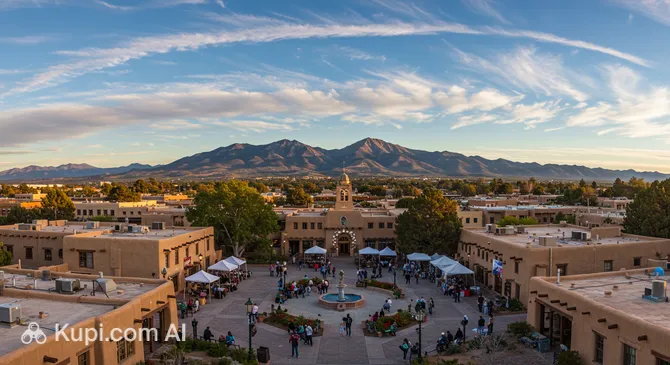
Santa Fe. Source: Kupi.Binoculars

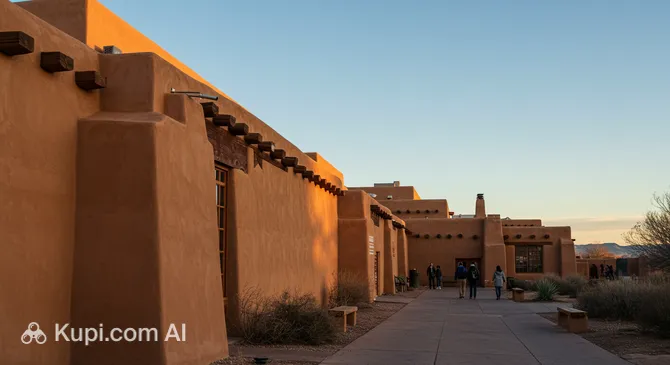
Founded in 1610, Santa Fe holds the distinction of being the oldest state capital in the country. Visitors can delve into the fascinating history of Santa Fe by walking through its winding streets, where centuries-old buildings stand alongside modern galleries. The city's deep historical roots are palpable in every corner, from the ancient adobe structures to the enduring traditions of the local communities.

The heart of the city is the historic Santa Fe Plaza, a gathering place that has served as the commercial and social center for over 400 years. Art enthusiasts will be delighted by Canyon Road, a famous half-mile stretch dedicated to more than a hundred galleries, boutiques, and restaurants. Additionally, the city is home to the renowned Georgia O'Keeffe Museum, celebrating the life and work of one of America's most significant modern artists.

Whether you are drawn by the allure of the high desert, the promise of culinary adventures featuring red and green chiles, or the desire to explore a profound artistic legacy, Santa Fe invites you to experience its magic. It is a destination that promises inspiration and relaxation in equal measure.
Weather Overview

Santa Fe enjoys a high-desert climate defined by four distinct seasons and abundant sunshine. Due to its significant elevation, the city experiences crisp air and generally low humidity, making it a pleasant destination year-round. To help you pack appropriately for your trip, you can view more detailed information about the weather in Santa Fe on our dedicated page.

Summers are typically warm and inviting, with average temperatures in July hovering around 22.0°C and daytime highs reaching up to 28.8°C. This season also brings the region's summer monsoon, resulting in occasional afternoon showers, particularly in July and August, which see about 12 to 14 wet days per month. Winters, by contrast, are crisp and cold, with January averages dropping to -1.0°C and nighttime lows reaching -6.9°C. Expect warm summers with occasional rain and cold, dry winters, while the transitional months of May and September offer mild average temperatures of 15.1°C and 17.9°C respectively.

Interesting Facts

Beyond the main attractions, Santa Fe holds many fascinating secrets that add to its mystique as "The City Different." Discover some surprising details about the history, architecture, and unique traditions of this high-desert gem.
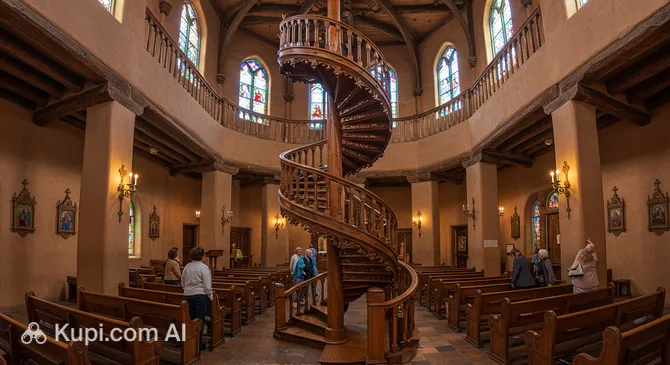
Loretto Chapel. Source: Kupi.Binoculars
  • A Miraculous Staircase: Inside the Loretto Chapel stands a spiral staircase that has baffled architects for over a century. It makes two complete 360-degree turns without any central pole or visible structural support, and according to legend, it was built by a mysterious carpenter who disappeared without accepting payment.

  • The Highest Capital: While Denver is famous as the "Mile High City," Santa Fe actually sits much higher. At an elevation of nearly 7,200 feet (2,194 meters), it holds the title of the highest state capital in the United States, surpassing even the mountainous capitals of Colorado and Utah.

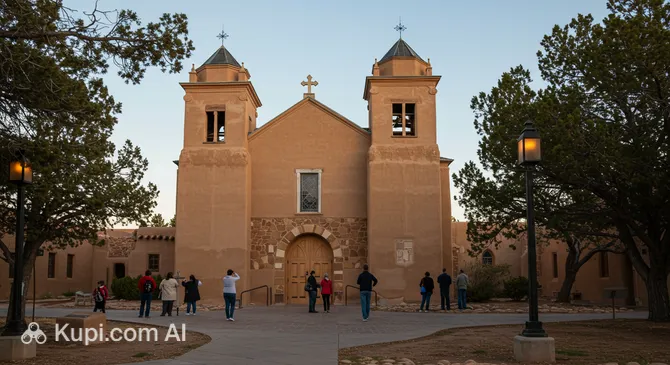
  • Oldest Church in the US: History enthusiasts can visit the San Miguel Chapel, which is widely recognized as the oldest church structure in the continental United States. Its original adobe walls were constructed around 1610, the same year the city was founded, and it remains an active place of worship today.

  • Burning of Zozobra: One of the city's most distinct traditions is the annual burning of Zozobra, a 50-foot tall marionette known as "Old Man Gloom." Since 1924, locals have gathered every autumn to burn this giant effigy, symbolically destroying the worries, glooms, and hardships of the past year in a spectacular fire.

How to Get There

Planning a trip to the capital of New Mexico is the first step toward an unforgettable adventure. While the city is tucked away in the high desert, it remains well-connected to the rest of the country. For a detailed breakdown of all transport options, routes, and tips, you can read more about how to get to Santa Fe.

The most convenient entry point is the local Santa Fe airport (IATA: SAF). Located just about 16 km from the downtown plaza, this facility offers a quick and easy arrival experience. It primarily handles regional flights and private aviation. The short drive from the terminal to the city center typically takes around 20 to 25 minutes by taxi or rental car, allowing you to start your exploration almost immediately upon landing.

For a broader range of flight schedules and international connections, most travelers choose the Albuquerque International Sunport (IATA: ABQ). Although this major airport is located in the city of Albuquerque, it is the primary hub for the region. It is situated approximately 94 km from Santa Fe. The journey from Albuquerque to Santa Fe is a scenic drive that takes about one hour via Interstate 25. Regular shuttle buses and the convenient Rail Runner Express train also connect the airport to Santa Fe, making the transfer straightforward.

For clarity, here is a summary of the main airports serving the region:

Airport Name City Passenger Traffic Km from City
Albuquerque International Sunport Albuquerque Large 94.1
Durango-La Plata County Airport Durango Medium 229.9
Santa Fe Santa Fe Medium 15.9
Roswell International Air Center Roswell Small 294.8
Clovis Municipal Airport Clovis Small 296.1

Main Attractions

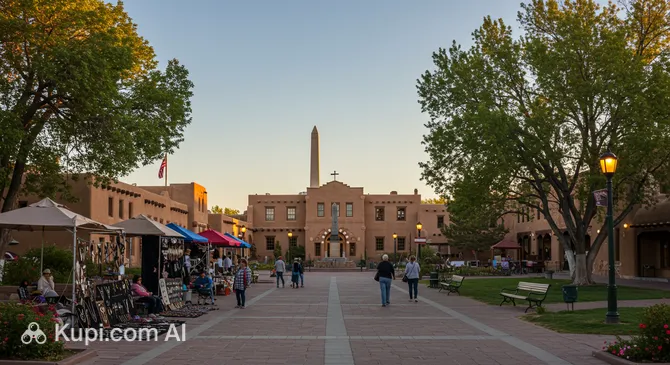
The historic heart of the city is the Santa Fe Plaza, a National Historic Landmark that has served as the commercial and social center since the city's founding in 1610. Surrounded by ancient adobe structures, this vibrant square is the perfect place to start your journey. Visitors can browse authentic jewelry sold by Native American vendors under the portal of the Palace of the Governors, enjoy local food from street vendors, or simply relax on a bench and soak in the lively atmosphere of music and community events.

Santa Fe Plaza. Source: Kupi.Binoculars

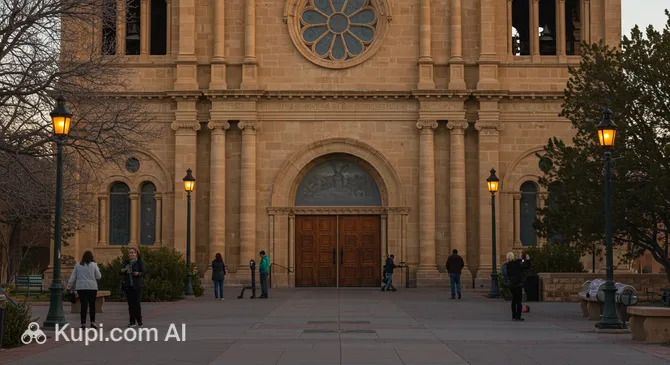
Just a short walk from the Plaza, the Cathedral Basilica of St. Francis of Assisi dominates the downtown skyline with its distinctive French Romanesque architecture. Unlike the surrounding adobe buildings, this cathedral features striking stone towers and a large rose window, reflecting the influence of Archbishop Jean-Baptiste Lamy. Inside, visitors can admire the beautiful sanctuary and the La Conquistadora chapel, which houses the oldest Madonna statue in the United States.

Cathedral Basilica of St. Francis of Assisi. Source: Kupi.Binoculars

Art lovers should not miss the Georgia O'Keeffe Museum, the only museum in the country dedicated to an internationally known female American modernist. The institution offers a deep dive into the life and creative process of the artist who was famously inspired by New Mexico's stark landscapes. The collection includes her iconic paintings of oversized flowers, bleached bones, and desert vistas, providing a profound connection to the region's artistic heritage.

Georgia O'Keeffe Museum. Source: Kupi.Binoculars

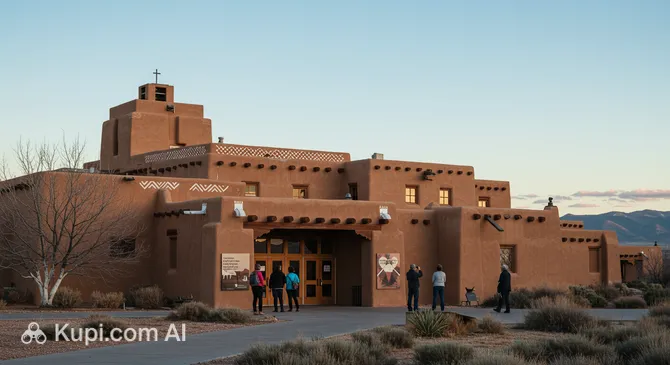
For a broader cultural experience, head to Museum Hill to explore the Museum of International Folk Art. This facility holds the largest collection of international folk art in the world, featuring more than 130,000 objects from over 100 countries. The popular Girard Wing is a favorite among visitors, displaying a colorful and whimsical array of toys, textiles, and figurines that celebrate the universal human impulse to create beauty in everyday life.

Museum of International Folk Art. Source: Kupi.Binoculars

To enjoy panoramic views of the city and a moment of reflection, take a walk up to the Cross of the Martyrs. Located in a park just northeast of the Plaza, a winding brick walkway lined with plaques detailing the city's history leads up to a hilltop cross. It is an especially popular spot at sunset, offering breathtaking vistas of the city lights and the Jemez Mountains in the distance.

Local Cuisine

Santa Fe is a world-renowned culinary destination where food is far more than just sustenance; it is a vibrant expression of the region's history and soul. The local cuisine is a distinct fusion of Native American, Spanish, Mexican, and Anglo influences, creating flavors you won't find anywhere else. The defining ingredient here is the chile pepper, grown locally in the Hatch Valley and northern villages. When ordering traditional dishes, be prepared to answer the official state question: "Red or green?" If you cannot decide, simply answer "Christmas" to try a mix of both savory red and smoky green chile sauces.

Among the must-try dishes are blue corn enchiladas, stacked flat rather than rolled and often topped with a fried egg. Another staple is the green chile cheeseburger, a local obsession that adds a spicy kick to an American classic. To balance the heat of the main courses, meals are often accompanied by sopaipillas. These pillowy, deep-fried pastries can be eaten as bread with the meal or saved for dessert, drizzled with local honey to soothe the palate after a spicy feast.

The city's beverage scene is equally spirited. Santa Fe is famous for its Margarita Trail, offering countless variations of the classic cocktail, from traditional lime to prickly pear. For wine lovers, New Mexico is actually the oldest wine-producing region in the United States, and local tasting rooms showcase excellent high-desert varietals. If you prefer non-alcoholic options, try a cup of piñon coffee, brewed with the roasted nuts of the native pine tree, or a refreshing glass of horchata.

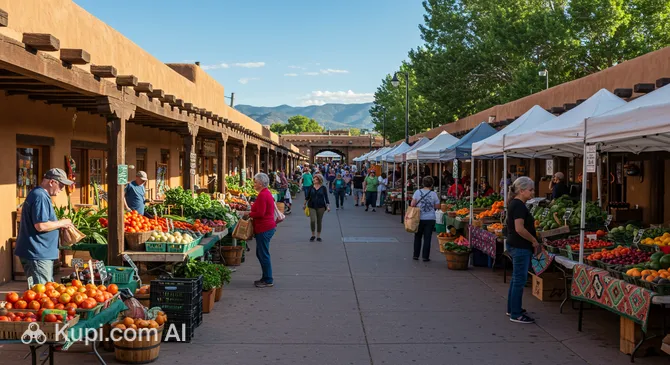
Santa Fe Farmers Market. Source: Kupi.Binoculars

For a true taste of the local culture, a visit to the Santa Fe Farmers Market in the Railyard District is essential. Here, you can see the famous chiles being roasted in the autumn, buy bags of red chile powder, and sample fresh produce directly from local growers. It is a lively hub where tourists and locals mingle over breakfast burritos and artisanal goods, offering an authentic glimpse into the community's agricultural roots.

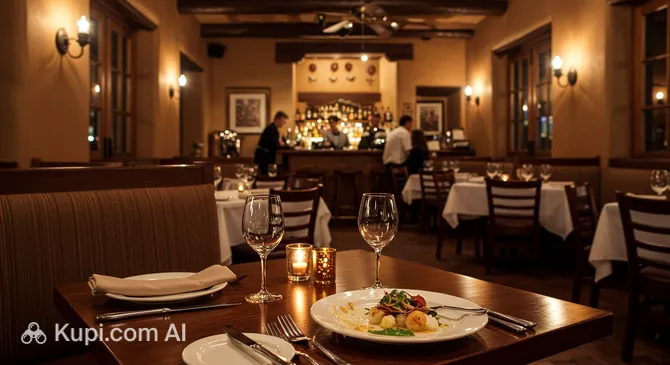
The dining landscape in Santa Fe ranges from casual roadside stands to world-class fine dining. For an elegant experience housed in a historic adobe home, Geronimo offers an award-winning menu that perfectly captures the sophisticated side of the city's gastronomy. Those looking for a charming courtyard setting might enjoy Santacafé, while visitors craving exceptional French pastries and breakfast dishes often head to Clafoutis, a beloved local bakery.

Geronimo. Source: Kupi.Binoculars

Travel Tips

To ensure your visit to Santa Fe is as seamless and enjoyable as possible, a little preparation goes a long way. This high-desert capital operates at its own unique pace and altitude, so keeping a few practical insights in mind will help you fully embrace the charm of "The City Different" without any unexpected hiccups.

  1. Clothing and Gear: The key to comfort in the high desert is layering. Temperatures can swing dramatically between day and night, regardless of the season. Bring breathable fabrics for the warm sunny days and a warm jacket or sweater for the crisp evenings. Since the city sits at 7,000 feet, the sun is much stronger here; a wide-brimmed hat, sunglasses, and high-SPF sunscreen are non-negotiable essentials. Comfortable walking shoes are also a must, as the historic downtown streets can be uneven.

  2. Transportation: The historic downtown area surrounding the Plaza is very compact and best explored on foot. For destinations slightly further afield, the city operates the Santa Fe Trails bus system, and ride-hailing apps like Uber and Lyft are readily available. However, if you plan to explore the surrounding mountains, nearby pueblos, or the "High Road to Taos," renting a car is highly recommended. Be aware that parking in the city center can be scarce and often requires payment.

  3. Finances: The local currency is the US Dollar (USD). Credit and debit cards are widely accepted at hotels, restaurants, and most galleries. However, some smaller vendors at the Native American markets under the Palace of the Governors might prefer cash, so it is wise to carry some small bills. ATMs are plentiful throughout the city. Tipping is standard practice in the US; expect to leave 15-20% for waitstaff, taxi drivers, and service personnel.

  4. Health and Safety: The most common issue for visitors is altitude sickness. You may feel shortness of breath, fatigue, or headaches upon arrival. To mitigate this, drink significantly more water than usual, limit alcohol consumption during your first few days, and give your body time to acclimatize. Santa Fe is generally a safe city, but as with any tourist destination, keep an eye on your belongings and avoid poorly lit areas late at night.

  5. Communication: English is the primary language, but you will often hear Spanish spoken, reflecting the city's deep Hispanic heritage. Knowledge of Spanish is appreciated but not necessary for communication. Free Wi-Fi is available in many public areas, including the Plaza, and mobile coverage is generally good within the city limits, though it can be spotty in the mountainous areas outside of town.

  6. Local Etiquette: The pace of life here is famously relaxed, often referred to as "mañana time." Do not expect rush-hour speeds; instead, embrace the slower rhythm. When interacting with locals, a friendly greeting is always the norm. If you visit the nearby Native American Pueblos, silence and respect are paramount—always obey their specific rules regarding where you can walk and how to behave during ceremonial dances.

  7. What to Avoid: Never take photographs of Native American people, their homes, or their ceremonies without explicit permission. At the markets, always ask the artist before snapping a picture of their work. When visiting the Pueblos, photography permits are often required and fees may apply; failing to respect these regulations is considered highly offensive and can lead to confiscation of your camera or expulsion.

  8. Additional Tip: Many shops and galleries, especially around the Plaza and Canyon Road, tend to close earlier than you might expect, often around 5:00 PM or 6:00 PM. If you plan to do some shopping, start your day early rather than leaving it for the evening. Conversely, dinner reservations are highly recommended, especially during the busy summer opera season.

By keeping these tips in mind, you will be well-equipped to navigate the cultural nuances and physical landscape of this enchanting city. Santa Fe rewards those who slow down and respect its traditions with an unforgettable travel experience full of warmth, history, and beauty.

Entertainment & Nightlife

Entertainment and Nightlife:

Santa Fe's nightlife reflects the city's overall character: relaxed, artistic, and deeply rooted in tradition. Unlike the high-energy club scenes of larger metropolises, the evening hours here are best spent enjoying live music in intimate historic settings, sipping signature margaritas on starlit patios, or exploring the vibrant culinary landscape. The "City Different" tends to sleep early, so it is wise to start your evening adventures sooner rather than later to fully experience what the town has to offer.

The hub of evening activity is undoubtedly the Santa Fe Plaza. As the sun sets, this historic square transforms into a charming gathering spot. In the warmer months, the Santa Fe Bandstand often fills the air with free live music, ranging from jazz and salsa to country and rock. The surrounding streets are lined with cantinas and hotel bars where you can enjoy local spirits and the company of both locals and fellow travelers in a festive yet laid-back environment.

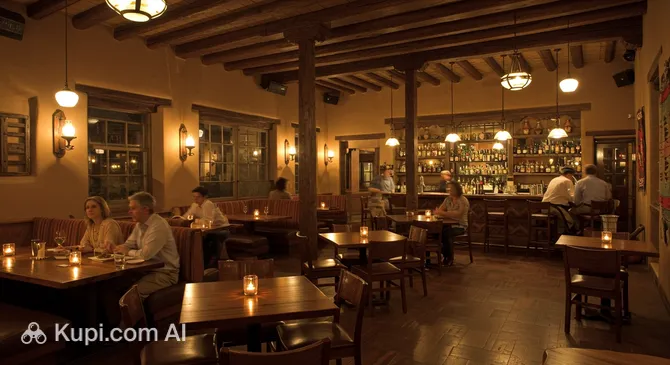
For a more sophisticated evening, visitors often head to Santacafé. Housed in the historic Padre Gallegos House, this venue offers an elegant atmosphere perfect for enjoying fine wines and cocktails. Its beautiful courtyard is a prime example of the city's enchanting outdoor dining scene, allowing guests to relax under the high-desert sky while soaking in the historic ambiance.

Santacafé. Source: Kupi.Binoculars

Another district worth exploring after dark is the Railyard District. This revitalized area offers a more contemporary vibe with a selection of taprooms, breweries, and a cinema. It attracts a slightly younger crowd and often hosts evening markets and art events. Meanwhile, the famous Canyon Road is not just for daytime gallery hopping; several historic establishments here offer flamenco performances and cozy fireside drinks, providing a truly authentic New Mexican experience.

When planning your night out, keep a few practical tips in mind. Most kitchens close by 9:00 PM or 10:00 PM, and even bars often wind down around midnight. The dress code is generally "Santa Fe Casual"—nice jeans and boots are perfectly acceptable everywhere, though many add a touch of turquoise or silver jewelry. In terms of safety, the city is welcoming, but street lighting is intentionally kept low to preserve the night sky. It is best to stick to the main districts or use ride-sharing services like Uber and Lyft to get around comfortably.

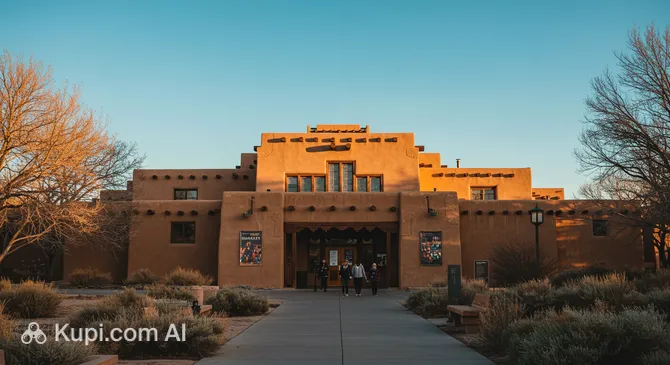
While the nights are enchanting, the city offers equally compelling daytime entertainment. Art enthusiasts should visit the New Mexico Museum of Art near the Plaza to see masterpieces that defined the region's visual identity. For those looking to indulge in some retail therapy or catch a movie, the DeVargas Center provides a convenient mix of local shops and national brands. From world-class museums to scenic parks, the daylight hours are packed with opportunities for exploration.

New Mexico Museum of Art. Source: Kupi.Binoculars

Parks & Museums

Santa Fe is a city where the beauty of the high desert landscape seamlessly intertwines with a rich tapestry of art and history. Beyond its famous plaza and adobe streets, the destination offers a wealth of green spaces and world-class institutions that allow visitors to connect with the region's natural environment and deep cultural roots. Whether you are looking to stroll through curated gardens or dive into the stories of the Native American peoples, the city provides ample opportunity for exploration.

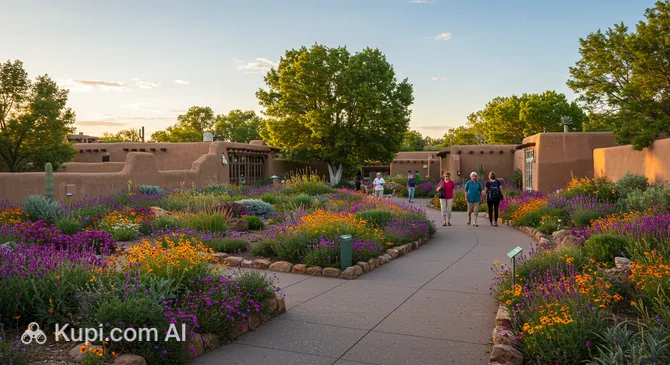
Nature lovers should make time for the Santa Fe Botanical Garden, located on Museum Hill. This stunning living museum celebrates the biodiversity of the region, featuring native plants, traditional crops, and an orchard that reflects the area's agricultural heritage. It is designed to harmonize with the natural topography, offering walking paths that cross arroyos and provide spectacular views of the surrounding mountains. For a more rugged outdoor experience, the nearby Hyde Memorial State Park offers excellent hiking trails and picnic spots amidst pine forests, just a short drive from the city center.

Santa Fe Botanical Garden. Source: Kupi.Binoculars

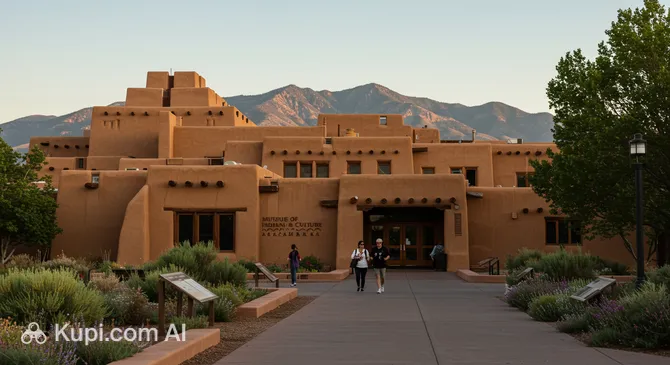
To truly understand the heritage of the Southwest, a visit to the Museum of Indian Arts & Culture is essential. Also situated on Museum Hill, this institution tells the stories of the Pueblo, Navajo, and Apache peoples from their own perspectives. The collections range from ancestral pottery and weaving to contemporary art, bridging the gap between ancient traditions and modern Native life. It serves as a center for stewardship and learning, providing deep insight into the resilience and creativity of the region's indigenous communities.

Museum of Indian Arts & Culture. Source: Kupi.Binoculars

Families and interactive learners will find joy at the Santa Fe Children's Museum. This dynamic venue is dedicated to learning through play, featuring hands-on exhibits that cover science, art, and the humanities. With a large outdoor garden, a climbing wall, and regular workshops, it is a perfect spot for younger travelers to burn off energy while engaging their curious minds.

In addition to its museums, the city is an architectural landmark in itself. The historic Barrio de Analco, located across the Santa Fe River from the Plaza, is one of the oldest residential neighborhoods in the United States. Walking through these streets feels like stepping back in time, with preserved adobe structures that date back to the Spanish colonial era. This district offers a quieter, more atmospheric alternative to the bustling main square.

For a completely different kind of cultural immersion, seek out Meow Wolf. This immersive art installation, known as the "House of Eternal Return," was created by a local art collective and has become a global sensation. It offers a psychedelic, non-linear storytelling experience where visitors explore a mysterious Victorian house that opens into surreal, multi-dimensional realms—a true testament to Santa Fe's contemporary creative spirit.

Getting Around

Navigating Santa Fe is relatively straightforward, thanks to a compact city center and a user-friendly public transport system designed to connect visitors with key attractions. While the historic downtown area is best explored on foot, the city offers reliable options for reaching museums, shopping districts, and transit hubs located further afield. The primary provider of local service is Santa Fe Trails, which operates a network of bus routes covering the majority of the city limits.

For tourists, the most convenient and popular option is often the Santa Fe Pickup. This shuttle service is distinct from the standard city buses and connects the historic Plaza, the Railyard District, and several museums. These shuttles typically run on a frequent loop, making it incredibly easy to hop on and off as you sightsee. It is an excellent way to move between the city's two main social hubs—the Plaza and the Railyard—without worrying about parking or walking long distances in the high-altitude sun.

Another major component of the transport network is the New Mexico Rail Runner Express. This commuter train connects Santa Fe with Albuquerque and other communities to the south. The train is a scenic experience in itself, winding through the high desert landscape. It terminates at the historic Santa Fe Depot in the Railyard District, placing arriving passengers right in the middle of a vibrant area filled with galleries, restaurants, and the farmers market. It is a perfect option for day trips or for travelers arriving from the larger airport in Albuquerque.

One of the most appealing features of the local transport system for visitors is the cost. The Santa Fe Trails bus service and the Santa Fe Pickup shuttles are typically fare-free for all riders. This initiative eliminates the need for tourists to purchase travel cards, count exact change, or figure out complex zone maps for travel within the city. You can simply board the bus and take a seat. However, for the regional Rail Runner train, tickets are required. Fares are zone-based and can be purchased online in advance, through a mobile app, or directly from ticket agents on the train.

While public transport is efficient, operating hours can be shorter than in major metropolises. Bus services generally wind down in the evening, with the last buses often running around 9:00 PM or 10:00 PM on weekdays, and significantly earlier on weekends. Sunday service is limited on many routes. Therefore, if you are planning a late dinner or a night out, it is wise to have an alternative plan for getting back to your accommodation.

For times when the buses are not running, ride-sharing services like Uber and Lyft are widely available and reliable throughout the city. Traditional taxis also operate but usually need to be called in advance rather than hailed on the street. Additionally, Santa Fe is a Silver-level bicycle-friendly community with numerous bike lanes and trails. Renting a bike can be a wonderful way to see the city, though visitors should be mindful of the 7,000-foot elevation, which can make physical exertion more challenging than usual.

Accommodation

Finding the perfect place to stay in Santa Fe is an essential part of the experience, as the city’s accommodations often reflect its rich cultural heritage. Unlike many other destinations dominated by standard high-rise hotels, the options here range from historic adobe inns and charming bed-and-breakfasts to luxurious high-desert resorts. Whether you prefer the convenience of the downtown area or the tranquility of the surrounding foothills, the lodging choices are designed to immerse you in the region's unique "Santa Fe Style," complete with kiva fireplaces, exposed vigas, and Southwestern décor.

For first-time visitors, the most desirable location is undoubtedly the historic downtown district surrounding the Santa Fe Plaza. Staying here puts you within easy walking distance of major museums, galleries, and restaurants, eliminating the need for a car. This area is home to some of the city’s most iconic and upscale hotels, many of which occupy buildings that are centuries old. While prices in this central zone can be higher, the convenience of stepping out of your lobby directly into the heart of the city's vibrant atmosphere is unmatched.

Just a short stroll from the center lies the Barrio de Analco, one of the oldest residential neighborhoods in the United States. This area offers a quieter, more atmospheric alternative while remaining close to the action. Visitors staying here are neighbors with landmarks like the San Miguel Chapel, the oldest church structure in the country. The accommodations in this district often feature secluded courtyards and traditional architecture, providing a romantic and authentic sense of place.

San Miguel Chapel. Source: Kupi.Binoculars

Travelers seeking a more artistic and residential vibe should consider the Canyon Road area or the historic Eastside. This neighborhood is famous for its density of art galleries and gardens. Lodging here typically consists of intimate inns, guest houses, and vacation rentals tucked away behind adobe walls. It is an excellent choice for those who want to enjoy a morning walk among world-class art and experience the city's famous silence and starry nights, all while being just a mile or so from the downtown core.

For those on a tighter budget or planning a road trip, Cerrillos Road serves as the city's main commercial artery and offers a wide array of affordable options. This strip features classic motels, reliable chain hotels, and motor courts. While it lacks the historic charm of the plaza, it provides practical amenities like free parking and easy access to supermarkets and casual dining. It is also a convenient base for exploring the nearby immersive art experience, Meow Wolf, and offers quick access to the highway for day trips.

Finally, for a retreat focused on relaxation and wellness, look to the resorts nestled in the foothills of the Sangre de Cristo Mountains just north of town. These properties often serve as destination spas, taking advantage of the natural landscape to offer hiking trails, outdoor soaking tubs, and sweeping sunset views. Regardless of where you choose to book, it is highly recommended to reserve your room well in advance, especially if you plan to visit during the summer opera season or major events like the Indian Market in August.

Nearby Cities

For those looking to explore the surroundings, Santa Fe serves as an excellent base for day trips to several interesting nearby locations:

The most popular destination is Albuquerque, located just about an hour's drive south. As the largest city in New Mexico, it offers a vibrant contrast to the capital with its distinct neighborhoods and diverse attractions. Visitors can stroll through the historic Old Town, take a ride on the Sandia Peak Tramway for breathtaking panoramic views, or immerse themselves in the local culture at the Indian Pueblo Cultural Center. The city is also famously known as the hot air ballooning capital of the world.

For travelers interested in history and nature, Socorro makes for a fascinating excursion further south. This historic town features charming architecture and the San Miguel Mission, but it is perhaps best known as the gateway to the Bosque del Apache National Wildlife Refuge. This nearby refuge is a haven for birdwatchers and photographers, offering spectacular opportunities to observe migratory birds in a stunning high-desert setting.

City Population Distance (km)
Albuquerque 765693 93
Rio Rancho 102403 83
South Valley 36583 101
Socorro 34687 201
Gallup 21901 255

These nearby destinations offer a glimpse into the diverse culture and landscapes of the region.

Shopping & Souvenirs

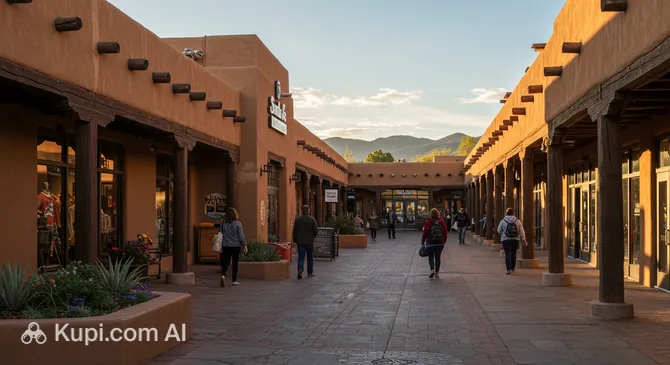
Shopping in Santa Fe is an adventure that mirrors the city's artistic soul and cultural diversity. Unlike destinations dominated by generic big-box retailers, this high-desert capital is famous for its unique boutiques, world-class art galleries, and authentic Native American crafts. Visitors will find that the retail experience here is less about mass consumption and more about discovering one-of-a-kind treasures, from hand-woven rugs and turquoise jewelry to contemporary paintings and locally made home goods.

The epicenter of the shopping scene is the historic Santa Fe Plaza and the surrounding downtown streets. Here, you can wander through dozens of specialty shops selling cowboy boots, Southwestern fashion, and fine leather goods. Just a short distance away lies the legendary Canyon Road, a magical half-mile stretch dedicated almost entirely to art. With over 100 galleries housed in historic adobe buildings, it offers everything from traditional Western art to avant-garde sculptures, making it a premier destination for collectors and window-shoppers alike.

For those seeking a more traditional retail experience or everyday necessities, the city offers several shopping centers. The most prominent is the DeVargas Center, located just a few minutes from the downtown area. This indoor mall features a relaxed atmosphere with a mix of national brands, locally owned shops, and service providers. It is a convenient stop for travelers looking to resupply or browse for gifts in a comfortable, climate-controlled environment.

DeVargas Center. Source: Kupi.Binoculars

Markets play a vital role in the local commerce and community life. The Santa Fe Farmers Market in the trendy Railyard District is a must-visit, especially on Saturday mornings. It is one of the oldest and largest growers' markets in the country, offering not just fresh produce but also dried chiles, herbal salves, and artisanal crafts. Additionally, the Native American Vendors Program under the portal of the Palace of the Governors provides a daily market where you can buy jewelry and pottery directly from the artists, ensuring authenticity and quality.

When it comes to souvenirs, Santa Fe offers items that truly capture the spirit of the Southwest. Authentic turquoise and silver jewelry is perhaps the most iconic purchase; look for the "mark of the artist" to ensure it is genuine. Other popular keepsakes include Nambé metalware, handcrafted pottery, and colorful Navajo weavings. Foodies often bring back bags of red or green chile powder, piñon coffee, or prickly pear cactus jelly to recreate the flavors of New Mexico at home.

Store opening hours in Santa Fe are generally relaxed, with most boutiques and galleries opening around 10:00 AM and closing by 5:00 PM or 6:00 PM. On Sundays, hours may be reduced. Major credit cards are widely accepted throughout the city, though carrying some cash is recommended for smaller purchases at markets or when buying directly from street vendors. Tipping is not expected in retail shops, but friendly conversation is always welcome.

Regarding taxes, the United States does not have a national VAT refund system for international tourists. In Santa Fe, a sales tax (technically a Gross Receipts Tax) is added to the price of most goods and services at the register. Visitors should expect to pay the full price including tax, as there is no mechanism to claim this back upon departure.

Reached the end of the page?

That means the route is fully explored