Support

Huatulco

About

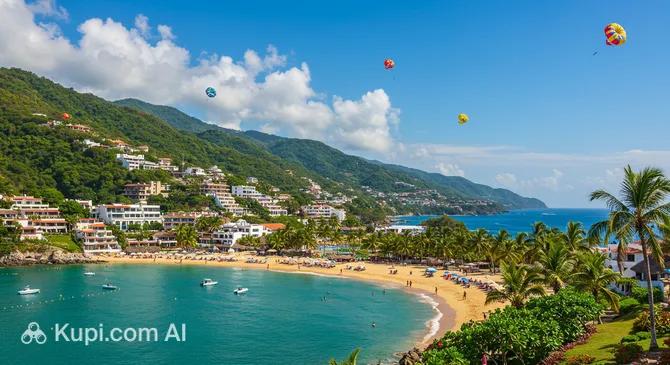
Discover the breathtaking beauty of Huatulco, a premier resort destination that perfectly blends modern comfort with untouched natural splendor. Located in the state of Oaxaca along the Pacific coast of Mexico, this area is officially known as Bahías de Huatulco. It is renowned for its commitment to sustainable tourism, offering a cleaner, quieter alternative to some of the country's busier coastal cities. With a population of approximately 45,000 residents, it retains a welcoming, small-town atmosphere while providing world-class amenities.

Huatulco. Source: Kupi.Binoculars

The region is famous for its nine stunning bays and over 30 pristine beaches, many of which are part of the protected Huatulco National Park. This ecological reserve is a haven for nature lovers, featuring diverse coral reefs, tropical forests, and abundant marine life. Visitors can also explore the charming town center of La Crucecita, known for its local markets and an impressive church featuring a massive painting of the Virgin of Guadalupe.

Although it is now a polished tourist hub, the history of Huatulco is rich and fascinating, transforming from a remote coastal area once visited by pirates into a meticulously planned eco-tourism center. Whether you are looking to snorkel in crystal-clear waters, enjoy authentic Oaxacan cuisine, or simply relax under the warm sun, Huatulco invites you to experience its unique magic and hospitality.

Weather Overview

Huatulco offers a pleasant tropical climate that remains warm throughout the year, making it a reliable destination for sun-seekers. Generally, you can expect consistent warmth with a clear distinction between the dry winter months and the rainier summer season. Before booking your activities, it is helpful to review the weather in Huatulco to choose the best time for your visit.

The dry season, spanning from December to April, is often considered the best time for travel. During these months, rainfall is scarce, with precipitation often as low as 1mm, and the number of wet days is minimal. Temperatures are comfortable, with daily averages between 21.4°C and 23.8°C, and daytime highs peaking around 28.6°C in April, providing perfect conditions for exploring the bays.

From May through October, the region enters its wet season. While temperatures remain stable, averaging around 23°C to 24°C, the frequency of rain increases notably, with June through September seeing rain on most days of the month. Despite the frequent wet days, the climate stays warm, with maximum temperatures lingering between 25.9°C and 28.1°C, ensuring that the tropical atmosphere persists even during the rainy period.

Interesting Facts

Beyond the main attractions and sun-soaked coastline, Huatulco holds many fascinating secrets that reveal its rich heritage and ecological importance. Uncover the stories that make this destination truly unique with these lesser-known insights.

  • Ancient Origins: The name "Huatulco" is derived from the Nahuatl word Cuahtolco, which translates to "the place where the wood is worshipped." This name is rooted in a local legend about a mysterious holy cross that was venerated in the region long before the Spanish conquest.

  • A Sustainability Pioneer: This resort area was the very first community in the Americas to be awarded the prestigious Green Globe certification. This distinction highlights its long-standing commitment to sustainable tourism and preserving the biodiversity of the Oaxacan coast.

  • Cinematic Scenery: The breathtaking and untouched beauty of Cacaluta Bay served as a key filming location for the acclaimed film Y Tu Mamá También. While the beach appears wild and secluded on screen, it is a protected part of the national park that visitors can admire today.

  • Coffee Heritage: Just a short distance into the mountains lies the Pluma Hidalgo region, famous for cultivating some of the finest organic coffee in Mexico. The unique microclimate creates high-quality beans that are prized by connoisseurs and can be tasted in local cafes.

How to Get There

Reaching this stunning coastal destination is relatively easy, with air travel being the most popular and efficient method for visitors coming from abroad or distant parts of Mexico. For a comprehensive guide on all available transport options, you can read more about how to get to Huatulco to help plan your arrival.

The most convenient entry point is Huatulco Airport (IATA: HUX), which is located directly in Huatulco, just 8.9 km from the main resort areas. This international airport welcomes flights from major cities and serves as the primary hub for tourists. A taxi or shuttle ride from the terminal to the city center typically takes about 35 minutes.

If you cannot find a direct flight, you might consider flying into Puerto Escondido Airport (IATA: PXM), situated in the city of Puerto Escondido. It is approximately 82.5 km away from Huatulco. The journey by road from this neighboring coastal city takes around 2 hours and 25 minutes.

Another alternative is Xoxocotlan Airport (IATA: OAX) in the state capital, Oaxaca City. Although it is a larger hub with significant passenger traffic, it is located about 136.2 km from the coast. Due to the distance and road conditions, the transfer to Huatulco by taxi or bus can take approximately 3 hours and 45 minutes.

For clarity, here is a summary of the main airports:

Airport Name City Passenger Traffic Km from City
Xoxocotlan Airport Oaxaca High 136.2
Puerto Escondido Airport Puerto Escondido Medium 82.5
Huatulco Airport Huatulco Medium 8.9

Main Attractions

The charm of Huatulco lies in its blend of natural wonders and authentic Mexican culture. While the region is famous for its nine bays, specific locations within these bays and the town center offer distinct experiences for every type of traveler. From ancient history to vibrant town life and pristine beaches, here are the top attractions to explore.

Bahía de Santa Cruz is the central hub of activity and often the first stop for visitors. This bay is home to the main marina and cruise ship dock, making it a lively area filled with restaurants, shops, and tour operators. The water here is exceptionally calm, resembling a natural swimming pool, which makes it perfect for families with young children or those looking for a relaxing swim. It also serves as the primary departure point for boat tours exploring the other bays and the national park.

For a taste of local culture, a visit to La Crucecita, the town's main square, is essential. The highlight here is the Parroquia de Nuestra Señora de Guadalupe. This charming church is famous for featuring the largest painting of the Virgin of Guadalupe in the world, which adorns the entire ceiling. After admiring the artwork, visitors can stroll through the surrounding plaza to shop for local handicrafts, taste Oaxacan chocolate, or enjoy traditional mezcal at nearby shops.

Nature and history enthusiasts should not miss the Copalita Eco-Archaeological Park. Located just a few miles from the resort area, this site offers a unique combination of pre-Hispanic ruins and ecological trails. You can explore the remains of an ancient settlement, including a ball court and temple structures, believed to date back over 2,000 years. The park also features a museum and walking paths that lead through lush forest to a stunning cliffside viewpoint overlooking the Copalita River meeting the ocean.

If you are looking for the perfect beach day combined with excellent local cuisine, Bahía Maguey is a top choice. Accessible by boat or taxi, this bay is renowned for its fine golden sand and gentle, emerald-green waters that are ideal for snorkeling. The beachfront is lined with traditional palapas (thatched-roof restaurants) serving fresh seafood caught daily. It is a favorite spot to relax under an umbrella, enjoy a seafood platter, and watch the colorful marine life just offshore.

Local Cuisine

The local cuisine in Huatulco is a vibrant fusion of fresh Pacific seafood and the world-renowned culinary traditions of the state of Oaxaca. As a coastal destination within Mexico's gastronomic heartland, the food scene here offers travelers the chance to savor rich, complex flavors alongside the catch of the day. Whether you are dining in a sophisticated restaurant or grabbing a bite at a street stall, the ingredients are fresh, colorful, and deeply rooted in local culture.

One of the most iconic dishes you must try while visiting the bays is the Piña Rellena de Mariscos (Stuffed Pineapple). This tropical delight consists of a hollowed-out pineapple filled with a savory mixture of shrimp, fish, octopus, and melted cheese, often topped with a creamy sauce. It is a signature dish served in many beachside palapas and perfectly captures the essence of a seaside vacation. For those who love pure seafood, fresh red snapper (Huachinango) prepared "a la talla" (grilled with a chili-mayo sauce) or simply with garlic and butter is a staple.

Beyond seafood, Huatulco is the perfect place to experience authentic Oaxacan classics. The Tlayuda, often referred to as "Oaxacan pizza," is a popular evening meal. It features a large, thin, crunchy tortilla covered with refried beans, cabbage, avocado, meat (such as tasajo or chorizo), and the region's famous string cheese, quesillo. For the adventurous eater, chapulines (toasted grasshoppers seasoned with lime and garlic) are a crunchy, salty snack that pairs surprisingly well with a cold drink.

When it comes to beverages, Mezcal is the undisputed king of the region. Produced from the agave plant, this smoky spirit is deeply embedded in Oaxacan culture. Visitors can sample various types, from smooth and aged varieties to those infused with fruits or herbs. For a non-alcoholic option, try a refreshing Agua de Jamaica (hibiscus water) or enjoy a cup of locally grown organic coffee from the nearby Pluma Hidalgo mountains, known for its exceptional aroma and quality.

The food culture in Huatulco is relaxed and welcoming. During the day, most tourists eat at the open-air restaurants located directly on the sand at bays like Santa Cruz or Maguey. In the evenings, the town center of La Crucecita comes alive with activity. Here, you can wander through the streets to find charming family-run eateries, taco stands, and bakeries offering sweet breads and hot chocolate, providing a true taste of local life away from the resort hotels.

Travel Tips

Welcome to the sun-drenched coast of Oaxaca! To help you make the most of your visit to the beautiful bays of Huatulco, we have compiled a list of essential practical advice covering everything from local transport to cultural nuances.

  1. Clothing and Eco-Friendly Gear: Given the tropical heat, pack lightweight, breathable fabrics like cotton or linen. A wide-brimmed hat and sunglasses are essential for sun protection. Since much of the area is a protected National Park, it is crucial to bring biodegradable sunscreen; standard sunblocks containing harmful chemicals are often prohibited in the bays to protect the coral reefs. Water shoes are also recommended for rocky snorkeling spots.

  2. Getting Around: Public transportation in Huatulco is safe and efficient. The most common way to travel between bays and the town center is by taxi. Taxis here are typically white, plentiful, and operate on fixed rates by zone, so check the price board before hopping in. Ride-hailing apps like Uber are generally not available or reliable in this specific region, so rely on official taxis or rent a car if you plan to explore the distant mountains.

  3. Managing Finances: The local currency is the Mexican Peso (MXN). While major hotels and upscale restaurants accept credit cards, cash is king in Huatulco. You will need pesos for beachside palapas, taxis, and small souvenir shops in La Crucecita. ATMs are readily available in the main town squares and supermarkets. A tip of 10-15% is standard practice in restaurants if service is not included.

  4. Health and Safety: Huatulco is considered one of the safest tourist destinations in Mexico, but standard precautions apply. Avoid drinking tap water; always opt for bottled or purified water to prevent stomach issues. Pharmacies are easy to find in La Crucecita and Santa Cruz, with some major chains open 24 hours. Be mindful of strong ocean currents at certain beaches—always look for the warning flags before swimming.

  5. Communication: The official language is Spanish. While staff at resorts and tour agencies usually speak English, it is less common among taxi drivers and market vendors. Learning a few basic phrases like "Buenos días" (Good morning) and "Gracias" (Thank you) goes a long way. Free Wi-Fi is available in many public plazas and hotels, but purchasing a local SIM card (e.g., Telcel) at a convenience store is recommended for reliable connectivity.

  6. Local Etiquette: Oaxacans are known for their warmth and politeness. It is customary to greet people when entering a shop or elevator. If you are dining in a smaller establishment, it is polite to say "Buen provecho" (Enjoy your meal) to other diners as you leave. When visiting the church in La Crucecita, dress modestly out of respect for the local culture.

  7. What to Avoid: Do not collect seashells, coral, or sand from the beaches, as this is strictly prohibited to preserve the ecosystem. Additionally, avoid loud or boisterous behavior in the town center late at night; Huatulco has a more relaxed, family-oriented vibe compared to other Mexican party destinations.

  8. Coffee Lover's Tip: Since you are in Oaxaca, do not miss the chance to buy local organic coffee. The region is close to Pluma Hidalgo, a world-famous coffee-growing area. You can find excellent, freshly roasted beans in the local markets of La Crucecita, which make for a perfect and authentic souvenir.

By keeping these tips in mind, you will be well-prepared to enjoy the laid-back atmosphere and natural wonders of this Pacific paradise. Have a safe journey and soak up every moment of your Huatulco adventure!

Entertainment & Nightlife

Entertainment in Huatulco is characterized by a relaxed, tropical atmosphere that favors good conversation, live music, and cultural experiences over high-octane clubbing. Unlike the massive party scenes found in other Mexican resort cities, the nightlife here is approachable and intimate. The evenings typically start with a leisurely dinner followed by drinks at an open-air bar, where the warm Pacific breeze sets the mood for a laid-back night out.

The heart of the action is undoubtedly the town of La Crucecita. As the sun sets, the main square (Zócalo) and its surrounding streets come alive with locals and tourists alike. This district is walkable and vibrant, lined with restaurants, mezcal tasting rooms, and bars that spill out onto the sidewalks. For a slightly more upscale or romantic vibe, the marina area in Santa Cruz Bay offers waterfront venues where you can enjoy cocktails with a view of the yachts. Chahué Bay is another hotspot, known for its trendy beach clubs that transition from daytime lounging to evening social hubs.

For a quintessential local experience, you must visit La Crema. Located in La Crucecita, this iconic bar and restaurant is famous for its eclectic, bohemian décor and wood-fired pizzas. It is a staple of Huatulco's nightlife, often featuring live rock, reggae, or salsa music that draws a fun, mixed crowd. Another popular spot is Café Dublin, an Irish-style pub that offers a lively atmosphere, cold beers, and frequent live music performances, making it a great place to meet fellow travelers. If you prefer dancing, look for the beach clubs in Chahué which often host DJs and parties during the high season.

When planning your night out, keep in mind that the dress code is generally "tropical casual"—shorts, sandals, and light shirts are acceptable almost everywhere. Most venues stay open until around 1:00 AM or 2:00 AM, with prices being quite reasonable compared to larger international destinations. The area is very safe for night walks, especially in the illuminated center of La Crucecita. However, if you are moving between bays, it is best to use the official white taxis, which are plentiful, safe, and operate on fixed rates.

While the nights are enchanting, daytime entertainment in Huatulco offers its own charm beyond the beaches. Visitors can enjoy a round of golf at the lush Las Parotas Golf Club or catch a movie at the local cinema in the shopping plazas. For a dose of culture, spending an afternoon browsing the artisan markets for Oaxacan handicrafts or visiting small local galleries provides a delightful break from the sun.

Parks & Museums

While Huatulco is primarily celebrated for its stunning coastline, the region also boasts a rich tapestry of green spaces and cultural venues that offer a deeper understanding of Oaxacan heritage. Beyond the sandy shores, visitors can explore protected ecological reserves and intimate museums that highlight the area's biodiversity and the artistic traditions of southern Mexico.

The crown jewel of the region's natural areas is the Huatulco National Park. While most visitors know it for the bays, the terrestrial portion of the park protects thousands of hectares of tropical dry forest, a unique and endangered ecosystem. It is a fantastic location for birdwatching and hiking, where nature enthusiasts can spot diverse species such as hummingbirds, hawks, and the endemic Oaxacan spinytail iguana. The park's trails offer a peaceful escape from the beach crowds, allowing you to immerse yourself in the sights and sounds of the jungle.

For a more curated nature experience, Hagia Sofia is a must-visit agro-ecological park located near the Copalita River. This lush botanical garden is renowned for its exotic flower trail, featuring rare orchids and heliconias, as well as a butterfly sanctuary. Visitors can walk through organic fruit orchards, swim in the refreshing river waters, and even sample the organic produce grown on-site. It is a perfect spot for families and those looking to connect with the fertile landscape of Oaxaca.

In terms of culture, the Museum of Oaxacan Handicrafts (Museo de Artesanías Oaxaqueñas) in La Crucecita provides a colorful introduction to the state's artistic legacy. Although small, this venue is significant for showcasing the incredible diversity of local folk art. Exhibits typically include the famous barro negro (black clay) pottery, intricate hand-woven textiles, and vibrant alebrijes (fantastical carved wood figures). It is an excellent place to learn about the techniques passed down through generations before shopping for authentic souvenirs.

History buffs will appreciate the museum located within the Copalita Eco-Archaeological Park. This facility houses a collection of artifacts discovered during the excavation of the nearby ancient ruins, which date back more than 2,000 years. The museum provides context to the architectural remains outside, explaining the significance of the ball court and temples, and offering insights into the pre-Hispanic civilizations that once thrived on this coast. It effectively bridges the gap between the region's natural beauty and its ancient human history.

For a truly authentic experience, consider taking a day trip up into the mountains to the coffee plantations in Pluma Hidalgo. While not a park or museum in the traditional sense, these historic estates function as living museums of coffee production. Walking through the misty plantations and seeing the traditional processing methods offers a unique glimpse into the agricultural heart of Oaxaca, far removed from the resort atmosphere.

Getting Around

Navigating Huatulco is remarkably stress-free, as the city does not rely on complex subway or train networks. Instead, the public transport system is straightforward, consisting primarily of a well-organized fleet of taxis and local buses that connect the main bays, the town center of La Crucecita, and the hotel zones. This simplicity allows visitors to move easily between the beach and downtown without the need for maps or complicated schedules.

The most popular and convenient way to get around is by taxi. You will easily recognize them as white sedans, which are abundant throughout the resort areas. Unlike in many other destinations, taxis here do not use meters; instead, they operate on a fixed-rate system based on zones. Whether you are traveling from your hotel to the market or between bays, there is a set price for the journey. It is advisable to check the official rate board, often posted at taxi stands or hotels, to know the fare in advance.

For a more authentic and budget-friendly experience, you can use the local public buses, often referred to as urbanos or colectivos. These vehicles run frequently along the main boulevard, connecting La Crucecita with Santa Cruz, Chahué, and Tangolunda. They are a great way to mingle with locals and are incredibly affordable. Stops are generally marked, but you can often flag one down if you are on the main route. Service typically runs from early morning until around 10:00 PM.

When it comes to payment, cash is the only accepted method for public transport. There are no travel cards, digital passes, or mobile apps for ticketing. You will need to pay the driver directly upon boarding the bus or the taxi driver at the end of your ride. It is highly recommended to carry the local currency in small denominations, as drivers often do not have change for large bills.

A unique and delightful feature of transport in this coastal destination is the water taxi system. Since some of the most beautiful beaches are difficult or impossible to reach by land, small boats known as lanchas serve as public transport across the water. You can catch these at the marina in Santa Cruz Bay to reach spots like Playa La Entrega or Maguey. Prices are usually fixed per person or per boat, and it offers a scenic alternative to the road.

Regarding alternatives, ride-sharing apps are generally not available or reliable in this area due to local regulations, so it is best not to rely on them. If you prefer more independence, renting a car is a popular option for exploring the coastline at your own pace. However, within the compact town center of La Crucecita or the Santa Cruz area, walking is a pleasant option, provided you are comfortable with the tropical heat.

Accommodation

Accommodation in Huatulco is diverse and well-organized, catering to a wide spectrum of travelers ranging from backpackers to luxury seekers. The destination is master-planned, meaning that lodging options are often grouped into specific zones, making it easy to choose a location based on the type of experience you desire. Visitors can find everything from economical hostels and family-run inns to expansive all-inclusive resorts and private vacation rentals.

The most popular area for high-end tourism is Tangolunda Bay. This is the designated "Hotel Zone" of Huatulco, where you will find the majority of the large, international-style resorts and all-inclusive properties. It is an ideal location for travelers looking for direct beach access, extensive pools, and full-service amenities. In contrast, the town center of La Crucecita offers a more authentic and budget-friendly experience. Here, you can stay in charming boutique hotels or hostels, surrounded by local markets, restaurants, and the daily life of the residents, though you will need to take a short taxi ride to reach the beaches.

For those seeking a middle ground, Santa Cruz Bay is an excellent choice. It is home to the marina and offers a mix of mid-range hotels and condos. Staying here places you within walking distance of the main boat docks, a lovely beach with calm waters, and a variety of dining options. Another emerging area is Chahué Bay, which features modern apartments and hotels near the beach clubs, bridging the gap between the resort feel and the town atmosphere.

When planning your stay, it is important to consider the seasonality of the region. Huatulco is a favorite destination for domestic tourists, especially during Semana Santa (Easter week) and the Christmas holidays. During these peak times, occupancy rates soar, and prices can increase significantly. Therefore, a helpful booking tip is to secure your reservation at least three to four months in advance if you plan to travel during these busy periods.

In terms of pricing, options are available for every wallet. Budget travelers can find hostels and simple rooms in La Crucecita for reasonable rates, often ranging from $30 to $60 USD per night. Mid-range hotels, particularly in Santa Cruz and Chahué, typically cost between $80 and $150 USD. Luxury resorts in Tangolunda or the secluded Conejos Bay can range from $200 to over $500 USD per night, depending on the season and package. Booking is easily done through major online travel platforms, though contacting smaller, family-run hotels directly can sometimes yield better rates or personalized service.

Nearby Cities

For those looking to explore the surroundings, Huatulco serves as an excellent base for day trips to several interesting nearby locations. The region of Oaxaca is rich in diversity, offering everything from world-class surfing spots to quiet mountain towns rich in history.

Puerto Escondido is perhaps the most famous neighbor, known globally for its legendary surfing waves at Zicatela Beach. It offers a more bohemian and laid-back atmosphere compared to the resort style of Huatulco. Visitors often head here to watch professional surfers, enjoy the vibrant nightlife, or take a boat tour to see bioluminescence in the nearby lagoons.

Closer to home lies the municipality of Santa Maria Tonameca, which encompasses famous eco-tourism villages like Mazunte. This area is celebrated for the National Mexican Turtle Center, where visitors can learn about conservation efforts. It is also the perfect place to hike up to Punta Cometa to witness one of the most spectacular sunsets on the Pacific coast.

For a change of scenery away from the beach, Miahuatlán de Porfirio Díaz offers a glimpse into the Oaxacan interior. Located in the mountains, this historic town is famous for the Battle of Miahuatlán, a pivotal victory against French forces during the Second French Intervention in Mexico. It is known for its traditional markets and is a key stop for those interested in the authentic culture and mezcal production of the Sierra Sur region.

City Population Distance (km)
Salina Cruz 81,063 126
San Pedro Mixtepec 48,336 83
Puerto Escondido 45,000 81
Miahuatlán de Porfirio Díaz 35,517 62
Santa Maria Tonameca 25,130 26

These nearby destinations offer a glimpse into the diverse culture and landscapes of the region, allowing travelers to experience the broader beauty of the Oaxacan coast and mountains.

Shopping & Souvenirs

Shopping in Huatulco offers a delightful departure from the mega-malls and high-end fashion districts found in larger resort destinations. Instead, the experience here is intimate, colorful, and deeply rooted in the rich cultural heritage of Oaxaca. Visitors will find a treasure trove of authentic handicrafts, regional delicacies, and beach essentials, making it the perfect place to find unique gifts rather than mass-produced items.

The primary hub for shopping is undoubtedly the town center of La Crucecita. The streets surrounding the main square (Zócalo) are lined with boutiques, silver jewelry shops, and artisan galleries. It is a walkable district where you can leisurely browse through racks of embroidered clothing and shelves of pottery. Another key area is the marina at Bahía de Santa Cruz, which features a selection of souvenir stands and higher-end boutiques catering to cruise ship passengers, offering everything from designer swimwear to fine folk art.

Travelers looking for large, modern shopping complexes might be surprised to find that Huatulco does not have extensive shopping malls in the traditional sense. However, there are smaller commercial plazas such as Plaza Chahué and Plaza Madero that offer a variety of services, boutiques, and cafes. for everyday needs and groceries, major supermarkets like Chedraui and Soriana serve as the main commercial anchors in the Chahué area, providing imported goods and beach supplies.

For a truly immersive experience, a visit to the Mercado 3 de Mayo in La Crucecita is essential. This vibrant market is the beating heart of the town, where locals buy their fresh produce and tourists hunt for treasures. Here, you can wander through aisles filled with tropical fruits, dried chilies, and fresh flowers, alongside stalls selling leather sandals, woven baskets, and traditional clothing. It is the best place to practice your bargaining skills and interact with friendly local vendors.

When it comes to souvenirs, Huatulco is a gateway to the artistic traditions of Oaxaca. The most sought-after items include alebrijes (brightly painted wooden carvings of fantastical creatures), barro negro (black clay pottery), and colorful hand-woven textiles. Food items are also popular; do not leave without a bottle of artisanal Mezcal or a bag of organic coffee beans from the nearby Pluma Hidalgo mountains. Oaxacan chocolate is another favorite treat to bring back home.

Store hours in Huatulco are generally relaxed. Most shops in La Crucecita and Santa Cruz open around 9:00 AM or 10:00 AM and stay open until 8:00 PM or 9:00 PM. However, smaller, family-run businesses may close for a "siesta" between 2:00 PM and 4:00 PM, so it is best to plan your shopping for the morning or late afternoon. While major supermarkets and established boutiques accept credit cards, cash is preferred in markets and smaller stalls. Carrying Mexican Pesos is highly recommended for the best deals.

International tourists shopping in Mexico may be eligible for a tax refund on certain purchases through the "Moneyback" program. If you spend a minimum amount at participating stores—usually indicated by a "Tax Free" sign in the window—you can request a refund of the Value Added Tax (IVA) at the airport upon departure. Be sure to ask the merchant for the specific tax-refund invoice and keep your immigration form handy to take advantage of this benefit.
Reached the end of the page?

That means the route is fully explored