Support

Tampico

About

Welcome to Tampico, a vibrant port city located in the southeastern part of the state of Tamaulipas. Known for its distinct architectural style and warm hospitality, this destination offers a unique blend of urban energy and coastal charm within Mexico. Often referred to as the "New Orleans of Mexico," the city captivates visitors with its elegant buildings and lively atmosphere.

Geographically, the city is situated on the banks of the Pánuco River, just inland from the Gulf of Mexico, and is surrounded by an extensive system of lagoons. This location provides a humid subtropical climate and a lush environment. With a population of approximately 297,000 residents, it serves as a significant economic hub while maintaining a welcoming community feel.
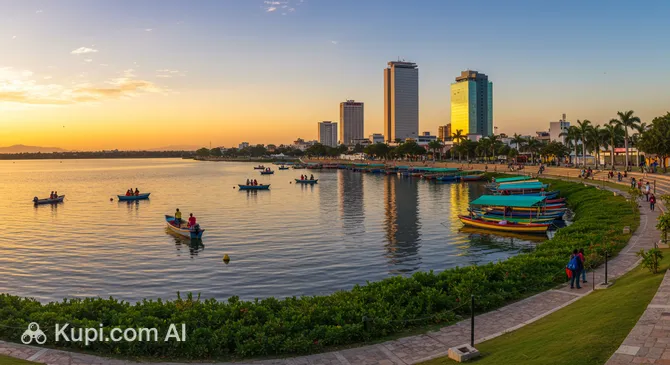
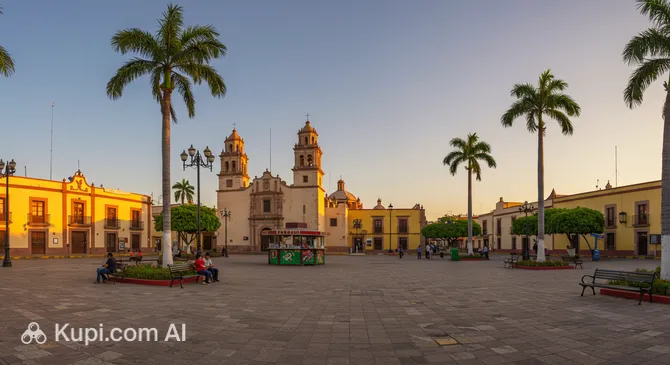
Tampico. Source: Kupi.Binoculars

The downtown area is a testament to the city's rich past, particularly its "Porfirian" style architecture which features wrought-iron balconies and neoclassical facades. To understand how this port grew into such a cultural landmark, you can explore the history of Tampico, which details its rise during the oil boom and its enduring maritime significance.

Travelers should not miss the Laguna del Carpintero, a massive lagoon located right in the heart of the city, where it is possible to spot iguanas and crocodiles in their natural habitat. Another highlight is the majestic Tampico Cathedral in the Plaza de Armas, showcasing stunning design. For those seeking sun and sand, the nearby Miramar Beach offers vast stretches of coastline perfect for relaxation.

Whether you are interested in historical architecture, nature walks, or simply enjoying fresh seafood by the river, Tampico has something special to offer. It is a delightful destination that invites you to discover a different and fascinating side of the Mexican Gulf coast.
Weather Overview

Tampico generally enjoys a warm and humid climate year-round, making it a suitable destination for those who appreciate tropical conditions. To help plan your trip effectively, checking the weather in Tampico is recommended, as distinct seasonal patterns can influence your activities.

The summer months, particularly from June to September, are typically the hottest and wettest time of the year. During this period, average temperatures hover around 29°C, and rainfall becomes quite frequent, with September seeing up to 20 wet days. Travelers visiting in this season should be prepared for warm days mixed with regular showers.

In contrast, the winter and early spring months offer milder and drier conditions. From December to February, average temperatures cool down to a comfortable range of 20°C to 21°C. Spring sees a gradual rise in heat, with May reaching averages of nearly 29°C, but rainfall remains minimal, providing plenty of sunny days for outdoor exploration.

Interesting Facts

Beyond its reputation as a busy commercial port and oil hub, Tampico holds many fascinating secrets and curious legends that surprise many visitors. From extraterrestrial theories to classic Hollywood connections, the city's history is far more colorful than it appears at first glance.
  • One of the most persistent local urban legends is the belief that the city is protected by an underwater alien base known as "Amupac." Residents often point out that despite the city's location in a hurricane-prone zone, major storms have mysteriously diverted away from the coast for decades, allegedly due to extraterrestrial intervention.

  • The city played a starring role in the Golden Age of Cinema. The opening scenes of the legendary 1948 film The Treasure of the Sierra Madre, starring Humphrey Bogart, were set and filmed here. The movie immortalized the atmosphere of the city during the early 20th-century oil boom.

  • Architecture enthusiasts will notice a distinct lack of traditional Spanish colonial style in the historic center. Instead, areas like Plaza de la Libertad feature buildings with cast-iron facades and balconies that were catalog-ordered and imported from New Orleans and Europe, giving the district a unique French-Creole appearance.

  • Tampico is often celebrated as the cradle of commercial aviation in Mexico. In the 1920s, the need to transport payroll safely to the oil fields led to the establishment of the first scheduled commercial flight route in the country, connecting the port directly to Mexico City.

Plaza de la Libertad. Source: Kupi.Binoculars

How to Get There

Reaching this coastal city is straightforward, with options ranging from direct flights to road travel through the scenic landscapes of Tamaulipas. For a complete guide on planning your journey, you can read more about how to get to Tampico, covering various transportation methods suited to different travel styles.

The most convenient entry point is Tampico International Airport (IATA: TAM), located right within the city limits. It is situated just 6.5 km from the downtown area, making the transfer very quick. A taxi or shuttle ride to the city center typically takes about 30 minutes. This facility handles a medium volume of traffic, serving as a key regional hub with connections to major cities in Mexico and select international destinations.

Alternatively, some travelers might consider flying into Felipe Angeles International Airport (IATA: NLU), located in Mexico City. However, it is important to note that this airport is approximately 299 km away from Tampico. While it is a large international hub with extensive flight options, the ground journey to Tampico from here is significant, taking around 7 to 8 hours by car or bus. It is generally recommended to look for a connecting flight to Tampico rather than driving this distance.

For clarity, here is a summary of the main airports:

Airport Name City Passenger Traffic Km from City
Felipe Angeles International Airport Mexico City Large 299.3
Tampico International Airport Tampico Medium 6.5
Ciudad Victoria Airport Ciudad Victoria Small 197.8

Tampico does not currently have active passenger railway services connecting it to other parts of the country. The primary alternative for overland travel is the extensive bus network. Mexico's long-distance buses are known for their comfort and efficiency, with frequent first-class services arriving at Tampico's central bus station from major cities like Monterrey and Mexico City.

Main Attractions

Tampico is a city where history and nature coexist seamlessly, offering visitors a diverse range of experiences from architectural tours to wildlife encounters in the city center. Exploring its streets reveals a destination that honors its maritime heritage while providing modern recreational spaces for families and travelers alike.

One of the most emblematic natural sites is the Carpintero Lagoon. Situated right in the heart of the city, this extensive body of water is famous for its population of Morelet's crocodiles, which can often be seen sunning themselves on the banks. The area is surrounded by a well-maintained park featuring a pedestrian bridge, the "Puente de las Artes," which offers panoramic views of the mangrove ecosystem and the city skyline. It is a perfect spot for a relaxing afternoon walk or a boat ride.

Carpintero Lagoon. Source: Kupi.Binoculars

For architecture enthusiasts, the Old Customs House of Tampico is an absolute must-see. Inaugurated in 1902 by Porfirio Díaz, this magnificent red-brick building reflects the British architectural influence of the era. It stands as a symbol of the city's historical importance as a major trading port. Today, it houses a museum detailing the maritime and commercial history of the region, allowing visitors to step back in time and admire the intricate cast-iron details and elegant design.

Old Customs House of Tampico. Source: Kupi.Binoculars

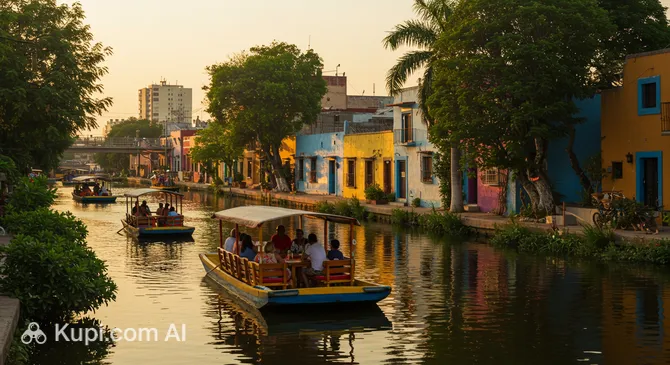
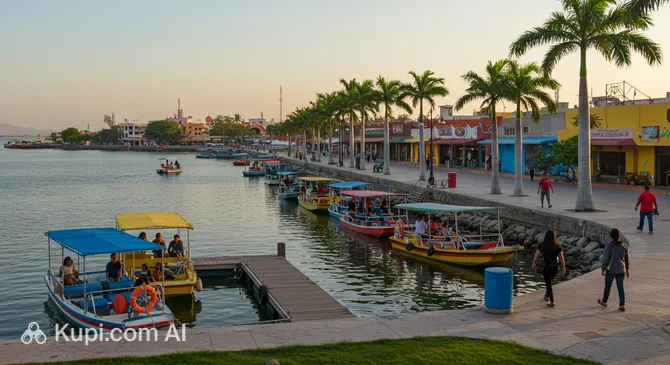
Connecting the lagoon to the Pánuco River is the scenic La Cortadura Canal Boat Tour. This man-made canal has been transformed into a beautiful tourist corridor lined with gardens, art installations, and walking paths. Visitors can take a pleasant boat ride along the waterway, enjoying the lush surroundings and the peaceful atmosphere. In the evenings, the canal is illuminated, creating a magical setting for a night stroll.

La Cortadura Canal Boat Tour. Source: Kupi.Binoculars

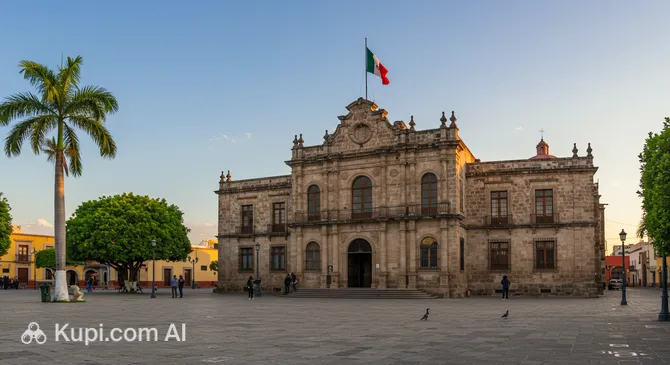
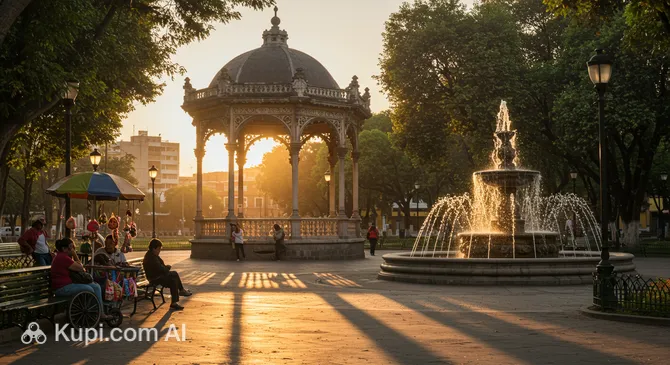
In the city center, the spiritual and social hub is the Plaza de Armas Tampico. This lively square is home to the iconic kiosk known as "El Pulpo" (The Octopus) due to its unique shape. Overlooking the square is the majestic Tampico Cathedral, also known as the Cathedral of the Immaculate Conception. Unlike many Mexican churches, it features a neoclassical facade and a remarkable floor paved with swastika symbols, which in this context represent an ancient religious cross rather than any political ideology. The cathedral's interior is stunning, making it a key stop for anyone exploring the downtown area.

Local Cuisine

The culinary scene in Tampico is widely regarded as one of the most distinctive in northern Mexico, offering a delicious fusion of coastal seafood traditions and the hearty flavors of the Huasteca region. Known affectionately as the land of the "Jaibas" (crabs), the city takes immense pride in its fresh ingredients and unique culinary inventions that have become famous throughout the country.

One cannot visit this port city without trying the legendary Torta de la Barda. This iconic sandwich, originally sold along the boundary wall of the port, is a hearty explosion of flavors. It is typically packed with ham, cheese, beans, chorizo, shredded beef, avocado, and topped with succulent pork rinds in green salsa. It is the ultimate local street food, enjoyed by residents for breakfast, lunch, or dinner.

Another signature dish is the Carne a la Tampiqueña. While its origins are often debated, it is the city's namesake dish and a staple on every menu. It consists of a long strip of roasted meat served alongside green enchiladas, strips of poblano pepper, grilled cheese, guacamole, and refried beans. For seafood lovers, Jaibas Rellenas (stuffed crabs) are a must-try delicacy, showcasing the region's abundant marine life.

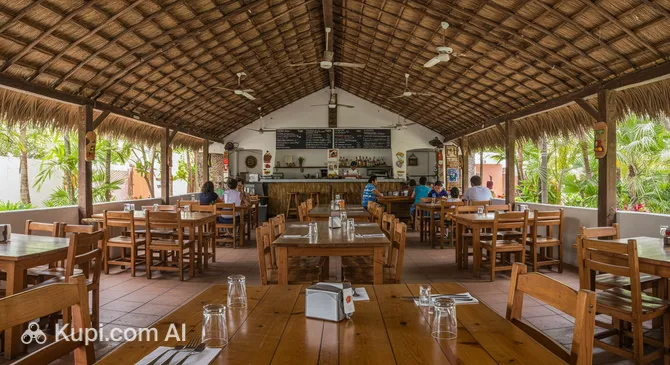
For a taste of high-quality local seafood in a comfortable setting, visitors can dine at Los Curricanes Tampico (Calle México Branch). This restaurant is well-regarded for its creative take on traditional dishes, offering a perfect introduction to the sophisticated side of the city's gastronomy.

Los Curricanes Tampico (Calle México Branch). Source: Kupi.Binoculars

To accompany your meal, look for Agua de Jobo, a refreshing drink made from a small, plum-like fruit native to the region, which is fermented to create a sweet and unique flavor. Another local curiosity is Escuis, a brand of fruit-flavored sodas exclusive to the area; the "Hierro" (Iron) flavor is a nostalgic favorite among locals.

The city's social life often revolves around sharing food and drinks. For a more relaxed atmosphere, you might visit El Muelle, a popular spot to unwind. Alternatively, for those interested in a traditional cantina experience, Cheto's Cd. Madero offers a glimpse into the local bar culture, where you can enjoy a cold beer and classic botanas (snacks).

Travel Tips

Planning a trip to Tampico is an exciting prospect, as this port city offers a distinct flavor of Mexican culture that differs from the typical resort destinations. To ensure your visit to the "Port of Jaibas" is as smooth and enjoyable as possible, here is a collection of practical tips designed to help you navigate the city like a local.

  1. Clothing and Gear: Due to the humid subtropical climate, lightweight and breathable fabrics like cotton or linen are essential year-round to handle the heat. Summers can be quite rainy, so packing a compact umbrella or a light rain jacket is a smart move. Since you will likely be walking around the historic downtown or the boardwalks, bring comfortable walking shoes. Don't forget biodegradable insect repellent, especially if you plan to visit the lagoons or mangroves in the evening.
  2. Transportation: The city has a unique public transport system known as "carros de ruta" (route cars). These are shared taxis that follow fixed routes like buses but are faster; they are very popular and affordable, though you might share the ride with strangers. For more direct and private travel, ride-hailing apps like Uber and DiDi operate reliably in Tampico and are generally safer and more convenient than hailing street taxis. Car rental is only recommended if you plan to explore the wider Huasteca region.
  3. Finances: The local currency is the Mexican Peso (MXN). While major hotels, malls, and restaurants accept credit and debit cards (Visa and Mastercard), cash is absolute king for street food stalls, small local shops, and public transport. ATMs are widely available in shopping centers and banks. It is customary to tip around 10-15% in restaurants if the service is good.
  4. Health and Safety: Pharmacies are abundant, with major chains like Farmacias Guadalajara or Farmacias del Ahorro often open 24/7 for minor medical needs. As in much of Mexico, tap water is not potable; always buy bottled water for drinking. regarding safety, stick to well-populated tourist areas like the Downtown (Centro Histórico) and the Laguna del Carpintero park. Avoid walking alone in poorly lit areas late at night.
  5. Communication: Spanish is the primary language. While staff in high-end hotels may speak English, it is less common in local markets and smaller eateries. Learning a few basic phrases like "Buenos días" (Good morning) and "¿Cuánto cuesta?" (How much is it?) will be greatly appreciated. SIM cards from providers like Telcel are easy to purchase at OXXO convenience stores for reliable data coverage.
  6. Local Etiquette: People in Tampico, known as Jaibos, are generally warm and polite. It is polite to greet shopkeepers or drivers when entering a place. Handshakes are the standard greeting for new acquaintances. If you are invited to a local's home or a gathering, arriving a few minutes late is often socially acceptable, but try to be punctual for business or tour appointments.
  7. What to Avoid: Never swim in or get too close to the water's edge at the Laguna del Carpintero or other unmarked bodies of water. These areas are natural habitats for Morelet's crocodiles (locally called Juancho). While they are a celebrated symbol of the city, they are wild animals, and ignoring warning signs can be dangerous.
  8. Local Insight: If you visit the nearby Miramar Beach (just a short drive from Tampico in Ciudad Madero), head to the jetty known as Las Escolleras. Here, you will encounter a unique local phenomenon: dozens of friendly raccoons (mapaches) that live in the rocks and come out to be fed by tourists. It is a quirky and memorable experience unique to this metropolitan area.

By keeping these practical tips in mind, you will be well-prepared to embrace the warmth and vibrancy of Tampico. Whether you are navigating the "carros de ruta" or enjoying the sunset safely from the boardwalk, a little local knowledge goes a long way in making your journey unforgettable.

Entertainment & Nightlife

As the sun sets over the Pánuco River, Tampico transforms into a lively hub of activity, offering a diverse range of entertainment options that cater to both relaxed travelers and energetic party-goers. The city's nightlife is distinct for its friendly atmosphere, where locals and visitors mingle in open-air terraces, modern clubs, and traditional cantinas. While the historic center quiets down in the late evening, the energy shifts towards the city's modern commercial districts.

The epicenter of nightlife in Tampico is undoubtedly the Zona Dorada (Golden Zone), specifically along the bustling Avenida Hidalgo. This area is packed with restaurants, bars, and nightclubs that stay open late into the night. It is the place to see and be seen, featuring a mix of trendy lounge bars for cocktails and high-energy venues for dancing. The atmosphere here is cosmopolitan and safe, with a crowd that enjoys dressing up for a night out.

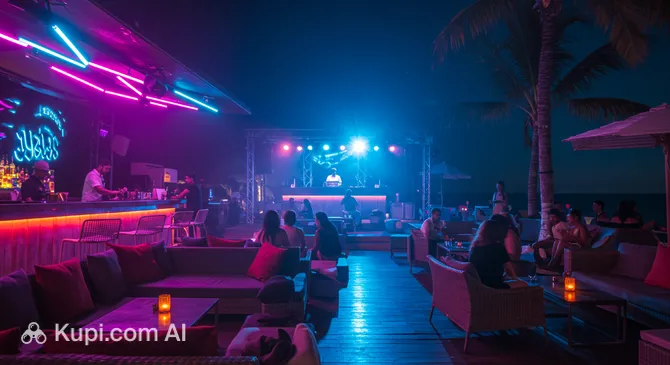
For those looking to experience the city's clubbing scene, Byblos is a legendary name in local nightlife. Known for its vibrant ambiance and music that keeps the dance floor full, it is a staple for anyone wanting to experience the classic Mexican party spirit. The venue typically picks up energy after 11:00 PM, so it is best to arrive a bit later if you want to catch the peak of the action.

Byblos. Source: Kupi.Binoculars

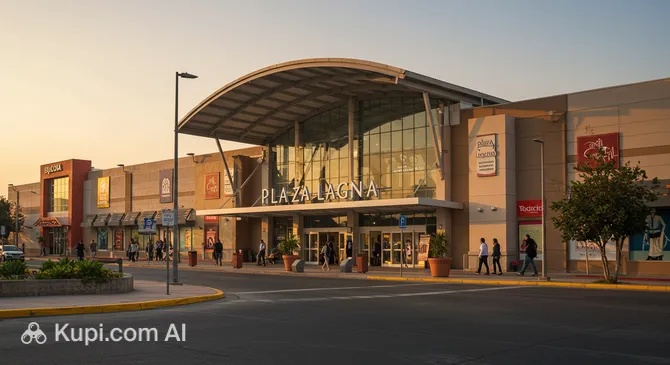
If you prefer a more relaxed evening with a variety of options in one place, Plaza Laguna is an excellent choice. This lifestyle center is situated near the lagoon and offers a selection of bars and restaurants with terraces. It is perfect for enjoying a drink with a view, and the open-air design takes advantage of the warm tropical evenings. It is a popular spot for groups of friends to gather before heading to a club or simply to enjoy a long, leisurely dinner.

Plaza Laguna. Source: Kupi.Binoculars

Another major hub for evening entertainment is Galerías Altama. As the largest shopping center in the state, it offers more than just retail; it is a social gathering point with a modern cinema, diverse dining court, and family-friendly atmosphere. It serves as a great starting point for the night, especially for those who want to escape the humidity in a climate-controlled environment before exploring the outdoor spots.

Galerías Altama. Source: Kupi.Binoculars

Practical Nightlife Tips:

  • Timing: Nightlife in Tampico starts relatively late. Bars begin to fill up around 9:00 PM, but clubs do not get busy until near midnight.
  • Dress Code: While beachwear is fine for the day, the nightlife scene in the Golden Zone is "smart casual." Men typically wear jeans and collared shirts, while women often dress up for clubbing.
  • Safety and Transport: The main nightlife districts like the Golden Zone are generally safe and well-patrolled. However, it is always advisable to use ride-sharing apps like Uber or DiDi rather than hailing taxis on the street at night. Avoid walking long distances alone in unlit areas.

Daytime Entertainment:

Before the sun goes down, the city offers fascinating cultural experiences. Car enthusiasts will be thrilled by the Tampico Automobile Museum, which houses an impressive collection of classic and vintage cars, showcasing the history of automotive design. It is a unique attraction that appeals to both history buffs and motorheads.

Tampico Automobile Museum. Source: Kupi.Binoculars

For families traveling with kids, the Children's Museum BARCO is a must-visit. Located in the historic Old Customs building, this interactive museum combines fun learning exhibits with the architectural beauty of one of the city's most important landmarks. It provides an engaging way to spend the afternoon before the city transitions into its vibrant evening mood.

Parks & Museums

Beyond its busy commercial port and historic downtown, Tampico offers a variety of green spaces and cultural venues that provide a refreshing contrast to the urban energy. Visitors looking to explore the city's artistic side or enjoy a quiet afternoon in nature will find several excellent options spread throughout the area.

A focal point for the local arts scene is the Tampico House of Culture. Housed in a beautifully preserved building, this institution serves as a vibrant community hub. It regularly hosts art exhibitions, music workshops, and theatrical performances, making it a key destination for those wishing to immerse themselves in the region's creative spirit. The architecture itself is worth admiring, reflecting the traditional aesthetic of the city.

Tampico House of Culture. Source: Kupi.Binoculars

For nature lovers, Fray Andrés de Olmos Park is a standout location. Situated on the banks of the lagoon, this park is renowned for its tranquil atmosphere and stunning sunsets. It features well-maintained picnic areas, playgrounds, and palapas, making it a favorite spot for families to gather on weekends. The park offers a peaceful setting for fishing or simply watching the water.

Fray Andrés de Olmos Park. Source: Kupi.Binoculars

Another significant green area is the Tampico Metropolitan Park. Located adjacent to the city's extensive wetland system, this park provides walking trails and recreational facilities. It is an ideal place for jogging, cycling, or observing the diverse birdlife that inhabits the area. The park acts as a green lung for the city, balancing the urban environment with protected natural landscapes.

Tampico Metropolitan Park. Source: Kupi.Binoculars

Those interested in sports and active leisure should visit Petrolera Park. This space is equipped with jogging tracks and sports courts, serving as a popular meeting point for local athletes and fitness enthusiasts. Nearby, Sierra Morena Park offers a quieter setting with shaded areas, perfect for reading or relaxing away from the traffic.

Petrolera Park. Source: Kupi.Binoculars

In the downtown area, the Plaza Hijas de Tampico offers a different kind of open space. Located near the market and the port entrance, this plaza has been revitalized to provide a clean, open environment where visitors can rest while touring the historic center. It offers excellent views of the surrounding architecture and the bustling activity of the port area.

Plaza Hijas de Tampico. Source: Kupi.Binoculars

Finally, history buffs might appreciate a stroll through General Pedro José Méndez Park. Named after a prominent figure in the region's history, the park features monuments and landscaped gardens, serving as a tribute to the local heritage and a pleasant spot for a short walk.

General Pedro José Méndez Park. Source: Kupi.Binoculars

Getting Around

Navigating Tampico is a unique experience, as the city does not rely on a subway or tram network. Instead, the public transport system is dominated by road-based options and a distinct water crossing service. The most popular and efficient way to get around is by using the "carros de ruta" (route cars). These are shared taxis, typically sedans, that travel along fixed routes much like a bus. You can identify them by the colored strip painted on the side of the car and a sign on the windshield indicating their destination. They are faster than buses and stop anywhere along their designated path to pick up or drop off passengers.

In addition to the route cars, there is a standard urban bus system. The buses cover a wider range of neighborhoods and are generally the most economical option, though they tend to be slower and less comfortable than the shared taxis. For those needing to cross the Pánuco River to reach nearby towns in the state of Veracruz, small motorboats known as "lanchas" operate continuously. These water taxis are a vital part of local life and offer a scenic, albeit brief, journey across the river.

The payment system across all forms of public transport in the city is almost exclusively cash-based. There are no electronic travel cards or mobile ticketing apps for buses or route cars. You pay the driver directly upon boarding. Fares are very affordable, typically ranging from 10 to 15 MXN depending on the distance and the type of vehicle. It is essential to carry small change, as drivers often do not have enough cash to break large bills.

For tourists, using the "carros de ruta" can be a bit of an adventure. To catch one, simply stand along a main avenue and raise your hand when you see a car with the destination you need. To get off, just tell the driver "bajan" (getting off) a block before your stop. These services usually operate from early morning, around 6:00 AM, until approximately 10:00 PM or 11:00 PM. After these hours, availability drops significantly, and private transport becomes necessary.

If you prefer a more private or direct mode of transport, traditional taxis are widely available. However, they do not use meters. It is crucial to agree on the fare with the driver before getting into the car to avoid misunderstandings. Alternatively, ride-sharing apps like Uber and DiDi are active in the city and are highly recommended for visitors. They offer the advantage of fixed pricing, GPS tracking, and the convenience of cashless payment, making them a stress-free alternative for getting around, especially at night.

A special feature of the local transport landscape is the historic Paso del Humo crossing. While functional rather than purely touristic, taking a "lancha" here provides a glimpse into the daily rhythm of the port city. It is an authentic experience where you share the ride with locals commuting for work or shopping, offering a perspective of the river and the massive ships docked nearby that you cannot get from the road.

Accommodation

Finding the perfect place to stay in Tampico is relatively easy, as the city offers a diverse range of accommodation options suited to both business travelers and tourists. Unlike the massive all-inclusive resort strips found in the Mexican Caribbean, the hotel scene here is more focused on practical comfort, historic charm, and urban convenience. Visitors can find everything from economical hostels and budget-friendly guesthouses to modern, high-rise establishments belonging to well-known international chains.

For those who wish to be close to the cultural heart of the city, the Historic Downtown (Centro Histórico) is an excellent choice. Staying here places you within walking distance of the main plazas, the cathedral, and the architectural beauty of the Porfirian-era buildings. It is an ideal location for travelers who enjoy exploring on foot and want to be immersed in the daily life of the port, with easy access to local markets and traditional eateries.

Alternatively, the Zona Dorada (Golden Zone), centered around the main artery of Avenida Hidalgo, is the modern commercial hub. This area is preferred by those seeking contemporary amenities, as it is close to major shopping centers, nightlife venues, and fine dining restaurants. Hotels here often feature swimming pools, ample parking, and business facilities, making it a convenient base for families and those exploring the wider region by car.

While Tampico itself is a river port, many tourists looking for a beach vacation opt to stay in the adjacent municipality of Ciudad Madero, specifically near Miramar Beach. Just a short drive from Tampico's city center, this area offers beachfront hotels and vacation rentals, allowing visitors to enjoy the Gulf of Mexico's waters while still having easy access to the city's urban attractions.

Prices in the region are generally quite reasonable compared to Mexico's major international tourist hotspots. Accommodation falls mostly into the budget to mid-range categories, providing good value for money. Booking is straightforward through major online platforms or directly with establishments. However, a crucial tip for travelers is to book well in advance if visiting during Semana Santa (Holy Week) or the summer holidays, as this is a favorite destination for domestic tourism and rooms fill up very quickly.

Nearby Cities

For those looking to explore the surroundings, Tampico serves as an excellent base for day trips to several interesting nearby locations:

City Population Distance (km)
Ciudad Madero 197,216 3
Ciudad Valles 177,022 120
Miramar 118,614 12
Ciudad Mante 118,000 128
Tantoyuca 103,616 105

Located immediately adjacent to the port, Ciudad Madero acts as a sister city and a seamless extension of the metropolitan area. It is the premier destination for those seeking sun and sand, as it is home to the famous coastline and offers a lively atmosphere filled with seafood restaurants and coastal breeze.

For nature enthusiasts willing to venture a bit further, Ciudad Valles is a must-visit destination. Situated about two hours away, it serves as the gateway to the spectacular Huasteca Potosina region. This area is renowned for its turquoise rivers, dramatic waterfalls, and lush tropical landscapes, making it perfect for eco-tourism and adventure sports.

To the north lies Ciudad Mante, an agricultural hub known for its vast sugar cane fields. It offers a quieter escape and is the ideal starting point for visiting natural wonders such as the El Nacimiento spring and the nearby El Cielo Biosphere Reserve, a UNESCO-recognized site teeming with biodiversity.

These nearby destinations offer a glimpse into the diverse culture and landscapes of the region, ranging from relaxing beaches to breathtaking natural reserves.

Shopping & Souvenirs

Shopping in Tampico offers a delightful mix of modern convenience and traditional charm, reflecting the city's dual identity as a historic port and a contemporary commercial hub. Whether you are looking for the latest international fashion trends, unique local handicrafts, or simply want to browse through bustling market stalls, the city provides a variety of retail experiences to suit every taste and budget.

The heart of the city's traditional commerce lies in the Historic Downtown (Centro Histórico). The streets surrounding Plaza de la Libertad are vibrant and always busy, lined with an array of shops selling shoes, clothing, jewelry, and electronics. Walking through this area allows you to admire the beautiful French-style architecture while hunting for bargains. The pedestrian zones are particularly lively, filled with vendors and locals, offering an authentic atmosphere that is distinct from the sanitized feel of a mall.

For a modern shopping experience, the city boasts several impressive shopping centers. The largest and most prominent is Galerías Altama, located on Avenida Ejército Mexicano. This upscale mall houses major department stores like Liverpool, international fashion brands, and a wide selection of dining options, all within a climate-controlled environment that provides a welcome escape from the midday heat. Another popular destination is Plaza Laguna, a lifestyle center that combines retail with leisure. Its open-air design and location near the lagoon make it a pleasant place to shop for clothes or gifts and then relax with a coffee overlooking the water.

To truly understand the local culture, a visit to the Mercado Municipal is essential. Recently renovated to restore its architectural grandeur, this market is a sensory delight. While it is primarily a place for fresh produce, meats, and spices, it is also an excellent spot to find local culinary specialties. Here, you can purchase jars of "salsa de jaiba" (crab sauce) or regional sweets. It is a bustling hub where the daily life of the "Jaibos" unfolds, offering a stark contrast to the modern malls.

When it comes to souvenirs, Tampico has some unique offerings. The city is famous for its crabs (jaibas), so you will find plenty of crab-themed handicrafts, from keychains to t-shirts. Due to the local urban legend about an underwater alien base protecting the city, extraterrestrial-themed merchandise has also become a quirky and popular keepsake. Additionally, look for sweets made from jobo, a local plum-like fruit, or traditional leather goods which are a specialty of the wider Tamaulipas region.

Most shopping malls and large department stores operate daily from 11:00 AM to 9:00 PM and accept all major credit and debit cards. In contrast, independent shops in the downtown area and local markets typically open earlier, around 9:00 AM or 10:00 AM, and close by 8:00 PM. While cards are widely accepted in established businesses, carrying cash is highly recommended for street vendors, small market stalls, and public transport. International tourists shopping at participating stores may be eligible for a tax refund (Moneyback) on purchases, so be sure to ask for a VAT refund form if you are making significant purchases at major retailers.

Reached the end of the page?

That means the route is fully explored