Support

Ciudad Juarez

About

Ciudad Juarez is a dynamic metropolis that serves as a vital cultural and economic bridge between nations. Situated in the northern state of Chihuahua, this bustling city is one of the most important entry points into Mexico. With a population exceeding 1.3 million, it offers a unique blend of heritage and modernity, characterized by its warm hospitality and lively atmosphere. Known locally as the "Paso del Norte" (Pass of the North), it stands as a testament to the enduring connection between two countries.

The city lies in the vast Chihuahuan Desert, creating a distinct climate with hot summers and cool winters. Its strategic location on the banks of the Rio Grande has deeply influenced the history of Ciudad Juarez, transforming it into a focal point for trade and cultural exchange for centuries. Visitors often appreciate the dramatic desert landscapes that surround the urban area, providing a stark yet beautiful backdrop to the city's daily life.
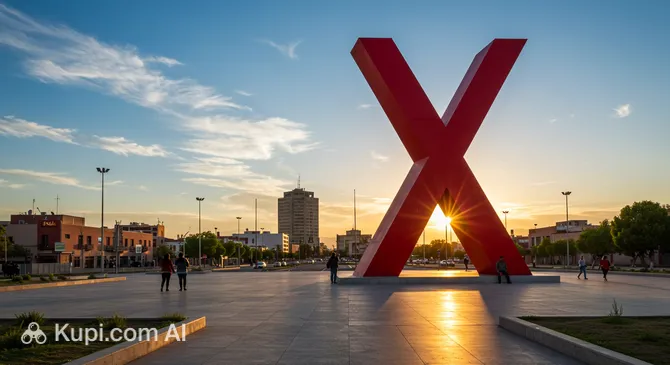
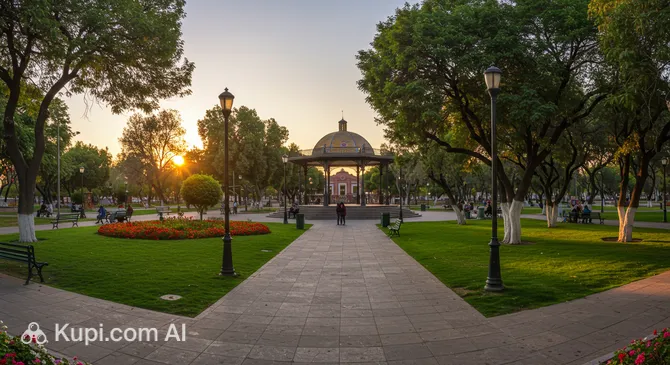
Ciudad Juarez. Source: Kupi.Binoculars

Travelers will find plenty to explore within the city limits and its surroundings. The historic center is home to the iconic Cathedral of Our Lady of Guadalupe, a beautiful example of mission architecture. History buffs should not miss the Museum of the Revolution on the Border (MUREF), which details the city's pivotal role in national events. For nature enthusiasts, the nearby Samalayuca Dunes offer spectacular scenery and exciting opportunities for adventure sports like sandboarding.

Whether you are interested in exploring rich cultural traditions, enjoying authentic regional cuisine, or discovering the unique charm of a major border town, Ciudad Juarez welcomes you with open arms. It is a destination that promises an engaging and memorable experience for every visitor.
Weather Overview

Ciudad Juarez experiences a semi-arid desert climate, characterized by distinct seasonal variations that influence when visitors might prefer to travel. The city typically sees hot summers and cool winters, with plenty of sunshine throughout the year. Before packing your bags, it is helpful to review the current weather in Ciudad Juarez to ensure you are prepared for the conditions.

During the peak summer months of June and July, the heat is significant, with average temperatures hovering around 29°C and daily highs frequently reaching 36°C. In contrast, the winter season brings much cooler air; January is generally the coldest month, with average temperatures dropping to approximately 8.2°C and nighttime lows occasionally nearing 1.3°C.

Rainfall is scarce in this region, contributing to its dry atmosphere. The spring months, particularly May, are exceptionally dry with almost no wet days. However, a brief rainy season occurs in late summer, with August seeing a slight increase in precipitation frequency, averaging about 6 wet days. Overall, travelers can expect warm summers with occasional rain and cold, dry winters.

Interesting Facts

Beyond the main attractions and its reputation as a border metropolis, Ciudad Juarez holds many fascinating secrets that reveal its deep cultural influence. From culinary inventions to cinematic landscapes, the city offers surprising stories that captivate visitors.
  • The city is widely claimed to be the birthplace of the world-famous Margarita cocktail. One popular legend suggests the drink was invented here in 1942 at a local bar to impress a customer, blending tequila with lime and triple sec to create the iconic flavor.

  • Ciudad Juarez is also credited with the creation of the burrito. The story dates back to the Mexican Revolution, when a food vendor named Juan Méndez wrapped his meals in large flour tortillas to keep them warm while transporting them on his donkey, or "burro," eventually giving the dish its name.

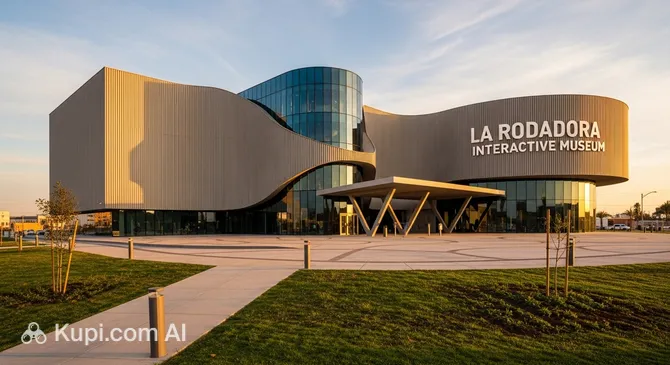
  • The region is home to La Rodadora Interactive Museum, which stands as one of the largest interactive museums in Latin America. This architectural gem is dedicated to celebrating the Chihuahuan Desert's environment, science, and art through immersive exhibits.

  • The stunning Samalayuca Dunes, located just south of the city, have served as a backdrop for Hollywood productions. Their vast, otherworldly sands were used as filming locations for movies such as Dune (1984) and Conan the Destroyer.

La Rodadora Interactive Museum. Source: Kupi.Binoculars

How to Get There

Reaching this vibrant border metropolis is convenient thanks to its strategic location and excellent connectivity. Travelers can easily find all ways to reach the city and choose the route that best suits their itinerary. The most direct entry point is the local Abraham Gonzalez International Airport (CJS), situated within the city limits. It is a key hub for domestic travel and welcomes a significant number of passengers each year. Located just 6 km from the downtown area, the airport offers a quick transfer for visitors; a journey by taxi or shuttle generally takes about 29 minutes.

For many international visitors, an alternative option is to fly into El Paso International Airport (ELP), located in the neighboring city of El Paso, United States. Although this airport is not in Ciudad Juarez itself, it is only approximately 13.6 km away from the city center. It serves as a major regional hub with high passenger traffic. Travelers choosing this route should expect a travel time of around 40 minutes to reach Ciudad Juarez, keeping in mind that crossing the international border may require additional time.

For clarity, here is a summary of the main airports:

Airport Name City Passenger Traffic Km from City
El Paso International Airport El Paso High 13.6
Abraham Gonzalez International Airport Ciudad Juarez Medium 6.0
Roswell International Air Center Roswell Small 252.2
Grant County Airport Silver City Small 194.1

Main Attractions

Ciudad Juarez offers a diverse array of activities, from refreshing outdoor escapes to authentic culinary experiences. Whether you are looking to relax in nature, beat the desert heat, or indulge in local flavors, the city has something for everyone. Exploring these popular spots provides a deeper look into the daily life and culture of this vibrant border metropolis.

One of the city's most beloved green spaces is Hermanos Escobar Central Park. Often considered the "lungs" of Ciudad Juarez, this expansive park is a favorite gathering spot for families and outdoor enthusiasts. It features a large artificial lake, extensive walking paths, and sports facilities. Visitors can enjoy a leisurely boat ride, have a picnic under the shade of trees, or simply escape the urban bustle in a peaceful environment.

Hermanos Escobar Central Park. Source: Kupi.Binoculars

Given the region's warm climate, finding a place to cool off is essential, and Recreativo Conchita is a perfect destination for this. This water park is a hit with locals and tourists alike, offering a variety of pools and slides that promise a fun-filled day for visitors of all ages. It is an excellent spot to relax and enjoy the sunny weather while staying refreshed in the water.

Recreativo Conchita. Source: Kupi.Binoculars

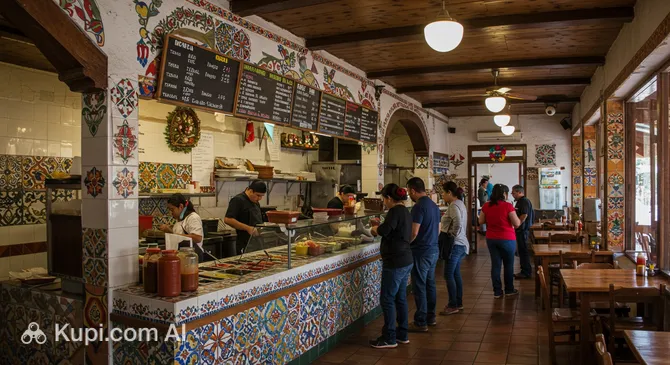
No visit to Ciudad Juarez would be complete without tasting its legendary cuisine, and Aquimichú Burritos is a landmark for food lovers. As the city is famous for being the birthplace of the burrito, this establishment offers an authentic taste of the traditional dish. It is a fantastic place to experience the rich flavors of northern Mexico in a casual and welcoming setting.

Aquimichú Burritos. Source: Kupi.Binoculars

For those interested in a modern shopping and entertainment experience, Plaza Sendero is a bustling hub. This shopping mall features a wide range of stores, restaurants, and entertainment options, making it a convenient stop for travelers looking to buy souvenirs or enjoy a meal in a comfortable, air-conditioned environment.

Local Cuisine

The culinary landscape of Ciudad Juarez is a bold reflection of its northern heritage, offering a gastronomic experience that is both rustic and flavorful. As a border city, it boasts a unique "Norteño" cuisine characterized by the extensive use of high-quality beef, flour tortillas, and spicy chilies. Food here is hearty and unpretentious, ranging from humble street stalls selling savory snacks to upscale steakhouses that celebrate the region's ranching traditions.

While the history of the burrito is well-known here, the experience of eating one in Ciudad Juarez is distinct. Locals enjoy them wrapped in thin, warm flour tortillas and filled with traditional guisados (stews) rather than the rice-and-bean heavy versions found elsewhere. Popular fillings include deshebrada (shredded beef in red chili sauce), chile relleno, and chicharrón. Another must-try staple is the gordita de harina, a thicker tortilla pocket stuffed with similar savory fillings, often enjoyed as a comforting breakfast or lunch.

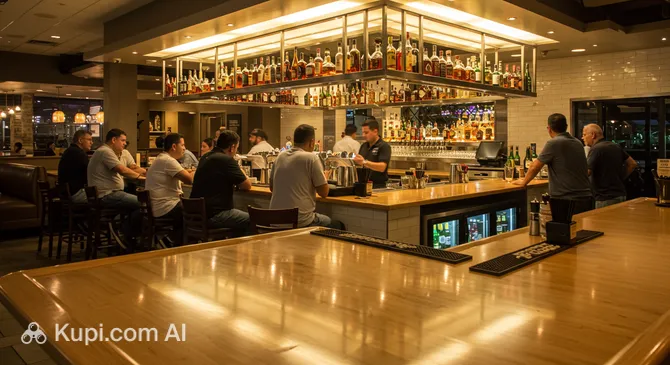
Given the state of Chihuahua's reputation for cattle ranching, steak is a serious affair in this city. Visitors will find numerous establishments dedicated to serving perfectly grilled cuts of meat. A prime example of this local passion is the Great American Steakhouse. This popular venue is known for its generous portions and lively atmosphere, making it an excellent spot for tourists to indulge in the city's carnivorous preferences.

Great American Steakhouse. Source: Kupi.Binoculars

No culinary tour would be complete without sampling the local beverages. Since the city claims to be the birthplace of the Margarita, enjoying this iconic tequila-based cocktail is practically a rite of passage for adult visitors. For a taste of something truly regional, adventurous drinkers should try Sotol. This distilled spirit, similar to tequila but made from the desert spoon plant (Dasylirion wheeleri) native to the Chihuahuan Desert, offers a smoky and earthy flavor profile that perfectly captures the spirit of the region.

Travel Tips

Welcome to the "Pass of the North"! To help you navigate this vibrant border metropolis with confidence and ease, we have compiled a set of essential guidelines. These practical tips will ensure your visit to Ciudad Juarez is not only safe but also culturally enriching and enjoyable.

  1. Dress for the Desert: The semi-arid climate means extreme temperature shifts. In summer, pack lightweight, breathable fabrics, sunglasses, and a wide-brimmed hat to protect against the intense sun. If you visit in winter, bring warm layers and a jacket, as nights can be surprisingly cold. Comfortable walking shoes are a must for exploring parks and downtown areas.
  2. Smart Transportation: While public buses (rutas) cover the city, they can be confusing for first-time visitors. The most convenient and secure option for tourists is to use ride-hailing apps like Uber or Didi, which are widely available and affordable. If you need a taxi, opt for "Sitio" taxis (dispatched from official stands) rather than hailing one on the street.
  3. Managing Your Money: The local currency is the Mexican Peso (MXN). Due to its proximity to the US border, US Dollars are often accepted in many establishments, but you will usually get a better exchange rate paying in pesos. Carry cash for street food and small vendors, as cards are generally accepted only in established restaurants, malls, and hotels. Tipping 10-15% is standard for good service.
  4. Health and Safety: As in many large cities, it is best to stick to well-lit, populated tourist areas and avoid walking alone at night in unfamiliar neighborhoods. Pharmacies are abundant, with chains like Farmacias Guadalajara often open 24/7 for minor medical needs. Always drink bottled water and avoid tap water to prevent stomach issues.
  5. Language and Connectivity: Spanish is the official language, but English is widely spoken and understood in Ciudad Juarez due to its cross-border dynamics. However, locals appreciate it when you use basic polite phrases like "Hola" (Hello) and "Gracias" (Thank you). For mobile data, you can easily buy a prepaid SIM card from Telcel or AT&T at ubiquitous OXXO convenience stores.
  6. Social Etiquette: People in northern Mexico are known for their frankness and warmth. It is polite to greet shopkeepers or restaurant staff with a "Buenos días" or "Buenas tardes" upon entering. When someone is eating, it is customary to say "Buen provecho" (Enjoy your meal) if you make eye contact or pass by their table.
  7. What to Avoid: Do not take photographs of people or private property without asking for permission first, as this can be considered rude or suspicious. Additionally, avoid displaying expensive jewelry or large amounts of cash in public to stay low-profile.
  8. Border Crossing Insight: If you plan to cross into El Paso, Texas, be aware that wait times at the international bridges can vary significantly, from a few minutes to several hours. It is helpful to check border wait time apps or local reports before heading to the crossing points.

By keeping these practical tips in mind, you will be well-prepared to experience the best of Ciudad Juarez. Embrace the local culture, enjoy the unique border atmosphere, and have a fantastic trip!

Entertainment & Nightlife

Ciudad Juarez comes alive after dark with a vibrant nightlife scene that reflects its energetic border spirit. The city offers a diverse mix of entertainment options, ranging from laid-back cantinas and sports bars to pulsing nightclubs and live music venues. The atmosphere is generally welcoming and festive, often fueled by a mix of locals and visitors from the neighboring United States looking to unwind and enjoy the lower prices and authentic hospitality.

The heart of the modern nightlife action is often found in the "Zona Dorada" (Golden Zone), particularly along Avenida Manuel Gómez Morín. This area is packed with trendy bars, restaurants, and clubs, making it easy to hop from one venue to another. Another notable area is the PRONAF zone, historically a tourist hub, which still hosts several popular spots for dining and dancing. For a lively night out, Evolution Discotheque is a popular destination, known for its high-energy environment, modern light shows, and DJs spinning the latest hits.

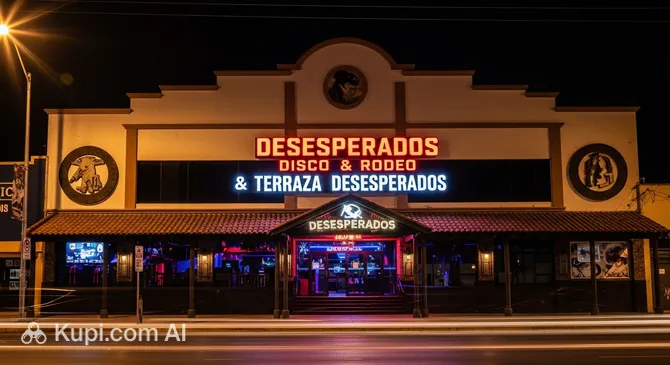
If you are looking for a more regional experience, Desesperados Disco & Rodeo and Terraza Desesperados offers a unique blend of nightlife styles. Here, you can experience the local cowboy culture with banda and norteño music, often mixed with electronic beats in a spacious setting. The dress code in the city is generally smart casual; while some upscale clubs might prefer dress shoes and collared shirts, many bars are relaxed. The party typically starts late, with venues filling up around 11:00 PM and staying open until the early hours of the morning.

Desesperados Disco & Rodeo and Terraza Desesperados. Source: Kupi.Binoculars

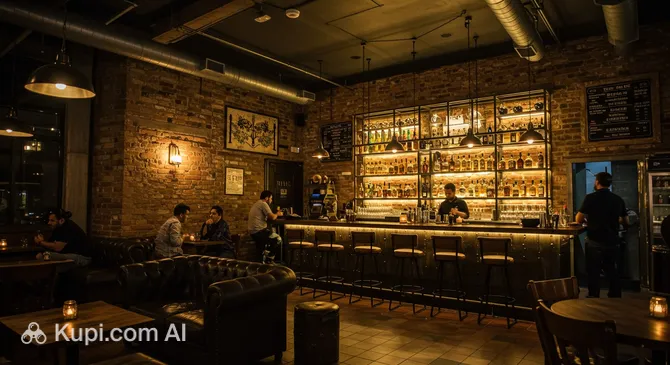
For a more laid-back evening focused on socializing and drinks, Chapa Prime is an excellent choice. It provides a comfortable atmosphere perfect for enjoying cocktails and conversation with friends before heading to a club. Prices in Ciudad Juarez are generally very affordable compared to the US side of the border, allowing for a premium experience at a reasonable cost.

Chapa Prime. Source: Kupi.Binoculars

Safety is an important consideration when enjoying the nightlife. It is highly recommended to stick to well-lit, busy entertainment districts like the Golden Zone and avoid walking long distances at night. Instead, rely on ride-sharing apps like Uber or Didi, which are reliable, trackable, and widely used in the city. Alternatively, you can use "Sitio" taxis dispatched from hotels or restaurants. Avoid flagging down cabs on the street at night.

Beyond the nightlife, the city offers engaging daytime entertainment for those who prefer earlier activities. Families and thrill-seekers can visit Smart Trampoline, an amusement park that promises fun and physical activity. Additionally, the city's theaters and cultural centers provide a quieter escape, offering a glimpse into the artistic side of this bustling metropolis.

Parks & Museums

Ciudad Juarez offers a surprising variety of green spaces and cultural institutions that provide a welcome respite from the city's energetic pace. For travelers looking to understand the region's heritage or simply enjoy a quiet afternoon outdoors, the city presents a mix of historic parks, interactive museums, and architectural landmarks that tell the story of this unique border community.

One of the most historically significant green spaces is the Chamizal Federal Public Park. This extensive urban park is not only a favorite spot for jogging, picnicking, and family gatherings but also a symbol of diplomacy, situated on land that was returned to Mexico after a long-standing boundary dispute. It serves as a major venue for cultural events and festivals, offering lush gardens and archeological exhibits that celebrate the area's history.

For those seeking recreational activities and sports facilities, J. P. Shawver Park is another excellent option. It is a well-maintained community space where locals go to exercise and relax. With its baseball fields and walking trails, it provides a glimpse into the everyday leisure life of Juarez residents, making it a pleasant stop for visitors who enjoy an active lifestyle.

J. P. Shawver Park. Source: Kupi.Binoculars

When it comes to museums, the city boasts institutions that are both educational and engaging. The Museum of the Revolution on the Border (MUREF) is a must-visit for history enthusiasts. Housed in the former customs house, a stunning building in its own right, the museum chronicles the pivotal role Ciudad Juarez played during the Mexican Revolution. Exhibits detail the events and figures, such as Pancho Villa, that shaped the nation's modern era.

Families and curious minds will find La Rodadora Interactive Museum to be a highlight of their trip. As one of the largest museums of its kind in Latin America, it combines science, technology, and art with a focus on the local environment. The interactive exhibits are designed to be touched and explored, offering a fun way to learn about the Chihuahuan Desert ecosystem and the culture of the border region.

Architecture lovers should take a moment to visit the Mission of Our Lady of Guadalupe. Located right next to the cathedral in the historic downtown area, this modest adobe structure is the oldest building in the city, dating back to the mid-17th century. Its preservation offers a tangible link to the colonial past and stands in quiet contrast to the modern city surrounding it.

For a truly authentic experience, consider visiting the Casa de Adobe. This small but significant site is a replica of the temporary headquarters used by Francisco I. Madero during the revolution. Located near the point where the states of Chihuahua, Texas, and New Mexico meet, it offers a fascinating, off-the-beaten-path look into a specific moment in history that changed the country forever.

Getting Around

The public transport system in Ciudad Juarez is primarily composed of an extensive network of buses, which serves as the main mode of mobility for the majority of residents. The system is a mix of modern infrastructure and traditional services, consisting of the Bus Rapid Transit (BRT) system, known locally as the Juárez Bus (formerly Bravobus), and a vast array of conventional bus lines referred to as rutas. There is no metro or tram system in the city, so road-based transport is the standard for getting around.

For tourists, the Juárez Bus is the most navigable and efficient public option. This modern system operates on dedicated lanes along the city's main arteries, bypassing much of the regular traffic. The buses are newer, air-conditioned, and stop at designated, elevated stations that are safer and easier to identify than regular bus stops. This system connects key areas of the city, making it a practical choice for visitors traveling between major districts.

In contrast, the traditional rutas cover almost every corner of the city, including neighborhoods not reached by the BRT. These are often older buses or converted school buses, painted in specific colors to denote their route. While they offer a truly local experience and are very inexpensive, they can be confusing for visitors due to a lack of clear maps and schedules. Destinations are usually hand-painted on the windshield, and stops are frequently flagged down rather than fixed.

The payment system depends entirely on which type of bus you choose. To use the Juárez Bus (BRT), you must purchase a rechargeable smart card at the vending machines located within the stations. These machines generally accept coins and small bills. Once you have your card, you simply tap it at the turnstile to enter the platform. For the traditional rutas, payment is strictly cash. You pay the driver directly upon boarding; it is essential to carry exact change or small coins, as drivers often do not have change for large bills.

Operating hours for public transport typically run from approximately 5:00 AM to 10:00 PM, though frequency drops significantly after dark. If you plan to use the bus, it is advisable to do so during daylight hours. For the traditional buses, keep in mind that they may not run on a strict timetable, so patience is often required.

Given the complexity of the bus network, many tourists find that alternatives like ride-sharing apps and taxis offer a more convenient and stress-free way to travel. Services like Uber and Didi are widely available, affordable, and generally considered the safest option for visitors, as they provide GPS tracking and upfront pricing. Traditional taxis are also available; however, it is highly recommended to use "Sitio" taxis—those dispatched from official stands or called via phone—rather than hailing cabs on the street.

Accommodation

Accommodation:

Accommodation in Ciudad Juarez caters primarily to business travelers and visitors to the U.S. Consulate, resulting in a high standard of service and convenience. The city offers a broad spectrum of lodging options, ranging from economical motels and comfortable mid-range inns to modern, high-end chain hotels. While there are fewer traditional "resorts," the available hotels often feature excellent amenities such as swimming pools, business centers, and secure parking.

The most popular and convenient area for tourists to stay is the Zona Dorada (Golden Zone). This district is the heart of the city's commercial and social life, filled with restaurants, nightlife, and shopping centers. Staying here places you close to major attractions and offers a lively, safe atmosphere for walking around in the evenings. Another highly concentrated area for accommodation is near the U.S. Consulate General. Hotels in this vicinity are specifically designed for international visitors, often providing shuttle services to the consulate and nearby medical clinics.

For those who prefer to be close to shopping and local commerce, looking for lodging near major malls can be a strategic choice. Areas around large commercial centers like Plaza Sendero or Patio Zaragoza offer easy access to retail stores, supermarkets, and a variety of dining options, making them practical for longer stays or families who need quick access to supplies.

In terms of pricing, Ciudad Juarez is generally very affordable compared to cities on the U.S. side of the border. Budget options can be found for very reasonable rates, while mid-range business hotels offer premium comfort at a fraction of the cost you might expect elsewhere. Booking is best done through major online platforms to ensure you get the best rates and can read recent reviews. However, if you are visiting for a specific appointment at the Consulate, it is highly recommended to book your room well in advance, as hotels in that specific zone can fill up quickly due to the high volume of applicants.

Nearby Cities

For those looking to explore the surroundings, Ciudad Juarez serves as an excellent base for day trips or short excursions to several interesting nearby locations. While the distances in the vast state of Chihuahua can be significant, the unique cultural and historical experiences available in neighboring cities make the journey well worth the effort.

One of the most compelling destinations is Chihuahua, the state capital. Rich in history, it invites visitors to walk through the legacy of the Mexican Revolution, boasting attractions like the Pancho Villa Museum and a stunning colonial cathedral. For a completely different cultural experience, Ciudad Cuauhtémoc is famous for being home to one of the largest Mennonite communities in the world. Travelers can explore their unique traditions, architecture, and taste the renowned local cheese and apples. Additionally, the city of Delicias offers a look into the region's agricultural success and features interesting museums dedicated to paleontology and the desert ecosystem.

City Population Distance (km)
Chihuahua 878,062 340
Nogales 264,782 431
Delicias 150,506 399
Agua Prieta 91,029 299
Ciudad Cuauhtémoc 57,646 367

These nearby destinations offer a glimpse into the diverse culture and landscapes of the region, providing a perfect complement to your stay in the border metropolis.

Shopping & Souvenirs

Shopping:

Shopping in Ciudad Juarez offers a vibrant mix of modern retail experiences and traditional Mexican commerce. As a major border city, it serves as a commercial hub where visitors can find everything from international brands to authentic local handicrafts. The prices are often very competitive compared to the United States, making it a popular destination for visitors looking for value without compromising on quality.

For those seeking a contemporary shopping atmosphere, the city's main commercial districts provide excellent options. The "Zona Dorada" (Golden Zone) and the areas surrounding the Consulate are home to numerous boutiques and modern retail centers. Here, travelers can browse for fashion, electronics, and accessories in a safe and walkable environment, often interspersed with cafes and restaurants.

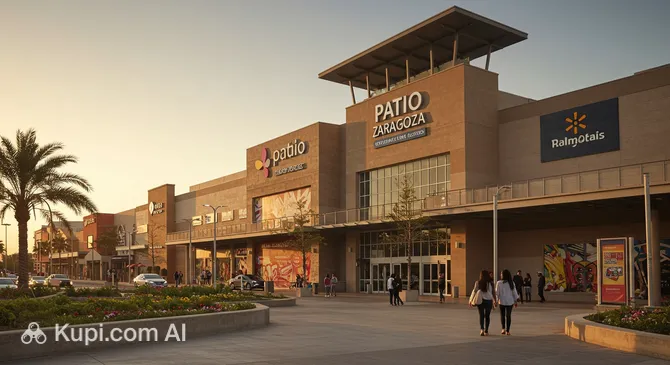
The city is home to several large shopping centers that rival those found across the border. Patio Zaragoza is a prominent mall that offers a wide variety of department stores, clothing shops, and entertainment facilities. It is a favorite among locals for its comprehensive selection and comfortable setting. Another key destination is Plaza Sendero, which provides a similar mix of retail and leisure options, perfect for a family outing or a day of browsing.

Patio Zaragoza. Source: Kupi.Binoculars

For a more traditional experience, the Mercado Juárez in the historic downtown area is a must-visit. This bustling market is the heart of the city's folk commerce, filled with stalls selling colorful curios, handcrafted items, and regional snacks. It is the ideal place to practice your bargaining skills and soak in the lively atmosphere of everyday Juarez life.

When it comes to souvenirs, Ciudad Juarez is famous for its high-quality leather goods. Visitors often purchase handmade cowboy boots, belts, and saddles, which are renowned for their craftsmanship and durability. Other popular items include Talavera pottery, silver jewelry, and bottles of Sotol, the regional distilled spirit that makes for a unique and authentic gift.

Most shopping malls and department stores operate daily from approximately 10:00 AM to 9:00 PM. While major retailers and malls accept credit and debit cards, cash is preferred in traditional markets and smaller street stalls. Although US Dollars are widely accepted, paying in Mexican Pesos usually offers a better exchange rate. International tourists may also be eligible for a tax refund on certain purchases through the "Moneyback" program at participating stores, so be sure to ask for a VAT invoice.

Reached the end of the page?

That means the route is fully explored