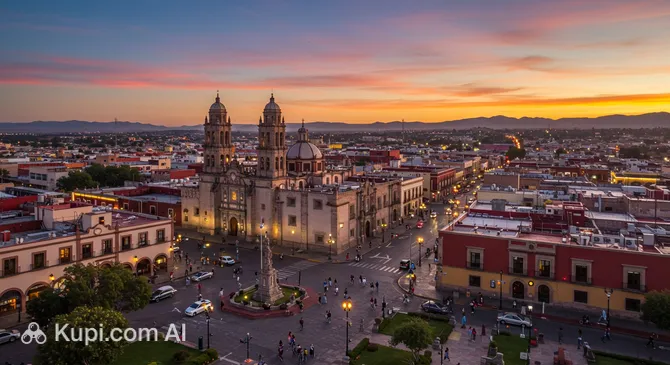
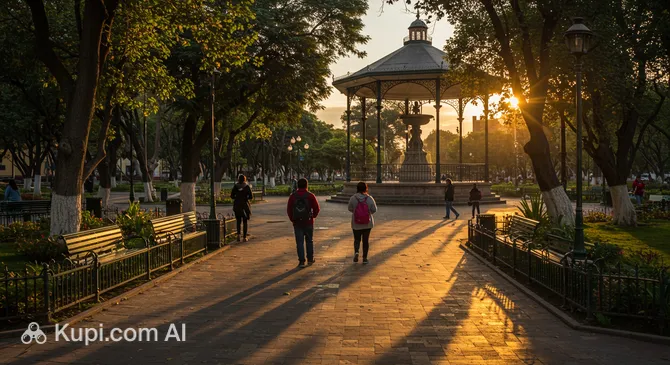
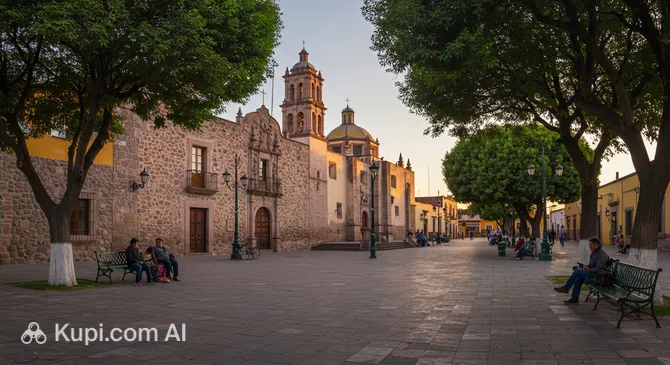
Chihuahua is a captivating destination that serves as the industrial and cultural heart of northern Mexico. As the capital of the country's largest state, this bustling metropolis offers a fascinating blend of colonial heritage and modern dynamism. With a population of approximately 878,000 people, the city is known for its welcoming atmosphere, distinct cowboy culture, and its strategic location in a valley flanked by the rugged mountains of the Sierra Madre Occidental.
Chihuahua. Illustration.
Source: Kupi.com AI
The city boasts a rich past that shaped the region's identity. Visitors can explore the deep history of Chihuahua by wandering through its historic center, where 19th-century buildings stand alongside contemporary structures. Key architectural highlights include the magnificent Metropolitan Cathedral, considered one of the finest examples of Baroque architecture in the north, and the stunning Quinta Gameros, an Art Nouveau mansion that now serves as a cultural center.
Beyond its urban charm, Chihuahua is famously known as the gateway to the majestic Copper Canyon (Barrancas del Cobre). It is a primary boarding point for the legendary Chepe train, which takes travelers on a scenic journey through the mountains. Whether you are here to admire historical landmarks or to start an outdoor adventure, Chihuahua invites you to experience its unique spirit and hospitality.
Weather Overview
The city features a semi-arid climate defined by distinct seasonal changes. Visitors can generally expect hot summers with increased rainfall and cool, dry winters, making the timing of your visit important for planning outdoor activities. To help you pack the right gear for your trip, it is worth checking the current weather in Chihuahua before you travel.
Temperatures typically peak in June, with average highs reaching approximately 33.8°C. Following this peak, the region enters its wetter season; from July to September, the number of rainy days increases to about 9 or 10 per month. In contrast, the winter months are dry and significantly colder. During January and December, average temperatures hover around 10°C to 11°C, with nighttime lows frequently dropping to between 2.4°C and 3.6°C.
Average monthly temperature
Average monthly precipitation
Interesting Facts
Beyond the main attractions, Chihuahua holds many fascinating secrets that reveal its pivotal role in Mexican history and culture. From revolutionary legends to unique local communities, the city offers stories that go far deeper than its surface.
Museum of the Revolution. Illustration.
Source: Kupi.com AI
Traveller photos:
The city was a strategic stronghold for the legendary Pancho Villa during the Mexican Revolution. His former estate, known as Quinta Luz, has been transformed into the Museum of the Revolution. Visitors can see the very Dodge car in which the General was assassinated, which remains famously riddled with bullet holes.
Chihuahua is the site where the struggle for Mexican Independence faced its darkest hour. Father Miguel Hidalgo was held captive in what is now Miguel Hidalgo's Prison Cell before his execution. The nearby Government Palace of Chihuahua houses the Altar of the Fatherland, marking the exact spot where he was killed by a firing squad in 1811.
Although the city shares its name with the world's smallest dog breed, the connection is geographical rather than accidental. The Chihuahua dog is named after the State of Chihuahua, where the breed was discovered in the mid-19th century. These tiny companions are believed to be descendants of the Techichi, a mute dog kept by the ancient Toltec people.
The region surrounding the city is home to one of the largest Mennonite communities in Mexico. Arriving in the 1920s, they have preserved their Plautdietsch language and agricultural traditions. They are renowned throughout the country for producing distinct dairy products, particularly the famous Chihuahua cheese.
How to Get There
Reaching this northern Mexican hub is straightforward, with air travel being the most convenient option for international and distant domestic travelers. Whether you are arriving from within Mexico or crossing the border, the city offers good connectivity. For a complete overview of transportation options and routes, you can read more about how to get to Chihuahua to help plan your journey.
The primary gateway to the city is the Gen Fierro Villalobos Airport (CUU), which serves as a vital link for the region. It is an international facility handling flights from major hubs such as Mexico City, Monterrey, and several US destinations. The airport is conveniently located approximately 11.3 km from the city center. Travelers can expect a transfer time of around 35 to 40 minutes by taxi or shuttle to reach the downtown area, depending on traffic conditions.
For clarity, here is a summary of the main airport serving the area:
While flying is the fastest method, many visitors also choose to arrive by road. Chihuahua is well-connected to the rest of the country and the US border via a network of federal highways. Long-distance buses are a common and comfortable way to travel, with frequent services arriving at the city's central bus terminal. Additionally, the city serves as a major starting or ending point for the renowned Chepe tourist train, which connects Chihuahua to the Pacific coast through the Copper Canyon, although standard passenger rail service for commuting is otherwise limited.
Main Attractions
Exploring the capital of Mexico's largest state reveals a wealth of architectural treasures and cultural landmarks. The city center is walkable and packed with history, making it easy for visitors to discover the most significant sites. From colonial masterpieces to grand mansions from the Porfirian era, the streets tell the story of a rich and diverse heritage.
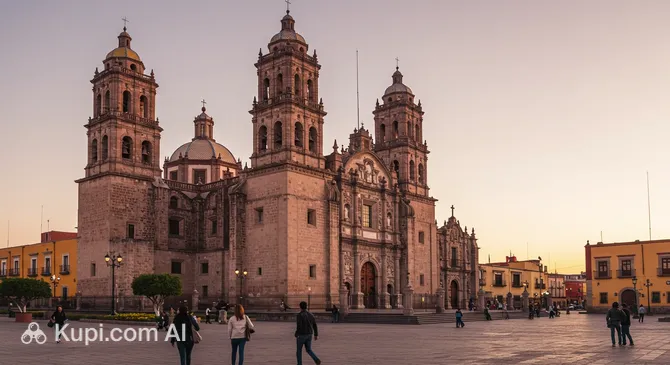
Dominating the main square, the Metropolitan Cathedral of Chihuahua is a stunning example of Spanish Baroque architecture. Built in the 18th century using pink quarry stone, its intricate facade and twin towering spires are iconic symbols of the city. Inside, visitors can admire the beautiful altarpieces and the serene atmosphere, making it a perfect starting point for any walking tour of the historic downtown.
Metropolitan Cathedral of Chihuahua. Illustration.
Source: Kupi.com AI
Traveller photos:
Just a short distance away stands the Quinta Gameros Cultural Center, widely considered one of the finest Art Nouveau mansions in the country. This architectural gem features lavish interiors, stained glass windows, and elegant furniture that transport guests back to the early 20th century. Originally built as a private residence, it now serves as a university museum hosting art exhibitions and cultural events.
For a deep dive into the region's identity, the Casa Chihuahua Cultural Heritage Center is an essential stop. Housed in the majestic former Federal Palace, this museum offers interactive exhibits that cover the state's archaeology, history, and ethnography. It provides fascinating insights into the three main geographical zones of the state—the desert, the plains, and the mountains—as well as the traditions of local communities.
Quinta Gameros Cultural Center. Illustration.
Source: Kupi.com AI
Traveller photos:
Nature lovers and adventure seekers often visit the city specifically to board the Chepe Express Train (Chihuahua Station). As the eastern terminus of the famous Chihuahua-Pacific Railway, this station is the gateway to the spectacular Copper Canyon. It is the beginning of one of the world's most scenic train rides, winding through rugged landscapes, deep canyons, and engineering marvels of bridges and tunnels.
Another vibrant spot to experience local life is Plaza del Ángel. This expansive public square is a favorite gathering place for locals and tourists alike, featuring the towering Angel of Liberty monument. In the evenings, the plaza comes alive with light shows and music, offering a pleasant atmosphere to relax after a day of sightseeing.
Local Cuisine
The culinary scene in Chihuahua is a proud reflection of its northern heritage, distinct from the flavors found in southern Mexico. Here, the cuisine is heavily influenced by the region's ranching culture, meaning high-quality beef is the star of the table. Unlike other parts of the country where corn is king, this region is famous for its large, thin flour tortillas (tortillas de harina), which are an essential accompaniment to almost every meal. Visitors should not miss the chance to try authentic burritos, which originated in this border region and are typically filled with stews or meat rather than the rice and beans often found abroad.
One of the most iconic local specialties is machaca, a dried, shredded beef that is often rehydrated and scrambled with eggs for a hearty breakfast. Another staple is the famous Queso Chihuahua, a mild, pale yellow cheese produced by the local Mennonite communities, which melts perfectly in quesadillas and fondue-style dishes. For a true taste of the local spirit, adventurous drinkers should sample Sotol, a distilled beverage made from the Desert Spoon plant, which holds a Designation of Origin status unique to this area.
For those looking to experience traditional flavors, Menudería Las Campanas is a local favorite. This establishment is renowned for its menudo, a rich and spicy tripe soup that is considered a quintessential weekend breakfast and a legendary cure for hangovers. The restaurant offers a no-frills, authentic atmosphere where the focus is entirely on the depth of flavor in their broths and stews.
Menudería Las Campanas. Illustration.
Source: Kupi.com AI
Traveller photos:
Given the state's reputation for excellent livestock, steak lovers will find plenty of options to satisfy their cravings. Las Espadas Brazilian Steakhouse offers a dining experience that celebrates the region's love for meat. While it follows a Brazilian "rodizio" style, the quality of the cuts pays homage to northern Mexico's high standards for beef. It is an ideal spot for a substantial dinner where you can sample a wide variety of grilled meats served directly to your table.
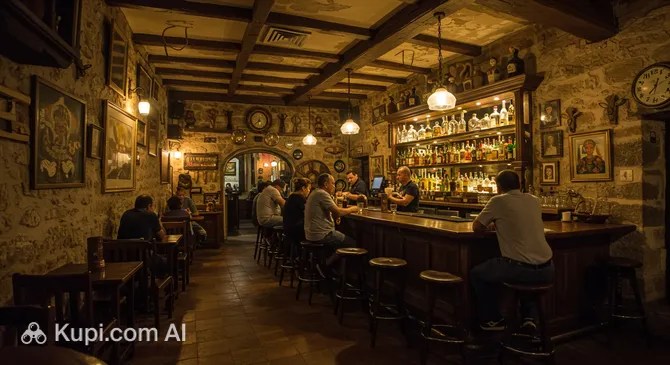
To cap off the evening with a touch of history, a visit to La Antigua Paz Traditional Cantina is highly recommended. As one of the city's oldest and most traditional bars, it provides a glimpse into the classic cantina culture of yesteryear. It is a perfect place to enjoy a cold beer or a glass of tequila while soaking in the nostalgic ambiance of old Chihuahua.
La Antigua Paz Traditional Cantina. Illustration.
Source: Kupi.com AI
Traveller photos:
For a more casual evening with a smoky twist, La Cabaña Smokehouse Haciendas serves up delicious smoked meats and barbecue dishes. It is a great venue for relaxing with friends, enjoying hearty portions, and experiencing the fusion of local ingredients with classic smokehouse techniques.
Travel Tips
To help you make the most of your visit to Chihuahua, we have compiled a set of essential guidelines covering everything from packing the right gear to navigating the local streets. These practical tips are designed to ensure your trip is smooth, safe, and culturally enriching.
Clothing and Gear: The desert climate means temperatures can vary significantly. In summer (June to August), bring lightweight, breathable clothing and a hat for the intense sun. Winters (December to February) can be quite cold, often dropping near freezing, so a warm jacket and layers are essential. Comfortable walking shoes are a must for exploring the historic center. If you plan to visit the Cathedral or other religious sites, dress modestly by covering your shoulders and knees.
Transportation: Ride-hailing apps like Uber and DiDi are widely available, safe, and often more convenient than hailing street taxis. For public transport, the city operates a modern bus system known as the Bowí, which runs on dedicated lanes and covers major routes. Renting a car is recommended if you plan to explore the surrounding region, such as the Mennonite fields in Cuauhtémoc or the Cumbres de Majalca National Park.
Finances: The local currency is the Mexican Peso (MXN). While credit and debit cards are accepted in hotels, malls, and larger restaurants, carrying cash is necessary for street food vendors, small shops, and public transport. ATMs are easy to find in the city center and shopping malls. Tipping is customary in Mexico; leave 10-15% of the bill in restaurants if the service was good.
Health and Safety: Pharmacies (farmacias) are plentiful, and chains like Farmacias Guadalajara often operate 24/7 for minor medical needs. As in many large cities, stay aware of your surroundings, keep valuables secure, and avoid walking alone in poorly lit areas at night. Always drink bottled water, as tap water is generally not safe for consumption.
Communication: Spanish is the official language. While staff in major hotels and tourist attractions usually speak English, it is less common in local markets and smaller eateries. Learning a few basic phrases like "Hola" (Hello), "Gracias" (Thank you), and "Por favor" (Please) goes a long way. You can easily purchase a prepaid SIM card from Telcel or AT&T at convenience stores like OXXO to stay connected.
Local Etiquette: People in northern Mexico are known for being friendly and direct. It is polite to greet shopkeepers or taxi drivers with a "Buenos días" or "Buenas tardes" upon entering. When entering a restaurant or passing a table where people are eating, it is customary to say "Buen provecho" (enjoy your meal). Handshakes are the standard greeting for new acquaintances.
What to Avoid: Do not assume that pedestrian crossings guarantee right-of-way; always make eye contact with drivers before stepping onto the street. Additionally, avoid taking photographs of locals, especially in indigenous communities or rural areas, without asking for explicit permission first, as this can be considered disrespectful.
Shopping Tip: Chihuahua is famous for its high-quality leather goods. If you are looking for a unique souvenir, this is the perfect place to buy authentic cowboy boots, belts, or hats. Visit the shops near the city center or traditional markets to find excellent craftsmanship at reasonable prices.
By keeping these tips in mind, you will be well-prepared to enjoy the warm hospitality and unique culture of this northern metropolis. Whether you are here for the history, the food, or the adventure, Chihuahua is ready to welcome you with open arms.
Entertainment & Nightlife
Entertainment in Chihuahua is as diverse as its landscape, offering a vibrant mix of modern sophistication and traditional charm. As the sun sets, the city transforms, revealing a nightlife scene that caters to everyone from college students to professionals seeking a refined evening out. The atmosphere is generally welcoming and energetic, with locals known for their hospitality and love for good music.
The epicenter of modern nightlife is the upscale district known as Distrito 1 (D1). This open-air lifestyle center is lined with trendy bars, chic restaurants, and terraces that fill up quickly on weekends. It is the place to see and be seen, where the dress code is typically smart casual. In contrast, the Historic Center offers a more bohemian and relaxed vibe, home to traditional cantinas and alternative venues where the focus is on live music and cultural expression.
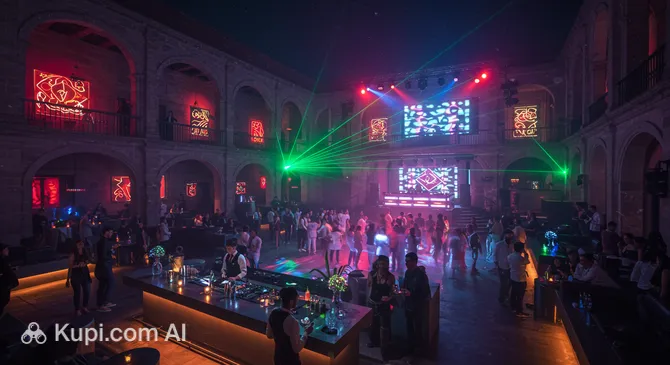
For those who enjoy a lively atmosphere with a focus on singing and entertainment, Sinatra Canta Bar is a standout choice. It combines the fun of karaoke with a high-energy club environment, making it a favorite spot for celebrations and groups of friends looking to dance and sing the night away.
Sinatra Canta Bar. Illustration.
Source: Kupi.com AI
Traveller photos:
If you are looking for something with a more alternative edge, the Don Burro Cultural Forum is a legendary institution in the downtown area. This venue is famous for hosting live rock bands, indie groups, and cultural events. It attracts a diverse crowd and offers a gritty, authentic experience that contrasts sharply with the polished venues of the commercial districts.
Don Burro Cultural Forum. Illustration.
Source: Kupi.com AI
Traveller photos:
Beyond the nightlife, Chihuahua offers plenty of daytime entertainment options. Families traveling with children can spend a pleasant afternoon at Colibrí Family Park, which features rides and green spaces. For a more educational experience, the Semilla Museum (Museo Semilla) is a fantastic interactive science center that engages visitors of all ages with hands-on exhibits promoting science and technology.
When planning a night out, keep in mind that the action typically starts late, with clubs filling up after 11:00 PM. Prices are generally moderate compared to major US cities, with beer and cocktails being quite affordable. For safety and convenience, it is highly recommended to use ride-sharing apps like Uber or DiDi rather than hailing taxis on the street, especially late at night. While the main nightlife districts like D1 are well-lit and secure, it is always wise to stay in populated areas and avoid walking alone on quiet streets after dark.
Parks & Museums
Beyond its bustling industrial centers and historic plazas, Chihuahua offers a surprising array of green spaces and cultural institutions that provide a deeper look into the region's heritage. Whether you are looking to escape the city heat under the shade of trees or dive into the fascinating history of northern Mexico, the city's parks and museums are well worth exploring.
One of the most iconic outdoor spaces in the city is El Palomar Park. Located centrally, this expansive park is easily recognized by the monumental "Monument to the Dove" sculpture that dominates the landscape. It serves as a vital green lung for the city, offering paved paths for jogging, playgrounds for children, and a large shell-shaped stage that frequently hosts concerts and cultural events. It is a favorite spot for locals to gather in the evenings when the temperatures cool down.
El Palomar Park. Illustration.
Source: Kupi.com AI
Traveller photos:
For a blend of history and nature, a visit to El Acueducto Park is highly recommended. This linear park follows the remains of the colonial-era aqueduct that once supplied water to the city. The beautiful stone arches provide a picturesque backdrop for a leisurely walk, allowing visitors to appreciate the engineering skills of the 18th century while enjoying a quiet respite from the urban traffic. For those seeking more adrenaline, Extremo Park offers one of the largest skate parks in Latin America, along with climbing walls and dirt tracks.
Chihuahua's museums are equally impressive, preserving pivotal moments in Mexican history. The Casa Juárez Museum (Museum of Republican Loyalty) is a must-visit for history buffs. This modest 19th-century building served as the de facto National Palace when President Benito Juárez took refuge here during the French Intervention. The museum meticulously preserves the furniture and personal effects of the "Benemérito de las Américas," offering a glimpse into the itinerant government of the 1860s.
Casa Juárez Museum (Museum of Republican Loyalty). Illustration.
Source: Kupi.com AI
Traveller photos:
Art and architecture enthusiasts should not miss the Casa Redonda Museum. Housed in a beautifully restored late 19th-century railway roundhouse, this unique venue was once used for repairing steam locomotives. Today, the semi-circular structure displays a significant collection of contemporary art from regional and national artists, effectively merging the city's railway heritage with modern creativity.
For a journey even further back in time, the Mammoth Museum (Museo del Mamut) delights visitors of all ages. Chihuahua is rich in paleontological remains, and this museum showcases an impressive collection of fossils found in the state, including a complete mammoth skeleton. It provides a fascinating educational experience about the prehistoric giants that once roamed these northern lands.
Insider Tip: Most museums in Chihuahua, like in the rest of Mexico, are closed on Mondays. Plan your cultural itinerary for Tuesday through Sunday to ensure you don't miss out on these treasures.
Getting Around
The public transport system in Chihuahua is primarily based on a network of buses, as the city does not have a metro, tram, or trolleybus system. The backbone of urban mobility is the Bus Rapid Transit (BRT) system, locally known as Bowí (formerly called ViveBús). These modern buses run on dedicated lanes along the city's main corridors, offering a faster and more efficient way to travel between key districts compared to regular traffic. For areas not covered by the main Bowí line, there is an extensive network of traditional bus routes, often referred to as rutas alimentadoras, which connect neighborhoods to the main terminals and the city center.
To use the Bowí system, passengers must purchase a rechargeable smart card, as cash is not accepted at the turnstiles of the main stations. These cards can be bought and topped up at vending machines located at the entrance of Bowí stations. For the regular "feeder" buses (rutas), payment methods can vary; while some are integrated into the card system, many still accept cash. It is highly advisable to carry small change (coins) if you plan to use the peripheral bus routes, as drivers rarely have change for large bills. The fare is quite affordable, generally costing around 10 to 12 pesos per ride, though prices are subject to change.
For tourists, the most practical advice is to stick to the Bowí system for travel along main avenues, as it is easier to navigate, safer, and features clearly marked stations. Operating hours are typically from 6:00 AM to 10:00 PM, though frequency drops significantly later in the evening. When entering a station, you simply validate your trip by tapping your card on the reader. If you are staying for a few days, purchasing one card is sufficient, as multiple people can use the same card by tapping it consecutively for each passenger, provided there is enough credit.
Given that the bus network can be complex for first-time visitors, many tourists prefer using private transportation alternatives. Ride-hailing apps like Uber and DiDi are extremely popular, safe, and widely available throughout the city. They offer the convenience of door-to-door service and transparent pricing, which eliminates the language barrier often encountered when negotiating fares with traditional street taxis. If you do choose a regular taxi, always verify the estimated fare with the driver before starting your journey, as taximeters are not always used.
It is important to note that while the city is famous for the Chepe Express train, this is exclusively a tourist railway connecting the city to the Copper Canyon and the Pacific coast; it does not serve as public transport for getting around the metropolitan area. There are no historic trams or cable cars within the city limits for commuting purposes. Therefore, for daily sightseeing within the city, a combination of the Bowí bus for main routes and ride-sharing apps for specific locations is the most efficient strategy.
Accommodation
Accommodation
Finding the perfect place to stay in Chihuahua is relatively easy, as the city offers a diverse range of options to suit every budget and travel style. Visitors can choose from charming boutique hotels housed in colonial-era buildings, reliable international chains catering to business travelers, and budget-friendly hostels for backpackers. Whether you prioritize luxury amenities or a central location for sightseeing, the city's hospitality sector is well-equipped to welcome you.
For those who want to be in the heart of the action, the Historic Center (Centro Histórico) is the most convenient area to stay. Booking a hotel here places you within walking distance of major landmarks, such as the Cathedral and the Plaza del Ángel. This district is ideal for first-time visitors who want to explore the city's museums and architectural treasures on foot. The atmosphere here is lively, with plenty of restaurants and shops just around the corner from your lobby.
Plaza del Ángel. Illustration.
Source: Kupi.com AI
Traveller photos:
Travelers seeking a more modern and upscale experience often prefer the areas around the Periférico de la Juventud and the trendy Distrito 1. These neighborhoods are the commercial hubs of the city, featuring contemporary architecture, high-end dining, and exclusive shopping centers. Staying here offers easy access to the Fashion Mall Chihuahua and the sophisticated Paseo Central complex. The hotels in this zone are typically newer, offering spacious rooms, pools, and ample parking, making them perfect for business travelers or those with a rental car.
Booking Tip: Since Chihuahua is the primary starting point for the famous Chepe train journey to the Copper Canyon, accommodation can fill up quickly, especially during the peak travel seasons of Easter (Semana Santa) and Christmas. It is highly recommended to book your room at least a few weeks in advance to secure your preferred location and rate.
In terms of pricing, accommodation in the city is generally very affordable compared to US or European standards. You can find excellent value in the mid-range category, where comfortable and clean rooms are available at reasonable rates. Booking is straightforward, with most hotels listed on major online platforms, though contacting smaller, family-run establishments directly can sometimes yield better deals or specific local advice.
Nearby Cities
For those looking to explore the surroundings, Chihuahua serves as an excellent base for day trips to several interesting nearby locations:
One of the most culturally unique destinations in the region is Ciudad Cuauhtémoc, located just a short drive to the west. It is famously known as the home of the largest Mennonite community in Mexico. Visitors travel here to experience a distinct way of life, where they can tour traditional fields, visit the Mennonite Museum, and sample the renowned local cheese and cookies that are staples of the area's gastronomy.
For history enthusiasts, Parral (Hidalgo del Parral) offers a journey back to the colonial mining era. This "Capital of the World," as locals affectionately call it, is steeped in revolutionary history. It is the site where the legendary Pancho Villa was assassinated, and today, travelers can visit the dedicated museum and admire the city's beautiful colonial architecture, including the Fatima Palace and the Alvarado Palace.
Another accessible option is Delicias, a relatively young city that serves as an important agricultural hub. It is a great spot for those interested in paleontology and wine. The city hosts the Museum of Paleontology, which displays fossils found in the region, and offers opportunities to visit local vineyards that are beginning to gain recognition in the northern Mexican wine scene.
City
Population
Distance
Aldama
18,642
24 km
Meoqui
44,853
70 km
Delicias
150,506
77 km
Ciudad Cuauhtémoc
57,646
83 km
Saucillo
11,004
102 km
These nearby destinations offer a glimpse into the diverse culture and landscapes of the region, ranging from desert agricultural zones to historic mining towns.
Shopping & Souvenirs
Shopping:
Shopping in Chihuahua offers a delightful mix of modern retail experiences and deep-rooted traditional culture. The city is a major commercial hub for northern Mexico, meaning visitors can find everything from high-end international brands to unique artisanal crafts that reflect the region's cowboy heritage and indigenous roots. Whether you are looking to update your wardrobe in a contemporary mall or hunt for authentic souvenirs in a bustling market, the city provides ample opportunities to find the perfect item.
For a traditional shopping experience, the heart of the action is found on Calle Libertad (Liberty Street). This pedestrianized avenue in the historic center is lined with shoe stores, clothing boutiques, and local shops. It is a vibrant place to walk, window shop, and soak up the local atmosphere. Here, you can find excellent leather goods, particularly cowboy boots and belts, which are a specialty of the region due to its strong ranching culture.
Travelers seeking a comprehensive modern shopping experience should head to Fashion Mall Chihuahua (often referred to locally as Plaza del Sol). As one of the largest and most popular shopping centers in the city, it houses major department stores, international fashion chains, a cinema, and a food court, making it a one-stop destination for entertainment and retail therapy.
Fashion Mall Chihuahua. Illustration.
Source: Kupi.com AI
Traveller photos:
For a more upscale and open-air environment, Paseo Central is a fantastic choice. This mixed-use complex combines shopping, dining, and leisure in a sophisticated setting. It features trendy boutiques and nice restaurants with terraces, perfect for enjoying a coffee or a meal after a day of browsing. It is located in the modern district of the city, reflecting the cosmopolitan side of Chihuahua.
To discover the authentic soul of the region, a visit to the local markets is essential. The Mercado de Artesanías (Craft Market) is the best place to find works by the Rarámuri (Tarahumara) people. These indigenous artisans are famous for their intricate pine needle baskets (wares), hand-carved wooden items, and colorful textiles. Buying directly from these markets supports the local communities and ensures you are getting genuine handmade products.
When it comes to souvenirs, Chihuahua has several signature items. Beyond the famous cowboy boots and hats, look for Sotol, the region's traditional distilled spirit, which makes for a unique gift for connoisseurs. Foodies should definitely pick up some authentic Mennonite cheese (Queso Chihuahua) or local sweets made from pecans and apples, as the state is a leading producer of these crops in Mexico.
Most shopping malls and large department stores are open daily from approximately 11:00 AM to 9:00 PM. In the city center, smaller shops typically open around 10:00 AM and may close earlier, around 8:00 PM, with reduced hours on Sundays. Major credit and debit cards are widely accepted in malls and established restaurants, but it is highly recommended to carry cash (Mexican Pesos) when visiting traditional markets or buying from street vendors.
International tourists visiting Mexico may be eligible for a tax refund on certain purchases through the "Moneyback" program. If you shop at participating stores (usually identified by a "Tax Free" sign), keep your receipts and request the necessary forms. You can then process your refund at designated modules, typically found at major international airports, before leaving the country.
We use cookies and services to collect user information. This is essential for the functioning of the site and for marketing purposes. You can find out more in .