Support

Chuuk

About

Chuuk, also known by its former name Truk, is not just a city, but an entire archipelago and a lagoon of the same name within the Federated States of Micronesia. This place, shrouded in tropical exoticism and holding the secrets of history in its depths, attracts travelers from all over the world, especially scuba diving enthusiasts.
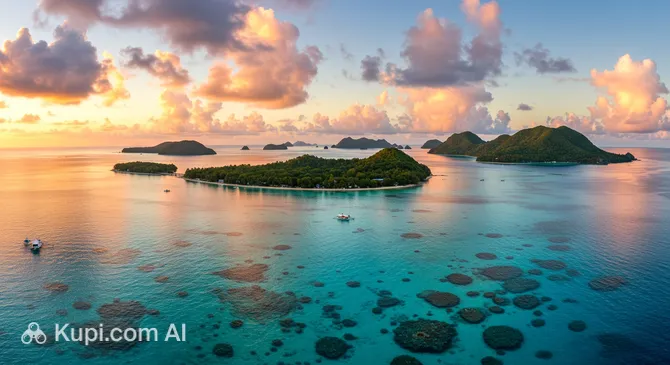
Chuuk. Illustration.
Source: Kupi.com AI

Located in the western Pacific Ocean, Chuuk is one of the four states of Micronesia. Its administrative center and main settlements are located on islands within a vast lagoon. The total population of Chuuk State is approximately 54,000 people. The climate here is equatorial, hot and humid, with minimal temperature fluctuations throughout the year, making it ideal for visiting at almost any time.

The main draw of Chuuk is undoubtedly its world-famous lagoon – Truk Lagoon. During the Second World War, many Japanese warships sank here, which have now turned into a unique underwater museum and artificial reefs, becoming home to a rich marine world. Divers from all over the world come here to explore these sunken giants. In addition, Chuuk offers the beauty of tropical islands, crystal-clear water for snorkeling and kayaking, and the chance to get acquainted with the original culture and traditions of the local residents.

If you dream of a unique journey that combines exciting underwater exploration, a touch of history, and the splendor of untouched nature, then Chuuk will be a true discovery for you. This amazing corner of Micronesia will provide unforgettable impressions and allow you to take a break from the hustle and bustle of everyday life.

You can find more interesting facts on the history of the city of Chuuk page.

Weather Overview

The average monthly air temperature in Chuuk is practically constant year-round and fluctuates within 27-28°C. For example, in January, the average temperature is 27.2°C (minimum 26.5°C, maximum 28.0°C), and in October, it reaches 27.5°C (minimum 26.5°C, maximum 28.5°C). Precipitation is characteristic of all seasons, most often in the form of short tropical showers. The highest amount, about 12 mm, falls in July, which is also the month with the maximum number of rainy days (up to 30). February is considered the "driest" month, with a rainfall volume of about 5 mm and approximately 19 rainy days.

Overall, warm weather awaits you in Chuuk with frequent but usually short rains throughout the year. For a more detailed view of weather conditions, visit the Climate of Chuuk page.

Interesting Facts

In addition to its world-famous underwater history and status as a mecca for divers, Chuuk holds many other fascinating secrets and little-known details. Here are just a few facts that will help you look at this amazing corner of Micronesia from a new perspective:

  • Giant Lagoon: The Chuuk Lagoon is not just a body of water, but one of the largest atolls in the world. Its diameter reaches about 60-65 kilometers, and the total surface area exceeds 2100 square kilometers, making it a true inland sea protected by a ring of coral reefs.

  • Underwater "Time Capsules": The shipwrecks in Truk Lagoon (the former name of Chuuk) are not just wreckage. Many of them lie on the bottom almost intact, with artifacts preserved on board: from tanks and planes in the holds to dishes, sake bottles, and even crew members' personal belongings, creating an eerie but fascinating picture of frozen history.

  • Ancient Art of Navigation: Despite remoteness and modern technology, unique skills of traditional oceanic navigation are still preserved and passed down through generations on some islands of the Chuuk archipelago. Local master navigators orient themselves by the stars, currents, wave patterns, and bird behavior while piloting their outrigger canoes.

  • Linguistic Diversity: Although English is the official language and Chuukese is the primary local language, several different dialects of Chuukese exist within Chuuk State. These dialects can differ significantly between islands and island groups, reflecting the region's rich history of migration and cultural exchange.

How to Get There

The picturesque Chuuk archipelago, located in the Pacific Ocean, can be reached primarily by air. The vast majority of international travelers arrive at the state's main airport, which serves as the gateway to this unique region of Micronesia.

The key transport hub for those arriving in Chuuk is Chuuk International Airport (TKK). This international airport is located on one of the islands of the atoll, approximately 51.7 km from the nominal center of Chuuk (the town of Weno). The trip from the airport to the main hotels and settlements usually takes about 1.5 - 2 hours depending on traffic and the type of transport (taxi or pre-booked transfer). Although the airport is not giant by world standards, it plays a vital role in the state's transport infrastructure and accepts flights from other parts of Micronesia and some international destinations.

For clarity, here is a summary of the main airport:

AirportPassenger trafficDistance
Chuuk International Airport15 00052 km

In addition to air travel, there is the possibility of sea communication between the islands of the Chuuk archipelago, as well as with other islands of Micronesia. However, for most international tourists, air transport is the primary and most convenient way to reach Chuuk. It is recommended to check the schedule and availability of sea transport in advance if you plan to move between islands using this method.

Main Attractions

Chuuk offers travelers not only idyllic landscapes but also unique opportunities to explore history and culture. The main treasures of this region are hidden both underwater and on its green islands.

Undoubtedly, the main attraction of Chuuk is the famous Truk Lagoon (the old name for Chuuk). This place is a real underwater museum and one of the world's top destinations for wreck diving. On the bottom of the lagoon lie more than 60 Japanese warships and aircraft that sank during Operation Hailstone in 1944. Today, these sunken giants, covered in coral and home to a variety of marine life, attract divers from all over the world. Diving here is an unforgettable journey into the past, allowing you to see military equipment, ammunition, and even the personal belongings of crews that have been preserved underwater for decades.

For those interested in the culture and history of the islands, a visit to Mount Tonachau on Weno Island is a must. This mountain is not only the highest point of the island but also a sacred place steeped in ancient legends. According to tradition, the founders of Chuukese society lived here. On the slopes of the mountain or at its foot is Nefo Cave, which also has significant cultural importance. Visiting these places allows for a deeper understanding of the history and beliefs of the local population, while the elevations offer breathtaking views of the lagoon and surrounding islands.

Another interesting historical site is the old Japanese Lighthouse. Similar structures dating back to the Japanese Mandate can be found on several islands of the archipelago. The lighthouse on Weno Island is typically located on an elevation, offering a magnificent panorama of the lagoon. It is not only a reminder of Chuuk's historical past but also a wonderful place to enjoy the views and take impressive photographs, especially at sunset.

Local Cuisine

The gastronomic world of Chuuk is a fascinating journey to the origins of Micronesian island cuisine, where fresh ocean treasures and the generous fruits of tropical land play the leading roles. Culinary traditions here are closely intertwined with nature, offering simple yet incredibly tasty and nutritious dishes. The basis of the local diet is fish and seafood, as well as root vegetables like taro and yams, and, of course, the famous breadfruit.

While in Chuuk, be sure to try dishes made from breadfruit (locally known as "mai"). It is boiled, fried, baked in an "umu" earth oven, or prepared into a mashed mass known as "kon" or "fafa." Another pillar of local cuisine is taro ("woot"), which is also consumed boiled or baked, and its young leaves are used as greens. Of course, you cannot overlook fresh fish: it is grilled here, baked in banana leaves, added to soups, or eaten raw, lightly marinated in lime juice and coconut milk. Coconut milk or cream is added to many dishes to provide a delicate taste and aroma.

Among drinks, the most popular and refreshing is undoubtedly young coconut water, drunk directly from the nut. Various juices from local fruits are also common. Regarding alcoholic beverages, in addition to imported beer and spirits, some communities may preserve traditions of making low-alcohol drinks from fermented coconut palm sap or other plants, but their availability to tourists may be limited.

The food culture in Chuuk is quite simple and focused on the freshness of products. Local residents most often cook and eat at home with their families. For tourists, the main choice of places to eat are restaurants at hotels and guesthouses, as well as small local eateries where you can taste authentic dishes. While organized markets in the European sense may be few, fresh fruits, vegetables, and fish can often be bought directly from locals or in small shops.

The gastronomic scene of Chuuk attracts with its authenticity and the opportunity to try dishes prepared from environmentally friendly products according to traditional recipes. This is not a place for fine dining restaurants, but here you can enjoy the true taste of tropical islands, the freshness of ocean gifts, and the hospitality of local residents, which will make your culinary journey truly unforgettable.

Travel Tips

Planning a trip to Chuuk? Great! To ensure your journey through this amazing corner of Micronesia goes smoothly and leaves only the best impressions, we have prepared some practical tips for you.

  1. Clothing and Essentials: The climate in Chuuk is tropical, hot, and humid year-round. Bring light, breathable clothing made from natural fabrics (cotton, linen). Don't forget swimwear, a hat, sunglasses, and high-SPF sunscreen. Be sure to bring insect repellent. If you plan to dive, check with your operator regarding what equipment is provided. Comfortable walking shoes (sandals, light sneakers) will come in handy for strolls. It is recommended to bring a universal adapter for electronics. While there are no strict dress codes, when visiting local villages or public places, it is better to opt for more modest attire (covering shoulders and knees).

  2. Transport: The primary movement between the numerous islands of the Chuuk archipelago is by small motorboats. Transfers are usually organized by hotels or dive centers. On the main island of Weno, you can use taxi services; it is recommended to agree on the fare in advance as meters are not common. Car rentals are limited and not a necessity for most tourists visiting for diving and island relaxation.

  3. Finance: The official currency in Chuuk is the US Dollar (USD). This is a critically important point: bring a sufficient amount of cash with you. Currency exchange opportunities are limited, and acceptance of bank cards (even international ones) is very rare – mostly only in large hotels and some dive centers. ATMs are also infrequent, and you cannot always count on their uninterrupted operation. Tipping culture is weak, but tips for good service will be accepted with gratitude. An approximate daily budget depends heavily on your plans (diving, excursions, meals), but it's better to have a reserve.

  4. Health and Safety: It is recommended to have a basic first-aid kit with necessary medications, as the choice of drugs in local pharmacies may be limited and they do not always work around the clock. Medical assistance for tourists is represented by basic services; in case of serious problems, medical evacuation may be required. It is better to buy bottled drinking water or use purified water. Chuuk is generally considered a safe place, but always follow standard precautions: do not leave valuables unattended, and avoid walking alone in deserted places after dark. Be aware of potential currents when swimming and diving.

  5. Communication: The primary language of communication is Chuukese. English is also an official language and is quite common in the tourism sector, hotels, and dive centers. Locals will appreciate it if you learn a few simple phrases in Chuukese, such as "Ran annim" (Hello) or "Kinisou" (Thank you). You can purchase a local SIM card for mobile communication, but coverage and internet speed can be unstable, especially outside of Weno island. Wi-Fi is available in some hotels, often for an additional fee and with varying speeds.

  6. Local Etiquette: Residents of Chuuk are friendly and hospitable. A simple greeting when meeting is considered the norm. Always ask permission before photographing local people. In public places and especially when visiting villages, try to behave modestly and respectfully toward local customs. Loud talking or overly revealing behavior may be perceived negatively.

  7. What to Avoid: It is strictly forbidden to touch, pick up, or remove any artifacts from the shipwrecks in the lagoon – these are not only historical monuments but also war graves protected by law. Also, try not to wear swimwear outside of beaches, pools, or dive boats, especially in populated areas. Show respect to elders and local traditions.

  8. Additional Diving Tip: Since Chuuk is primarily a world-famous destination for wreck diving, it is very important to approach the choice of a dive operator responsibly. Ensure the company has a good reputation, experienced guides, and well-maintained equipment. It is also highly recommended to have specialized diving insurance covering hyperbaric chamber treatment and possible medical evacuation, as local medical capabilities are limited.

We hope these tips help you better prepare for your trip and enjoy every moment of your stay in amazing Chuuk. We wish you unforgettable adventures and vivid discoveries!

Entertainment & Nightlife

When planning your evening leisure in Chuuk, it's worth remembering that this destination is primarily famous for its underwater treasures and calm island atmosphere rather than a noisy nightlife. Nevertheless, you can find ways to enjoy your evening after a busy day of exploration.

The nightlife in Chuuk is quite modest and concentrated mainly on the main island of Weno. You won't find large nightclubs with famous DJs or entire districts lit up with neon bar signs here. Evening entertainment most often comes down to visiting hotel bars, where both tourists and locals gather, or small local restaurants that serve drinks. The atmosphere in such places is usually relaxed and informal, conducive to socializing and sharing diving experiences. The dress code is generally casual – shorts and a T-shirt will be perfectly appropriate.

There are few specific establishments in Chuuk specializing exclusively in nightly entertainment. If the data for this region mentions bars, they are likely to be part of hotel complexes offering a quiet getaway. The operating hours of such establishments are usually limited, and they do not stay open late into the night. It's best to arrive earlier in the evening. Prices for drinks can vary, but keep in mind that many goods are imported.

Regarding practical tips, it is recommended to use taxi services for moving around after dark, which are best ordered in advance through your hotel, or to arrange a transfer. Walking in the lit and more active areas of Weno is considered relatively safe; however, you should always follow standard precautions and avoid deserted places. It's also best to check with your hotel reception for information on the safest routes and how to call a taxi.

As for daytime entertainment, Chuuk primarily offers immersion in its unique nature and history – this includes wreck diving, snorkeling in the lagoon, getting to know the local culture, and visiting historical sites such as old Japanese fortifications or Mount Tonachau. Museums here are most often small, dedicated to local history and culture, and amusement parks in their classic sense are absent, giving way to the natural beauty of the islands. Thus, Chuuk is a place for those seeking solitude, outdoor adventure, and historical immersion, and evening leisure here will be a pleasant and calm end to the day.

Parks & Museums

Chuuk offers its guests not only world-famous diving spots but also unique opportunities to get acquainted with its natural beauty and rich cultural heritage. While there may not be parks and museums in the classic European sense, the entire archipelago is a living open-air museum and a vast natural area.

The "green zones" and natural parks in Chuuk are the islands themselves and the famous lagoon. Many of the islands, both inhabited and uninhabited, are covered with lush tropical vegetation, bordered by white sandy beaches and coral reefs. They are ideal for relaxing, swimming, snorkeling, and simply enjoying the peace and beauty of nature. Mount Tonachau on Weno Island, in addition to its cultural and historical significance, is a wonderful place for hiking, offering panoramic views of the lagoon. Chuuk Lagoon itself is not just a shipwreck cemetery but also a huge natural aquarium with rich marine life on shallow reefs, accessible even to those who do not scuba dive.

Speaking of "museums," first and foremost, the unique underwater museum of Truk Lagoon must be mentioned. The shipwrecks and aircraft from the Second World War are the main exhibits attracting history researchers from all over the world. On land, historical heritage is represented by numerous Japanese fortifications and objects from that period – old lighthouses, bunkers, and command posts scattered across different islands. These ruins serve as silent witnesses to the turbulent events of the past and are of interest to military history buffs. Nefo Cave, associated with ancient legends and the history of the Chuukese people, is also an important cultural site that allows you to touch the roots of local identity. While there may be few large formal museums with extensive collections in Chuuk, small displays dedicated to local culture and history can sometimes be found at tourism offices or community centers.

For a deeper immersion into Chuuk's culture, try to talk with the local residents – their stories and traditions are an invaluable "living heritage." An interesting experience can be visiting a local village (with respect for customs and perhaps with a local guide), where you can see the traditional way of life. Also, pay attention to the products of local artisans – these are not just souvenirs but part of the cultural heritage of the islands.

Getting Around

When planning your travel around Chuuk, it is important to understand that the public transport system here differs significantly from what residents of large cities are used to. You won't find subways, trams, trolleybuses, or an extensive network of city buses with a clear schedule here. The transport system in Chuuk is adapted to its island geography and lifestyle.

The primary means of travel between the numerous islands of the Chuuk archipelago are small motorboats. These are essentially the main "public transport" for connecting the islands with each other. Boat trips are often organized by hotels, guesthouses, or dive centers for their clients. You can also arrange transportation with private boat owners. Payment for such trips is usually made in cash, and it's better to agree on the cost in advance. There are no unified transit passes or transport cards for boat services.

On the main and most populated island of Weno, where the administrative center is located, the main type of ground transport for tourists is taxis. These are private cars, and it is extremely important to agree on the fare with the driver before starting the journey, as meters are practically not used. Payment is also made in cash. There are few regular bus routes in the conventional sense on Weno, and they are mostly oriented toward locals and may not always be convenient for tourists due to the lack of clear schedules and routes in English. Taxi operating hours may be limited, especially in the evening and at night, so it's better to plan important trips in advance.

As for alternatives, walking is quite suitable for exploring small areas on the islands. Car rentals in Chuuk are very limited and are not a vital necessity for most tourists, given the specifics of island travel. Bicycle rentals as an organized service are rare. Tourists are advised to always have a sufficient amount of cash for transport services and to clarify methods of travel and their costs at their hotel or with their host in advance. Careful planning of your movements will help avoid inconveniences and make your journey around Chuuk more comfortable.

Accommodation

When planning a trip to Chuuk, you will find a variety of accommodation options to suit the needs of different travelers, although the primary focus here is on comfort for scuba diving enthusiasts and those who appreciate a secluded getaway. The range of available housing includes relatively budget-friendly guesthouses and small hotels, as well as specialized dive resorts offering a full range of diving services.

Most accommodation options are concentrated on the main island of Weno, which is the administrative center and transport hub of the state. Here you will find mid-range hotels and guesthouses, convenient for those who want to be closer to local infrastructure. Some resorts are also located on other, more secluded islands within the Chuuk lagoon, offering guests direct access to the best diving spots and greater privacy.

Among the well-known hotels oriented toward tourists and especially divers, one can note, for example, the Blue Lagoon Resort, famous for its location and atmosphere, or the Truk Stop Hotel & Dive Center, which offers comprehensive services for exploring the lagoon's underwater world. These places often serve as the starting point for dives to the shipwrecks.

It is strongly recommended to book accommodation in advance, especially if your trip falls during the peak tourist season or coincides with major local events. This will help ensure availability and potentially secure better rates. The price range varies from more affordable options to rooms in mid-range and high-end resorts geared toward international tourism.

Booking accommodation in Chuuk is most often done through popular online platforms for travelers or directly via hotel and resort websites. Some small guesthouses may accept bookings by email or phone. Given the region's remoteness, planning ahead and confirming your reservation are key to a peaceful and comfortable holiday.

Nearby Cities

For those who want to explore the surrounding areas, Chuuk serves as an excellent starting point for day trips to several interesting nearby locations:

The most accessible and logical destination to explore from Chuuk is Weno, the administrative center of Chuuk State and its main settlement. Located just 51 km away, Weno is the gateway to the famous Truk Lagoon; the main infrastructure is concentrated here, including the airport, hotels, and dive centers. Visitors can get acquainted with local life, visit small markets, and use Weno as a base for organizing dives to shipwrecks and excursions around the lagoon islands.

CityPopulationDistance
Weno13 90951 km

Although Weno is the most realistic option for a day trip, the table provided also includes other significant settlements in Micronesia. These cities, located at a greater distance, may be of interest as part of a broader journey across the country, allowing for a deeper look at the diversity of its islands and cultures. We recommend studying the pages of these cities for more detailed information on what they have to offer.

Shopping & Souvenirs

Shopping in Chuuk is not about chasing global brands, but rather an opportunity to purchase authentic souvenirs, fresh local products, and get acquainted with island life. Don't expect huge malls or designer boutiques here; instead, you will find the local flavor of small shops and markets reflecting the unique culture of Micronesia.

The main shopping opportunities are concentrated on the main island of Weno, which is the state's administrative center. Here, along the main streets, you will find small shops offering basic necessities, food, drinks, and some souvenirs. There are no specialized shopping streets or large shopping districts in the conventional sense, but it is in Weno that most commercial activity is concentrated.

There are no large shopping centers in Chuuk. Instead, you can find several supermarkets or general stores that are relatively large by local standards, selling packaged food, canned goods, household chemicals, and some imported goods. These are the main places to restock supplies if you are staying in apartments with a kitchen.

To feel the true local flavor, it's worth checking out the small markets if they are operating during your visit. Here, locals sell fresh fish, exotic fruits (bananas, papaya, mango, breadfruit), vegetables, and root crops. Sometimes at such markets or in adjacent shops, you can find crafts from local artisans. This is an excellent opportunity not only to buy fresh products but also to chat with the Chuukese people.

As souvenirs from Chuuk, it's worth bringing home handmade items that reflect the island's culture. These could include woven baskets, mats, palm leaf hats, wooden carvings (often depicting marine life or scenes from legends), and jewelry made from shells, seeds, or coral (purchase responsibly, ensuring their harvest does not harm the ecosystem). Sometimes you can find fabrics with traditional Micronesian patterns or model canoes. Items related to the region's rich maritime history are also popular, but remember that removing artifacts from shipwrecks is strictly prohibited.

Shops in Chuuk usually operate during the daytime, approximately from 8-9 AM to 5-6 PM, with a possible lunch break. Many outlets may be closed on Sundays. The main and practically only method of payment is cash US Dollars (USD). The ability to use bank cards is extremely limited and only found in some large hotels or dive centers. ATMs are also few and not always reliable, so stock up on sufficient cash in advance.

The Tax Free system for tourists is generally absent in Chuuk. Prices for goods are usually final, and bargaining is not very common in formal shops, although at markets you can politely ask for a small discount when buying several items.

Nearby cities

Reached the end of the page?

That means the route is fully explored