Support

Hokitika

About

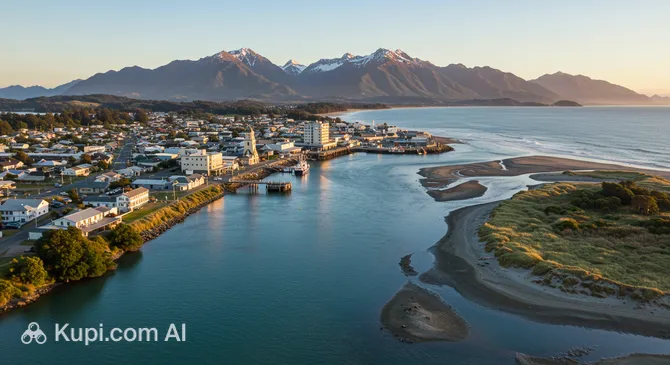
Welcome to Hokitika, a coastal gem that perfectly captures the rugged beauty and pioneering spirit of the West Coast. Situated on the South Island of New Zealand, this town is renowned for its wild beaches, artistic community, and friendly atmosphere. With a population of nearly 3,000 residents, it offers a cozy yet vibrant stop for travelers exploring the region, serving as a gateway to some of the country's most dramatic landscapes.

The town has a rich heritage dating back to the 1860s gold rush, when it was briefly one of the most populous centers in the country. You can delve deeper into the fascinating history of Hokitika by walking its streets lined with heritage buildings or visiting local museums. Today, that legacy lives on through the town's reputation as the "Pounamu Capital," where skilled artisans carve traditional greenstone into stunning jewelry and art.

Hokitika. Source: Kupi.Binoculars

Nature lovers will be captivated by the stunning scenery surrounding the town. A short drive inland leads to the breathtaking Hokitika Gorge, famous for its vivid turquoise waters and scenic swing bridge. Back in town, the windswept beach is a must-visit, particularly for the iconic driftwood sign and the spectacular sunsets that light up the Tasman Sea. Whether you are looking for unique souvenirs or outdoor adventures, this "cool little town" has plenty to offer.

Don't miss the chance to experience the unique blend of culture, nature, and creativity that defines Hokitika. It is an ideal destination for those seeking an authentic and memorable experience on the wild West Coast.

Weather Overview

The climate in this region is mild and temperate, though visitors should always be prepared for the West Coast's famous variability. In the summer months of January and February, the weather is generally pleasant with average temperatures around 16°C and daytime highs reaching up to 18.9°C. However, even in the warmest season, rain is frequent, so packing layers is essential.

Winters are cooler but rarely freezing, with average temperatures dipping to between 8°C and 9°C from June to August. July is typically the coldest month, seeing lows of around 5.7°C. To help you pack the right gear for your trip, it is helpful to review the current weather in Hokitika before you depart.

Rainfall is a defining feature of the local environment, keeping the surrounding forests lush and green year-round. Precipitation is spread fairly evenly across the calendar, with the number of wet days ranging from a low of 13 days in February to a high of 20 days in August and October. Expect warm summers with occasional rain and cool, damp winters, making a waterproof jacket a must-have item for any visit.

Interesting Facts

Beyond the scenic landscapes and greenstone workshops, Hokitika boasts a collection of intriguing stories and unique local quirks that make it truly one of a kind. Here are some surprising details about this West Coast town that often go unnoticed by the casual observer.
  • Literary enthusiasts might recognize the town as the primary setting for Eleanor Catton's Booker Prize-winning novel, The Luminaries. The book vividly reconstructs the town's 1860s gold rush era, turning its historic streets, weather patterns, and astrological alignments into central characters of the story.

  • During the height of the gold rush, Hokitika's port was one of the busiest in New Zealand, yet it was notoriously dangerous due to a treacherous sandbar at the river mouth. It earned the nickname "City of Ships," a somewhat ironic title given that over 40 vessels were wrecked there in just a few years while attempting to cross the bar.

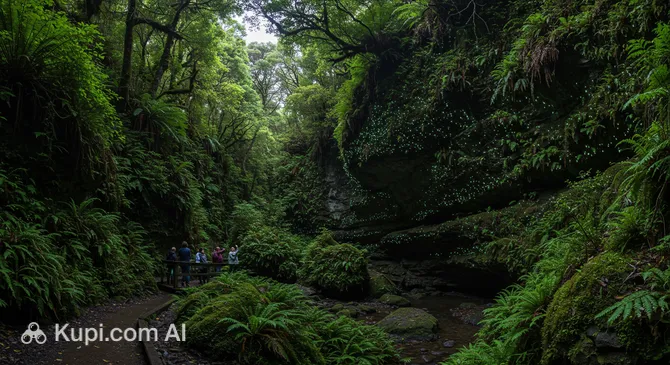
  • Unlike many other bioluminescent sites that require boat rides or deep cave spelunking, the Glow Worm Dell is surprisingly accessible. Located just off the main highway, this natural fern grotto allows visitors to walk right up to the glowing colonies in an open-air forest setting, free of charge.

  • The town is the home of the quirky Hokitika Wildfoods Festival, a culinary adventure that challenges visitors to step out of their comfort zones. While whitebait fritters are a local staple, the festival is famous for serving extreme fare such as huhu grubs, mountain oysters, and scorpion shots to thousands of brave foodies every year.

Glow Worm Dell. Source: Kupi.Binoculars

How to Get There

Reaching this charming West Coast town is an experience in itself, offering travelers a choice between scenic flights and breathtaking drives across the South Island. Whether you prefer the convenience of flying directly or the adventure of a road trip through the Southern Alps, you can find detailed information on all ways to reach the city to help plan your journey.

The most convenient entry point is Hokitika Airport (HKK), located just 1.4 km from the town center. This small regional airport serves around 40,000 passengers annually and offers direct domestic connections, primarily from Christchurch. Due to its extremely close proximity, the transfer to the town center is very brief, taking just a few minutes by taxi or shuttle. For international travelers, the main gateway is Christchurch International Airport (CHC) in Christchurch. As a major hub with an annual passenger traffic of over 6 million, it welcomes flights from around the globe. While the airport is situated approximately 153.6 km away in a straight line, the drive to Hokitika involves crossing the Southern Alps via Arthur's Pass. This winding, scenic route covers a longer distance on the road and typically takes between 3 to 4 hours to complete.

For clarity, here is a summary of the main airports serving the region:

Airport Name City Passenger Traffic Km from City
Christchurch International Airport Christchurch Large 153.6
Nelson Airport Nelson Medium 244.5
Woodbourne Airport Blenheim Medium 274.4
Hokitika Airport Hokitika Small 1.4

While Hokitika does not have its own passenger railway station, train travel is still a popular option for reaching the West Coast. The world-famous TranzAlpine train runs between Christchurch and Greymouth, traversing the majestic Southern Alps. Greymouth is located approximately 40 kilometers north of Hokitika. Upon arriving at the Greymouth station, visitors can easily transfer to a bus, shuttle, or rental car to complete the short coastal drive south to Hokitika.

Main Attractions

Hokitika offers a delightful mix of natural wonders, cultural experiences, and unique local landmarks that make it a standout destination on the West Coast. From wildlife encounters to iconic photo opportunities, the town provides memorable stops for every type of traveler.

One of the most popular places to visit is the National Kiwi Centre, located right in the heart of the town. This indoor facility provides a rare opportunity to see New Zealand’s elusive national bird, the kiwi, in a nocturnal house. Visitors can also encounter the ancient tuatara, a reptile that has existed since the age of dinosaurs, and feed the giant longfin eels (tuna) that are native to the region. It is an educational and engaging experience suitable for all weather conditions.

National Kiwi Centre. Source: Kupi.Binoculars

A trip to the coast would not be complete without stopping at the Hokitika Beach Sign. This creative sculpture, crafted entirely from driftwood collected from the shore, has become a symbol of the town’s artistic spirit. Set against the backdrop of the crashing Tasman Sea, it is the perfect spot for a vacation photo, especially during the town's spectacular sunsets. The beach itself is also a treasure trove for beachcombers looking for pounamu (greenstone) pebbles.

Hokitika Beach Sign. Source: Kupi.Binoculars

For a magical evening experience, the Glow Worm Dell is a must-see attraction. Located just off the main highway at the northern edge of town, this natural fern grotto comes alive after dark with thousands of tiny, bioluminescent lights. Unlike many other glow worm sites, this one is completely free and easily accessible, allowing you to walk a short track into the forest to witness the glowing display in a peaceful, open-air setting.

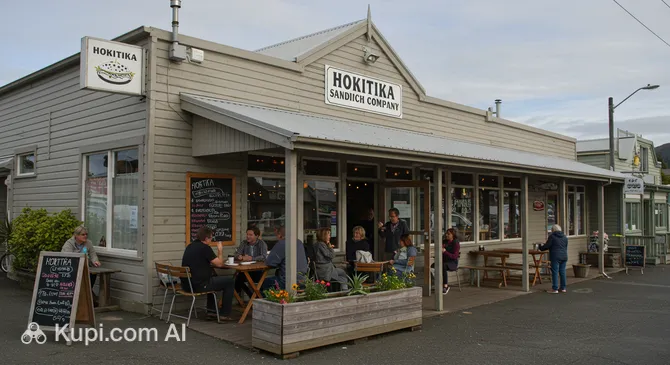
If you are looking for a local culinary landmark, the Hokitika Sandwich Company has gained a legendary reputation among travelers and locals alike. Known for its massive, made-to-order sandwiches served on fresh, crusty bread, it is more than just a lunch spot; it is a West Coast institution. It is the perfect place to refuel with a hearty meal before continuing your exploration of the region's wild landscapes.

Hokitika Sandwich Company. Source: Kupi.Binoculars

Local Cuisine

Hokitika's cuisine reflects the rugged and resourceful character of the West Coast, offering a unique "wild food" experience that draws visitors from all over. The absolute cornerstone of the local gastronomy is the whitebait fritter. Caught in the river mouths along the coast during the spring season, these tiny, translucent fish are typically mixed with egg and cooked into a simple, delicate pattie. You will find this delicacy on the menu of almost every local pub and cafe, often served traditionally between slices of buttered white bread with a squeeze of lemon.

Beyond whitebait, the region is famous for its game meats and fresh seafood. Thanks to the area's strong hunting heritage, dishes featuring wild venison and wild pork are common and are often prepared as hearty roasts, burgers, or rich stews. Seafood lovers should also look out for West Coast crayfish (rock lobster) and blue cod, which are caught in the nearby Tasman Sea and served incredibly fresh. The emphasis here is on high-quality, locally sourced ingredients rather than complex fine dining.

When it comes to beverages, the West Coast has a proud brewing tradition. Local bars and pubs serve a wide selection of New Zealand craft beers and ciders that pair perfectly with the robust local fare. For wine enthusiasts, you can easily find excellent glasses of world-renowned New Zealand Sauvignon Blanc or Pinot Noir to accompany your meal, often enjoyed while watching the sunset over the ocean.

The dining atmosphere in town is relaxed and unpretentious, with a focus on generous portions and friendly service. Locals and tourists alike gather in cozy cafes and historic hotel pubs to socialize. For a lunch that perfectly embodies this hearty spirit, the Hokitika Sandwich Company is a favorite stop. It is celebrated for its substantial sandwiches made with fresh ingredients, making it an ideal example of the town's satisfying and honest approach to food.

Travel Tips

Planning a trip to Hokitika is the first step toward an unforgettable West Coast adventure, but this rugged region requires a bit of practical preparation to enjoy fully. To help you make the most of your visit, here are some essential tips covering everything from local weather patterns to getting around the town.

  1. Clothing and Gear: The West Coast is famous for its rainfall, so a high-quality waterproof jacket is non-negotiable, regardless of the season. The weather can change rapidly, so dress in layers that you can easily add or remove. Comfortable, sturdy walking shoes are essential for exploring the drift-wood strewn beach and the tracks at Hokitika Gorge. Also, bring insect repellent specifically designed for sandflies, as these tiny biting insects are common in the area.

  2. Transportation: The town center of Hokitika is compact and easily navigable on foot, with most shops, cafes, and the beach within walking distance of each other. However, to visit key attractions like the Gorge, Lake Kaniere, or the Glow Worm Dell, a rental car is highly recommended. Public transport is virtually non-existent, and ride-hailing apps like Uber are not available here, though local taxis and shuttles can be booked in advance.

  3. Finances: The local currency is the New Zealand Dollar (NZD). Credit and debit cards (Visa and Mastercard) are widely accepted even in small cafes, but carrying some cash is useful for local markets or small purchases. ATMs are available along the main commercial strip, Revell Street. Tipping is not mandatory in New Zealand but is appreciated for exceptional service in restaurants.

  4. Health and Safety: Hokitika is generally very safe, but nature poses the biggest risks. The Tasman Sea is known for strong currents and treacherous undertows; swimming at the main beach is often dangerous, so always check local signage and advice. For minor health issues, there are pharmacies in the town center, but be aware they typically close by early evening and are not open 24/7. In a medical emergency, dial 111.

  5. Communication: English is the primary language spoken, often with a friendly Kiwi accent. You may hear the Māori greeting "Kia Ora" (hello/be well), which is commonly used. Mobile coverage is good within the town but can be spotty or non-existent as you drive inland toward the mountains or the Gorge. Free Wi-Fi is often available in the town library and many cafes.

  6. Local Etiquette: The West Coast lifestyle is laid-back and unpretentious. Locals are known for their hospitality and friendliness; a simple smile and a "hello" to passersby is common. When visiting natural sites, strictly follow the "Tiaki Promise" — care for the land by keeping to marked tracks and taking all your rubbish with you to protect the pristine environment.

  7. What to Avoid: Do not underestimate the sandflies, especially near water bodies like the Gorge or lakes; standing still without repellent can lead to itchy bites that last for days. Also, avoid assuming shops will be open late; Hokitika is a small provincial town, and many businesses close around 5:00 PM or on weekends, so plan your shopping and dining accordingly.

  8. Additional Tip: If you plan to buy Pounamu (greenstone) as a souvenir, Hokitika is the best place to do it. Visit the local workshops where you can watch the carvers in action. This not only ensures you are buying authentic New Zealand jade but also allows you to learn about the cultural significance of the stone directly from the artists.

By keeping these practical tips in mind, you will be well-equipped to handle the wild weather and relaxed pace of the West Coast. Embrace the local lifestyle, stay dry, and enjoy the unique charm that makes Hokitika such a special destination.

Entertainment & Nightlife

Entertainment in Hokitika is less about thumping bass and neon lights and more about warm hospitality, cozy gatherings, and unique natural experiences. The town’s nightlife reflects its laid-back West Coast character, revolving primarily around hotel pubs, casual dining, and socializing with friendly locals. You won't find sprawling nightclub districts here; instead, the evening energy is concentrated along Revell Street and Weld Street, where the main establishments are located.

For a classic night out, the local hotel bars are the heart of the community. Venues like Stumpers Bar & Cafe or the historic Pioneer Hotel offer a welcoming atmosphere where travelers and residents mix freely. These spots are perfect for enjoying a pint of New Zealand craft beer or a glass of wine while watching live sports or chatting by a fire. The dress code is almost universally casual—hiking boots and jeans are perfectly acceptable attire for a night out in this rugged region.

One of the most distinctive forms of evening entertainment in Hokitika is provided by nature itself. A short walk from the town center leads you to the Glow Worm Dell. Unlike commercial caves, this is an open-air, free attraction where you can wander through a fern grotto illuminated by thousands of tiny bioluminescent lights. It is a quiet, magical experience that serves as the town's version of a "light show" and is a favorite post-dinner activity for visitors.

If you are looking for cultural entertainment, the Regent Theatre is a local treasure. This historic cinema and theatre has been serving the town since the 1930s and is a charming place to catch a latest movie release or occasional live performance in an Art Deco setting. For daytime entertainment, the town offers several galleries and the local museum, but the Regent provides a nostalgic evening option.

Practicality is key when planning your evening. Hokitika is an "early to bed" town, with many kitchens closing around 8:00 PM or 9:00 PM, and bars winding down by late evening, especially on weekdays. Prices are generally reasonable and affordable compared to larger cities. The town center is compact and safe to walk around at night, but if your accommodation is further out, Hokitika Taxis are available, though it is wise to book in advance as services can be limited late at night.

Parks & Museums

Hokitika is a town where the line between wild nature and cultural heritage is beautifully blurred, offering visitors a seamless mix of lush green spaces and rich historical storytelling. From the rugged coastline to the serene lakes and the vibrant arts scene, the area invites you to explore its pioneering past and its stunning natural environment in equal measure.

When it comes to parks and natural areas, the crown jewel is undoubtedly the Hokitika Gorge Scenic Reserve, located about 33 kilometers inland. This area is famous for its vivid turquoise water, a color created by glacial flour suspended in the river. A well-maintained walking track leads visitors through a lush podocarp forest to swing bridges that offer spectacular views of the granite gorge and the milky-blue river below. Another significant natural site is the Lake Kaniere Scenic Reserve, often described as one of New Zealand’s most beautiful lakes. Surrounded by mountains and ancient rimu forest, it is a haven for water sports, picnics, and short walks, such as the enchanting Dorothy Falls track.

Closer to the town center, the Glow Worm Dell serves as a unique natural park. While small, this fern-covered grotto offers a rare chance to see nature's own light show in an accessible, outdoor setting. Unlike deep caves, this reserve is right off the highway, allowing visitors to easily step into a quiet, green sanctuary that transforms into a galaxy of tiny lights once the sun goes down.

Culturally, the town is defined by its history as a gold rush hub and its modern status as a center for pounamu (greenstone) carving. The Hokitika Museum is the primary institution for preserving this heritage. Located in the historic Carnegie Building, it houses collections that tell the stories of the frantic 1860s gold rush, early maritime history, and the majestic Southern Alps. While the historic building itself is a landmark, the museum's exhibits provide deep insight into the hardships and triumphs of the West Coast's early settlers.

Art lovers will find that the town itself functions as a living gallery. Hokitika is dotted with open studios and galleries, such as the Wilderness Gallery, which showcases award-winning wildlife photography and local art. Visitors can also explore numerous carving studios where artists shape New Zealand jade into jewelry and sculptures. Watching these artisans at work offers a tangible connection to the region's Māori heritage and artistic culture.

For those interested in historical architecture, the Hokitika Heritage Trail is a self-guided walk that highlights the town's Victorian and Edwardian past. Key stops include the iconic Hokitika Clock Tower, a dedicated memorial to the coronation of King Edward VII, and the Custom House, which stands as a reminder of the era when the local port was one of the busiest in the country. These structures provide a glimpse into the wealth and optimism of the gold rush era.

In terms of other venues, the National Kiwi Centre acts as a significant zoological attraction. It plays a crucial role in conservation education, allowing visitors to engage with live native species, including the kiwi and the tuatara, in a controlled environment that mimics their natural habitats.

For a quieter, authentic experience, take a walk along the Mananui Tramline Track south of the town near Lake Mahinapua. It follows an old logging tramline through regenerating forest to a secluded beach, offering a peaceful retreat away from the main tourist trail and a peek into the region's logging history.
Getting Around

Due to its small population and compact layout, Hokitika does not possess a formal public transport network. Visitors will not find a metro, tram system, or municipal bus service operating within the town. Instead, the town center is condensed into a few easily navigable blocks, making walking the most practical and common way to access local shops, galleries, the beach, and dining establishments.

For travel beyond the immediate walking distance of the town center, taxis are the primary mode of transport for those without a private vehicle. Local operators, such as Hokitika Taxis, provide service to the airport and surrounding residential areas. It is important to note that these services are not as instantaneous as in major cities; fleets are small, and operating hours may be limited, particularly late at night or on weekends. Therefore, it is highly recommended to book your ride in advance, especially for time-critical journeys like airport transfers.

Since there is no public transit system, there are no complex travel passes, zones, or validation cards to navigate. Payment for transport is straightforward: taxis and private shuttles typically accept cash and major credit or debit cards directly. While electronic payment is widely supported, carrying a small amount of local currency is always a prudent backup plan when traveling in regional areas.

Cycling serves as a popular and scenic alternative for getting around. With the town acting as a key stop on the West Coast Wilderness Trail, bike rental facilities are readily available. The terrain within the town itself is relatively flat, making it an enjoyable option for sightseeing along the coast or reaching nearby accommodations that might be slightly too far to walk.

For tourists planning to visit major attractions outside the town limits, such as the Gorge or Lake Kaniere, relying solely on taxis can become expensive. Consequently, renting a car is widely considered the most effective way to navigate the region. While national coach services like InterCity do stop in the town, they connect Hokitika with other destinations on the South Island and do not provide local transport services to specific scenic spots or trailheads.

Accommodation

Accommodation in Hokitika caters well to road-trippers and those seeking a cozy, authentic West Coast experience. The town offers a solid selection of reliable motels, charming bed and breakfasts, and holiday parks suitable for campers and families. While you won't find high-rise luxury resorts here, the local lodging is defined by its cleanliness, hospitality, and often, its historic character. Many visitors choose to stay in refurbished gold-rush era hotels that offer a unique glimpse into the town's past, providing comfortable rooms above lively traditional pubs.

The most convenient area to stay is within the town center, particularly near Revell Street and Weld Street. Staying here places you within easy walking distance of the beach for sunset views, as well as local cafes, pounamu workshops, and the grocery store. For those seeking more tranquility, there are excellent options located just on the outskirts of town or along the beachfront, offering quieter surroundings while still being only a quick drive from the main attractions.

Booking Tip: Hokitika is a popular stop on the South Island touring route, and accommodation can fill up quickly during the peak summer months (December to February) and around major local events like the Wildfoods Festival in March. It is highly recommended to book your room well in advance to secure your preferred dates and avoid missing out on the most convenient locations.

Prices generally range from budget-friendly to mid-range. Backpackers and campers will find affordable holiday parks and hostels, while comfortable motel units and boutique B&Bs are available at moderate prices. Booking is easily done through major online travel platforms, though many local proprietors also welcome direct bookings via phone or their own websites, sometimes offering better rates or personal advice on your stay.

Nearby Cities

For those looking to explore the surroundings, Hokitika serves as an excellent base for day trips to several interesting nearby locations:

Just a short drive north lies Greymouth, the largest town on the West Coast and a commercial hub with a rich history. It is a popular destination for visitors interested in the region's coal mining heritage or those wanting to tour the famous local brewery. The drive along the coast offers rugged sea views, and the town provides additional shopping and dining options that complement the offerings in Hokitika.

To the east, across the majestic Southern Alps, sits Christchurch. As the largest city in the South Island, it is known as the "Garden City" for its expansive parks and the winding Avon River. While the journey involves a drive of several hours via Arthur's Pass, the route itself is considered one of New Zealand's most scenic engineering marvels, making the trip a memorable experience for those looking to connect with the east coast or enjoy an urban excursion.

City Population Distance (km)
Christchurch 383200 163
Nelson 46437 250
Queenstown 28400 317
Timaru 27501 187
Blenheim 26400 281

These nearby destinations offer a glimpse into the diverse culture and landscapes of the region.

Shopping & Souvenirs

Shopping in Hokitika is a unique experience that centers less on high-street fashion and more on local artistry, heritage, and craftsmanship. Known as the "Pounamu Capital" of New Zealand, the town is a haven for those seeking high-quality, locally made treasures rather than mass-produced goods. Visitors will find a relaxed atmosphere where browsing often involves watching skilled artisans at work, making the shopping experience as educational as it is enjoyable.

The primary hub for retail therapy is Revell Street, which serves as the town's main commercial artery. Along this compact and walkable strip, you will find an array of independent boutiques, souvenir shops, and galleries. Weld Street and Tancred Street also host several key establishments, including pharmacies, supermarkets, and outdoor gear shops. The layout of the town is intimate, allowing you to easily explore all the main shopping areas on foot within a short period.

Travelers looking for large-scale retail complexes should be aware that Hokitika does not have any shopping malls or department stores. The town's charm lies in its small, owner-operated businesses and historic storefronts. Instead of sprawling food courts and chain stores, you will encounter specialized workshops and cozy galleries that reflect the creative spirit of the West Coast.

For a taste of the local community vibe, keep an eye out for local markets. The Hokitika Lions Market is typically held on Saturday mornings and is a popular spot for browsing fresh produce, second-hand books, plants, and handmade crafts. It offers a genuine slice of local life and is a great place to pick up small, unique gifts while mingling with residents.

When it comes to souvenirs, Pounamu (greenstone) is the undisputed highlight. Hokitika is famous for this precious stone, and you can visit workshops to watch carvers transform raw jade into exquisite jewelry and sculptures. Beyond greenstone, the town is renowned for glass art, with local studios producing stunning, colorful pieces. Other popular items include jewelry made from local gold nuggets, reflecting the region's mining history, as well as high-quality knitwear made from merino wool and possum fur, which is perfect for the cooler West Coast climate.

Store opening hours in Hokitika generally follow a standard provincial schedule. Most shops open around 9:00 AM and close by 5:00 PM on weekdays. Weekend hours can be shorter, with some smaller boutiques closing early on Saturdays and remaining closed on Sundays, although souvenir shops and supermarkets often have extended hours to accommodate tourists. Credit and debit cards (Visa and Mastercard) are widely accepted, even for small purchases, though carrying some cash is advisable for markets.

New Zealand applies a Goods and Services Tax (GST) of 15% to all purchases, which is always included in the displayed price. Unlike some other countries, there is no refund scheme for GST paid on goods taken out of the country in your luggage. However, some larger galleries and souvenir shops may offer a "tax-free shipping" service, where the GST is deducted if the item is shipped directly to your overseas address.

Reached the end of the page?

That means the route is fully explored