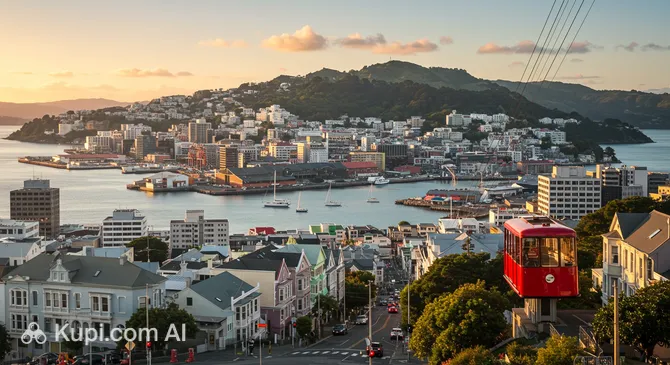
Welcome to Wellington, the vibrant capital of New Zealand. Known for its quirky atmosphere, world-class coffee culture, and stunning harbor views, this city offers a perfect blend of urban energy and natural beauty. It is often affectionately referred to as the "coolest little capital in the world" due to its compact size and big personality.
Located at the southwestern tip of the North Island, the city sits comfortably between a sparkling harbor and rolling green hills. While the weather can be breezy, earning it the nickname "Windy Wellington," the fresh air only adds to its invigorating charm. With a population of approximately 418,500 residents, it serves as the country's political and cultural heart without feeling overcrowded.
Wellington. Illustration.
Source: Kupi.com AI
Those interested in the history of Wellington will discover a fascinating mix of Māori heritage and colonial architecture woven into the city streets. A trip here is not complete without visiting Te Papa Tongarewa, the interactive national museum that brilliantly tells the stories of the land and its people. For a panoramic view of the cityscape, take a ride on the iconic red Wellington Cable Car up to the Botanic Garden, or explore the creative magic at the famous Weta Workshop.
Whether you are strolling along the waterfront promenades or dining in one of the many hidden laneway eateries, Wellington promises an unforgettable experience. It is a destination that invites you to linger, explore, and enjoy the creative spirit that defines this unique corner of the globe.
Weather Overview
Wellington experiences a temperate marine climate, characterized by moderate temperatures and a lack of extreme heat or cold. Before heading out, it is useful to understand the typical weather in Wellington to pack appropriately for the conditions. The summer months of December through February are generally the warmest, with January seeing an average temperature of 17.2°C and highs reaching 19.0°C.
In contrast, the winter season from June to August brings cooler air, with July averages dropping to around 10.0°C and minimums hovering near 8.5°C. While the precipitation amounts recorded are low, the frequency of rain increases during this time, with July and August experiencing up to 15 wet days per month. Overall, you can expect mild, comfortable summers and cool winters with frequent showers.
Average monthly temperature
Average monthly precipitation
Interesting Facts
Beyond the main attractions, Wellington holds many fascinating secrets and distinctions that make it truly unique on the global stage. Here are some intriguing facts about the city:
Geographically, Wellington holds the title of the southernmost capital city of a sovereign state in the world, sitting at a latitude that places it closer to Antarctica than any other national capital.
The city is a haven for coffee enthusiasts and is famously reputed to have more cafes, bars, and restaurants per capita than New York City, fueling its reputation as a world-class coffee destination.
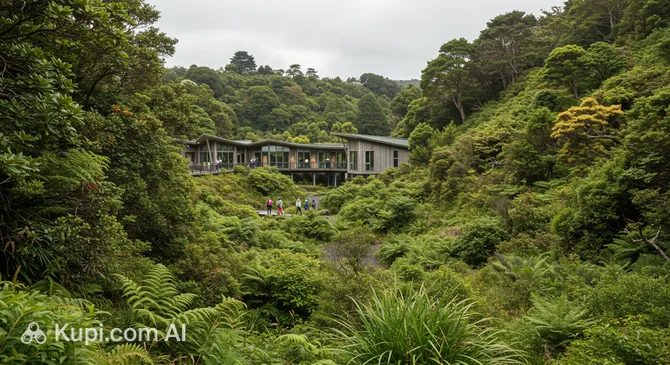
Nature thrives right in the city center at Zealandia, which is the world's first fully-fenced urban ecosanctuary dedicated to restoring the valley's forest and freshwater ecosystems to their pre-human state.
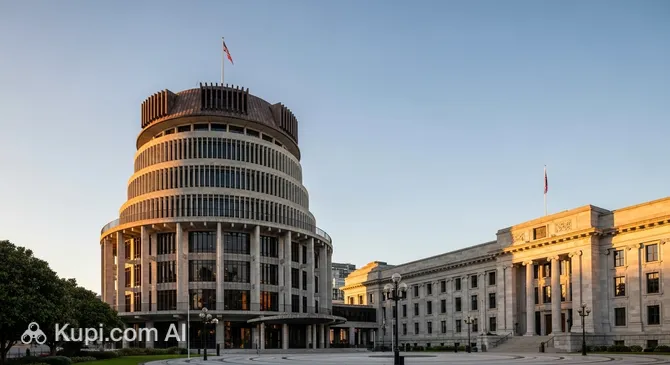
The distinctive executive wing of the Parliament buildings, known as The Beehive, sits on advanced lead-rubber bearings that allow the massive structure to sway up to 30 centimeters during an earthquake to prevent structural damage.
While often nicknamed "Windy Wellington," it is officially recognized as the windiest city in the world by average wind speed, with gusts channeled vigorously through the Cook Strait.
Zealandia. Illustration.
Source: Kupi.com AI
Traveler photos:
How to Get There
Reaching the capital of New Zealand is convenient thanks to its central location and well-connected transport hubs. Whether you are arriving by air from international destinations or traveling domestically, there are several options to suit your itinerary. For a complete overview of routes and travel tips, you can read more about how to get to Wellington to plan your journey effectively.
The primary gateway to the city is Wellington International Airport (IATA: WLG). Conveniently located within Wellington itself, it is only about 4.5 km from the city center. This major hub handles a significant volume of passengers annually, serving as a key connection point for both domestic and international flights. The short commute into town typically takes around 25 to 30 minutes by taxi or shuttle, making it an exceptionally accessible option for travelers.
For those exploring the wider region, Paraparaumu Airport (IATA: PPQ) is another alternative. It is not located in the capital but in the town of Paraparaumu, approximately 46.5 km away. This regional airport is smaller and offers a different entry point to the Kapiti Coast area. A journey from here to Wellington's center by road usually takes between 45 minutes and 1 hour. Another option further afield is Palmerston North Airport (IATA: PMR) in Palmerston North, situated roughly 129 km away. Traveling from this airport to Wellington typically takes around 2 hours by road.
For clarity, here is a summary of the main airports:
Wellington packs a surprising number of cultural and natural highlights into its compact footprint. From world-class museums to scenic viewpoints, the city's top sights are easily accessible and offer something for every type of traveler.
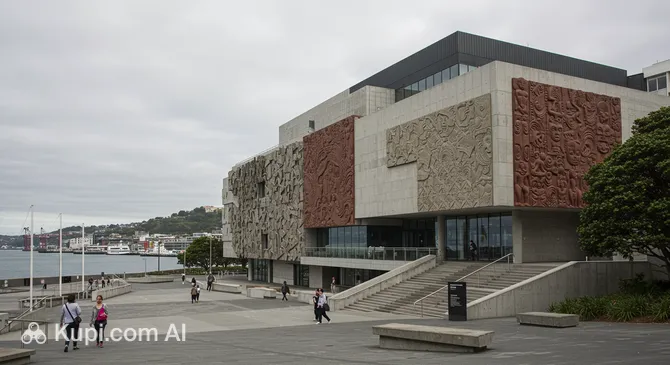
The Museum of New Zealand Te Papa Tongarewa is arguably the country's most significant cultural institution. Dominating the waterfront, this innovative museum is famous for its interactive and bold approach to storytelling. Visitors can explore six floors of exhibitions that delve into New Zealand’s diverse art, history, and natural environment. It is particularly celebrated for its deep insights into Māori culture and its unique collections, including the colossal squid display, making it an educational and entertaining stop for all ages.
Museum of New Zealand Te Papa Tongarewa. Illustration.
Source: Kupi.com AI
Traveler photos:
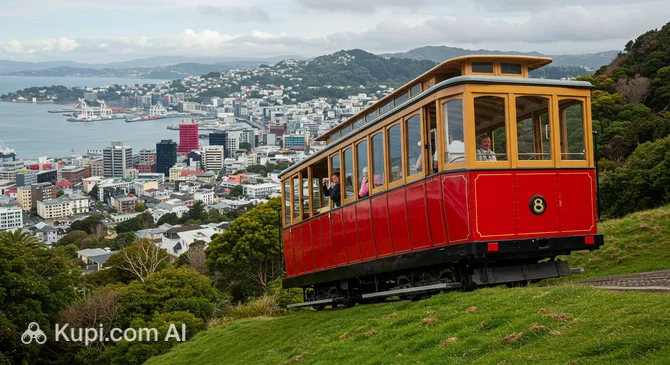
For the most iconic views in the city, a ride on the Wellington Cable Car is essential. This historic red funicular climbs from the bustling Lambton Quay up to the suburb of Kelburn. The journey itself is short but scenic, offering sweeping panoramas of the cityscape and the harbor. At the summit, you can visit the fascinating Cable Car Museum to learn about the winding history of this beloved transport system.
Wellington Cable Car. Illustration.
Source: Kupi.com AI
Traveler photos:
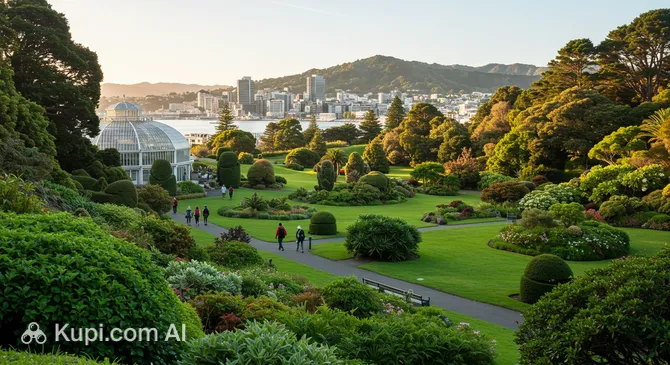
Located just steps from the cable car terminus is the sprawling Wellington Botanic Garden. This 25-hectare sanctuary is a haven of tranquility, featuring protected native forests, specialized plant collections, and colorful floral displays. A walk here allows you to wander through the award-winning Lady Norwood Rose Garden or explore the Begonia House. It is the perfect place to enjoy a picnic and soak in the fresh air while overlooking the city below.
Wellington Botanic Garden. Illustration.
Source: Kupi.com AI
Traveler photos:
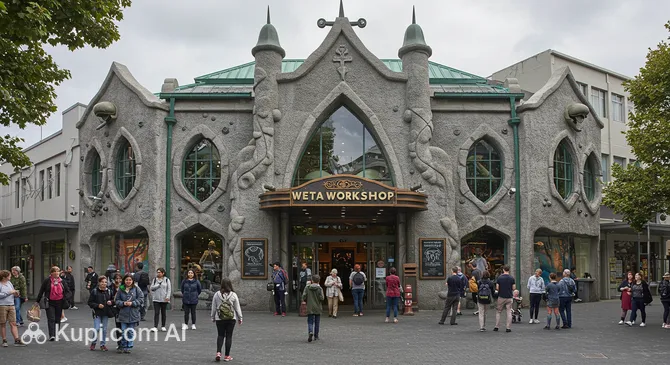
Movie fans will find their paradise at the Weta Workshop, located in the Miramar peninsula. Renowned globally for its groundbreaking work on The Lord of the Rings and The Hobbit trilogies, this creative powerhouse offers guided tours that reveal the secrets of movie magic. You can see authentic props, costumes, and creatures up close, witnessing the incredible craftsmanship that brings fantasy worlds to life.
Weta Workshop. Illustration.
Source: Kupi.com AI
Traveler photos:
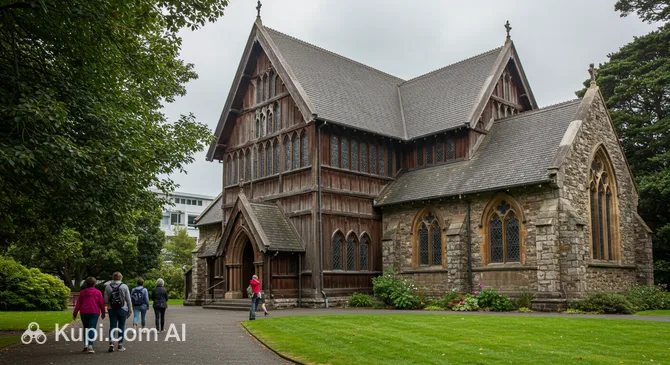
For a glimpse into the city's architectural past, Old St Paul's offers a stunning example of Gothic Revival design constructed entirely from native timber. This former cathedral creates a warm and spiritual atmosphere with its glowing wooden interior and magnificent stained glass windows. It stands as a cherished heritage site, providing a peaceful retreat and a beautiful contrast to the modern buildings surrounding it.
Old St Paul's. Illustration.
Source: Kupi.com AI
Traveler photos:
Local Cuisine
Wellington is widely celebrated as the culinary capital of New Zealand, offering a dining scene that is famous for its creativity, quality, and relaxed atmosphere. The city’s obsession with coffee is legendary; it is said to have more cafes per capita than New York City. A visit here is not complete without trying a flat white, the nation's signature coffee drink, which consists of espresso topped with silky micro-foam. You can experience this thriving cafe culture at popular spots like Neo Cafe & Eatery, where all-day brunch and exceptional brews are the norm.
Thanks to its coastal location, seafood plays a major role in the local diet. Green-lipped mussels are a distinct New Zealand delicacy often found on menus, typically steamed in a flavorful broth of white wine, garlic, and herbs. Another local favorite is the classic fish and chips, best enjoyed on the waterfront or at a casual eatery. Wellington's chefs are also known for their "paddock-to-plate" philosophy, frequently incorporating fresh regional produce and native ingredients into modern dishes.
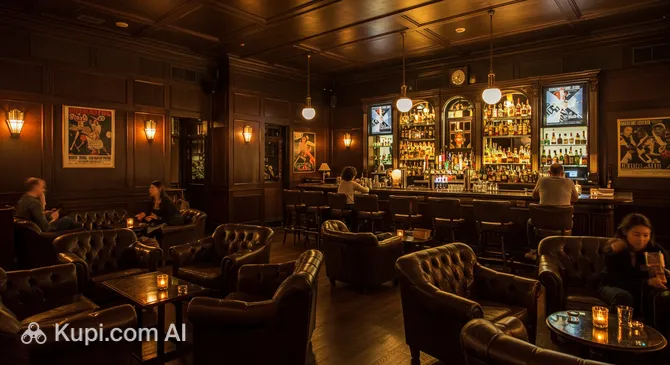
Beyond food, Wellington is renowned as the craft beer capital of the country. The city is packed with microbreweries, taprooms, and bars showcasing an adventurous range of locally brewed ales and lagers. For those who prefer cocktails or wine, the nightlife is equally vibrant. A unique venue to visit is The Library, a sophisticated lounge bar where you can enjoy expertly crafted drinks and decadent desserts surrounded by shelves of books.
The Library. Illustration.
Source: Kupi.com AI
Traveler photos:
When looking for a place to eat, Cuba Street is the bohemian heart of the city, lined with an eclectic mix of restaurants serving cuisines from around the world. For a more hidden gastronomic adventure, seek out Hannahs Laneway, often dubbed the "tastiest laneway in the world," which features boutique factories making chocolate, peanut butter, and soda. If you prefer a classic dining experience in a historic setting, Boulcott Street Bistro offers traditional French-style bistro fare inside a charming heritage cottage.
Travel Tips
Visiting Wellington is a delightful experience, but a little local knowledge goes a long way in this hilly, wind-swept city. To help you make the most of your time in the capital of New Zealand, here are some essential practical tips to keep in mind.
Clothing and Gear: The local motto is "you can't beat Welly on a good day," but the weather can change rapidly. Even in summer, it is crucial to dress in layers. A high-quality windproof and waterproof jacket is your most important item; umbrellas often break in the city's famous gusts. Since the city is very hilly, bring sturdy, comfortable walking shoes.
Transportation: The city center is compact and best explored on foot, but for longer distances, the public transport network is excellent. The system, known as Metlink, includes buses, trains, and harbor ferries. To save money and time, purchase a Snapper card from a convenience store to pay for your fares electronically, as cash is not always accepted on board. Ride-hailing apps like Uber are also widely available.
Finances: The local currency is the New Zealand Dollar (NZD). Electronic payments are the norm here, and you can use credit cards or contactless payments (PayWave) almost everywhere, from markets to cafes. ATMs are plentiful if you need cash. Tipping is not mandatory or expected in New Zealand, though leaving a small amount for exceptional service is always appreciated.
Health and Safety: Wellington is generally a very safe city for tourists. However, the most significant health risk is the sun; the UV ratings in New Zealand are incredibly high, so wear high-SPF sunscreen and a hat even on cloudy days. For medical emergencies, dial 111. Pharmacies (often called chemists) are easy to find, with some in the city center open late.
Communication: English is the primary language spoken, but you will often hear and see Te Reo Māori (the Māori language). A common greeting is "Kia ora" (hello/be well). Free Wi-Fi is available in the CBD (look for the "CBDfree" network) and at the library. You can easily buy a local SIM card from providers like Spark, One NZ, or 2degrees at the airport or supermarkets.
Local Etiquette: Kiwis are known for being friendly and informal. It is polite to greet shop assistants and bus drivers when you enter or board. Personal space is respected, and queuing (standing in line) is taken seriously; always wait your turn at bus stops or cafes. If you are invited to a local's home, taking your shoes off at the door is a common custom.
What to Avoid: Do not underestimate the walking times if your route involves hills; a "short walk" on a map might be a steep climb in reality. Also, avoid comparing New Zealand constantly to Australia; while friendly neighbors, locals take pride in their distinct identity and culture.
Local Insight: Wellington takes its coffee culture very seriously. If you want to blend in, order a "flat white" and consider bringing a reusable keep-cup, as many cafes offer a small discount for using one. Also, check the wind forecast before planning a picnic or a hair appointment!
Armed with these tips, you are ready to embrace the unique charm and energy of Wellington. Whether you are battling the breeze on the waterfront or enjoying a world-class coffee in a hidden laneway, you will find the city welcoming and easy to navigate.
Entertainment & Nightlife
Wellington may be small, but its nightlife punches well above its weight, offering a diverse mix of experiences packed into a compact, walkable city center. As the sun sets, the city transforms into a vibrant playground where craft beer aficionados, live music lovers, and cocktail enthusiasts all find their niche. The atmosphere is generally relaxed and inclusive, reflecting the capital's creative spirit, though you can easily find sophisticated venues for a special night out.
The heart of the after-dark action is split between two main precincts. Courtenay Place is the city's premier entertainment strip, bustling with energy late into the night. Here, you will find neon-lit dance clubs, busy pubs, and late-night eateries catering to a younger, more energetic crowd. Just a short walk away, Cuba Street offers a more bohemian and alternative vibe. This iconic street is famous for its eclectic dive bars, intimate jazz venues, and quirky lounges where the dress code is almost always "come as you are."
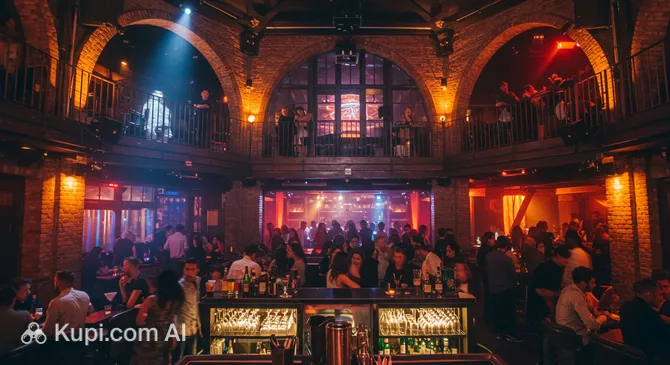
San Fran. Illustration.
Source: Kupi.com AI
Traveler photos:
For live music fans, San Fran on Cuba Street is a legendary institution. Known for hosting a wide array of local and international acts, this venue features a spacious balcony and a gritty, rock-and-roll atmosphere that perfectly captures the Wellington sound. If you prefer a more cinematic and elegant evening, head to the suburb of Miramar to visit The Roxy Cinema. This beautifully restored Art Deco building is not just for movies; it houses a fantastic cocktail bar and restaurant, making it a destination in itself for a glamorous night out.
The Roxy Cinema. Illustration.
Source: Kupi.com AI
Traveler photos:
Practicalities are easy to manage in Wellington. Most bars and clubs are open until 3:00 AM or later on weekends. Entry fees (cover charges) are rare except for specific gigs or high-end clubs. A pint of craft beer typically costs between $12 and $15 NZD, while cocktails range from $16 to $22 NZD. Getting around is safe and simple; the central city is flat and walkable, but for longer trips, rideshare apps like Uber are widely available. While the city is generally very safe, Courtenay Place can get rowdy on Friday and Saturday nights, so it is wise to stay with friends and stick to well-lit areas.
When the sun is up, the entertainment options are equally engaging. Families and animal lovers should not miss the Wellington Zoo in Newtown, the country's oldest zoological park, known for its conservation work. For a stellar experience, take the cable car up to the Space Place at Carter Observatory, where you can explore the southern skies through interactive exhibits and planetarium shows. Whether day or night, the capital always has something to captivate its visitors.
Parks & Museums
Wellington is a city where nature and culture are inextricably linked, offering visitors a seamless transition from lush green spaces to world-class exhibitions. The capital is embraced by a "Town Belt" of greenery and boasts a vibrant arts scene that extends far beyond its famous national museum, making it a haven for both outdoor enthusiasts and history buffs.
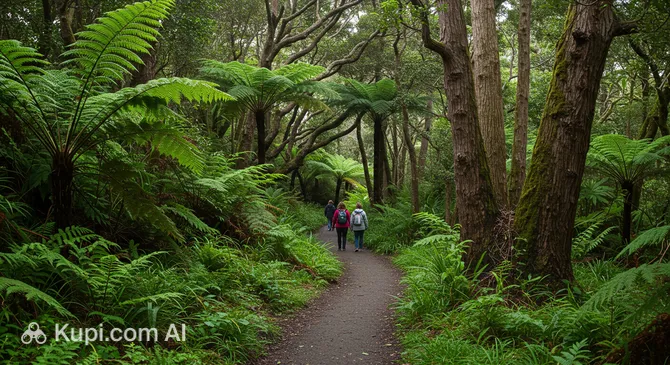
For a truly unique natural experience, Otari-Wilton's Bush is a must-visit destination. Located just a short drive from the city center, it is the only public botanic garden in New Zealand dedicated solely to native plants. Visitors can wander through 100 hectares of ancient forest and cultivated gardens, walking across the canopy bridge to see trees that have stood for centuries. It offers a peaceful retreat and a fascinating insight into the country's original flora without leaving the city limits.
Otari-Wilton's Bush. Illustration.
Source: Kupi.com AI
Traveler photos:
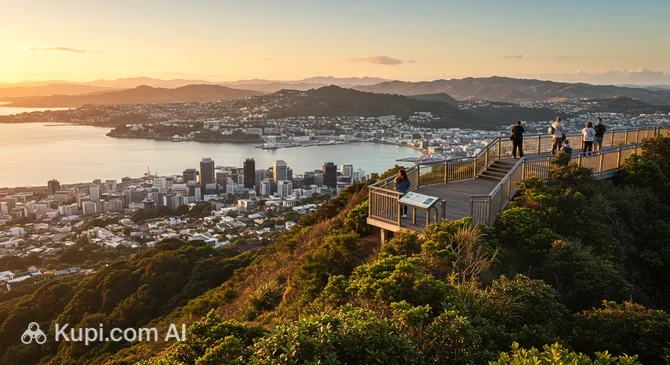
Another essential outdoor spot is the Mount Victoria Lookout. Rising 196 meters above the city, this peak offers the finest 360-degree panoramic views of the harbor, the airport, and the sprawling urban landscape. While many drive to the top, taking one of the walking trails through the pine forest provides a refreshing escape from the bustle below. It is particularly magical at sunset when the city lights begin to twinkle.
Mount Victoria Lookout. Illustration.
Source: Kupi.com AI
Traveler photos:
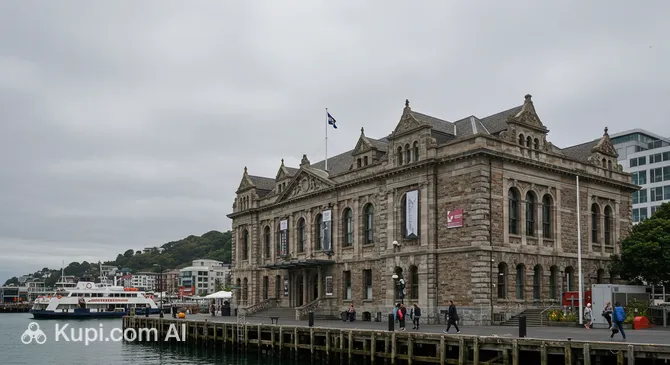
Immersing yourself in the local heritage is best done at the Wellington Museum. Housed in the historic 1892 Bond Store on the waterfront, this museum has been voted one of the top 50 museums in the world. It beautifully chronicles the maritime and social history of the region, featuring immersive exhibits like the "Attic," which explores the city's quirky past and legends. It is an intimate and atmospheric alternative to the larger national institutions, providing a deep dive into what makes the city tick.
Wellington Museum. Illustration.
Source: Kupi.com AI
Traveler photos:
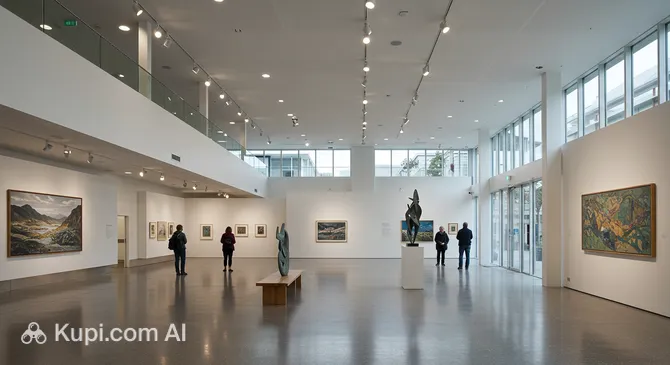
Art enthusiasts should head to City Gallery Wellington in Civic Square. Unlike traditional museums, it does not hold a permanent collection, meaning there is always something new and provocative to see. The gallery hosts world-class exhibitions of contemporary art from New Zealand and around the globe, reflecting the city's status as a creative hub. It is a fantastic place to challenge your perspectives and engage with modern culture.
City Gallery Wellington. Illustration.
Source: Kupi.com AI
Traveler photos:
For a perfect blend of art and fresh air, a stroll along the Wellington Waterfront Walk is highly recommended. This promenade is dotted with sculptures, heritage plaques, and the famous Writers' Walk, where typography quotes from New Zealand authors are integrated into the landscape, celebrating the city's literary soul in a relaxed, open-air setting.
Getting Around
Public transport in Wellington is efficient, well-connected, and widely used by locals and visitors alike. The network is branded as Metlink and integrates buses, trains, and harbor ferries into a cohesive system that makes getting around the city and its surrounding suburbs straightforward. Whether you are heading to a nearby beach, exploring the outer hills, or commuting within the central business district, you will find a reliable option to get you there.
Buses form the backbone of the city's transport network. They run frequently through the city center and extend to almost every suburb. The routes are color-coded and numbered, with high-frequency services often operating every 10 to 15 minutes during peak times. For travel further afield, the train network is excellent. Electric trains depart from the central Railway Station and service lines running to the Hutt Valley, Kapiti Coast, and Johnsonville. These are particularly useful for day trips or reaching trailheads outside the main urban area.
A unique and scenic way to travel is via the Harbour Ferry. These ferries connect the city center with Days Bay (near Eastbourne) and Matiu/Somes Island. It is a functional commuter service that doubles as a beautiful sightseeing trip across the water. Additionally, the iconic Cable Car is not just a tourist attraction but a genuine mode of transport for residents living in Kelburn, running every 10 minutes from Lambton Quay.
To pay for your travel, the most convenient and cost-effective method is the Snapper card. This red smart card is used on all Metlink buses and trains, as well as the cable car and some ferries. Using a Snapper card provides a significant discount—usually at least 25%—compared to paying with cash. While some services may accept cash, it is becoming less common and is always more expensive. You can purchase a Snapper card for a small fee at the airport, convenience stores (dairies), or the i-SITE Visitor Information Centre.
The payment system operates on a "tag on, tag off" basis. You must hold your card against the reader when you board a bus or train and again when you exit. This ensures the system calculates the correct fare based on the number of zones you have traveled. If you forget to tag off, you will be charged a penalty fare to the end of the line. It is worth noting that you cannot use standard credit cards or contactless bank payments directly on the card readers; you must use a Snapper card or a paper ticket.
For tourists, navigating the system is made easier by downloading the official Metlink app or using Google Maps, both of which offer real-time tracking and journey planning. Services generally run from early morning until around midnight, though frequencies drop in the evenings and on weekends. Night buses operate on weekends to help people get home safely from the entertainment districts.
If you prefer alternatives to public transport, the city center is incredibly compact and walkable, although you should be prepared for steep hills once you leave the waterfront area. Ride-sharing services like Uber and local taxi companies are plentiful and easy to book. For the adventurous, electric scooters and e-bikes are available for rent on the streets, providing a fun way to tackle the city's famous inclines without the physical strain.
Accommodation
Finding the perfect place to stay in Wellington is easy, as the city offers a diverse range of accommodation options to suit every budget and travel style. From luxury 5-star hotels and serviced apartments with harbor views to quirky boutique lodgings and lively backpacker hostels, there is something for everyone. Because the city is compact, most accommodation is centrally located, making it simple to explore the main sights on foot.
For those who want to be in the center of the action, the Central Business District (CBD) and the area around Lambton Quay are excellent choices. This district is ideal for business travelers and those who appreciate convenience, placing you just steps away from major shopping areas and the parliamentary precinct, including the iconic The Beehive. Hotels here are typically modern and offer easy access to the city's transport hubs, including the railway station and the ferry terminal.
The Beehive. Illustration.
Source: Kupi.com AI
Traveler photos:
If you prefer a more bohemian and energetic atmosphere, look for accommodation in the Te Aro neighborhood, particularly near Cuba Street and Courtenay Place. This area is the heartbeat of the city's culinary and nightlife scene. Here, you will find a mix of historic hotels, trendy hostels, and converted apartments. Staying in this precinct means you are never far from the best cafes, bars, and restaurants, as well as cultural venues like the opera house.
For a scenic and tranquil stay, consider the Waterfront area. Many high-end hotels are situated along the quays, offering sweeping views of the harbor and immediate access to the Wellington Waterfront Walk. It is a fantastic location for leisure travelers who want to wake up to the sight of the ocean while still being within walking distance of the national museum and the city center.
Travelers seeking a quieter, more residential feel might enjoy suburbs like Thorndon, known for its historic charm, or Newtown, which offers a multicultural vibe and proximity to the Wellington Zoo. These areas often feature bed-and-breakfasts or motel-style lodgings and are well-connected to the city by bus.
Booking Tip: Wellington hosts many major events, conferences, and festivals throughout the year, such as the World of WearableArt (WOW) show. During these times and the peak summer season (December to February), accommodation can fill up very quickly. It is highly recommended to book your room several months in advance to secure your preferred location and the best rates.
Price Range: Accommodation prices vary by season and type. Budget travelers can find hostel beds ranging from $30 to $60 NZD per night. Mid-range hotel rooms typically cost between $150 and $250 NZD, while luxury hotels and premium apartments can range from $300 to over $600 NZD per night. Booking is easily done through major online travel platforms or directly via hotel websites.
Nearby Cities
Wellington serves as an excellent gateway to the wider region, with several interesting cities and towns located just a short journey away. The greater metropolitan area extends into the Hutt Valley and Porirua Basin, offering easy access to nature reserves, museums, and suburban charm. Further afield, you can explore distinct regional centers that provide a change of pace from the capital.
Located just northeast of the city, Lower Hutt and Upper Hutt are easily reachable by train or car. These destinations are popular for their outdoor activities, including riverside trails and expansive parks. To the north, Porirua surrounds a scenic harbor and is known for its vibrant arts scene and cultural sites.
For those willing to travel a bit further, Palmerston North offers a lively student atmosphere and beautiful gardens roughly two hours away. Across the Cook Strait, Nelson is famous for its high sunshine hours, golden beaches, and creative community, making it a worthwhile excursion for travelers continuing their journey to the South Island.
Here is an overview of nearby cities to help you plan your day trips or next stop:
Shopping in Wellington is a delightful experience that reflects the city's compact and creative nature. Unlike sprawling metropolises where you need a car to get between malls, Wellington’s best retail precincts are concentrated within a walkable central area. The city offers a diverse mix of styles, ranging from high-end international designers and polished department stores to quirky vintage boutiques and independent local designers. Whether you are looking for fashion, art, or unique Kiwi gifts, you can easily explore the main shopping districts on foot.
The city's premier shopping destination is known as the "Golden Mile," centered along Lambton Quay. This bustling thoroughfare runs through the heart of the central business district and is home to major international brands, department stores, and upscale fashion labels. Just a short walk away, the atmosphere changes completely on Cuba Street. This iconic bohemian quarter is the place to go for alternative fashion, second-hand treasures, and eclectic independent shops. It is perfect for those who enjoy rummaging for vintage clothing, rare vinyl records, or one-of-a-kind accessories.
While the city center does not feature massive suburban-style malls, it boasts several elegant arcades that offer a sophisticated retail experience. The most notable is the Old Bank Arcade, located on Lambton Quay. Housed in a beautifully restored heritage building, this arcade features a collection of boutique stores and luxury brands set amidst stunning architectural details. It is a great spot to find high-quality New Zealand fashion and jewelry in a historic setting.
For a taste of local life, the markets are an essential part of the weekend routine. The most popular is the Harbourside Market, held every Sunday morning on the waterfront near Te Papa. While primarily a produce market offering fresh fruits and vegetables, it also features a wide array of food trucks and stalls selling local crafts and artisan products. It is a vibrant place to grab a bite to eat and browse for small, locally made gifts while enjoying views of the harbor.
When searching for souvenirs, Wellington offers plenty of distinctively New Zealand options. Popular items include garments made from soft Merino wool, Manuka honey products, and jewelry carved from Pounamu (New Zealand greenstone). For film enthusiasts, a visit to the Weta Cave in Miramar is mandatory. This shop offers an incredible range of authentic collectibles, prop replicas, and merchandise from The Lord of the Rings and other blockbuster movies created by the local film industry.
Weta Cave. Illustration.
Source: Kupi.com AI
Traveler photos:
Another excellent place to find high-quality, authentic souvenirs is the store at the Museum of New Zealand Te Papa Tongarewa. Their shop curates a beautiful selection of Māori arts and crafts, including wood carvings and weaving, as well as books and contemporary New Zealand design items. It is the ideal spot to purchase a meaningful keepsake that represents the country's culture and heritage.
Standard store opening hours in the city are typically from 9:00 AM to 5:30 PM on weekdays. On weekends, shops usually open around 10:00 AM and close between 4:00 PM and 5:00 PM. Many stores in the central city stay open late on Friday nights, often until 7:00 PM or later. Electronic payments are the standard, and credit cards are accepted almost everywhere, even at market stalls. New Zealand operates on a "no hidden costs" system, meaning the price you see on the tag is the final price you pay.
Regarding taxes, a Goods and Services Tax (GST) of 15% is included in the retail price of all goods and services. Visitors should be aware that New Zealand does not have a tourist refund scheme for GST paid on goods carried out of the country in your luggage. Tax-free shopping is generally limited to duty-free stores at international airports or by arranging for goods to be shipped directly overseas from participating retailers.