Support

Whanganui

About

Whanganui, situated at the mouth of the majestic Whanganui River, is a place where heritage and nature converge. As one of the oldest settlements in New Zealand, it offers a unique blend of historic architecture and a vibrant arts culture. The city serves as a major hub within the Manawatū-Whanganui region, providing a picturesque gateway to the country’s wild west coast.
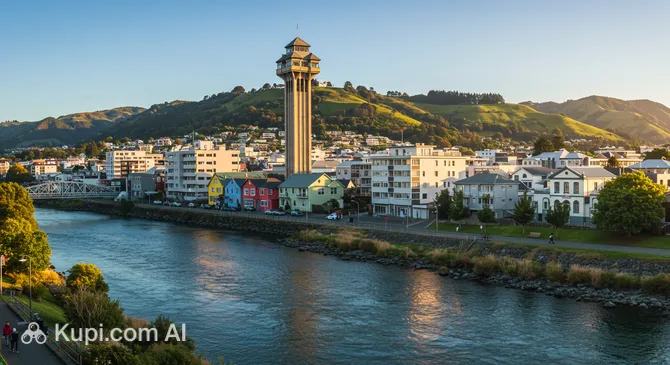
Whanganui. Source: Kupi.Binoculars

With a population of approximately 39,400, the city maintains a friendly, community-focused atmosphere while offering the amenities of a larger urban center. The climate is generally temperate, favoring lush gardens and outdoor activities throughout the year. The defining feature of the landscape is undoubtedly the river, which holds deep spiritual significance for the local Māori people and shapes the geography of the town.

Visitors interested in the past will find much to explore, as the city boasts one of the nation's highest concentrations of heritage buildings. You can delve deeper into the fascinating history of Whanganui to learn about its early foundations and cultural evolution. Beyond its historical roots, the city is celebrated today as a UNESCO City of Design, reflecting its thriving creative community.

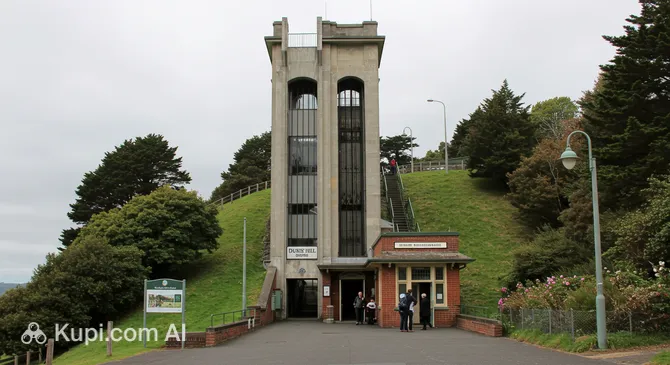
Key attractions include the iconic Durie Hill Underground Elevator, a unique public transport engineering marvel that offers panoramic views from the summit. A trip aboard the Paddle Steamer Waimarie, the only coal-fired paddle steamer operating in the country, provides a nostalgic way to experience the river. Additionally, the serene Virginia Lake offers beautiful walking tracks and birdwatching opportunities just minutes from the city center.

Whether you are drawn by the allure of the river, the charm of heritage streetscapes, or the vibrant art galleries, Whanganui is a destination that invites you to slow down and explore. It is a perfect stop for travelers seeking an authentic and culturally rich experience.
Weather Overview

Whanganui enjoys a temperate climate characterized by comfortable summers and mild, albeit wetter, winters. The city experiences distinct seasonal changes, making it a year-round destination, though packing layers is always recommended due to the variable conditions typical of the region.

During the warmest months, particularly January, the average temperature hovers around 18.4°C, with daytime highs reaching up to 22.2°C. This is an ideal time for exploring the river and outdoor attractions, as February offers the driest conditions with only about 9 wet days. Conversely, the winter season from June to August brings cooler temperatures, with July seeing average lows of 6.9°C and daily highs around 12.5°C.

Rainfall is a consistent feature throughout the year, but it becomes more frequent during the cooler months, with August and September seeing up to 17 wet days on average. To help plan your daily activities, it is useful to consult the current weather in Whanganui. Overall, visitors can expect warm, pleasant summers and cool winters with frequent showers.

Interesting Facts

Beyond the main attractions, Whanganui holds many fascinating secrets and unique distinctions that set it apart from other New Zealand destinations. Here are some intriguing facts about this riverside city.
  • The Whanganui River holds a distinction found nowhere else in the world; in 2017, it became the first river to be granted the legal status of a person. Recognized as Te Awa Tupua, the river possesses all the rights, duties, and liabilities of a legal entity, reflecting its deep spiritual significance to the local Māori people.

  • The Durie Hill Elevator is a remarkable piece of engineering history. Built in 1919, it is widely cited as the only public underground earthbound elevator in the Southern Hemisphere, requiring visitors to walk through a 213-meter tunnel before ascending to the summit.

  • For a touch of nostalgia, Kowhai Park is renowned as one of the country's most beloved playgrounds. It is famous for its retro, cartoon-themed concrete sculptures, including a pirate ship and nursery rhyme characters, which have entertained generations of children.

  • The spelling of the city's name was a subject of debate for decades. While it was long known as "Wanganui," the "h" was officially restored to reflect the correct Māori pronunciation and meaning, which translates to "big bay" or "big harbour."

Durie Hill Elevator. Source: Kupi.Binoculars

How to Get There

Reaching this riverside destination is a journey through the scenic landscapes of the Manawatū-Whanganui region. Whether you are driving along the coast or flying into a nearby hub, the trip sets the tone for a relaxing visit. For a detailed breakdown of routes and transport options, you can read more about how to get to Whanganui on our dedicated page.

For the most direct route, the city is served by its own domestic facility, Whanganui Airport (WAG). It offers direct flight connections from Auckland, allowing travelers to fly straight into the heart of the city and avoid longer overland transfers.

A popular alternative is Palmerston North Airport (PMR), located in the neighboring city of Palmerston North. Since this airport is situated approximately 65 km from Whanganui, it serves as a convenient regional gateway. Completing the journey by car or shuttle from here typically takes around 1 hour.

For international connections and a wider range of flight schedules, Wellington International Airport (WLG) is the primary choice. Located in the capital city, it is a significant transport hub. The airport is about 156 km away, and the drive to Whanganui generally takes between 2.5 and 3 hours.

Another regional option is New Plymouth Airport (NPL) in New Plymouth. Situated 126 km to the northwest, it offers an alternative entry point, with a subsequent drive taking approximately 2 hours.

For clarity, here is a summary of the main airports in the wider region:

Airport Name City Distance to Whanganui (km)
Wellington International Airport Wellington 156.5
Palmerston North Airport Palmerston North 65.1
New Plymouth Airport New Plymouth 126.6
Paraparaumu Airport Paraparaumu 108.4
Taupo Airport Taupo 159.5

While there are no direct passenger train services to Whanganui, the city is well-connected by road. State Highway 3 and State Highway 4 run through the area, making it easily accessible by car. Intercity bus services are also available, connecting the city to Palmerston North, Wellington, and New Plymouth, though travel times by bus will generally be longer than driving.

Main Attractions

Whanganui offers a delightful mix of natural beauty, dining, and local culture. While the river and heritage buildings set the scene, the city is also home to charming parks and vibrant gathering spots that are perfect for visitors looking to experience the local lifestyle.

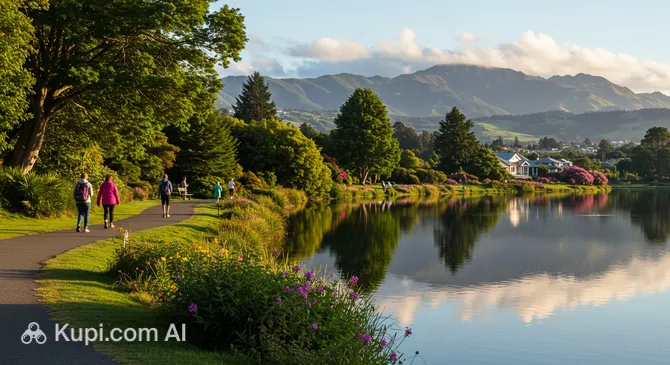
One of the city's most serene locations is the Virginia Lake Reserve (Rotokawau). Located just minutes from the city center, this park is a favorite for both locals and tourists. It features a scenic lake surrounded by walking tracks, the historic Winter Gardens Art Deco conservatory, and an aviary. Visitors can enjoy feeding the ducks, admiring the seasonal flowers, or simply relaxing by the water, making it an ideal spot for a peaceful afternoon.

Virginia Lake Reserve. Source: Kupi.Binoculars

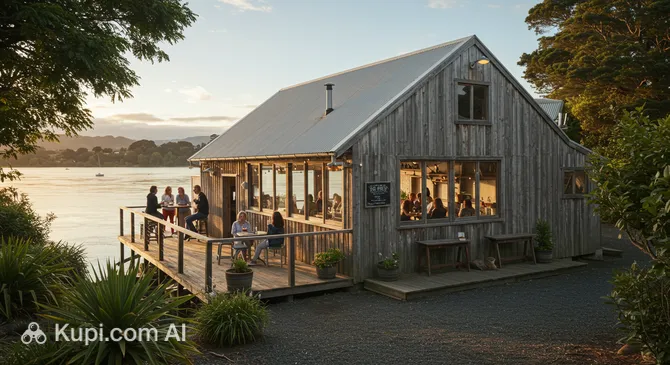
For a taste of the local social scene, Caroline's Boatshed Bar and Eatery is a popular destination. Known for its welcoming atmosphere, this establishment is a great place to unwind after a day of exploring. Whether you are looking for a hearty meal or a refreshing drink, it offers a chance to mingle with friendly locals and enjoy the laid-back vibe that defines the region.

Travelers who need to pick up essentials or enjoy some retail therapy can visit the Trafalgar Square Shopping Centre. As a central hub for commerce in Whanganui, it provides a convenient range of stores, services, and food options. It is a practical stop for tourists needing to restock supplies while experiencing the daily bustle of the city.

Local Cuisine

The culinary landscape of Whanganui is deeply connected to its fertile hinterland and coastal location, offering a dining experience that champions fresh, local ingredients. The city has developed a vibrant café culture and a reputation for unpretentious, high-quality food, ranging from artisan baked goods to hearty pub meals. Visitors will find that the local food scene is as much about the relaxed atmosphere as it is about the flavors on the plate.

When it comes to signature dishes, the region's agricultural roots shine through. You should definitely try the succulent roast lamb, a staple of New Zealand cuisine that is often featured on dinner menus across the city. Given the city's location on a major river and near the sea, seafood is also a highlight. In season, whitebait fritters are a cherished local delicacy, often served simply with lemon and butter and best enjoyed with a view of the water. For a quick and iconic lunch, a classic savory meat pie from a local bakery is a must-try.

The heart of the city's food culture can be found at the weekly Whanganui River Markets. Held every Saturday morning on the downtown riverbank, this is where locals and tourists mingle to sample street food, buy fresh sourdough bread, and discover artisan cheeses. It is the perfect place to experience the community spirit and taste diverse flavors, from traditional Māori hāngī (earth oven cooking) to modern fusion snacks.

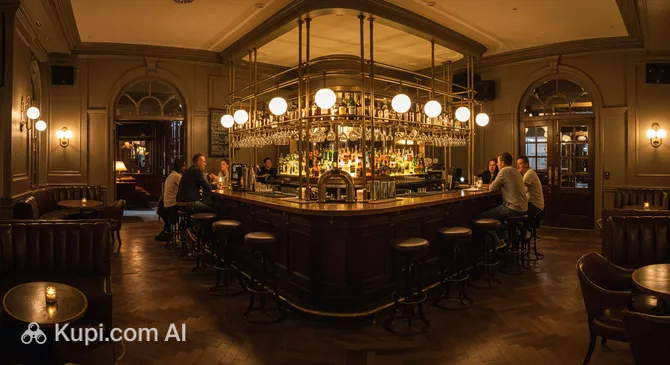
For those looking to unwind with a drink, the city offers a growing selection of local craft beers and regional wines. The coffee culture is also strong here, with baristas taking great pride in pouring the perfect flat white. A popular spot to experience this social side of the city is Mint Cafe & Bar. Located centrally, it provides a welcoming environment where you can enjoy a refreshing beverage or a casual meal in a stylish setting.

Mint Cafe & Bar. Source: Kupi.Binoculars

Travel Tips

Welcome to Whanganui, a city where rich heritage meets the spiritual flow of the awa (river). To ensure your visit to this unique corner of the Manawatū-Whanganui region is as smooth and enjoyable as possible, we have compiled a list of essential practical advice for your journey.

  1. Pack for Variable Weather. The climate here can be changeable, often described as "four seasons in one day." It is wise to bring breathable layers that you can add or remove easily. A windproof and waterproof jacket is essential, even in summer. Since you will likely want to explore the Durie Hill Elevator or the riverbanks, bring sturdy, comfortable walking shoes.

  2. Transportation Choices. While the city center is compact and very walkable, renting a car is the most practical option for exploring the wider region and coastal beaches. There is a local bus service provided by Horizons, but frequencies can be limited compared to larger cities. Taxis and ride-share apps are available but may have longer wait times in the evenings.

  3. Managing Finances. The local currency is the New Zealand Dollar (NZD). Credit and debit cards (Visa and Mastercard) are accepted almost everywhere, from cafes to museums. However, it is highly recommended to carry some cash if you plan to visit the famous Saturday markets or smaller rural stalls. Tipping is not mandatory in New Zealand but is appreciated for exceptional service.

  4. Health and Safety. Whanganui is a safe and friendly destination, but standard precautions like locking your vehicle should always be taken. Pharmacies are readily available in the city center and at the Trafalgar Square Shopping Centre, though they generally do not stay open 24 hours. For any medical or police emergencies, dial 111.

  5. Staying Connected. English is the primary language spoken, but you will frequently hear Te Reo Māori phrases; a friendly "Kia ora" (hello) is a common greeting. Pre-paid SIM cards can be purchased at supermarkets or tech stores in town. Free Wi-Fi is often available in the public library, cafes, and many accommodation providers.

  6. Respecting Local Culture. The Whanganui River holds immense spiritual significance to the local Māori people (Iwi) and is recognized as a legal living entity. Treat the river and its surroundings with the utmost respect—never litter and avoid treating it as just a recreational resource. Locals are generally relaxed and chatty, so don't hesitate to strike up a conversation.

  7. What to Avoid. Do not expect late-night shopping or dining options seven days a week. Many shops close by 5:00 PM, and some cafes may not open on public holidays. Plan your evening meals and essential purchases ahead of time to avoid being caught out.

  8. Market Day Tip. If you are in the city on a Saturday, start your day at the Whanganui River Markets. It is not just a place to buy food; it is the social heart of the town. Arrive early (around 9:00 AM) to get the freshest produce and enjoy the best coffee before the crowds arrive.

By keeping these practical tips in mind, you will be well-prepared to embrace the relaxed pace and cultural depth of Whanganui. Enjoy your time exploring the river city and the warm hospitality of its locals!

Entertainment & Nightlife

Whanganui offers a vibrant entertainment scene that perfectly complements its rich heritage and artistic soul. While the city is known for its relaxed pace, evenings here are anything but dull, with a variety of social hubs, cultural venues, and lively events that bring the community together.

The city's nightlife is centered around warm hospitality and scenic locations. A favorite among locals and visitors alike is Caroline's Boatshed Bar and Eatery. Situated directly on the riverbank, it is the ideal spot to enjoy an evening drink while watching the sunset over the water. The venue features a spacious outdoor deck and frequently hosts live music, creating a spirited atmosphere that captures the essence of the town's social life.

Caroline's Boatshed Bar and Eatery. Source: Kupi.Binoculars

For those exploring the city center, Mint Cafe & Bar offers another excellent option for a night out. Located on the main avenue, it transitions seamlessly from a bustling daytime cafe to a stylish evening bar. It is a popular meeting point where you can enjoy local wines and craft beers in a comfortable, modern setting, often serving as a starting point for a night of socializing in the downtown area.

Culture enthusiasts will find plenty to admire at the Royal Whanganui Opera House. As the last remaining Victorian opera house in New Zealand, this architectural gem is the heartbeat of the city's performing arts. It hosts a diverse calendar of entertainment throughout the year, ranging from touring international acts and ballets to local theatrical productions, offering a sophisticated night out in a historic setting.

Whanganui is also renowned for its unique festivals that draw crowds from across the country. The annual Whanganui Vintage Weekend in January transforms the streets into a celebration of the past, filled with swing music, classic cars, and retro costumes. On Boxing Day, the city shifts gears for the Cemetery Circuit, a world-famous street motorcycle race that provides high-octane entertainment for motorsport fans.

Whether you are looking for a quiet cinema experience at the local Embassy 3 or a lively night of music by the river, Whanganui provides a welcoming and diverse array of entertainment options to suit every mood.

Parks & Museums

Whanganui is a city that prides itself on its harmonious balance between vibrant cultural institutions and lush, well-maintained green spaces. Known for its heritage streetscapes and artistic community, the city also offers an abundance of botanical gardens and parks that provide a serene escape from the urban environment.

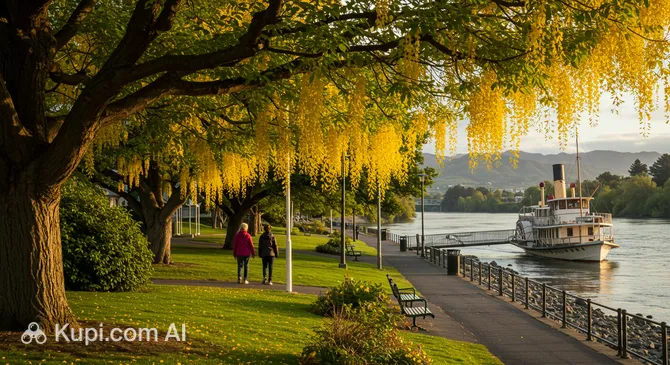
One of the most beloved recreational areas is Kowhai Park, situated along the banks of the river. While famous for its whimsical, retro playground that has entertained generations, the park is also a fantastic spot for a relaxing afternoon picnic. Large, established trees provide ample shade, and the open green lawns are perfect for families to unwind. It serves as a community hub where the sound of children playing mixes with the gentle flow of the nearby river.

Kowhai Park. Source: Kupi.Binoculars

For horticulture enthusiasts, the Bason Botanic Gardens are a must-visit destination located just a short drive from the city. Recognized as a Garden of Significance, this expansive reserve features a variety of exotic and native plantings, including a subtropical indoor conservatory and extensive orchid collections. The gardens offer a peaceful retreat with walking trails that wind through themed areas, providing colorful displays year-round.

In the heart of the city lies Pukenamu Queens Park, a hilltop reserve that is as historically significant as it is scenic. Dominating the central skyline, this park offers commanding views over the city and the river. It is the cultural nucleus of Whanganui, home to the War Memorial Centre and several key cultural institutions, making it the perfect place to combine a nature walk with a dose of local history.

Within the grounds of Pukenamu Queens Park, you will find the Whanganui Regional Museum. It is renowned for its exceptional collection of Taonga Māori (Māori treasures), which is considered one of the finest in New Zealand. The museum provides a deep dive into the region's heritage, featuring the magnificent waka (war canoe) Te Mata o Hoturoa and a gallery of portraits by the famous artist Gottfried Lindauer, offering visitors a profound connection to the area's past.

Whanganui is also celebrated as a "City of Design," and nowhere is this more evident than at the Sarjeant Gallery Te Whare o Rehua. Known for its stunning architecture and nationally significant collection of over 8,000 artworks, the gallery focuses on British and New Zealand art spanning four centuries. Whether in its historic building or temporary exhibition spaces, it remains a focal point for art lovers seeking inspiration.

For a unique cultural experience, visit New Zealand Glassworks in the old town district. Whanganui is a national hub for glass art, and this center allows you to watch professional glassblowers in action. It is an interactive way to appreciate contemporary local craftsmanship and browse a gallery of delicate, light-catching creations.

Insider Tip: If you have an interest in niche collections, seek out the Rick Rudd's Quartz Museum of Studio Ceramics. It houses a massive collection of ceramic works and offers a quiet, fascinating look at this specialized art form, often missed by the average tourist.

Getting Around

Navigating Whanganui is refreshingly simple, as the city is compact and easy to get around. Unlike larger metropolises with complex subway or tram networks, the public transport system here is primarily reliant on a reliable bus network. Operated by the regional council, these buses connect the central business district with the main suburbs, making it convenient for visitors to travel between their accommodation and key points of interest without needing a rental car for every trip.

The payment system for public buses is modern and user-friendly, utilizing the Bee Card. This is a prepaid smart card used across several regions, allowing passengers to tag on and tag off effortlessly. While cash may still be accepted on some services, using a Bee Card is significantly cheaper and more convenient. You can purchase a card from the bus driver or at the local i-SITE Visitor Information Centre. Fares are generally very affordable, often costing just a few dollars per ride, with concessions available for children and seniors.

For a truly unique public transport experience, you must ride the Durie Hill Underground Elevator. Built in 1919, this historic engineering marvel is not just a tourist attraction but a functioning part of the city's transport infrastructure. It connects the riverside area to the residential suburb on top of the hill. Access involves walking through a tunnel and taking the elevator up, where you can enjoy spectacular views over the city and the river.

Travelers should be aware that bus services in Whanganui typically operate on a schedule suited to a smaller city. Routes run frequently on weekdays but may have reduced hours on weekends and public holidays. It is highly recommended to check the latest timetables online or via local transit apps before planning an evening out, as services often finish earlier than in big cities. Validating your ticket is as simple as tapping your Bee Card on the reader when you board and again when you exit.

Given the city's flat geography and scenic river pathways, active transport alternatives are very popular. Walking is a delightful way to explore the town center and heritage precincts. Cycling is also a fantastic option, with dedicated bike lanes and trails making it safe and enjoyable. For those requiring door-to-door service or traveling late at night, local taxi companies and shuttle services are readily available and can be booked by phone or through their respective apps.

Accommodation

Finding a place to stay in Whanganui is generally a straightforward and pleasant experience, with options that reflect the city's relaxed pace and historic character. The range of accommodation is diverse, catering largely to road trippers, families, and heritage lovers. Visitors can choose from a solid selection of reliable motels, charming bed and breakfasts, and beautifully restored historic hotels. For those traveling on a budget or with a campervan, there are also well-equipped holiday parks and campsites located near the river.

When choosing an area to stay, location depends on your mode of travel and interests. The City Centre is the most convenient option if you want to be within walking distance of Victoria Avenue's shops, the arts district, and the main heritage attractions. Staying here puts you right in the heart of the action, close to cafes and the museum. Alternatively, accommodation along the Whanganui Riverbank offers scenic views and a tranquil atmosphere, perfect for evening strolls along the boardwalks. For travelers passing through on State Highway 3, there are numerous motor lodges situated along the main entrance roads that offer easy parking and quick access to the highway.

The cost of accommodation in Whanganui is generally quite reasonable compared to New Zealand's larger tourist hubs. Most options fall into the mid-range price bracket, offering good value for money with comfortable amenities. Budget travelers will find affordable cabins and dormitory beds, while those seeking a bit more luxury can find boutique suites in converted heritage buildings. Booking can typically be done easily through major online platforms or by contacting providers directly.

Booking Tip: While Whanganui is not usually overcrowded, accommodation can become extremely scarce during major local events. If you are planning to visit during the Whanganui Vintage Weekend in January or the Cemetery Circuit motorcycle races on Boxing Day, it is essential to book your stay several months in advance to secure a room.

Nearby Cities

For those looking to explore the surroundings, Whanganui serves as an excellent base for day trips to several interesting nearby locations:

One of the most accessible destinations is Palmerston North, located roughly an hour's drive away. Known as a vibrant student city, it offers a mix of educational heritage and beautiful green spaces. Visitors can explore the extensive rose gardens at the Victoria Esplanade or delve into the nation's sporting history at the New Zealand Rugby Museum. It is a convenient spot for shopping and dining before returning to the quieter pace of Whanganui.

For a longer excursion, the capital city of Wellington is well worth the journey. Situated at the southern tip of the North Island, it is famous for its creative energy, coffee culture, and the massive Te Papa Tongarewa national museum. A day trip here allows you to walk along the bustling waterfront, ride the historic cable car, and experience the cosmopolitan atmosphere of the country's political center.

On the east coast, Napier offers a completely different aesthetic. Renowned globally for its beautifully preserved 1930s Art Deco architecture, the city feels like a step back in time. It is also the gateway to the Hawke's Bay wine region, making it an attractive option for those interested in history, design, and vineyard tours.

City Population Distance (km)
Wellington 418500 153
Lower Hutt 103400 143
Palmerston North 76236 67
Napier 62241 168
Porirua 55218 135

These nearby destinations offer a glimpse into the diverse culture and landscapes of the region.

Shopping & Souvenirs

Shopping in Whanganui offers a delightful change of pace from the frantic energy of larger cities. Instead of endless rows of generic chain stores, visitors will find a retail environment characterized by heritage charm, boutique finds, and a strong emphasis on local arts and crafts. As a designated UNESCO City of Design, the city is particularly well-regarded for its artisan goods, making it an excellent place to hunt for unique treasures that reflect the region's creative spirit.

The heart of the city's retail scene is Victoria Avenue. Often cited as one of the most beautiful main streets in New Zealand, it is lined with restored heritage buildings, hanging flower baskets, and old-fashioned gas lamps. Here, you can wander past a mix of department stores, fashion boutiques, and independent bookshops. The avenue is not just a place to buy goods but a scenic promenade where the architecture is as much of a draw as the window displays.

For a more concentrated selection of practical amenities and well-known brands, travelers should head to the Trafalgar Square Shopping Centre. Located just a short walk from the main avenue, this mall serves as the primary hub for daily necessities. It houses major supermarkets, electronics retailers, and a food court, making it a convenient stop for restocking supplies or grabbing a quick bite during your travels.

Trafalgar Square Shopping Centre. Source: Kupi.Binoculars

A highlight of the local shopping calendar is the Whanganui River Markets, held every Saturday morning on the downtown riverbank. This is an essential experience for anyone wanting to engage with the local community. Stalls overflow with fresh seasonal produce, artisan cheeses, and homemade preserves. It is also a prime spot to find handmade jewelry, woven flax items (raranga), and other local crafts directly from the makers.

When it comes to souvenirs, Whanganui is famous for its glass art and ceramics. Thanks to the presence of New Zealand Glassworks and a thriving community of potters, you can purchase exquisite, locally made pieces that are recognized nationwide. Other popular keepsakes include New Zealand jade (pounamu), wool products, and Manuka honey. Galleries and studios scattered around the town center often sell these items, offering a more authentic alternative to mass-produced trinkets.

Store opening hours in Whanganui generally follow a traditional schedule. Most shops on Victoria Avenue and in the mall are open from 9:00 AM to 5:00 PM on weekdays. Weekend hours can be shorter, with many smaller boutiques closing by 1:00 PM or 4:00 PM on Saturdays, and some remaining closed on Sundays. Electronic payments are the norm, with credit and debit cards (Visa, Mastercard) accepted almost everywhere, though carrying some cash is advisable for the Saturday markets.

Visitors should note that New Zealand prices typically include a 15% Goods and Services Tax (GST). Unlike some other destinations, there is no over-the-counter tax refund system for tourists in city shops. Tax-free purchasing is generally limited to Duty-Free stores at international airports or instances where a retailer ships the goods directly to your overseas address.

Reached the end of the page?

That means the route is fully explored