Rotorua is a captivating city that offers a travel experience unlike any other, renowned globally for its surreal geothermal landscapes and vibrant cultural heart. Situated in the Bay of Plenty region on the North Island of New Zealand, this dynamic destination sits comfortably on the southern shores of the lake that shares its name. With a population of approximately 54,000 residents, it provides a welcoming, community-focused atmosphere while serving as a major hub for international tourism.
Rotorua. Illustration.
Source: Kupi.com AI
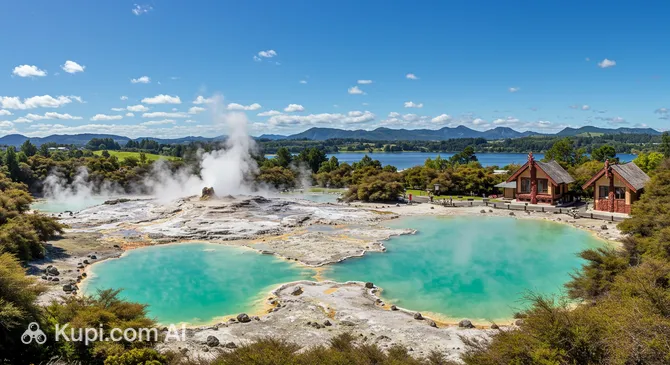
The city is perhaps most famous for its intense geothermal activity, which manifests as bubbling mud pools, steaming vents, and explosive geysers throughout the area. This unique geology has deeply influenced the history of Rotorua, establishing it as a premier spa destination since the 19th century. Beyond the natural wonders, the city is a stronghold of Māori culture, offering visitors authentic opportunities to experience traditional arts, performances, and hospitality in living villages like Whakarewarewa.
Travelers are drawn to the majestic Redwoods Treewalk in the Whakarewarewa Forest, where towering trees create a serene escape, and the adrenaline-pumping adventures available at nearby Skyline Rotorua. Whether you are looking to soak in therapeutic hot springs or explore the rich heritage of the region, Rotorua promises an unforgettable journey into the heart of the country's natural and cultural beauty.
Weather Overview
Rotorua enjoys a mild, temperate climate that makes it a pleasant destination to visit at any time of year, though the weather can be changeable. The weather in Rotorua typically features comfortable, warm summers and crisp, cool winters, ensuring distinct seasonal experiences for travelers.
During the peak summer months of January and February, average temperatures sit around 18°C, with daily highs often reaching a pleasant 22.8°C. This is an ideal time for outdoor adventures. In contrast, the winter season from June to August is significantly cooler, with average temperatures dropping to around 8°C or 9°C and overnight lows dipping to nearly 5°C.
Rainfall is a consistent part of the local climate, with the region experiencing between 11 and 16 wet days per month year-round. Visitors should be prepared for occasional showers regardless of the season, a pattern that helps maintain the area's lush, green landscapes.
Average monthly temperature
Average monthly precipitation
Interesting Facts
Beyond the famous geysers and cultural performances, Rotorua holds a collection of fascinating stories and unique distinctions. Discover some of the lesser-known aspects that make this geothermal city truly one of a kind.
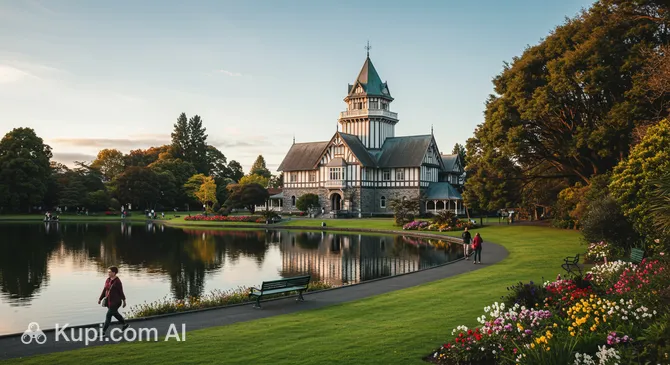
Government Gardens. Illustration.
Source: Kupi.com AI
Traveler photos:
Rotorua is affectionately known as "Sulphur City" due to the pervasive scent of rotten eggs caused by hydrogen sulphide emissions. While visitors notice it immediately, locals often claim they stop smelling it entirely after a short while, considering it a natural part of living on an active geothermal field.
The adrenaline-pumping activity of zorbing—rolling downhill inside a large inflatable ball—was actually invented in this very city. You can still experience the original thrill at Zorb Rotorua, the site where this quirky sport was introduced to the world.
The picturesque Government Gardens sit upon a site with a turbulent past. The land, known to Māori as Paepaehakumanu, was historically a battlefield and a bird-snaring area before it was transformed into the manicured grounds seen today.
While the city sits on the shores of the lake that shares its name, the wider district is actually an aquatic paradise boasting a total of 18 shimmering lakes. These waterways were formed thousands of years ago by massive volcanic eruptions, creating a diverse landscape for water sports and fishing.
How to Get There
Reaching this geothermal wonderland is quite convenient, with options to suit various travel styles. Whether you are flying in from another part of the country or driving through the scenic landscapes of the North Island, you can find all ways to reach the city easily. Road trips are particularly popular given the central location, but air travel remains the fastest method for those further afield.
The most direct route is flying into Rotorua International Airport (ROT), which is conveniently located within the city itself, just 8.0 km from the center. This regional hub connects visitors directly to the heart of the action, with a taxi or shuttle ride taking approximately 10 to 15 minutes. For those exploring the wider region, the city of Rotorua does not have its own large international gateway, but you can fly into Tauranga City Airport (TRG) in the city of Tauranga. Situated about 52.6 km away, it offers access to the coast before you head inland; the transfer to Rotorua typically takes around 1 hour. Additionally, Hamilton International Airport (HLZ) in Hamilton serves as another option roughly 85.3 km from the destination, with a travel time of about 1.5 hours by road.
For clarity, here is a summary of the main airports:
Rotorua is packed with diverse experiences, ranging from geothermal wonders to serene natural escapes. Here are some of the top places you should consider adding to your itinerary.
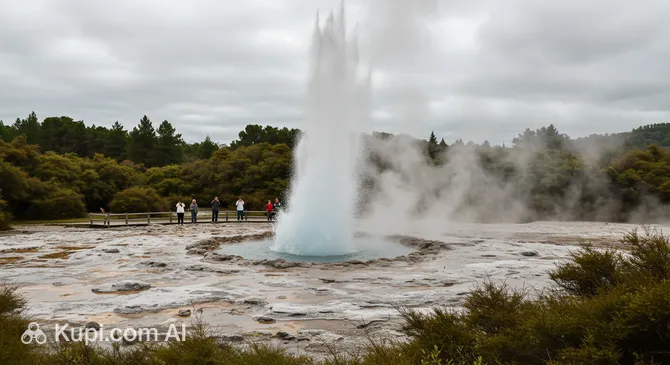
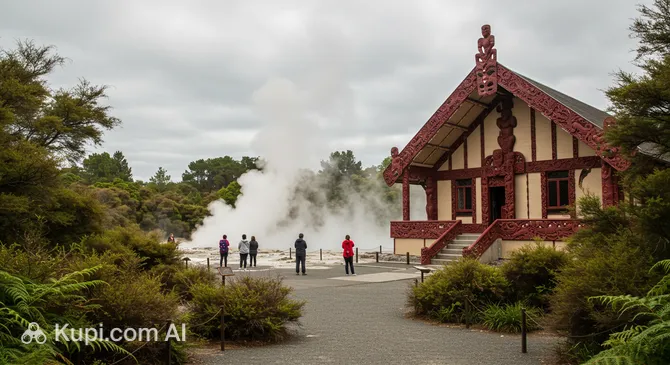
One of the most significant sites in the region is Te Puia, home to the world-famous Pohutu Geyser. This geothermal valley offers a spectacular display of nature's power, with the geyser erupting up to 30 meters into the air multiple times a day. Visitors can also explore the New Zealand Māori Arts and Crafts Institute located here, where master carvers and weavers demonstrate traditional indigenous techniques, keeping the culture alive for future generations.
Te Puia. Illustration.
Source: Kupi.com AI
Traveler photos:
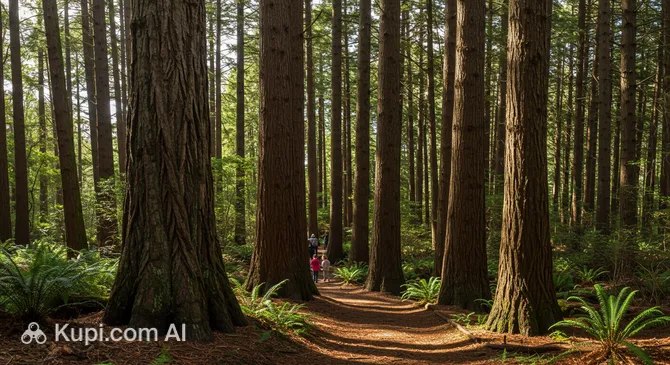
For nature lovers, the Redwoods – Whakarewarewa Forest is an absolute must-see. This magnificent forest features towering Californian Redwoods that create a cathedral-like atmosphere perfect for walking, running, or mountain biking. The network of trails caters to all fitness levels, offering a peaceful escape amongst giant trees and native ferns just minutes from the city center.
Redwoods – Whakarewarewa Forest. Illustration.
Source: Kupi.com AI
Traveler photos:
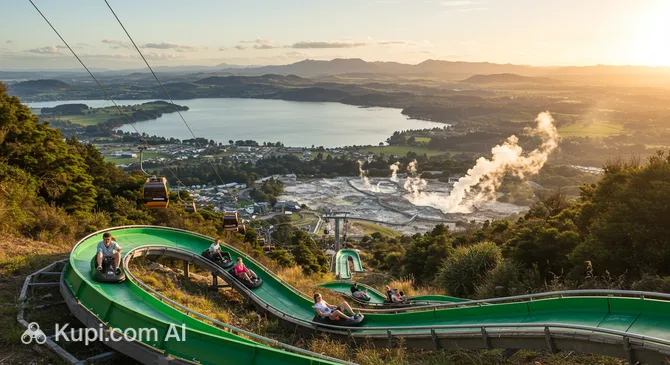
Adventure seekers and sightseers alike head to Skyline Rotorua for the best views in town. A gondola ride takes you up the side of Mount Ngongotaha, revealing panoramic vistas of the lake and city. Once at the top, you can experience the thrill of the Luge, a gravity-fueled go-kart ride, or simply enjoy a meal with a breathtaking backdrop.
Skyline Rotorua. Illustration.
Source: Kupi.com AI
Traveler photos:
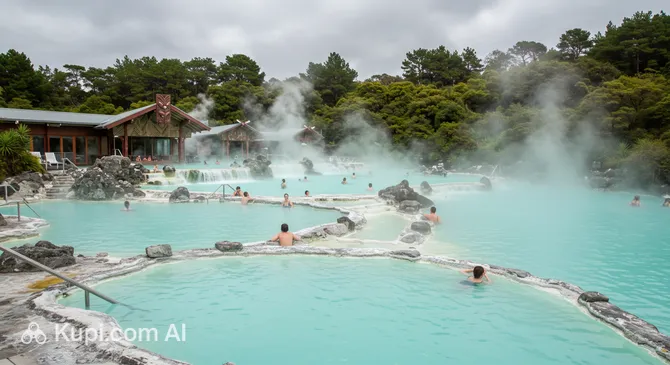
After a day of exploring, there is no better place to unwind than the Polynesian Spa. Recognized as one of the world's top geothermal spas, it offers a variety of mineral pools sourced from two natural springs. Guests can soak in the therapeutic waters while overlooking the tranquil Lake Rotorua, making it a premier spot for relaxation and rejuvenation.
Polynesian Spa. Illustration.
Source: Kupi.com AI
Traveler photos:
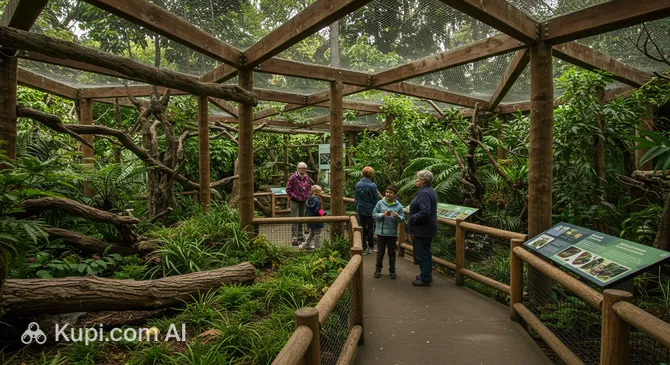
To get up close with New Zealand's national icon, a visit to the National Kiwi Hatchery is highly recommended. This facility plays a crucial role in kiwi conservation, incubating eggs and raising chicks until they are strong enough to be released into the wild. Tours provide a fascinating insight into the lifecycle of these shy, flightless birds and the tireless efforts to protect them.
National Kiwi Hatchery. Illustration.
Source: Kupi.com AI
Traveler photos:
Local Cuisine
Rotorua offers a culinary journey that is as unique as its landscape, deeply rooted in Māori tradition and enhanced by the region's geothermal activity. The most iconic dining experience here is the Hāngī, a traditional Māori feast where baskets of meat—typically lamb, pork, or chicken—and root vegetables like kūmara (sweet potato) are slow-cooked in an underground earth oven. The result is tender, smoky food with an earthy flavor that you simply cannot replicate in a standard kitchen.
Travelers can partake in this cultural banquet at several locations, such as the Mitai Maori Village, where the meal is often accompanied by cultural performances. Another authentic spot is Whakarewarewa – The Living Maori Village, where residents still use the natural geothermal vents for cooking daily meals, keeping ancient traditions alive.
Whakarewarewa – The Living Maori Village. Illustration.
Source: Kupi.com AI
Traveler photos:
Beyond the Hāngī, the city is famous for its distinct "geothermal cooking." In some areas, you can try sweetcorn or eggs cooked directly in the boiling natural pools or steam vents. This method, used by locals for centuries, imparts a unique taste and serves as a simple yet unforgettable way to experience the power of the earth through food.
For a modern dining atmosphere, the heart of the action is often found at "Eat Streat," a vibrant dining precinct located at the lake end of Tutanekai Street. Here, visitors can find a variety of cuisines under a retractable roof with thermally heated footpaths, making it perfect for year-round outdoor dining. The options are plentiful, ranging from local fusion to international favorites. You might enjoy the vibrant spices at Thai Central Restaurant or the festive flavors at El Mexicano Zapata Cantina.
To complement the food, be sure to try some of New Zealand's famous beverages. The region has a growing craft beer scene, and you will find many local bars serving refreshing ales and lagers. Wine lovers can indulge in a glass of world-class Sauvignon Blanc or Pinot Noir, which are staples on almost every menu in the city, perfectly pairing with the fresh local produce.
Travel Tips
Preparing for a trip to Rotorua involves a bit more than just packing your bags, especially given its unique geothermal environment and strong cultural heritage. These practical tips will help you navigate the city comfortably and respect local customs during your stay.
Clothing and Gear: The weather can be unpredictable, so pack layers that you can easily add or remove. Comfortable, closed-toe walking shoes are a must for navigating the gravel paths of geothermal parks and forest trails. Crucial advice: Leave your silver jewelry at home or in the hotel safe; the atmospheric sulphur can tarnish silver almost instantly, turning it black. Don't forget your swimwear for the hot springs!
Transportation: While the city center is walkable, many major attractions like the redwood forests and geothermal valleys are spread out. The local CityRide bus network is reliable for main routes, but renting a car offers the most freedom to explore the 18 nearby lakes at your own pace. Taxis and ride-sharing apps like Uber are also readily available.
Finances: The currency is the New Zealand Dollar (NZD). Credit and debit cards (Visa and Mastercard) are accepted almost everywhere, from restaurants to souvenir shops. ATMs are plentiful in the city center. Tipping is not a standard requirement in New Zealand, though rounding up the bill or leaving a small tip for exceptional service is appreciated.
Health and Safety: Rotorua is generally a safe destination, but standard precautions apply; always lock your vehicle and hide valuables, especially when parking at secluded scenic spots. For medical issues, pharmacies are widely available, and in an emergency, dial 111 for police, fire, or ambulance. Be aware that the sun here is stronger than it feels, so high-SPF sunscreen is essential even on cloudy days.
Communication: English is the primary language spoken, but you will often hear and see Te Reo Māori (the Māori language) used as well. Learning a simple greeting like "Kia ora" (hello) is a great way to connect with locals. WiFi is widely available in cafes and hotels, and the city center offers a free public WiFi zone.
Local Etiquette: Culturally, this is one of the most significant places in the country. If you visit a Marae (meeting grounds), always follow the lead of your guide, which typically involves removing your shoes before entering buildings. A specific cultural norm to observe is never sitting on tables or surfaces intended for food, as this is considered culturally offensive (tapu).
What to Avoid: Never cross safety barriers in geothermal areas. The ground near steam vents and mud pools can be unstable and dangerously hot, so strictly stick to the marked boardwalks and paths. Also, avoid using thermal pools that are not designated for bathing, as they can be boiling or contain hazardous minerals.
Additional Tip: You will notice a distinct "rotten egg" smell upon arrival, caused by hydrogen sulphide emissions. Don't worry—it is completely natural and harmless in open areas, and most visitors find they stop noticing the scent after the first day or two.
By keeping these practicalities in mind, you can focus entirely on soaking up the natural beauty and warm hospitality that define this extraordinary city. Enjoy your journey through the steam and spirit of Rotorua!
Entertainment & Nightlife
While Rotorua is world-famous for its geothermal wonders by day, the city also offers a welcoming and vibrant atmosphere once the sun goes down. The nightlife here is less about thumping mega-clubs and more about lively bars, social dining precincts, and relaxed entertainment venues where locals and travelers mingle. The energy is generally laid-back and friendly, making it easy to strike up a conversation and enjoy the local hospitality.
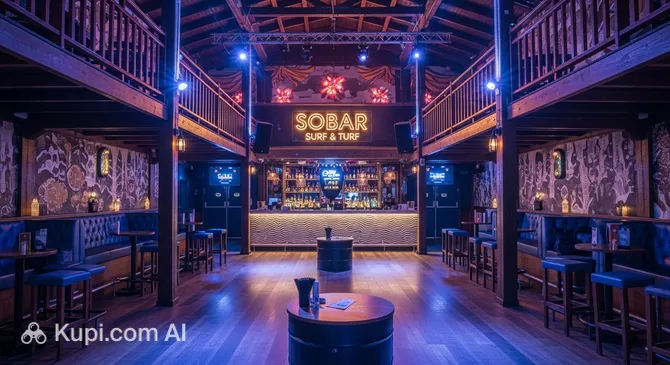
The heart of the evening action is undoubtedly Eat Streat, located at the lake end of Tutanekai Street. This covered, all-weather pedestrian precinct boasts a retractable roof and thermally heated footpaths, ensuring a cozy vibe year-round. It is lined with an array of bars and restaurants that stay open late, creating a bustling corridor of music and chatter. For a lively night out, you might visit SOBAR Surf & Turf, a popular spot known for its energetic atmosphere and live music sessions that often draw a fun-loving crowd.
SOBAR Surf & Turf. Illustration.
Source: Kupi.com AI
Traveler photos:
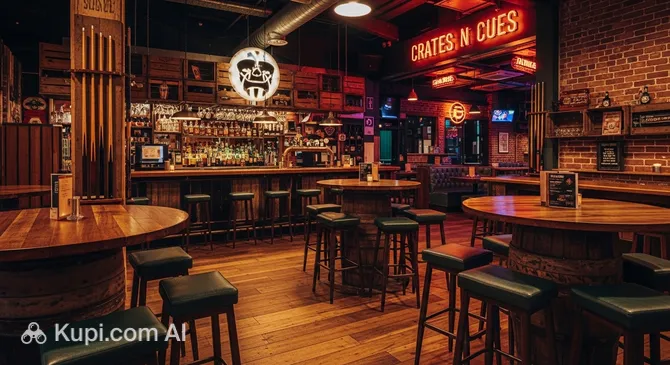
Just a short walk away, the central business district offers other pockets of entertainment. If you prefer a more casual setting to unwind with a drink and a game, Crates N Cues Bar is a local favorite. It offers a classic pub environment with pool tables and sports screenings, perfect for a low-key evening with friends. For those looking to start the night with excellent food and cocktails in a stylish setting, Bold Flavours Bistro provides a modern and inviting ambiance.
Crates N Cues Bar. Illustration.
Source: Kupi.com AI
Traveler photos:
One of the city's signature evening events is the Rotorua Night Market, typically held on Thursday nights on Tutanekai Street. It attracts a diverse crowd looking to sample international street food, buy local crafts, and listen to local musicians. The dress code across most venues in the city is casual to smart-casual; you will rarely need formal attire. Bars generally stay open until midnight or 1:00 AM on weekends, though some may close earlier during the week.
When it comes to safety, the central entertainment areas are well-lit and generally safe for walking in the early evening. However, as the night progresses, it is advisable to take a taxi or use a ride-sharing service like Uber to get back to your accommodation, especially if you are staying outside the immediate city center. Local taxi companies are reliable and can be easily hailed or booked by phone.
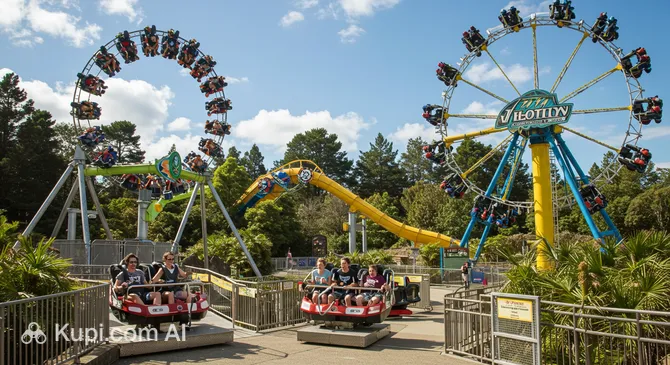
Before the sun sets, the city offers plenty of excitement to fill your day. Thrill-seekers should head to Velocity Valley Adrenaline Park for high-speed jet boating and bungy jumping. For a more whimsical indoor experience, the 3D Trick Art Gallery provides fun, interactive photo opportunities that are entertaining for all ages. Meanwhile, history buffs can admire the architecture of the Rotorua Museum, a stunning Elizabethan-style building located in the Government Gardens.
Velocity Valley Adrenaline Park. Illustration.
Source: Kupi.com AI
Traveler photos:
Parks & Museums
Rotorua is a city where nature and culture are inextricably linked, offering a fascinating array of green spaces and heritage sites that tell the story of the region's volcanic past and indigenous roots. From manicured formal gardens to bubbling geothermal parks and historical landmarks, the city provides diverse opportunities for exploration and learning.
One of the most prestigious locations in the city is the Government Gardens. Situated on the lake's edge, this area is steeped in history, having been gifted to the crown by the Ngāti Whakaue people. Today, it serves as a tranquil escape featuring bowling greens, a croquet lawn, and the historic Band Rotunda. Strolling through these grounds offers a glimpse into the Edwardian era of the city's development, all set against a backdrop of steaming vents and native flora.
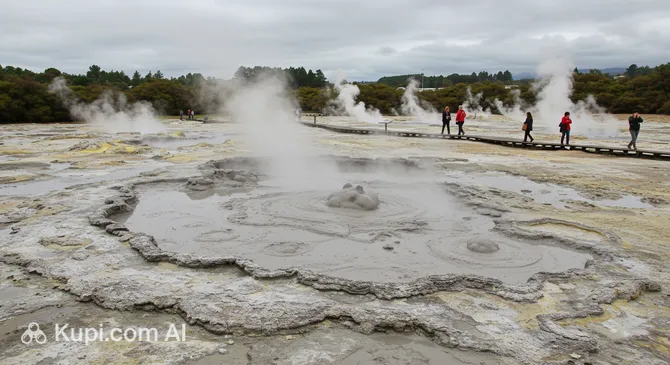
For a more rugged and active experience, Kuirau Park Mud Pools is an essential stop located right in the city center. This public park is unique in that it sits directly on top of a restless geothermal field. Visitors can walk along safe boardwalks that weave through hissing steam vents, gray bubbling mud, and crater lakes. It is a fantastic, free way to witness the raw power of the earth without leaving the urban environment.
Kuirau Park Mud Pools. Illustration.
Source: Kupi.com AI
Traveler photos:
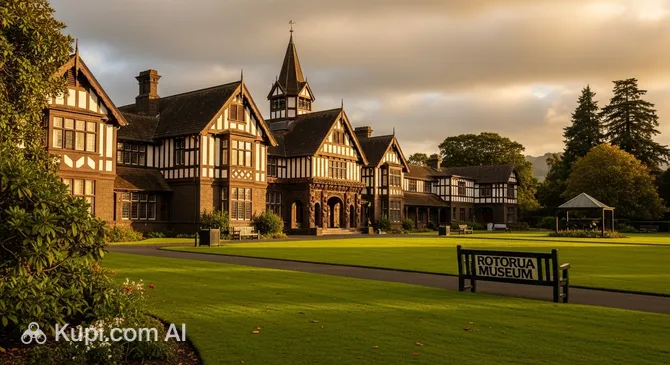
Dominating the landscape of the Government Gardens is the iconic Rotorua Museum, housed in the magnificent Old Bath House. This Elizabethan-style building is the most photographed building in New Zealand and a symbol of the city's spa heritage. While the museum has been undergoing extensive strengthening and restoration, the exterior remains a stunning architectural masterpiece that reflects the ambition of the early tourism industry. It stands as a guardian of the region's rich treasures and stories.
Rotorua Museum. Illustration.
Source: Kupi.com AI
Traveler photos:
To delve deeper into the region's history, a visit to the Buried Village of Te Wairoa is highly recommended. Often referred to as New Zealand's Pompeii, this archaeological site preserves the remains of a village devastated by the 1886 eruption of Mount Tarawera. The museum on-site displays excavated artifacts and offers a poignant insight into the lives of the early Māori and European settlers who lived in the shadow of the volcano.
For those interested in the region's fauna, Paradise Valley Springs offers a wonderful wildlife experience. This beautifully kept park allows visitors to interact with farm animals, view native birds, and see a pride of African lions. The park is also famous for its crystal-clear spring water, which visitors can drink directly from the source, and its streams teeming with wild trout.
Paradise Valley Springs. Illustration.
Source: Kupi.com AI
Traveler photos:
Another cultural highlight is the Agrodome, which provides an entertaining look at New Zealand's farming heritage. Famous for its sheep show, it offers a hands-on experience that is both educational and fun, showcasing the agricultural backbone of the country's economy through live demonstrations and farm tours.
For a lesser-known natural gem, take a walk around Sulphur Point. This fascinating wetland area on the southern shore of Lake Rotorua is a haven for water birds, despite the milky, sulphur-rich waters. The contrast between the thriving wildlife and the harsh, steaming geothermal environment creates a surreal and photogenic landscape that is often quieter than the major tourist spots.
Getting Around
Navigating Rotorua is relatively straightforward due to its compact size, with the public transport system relying primarily on a reliable bus network. Unlike larger metropolises, the city does not have a metro, tram, or trolleybus system. Instead, the Baybus service connects the central business district with key suburbs, major tourist attractions like Te Puia and the Redwoods, and the airport, making it an efficient option for visitors without a vehicle.
The most convenient and cost-effective way to pay for bus travel is by using the Bee Card, a prepaid smart card used across the region. While cash is sometimes accepted on board, it is more expensive and requires exact change. With the Bee Card, passengers simply "tag on" at the reader when boarding and "tag off" when exiting. The system automatically calculates the lowest fare, and the card can be easily topped up online or at designated retailers.
Travelers can purchase a Bee Card and load credit at the Rotorua i-SITE Visitor Information Centre located on Fenton Street, which is the main hub for tourist inquiries. Buses typically operate seven days a week, but services often finish early in the evening, usually around 6:00 PM or 7:00 PM, with reduced frequency on weekends and public holidays. It is advisable to check the latest timetables or use a navigation app to plan your journey to avoid getting stuck after hours.
For those seeking more flexibility, renting a car is a very popular alternative, as it allows easy access to the numerous lakes and geothermal parks scattered around the wider district. Taxis and ride-sharing services like Uber are also readily available and are particularly useful for late-night travel when the buses are not running. Additionally, given the city's reputation as a premier biking destination, renting a bicycle is a fantastic way to get around, with many dedicated cycle paths linking the city center to the forest trails.
While not a mode of mass transit for commuting, the Skyline Gondola deserves a mention as a unique transport feature. It carries passengers up the side of Mount Ngongotaha, serving as both a scenic ride and the only way to access the leisure facilities at the summit. For most daily needs, however, the combination of walking, cycling, and the local bus service provides ample coverage for exploring the city.
Accommodation
Finding the perfect place to stay in Rotorua is easy, as the city is well-equipped to host its millions of annual visitors. The accommodation landscape is incredibly diverse, ranging from budget-friendly backpacker hostels and family-oriented holiday parks to high-end luxury lodges and boutique hotels. Whether you are looking for a simple room to rest your head after a day of hiking or a lavish suite with a private mineral spa, you will find an option that suits your style and budget.
Location is a key factor when choosing where to base yourself. The most famous strip for accommodation is Fenton Street, often referred to as "Motel Mile" due to its high concentration of motor inns and hotels. Staying here offers convenient access to the city center and major attractions like Te Puia. Alternatively, the areas near the lakefront provide scenic views and easy walking access to the "Eat Streat" dining precinct, while those seeking tranquility might prefer the lodges tucked away in the surrounding countryside or near the Redwoods.
For travelers seeking comfort and extensive facilities, the city boasts several excellent resort-style options. Regal Palms Resort is a popular choice, offering spacious suites and an impressive range of amenities, including a heated outdoor swimming pool and private in-room spa pools. It is an ideal spot for visitors who want to relax in style after exploring the geothermal parks.
Regal Palms Resort. Illustration.
Source: Kupi.com AI
Traveler photos:
Another fantastic option is Ripple Rotorua, situated just a short drive from the city center. This property caters to a variety of travelers with its modern accommodation and on-site facilities like a fitness center and thermal pools, ensuring a comfortable and memorable stay.
Regarding costs, prices can vary significantly depending on the season. Budget travelers can find hostel beds for around 30-50 NZD per night, while mid-range motel units typically range from 150 to 250 NZD. Luxury lodges and high-end hotels can cost upwards of 400 NZD per night. It is highly recommended to book in advance, especially if you are visiting during the peak summer months (December to February) or during New Zealand school holidays, as the best places fill up quickly. Most accommodations can be easily booked via major online platforms or directly through their websites.
Nearby Cities
For those looking to explore the surroundings, Rotorua serves as an excellent base for day trips to several interesting nearby locations:
Among the most popular choices, Tauranga is a coastal gem located just an hour's drive away. It is renowned for its sunny climate, pristine beaches, and the iconic Mount Maunganui, which offers hiking trails with breathtaking panoramic views of the ocean. The harbor area is also bustling with cafes and shops, making it a perfect spot for a relaxed seaside escape.
Heading inland, Hamilton offers a delightful mix of vibrant city life and natural beauty. It is most famous for the Hamilton Gardens, an award-winning attraction featuring distinct garden styles from different civilizations. The majestic Waikato River flows through the city, providing scenic paths for walking and cycling, as well as opportunities for river cruises.
These nearby destinations offer a glimpse into the diverse culture and landscapes of the region.
Shopping & Souvenirs
Shopping:
Shopping in Rotorua offers a delightful mix of contemporary retail and unique cultural treasures, reflecting the city's strong Māori heritage and geothermal identity. While it may not be a sprawling fashion metropolis, the city provides a relaxed and accessible experience where visitors can find everything from high-quality outdoor gear to authentic indigenous art. The compact nature of the city center means you can easily browse through boutique stores, souvenir shops, and larger chains within a short walking distance.
The main retail pulse of the city is found within the Central Business District, particularly along Tutanekai Street and its intersecting roads. This area serves as the primary high street, lined with a variety of specialty stores, fashion boutiques, and gift shops. It is a pleasant place to stroll, with wide footpaths and plenty of cafes nearby for a coffee break between purchases. Here, you will find local kiwi brands sitting alongside popular international labels, catering to both practical needs and style.
For a comprehensive shopping experience under one roof, Rotorua Central is the city's premier mall. Located conveniently on Amohau Street, this large shopping complex features an open-air strip layout rather than an enclosed building. It houses a wide range of major retailers, including supermarkets, department stores, electronics shops, and fashion outlets. It is the go-to destination for travelers needing to restock on essentials or looking for reliable, well-known brands.
Rotorua Central. Illustration.
Source: Kupi.com AI
Traveler photos:
Markets play a significant role in the local community and offer a more intimate shopping vibe. The famous Rotorua Night Market, held every Thursday evening on Tutanekai Street, is not just about food; it also features stalls selling handmade crafts, jewelry, and local art. On Sunday mornings, the Rotorua Farmers Market takes over, focusing on fresh, seasonal produce and artisanal food products, making it a perfect spot to pick up delicious local treats or gifts.
When searching for the perfect souvenir, Rotorua is one of the best places in New Zealand to purchase authentic Māori arts and crafts. Look for Pounamu (greenstone) carvings, bone necklaces, and intricate wood carvings; buying from reputable centers like the New Zealand Māori Arts and Crafts Institute ensures your purchase supports local artists. Additionally, the region's geothermal activity has inspired a range of thermal mud skincare products, which make for excellent, lightweight gifts. For those seeking warmth, high-quality Merino wool clothing and sheepskin products are also widely available, often found at farm-themed attractions like the Agrodome farm shop.
Store opening hours in the city generally follow standard New Zealand timing, with most shops open from 9:00 AM to 5:00 PM on weekdays and weekends, though smaller boutiques may close earlier on Sundays. Payment is hassle-free, with credit and debit cards (Visa, Mastercard) widely accepted even for small transactions, and "PayWave" (contactless payment) is common. Regarding taxes, a Goods and Services Tax (GST) of 15% is included in the displayed price of all items. Unlike some other countries, New Zealand does not have an over-the-counter tax refund scheme for tourists; GST refunds are generally only available if you arrange for the retailer to ship the goods directly to your overseas address.