Support

Auckland

About

Auckland is a vibrant metropolis and the largest urban area in New Zealand. Often referred to as the "City of Sails" due to the thousands of yachts dotting its glittering harbors, it offers a unique blend of sophisticated city living and outdoor adventure. The city's atmosphere is defined by its multicultural energy, stunning natural landscapes, and a relaxed lifestyle that appeals to visitors from around the globe.

Geographically, the city is remarkable for being situated on a narrow isthmus between two major bodies of water: the Waitematā Harbour on the Pacific Ocean side and the Manukau Harbour on the Tasman Sea side. With a population of over 1.3 million residents, it serves as the country's main economic and transport hub. The climate here is generally temperate and oceanic, ensuring mild winters and warm, humid summers that are perfect for exploring the outdoors.
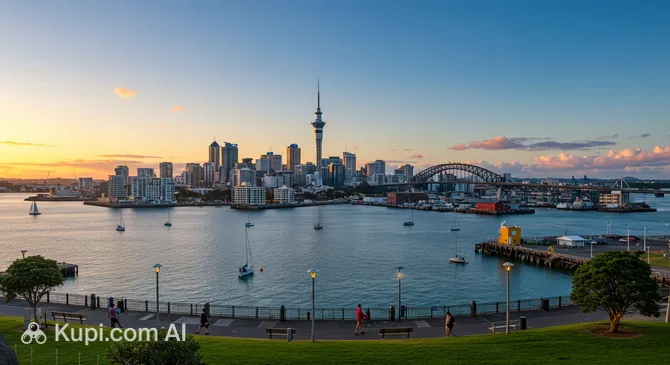
Auckland. Source: Kupi.Binoculars

The history of Auckland is deeply rooted in both Māori culture and European settlement, creating a rich tapestry of heritage that can be felt throughout the region. Visitors are often drawn to the iconic Sky Tower, which dominates the skyline and offers breathtaking panoramic views of the city and its surrounding volcanic cones. Another highlight is the Auckland Domain, the city's oldest park, which is situated on an extinct volcano and houses the impressive Auckland War Memorial Museum.

Whether you are looking to explore rugged black-sand beaches on the west coast, take a ferry to the vineyards of Waiheke Island, or enjoy world-class dining at the Viaduct Harbour, Auckland has something for every traveler. It is a dynamic destination that perfectly captures the spirit of the North Island, inviting you to discover its many treasures.
Weather Overview

Auckland enjoys a temperate coastal climate, characterized by mild temperatures and moderate rainfall throughout the year. Because of its location between two harbors, the weather can be quite changeable, but it rarely experiences extreme heat or cold. For a detailed forecast and seasonal breakdown, you can visit our guide to the weather in Auckland.

The summer months of December through February are the warmest, with average temperatures around 20.4°C and highs reaching up to 22.8°C. This is generally the driest time of the year, though you might still encounter about 9 to 11 wet days per month. In contrast, winter (June to August) is cooler and damper. During this season, average temperatures drop to approximately 12.5°C, with lows around 10.5°C, and the number of wet days increases to about 15 per month.

Shoulder seasons like spring and autumn offer a pleasant balance, with temperatures ranging from 15°C to 19°C. Regardless of when you visit, it is wise to pack layers. Expect warm, comfortable summers with occasional showers and mild but frequently wet winters.

Interesting Facts

Beyond the main attractions, Auckland holds many fascinating secrets that reveal its unique character. This city is not just a commercial hub but a geographical and cultural marvel with stories waiting to be uncovered.
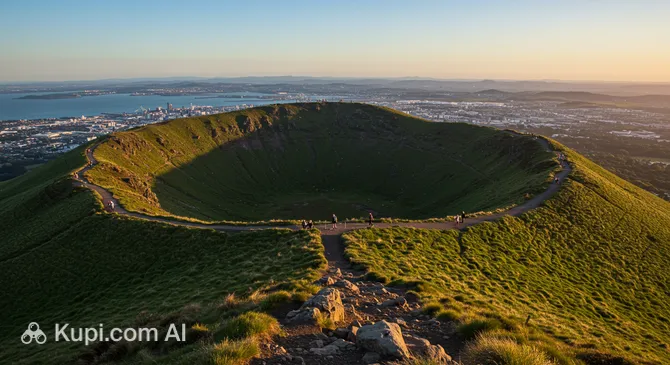
  • Built on Volcanoes: The city is situated on the Auckland Volcanic Field, which contains approximately 53 dormant volcanoes. You can easily hike to the summit of Mount Eden, the highest natural point in the city, to stand at the edge of a massive crater and enjoy 360-degree views.

  • Polynesian Capital: Auckland is widely recognized as having the largest Polynesian population of any city in the world. This vibrant heritage is deeply woven into the fabric of the city, influencing its festivals, food, and arts scene.

  • Coast to Coast Walk: Because the city sits on a narrow isthmus, it is one of the few places where you can walk from the Pacific Ocean to the Tasman Sea in a single day. The 16-kilometer trail takes about four hours and passes through the historic Auckland Domain.

  • World-First Aquarium Design: Kelly Tarlton's Aquarium features the world's first curved aquarium tunnel. This innovation allows visitors to walk underwater and observe marine life, including sharks and stingrays, swimming naturally above and around them.

Mount Eden. Source: Kupi.Binoculars

How to Get There

As the primary gateway to the country, reaching this vibrant metropolis is straightforward for international and domestic travelers alike. Whether you are arriving from overseas or another part of the country, there are convenient connections available. You can read more about how to get to Auckland and the specific transport details on our dedicated page.

The most direct and common entry point is Auckland Airport (IATA: AKL), located within the city itself. Situated approximately 17.6 km from the central business district, it serves as the nation's busiest transport hub with very high passenger traffic. A trip to the city center by taxi or airport bus generally takes around 45 to 50 minutes, though this can vary with traffic conditions.

For those traveling around the North Island, other regional options exist, though they involve a longer transfer. The city of Auckland does not have these airports locally, but you can fly into Hamilton International Airport (IATA: HLZ) in the city of Hamilton, which is about 123 km away. The drive from there typically takes between 1.5 to 2 hours. Alternatively, Tauranga City Airport (IATA: TRG) in Tauranga is located 156 km from Auckland, requiring a travel time of approximately 2.5 to 3 hours by road.

For clarity, here is a summary of the main airports:

Airport Name City Passenger Traffic Km from City
Auckland AirportAucklandHigh17.6
Tauranga City AirportTaurangaMedium156.3
Hamilton International AirportHamiltonMedium123.3
Whangarei AirportWhangareiSmall125.3
Kerikeri AirportKerikeriSmall192.2

Main Attractions

Auckland is brimming with diverse activities, from soaring towers to cultural landmarks and volcanic parks. Whether you are interested in history, art, or nature, the city's top sights provide a comprehensive introduction to New Zealand's heritage and lifestyle.

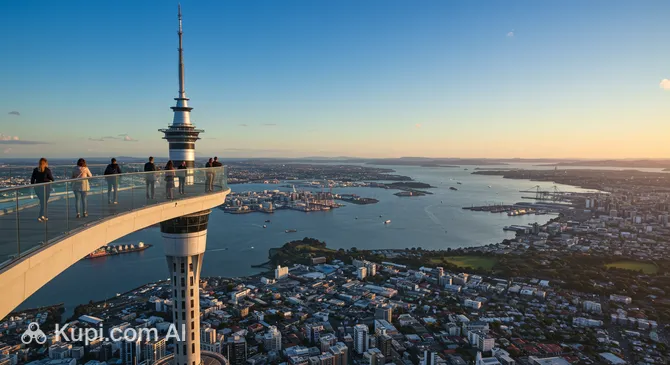
Standing 328 meters tall, the Sky Tower is the most prominent landmark in the city and an absolute must-visit for first-timers. It offers spectacular 360-degree views that stretch up to 80 kilometers in every direction. For thrill-seekers, it hosts the SkyWalk and SkyJump, while those preferring a more relaxed experience can enjoy fine dining in the revolving restaurant with the harbor as a backdrop.

Sky Tower. Source: Kupi.Binoculars

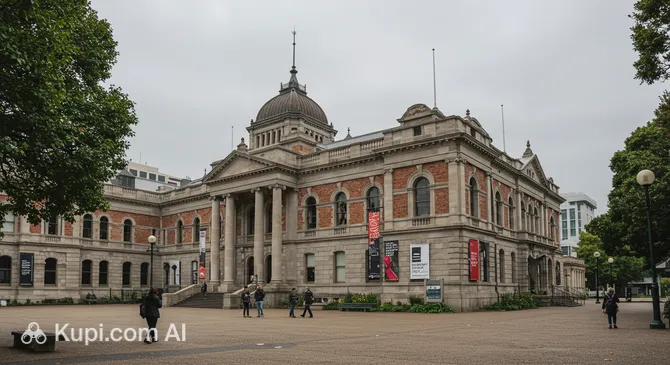
Located within the expansive greenery of the Domain, the Auckland War Memorial Museum is one of the country's most important cultural institutions. Housed in a magnificent neo-classical building, it tells the story of the nation's history, natural heritage, and military involvement. It is particularly renowned for its extensive collection of Māori and Pacific Island treasures (taonga), making it an essential stop for understanding the local culture.

Art enthusiasts should head to the Auckland Art Gallery (Toi o Tāmaki), which boasts the most extensive collection of national and international art in New Zealand. The building itself is an architectural gem, seamlessly blending its historic heritage with a modern, award-winning extension. Visitors can explore centuries of creativity, ranging from historic Māori portraits to contemporary installations.

Auckland Art Gallery. Source: Kupi.Binoculars

For nature lovers and history buffs, One Tree Hill (Maungakiekie) offers a perfect escape. This volcanic peak serves as a significant memorial place and was once the site of a massive Māori pā (fortification). The summit provides sweeping views of the twin harbors, and the surrounding Cornwall Park is ideal for leisurely walks among sheep and ancient trees in the heart of the city.

Home to the largest collection of native and exotic animals in the country, Auckland Zoo is a fantastic destination for families and wildlife advocates. The zoo focuses heavily on conservation and offers immersive environments where you can see everything from elephants and giraffes to the elusive kiwi bird in a specially designed nocturnal house.

Local Cuisine

The culinary landscape of Auckland is a vibrant reflection of its multicultural heritage, blending fresh New Zealand produce with Pacific Rim, Asian, and European influences. As a coastal city, the focus is heavily on the ocean's bounty, but the region is also famous for its high-quality meats and dairy. From bustling night markets to award-winning waterfront bistros, the city offers a diverse range of dining experiences that cater to every palate.

Seafood lovers will find themselves in paradise here. A must-try delicacy is the Green-lipped mussel, a shellfish unique to New Zealand known for its size and flavor. You can find them served in pots of steaming broth or grilled to perfection. For a more casual but iconic "Kiwi" experience, grab a takeaway of fish and chips and head to the seaside. Mission Bay is a popular spot for this, where you can enjoy battered snapper and kumara (sweet potato) fries right on the beach.

Beyond seafood, the humble meat pie is a national staple worth seeking out. While often found in bakeries and gas stations, many cafes in the city offer gourmet versions filled with steak and cheese or savory mince. For dessert, you cannot leave without trying Pavlova, a meringue-based cake topped with fresh fruit and whipped cream, or a scoop of Hokey Pokey ice cream, which features crunchy honeycomb toffee bits.

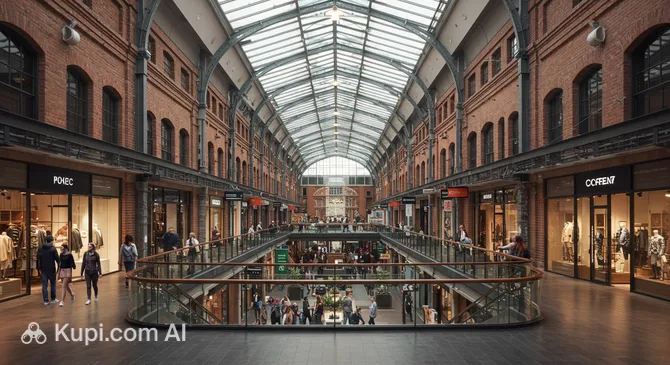
The city's dining scene is concentrated in several stylish precincts. The Britomart precinct is a trendy hub of heritage buildings transformed into chic eateries and bars. Just a short walk away, the modern Commercial Bay offers a sophisticated food court and high-end restaurants with harbor views. Here, you can find popular establishments like Amano, celebrated for its rustic Italian fare and on-site bakery, or the lively oyster bar and eatery known as Depot, which is perfect for sharing plates.

Britomart. Source: Kupi.Binoculars

When it comes to beverages, Auckland takes its coffee culture very seriously. The Flat White—a smooth espresso drink with micro-foam—is the local standard and an essential start to the day. In the evenings, visitors can sample world-class wines, particularly Sauvignon Blanc and Pinot Noir, often sourced from nearby vineyards. If you prefer beer, the local craft brewing scene is booming, or you can try L&P (Lemon & Paeroa), a classic New Zealand soft drink that is "world famous in New Zealand."

Travel Tips

Welcome to Auckland! To help you navigate the "City of Sails" with ease and confidence, we have compiled a list of essential travel tips. These practical insights will ensure you are well-prepared for the local lifestyle, climate, and customs, allowing you to focus on enjoying your adventure in this beautiful corner of the world.

  1. Clothing and Gear. The weather here is famously changeable, often described as "four seasons in one day." It is crucial to pack layers that you can easily add or remove. A windproof and waterproof jacket is a must-have, regardless of the season. Also, the sun in New Zealand is incredibly strong due to the thinner ozone layer; bring high SPF sunscreen, a hat, and sunglasses, even on cloudy days. Comfortable walking shoes are essential for exploring the hilly terrain.
  2. Transportation. Public transport is efficient and covers most tourist areas via buses, trains, and ferries. To use them, you will need an AT HOP card, a prepay smart card available at retailers and transport hubs, as cash is generally not accepted on board. Ferries are particularly scenic and a great way to reach suburbs like Devonport or Waiheke Island. Ride-hailing apps like Uber are widely used. You generally do not need a rental car if staying in the CBD, but it is recommended for day trips to the west coast beaches or regional parks.
  3. Finances. The local currency is the New Zealand Dollar (NZD). Credit and debit cards (Visa and Mastercard) are accepted almost everywhere, from restaurants to market stalls, often via contactless payment. ATMs are plentiful. Tipping is not a standard requirement here, as service charges are usually included or wages are sufficient, but leaving a small tip for exceptional service is appreciated.
  4. Health and Safety. Auckland is generally a very safe city for tourists. However, always keep an eye on your belongings in busy areas. In a medical emergency, dial 111 for ambulance, police, or fire services. Pharmacies, often called "chemists," are easy to find, and some offer late-night services. Be vigilant about sun safety; burn times can be as short as 10–15 minutes in summer.
  5. Communication. English is the primary language spoken, though you will frequently hear Te Reo Māori (the Māori language) used in greetings and place names. A common greeting is "Kia Ora" (hello/be well). Free Wi-Fi is available in the city center and many cafes. For mobile data, you can buy a SIM card from providers like Spark, One NZ, or 2degrees at the airport upon arrival.
  6. Local Etiquette. Kiwis are known for being friendly and informal. A smile and a "hello" go a long way. Culturally, it is important to respect Māori customs; for instance, never sit on tables or surfaces used for food, as this is considered culturally offensive (tapu). If visiting a Marae (meeting grounds) or someone's home, always ask if you should remove your shoes before entering.
  7. What to Avoid. Avoid comparing New Zealand too heavily to Australia; locals take pride in their distinct identity. Also, do not underestimate the ocean currents at surf beaches—always swim between the flags patrolled by lifeguards.
  8. Shop Hours. Be aware that retail trading hours might be shorter than what you are used to. Most shops, cafes, and attractions close around 5:00 PM or 6:00 PM. However, supermarkets often stay open late, and Thursday or Friday nights usually offer extended shopping hours in malls.

Armed with these tips, you are ready to immerse yourself in the relaxed and welcoming atmosphere of Auckland. Whether you are catching a ferry across the harbor or hiking up a volcanic cone, a little local knowledge will go a long way in making your trip smooth and memorable.

Entertainment & Nightlife

Auckland pulses with energy long after the sun goes down, offering a diverse entertainment scene that caters to thrill-seekers, culture lovers, and families alike. From the bright lights of the city center to immersive indoor attractions, there is always something exciting to do, regardless of the weather.

For those looking to experience the city's vibrant nightlife, the central hub is undoubtedly the SkyCity Casino. Located at the base of the iconic Sky Tower, this complex is open 24/7 and features world-class gaming, live entertainment, and a variety of restaurants. Just a short distance away, arts enthusiasts can visit the Q Theatre on Queen Street. This purpose-built venue is known for its intimate atmosphere and an eclectic program that showcases the best of New Zealand's independent theatre, dance, and comedy.

If you are craving adrenaline, the city offers one of the world's most unique climbing experiences. The Auckland Harbour Bridge Bungy & Climb allows you to scale the iconic bridge for spectacular views or take a leap of faith over the Waitematā Harbour. It is an unforgettable way to see the city from a different perspective. For active fun indoors, Gravity NZ Trampoline Park provides wall-to-wall trampolines, foam pits, and dodgeball arenas, making it a perfect spot for families to burn off some energy.

For a journey that is out of this world, the Stardome Observatory & Planetarium in One Tree Hill Domain is a must-visit. Here, you can explore the southern night sky through powerful telescopes and enjoy immersive shows in the 360-degree planetarium theatre. Meanwhile, nature lovers can dive deeper into marine life at Kelly Tarlton's Aquarium. Beyond its famous tunnel, it hosts the Antarctic Ice Adventure, where you can observe the country's only colony of Sub-Antarctic penguins in a chilled, snow-filled habitat.

Large-scale events and international concerts often take place at the Auckland Arena, the city's premier indoor venue. Whether you are interested in a blockbuster music performance or a major sporting match, checking the local schedule here is a great way to add a highlight to your trip.

Parks & Museums

Parks & Museums:

Auckland is a city that seamlessly integrates nature and history into its urban fabric. Beyond its bustling streets and harbors, you will find a wealth of green sanctuaries and heritage institutions that offer a deeper understanding of the region's culture and biodiversity. Whether you are looking to explore Victorian gardens or interactive technological exhibits, the city’s parks and museums provide enriching experiences for all ages.

For a fascinating look at innovation and engineering, the MOTAT Museum of Transport and Technology is a standout destination. Spread across a vast site, it invites visitors to explore the history of New Zealand transport, from steam engines to vintage trams that still run between the museum's two locations. Aviation enthusiasts should specifically visit the MOTAT Aviation Hall, which houses an extensive collection of military and civilian aircraft. For a glimpse into the colonial past, Alberton offers a beautifully preserved 19th-century mansion experience, complete with its original ballroom and verandas.

In the heart of the city, Albert Park provides a tranquil escape with its formal Victorian layout. It features a historic fountain, intricate statues, and magnificent old trees, making it a favorite spot for a peaceful walk. Just a short distance away, within the Auckland Domain, are the Domain Wintergardens. These heritage glasshouses are a botanical treasure, displaying a spectacular and ever-changing array of rare tropical and temperate plants in a stunning architectural setting.

The city's waterfront redevelopment has created modern recreational spaces like Silo Park in the Wynyard Quarter. Celebrating the area's industrial heritage, this park is known for its iconic cement silo and vibrant atmosphere, often hosting markets and open-air cinema events in summer. For a mix of scenic views and historical significance, Bastion Point (Takaparawhau) is a must-visit. Overlooking the Waitematā Harbour, it offers sweeping panoramic vistas and serves as an important memorial site with deep cultural meaning for the Māori people.

Getting Around

The public transport system in Auckland is comprehensive and efficient, managed by an organization known as Auckland Transport (AT). The network seamlessly integrates buses, trains, and ferries, making it easy for visitors to navigate between the vibrant city center, the relaxed suburbs, and the scenic islands. For most tourists, the central hub for all transport modes is the Britomart Transport Centre and the adjacent ferry terminal in the downtown area.

Buses are the most common way to get around. A highlight for visitors is the "Link" bus service, which runs frequent loops around key areas. The bright red CityLink buses connect the city center’s main attractions, while the green InnerLink and amber OuterLink buses circle through popular inner suburbs like Ponsonby, Parnell, and Newmarket. The rail network consists of four main lines—Western, Southern, Eastern, and Onehunga—which are excellent for reaching destinations further afield. Additionally, the ferry network is not just a mode of transport but a scenic experience in itself, connecting the city to the North Shore and islands like Waiheke.

To use public transport, the most convenient option is the AT HOP card, a reusable prepay smart card. While you can pay with cash on some ferries and at ticket machines for trains, cash is generally not accepted on buses. Using an AT HOP card provides a significant discount compared to single-trip paper tickets. You can purchase and top up these cards at the airport, the Britomart customer service center, and numerous retailers (like convenience stores) displaying the AT HOP sign. Recently, contactless payments using credit cards, debit cards, or mobile wallets have also been introduced on most services, offering a hassle-free alternative for short-term visitors.

A crucial rule for using the system is to "tag on" and "tag off" for every trip. You must hold your card or device against the electronic reader when you board a bus, enter a train station, or board a ferry, and do the same when you exit. This ensures the system calculates the correct fare based on the zones you have traveled. If you forget to tag off, you may be charged a penalty fare. For planning your journey, checking timetables, and tracking vehicles in real-time, the AT Mobile app is an indispensable tool for tourists.

Transport services generally run from early morning until late at night. Trains typically operate until around 10:00 PM or midnight depending on the day, while main bus routes run frequently throughout the day. On Friday and Saturday nights, "Night Bus" services are available to help late-night revelers get home safely. If you prefer more direct travel, ride-sharing apps like Uber are widely used and often cheaper than traditional taxis, though taxi stands are readily available at major hotels and landmarks.

For short distances within the city center and waterfront, micromobility is a popular choice. You will find electric scooters and e-bikes from various rental companies dotted around the sidewalks. These can be unlocked via their respective smartphone apps and are a fun way to zip between attractions along the flat waterfront promenades.

Accommodation

Auckland offers a comprehensive range of accommodation options to suit every budget and travel style. As New Zealand's largest city, the choices span from vibrant backpacker hostels and budget-friendly motels to serviced apartments and world-class luxury hotels. Whether you are looking for a room with a view of the harbor or a cozy boutique stay in a leafy suburb, you will find plenty of places to call home during your visit.

For most tourists, the Central Business District (CBD) and the waterfront areas are the most convenient locations to base yourself. Staying here places you within walking distance of major transport hubs like the Britomart precinct and the ferry terminal, making it easy to explore the wider region. The Viaduct Harbour and Wynyard Quarter are particularly popular for those seeking upscale accommodation with stunning water views and immediate access to the city's best dining precincts.

If you prefer a more relaxed, local atmosphere, consider staying in the city fringe suburbs. Areas like Ponsonby, Parnell, and Newmarket offer a mix of heritage charm and modern style, often featuring boutique hotels and bed-and-breakfasts. These neighborhoods are renowned for their cafe culture and shopping, yet they remain just a short bus or train ride away from the city center. For travelers with early flights or short layovers, there is also a good selection of hotels located near the airport.

Prices in the city can vary significantly depending on the season and location. Generally, you can expect to pay a premium for waterfront views or proximity to the city center. Budget travelers can find affordable hostels and capsule hotels, while mid-range travelers have a wide choice of reliable chain hotels and motels. Booking is typically done through major online platforms or directly with the property.

Booking Tip: Accommodation can fill up very quickly during the peak summer season (December to February) and during major events or concerts. It is highly recommended to book your stay well in advance to secure your preferred location and get the best rates.

Nearby Cities

For those looking to explore the surroundings, Auckland serves as an excellent base for day trips to several interesting nearby locations. The region is well-connected, allowing travelers to easily discover diverse landscapes ranging from lush gardens and river cities to rugged coastlines and vibrant urban centers.

To the south lies Hamilton, a city famous for its award-winning Hamilton Gardens, which feature distinct themed areas ranging from Italian Renaissance to traditional Māori productive gardens. Heading west, the Waitakere area offers a complete change of pace with its dramatic native rainforests, waterfalls, and iconic black-sand beaches like Piha, making it a haven for hikers and nature lovers. For a longer excursion, the coastal city of Tauranga in the Bay of Plenty provides stunning ocean views and the opportunity to climb the famous Mount Maunganui.

City Population Distance (km)
Manukau375,60018
Waitakere208,10020
Northcote205,6056
Hamilton176,500112
Tauranga151,300155

These nearby destinations offer a glimpse into the diverse culture and landscapes of the region.

Shopping & Souvenirs

Shopping in Auckland is a delightful mix of sophisticated urban style and relaxed local charm. As the country's fashion capital, the city offers a diverse retail scene that ranges from high-end international luxury brands to quirky vintage stores and bustling open-air markets. Whether you are looking to update your wardrobe with unique New Zealand designs or simply browse for handcrafted treasures, the city provides an array of options to suit every taste and budget.

The heart of the city's retail therapy is undoubtedly Queen Street and its surrounding laneways. This main thoroughfare is lined with department stores, souvenir shops, and major global brands. For a more boutique experience, head to the Ponsonby Road strip, where you will find chic fashion houses and upscale homeware stores set amidst trendy cafes. Alternatively, the precinct of Newmarket is widely regarded as the premier fashion district, boasting a high concentration of designer labels and large retail centers.

For a modern shopping experience in a stunning architectural setting, Commercial Bay is a must-visit destination at the bottom of Queen Street. This waterfront precinct features three levels of fashion, beauty, and dining, bringing together a curated selection of international and local retailers. Just a short walk away is the historic Britomart precinct. Here, restored heritage warehouses host some of New Zealand’s most celebrated fashion designers, creating a unique atmosphere that blends old-world charm with contemporary style.

Markets are an integral part of the local lifestyle and offer a fantastic way to find unique gifts. Weekend mornings are perfect for visiting French-style farmers' markets in the suburbs, where you can buy artisanal food and fresh produce. For a more urban vibe, the night markets held in various locations throughout the week offer a lively atmosphere with street food and budget-friendly goods. In the city center, Aotea Square occasionally hosts craft markets and festivals where local artisans display their work.

When hunting for souvenirs, look for items that reflect the country's natural heritage and culture. Authentic Pounamu (greenstone) jade carvings are a special keepsake, often gifted to signify strength and love. Other popular items include high-quality Merino wool clothing, possum-fur knitwear, and skincare products made from Manuka honey or thermal mud. Fans of rugby will also find plenty of All Blacks merchandise available throughout the city.

Most shops in the central city and major malls are open from 9:00 AM to 5:30 PM daily. However, late-night shopping is common on Thursdays or Fridays, with stores in malls often staying open until 9:00 PM. Electronic payments are the norm, and credit cards (Visa and Mastercard) are accepted almost everywhere, even for small purchases. Cash is rarely needed but useful for small market stalls.

Regarding taxes, New Zealand has a Goods and Services Tax (GST) of 15%, which is always included in the displayed price. Unlike many other countries, there is no general tax refund scheme for tourists for goods carried in their luggage. Duty-free shopping is available at the airport upon arrival and departure, or you can arrange for some retailers to ship goods overseas to deduct the tax.

Reached the end of the page?

That means the route is fully explored