Support

Waitangi

About

Waitangi is a destination of profound cultural importance, widely regarded as the birthplace of the nation. Situated in the beautiful Bay of Islands within the Northland Region, this small locality offers visitors a unique blend of scenic beauty and deep heritage. While its permanent population is small, numbering around 600 residents, its significance to New Zealand attracts travelers from all over the globe.

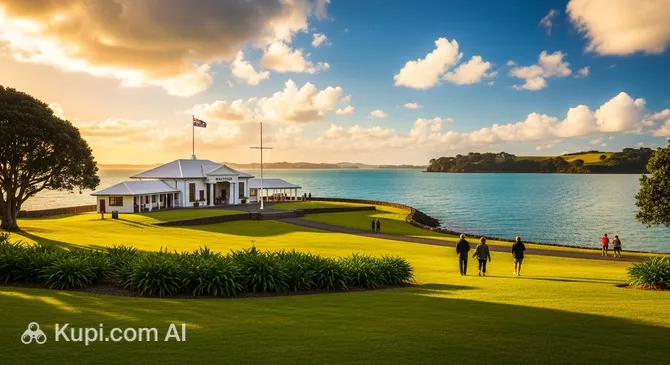
The area is most famous for the events of 1840, which shaped the modern identity of the country. Exploring the history of Waitangi reveals the pivotal moments surrounding the signing of the founding document between the British Crown and Māori chiefs. Today, the atmosphere is one of reflection and education, set against a backdrop of lush green lawns and sparkling waters.

Waitangi. Source: Kupi.Binoculars

Visitors are drawn to the Waitangi Treaty Grounds, which serve as the centerpiece of the experience. Here, you can admire the intricate carvings of Te Whare Rūnanga (the Carved Meeting House) and see the impressive Ngātokimatawhaorua, one of the world's largest ceremonial waka (war canoes). The grounds also offer stunning views across the bay, making it a perfect spot for photography and leisurely walks.

Whether you are a history buff or simply seeking a picturesque escape, Waitangi provides a memorable stop on any Northland itinerary. Its combination of cultural storytelling and natural splendor makes it an essential destination for understanding the heart of the country.

Weather Overview

The climate in this region is generally mild and temperate, offering comfortable conditions for exploring the historic grounds throughout the year. For a more detailed breakdown of what to expect during your visit, you can consult the guide to the weather in Waitangi. The warmest period occurs during the summer months of January and February, where average temperatures hover around 19.5°C, with daily highs often reaching 22°C.

As the seasons shift, temperatures gradually cool, leading into a mild winter from June to August. During this time, average temperatures range between 12°C and 13°C, with nightly lows rarely dropping below 9.7°C. While the air is fresher, it is rarely bitterly cold, allowing for outdoor activities if you dress in layers.

Precipitation is a consistent feature of the local climate, though it is often light. The number of wet days remains fairly steady year-round, ranging from roughly 9 days in April and May to about 14 days in June and September. Overall, travelers can expect warm summers and mild winters with regular intervals of rain throughout the year.

Interesting Facts

Beyond its status as a historic landmark, Waitangi holds several intriguing details that add depth to its story. From architectural curiosities to impressive maritime traditions, there is much more to discover here than just the signing of the Treaty.
  • The iconic Treaty House, originally the residence of James Busby, was not built on-site using local materials. It was actually a pre-fabricated structure shipped from Sydney in 1833, making it one of the oldest surviving buildings in New Zealand.

  • The magnificent ceremonial waka (canoe), Ngātokimatawhaorua, is carved from the trunks of three massive kauri trees. This vessel is so large that it requires a coordinated crew of at least 76 paddlers to launch and maneuver it safely during ceremonial occasions.

  • Unlike traditional Māori meeting houses that typically honor the ancestors of the local tribe, Te Whare Rūnanga was uniquely designed to represent all iwi (tribes) of the nation. Its carvings feature distinct styles from across the country, symbolizing unity as it stands facing the British Resident's house.

How to Get There

Reaching this historic destination in the Northland Region is relatively straightforward, with several options available depending on your starting point. Visitors planning their journey can find more about how to get to Waitangi and the various transport connections detailed below. While the town itself is small, it is well-connected to the rest of the country via a network of roads and nearby regional airports.

The city of Waitangi does not have its own airport, but the most convenient entry point for air travelers is Kerikeri Airport (IATA: KKE) in the neighboring town of Kerikeri. Situated just 15.3 km away, it is the closest hub, and a transfer by taxi or shuttle typically takes around 25 minutes. This airport handles a steady flow of domestic connections, making it a popular choice for those wishing to minimize driving time.

For international visitors, the primary gateway is Auckland Airport (IATA: AKL) in Auckland. Although it is located approximately 203.4 km from Waitangi, it is the country's largest transport hub, welcoming millions of passengers annually. From Auckland, travelers can rent a car for a scenic 3 to 4-hour drive north or catch a connecting domestic flight. Another regional option is Whangarei Airport (IATA: WRE), located in Whangarei about 61.2 km away, which is roughly a one-hour drive from the historic grounds.

For clarity, here is a summary of the main airports:

Airport Name City Passenger Traffic Km from City
Auckland Airport Auckland Large 203.4
Whangarei Airport Whangarei Small 61.2
Kerikeri Airport Kerikeri Small 15.3

Main Attractions

Waitangi Treaty Grounds is the nation's premier historic site and an essential stop for any visitor. This expansive complex encompasses the location where the Treaty of Waitangi was first signed, effectively founding modern New Zealand. Tourists can explore the beautifully restored Treaty House, admire the intricate carvings of the traditional meeting house, and see the world's largest ceremonial waka (canoe). The grounds also offer guided tours and cultural performances that bring the stories of the past to life against a backdrop of stunning sea views.

For a deeper dive into the region's heritage, Te Kōngahu Museum of Waitangi offers a modern and immersive educational experience. Located within the Treaty Grounds, this award-winning museum features state-of-the-art multimedia exhibits that trace the history of the relationship between Māori and European settlers. It is particularly interesting for those who want to go beyond the basics and understand the complex events and personal stories that have shaped the country's cultural identity.

Adventure seekers will find plenty of excitement at the Waitangi Mountain Bike Park. Situated in the Waitangi Endowment Forest, this park provides over 50 kilometers of professionally built trails catering to all skill levels, from gentle family-friendly rides to adrenaline-pumping downhill runs. It is a fantastic way to experience the natural beauty of the area while enjoying an active day out, with the added bonus of cultural significance woven into the trail names and design.

Just a short distance from the main township lies the spectacular Haruru Falls, a horseshoe-shaped waterfall that is both scenic and historically significant. The name translates to "big noise," describing the roar of the water during heavy rain. Visitors can reach the falls via a picturesque walking track that winds through mangroves and native bush, or view them from the water by kayaking up the estuary. The site was once New Zealand's first river port, adding a layer of historical intrigue to its natural charm.

Another poignant site within the Treaty Grounds is Te Rau Aroha Museum, which is dedicated to the Price of Citizenship. This museum honors the commitment and sacrifice of the Māori men and women who served in the armed forces during major conflicts. The exhibits are deeply moving, combining personal galleries with advanced technology to tell stories of bravery and service, making it a powerful place for reflection.

Local Cuisine

The local cuisine in Waitangi is deeply influenced by its coastal location in the Bay of Islands and its rich Māori heritage. Food here is often about fresh, locally sourced ingredients, with a strong emphasis on kaimoana (seafood) and traditional cooking methods. Visitors can expect a dining experience that connects them to the land and sea, ranging from casual waterfront bites to culturally immersive feasts.

One of the most authentic culinary experiences to try in Waitangi is a traditional Hāngī. This Māori method of cooking involves slow-roasting meat (such as chicken, pork, or lamb) and root vegetables (like kūmara, pumpkin, and potatoes) in an earth oven using heated stones. The result is tender food with a distinct, smoky earth flavor. While often reserved for special occasions, Hāngī is frequently available to visitors as part of cultural tours within the Treaty Grounds, offering a delicious taste of local history.

Given the proximity to the ocean, seafood is a staple on almost every menu. You should definitely try the famous Green-lipped Mussels, which are unique to New Zealand. They are typically served steamed in a pot with white wine and herbs, or grilled with garlic butter. Fresh fish, particularly Snapper or Tarakihi, is also widely available, often served simply as "fish and chips" for a relaxed lunch by the water or prepared more elaborately in evening dining settings.

When it comes to drinks, the Northland region produces excellent wines that pair perfectly with the local fare. You might want to sample a glass of Chardonnay or Pinot Gris from a nearby vineyard. For a non-alcoholic option that is quintessentially Kiwi, look for L&P (Lemon & Paeroa), a sweet, fizzy lemon drink that is a favorite across the country.

The food culture in Waitangi is relaxed and scenic. Most dining options take full advantage of the stunning views over the Bay of Islands. You can find cafés located directly within the historic grounds, allowing you to enjoy a flat white coffee and a scone while overlooking the water. For a more substantial meal, the local hotel restaurants offer a blend of modern New Zealand cuisine and international dishes, often featuring seasonal produce grown in the fertile Northland soil.

Travel Tips

Welcome to Waitangi, the historic heart of the nation, where preparing for your visit ensures a respectful and enjoyable experience. These practical tips are designed to help you navigate the unique cultural environment and the stunning coastal setting of the Bay of Islands with ease.

  1. Clothing and Gear: The weather in the Northland Region can be changeable, so dressing in layers is the best strategy. Even in summer, bring a light waterproof jacket, as rain showers can pass through quickly. Comfortable walking shoes are essential for exploring the expansive Treaty Grounds and nearby trails. Crucially, the New Zealand sun is very harsh due to lower ozone levels; high-SPF sunscreen, a wide-brimmed hat, and sunglasses are absolute must-haves regardless of the season.

  2. Transportation: Waitangi itself is quite small and is best explored on foot, particularly the historic precinct. It is connected to the neighboring town of Paihia by a bridge, making for a pleasant 20-30 minute scenic walk. For exploring the wider region, public transport is limited, so renting a car is highly recommended. Taxis and local shuttles are available for short trips, and passenger ferries operate frequently from the nearby Paihia wharf to Russell.

  3. Finances: The local currency is the New Zealand Dollar (NZD). Credit and debit cards (Visa and Mastercard) are widely accepted at the Treaty Grounds, hotels, and cafés. However, carrying a small amount of cash is useful for local markets or smaller stalls. ATMs are scarce within Waitangi itself, so it is best to withdraw cash in nearby Paihia or Kerikeri. Tipping is not mandatory in New Zealand but is appreciated for exceptional service.

  4. Health and Safety: Waitangi is a very safe destination for tourists. The most immediate health risk is sunburn, so apply protection frequently. For medical needs, the nearest pharmacies and medical centers are located in Paihia, just a short drive or walk away. In an emergency, dial 111 for police, ambulance, or fire services. The area is generally relaxed, but always lock your vehicle and keep valuables out of sight when parking at trailheads.

  5. Communication: English is the primary language spoken, but you will frequently hear and see Te Reo Māori (the Māori language) being used, especially within the Treaty Grounds. A friendly "Kia ora" (hello/be well) is the standard greeting and is warmly received. WiFi is available at the main visitor center and hotels, and mobile coverage is generally good in this area. Buying a local SIM card is best done at the airport or in major towns like Auckland or Whangarei before arrival.

  6. Local Etiquette: Respect for cultural protocols is paramount here. When entering Te Whare Rūnanga (the Carved Meeting House), you must remove your shoes and hats. It is also polite to refrain from eating or drinking inside sacred buildings. Photography is usually permitted, but always ask permission before taking photos of people performing cultural ceremonies or during formal protocols.

  7. What to Avoid: Never sit on tables or surfaces used for food. In Māori culture, this is considered tapu (sacred/prohibited) because the head and bottom are seen as opposing concepts, and mixing them with food surfaces is culturally offensive. Also, avoid walking over people's legs if they are sitting on the ground; walk around them instead.

  8. Additional Tip: If you plan to visit the Waitangi Treaty Grounds, check the validity of your admission pass. Often, the entry ticket is valid for two consecutive days, allowing you to take your time exploring the museums and watching the cultural performances without rushing.

By keeping these practicalities in mind, you will be well-equipped to immerse yourself in the rich history and natural beauty of Waitangi. A little preparation allows you to focus on the stories and landscapes that make this destination so special.

Entertainment & Nightlife

Entertainment and nightlife in Waitangi are defined by a relaxed, low-key atmosphere rather than high-energy clubbing. As a small, historically significant settlement, the evenings here are primarily about enjoying a quiet drink with a view, savoring a long dinner, or immersing yourself in cultural experiences. For those seeking a more vibrant social scene, the short journey to the neighboring town of Paihia is the standard move, as it serves as the nightlife hub for the Bay of Islands.

Within Waitangi itself, the main options for an evening out are centered around the local hotels and the historic grounds. Jimmy Cook's Kitchen and Bar, located within the Copthorne Hotel, is a popular spot for both visitors and locals. It offers a classic "Kiwi pub" feel with a spacious outdoor deck that overlooks the water, making it an ideal place to watch the sunset with a local craft beer or a glass of Northland wine. The vibe here is casual and family-friendly, with no strict dress code beyond tidy casual attire.

For a unique cultural evening, the Waitangi Treaty Grounds often hosts seasonal night events, including the famous Hāngī and Concert. During the summer months, this experience allows you to witness a high-energy cultural performance followed by a traditional feast cooked in an earth oven. It is less of a party and more of an immersive entertainment experience that captures the spirit of the region. Booking in advance is essential as these evenings are very popular.

If you are looking for bustling bars, live music, and a livelier crowd, you should head across the bridge to Paihia. The nightlife there is concentrated along Kings Road and the waterfront area. Here you will find a variety of establishments ranging from backpacker bars with DJ sets to sophisticated cocktail lounges. Venues like the Tipsy Oyster in Paihia are well-regarded for offering tapas and bespoke drinks in a stylish setting, often staying open later than the venues in Waitangi.

Practical advice for a night out in this area involves planning your transport. While it is possible to walk between Waitangi and Paihia (about 20-30 minutes), the bridge can be breezy and darker at night. It is generally recommended to take a taxi or a local shuttle, especially if you are returning late. Taxis are safe and reliable, though availability can be limited after midnight, so it is wise to have a local taxi number saved or ask your venue to call one for you. Prices for drinks are standard for a resort town, with a pint of beer or a glass of wine typically costing between 10 and 15 NZD.

Safety is rarely a concern in Waitangi. The area is peaceful and welcoming, and walking around the hotel grounds or the waterfront near the bridge is considered very safe. However, as with any travel destination, it is best to stay in well-lit areas and avoid walking alone on unlit trails or the golf course at night.

Regarding daytime entertainment, Waitangi offers more than just history. The Waitangi Golf Club provides a scenic challenge with incredible sea views, often described as one of the most beautiful courses in the country. For those interested in arts and culture, the museums within the Treaty Grounds, such as Te Kōngahu and Te Rau Aroha, offer world-class interactive exhibitions that can easily occupy a full afternoon.
Parks & Museums

Waitangi is a destination where the natural landscape is as significant as the history it holds. The area is defined by a seamless blend of manicured heritage gardens, dense native forests, and coastal beauty, offering visitors a chance to explore New Zealand's environment alongside its culture. From the sprawling estate that surrounds the nation's most important historic site to the quiet galleries that house its treasures, the parks and museums here provide a comprehensive look at the region's identity.

Waitangi National Trust Estate serves as the primary green space in the area, covering approximately 506 hectares of diverse landscape. While famous for its historic lawns, the estate also encompasses vast areas of native bush and coastal forest that are open to the public. Visitors can wander through the Treaty Grounds Gardens, which feature heritage plantings and vibrant native flora, offering a peaceful setting for birdwatching. The estate is meticulously maintained, providing a park-like atmosphere where the transition from open sea views to sheltered woodland creates a relaxing environment for walking and reflection.

For those seeking a more rugged natural experience, the Waitangi Endowment Forest offers a distinct contrast to the polished grounds near the waterfront. This extensive area is a mix of pine plantation and regenerating native bush, crisscrossed by trails that cater to both walkers and cyclists. It is an excellent place to escape into nature, with the canopy providing cool shade during the warmer months. The forest leads down towards the river, where the mangrove ecosystems offer a glimpse into the unique tidal environments of the Northland region.

On the cultural front, Te Kōngahu Museum of Waitangi stands as the premier exhibition space in the city. Opened relatively recently, this modern facility was designed to harmonize with the surrounding landscape while housing a vast collection of taonga (treasures) and historical artifacts. Inside, the galleries function as a time capsule, displaying significant documents, clothing, and art that date back to the early interactions between Māori and Europeans. It is an essential stop for anyone wanting to see the physical evidence of the history described on the tours.

Another key cultural institution is Te Rau Aroha, a museum that combines gallery space with a memorial function. Distinct from a traditional museum, it uses high-tech immersive displays to tell the stories of Māori service in the armed forces. The "Gallery of Memories" is particularly moving, allowing visitors to search for ancestors and view photographs of service men and women. The architecture itself is a work of art, designed to evoke a sense of reverence and contemplation.

Beyond the formal museums, the Carving Studio located within the grounds operates as a living gallery. Here, master carvers can often be seen at work, transforming native timber into intricate art pieces using traditional techniques. Unlike a static display, this space allows tourists to smell the wood chips and hear the chisels, offering a tangible connection to the ongoing artistic traditions of the local iwi (tribes). It is a fascinating insight into how the visual culture of the area is preserved and passed down.

For a quieter, lesser-known experience, take a walk along the boardwalks that wind through the mangrove forests near the Waitangi Bridge. This area is often overlooked by crowds rushing to the main historic sites but offers a serene look at the aquatic birdlife and the unique "breathing roots" of the mangrove trees, especially beautiful during the golden light of sunset.

Getting Around

Due to the small size of Waitangi, with a population of only around 600 residents, the city does not possess a complex public transport system like a metro, tram, or trolleybus network. Instead, the area relies heavily on its close proximity to the neighboring town of Paihia, which serves as the transport hub for the wider Bay of Islands. For most tourists, getting around involves a combination of walking, private shuttles, and water transport rather than a municipal bus service.

There are no local city buses that circulate specifically within Waitangi. However, long-distance coach services, such as InterCity, connect the region to major cities like Auckland and Whangarei. These buses typically arrive and depart from the main stop in Paihia, located just across the bridge. From the bus stop, travelers can easily reach the main hotels and the Treaty Grounds in Waitangi via a short taxi ride or a scenic 20-minute walk along the waterfront.

Water transport is a key feature of the region, acting as both a practical way to travel and a scenic experience. While Waitangi has its own wharf primarily used for tender boats from cruise ships, the main public ferry services operate from the Paihia Wharf nearby. Regular passenger ferries connect Paihia to the historic town of Russell on the opposite side of the bay. These ferries run frequently throughout the day, and tickets can be purchased directly at the wharf or on board.

For direct travel within the immediate area, taxis and private shuttles are the most convenient motorized options. Local taxi companies are reliable and familiar with the needs of tourists, often providing fixed-price transfers to local attractions or the airport in Kerikeri. Ride-sharing apps are not widely established here compared to larger cities, so it is advisable to have the phone number of a local taxi service saved or to ask your hotel concierge to book a ride for you.

Regarding payment, the system is straightforward since there are no complex travel zones or integrated transport cards to navigate. For ferries and taxis, cash and major credit cards (Visa and Mastercard) are generally accepted. It is always useful to carry some cash for smaller transactions. Tickets for intercity coaches should be booked in advance online to secure a seat, especially during the peak summer season.

Walking and cycling are arguably the best ways to navigate Waitangi itself. The terrain is relatively flat along the coastline, and a dedicated bridge connects Waitangi to Paihia, offering a safe and picturesque route for pedestrians. Bike rentals are popular, particularly with the Waitangi Mountain Bike Park nearby, allowing visitors to explore the area at their own pace. If you plan to explore the wider Northland region beyond the immediate bay, renting a car is highly recommended as it offers the most freedom to visit secluded beaches and distant historic sites.

Accommodation

Accommodation in Waitangi is relatively limited compared to the neighboring town of Paihia, but it offers some of the most scenic and convenient locations in the Bay of Islands. The options available directly within the locality are generally geared towards those seeking a resort-style experience or a connection with nature. Visitors can typically choose between staying in a full-service hotel with waterfront views or opting for a more laid-back holiday park setting.

The most prominent area to stay is along the coastline, adjacent to the historic Waitangi Treaty Grounds. Staying here places you within walking distance of the nation's most important historical site and the local golf course. The main accommodation provider in this area is a large resort hotel, the Copthorne Hotel and Resort Bay of Islands, which is well-known for its lagoon-style pool and rooms that overlook the harbor. It serves as a comfortable base for travelers who want immediate access to the museums and the jetty.

For budget-conscious travelers and those who prefer a self-catering style, the Waitangi Holiday Park offers a fantastic alternative. Situated near the Waitangi River, it provides sites for tents and campervans, as well as basic cabins. This area is particularly popular with families and backpackers who appreciate the easy access to the river for swimming and the surrounding forest for walking, all while keeping accommodation costs down.

If you cannot find suitable accommodation within Waitangi itself, the town of Paihia is just a short walk or drive across the bridge. Paihia functions as the main accommodation hub for the region, offering a much wider variety of hostels, motels, luxury apartments, and bed-and-breakfasts. Many tourists choose to stay in Paihia for the nightlife and dining options while visiting Waitangi during the day.

Booking Tip: Because Waitangi is a top tourist destination, especially during the summer months (December to February), it is highly recommended to book your accommodation well in advance. This is critically important if your visit coincides with Waitangi Day on February 6th, as the area becomes the focal point of national celebrations and rooms are often sold out months ahead.

Regarding prices, staying in the resort-style hotel in Waitangi typically falls into the mid-range to upper price bracket, reflecting its prime location and amenities. In contrast, the holiday park offers very affordable budget rates. Booking is most easily done through major online travel platforms or directly via the providers' websites, which often offer seasonal deals for extended stays.

Nearby Cities

For those looking to explore the surroundings, Waitangi serves as an excellent base for day trips to several interesting nearby locations. While the immediate area is rich in history, a short journey by car or ferry reveals charming towns and scenic spots that highlight the diversity of the Northland Region.

Just a short ferry ride across the bay lies the historic town of Russell (Kororāreka). Once known as the "Hell Hole of the Pacific," it is now a quaint and romantic village filled with heritage buildings, seaside cafes, and New Zealand’s oldest church, Christ Church. It offers a relaxed atmosphere perfect for a leisurely lunch and a stroll along the waterfront, providing a different perspective of the Bay of Islands compared to the Waitangi side.

A brief 20-minute drive north brings you to Kerikeri, a town famous for its horticulture, history, and arts. It is home to the Stone Store and Kemp House, which are among the country's oldest standing European buildings. Visitors can explore the vibrant weekend markets, taste local chocolates and wines, or take a walk to the picturesque Rainbow Falls. The town's blend of heritage sites and boutique shopping makes it a favorite for a day out.

Although they are further afield, the region is connected to larger urban centers that serve as major transport hubs. The following table lists some of the significant cities in the wider vicinity:

City Population Distance (km)
Auckland 1346091 186
Manukau 375600 204
Waitakere 208100 180
Northcote 205605 180
Hamilton 176500 298

These nearby destinations offer a glimpse into the diverse culture and landscapes of the region, ranging from quiet historic villages to bustling metropolitan hubs.

Shopping & Souvenirs

Shopping in Waitangi is a unique experience focused primarily on high-quality cultural gifts and souvenirs rather than extensive retail therapy. Given the town's small size and status as a historic reserve, you will not find large department stores or fashion boutiques here. Instead, the retail scene is centered around the visitor experience at the Treaty Grounds, offering meaningful mementos that reflect the rich Māori heritage and the significance of the location. For everyday necessities or a broader range of shops, visitors typically head to the neighboring town of Paihia, just a short walk or drive away.

The main shopping destination within the immediate area is the Gift Shop at the Waitangi Treaty Grounds. Located near the visitor center, this store is far more than a standard souvenir stand. It features an impressive collection of authentic New Zealand art and crafts. Here, you can find items ranging from affordable keepsakes to high-end investment pieces. For those willing to travel slightly further, the waterfront area of Paihia (Marsden Road) offers a variety of surf shops, pharmacies, and boutique clothing stores, serving as the commercial hub for the immediate bay area.

There are no shopping malls in Waitangi or the adjacent Paihia. The retail environment is characterized by standalone stores and small arcades. Travelers looking for a comprehensive shopping mall experience with chain stores and supermarkets would need to drive to Kerikeri, approximately 20 minutes away, or further south to Whangarei. These larger towns provide the standard amenities and big-box retailers that are absent in the historic precinct.

While Waitangi itself does not host a regular market, the Paihia Green Market is located just across the bridge and is a popular stop for tourists. Held on the village green, this market typically operates on days when cruise ships are in port or during the weekends. It is a vibrant spot to browse for local handicrafts, jewelry, and artisan food products. It offers a great opportunity to meet local creators and purchase items that are not mass-produced.

When it comes to souvenirs, the best items to bring back from Waitangi are those deeply connected to Māori culture. Pounamu (greenstone) jewelry is a top choice, often carved into traditional symbols like the hei tiki or koru. Wood carvings are also significant here, reflecting the master craftsmanship seen in the meeting houses. Other popular purchases include books on New Zealand history, locally made Manuka honey skincare products, and woven flax items (raranga) such as kete (baskets).

Store opening hours in Waitangi generally align with the operation of the Treaty Grounds, typically running from 9:00 AM to 5:00 PM daily. Shops in nearby Paihia may stay open a bit later, especially during the peak summer season. Payment is convenient, with major credit cards (Visa, Mastercard) and EFTPOS widely accepted. Cash is rarely necessary for in-store purchases but can be useful for smaller stalls at nearby markets.

Regarding taxes, the price displayed on goods always includes the 15% Goods and Services Tax (GST). Visitors cannot claim a refund on GST for goods consumed or used within the country. However, for significant purchases of art or jewelry, some retailers may offer a "tax-free" price if the item is shipped directly to your overseas address, effectively deducting the tax at the point of sale.

Reached the end of the page?

That means the route is fully explored